



























Updated on 10 July 2026: the Domestic Charging Station Bonus has been confirmed until 31 March 2030 by the Automotive DPCM of 10 June 2026 (art. 6), with a budget of 68 million euros. However, the application window is not yet open: the implementing decree from MIMIT, which will set the dates and operational procedures, is still pending.
Charging Station Bonus 2026: complete guide to incentives, requirements, and timelines for home wallboxes
Anyone considering installing a wallbox or domestic charging station in 2026 faces a situation that is both encouraging and confusing: the measure exists, it's funded, but it's not yet possible to apply. In this article, we'll clarify what's confirmed, what's yet to be defined, and what to do in the meantime, with verified data from official sources of the Ministry of Enterprises and Made in Italy (MIMIT) and Invitalia.
What is the Charging Station Bonus and what is its current status?
The Domestic Charging Station Bonus is a non-repayable state contribution designed to reduce the cost of purchasing and installing charging infrastructure for electric vehicles—wallboxes and charging stations—by private individuals and condominiums. It is managed by Invitalia on behalf of MIMIT and has been active, in various editions, since 2022.
With the Automotive DPCM of 10 June 2026, the Government refinanced the measure until 2030, including it in the broader Automotive Fund of 1.343 billion euros allocated to the sector. A total of 68 million euros has been allocated to domestic charging stations, with a 2026 allocation of 5 million, plus 10 million in residual funds from 2025. The bulk of the resources is concentrated between 2027 and 2029 (15 million per year), with 8 million in 2030: a detail to keep in mind, because a limited initial allocation and chronological assignment rewards those who are ready for the first click day.
What is currently missing is the MIMIT directorial provision that will establish the application opening date, the exact effective date of eligible expenses, and the forms. Until its publication, the bonus is confirmed "on paper" but not yet operational.
How the contribution works: amounts and percentages
The bonus structure, consistent with the 2022-2025 editions, includes:
- 80% of eligible expenses for the purchase and installation of charging infrastructure;
- up to 1,500 euros for individuals (installation in private homes, garages, car boxes);
- up to 8,000 euros for interventions on common condominium areas (articles 1117 and 1117-bis of the Civil Code);
- a single application per beneficiary, with a single lump-sum reimbursement via bank transfer.
Covered expenses include the purchase of the charging station or wallbox, installation, electrical systems, and strictly necessary building works, design, work supervision, testing, and activation costs for a new POD (point of delivery). However, contractual adjustment costs with the energy supplier or a simple increase in meter power are generally not included, unless otherwise specified by the implementing decree.
Who can apply for the bonus (and who is excluded)
Beneficiaries are individuals residing in Italy and condominiums, represented by the pro tempore administrator or a delegated condominium owner. Owners of sole proprietorships and companies are excluded from this measure: separate incentive schemes are provided for businesses and VAT-registered individuals, managed by the Ministry of Environment and Energy Security (MASE) as part of the PNRR.
A technical requirement not to be underestimated: the infrastructure must be brand new and of standard power, typically under 22 kW. The installation must also be carried out by a qualified installer who issues a declaration of conformity for the system: without this document, the reimbursement application is not considered valid.
🔌 Models that fall within the bonus parameters
All remain below the 22 kW threshold required for standard power and, when installed by a qualified technician, obtain the declaration of conformity necessary for the reimbursement application:
- Autel 7kW Single-Phase IP54 — SKU AU007-1P32A, €369.90, available
- FoxESS 7.3kW Single-Phase 6m Cable — SKU FE-LSL07PC, €441.57, available
- SolaX Smart EV Charger G2 22kW Three-Phase — SKU SP-X3-HAC-22P-E, €980, available
The main difference between the three: power (7kW vs 22kW) and system phase (single vs three-phase). For a standard domestic system, single-phase covers almost all cases; the three-phase SolaX makes sense if you already have a three-phase connection or anticipate faster charging times.
How to submit the application
Based on previous editions, the application will need to be submitted online through the Invitalia Personal Area, with access via SPID, CIE, or CNS. It will be necessary to attach expenditure documentation (invoices, traceable payments, declaration of conformity) and, at the end of the works, a final report signed by the applicant. Cash payments are not allowed: bank transfers, credit or debit cards are required, with a clear reference to the invoice and installation.
Within 90 days of the closing of the application window, MIMIT issues the decree granting contributions following the chronological order of application receipt, until the funds allocated for the year are exhausted.
Why it's worth acting now, even without an open application window
This is where the most common misconception lies. The bonus works on a reimbursement basis for expenses already incurred: it is not an immediate discount on the invoice nor a tax deduction spread over several years. This means that waiting for the platform to open to purchase and install the wallbox is not necessary—in fact, it risks being counterproductive, because application windows remain open for only a few weeks and funds are allocated on a first-come, first-served basis.
Those who install today, retaining invoices and bank transfers related to expenses incurred from 2026 onwards, will be ready to submit their application when the window reopens, with all documentation prepared: quote, declaration of conformity, payment traceability. This difference, in a measure with a limited annual budget, can determine whether the contribution arrives or whether the funds run out before one's own application.
Alternatives already active while awaiting the implementing decree
While awaiting the opening of the application window, two tax instruments independent of the MIMIT bonus remain available:
- Home Bonus (IRPEF 50% deduction): applicable if the charging station installation is part of a larger building renovation or extraordinary maintenance intervention, with recovery spread over ten years;
- Thermal Account 3.0: governed by DM 07/08/2025, concerns the creation of charging infrastructure combined with the replacement of air conditioning systems with heat pumps—it should not be considered an autonomous incentive for the wallbox alone.
The two instruments cannot be combined with the MIMIT bonus for the same expenditure item: they should be considered as alternatives, not as an integration.
Common mistakes to avoid
- Thinking the application window is already open. It isn't: as of 10 July 2026, the MIMIT implementing decree is still missing.
- Paying in cash. The contribution requires traceable and documented payments.
- Installing without a qualified technician. The declaration of conformity is an essential requirement for the eligibility of the application.
- Confusing the bonus with a tax deduction. It is a non-repayable contribution disbursed after the expense, not an invoice discount or a deduction spread over several years.
- Waiting to purchase materials. The bonus is retroactive: installing now does not prejudice the right to reimbursement; on the contrary, it allows for readiness.
Electrical materials and installation accessories: what you really need
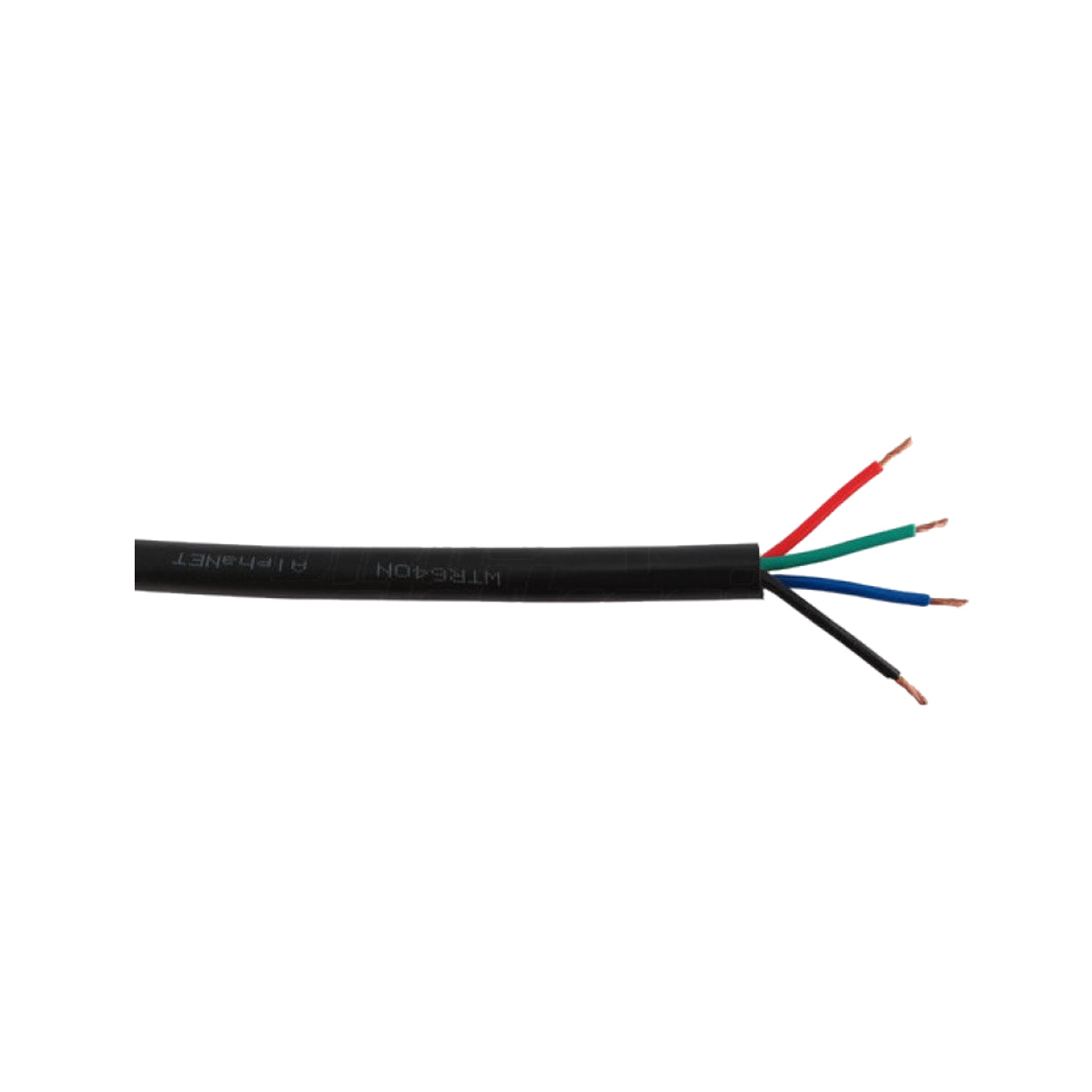
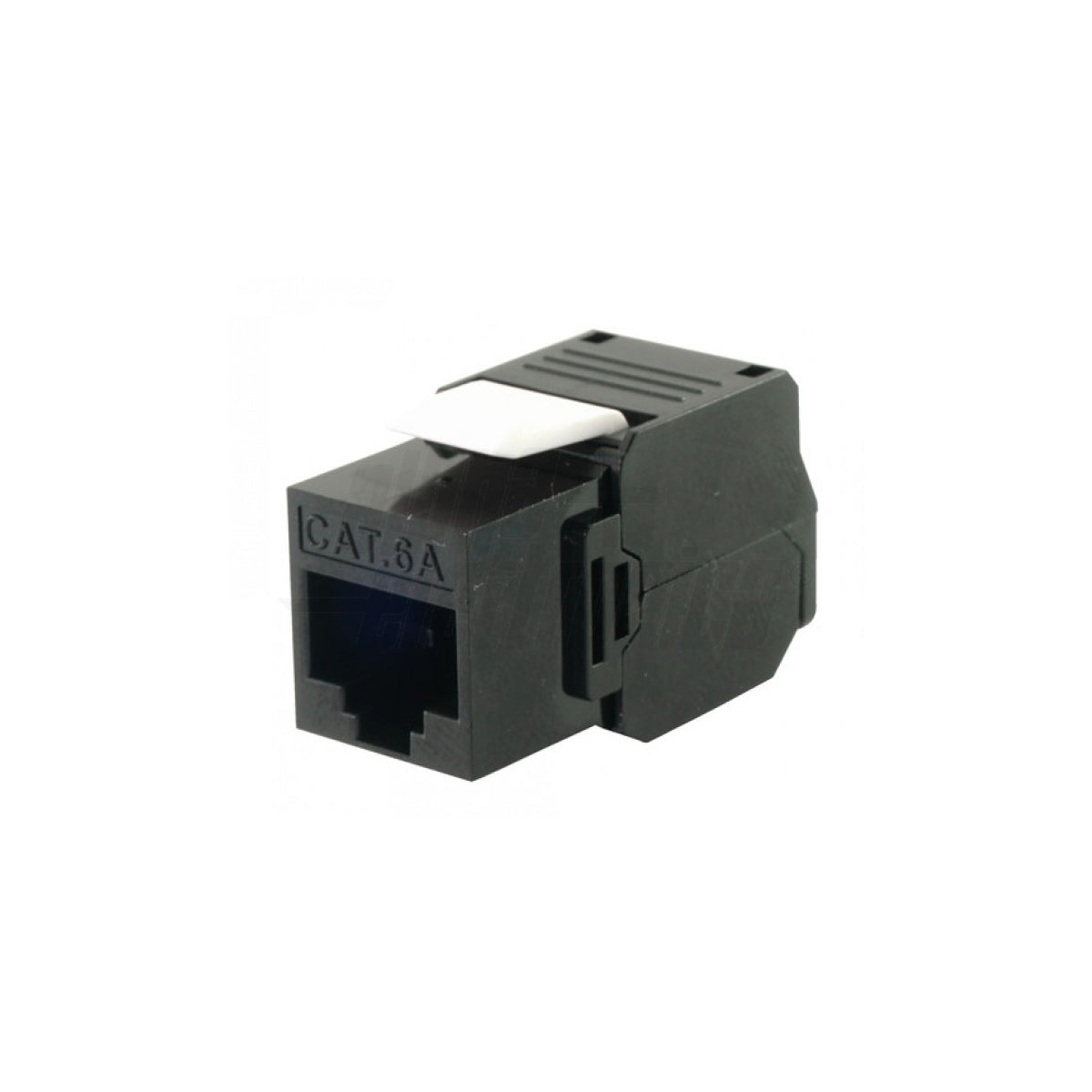
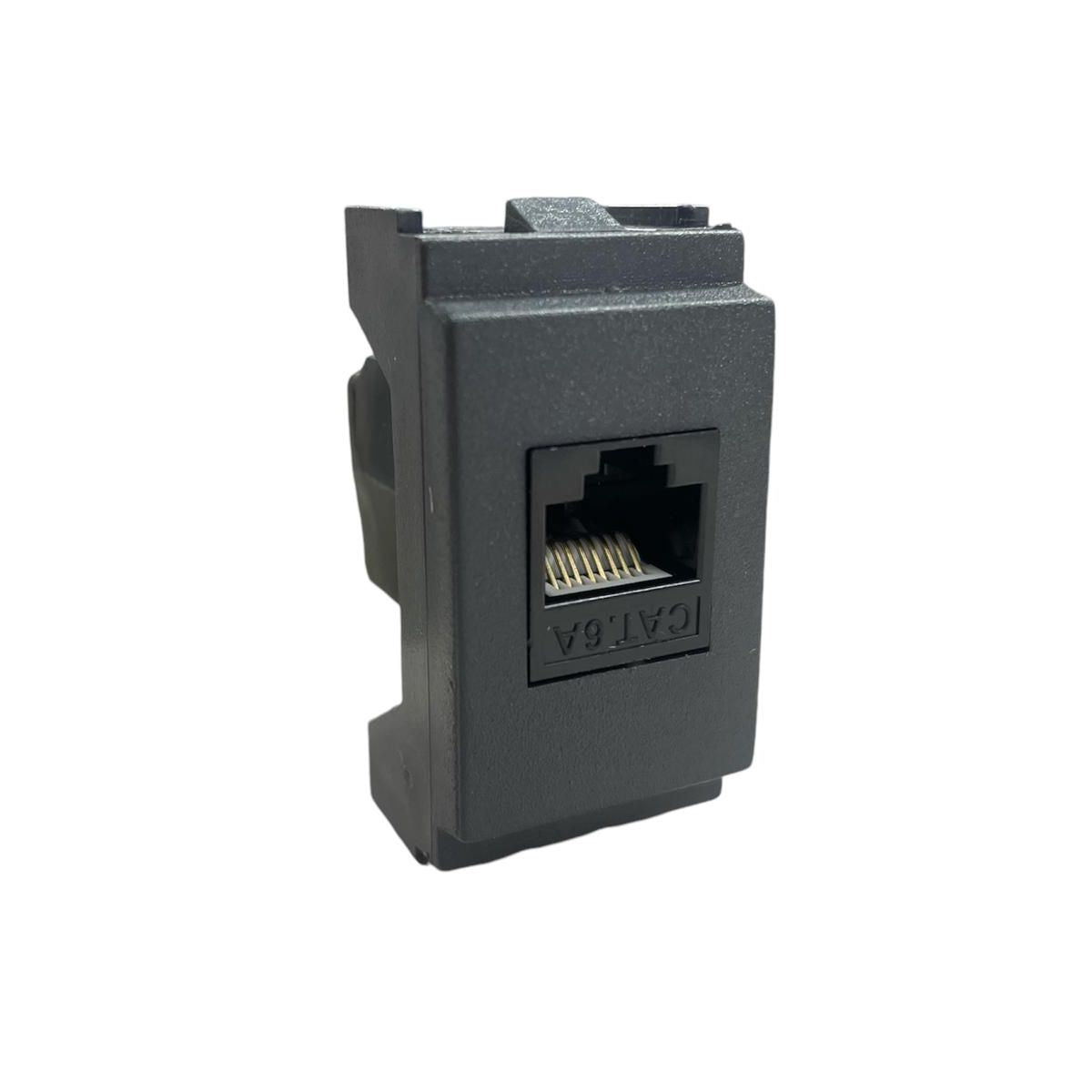
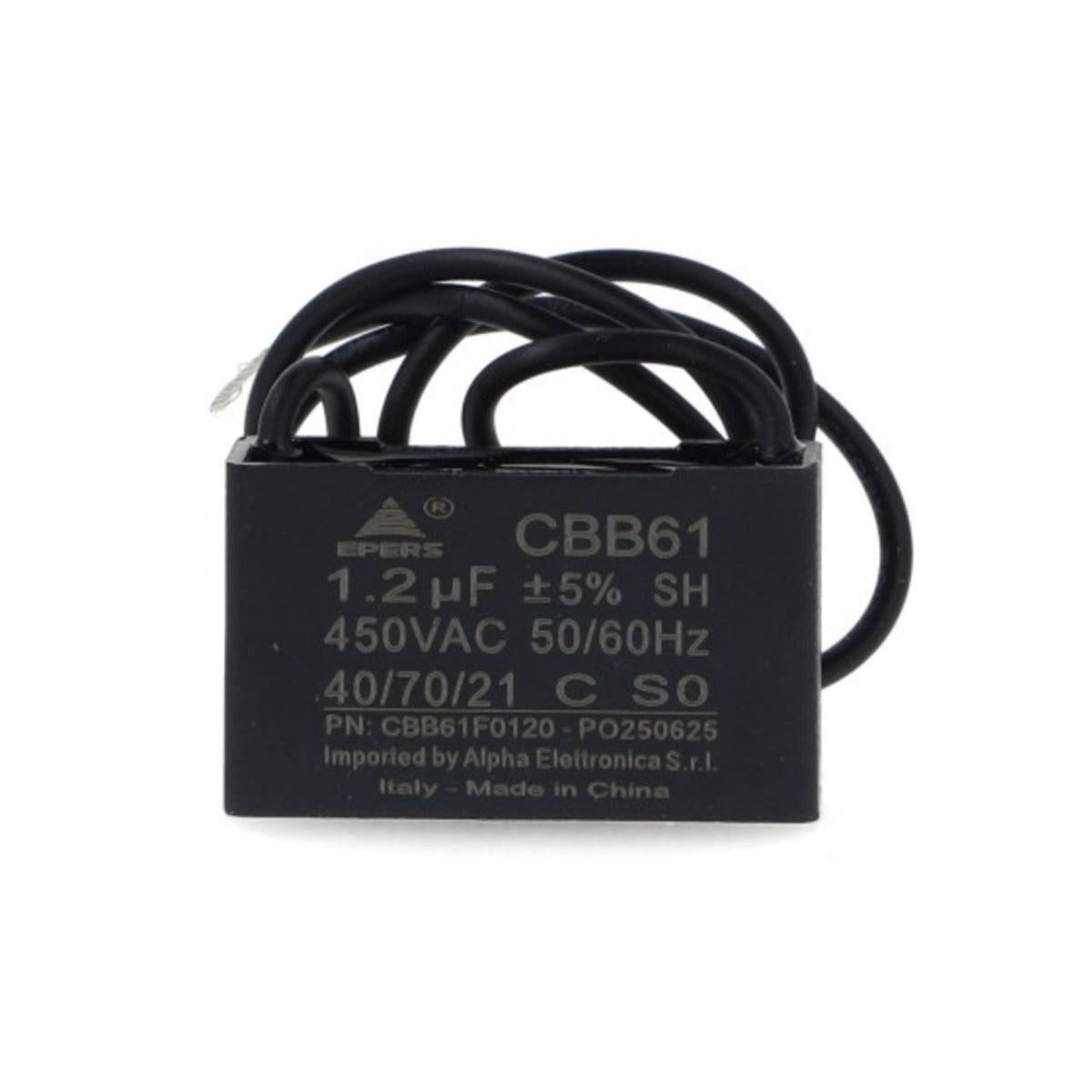
Whether you choose to install immediately or wait for the application window to open, a professionally installed wallbox requires certified electrical materials: correctly sized cables, dedicated miniature circuit breakers and residual current devices, conduits, and outlets compatible with the existing system. With over 25 years of experience in the electrical sector, the Oniroview team selects reliable technical components for private individuals, installers, and condominiums who want to tackle the installation without surprises during testing—a crucial detail, because the declaration of conformity required by the bonus does not tolerate improvised systems.
Discover the selection of electrical materials and installation accessories in the Oniroview catalog, or contact our team for technical advice before proceeding.
Frequently Asked Questions about the Charging Station Bonus 2026
Is the Charging Station Bonus 2026 already active?
No. The measure is confirmed and funded by the Automotive DPCM of 10 June 2026, but the application window is not yet open: the implementing decree from MIMIT, which will set the dates and procedures, is still pending.
Do I have to wait for the application window to open to install the wallbox?
No. The bonus is retroactive: it covers expenses already incurred. Installing now, while keeping invoices and bank transfers, allows you to have your application ready as soon as the platform reopens.
How much does the bonus cover?
80% of eligible expenses for purchase and installation, up to 1,500 euros for individuals and up to 8,000 euros for interventions on common condominium areas.
Who can apply for the contribution?
Individuals residing in Italy and condominiums. Owners of sole proprietorships and companies are excluded from this measure; for businesses and VAT-registered individuals, separate incentives managed by MASE exist.
Is it cumulative with other benefits?
No, not for the same expenditure. Home Bonus and Thermal Account 3.0 remain valid alternatives only for interventions that do not fall within the scope of the MIMIT bonus.
How to apply?
Online, through the Invitalia Personal Area, with SPID, CIE, or CNS access, attaching expense documentation and the system's declaration of conformity.