











































Power connection cables
Filter
Sort by:







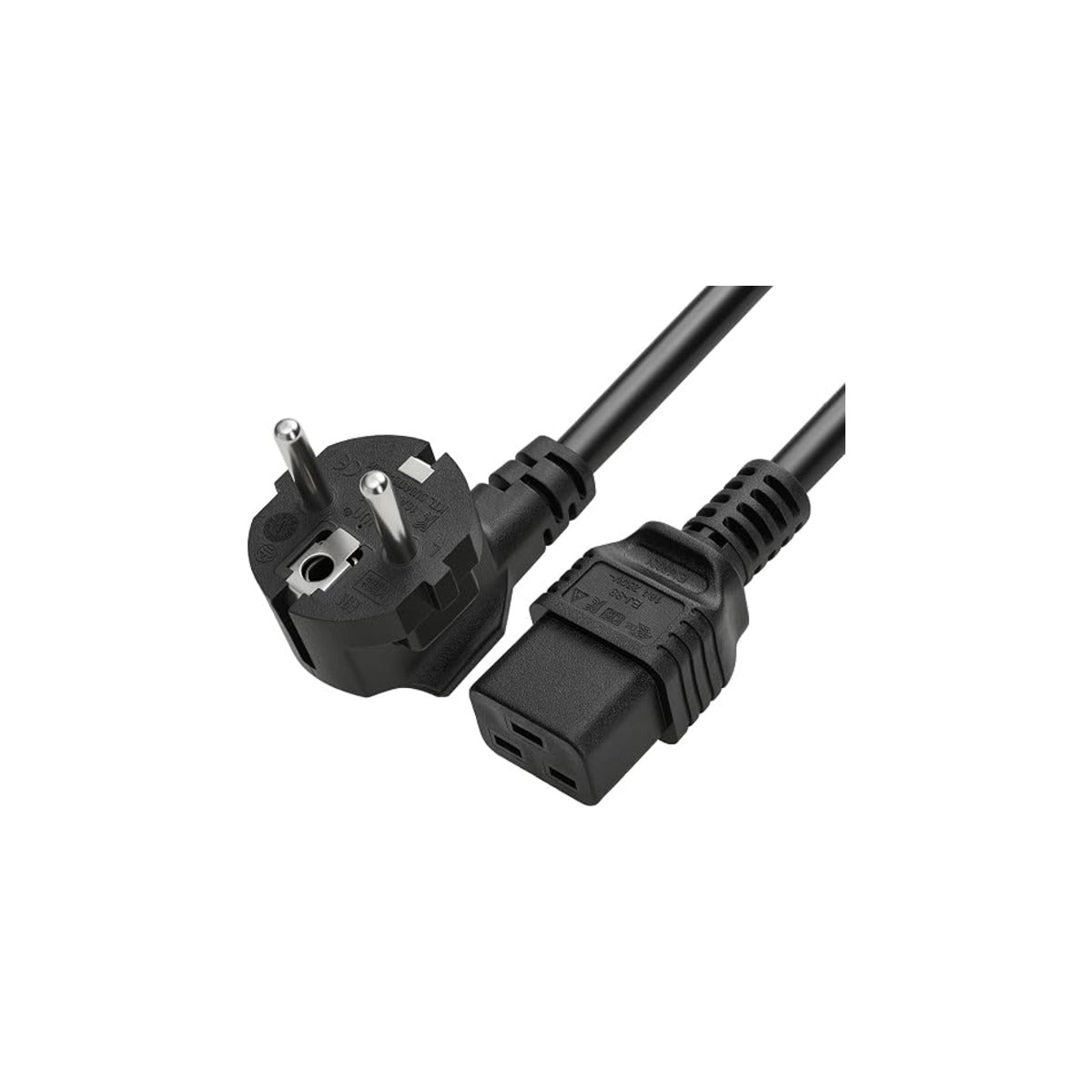
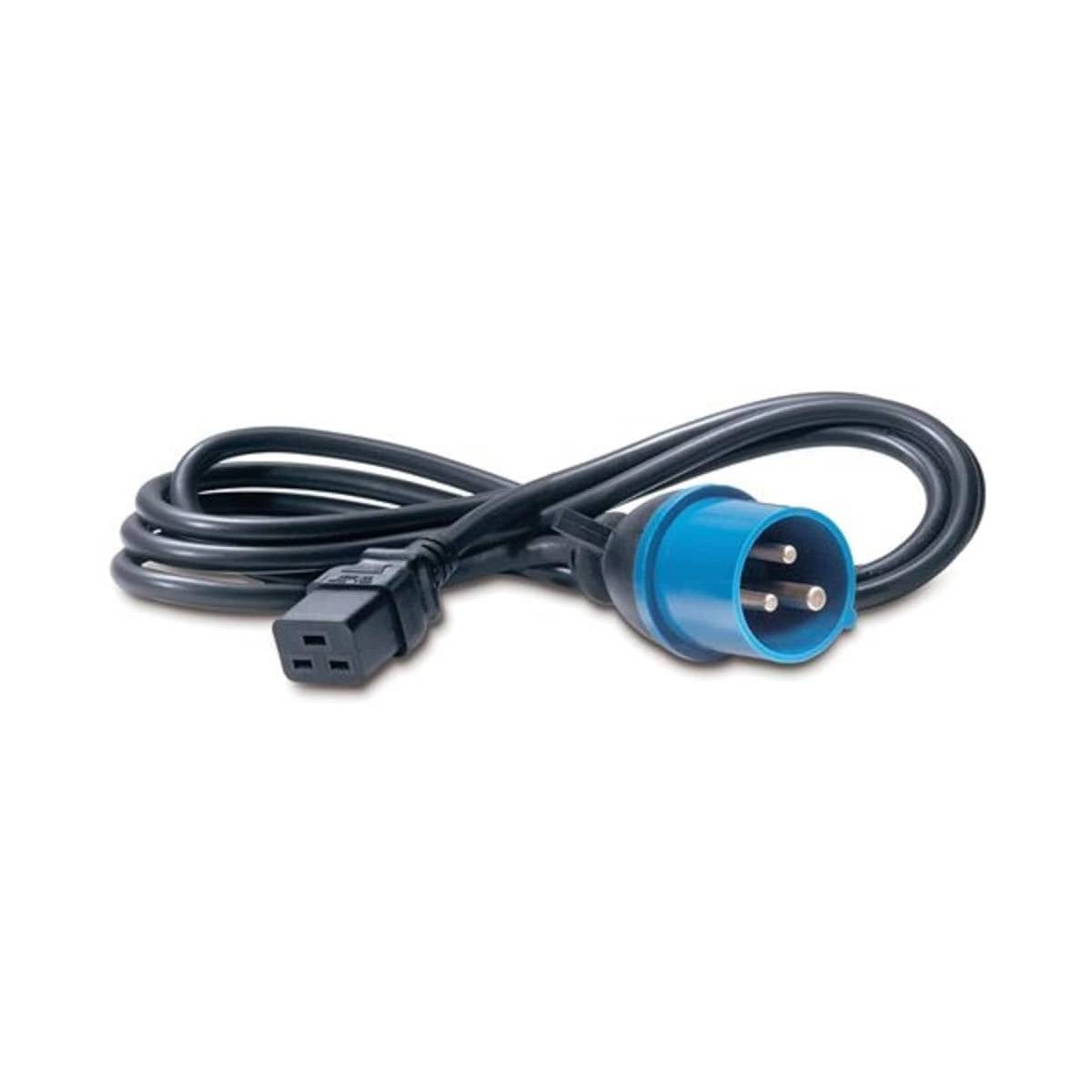
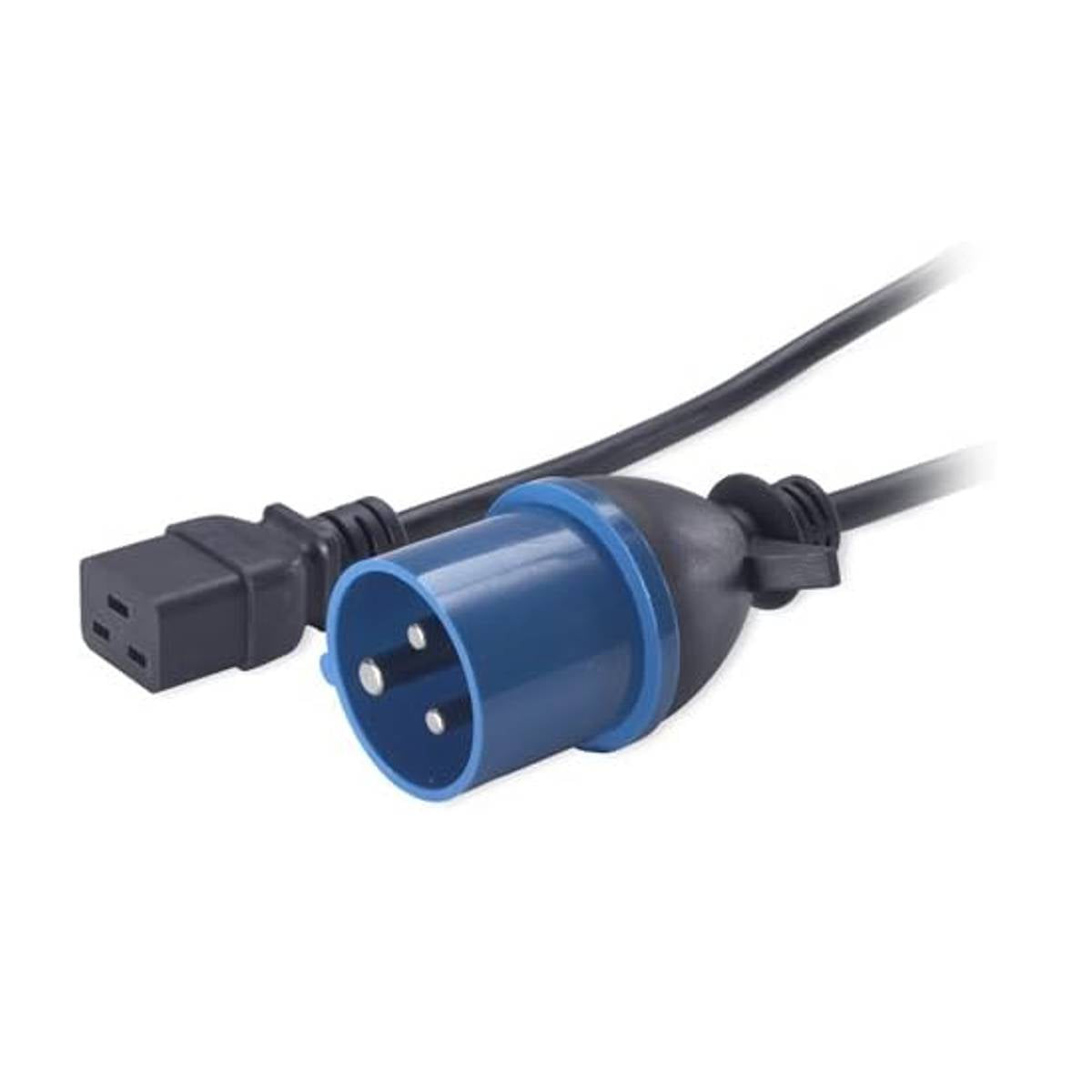


IEC power cables: check the code, not the shape
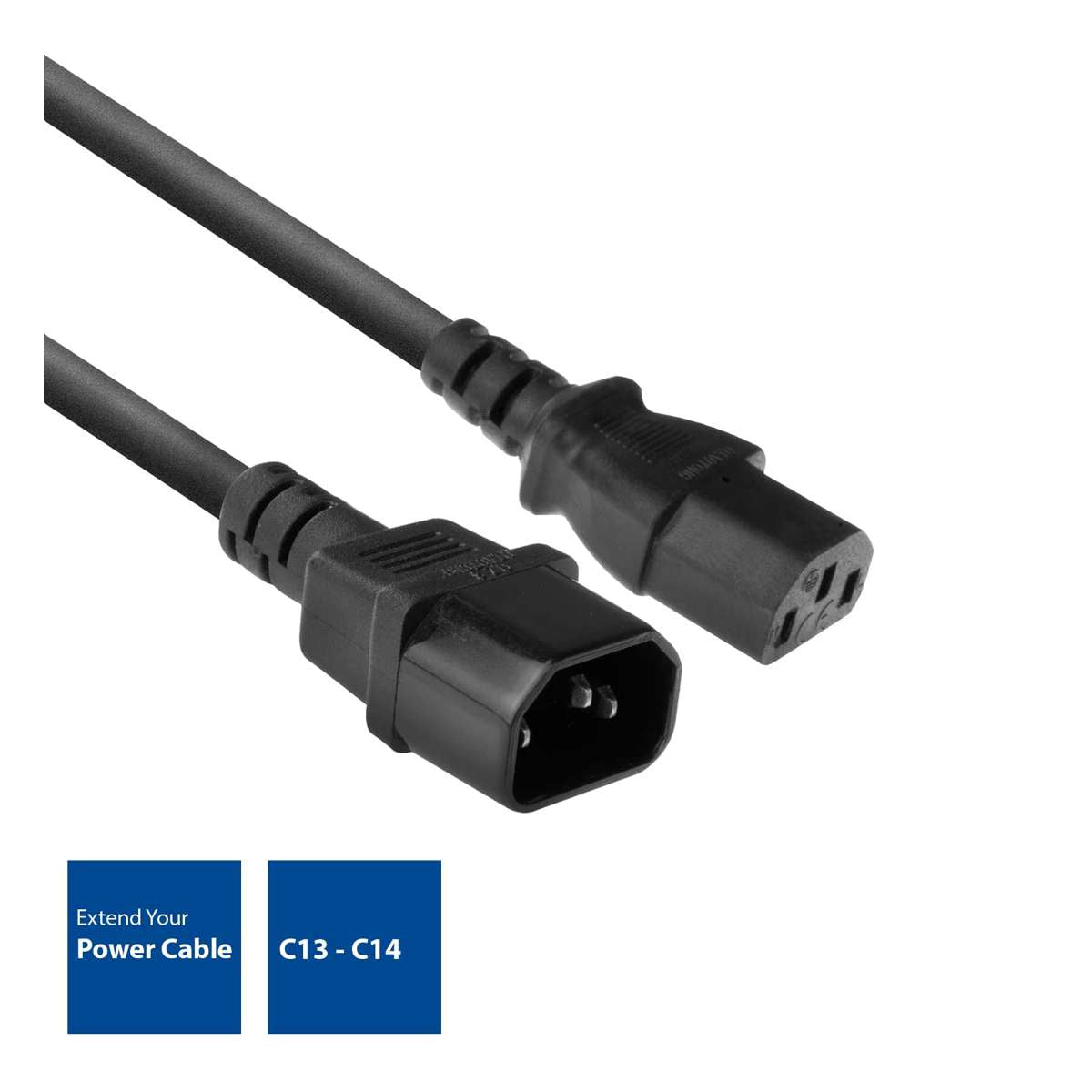
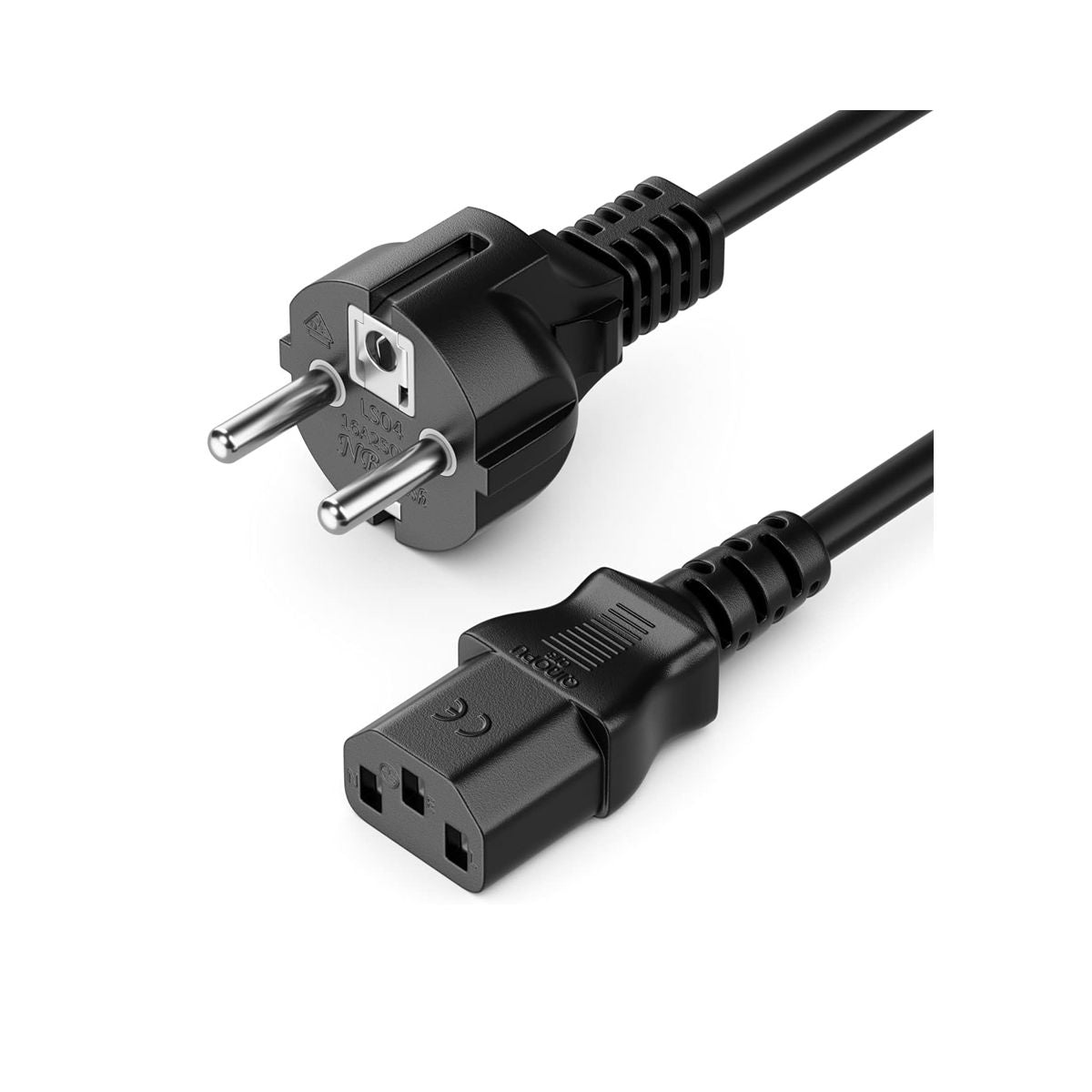
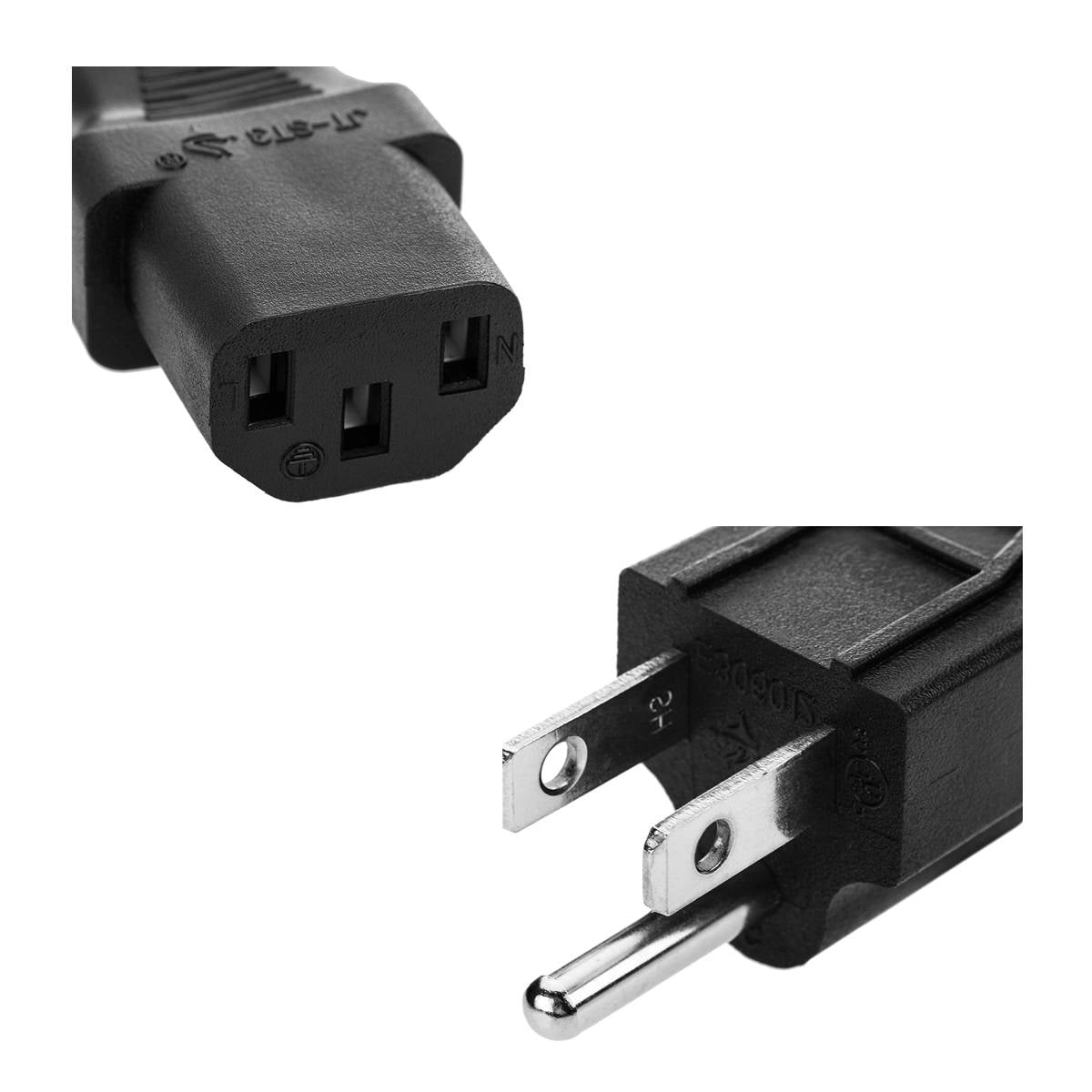
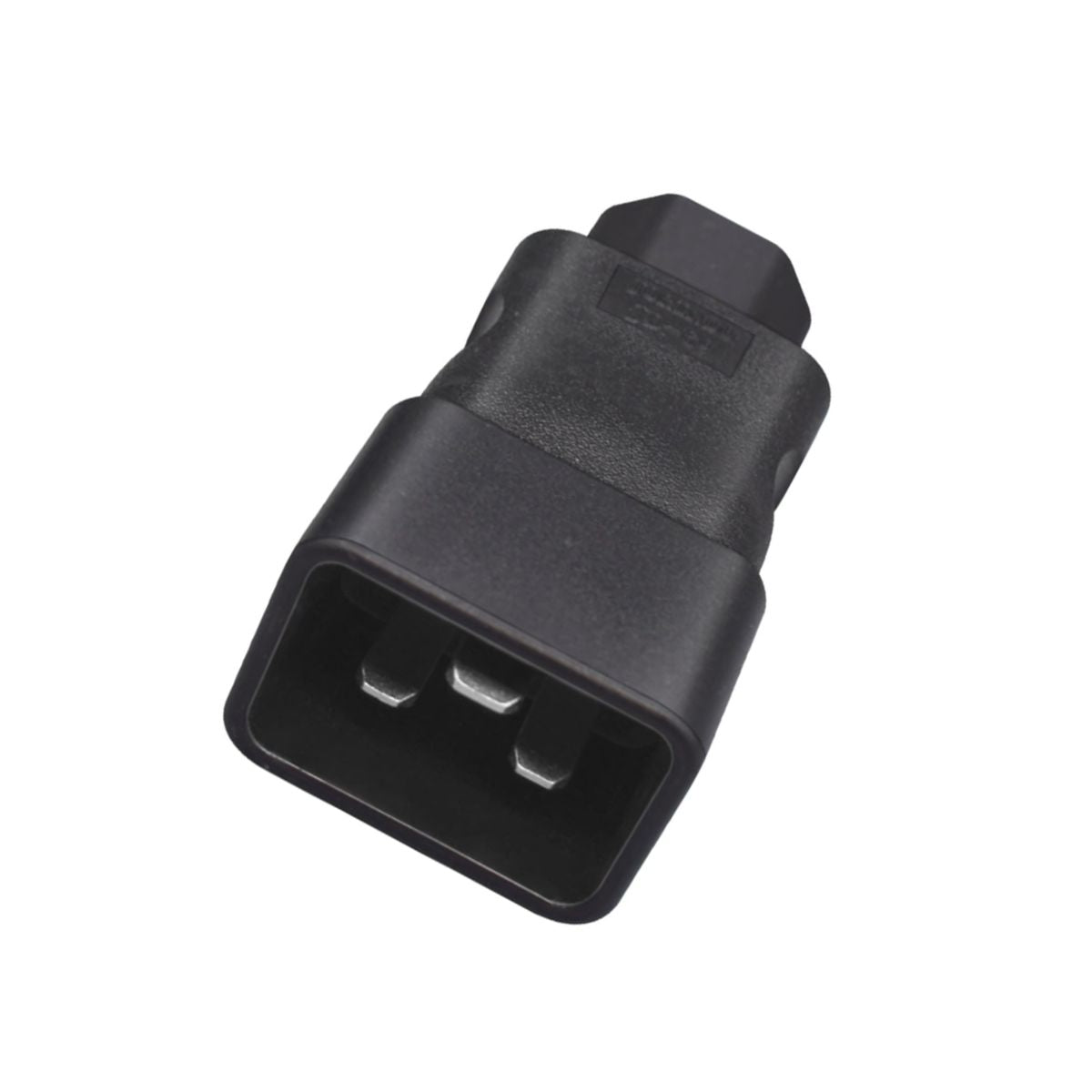
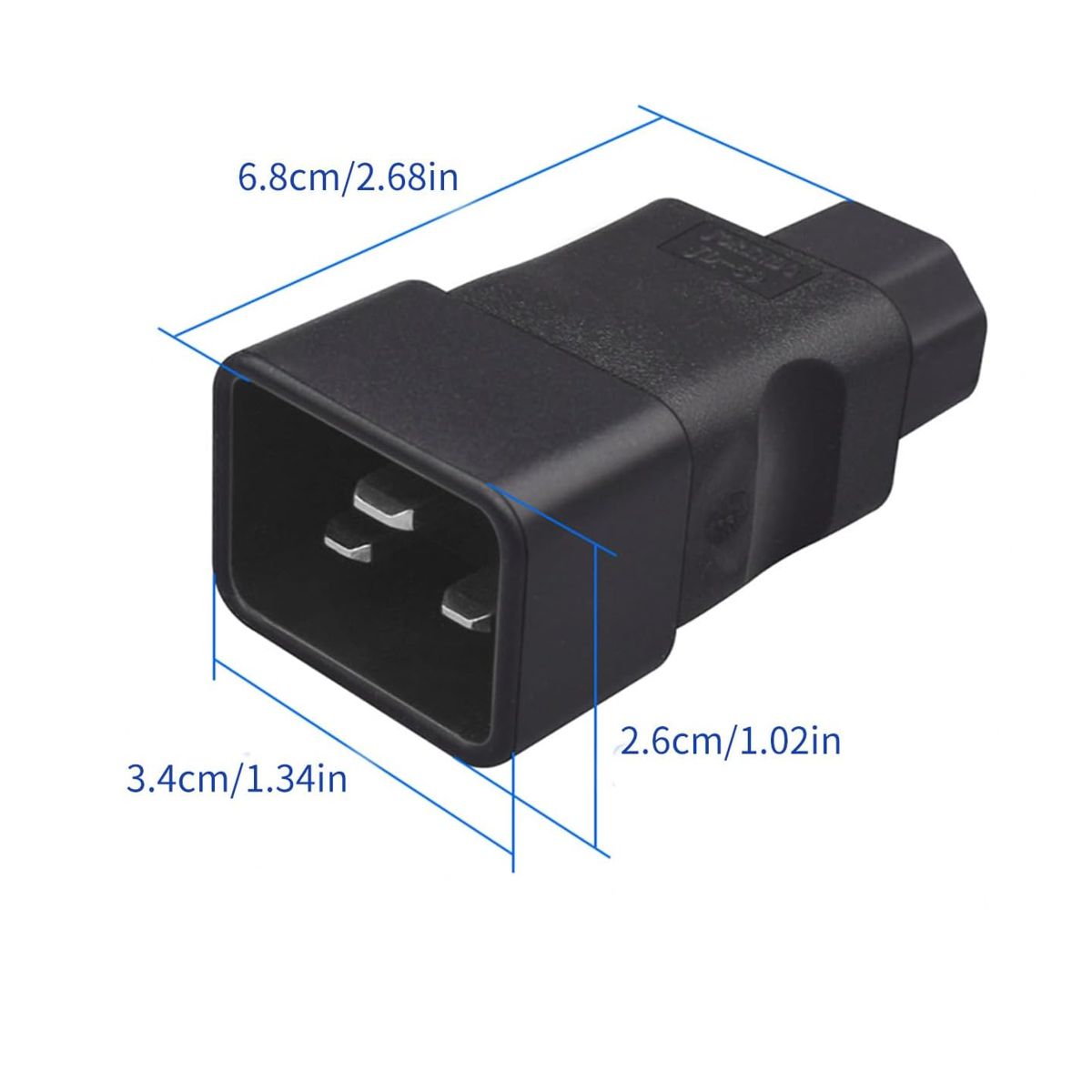
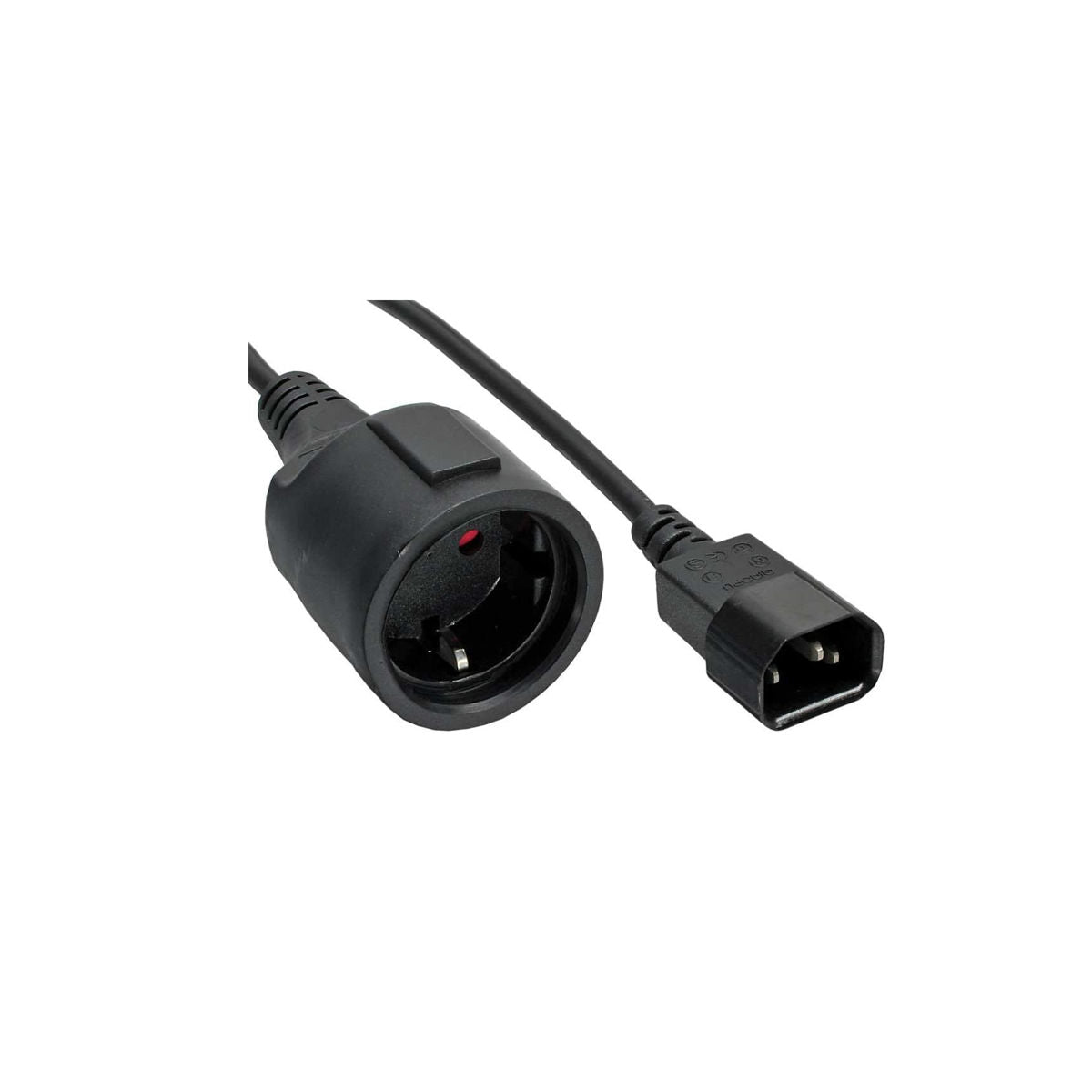
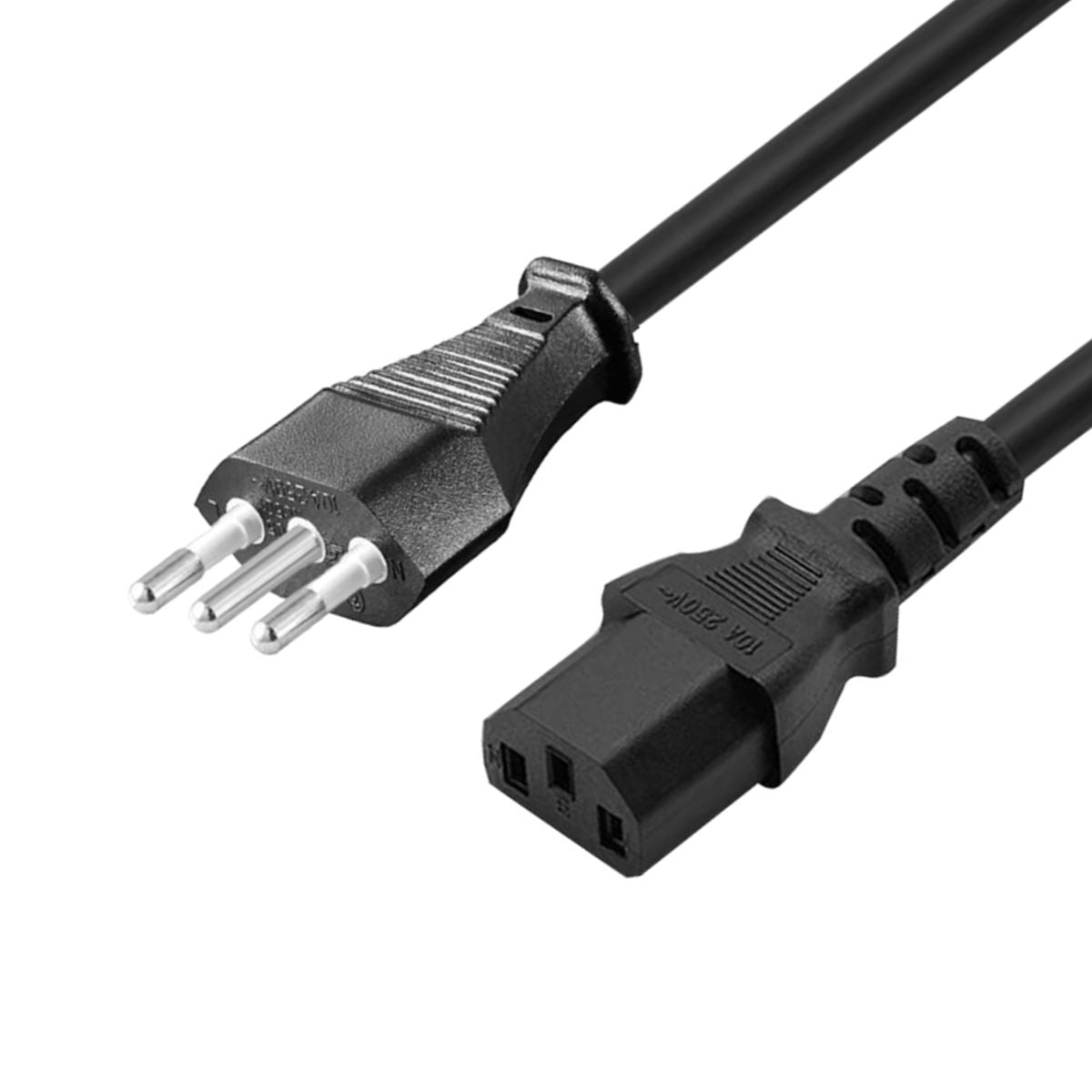
Almost all power cables for electronic devices follow the IEC 60320 standard, which assigns a code to each connector: C13, C14, C19, C20, C5, C6, C7, C8. That code tells you everything — shape, number of poles, and maximum current. If you know which socket your device has, your search is already over. General rule: odd numbers (C13, C19, C5, C7) are female connectors, the ones on the cable; even numbers (C14, C20, C6, C8) are the male sockets mounted on the device. A cable for a PC with a C14 socket will therefore be a cable with a C13 connector.
IEC connector table
| Code | Common name | Poles | Where to find it |
|---|---|---|---|
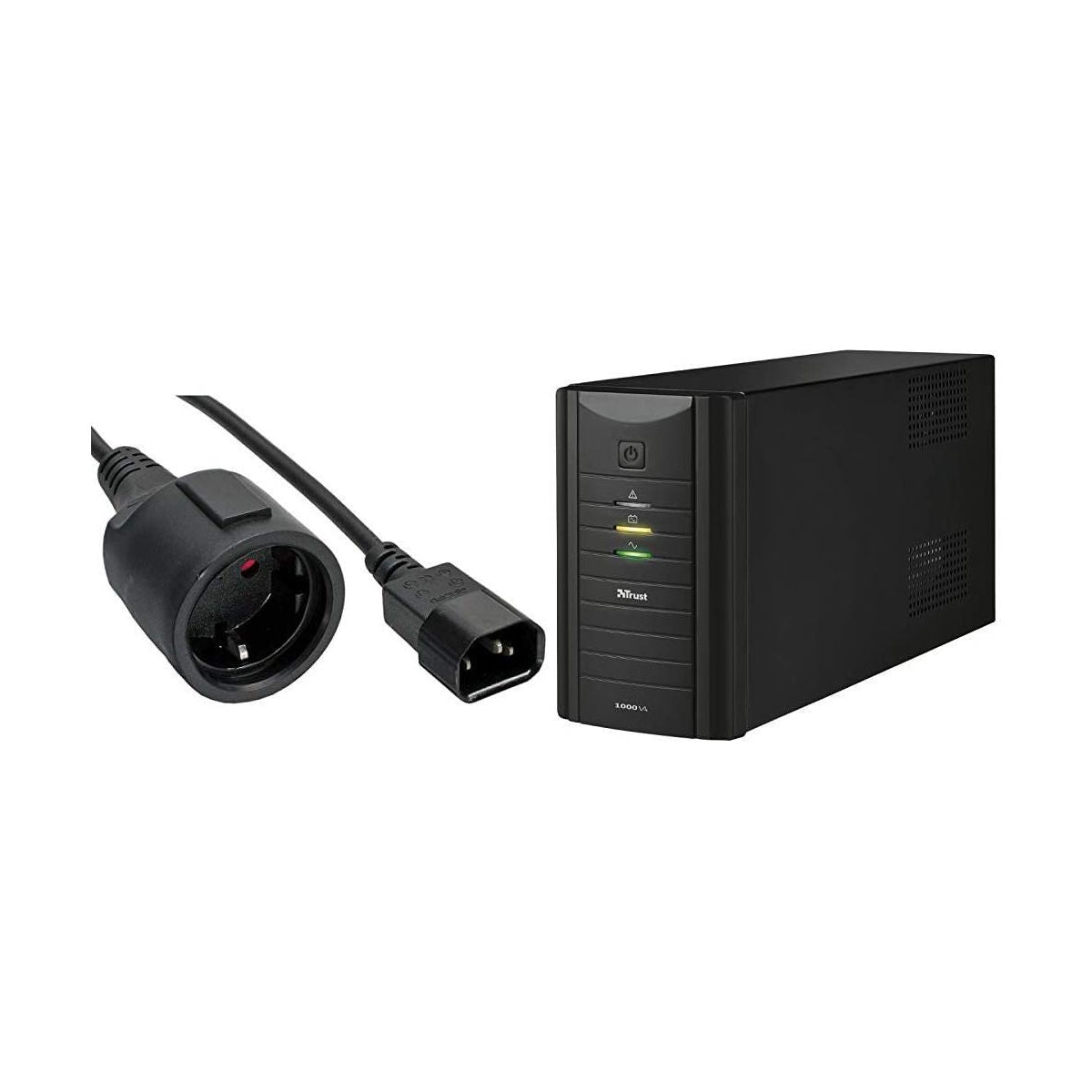
| C13 / C14 | PC cable, "three-prong" | 3 (with ground) | Computers, monitors, printers, UPS, amplifiers |
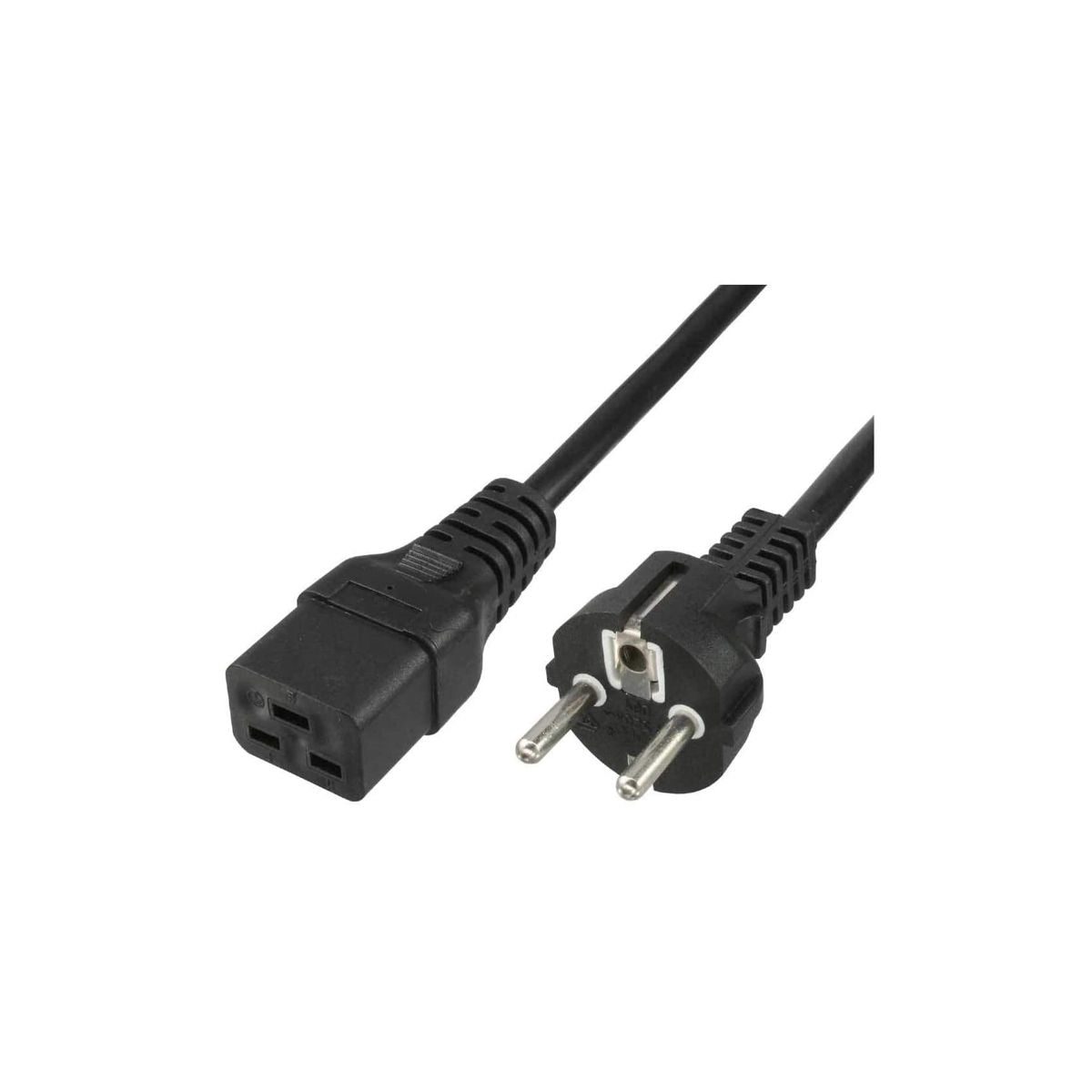
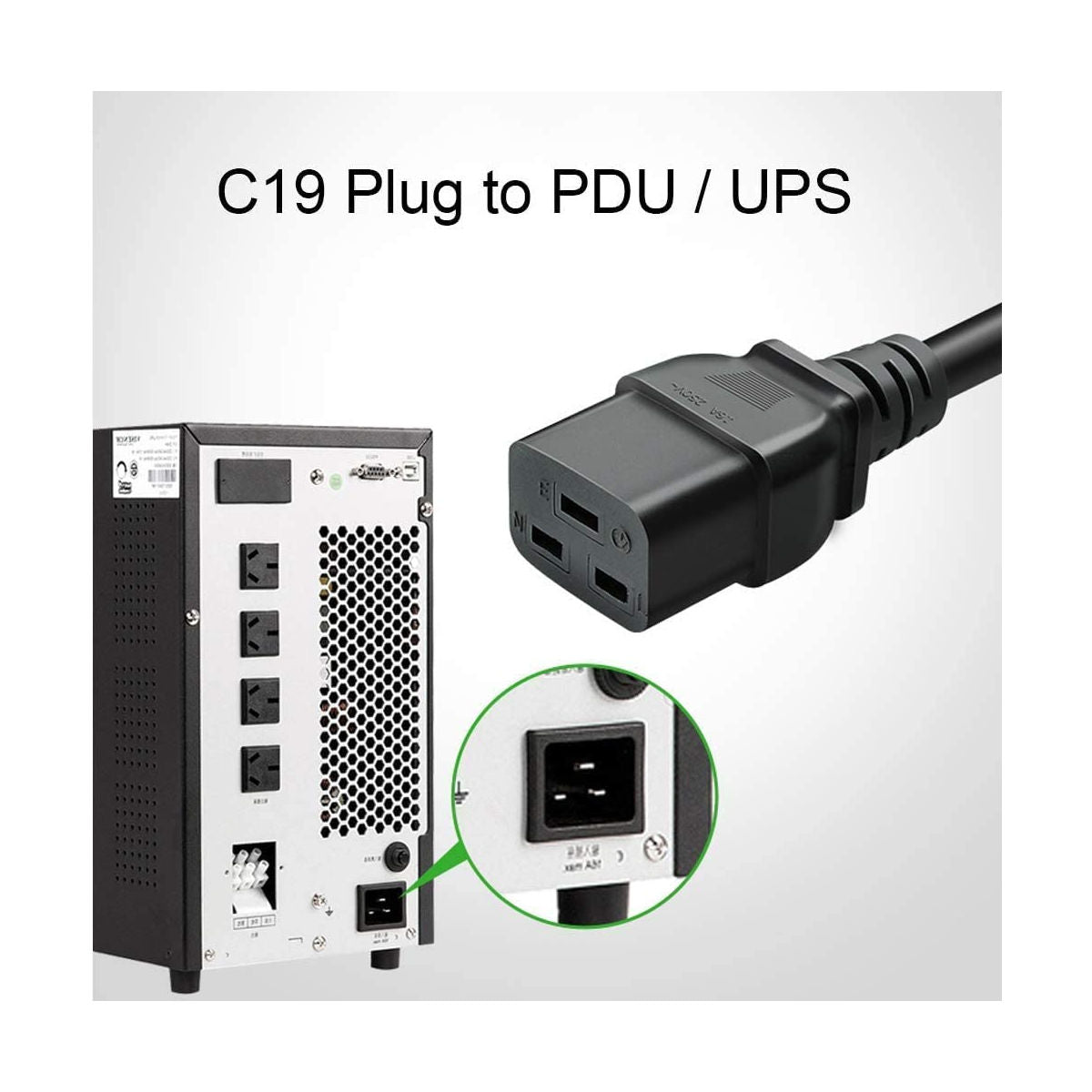
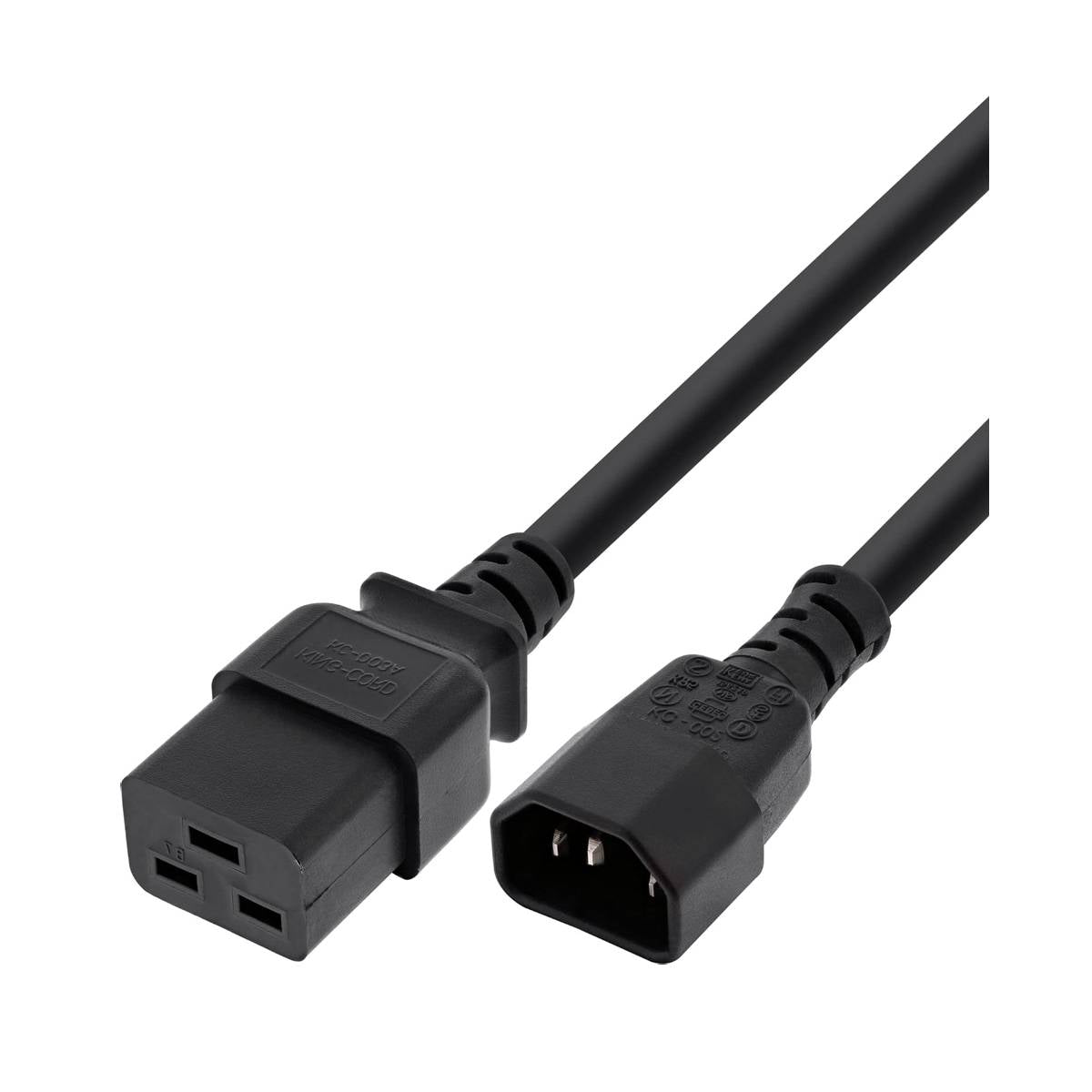
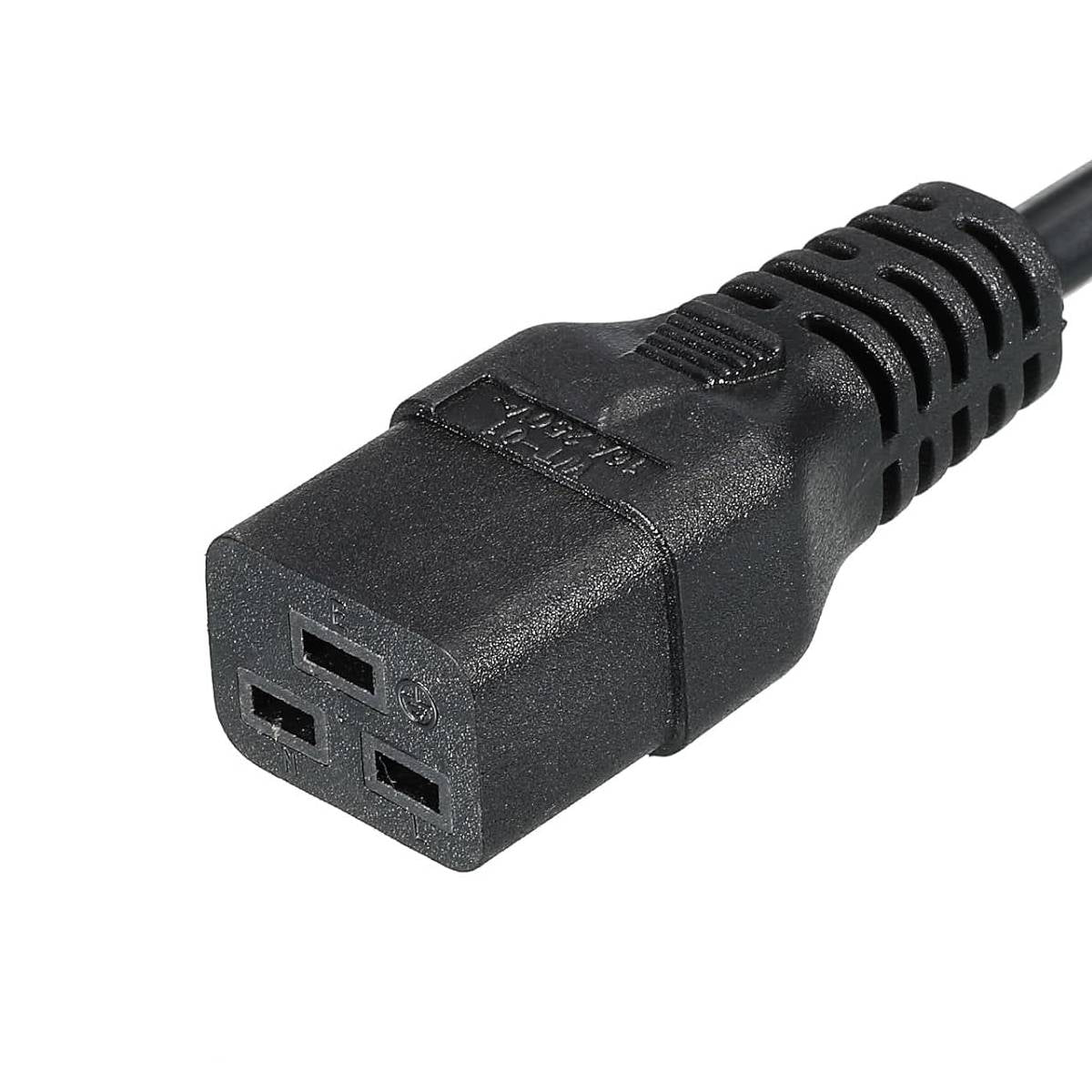
| C19 / C20 | 16A rack cable | 3 (with ground) | High-power UPS, PDUs, rack cabinets, servers |
| C5 / C6 | Cloverleaf, "Mickey Mouse" | 3 (with ground) | Notebook power supplies, projectors |
| C7 / C8 | "Figure-8" | 2 (no ground) | Radios, consoles, small power supplies, chargers |
On the other side: which plug
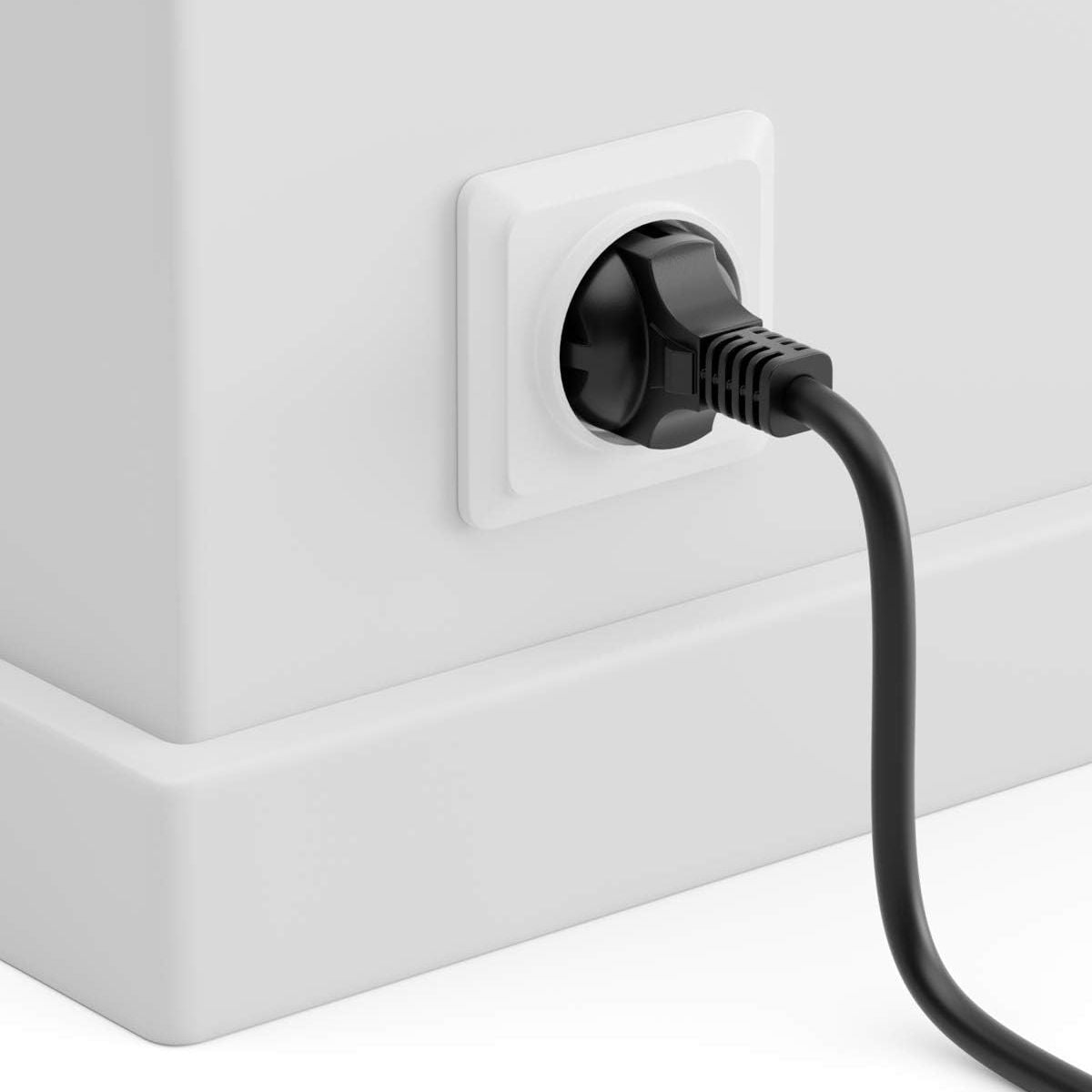
The IEC connector is only half the choice. On the other end, you will find the Schuko plug (German, with round poles and side grounding contacts), the Italian 10A or 16A plug, the industrial blue 16A CEE plug for electrical panels and construction sites, or the American blade plug for imported devices. On modern Italian electrical systems, a Schuko plug fits into dual-standard or universal sockets; on older Italian-only sockets, an adapter may be needed.
10A or 16A: when the difference matters
Under 10 amps, you stay with C13/C14, which covers the vast majority of office and home appliances. You switch to the 16A C19/C20 when the device truly draws more: high-power uninterruptible power supplies, cabinet PDUs, servers. This is not an aesthetic choice: an undersized cable will heat up at the connector and deteriorate over time. If your UPS has a C20 input, the right cable is a C19.
Angled and space-saving adapters
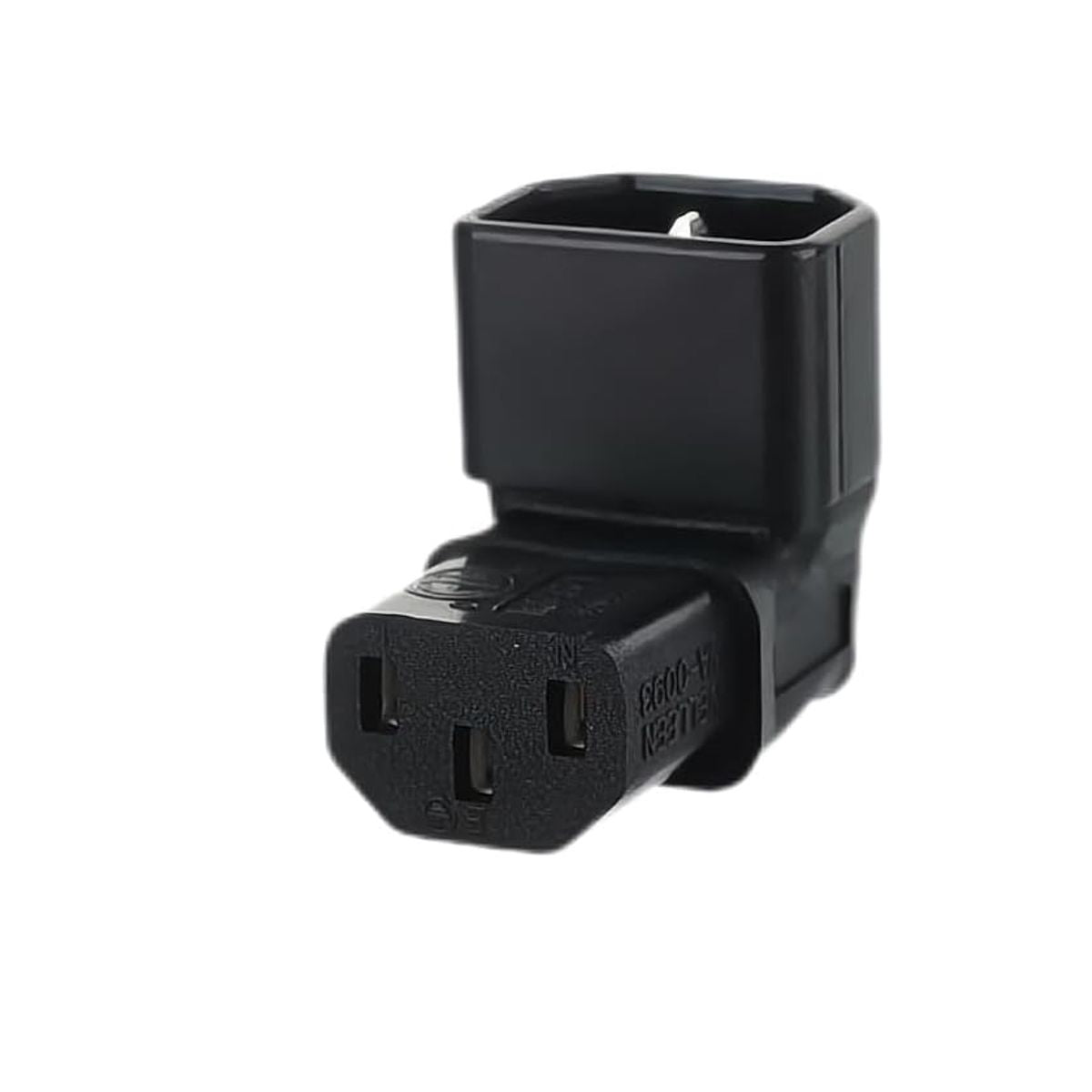
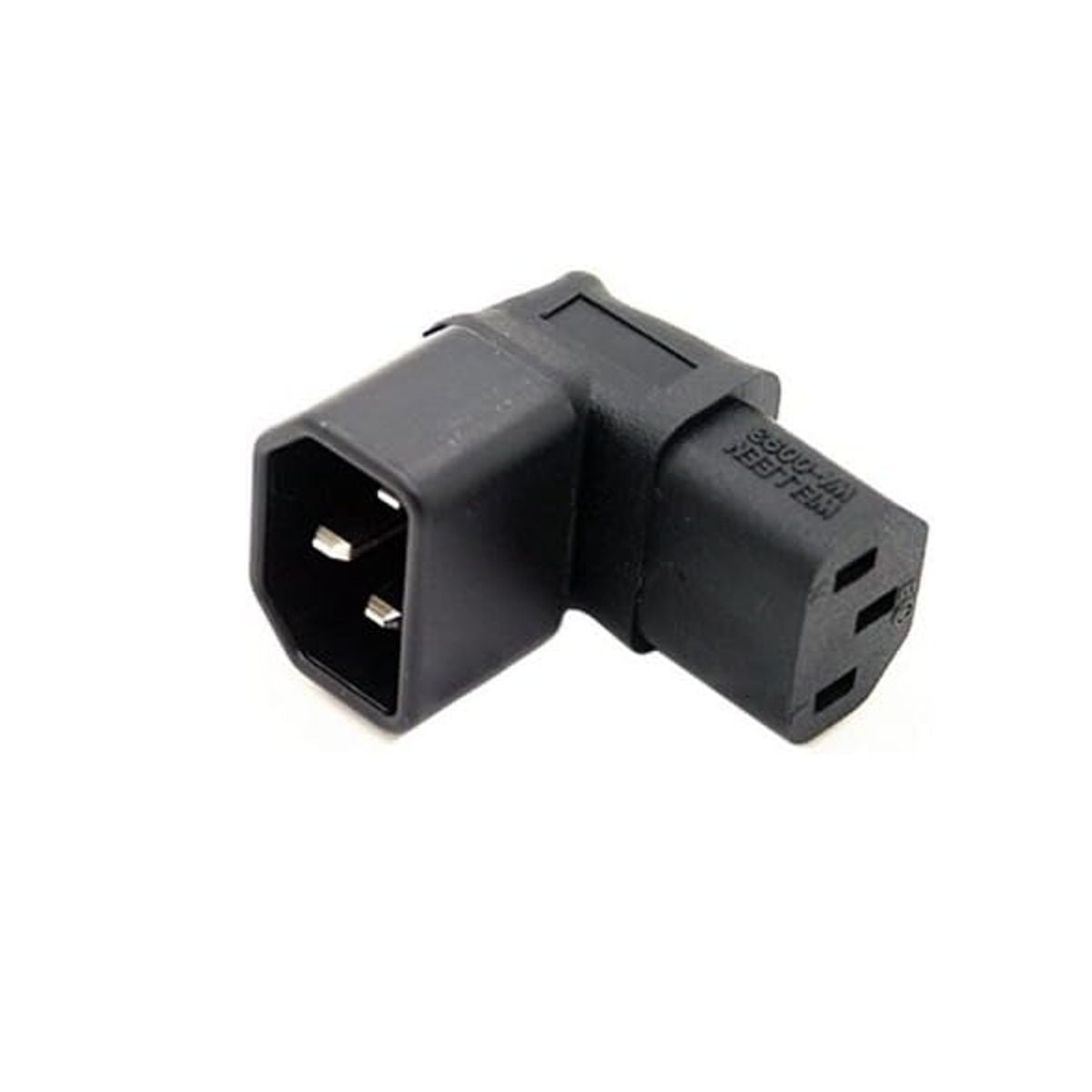
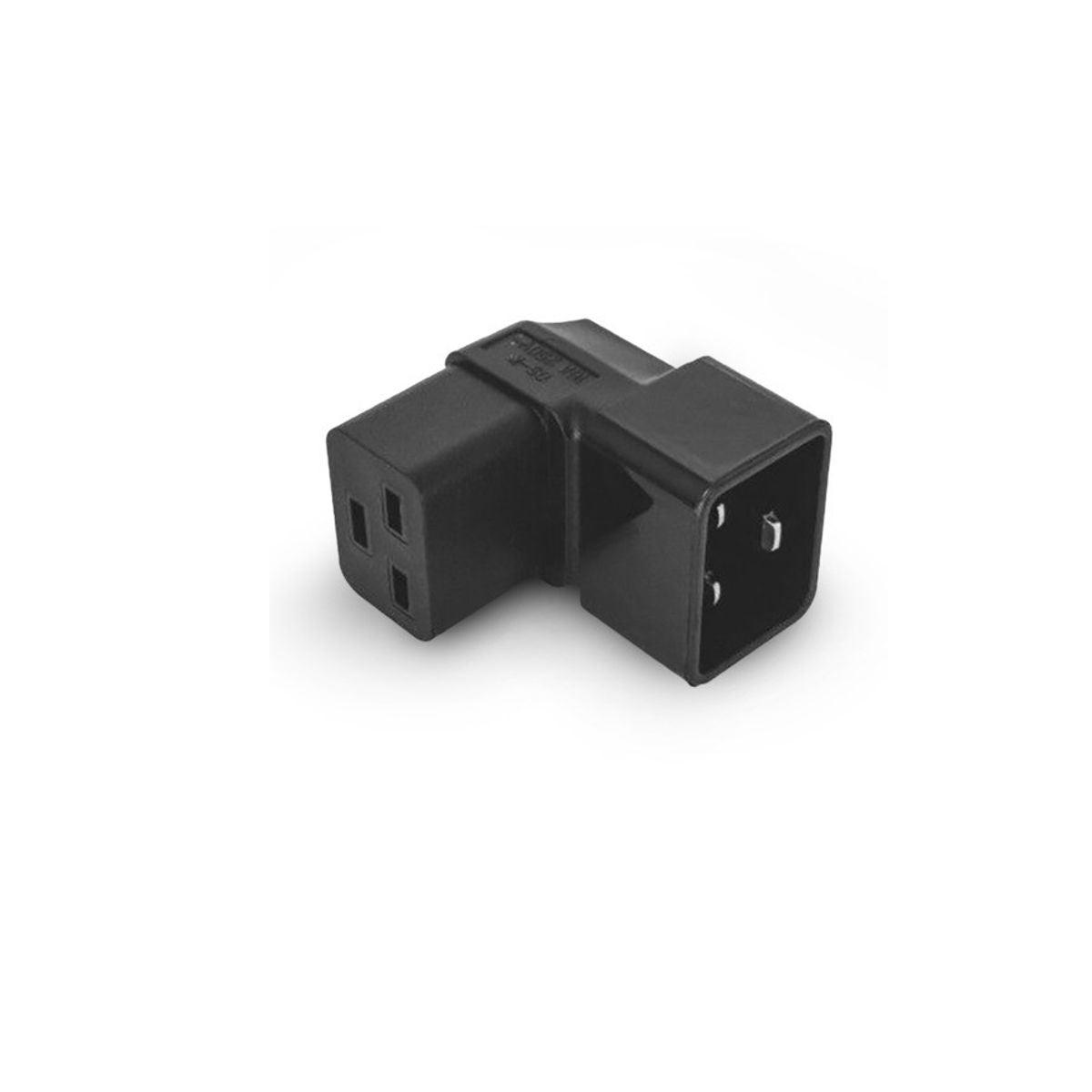
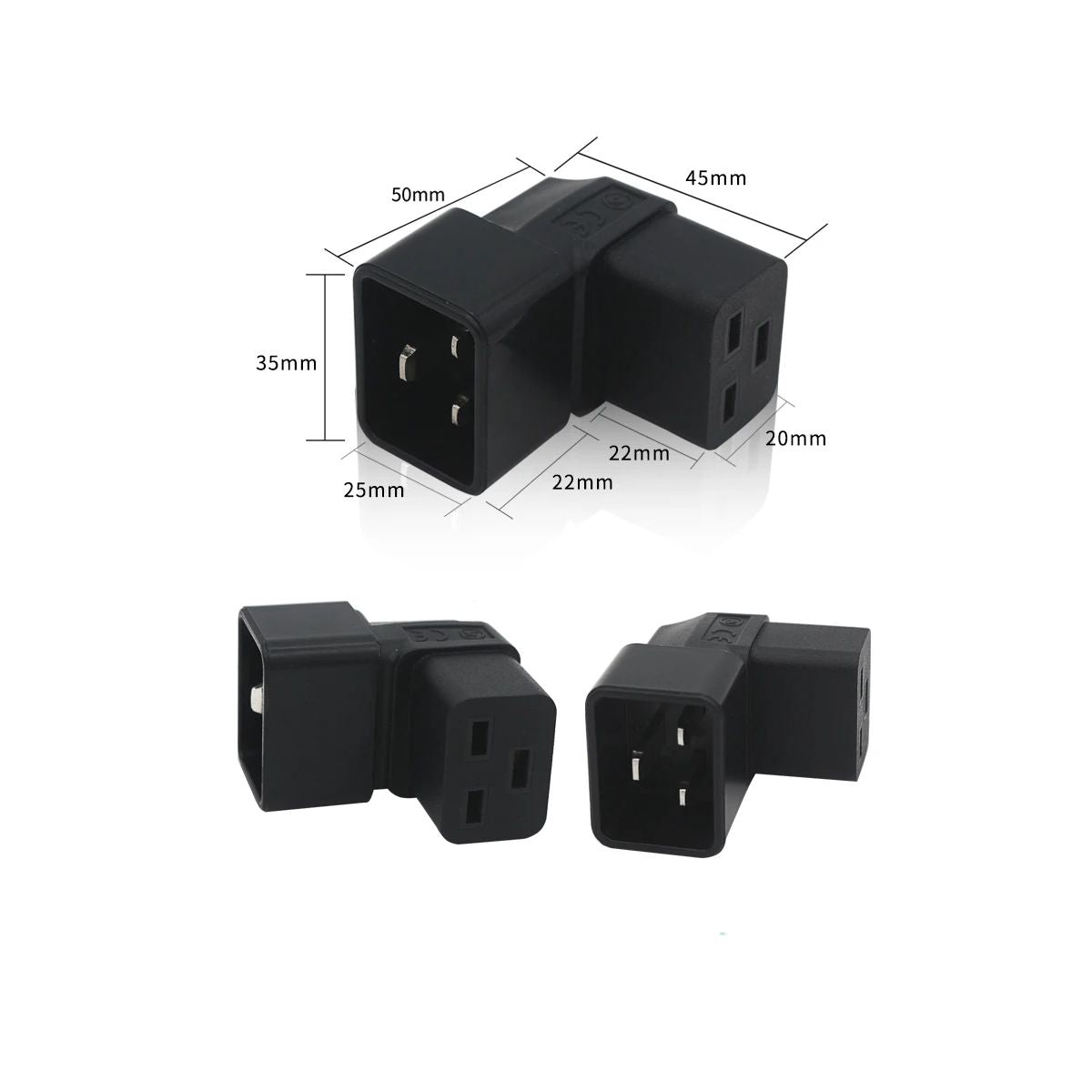
Behind a rack cabinet or a TV stand, a straight cable forces a sharp bend at the connector. Angled IEC adapters (C13/C14, C19/C20, C7/C8, C5/C14) and space-saving angled Schuko plugs allow you to save several centimeters and avoid straining the device's socket.
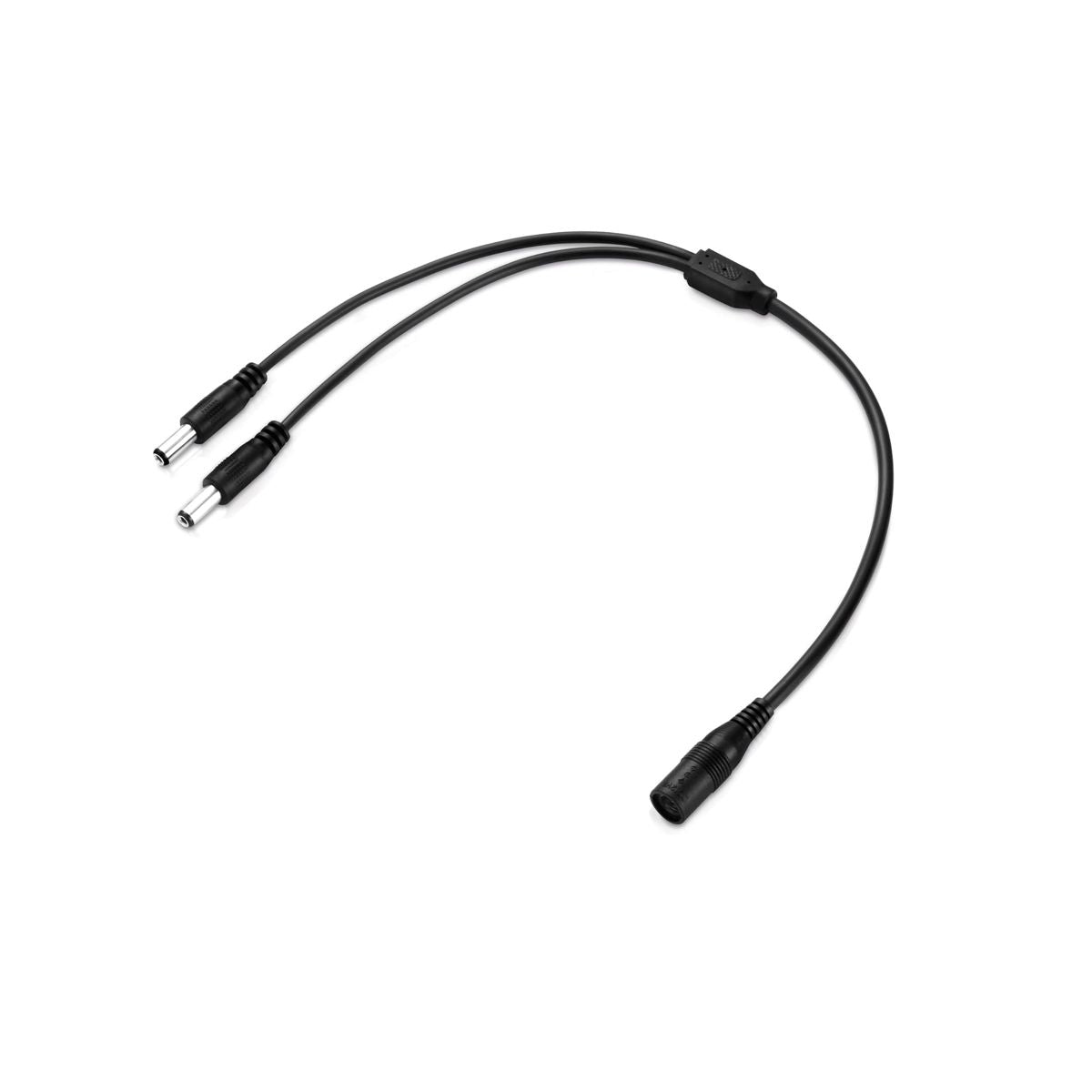
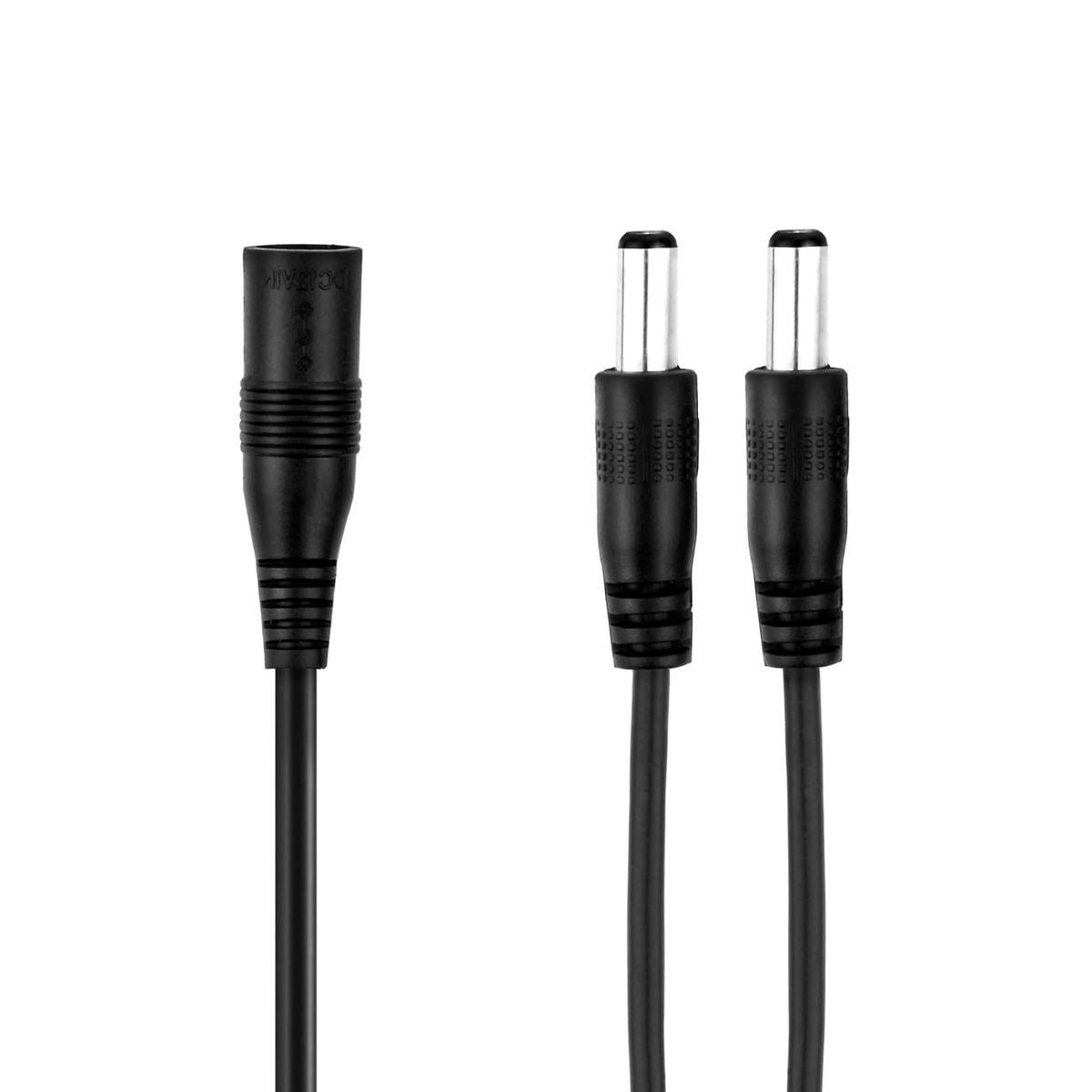
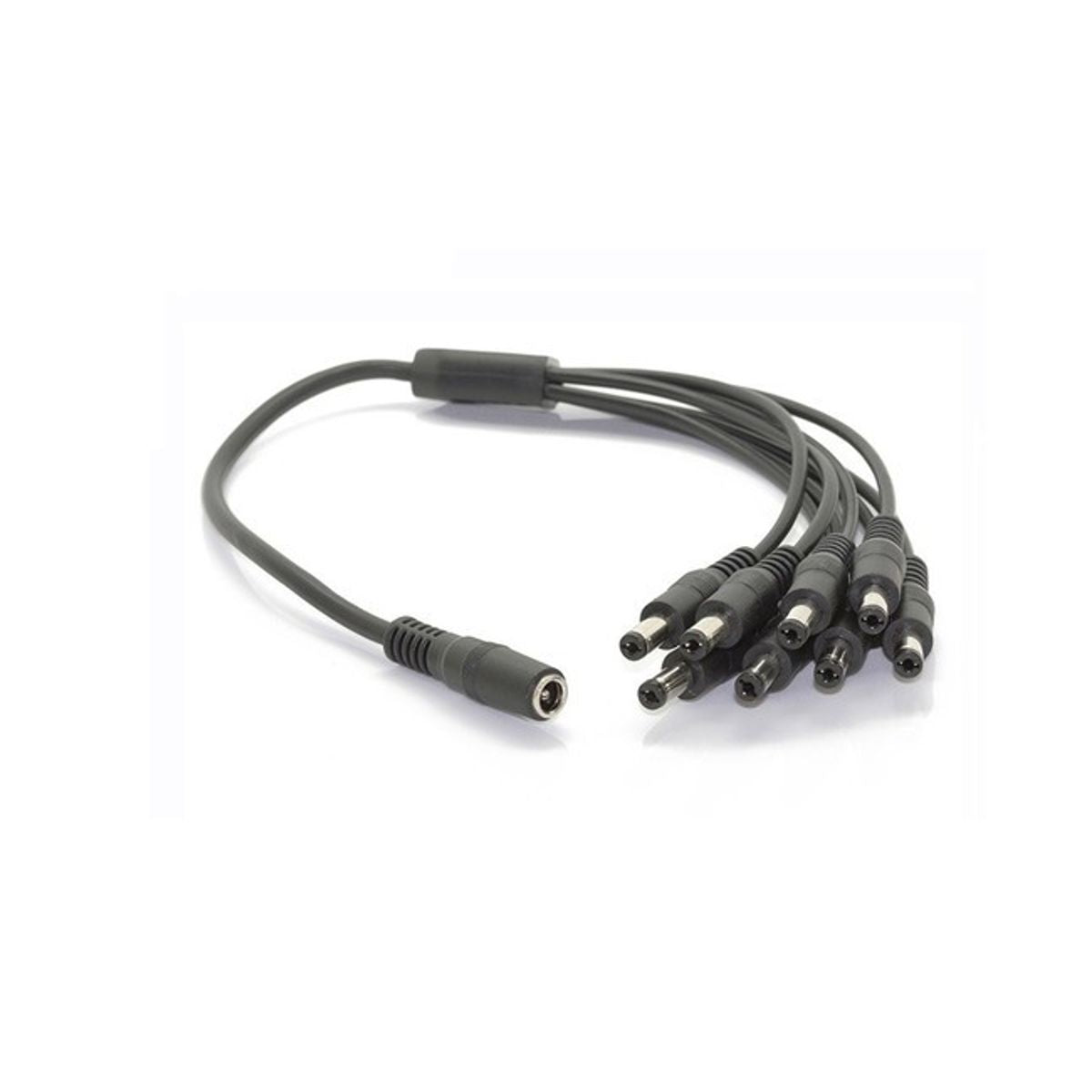
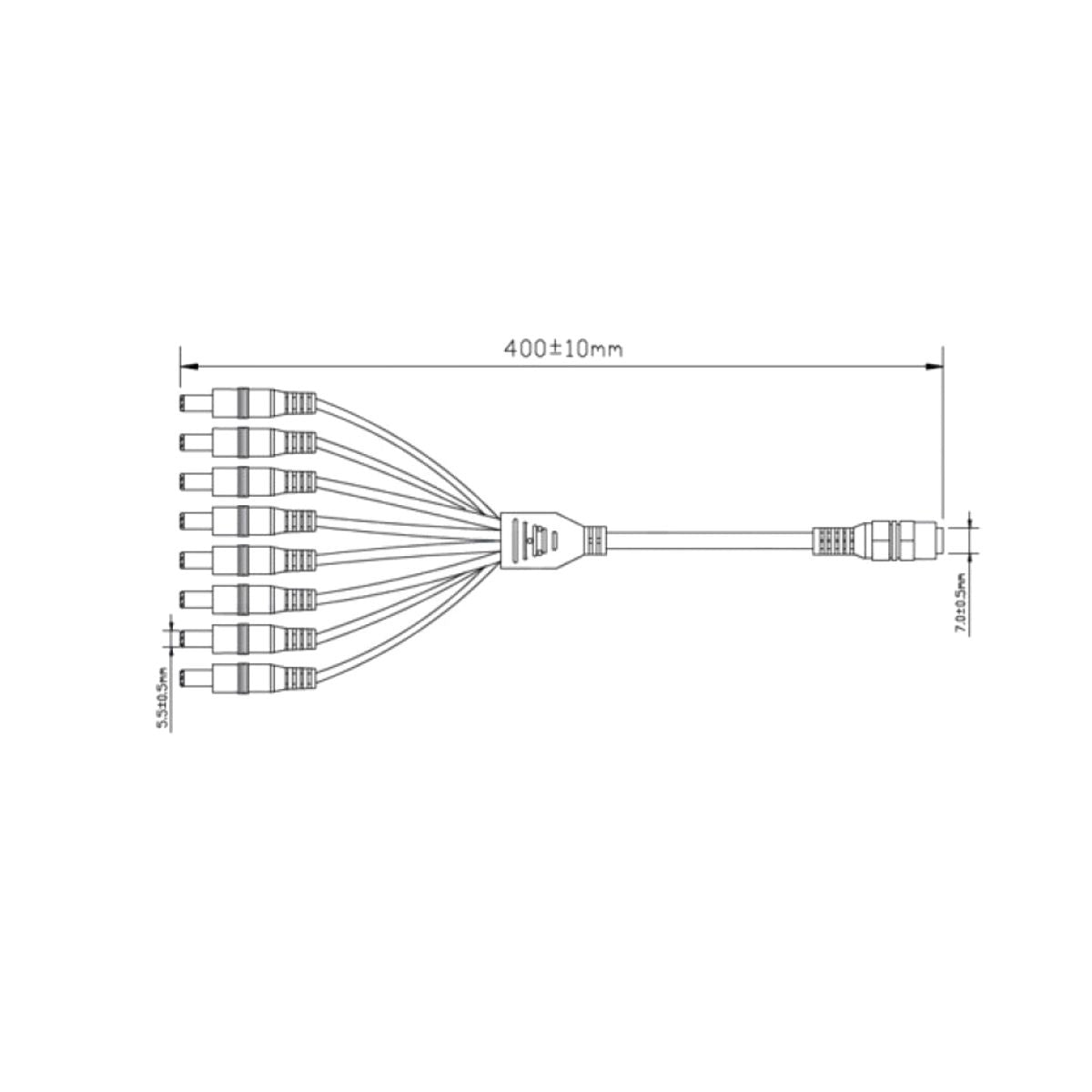
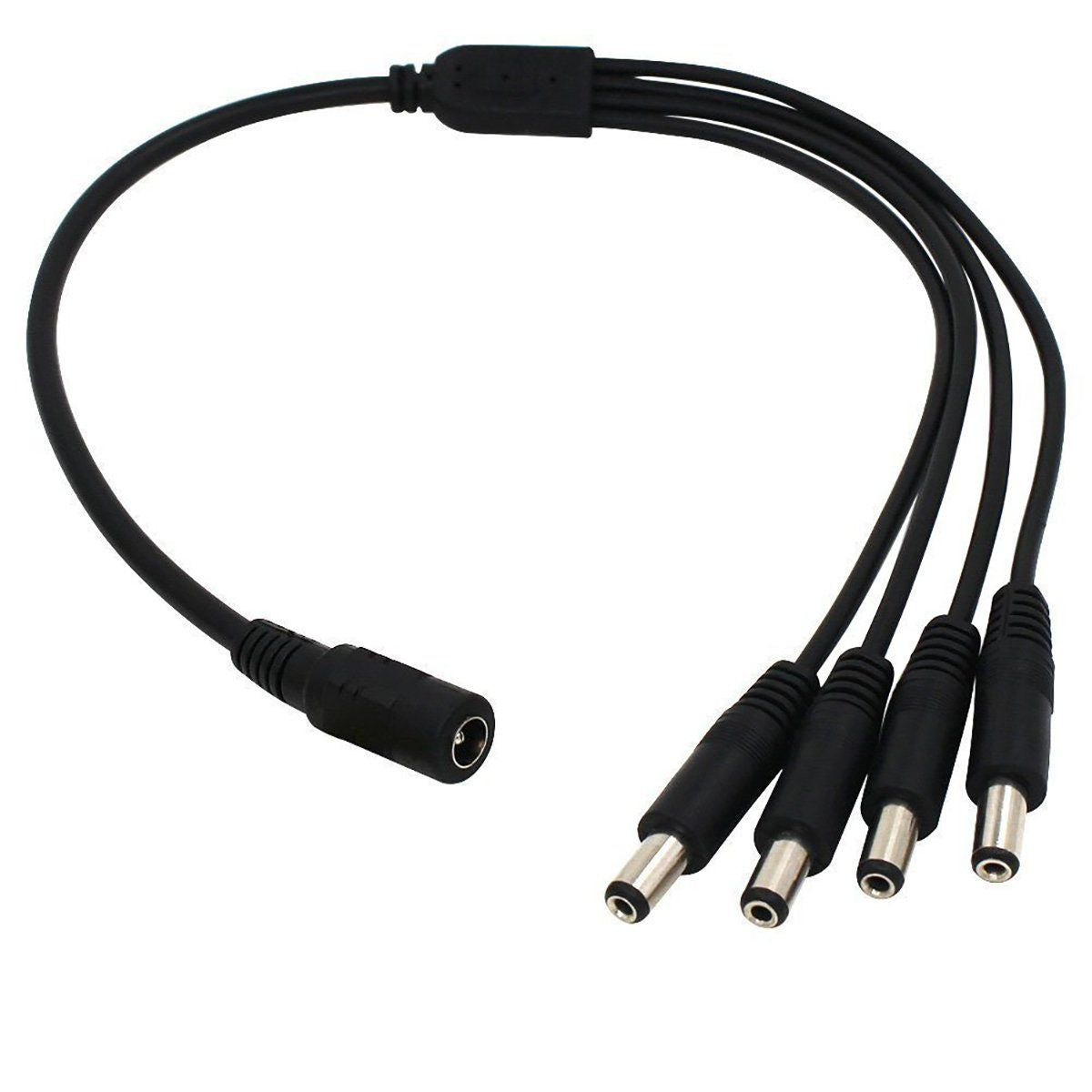
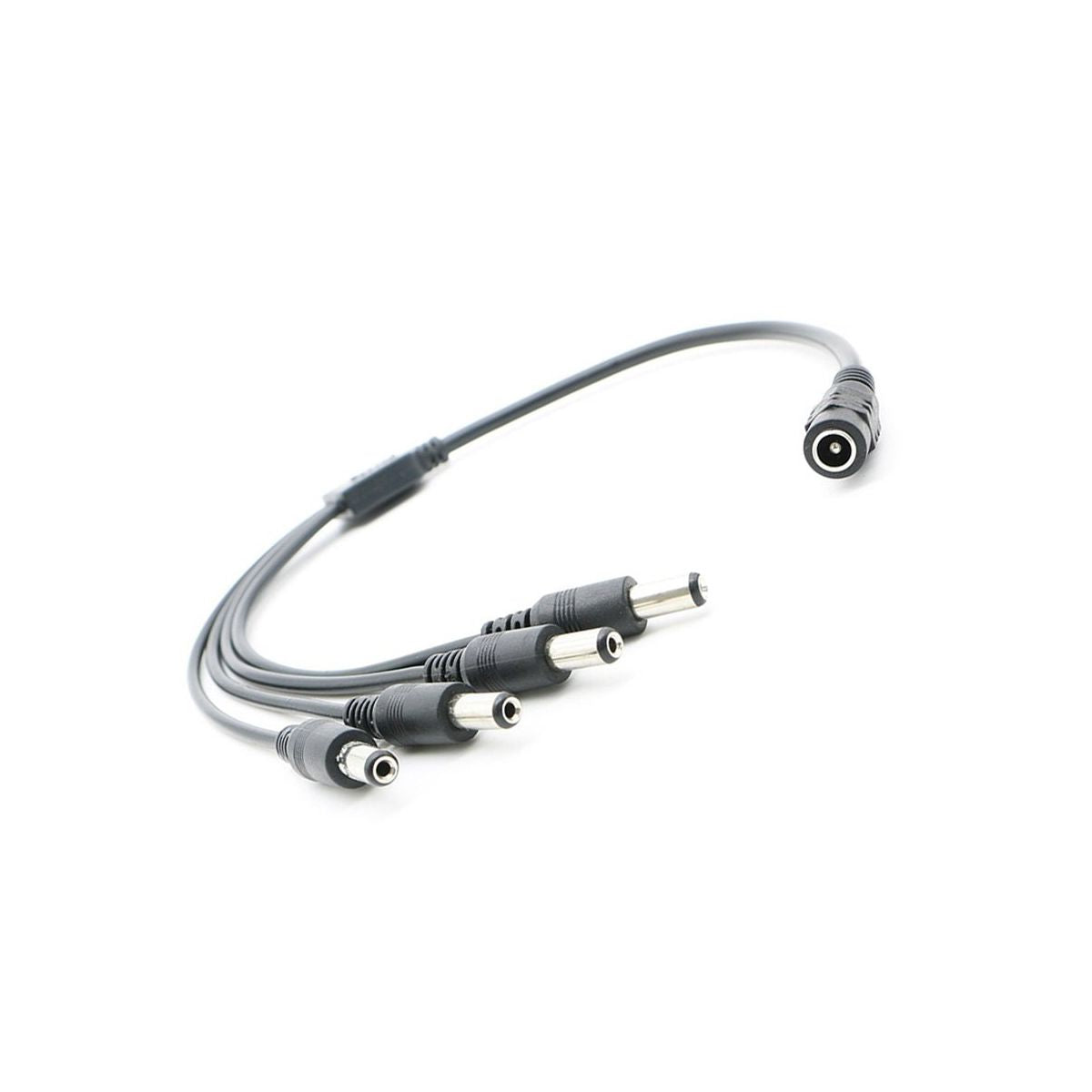
In this section, you will also find 5.5 × 2.1 mm DC splitters with 2, 4, and 8 outputs, to power multiple low-voltage devices from a single power supply.
Expert advice. When people ask us for a "computer cable," nine times out of ten it's a C13 with a Schuko plug, but not always. The fastest way not to make a mistake is to take a picture of the socket on the device: three trapezoidal holes is a C14 (therefore a C13 cable), three cloverleaf holes is a C6 (C5 cable), two figure-8 holes is a C8 (C7 cable). The C19 is larger and square; it is recognizable at a glance.
Frequently asked questions
How do I know which cable I need?
Look at the socket on the device, not the cable you lost. Three trapezoidal pins: you need a C13. Three cloverleaf pins: a C5. Two figure-8 pins: a C7. Large square socket on a UPS or rack: a C19.
Can I use a C13 cable instead of a C19?
No, the connectors are not mechanically compatible and the C13 is not rated for 16A. There are C13/C20 and C19/C20 adapters for specific cases, but they should only be used if the actual power draw of the device remains within the cable's limits.
Does a longer cable cause power loss?
For domestic lengths, the effect is negligible. It only becomes relevant on long runs and with high power draw, where a suitable conductor gauge is required. For high-power appliances, choose the minimum sufficient length in any case.
What is the difference between a Schuko and an Italian plug?
The Schuko has larger round pins and grounding on two side contacts; the Italian plug has three pins in a row. Italian dual-standard and universal sockets accept both. On Italian-only sockets, the Schuko will not fit and an adapter is needed, which you can find among the electrical adapters.
What does "three-pole" mean?
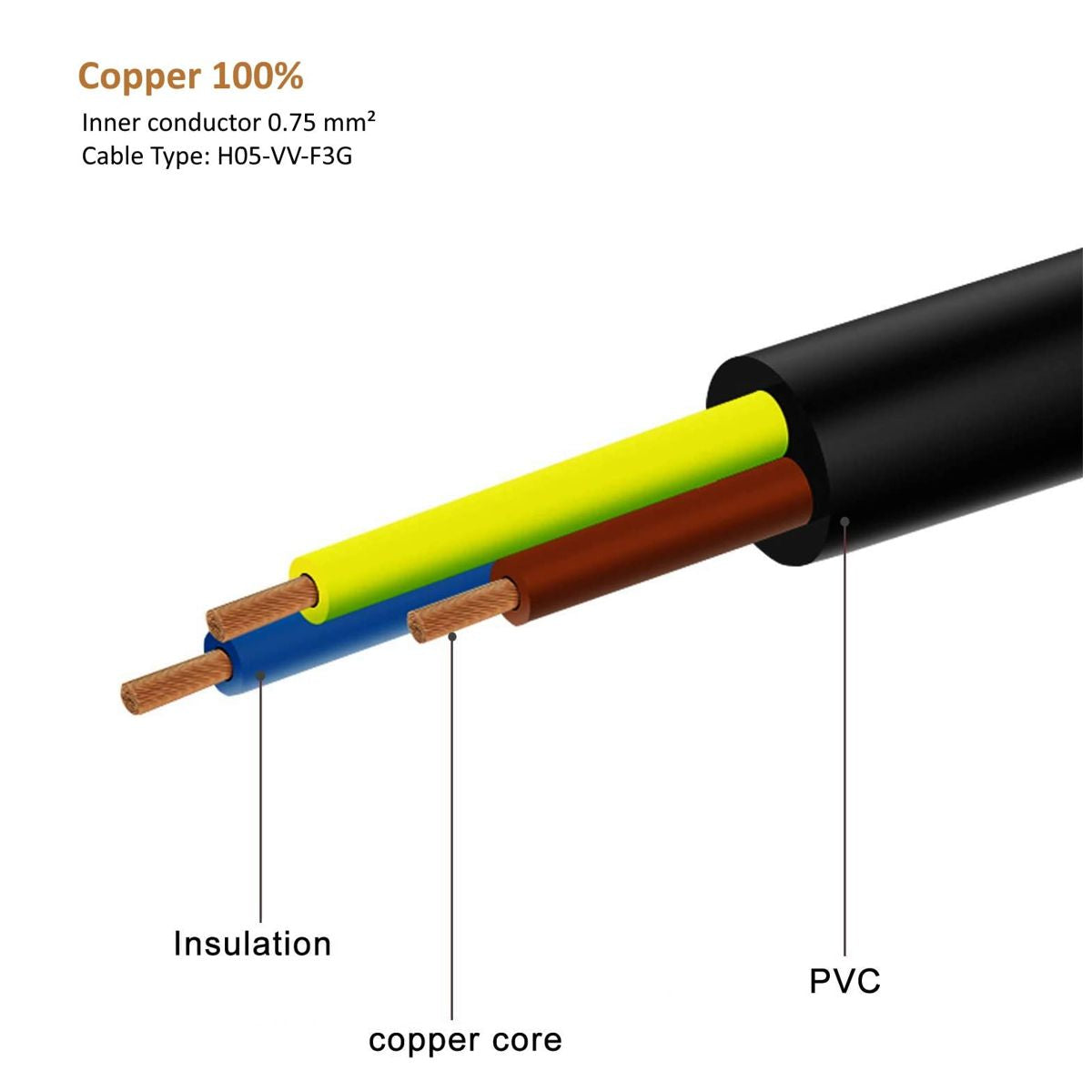
That the cable has three conductors: live, neutral, and ground. On devices with a metal casing or Class I equipment, the ground is not optional; it is protection against indirect contact. Never replace a three-pole cable with a two-pole one.
For a complete overview, see extension cables; for power strips and extension leads, see power strips.