




















































Optical Wiring
Filter
Sort by:

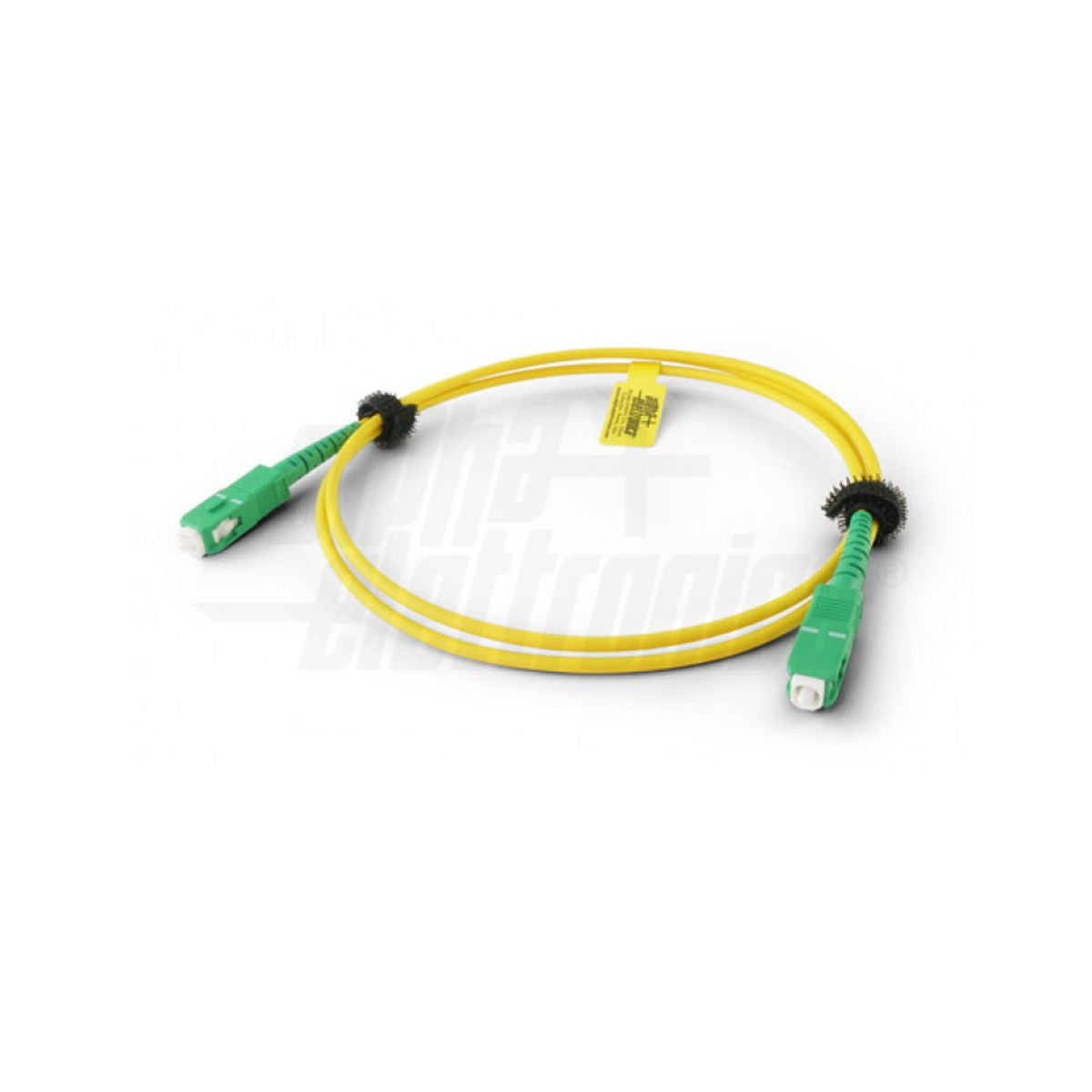

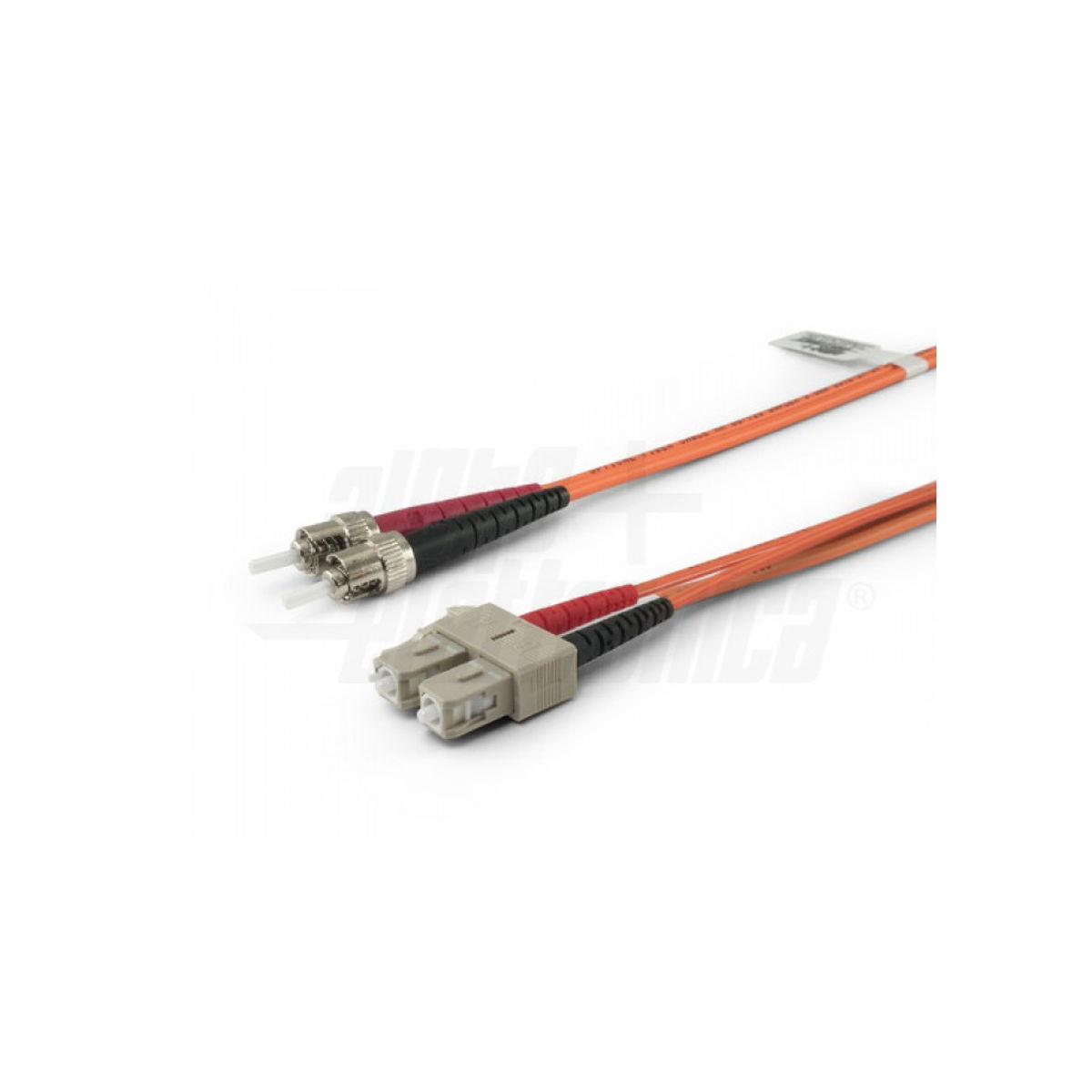
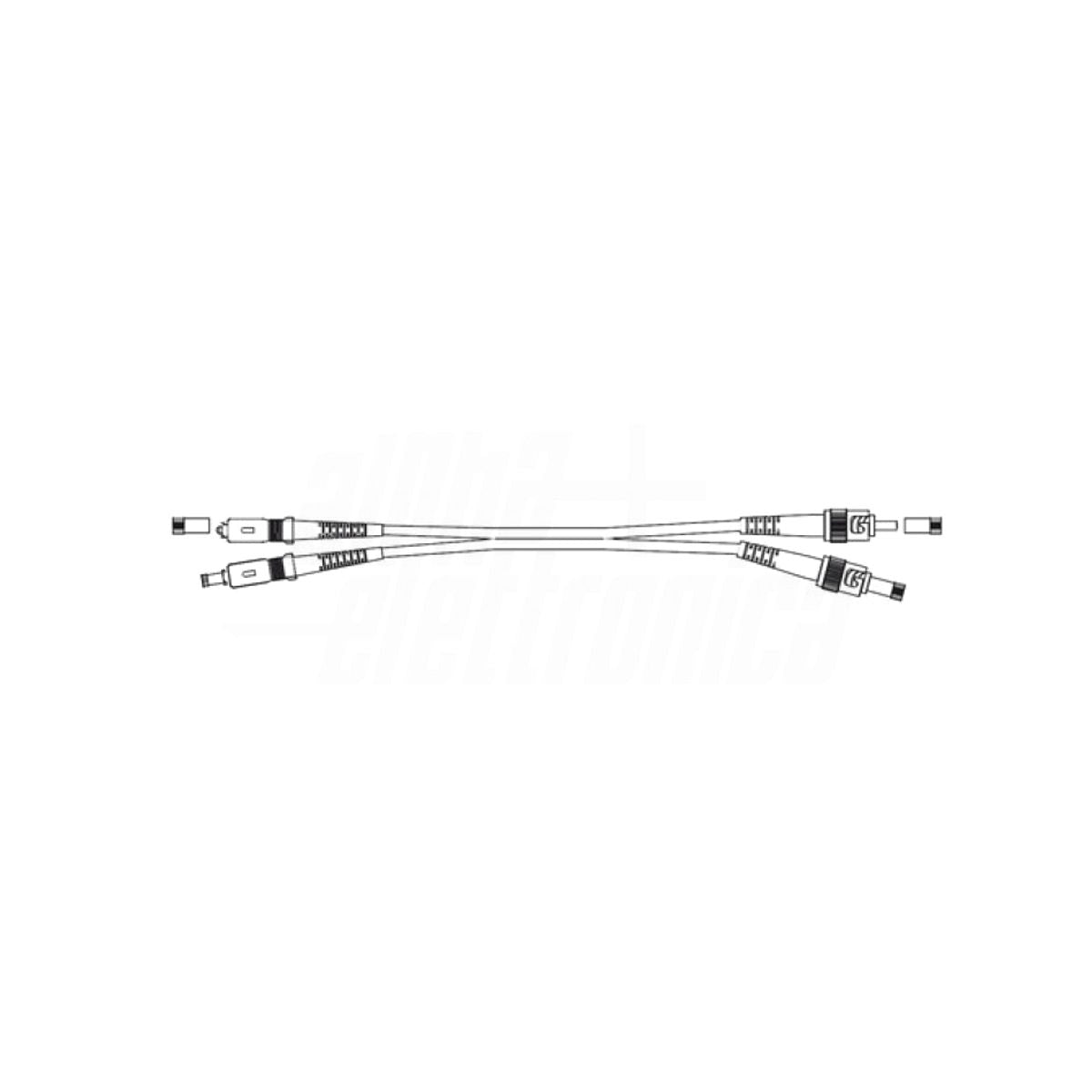
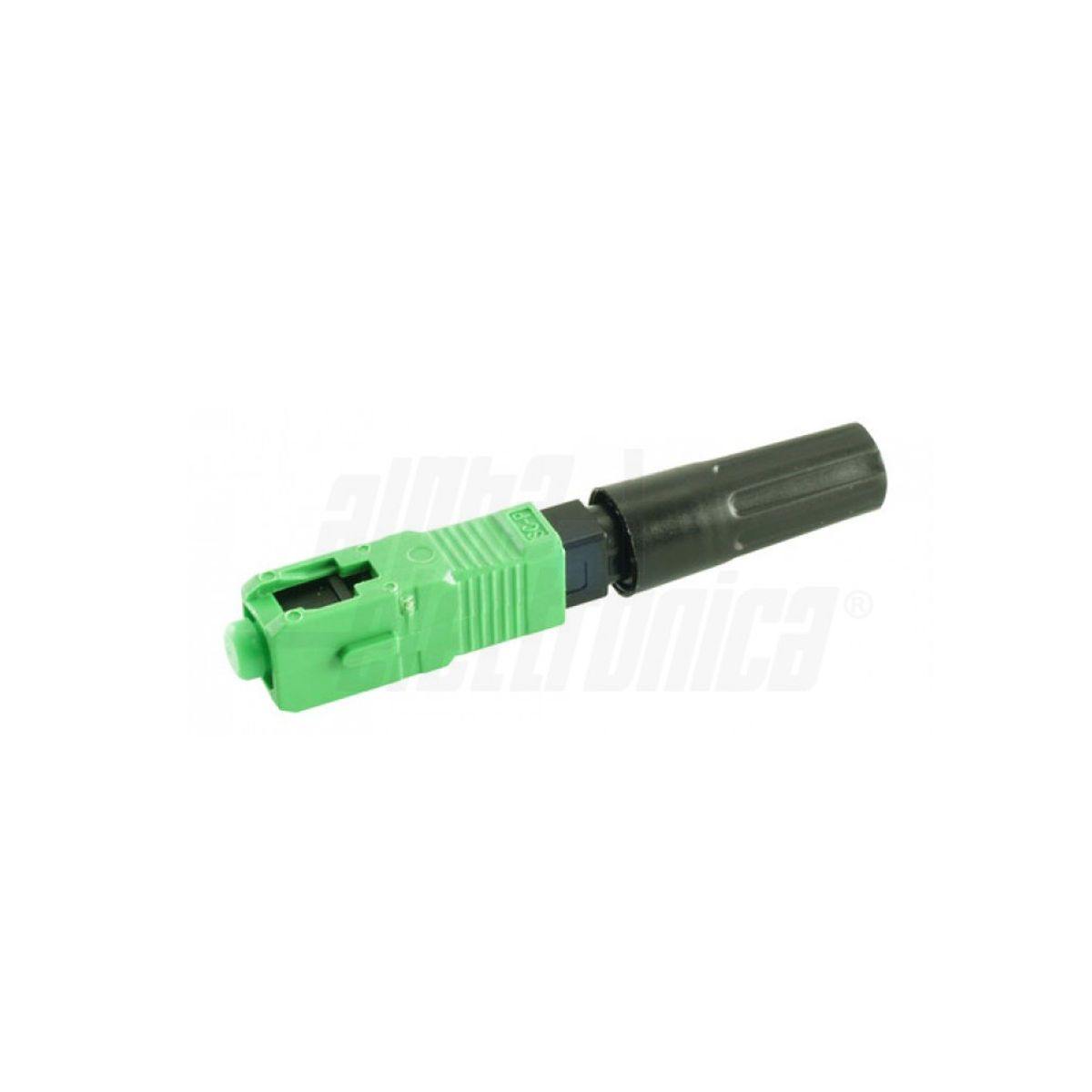
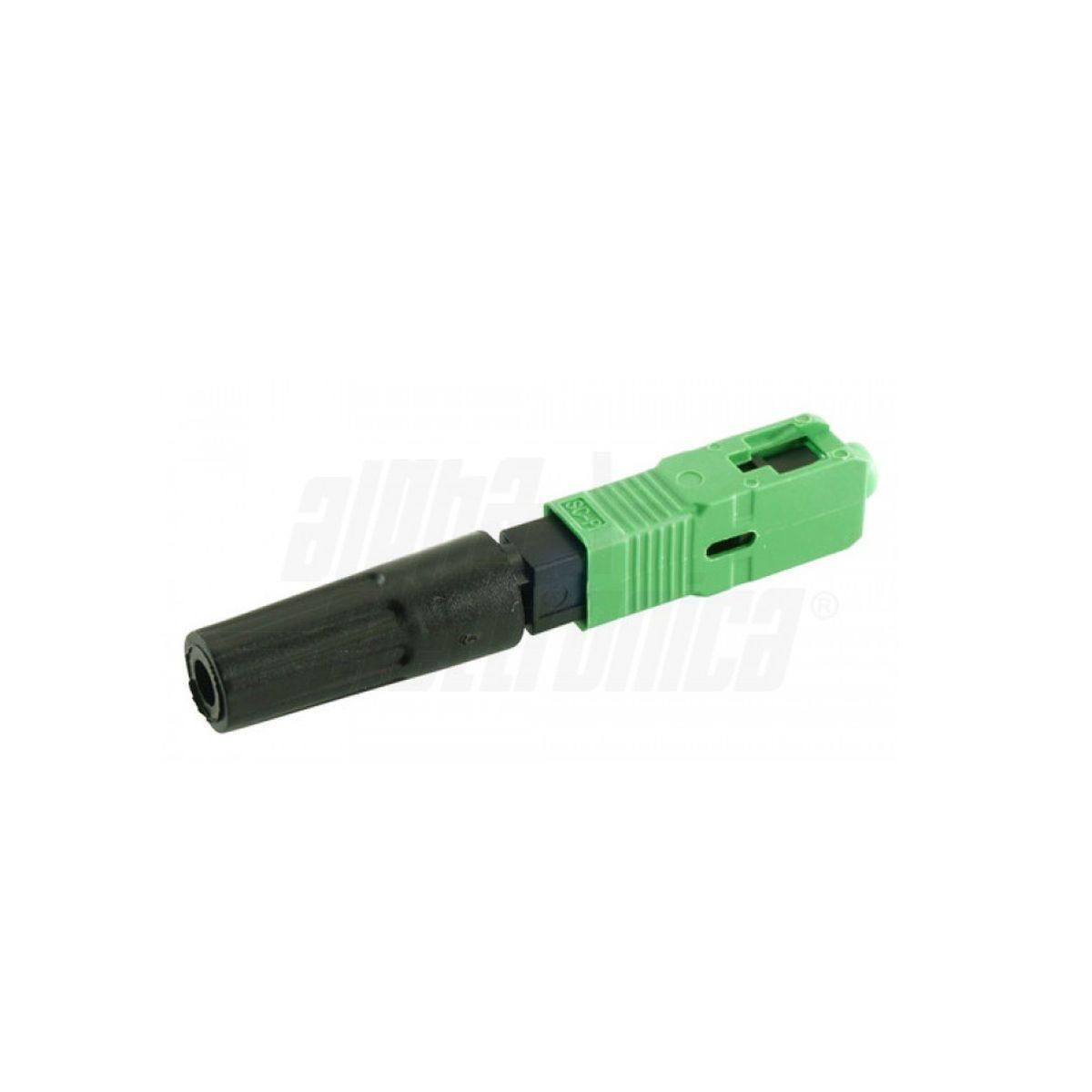
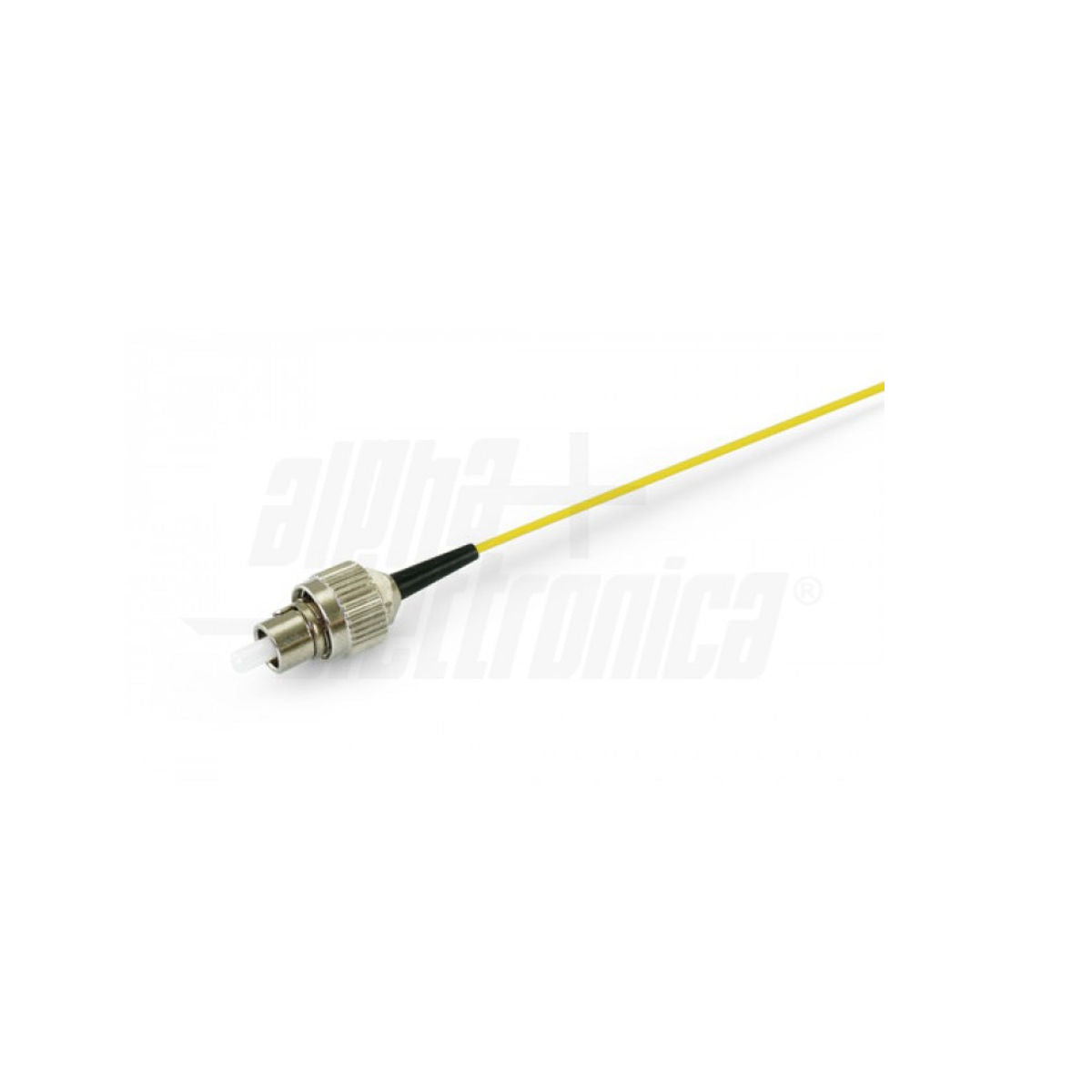


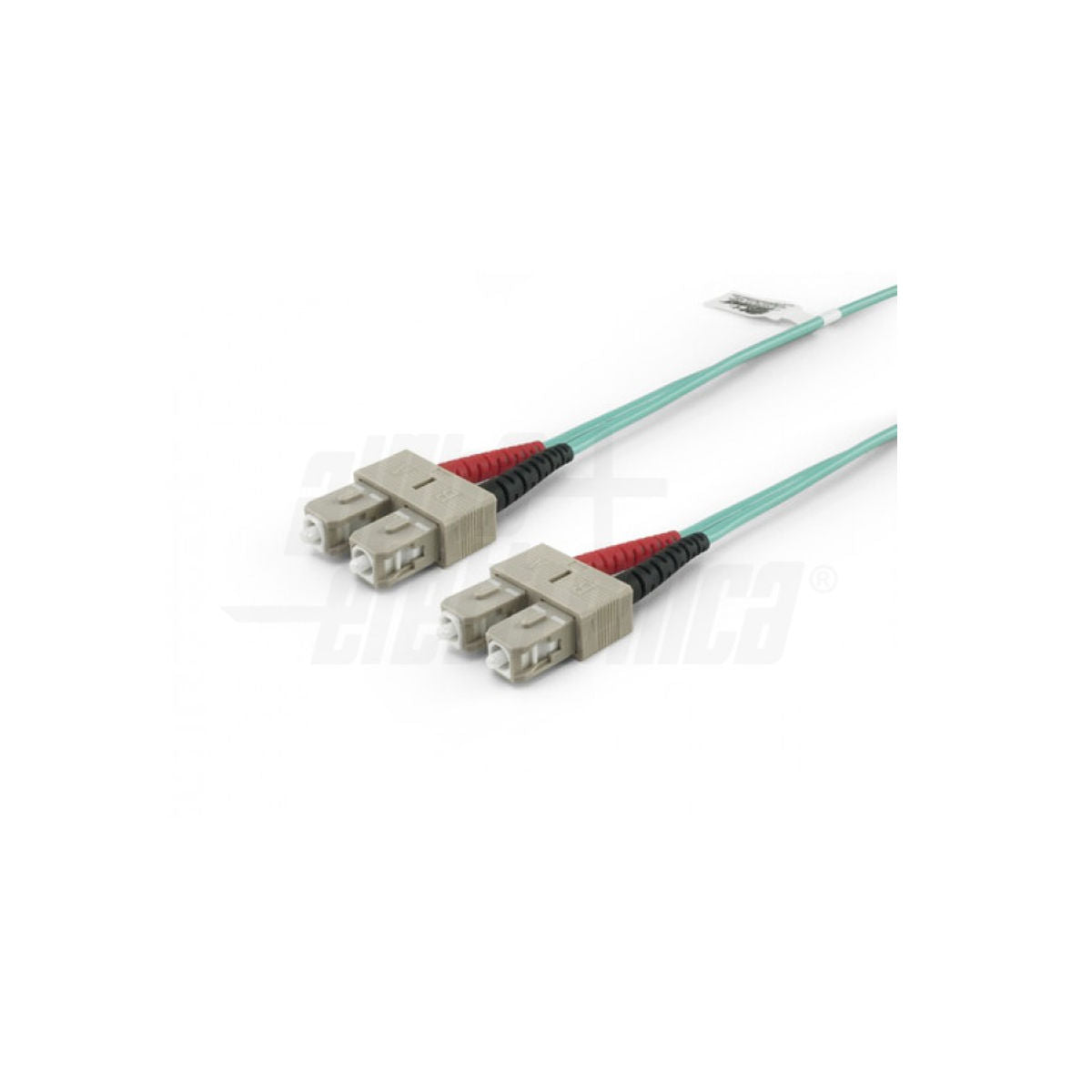
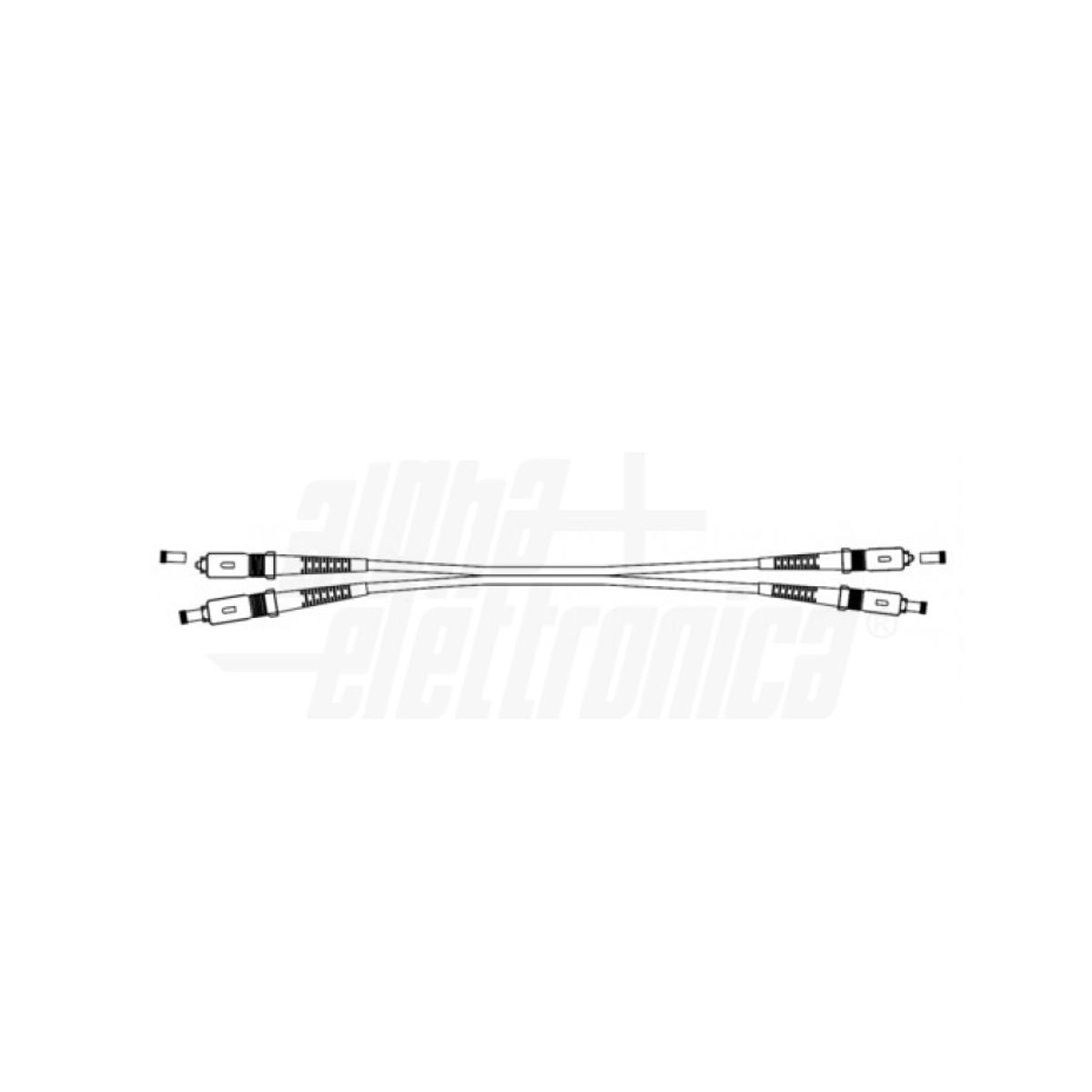
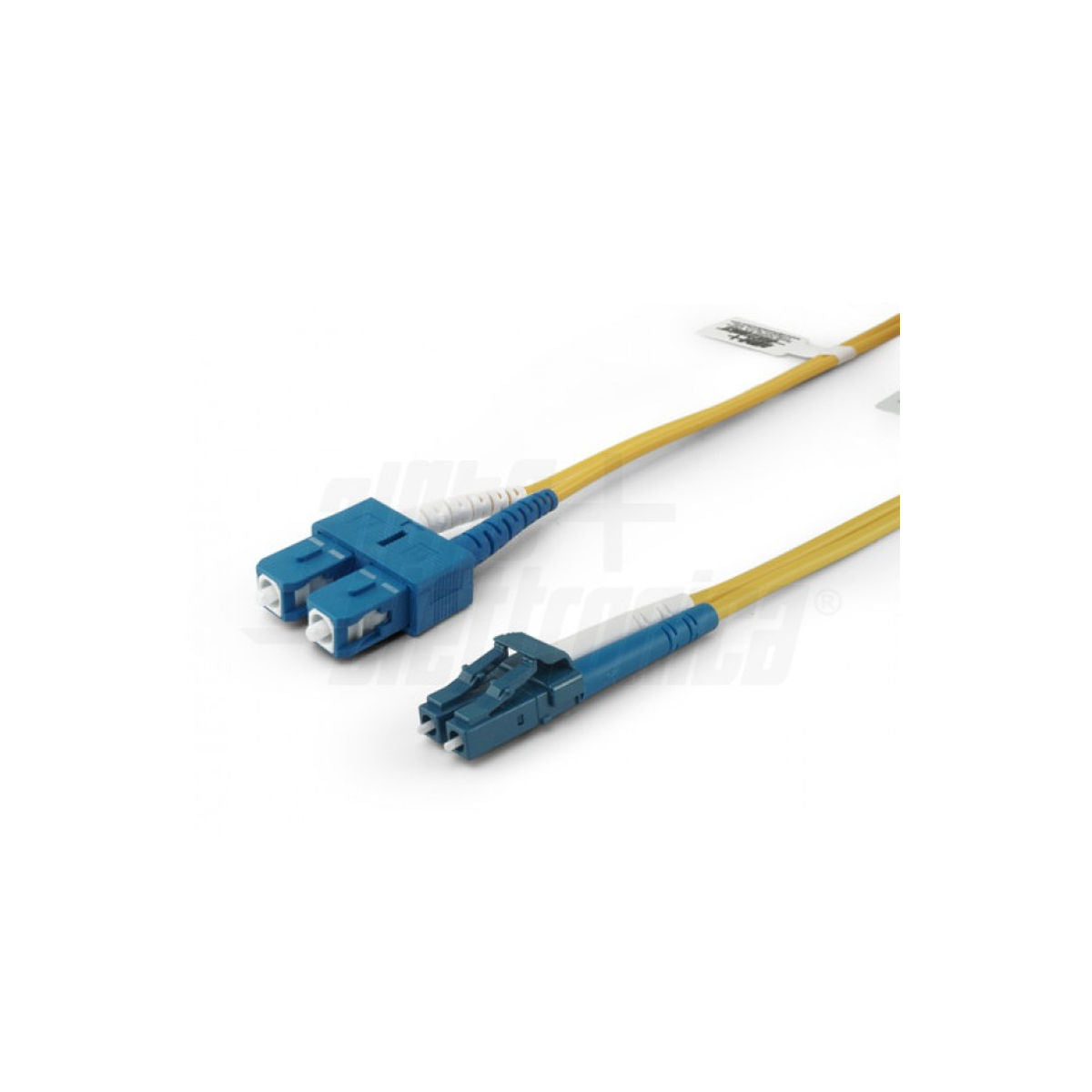
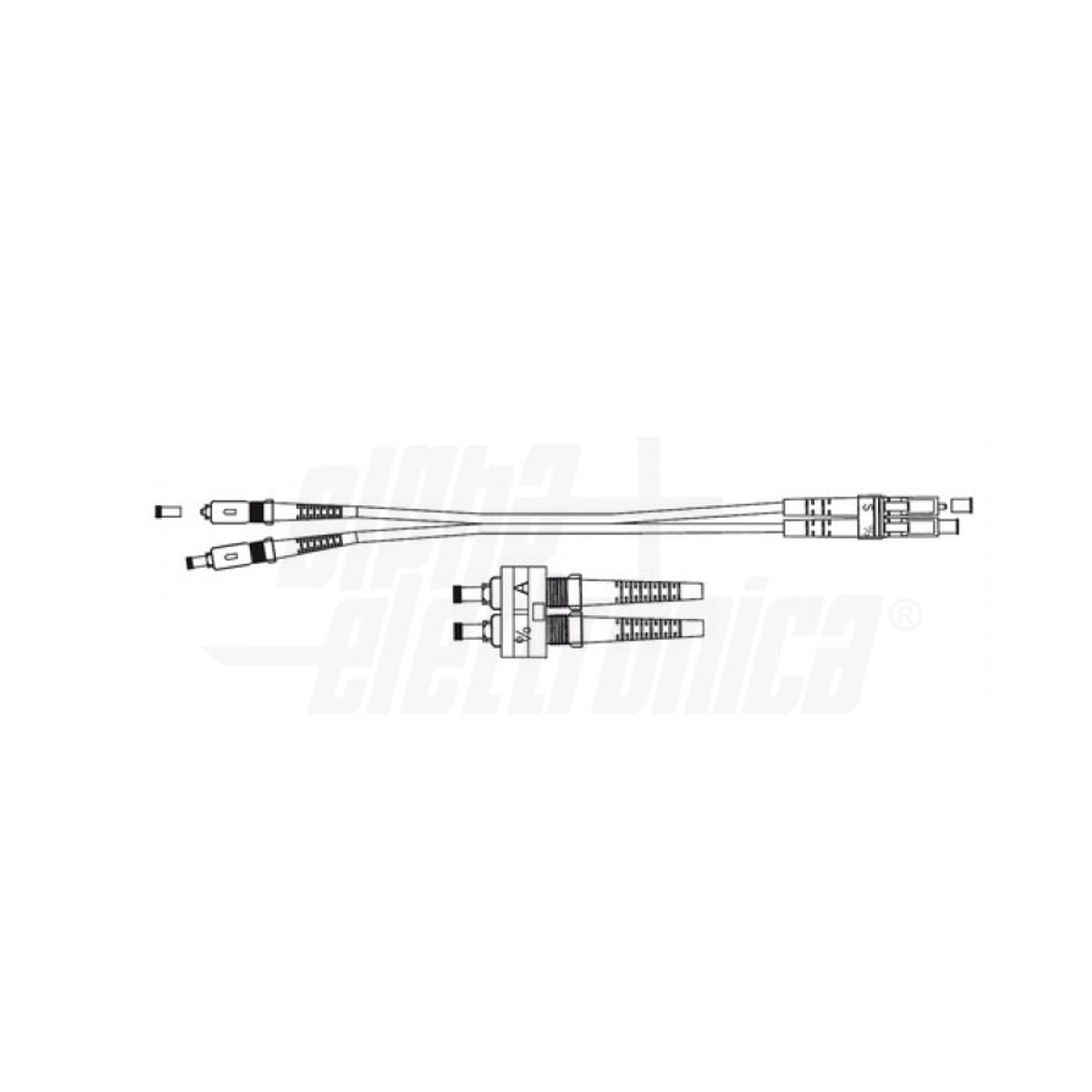



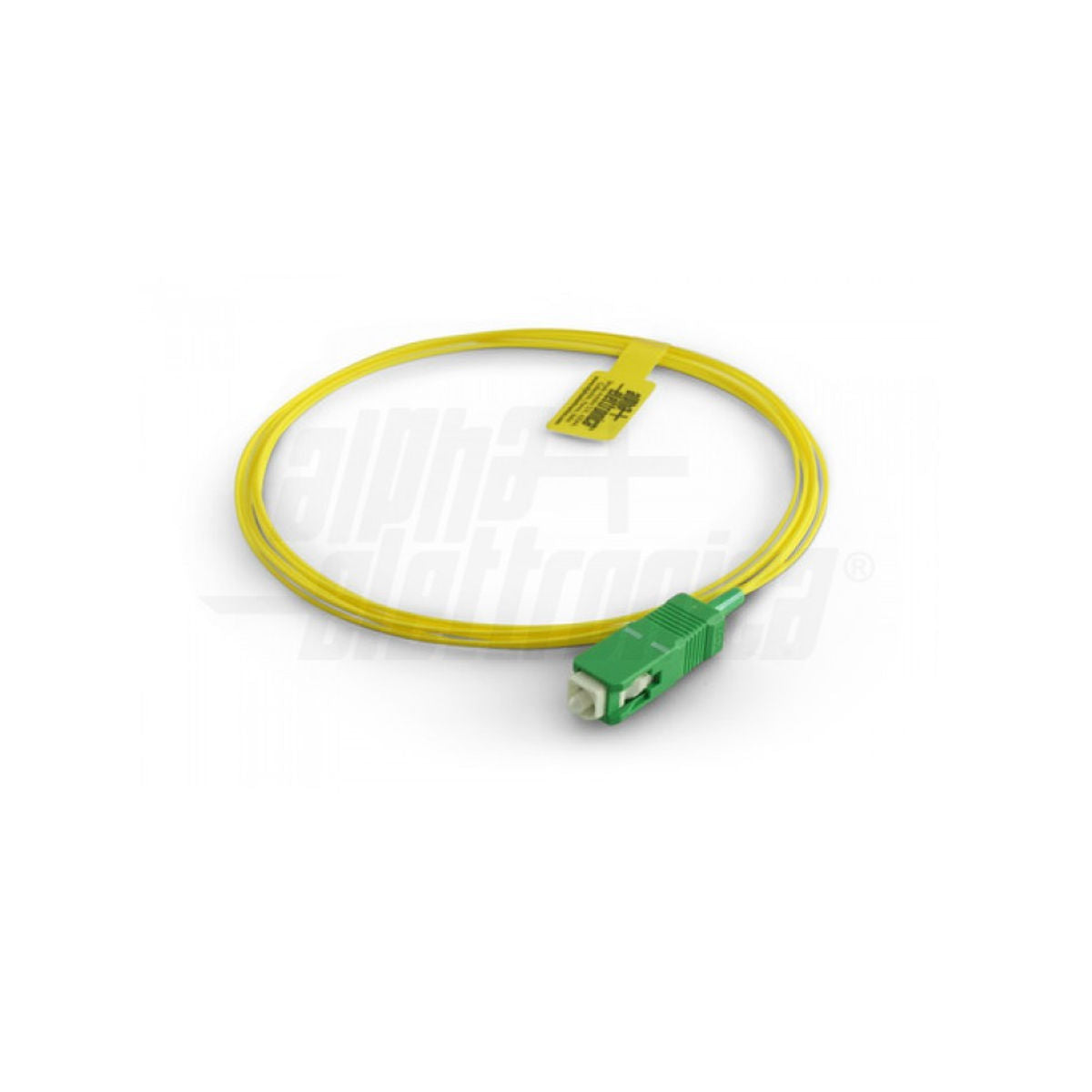
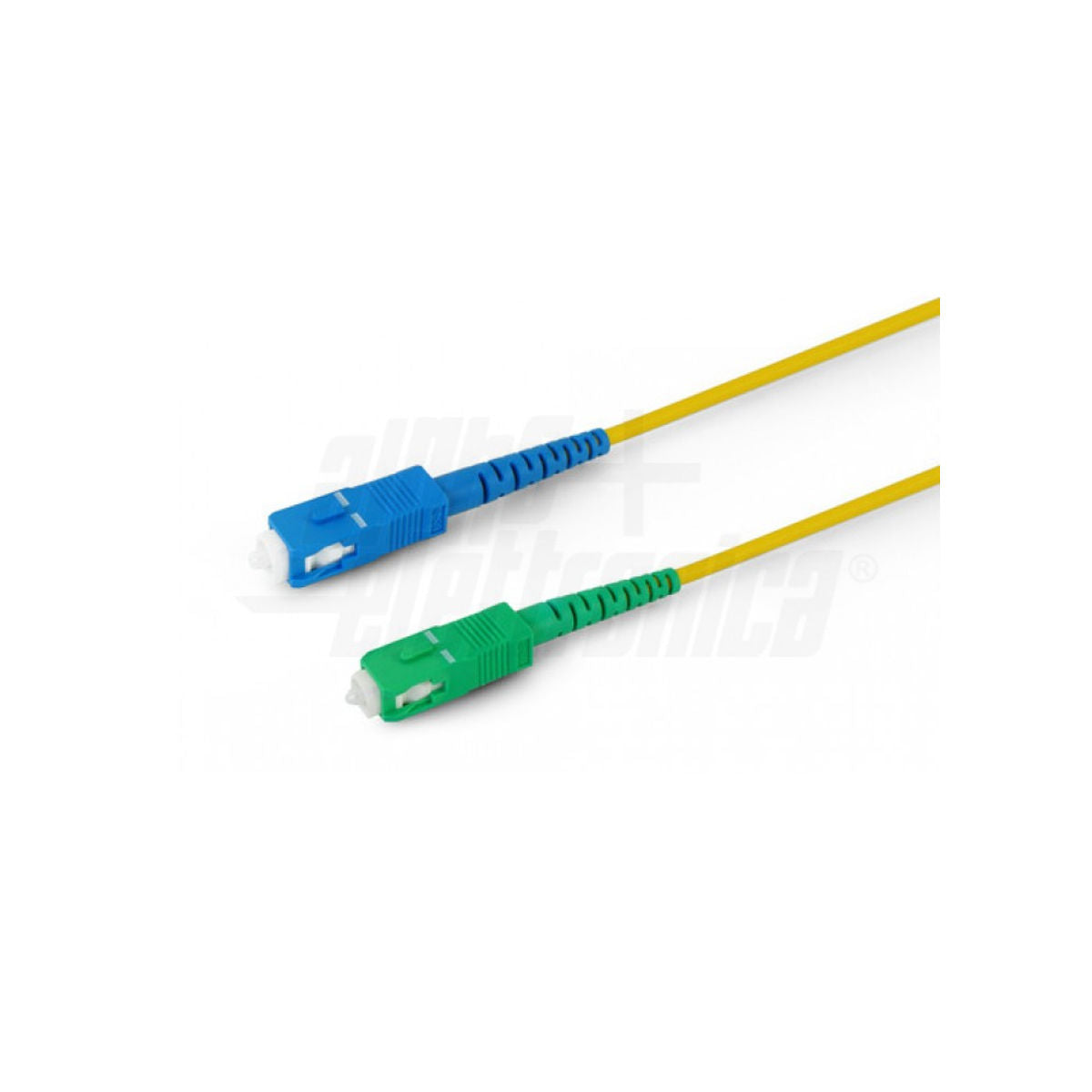
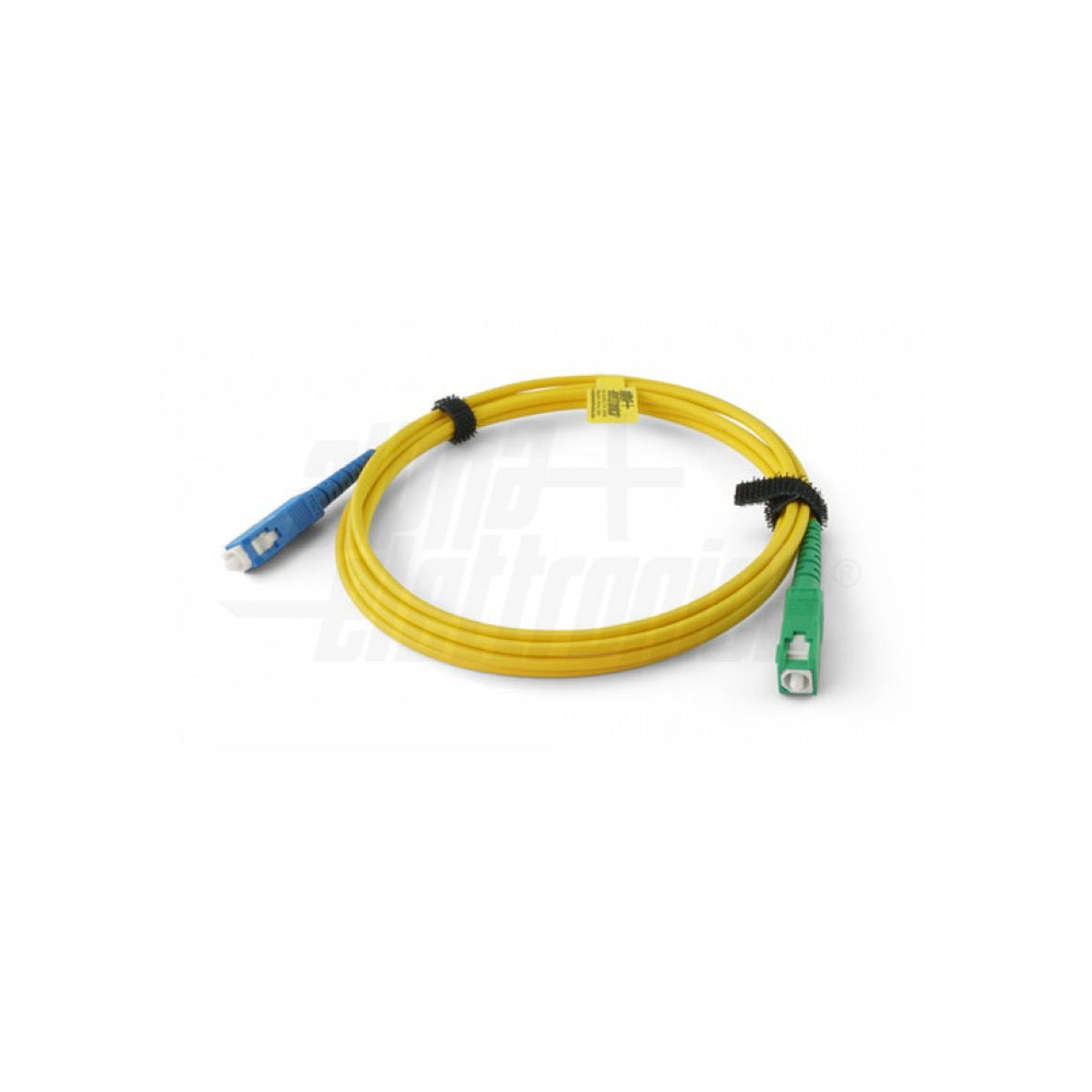
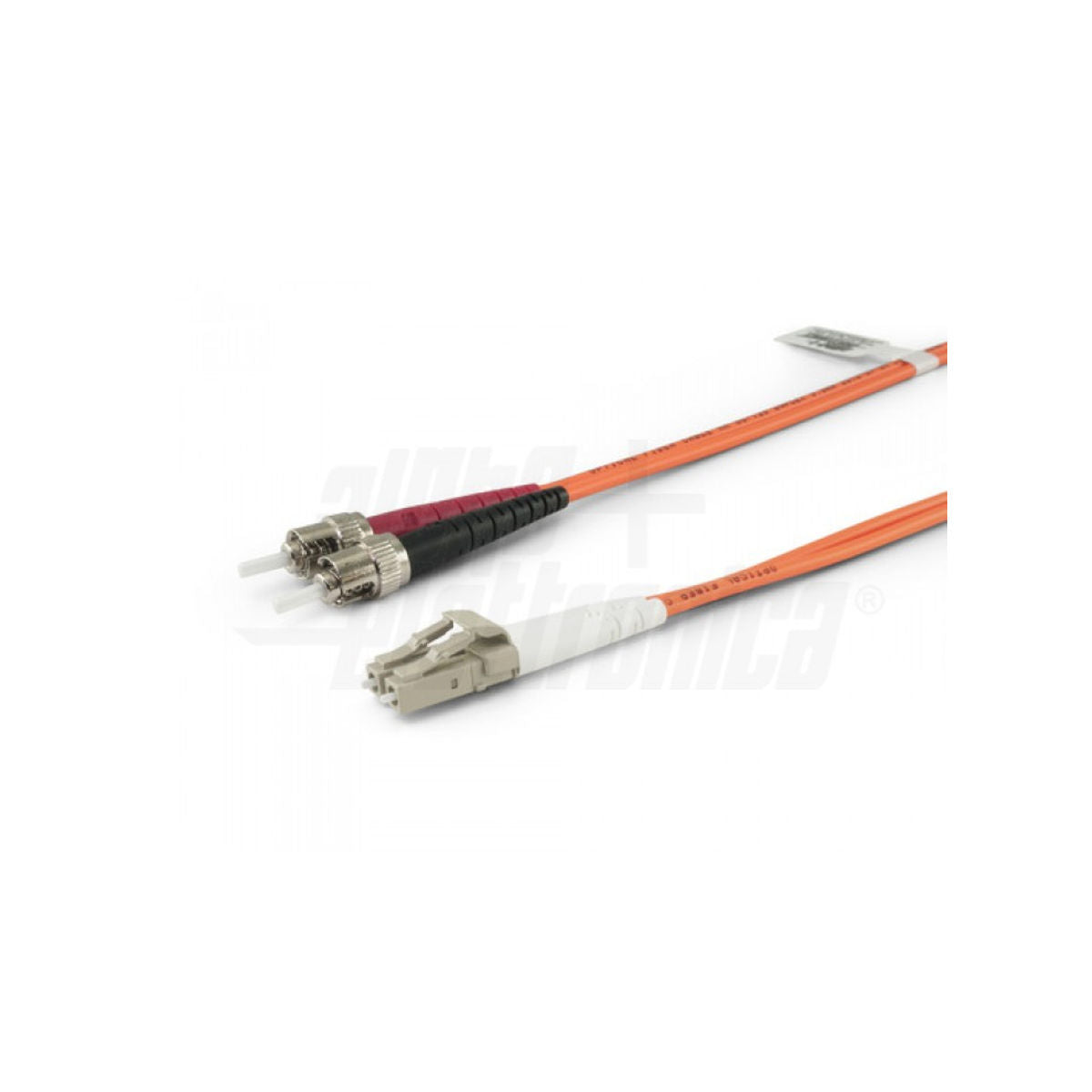
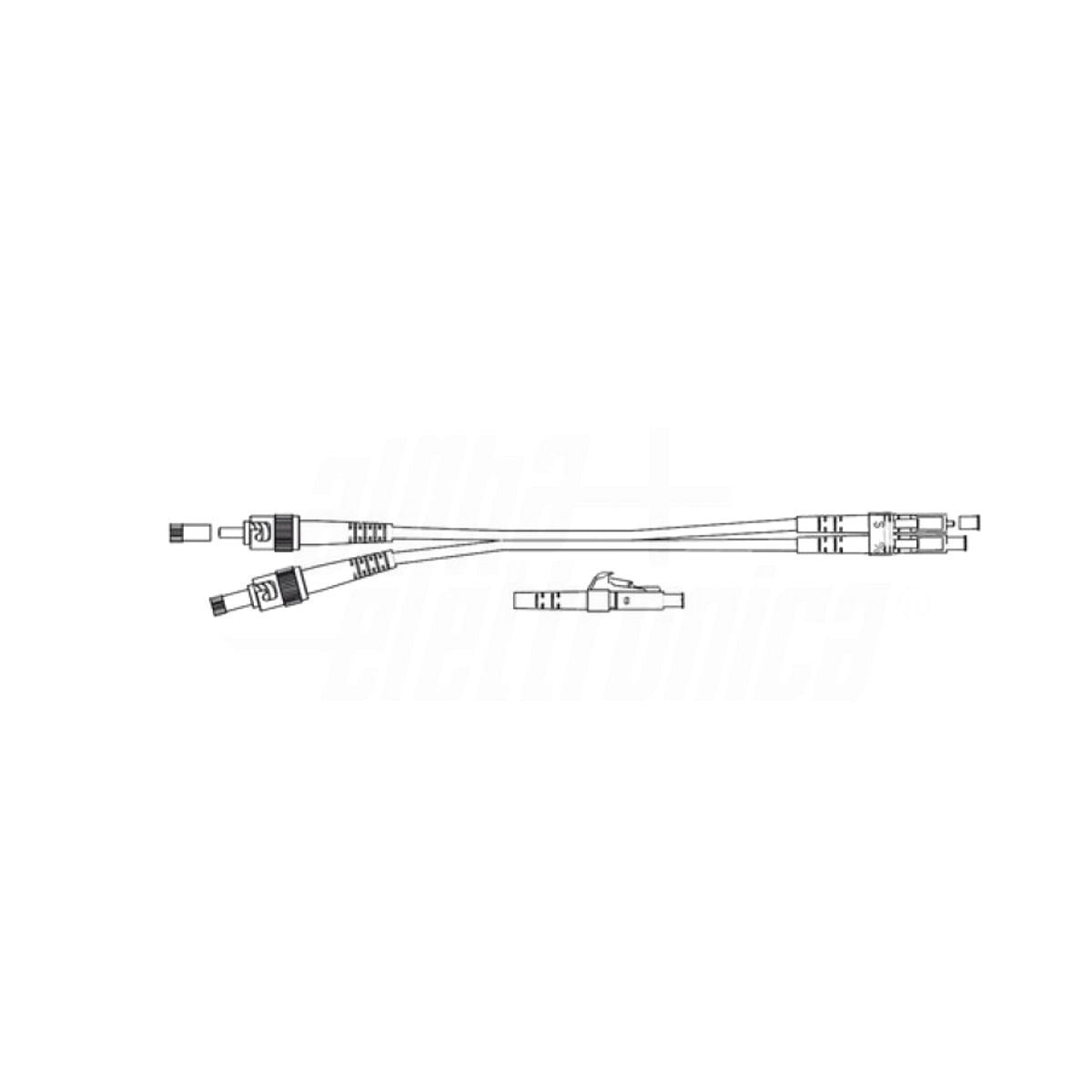
Optical cabling: first of all, what connector do you have?
In fiber cabling, compatibility is not determined by the brand but by three parameters that must match: connector type (SC, LC, FC, ST), polish type (PC, UPC, or APC), and fiber type (single-mode 9/125 or multi-mode 50/125). If even one of these three does not match, the connection will not work or will lose signal. Here you will find patch cords, pigtails, bulkhead adapters, fast connectors, apartment termination boxes, and transceivers.
The color tells you almost everything
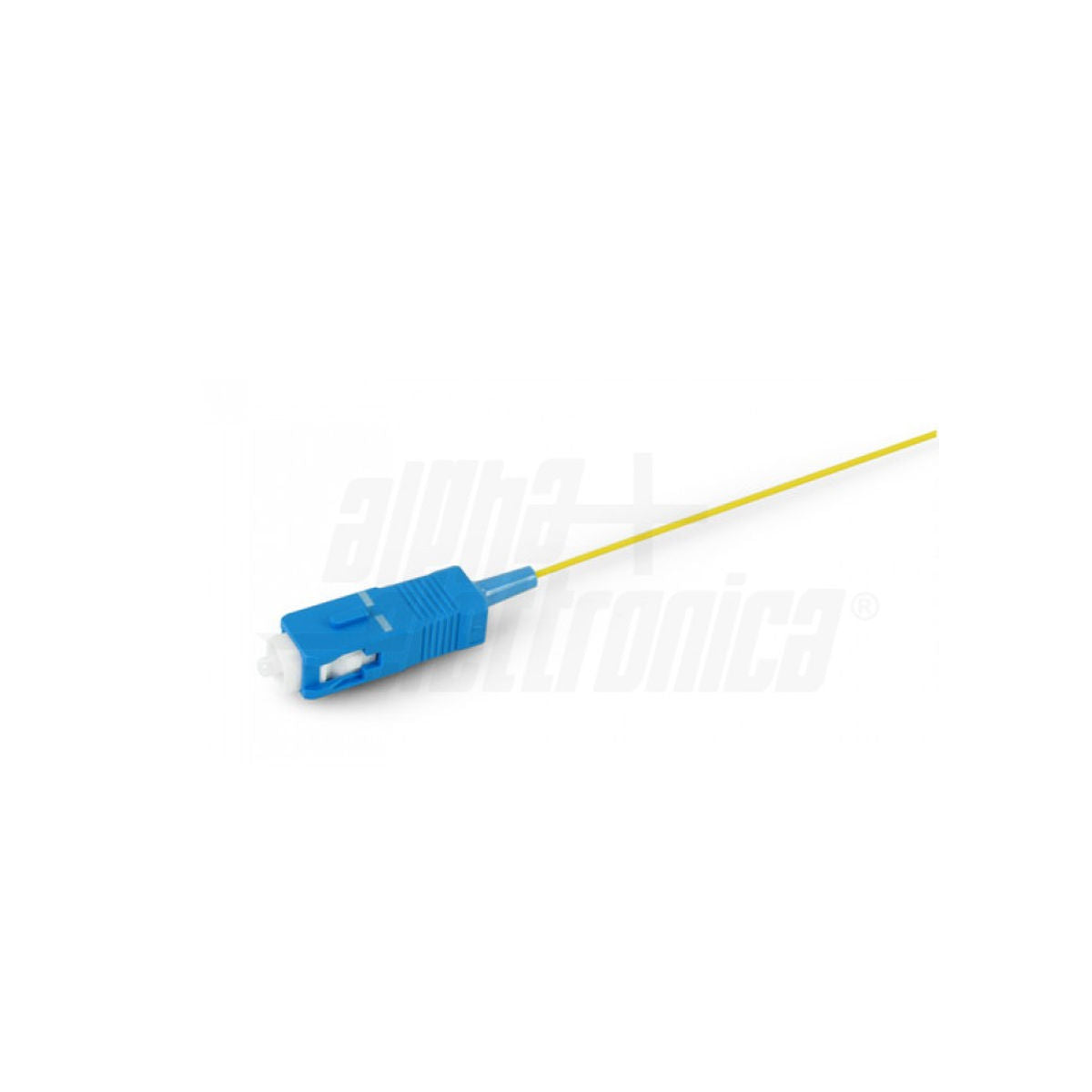
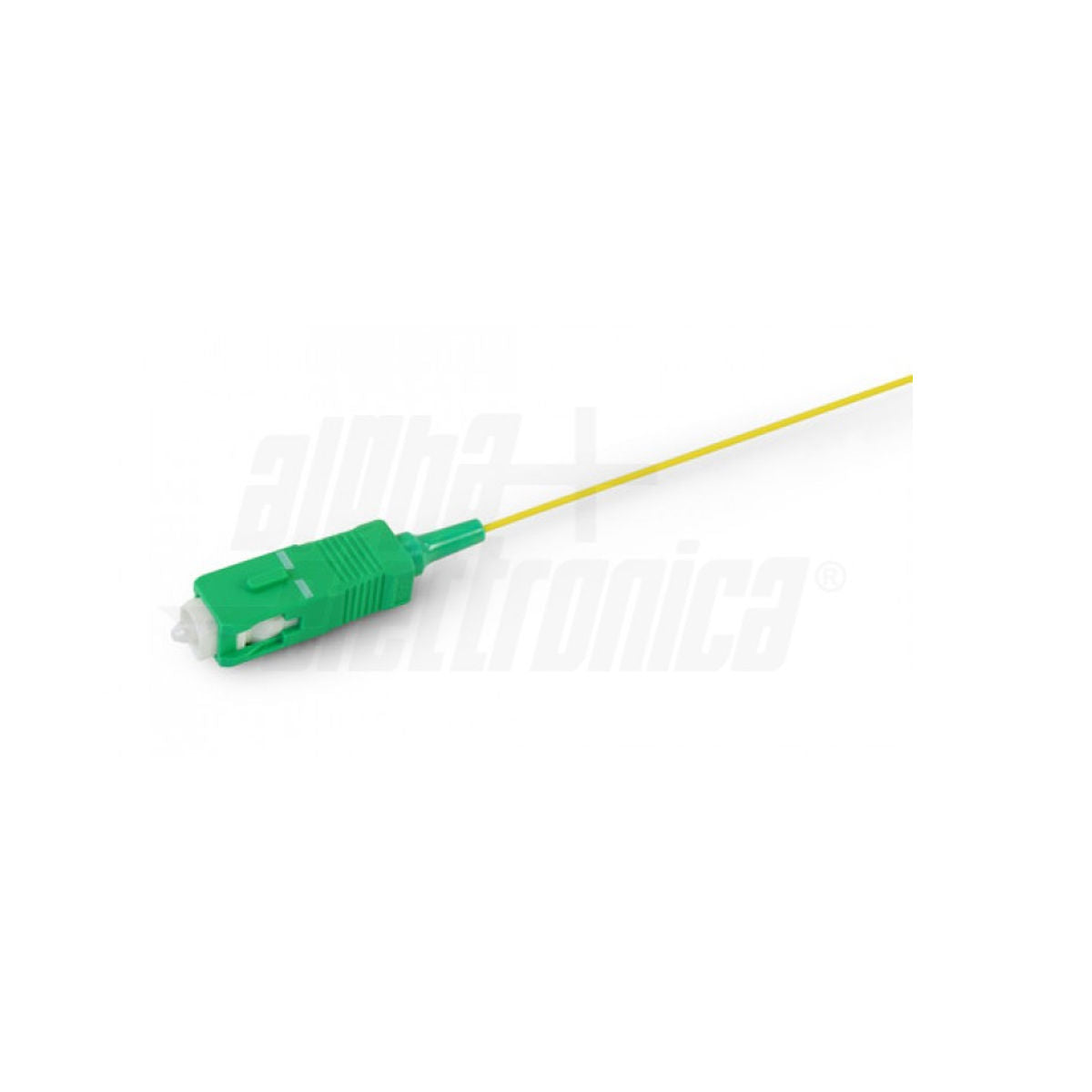
There is an international convention for fiber that makes life easier. A green connector body means APC (8° angled polish); blue means UPC or PC (flat polish). The yellow sheath indicates OS2 single-mode fiber, orange indicates OM2 multi-mode, and aqua indicates OM3 multi-mode. A green connector and a blue one will not mate correctly: the air between the two faces generates reflection, and the connection degrades.
Selection table
| What you need to do | What you need | Detail to verify |
|---|---|---|
| Connect the modem to the home optical outlet (FTTH) | Single-mode 9/125 OS2 patch cord, typically SC/APC | Green body on both sides; actual path length |
| Terminate bare fiber in a drawer or box | Pigtail (single connector) to be spliced | Requires a fusion splicer or mechanical splice |
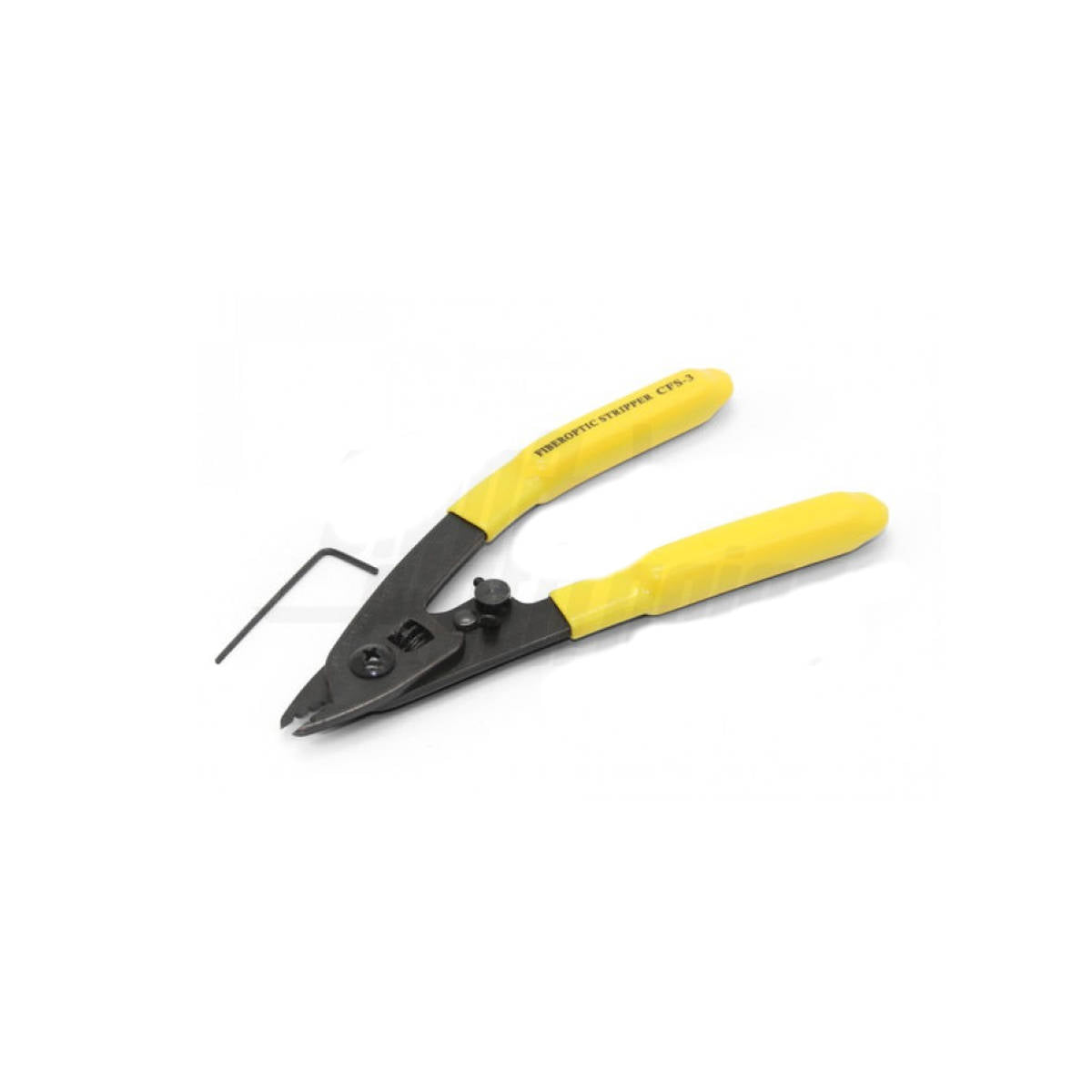
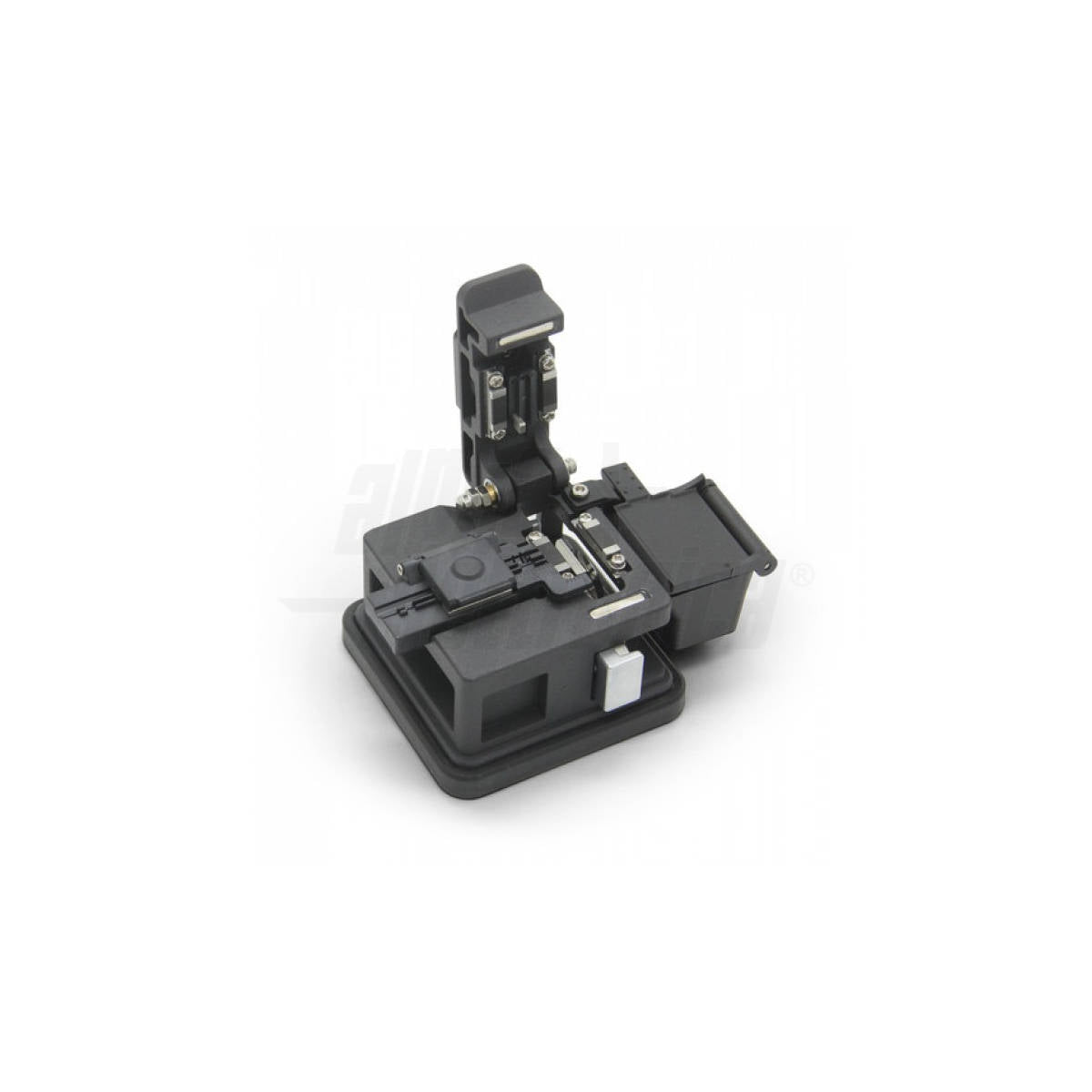
| Terminate on-site without a splicer | Fast connector (SC/APC or SC/PC) | Requires a dedicated cleaver and fiber stripper |
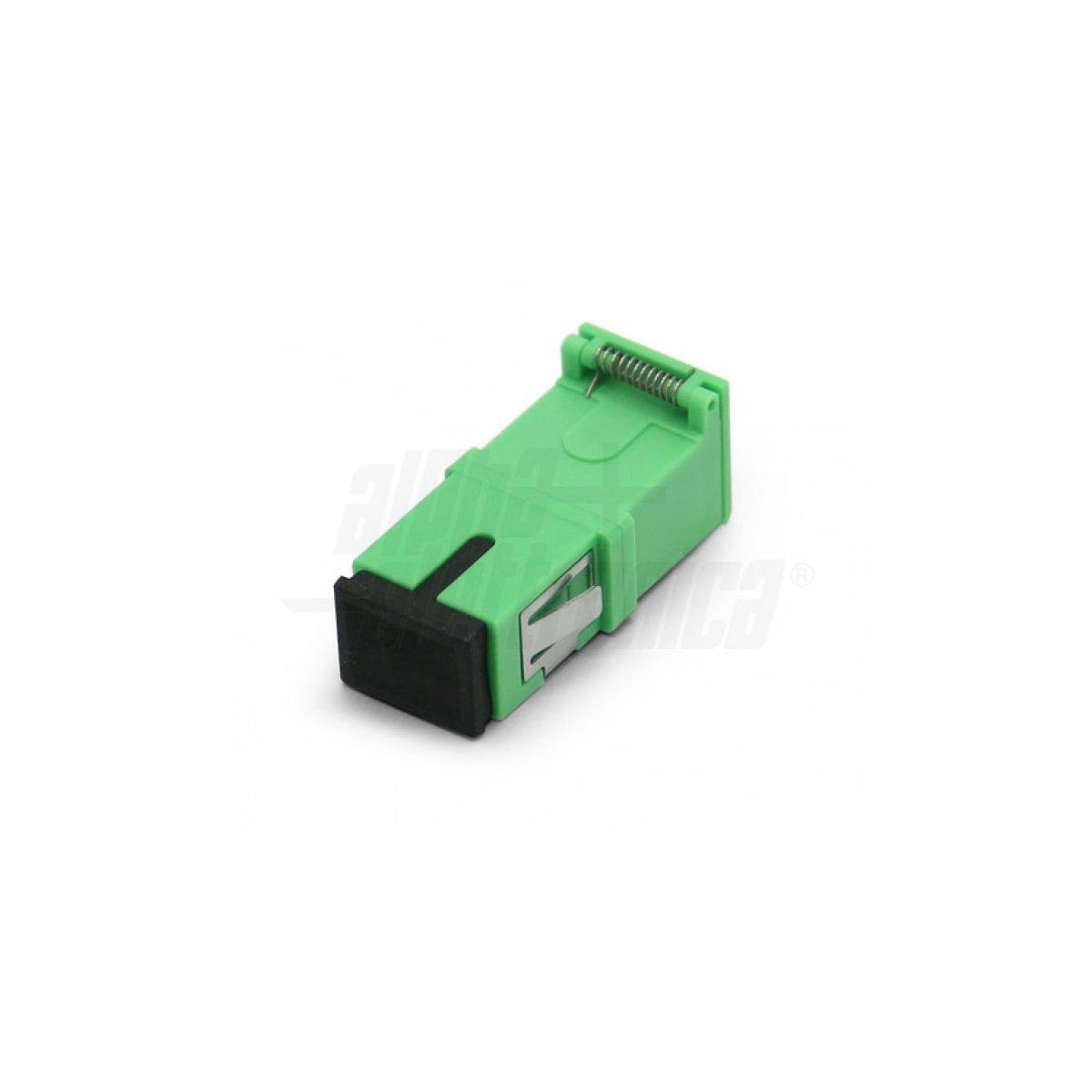
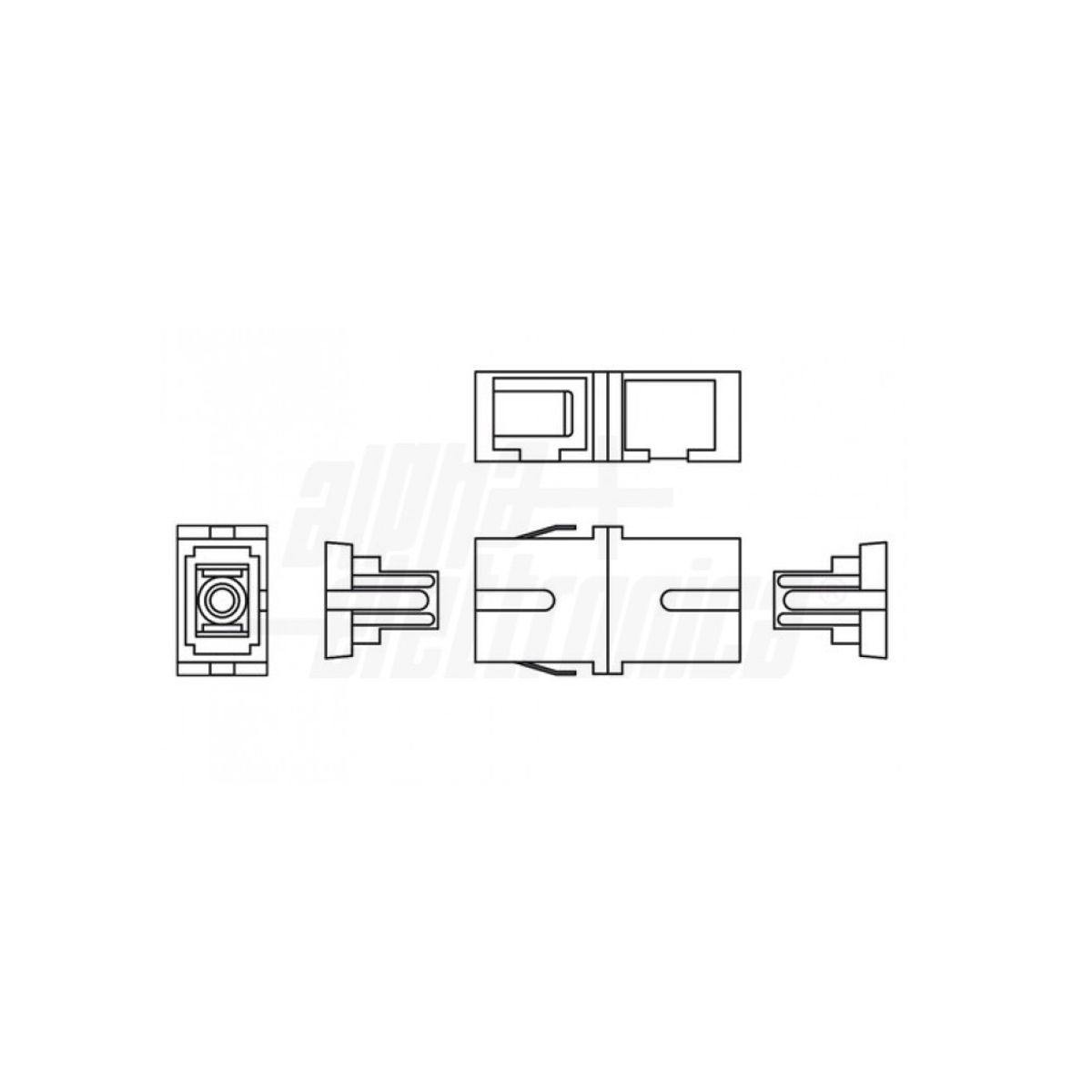
| Join two pre-terminated fibers | Simplex bulkhead adapter | Flange with or without holes, depending on the bracket |
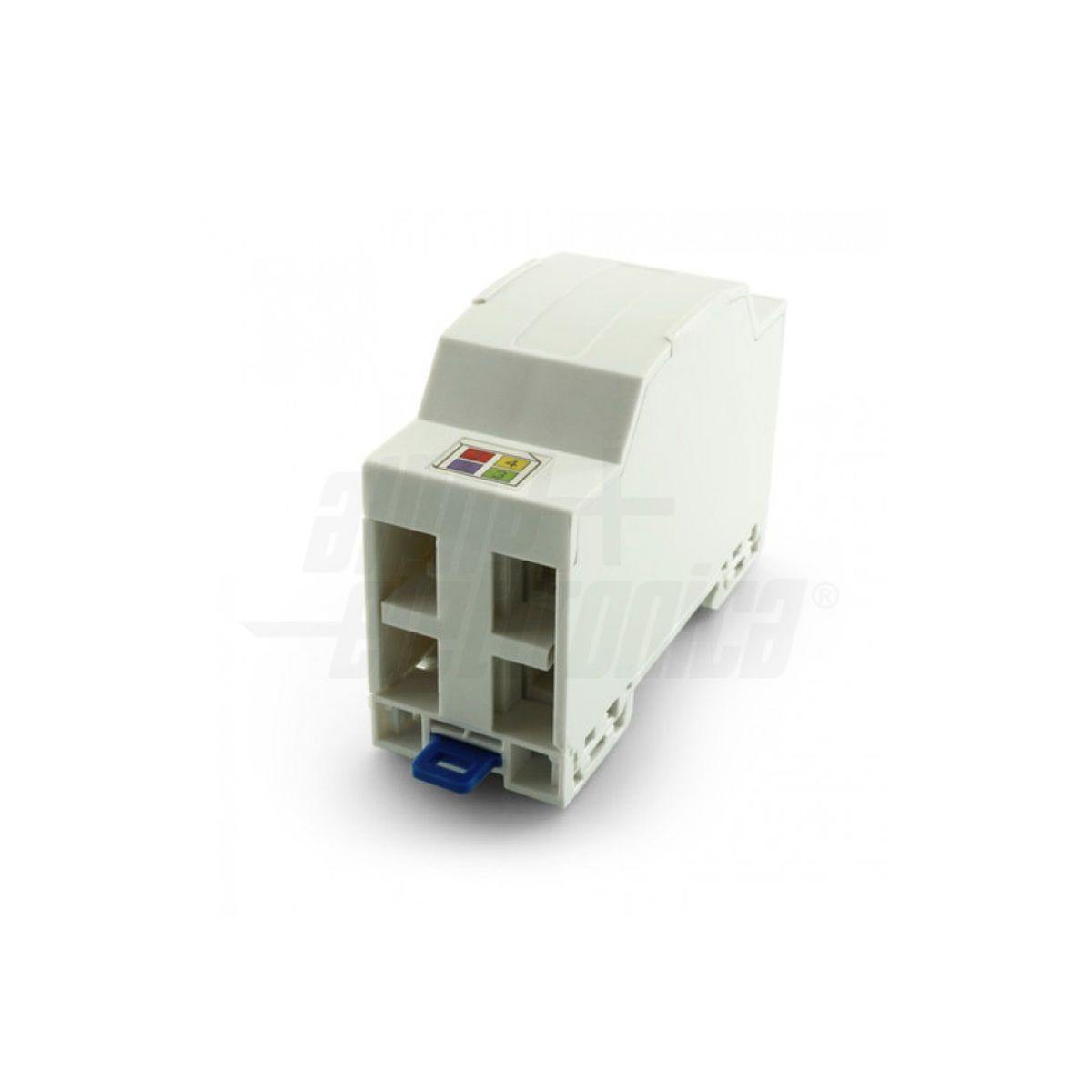
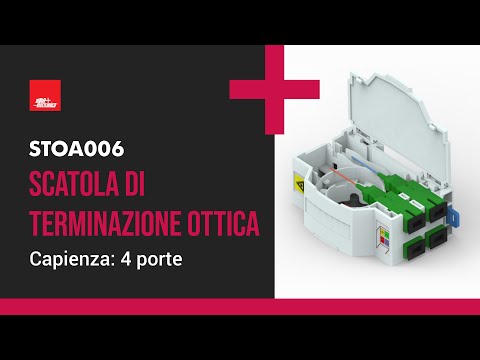
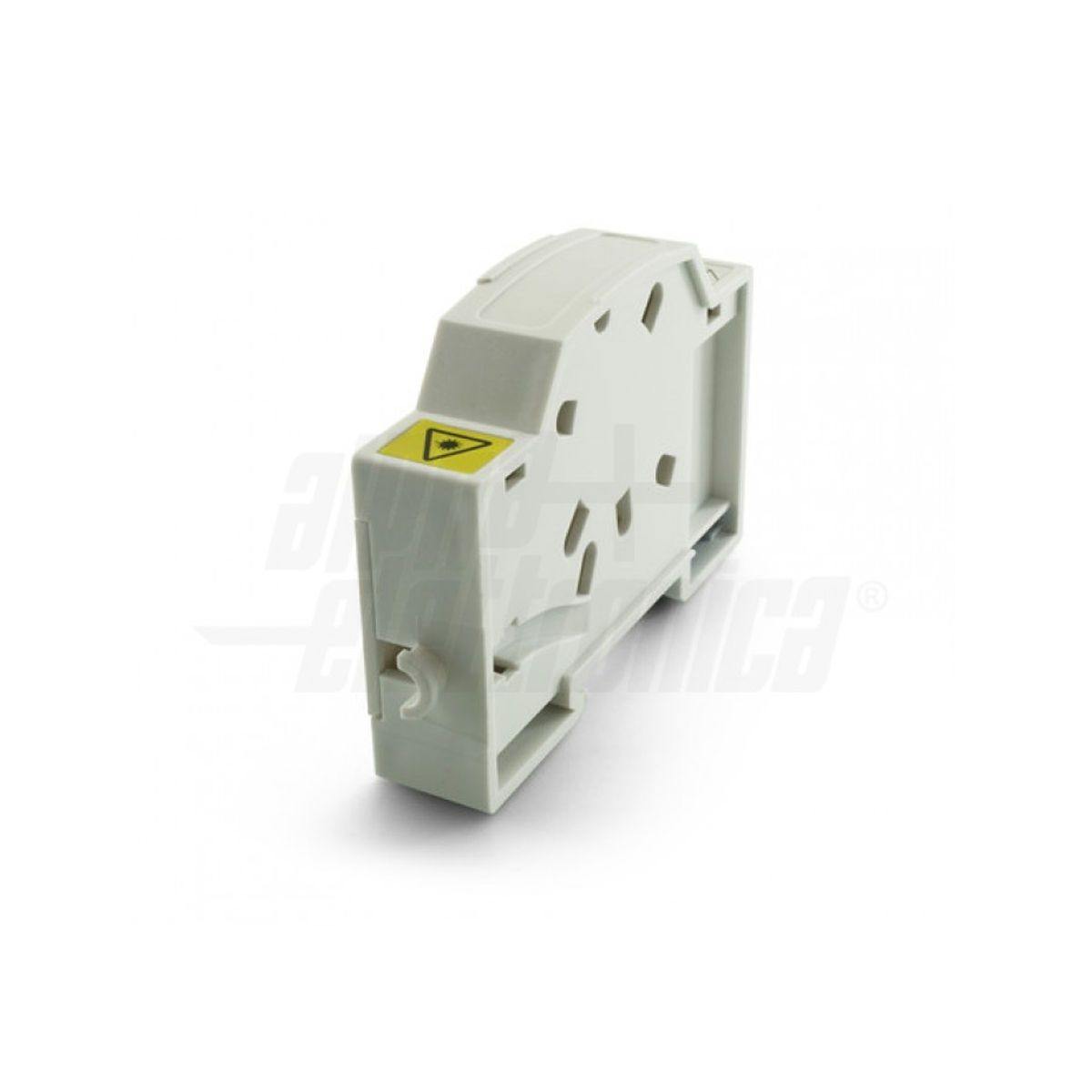
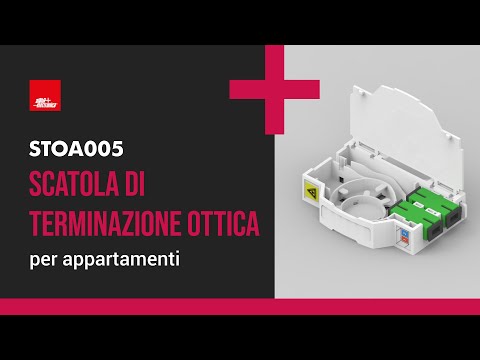
| Route fiber into the home in an organized way | 2, 4, or 8-port optical termination box | Wall-mount or DIN rail version |
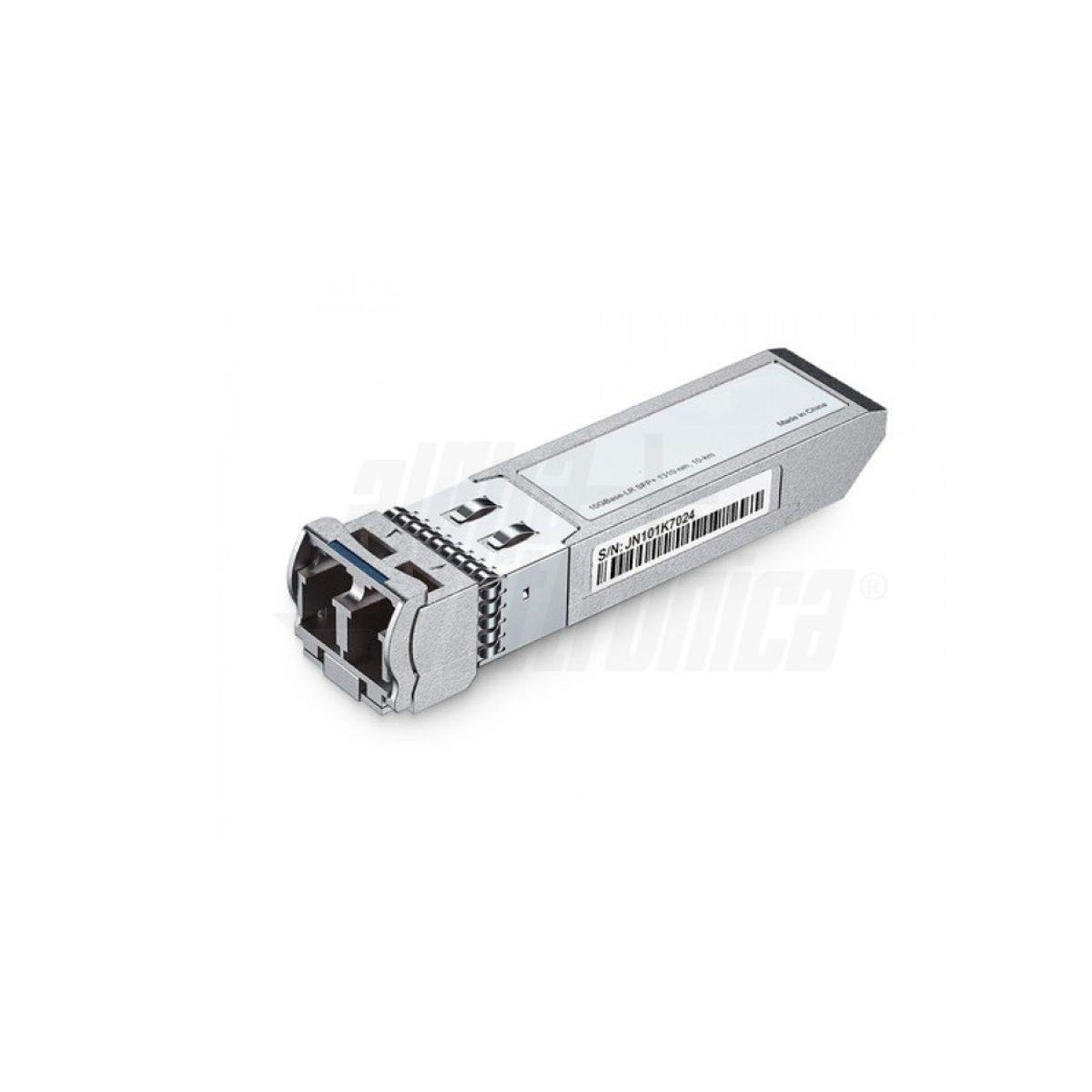
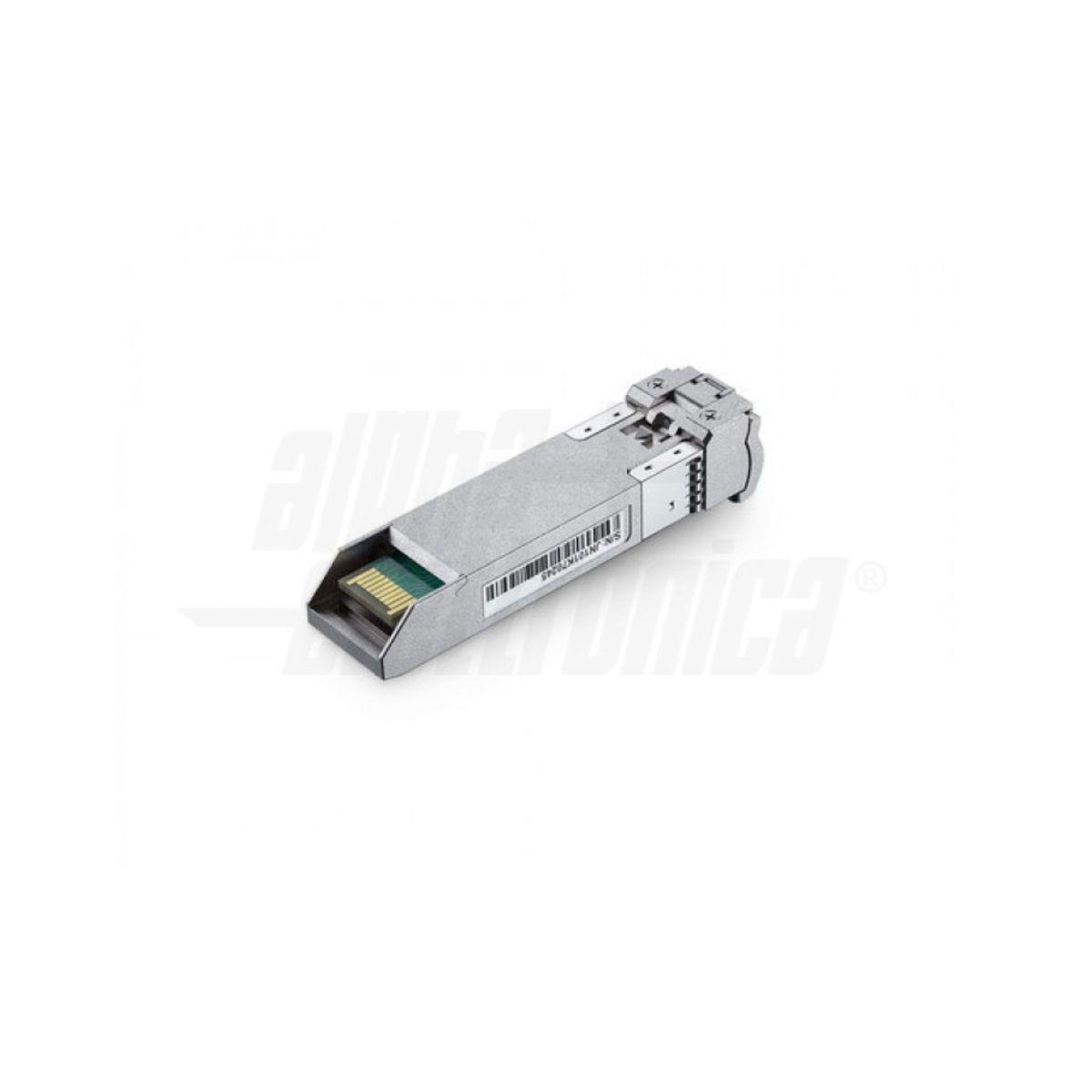
| Connect fiber to a switch | SFP+ LC transceiver module | SR for short distances, LR for long distances |
Single-mode or multi-mode
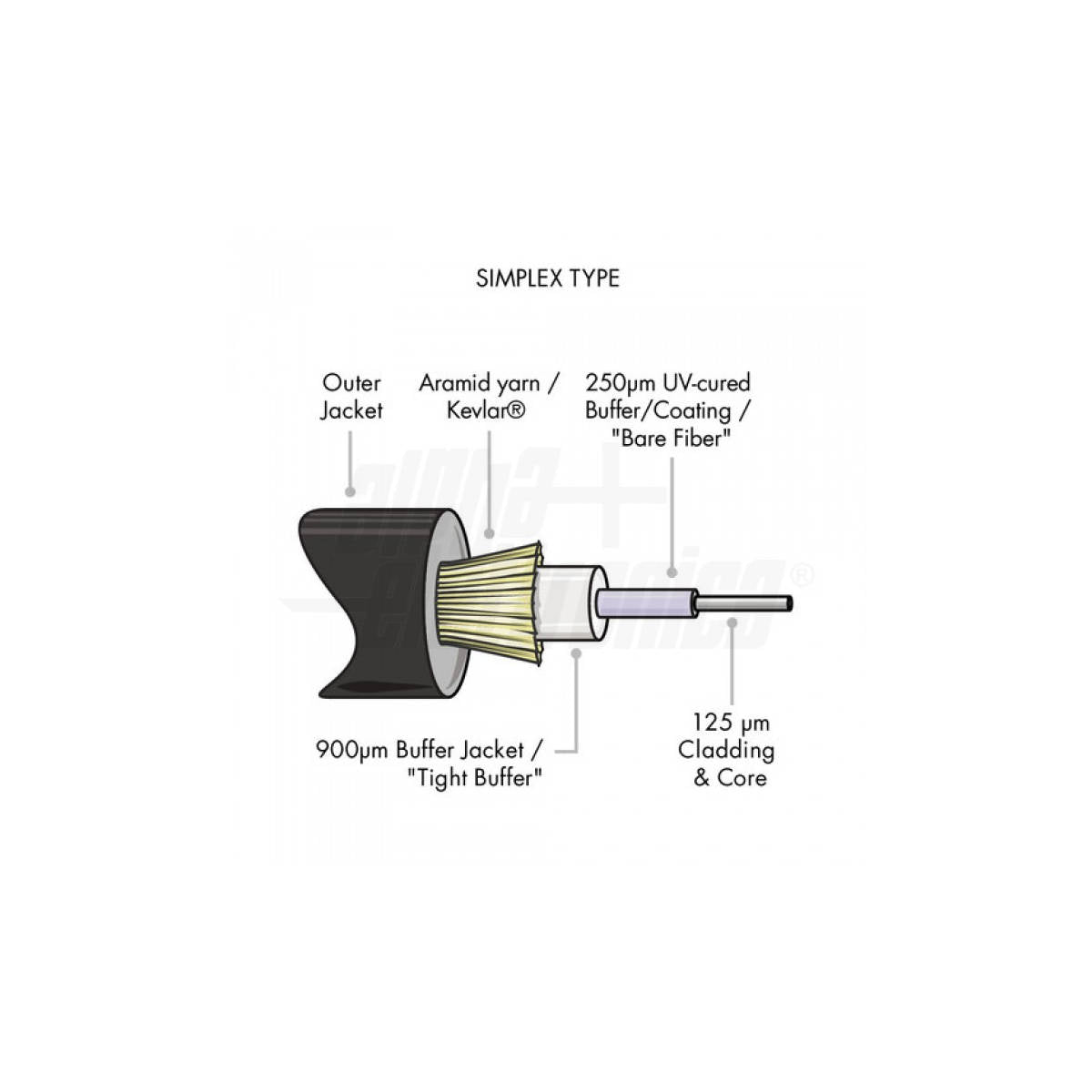
Single-mode 9/125 (OS2) has a very thin core and travels for kilometers without degrading: it is used by telephone operators and therefore for all home FTTH connections. Multi-mode 50/125 (OM2, OM3) has a wider core, costs less in equipment, and is designed for short distances inside a building or between racks in the same data center. They are not interchangeable: connecting single-mode to multi-mode equipment will not work.
The LSZH label on the sheath indicates a material that does not propagate flame in case of fire and does not emit acidic fumes. This is the requirement for indoor building installations, especially along escape routes.
Expert advice. Fibers do not bend like network cables. Below a certain bend radius, the signal is lost, and the damage is often not visible to the naked eye: the connection appears complete, but the line is slow or drops. When routing a patch cord behind furniture, leave wide curves and never use tight zip ties. And never look into the connector of an active fiber.
What you will find in this section
Patch cords and pigtails in SC, LC, FC, and ST combinations, single-mode and multi-mode: the complete range is on the fiber optic patch cords and pigtails page.
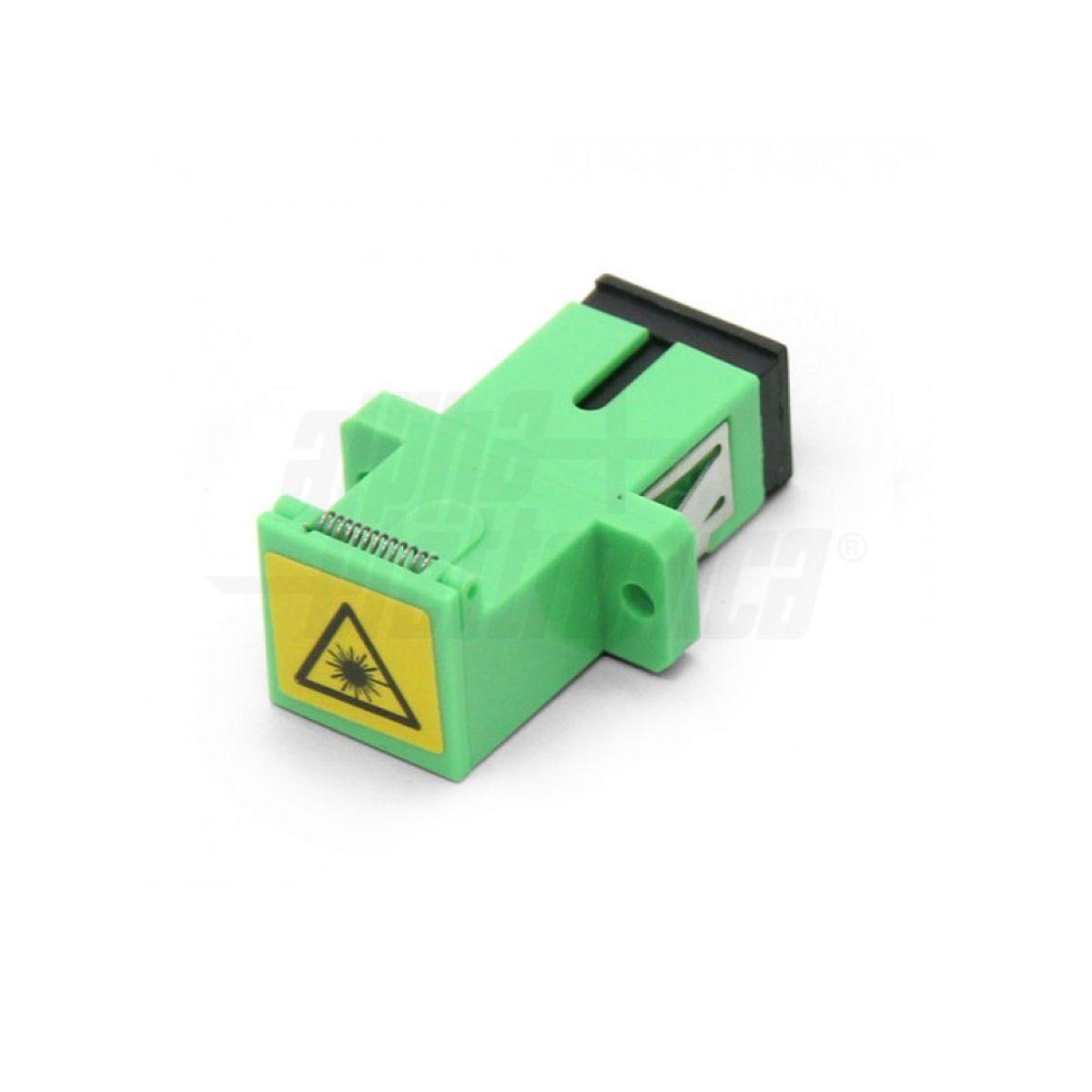
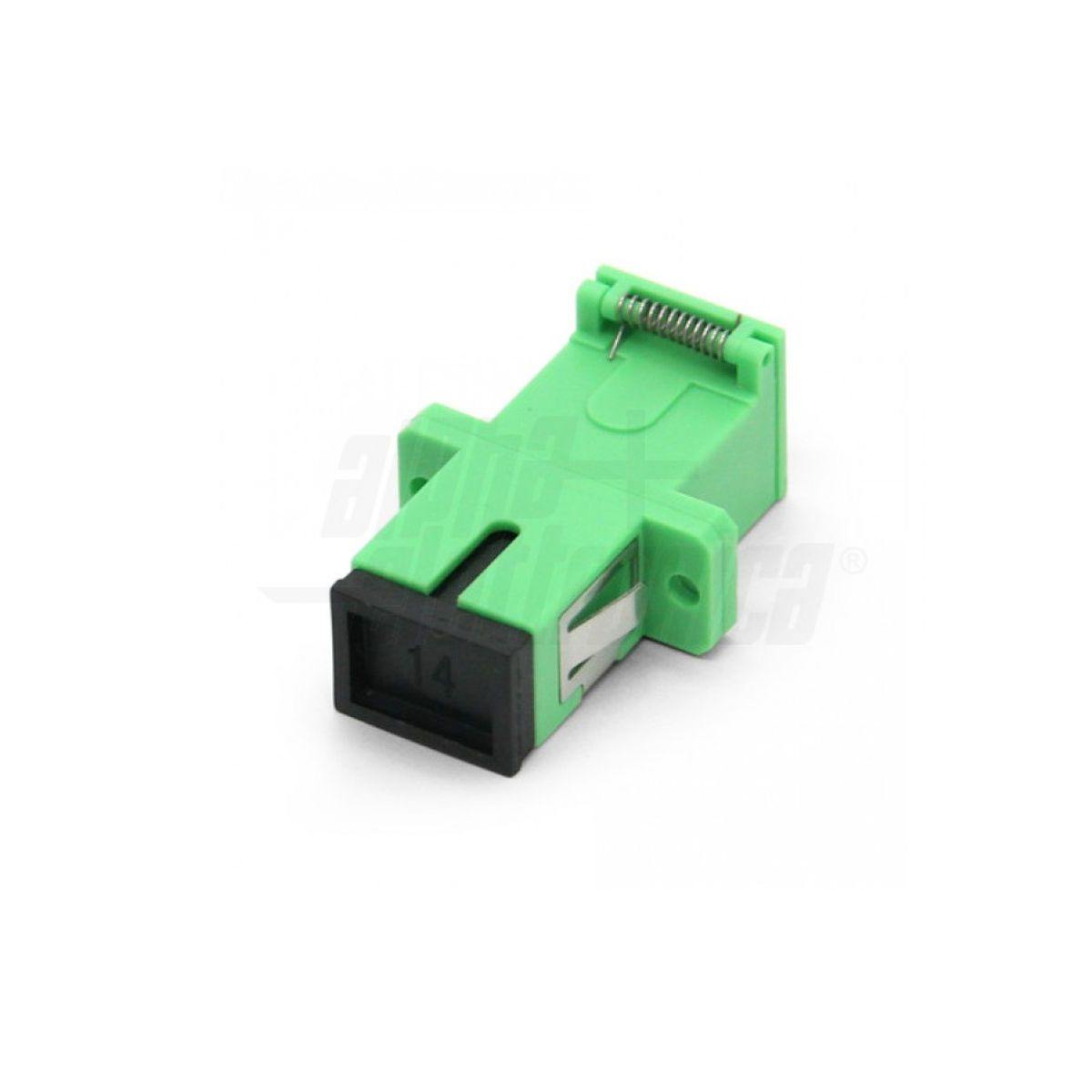
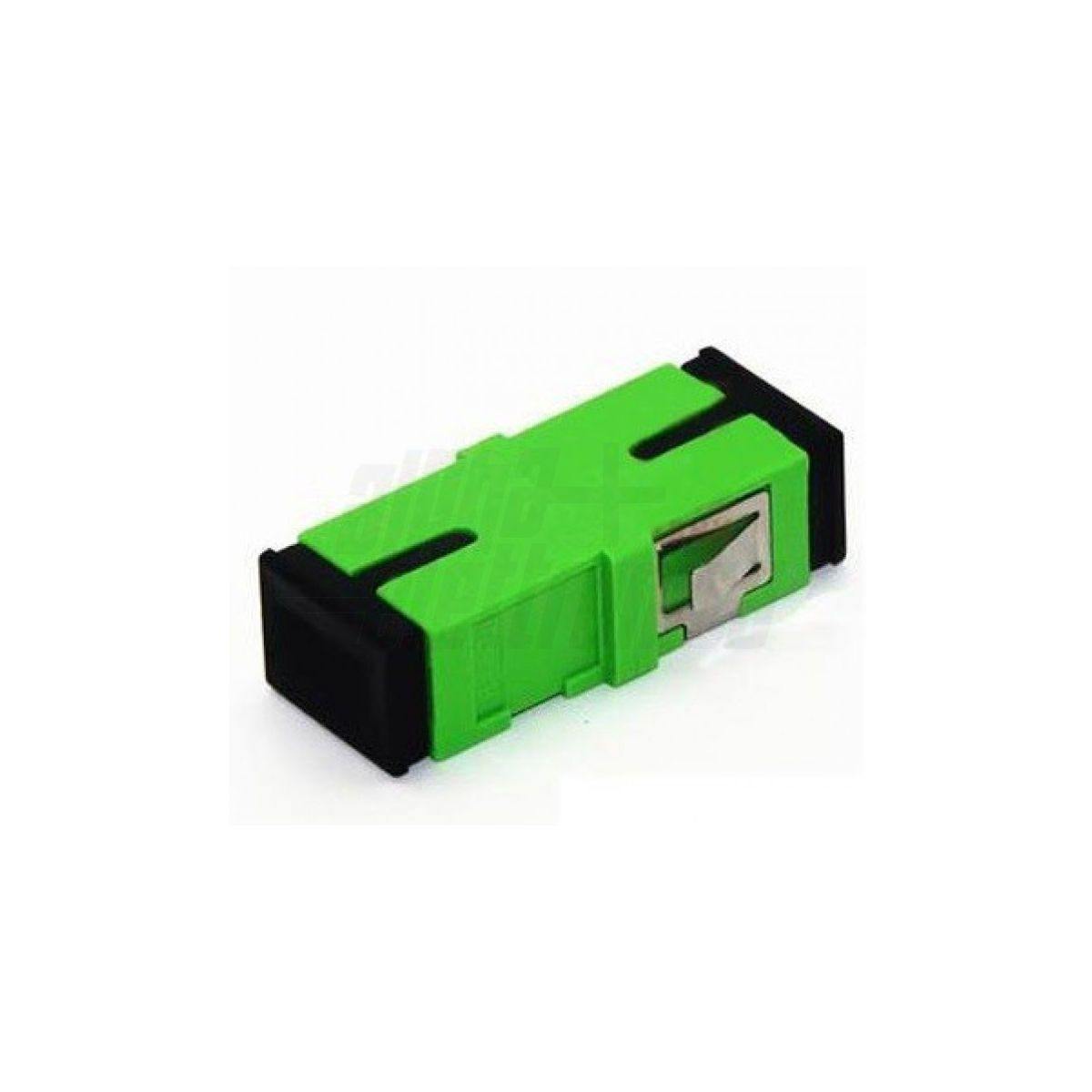
Bulkhead adapters SC-APC and SC-UPC, with or without dust shutters, short flange, or with mounting holes.
Fast connectors SC/APC and SC/PC for on-site termination without a fusion splicer.
Termination boxes for apartments, 2, 4, and 8 ports, wall-mounted or on DIN rail.
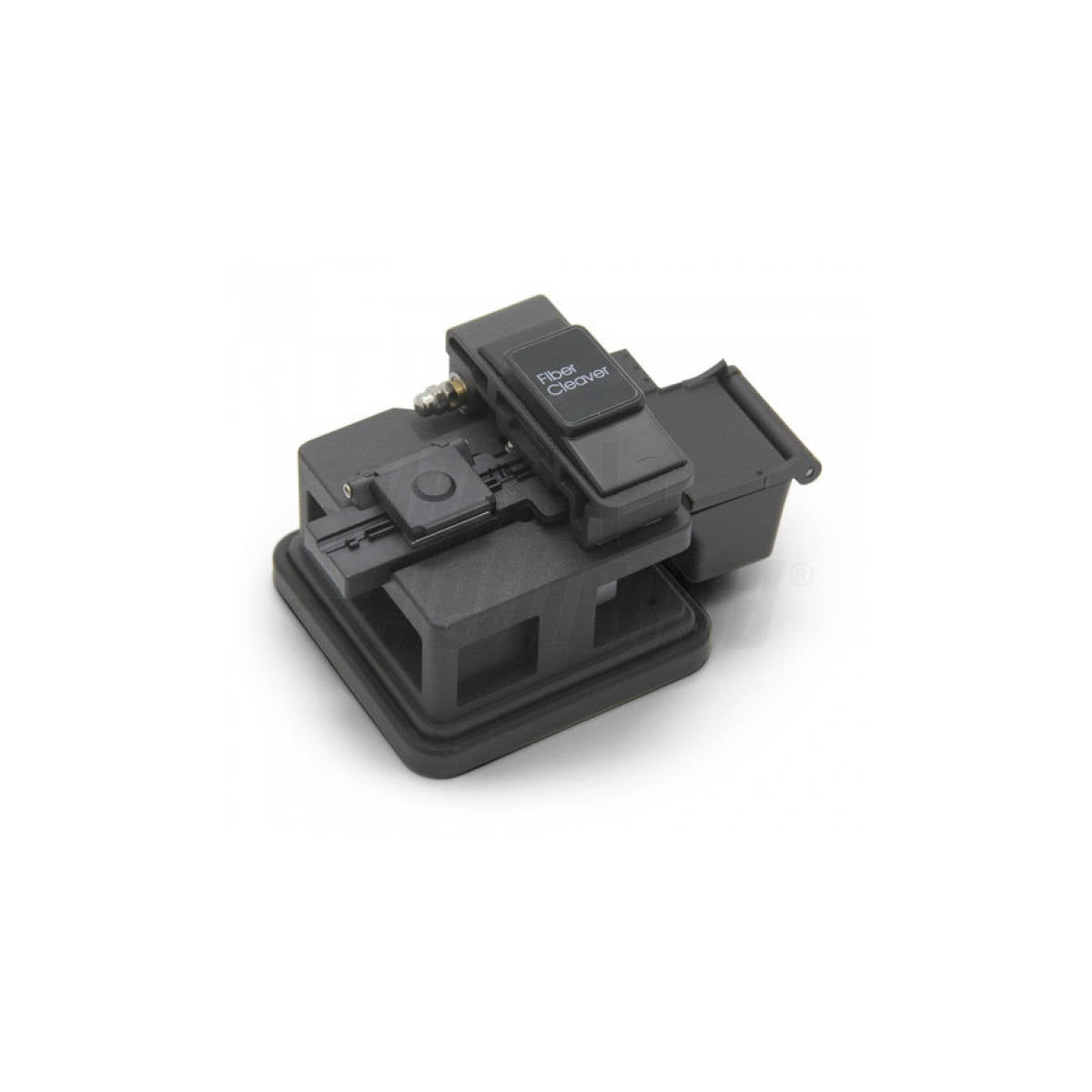
Dedicated tools: three-hole fiber strippers and precision cleavers, which can also be found in the cabling equipment section.
SFP+ transceivers for fiber connection of networking equipment.
Frequently asked questions about optical cabling
What is the difference between APC and UPC?
The end face of the ferrule. In UPC it is polished flat, in APC it is angled at 8 degrees: that angle deflects reflected light out of the core and significantly reduces return reflection. This is why APC is the standard for FTTH and passive networks. The two types should not be mated together.
Can I use an SC/APC patch cord where an SC/UPC one was?
No. Even if the connector fits mechanically into the adapter, the contact between an angled face and a flat one leaves an air gap that degrades the signal. Check the color: green with green, blue with blue.
What is the difference between a patch cord and a pigtail?
A patch cord has a connector at both ends and is used to connect two pre-equipped devices. A pigtail has only one connector, and the other side is bare fiber intended to be spliced to the backbone inside an optical drawer.
Is a fusion splicer needed to terminate the fiber?
It is the best solution for quality and durability, but not the only one: with a fast connector, a dedicated fiber stripper, and a precision cleaver, you can terminate on-site without fusion. However, the cut must be perfectly perpendicular, otherwise the connection will have loss.
How do I clean an optical connector?
Only with fiber-specific wipes or cleaning pens, never with general-purpose alcohol or compressed air. A single particle of dust on the ferrule is enough to noticeably attenuate the signal: with fiber, cleaning is not being fussy, it is part of the job.





