



























Lan cables
Filter
Sort by:
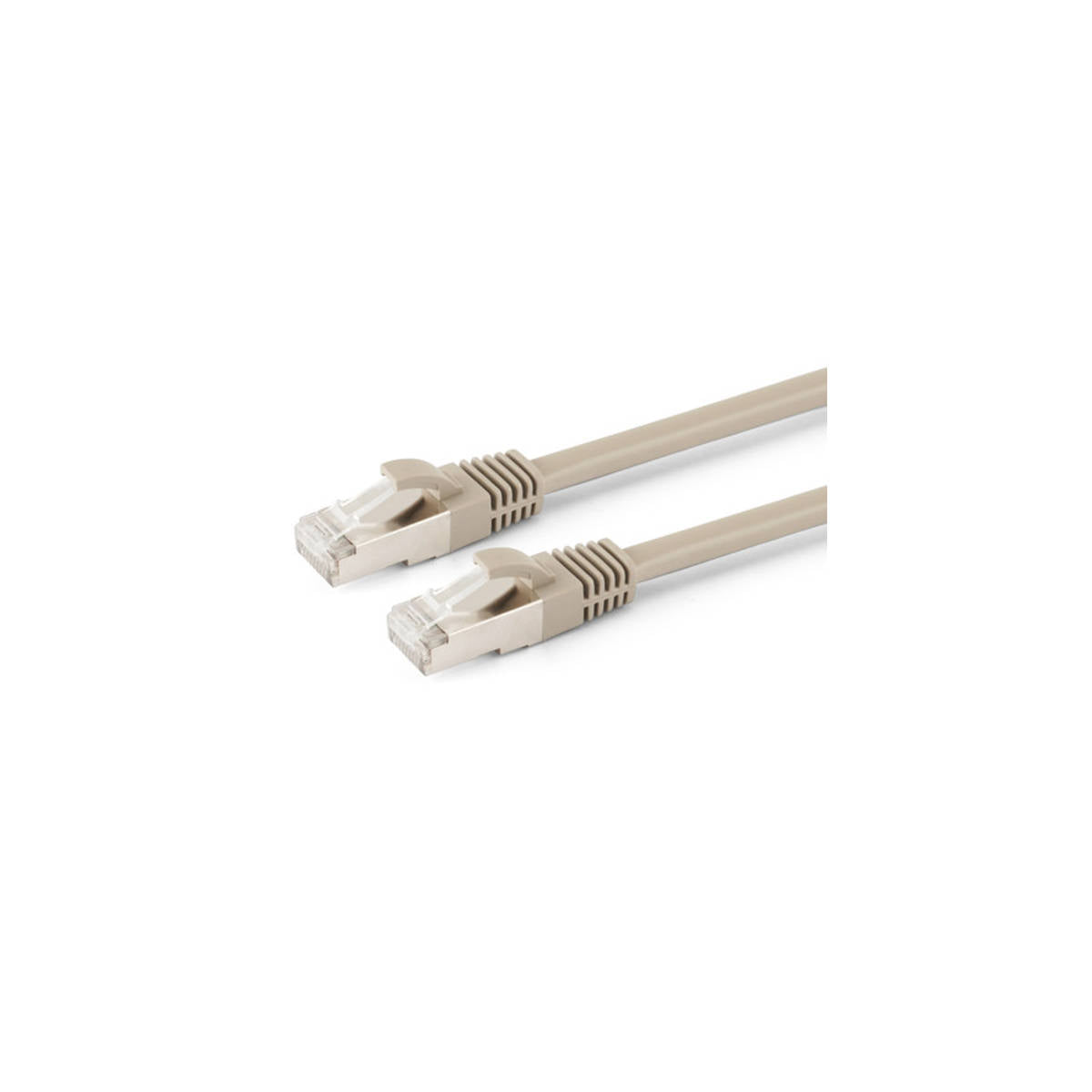
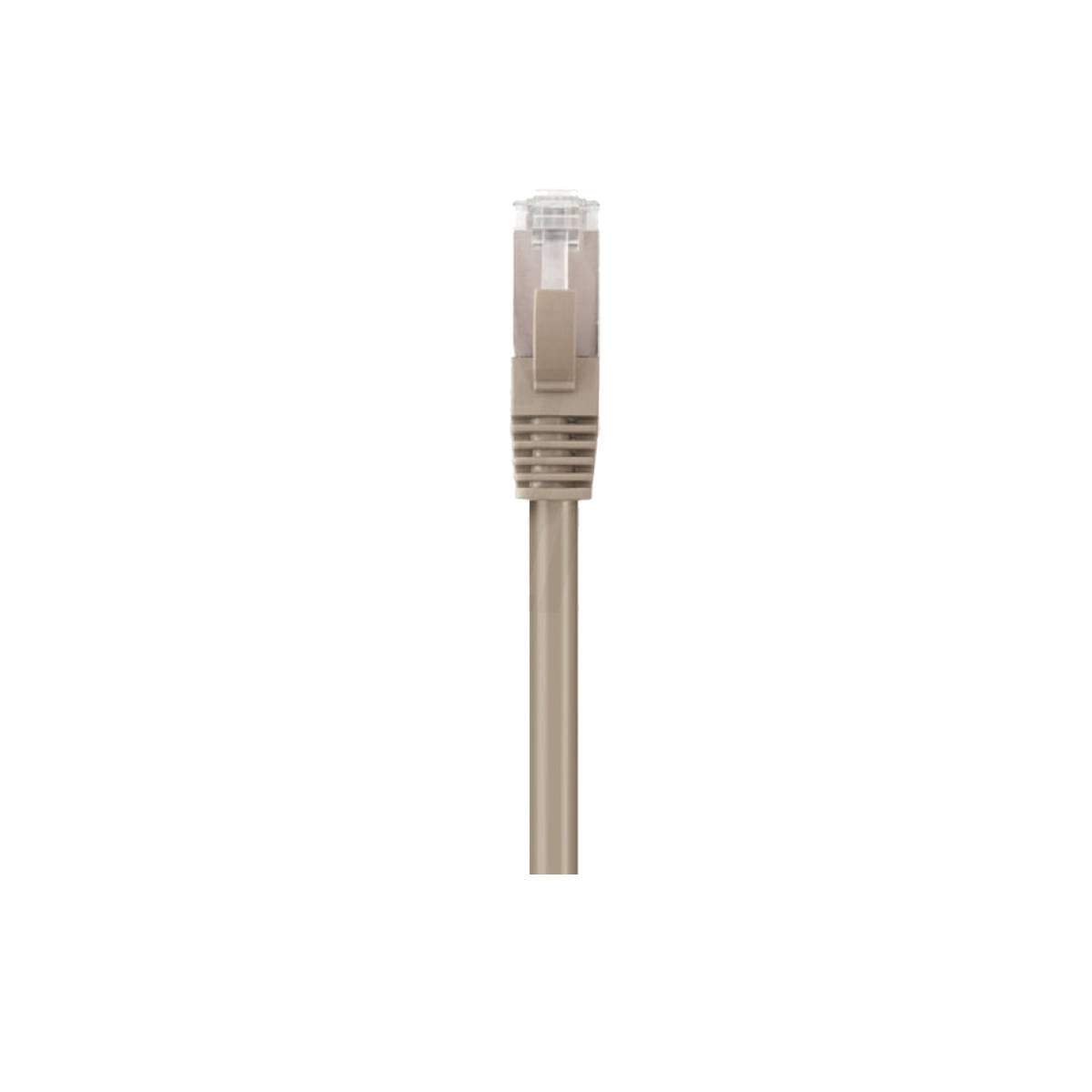


LAN cable: category, shielding and sheath
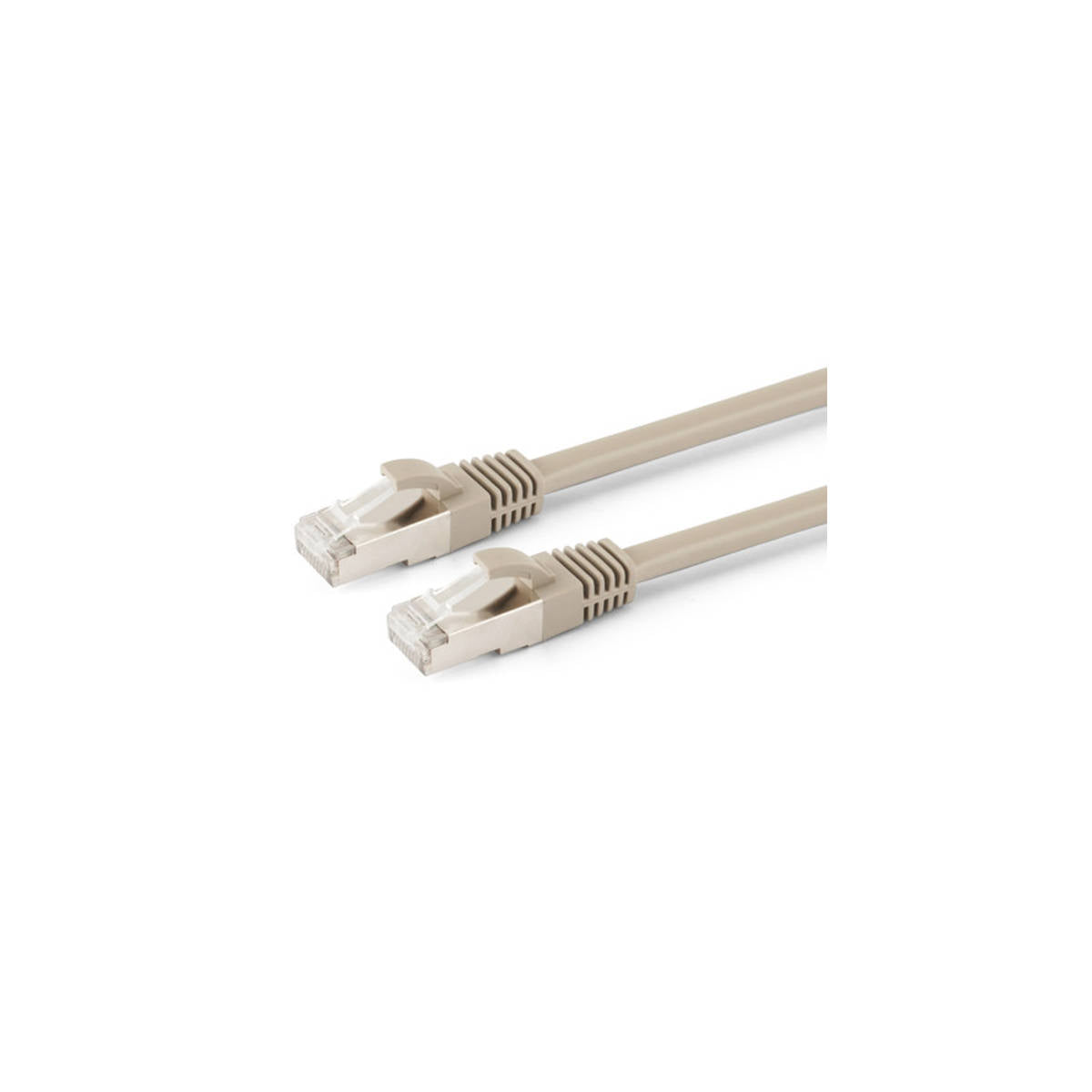
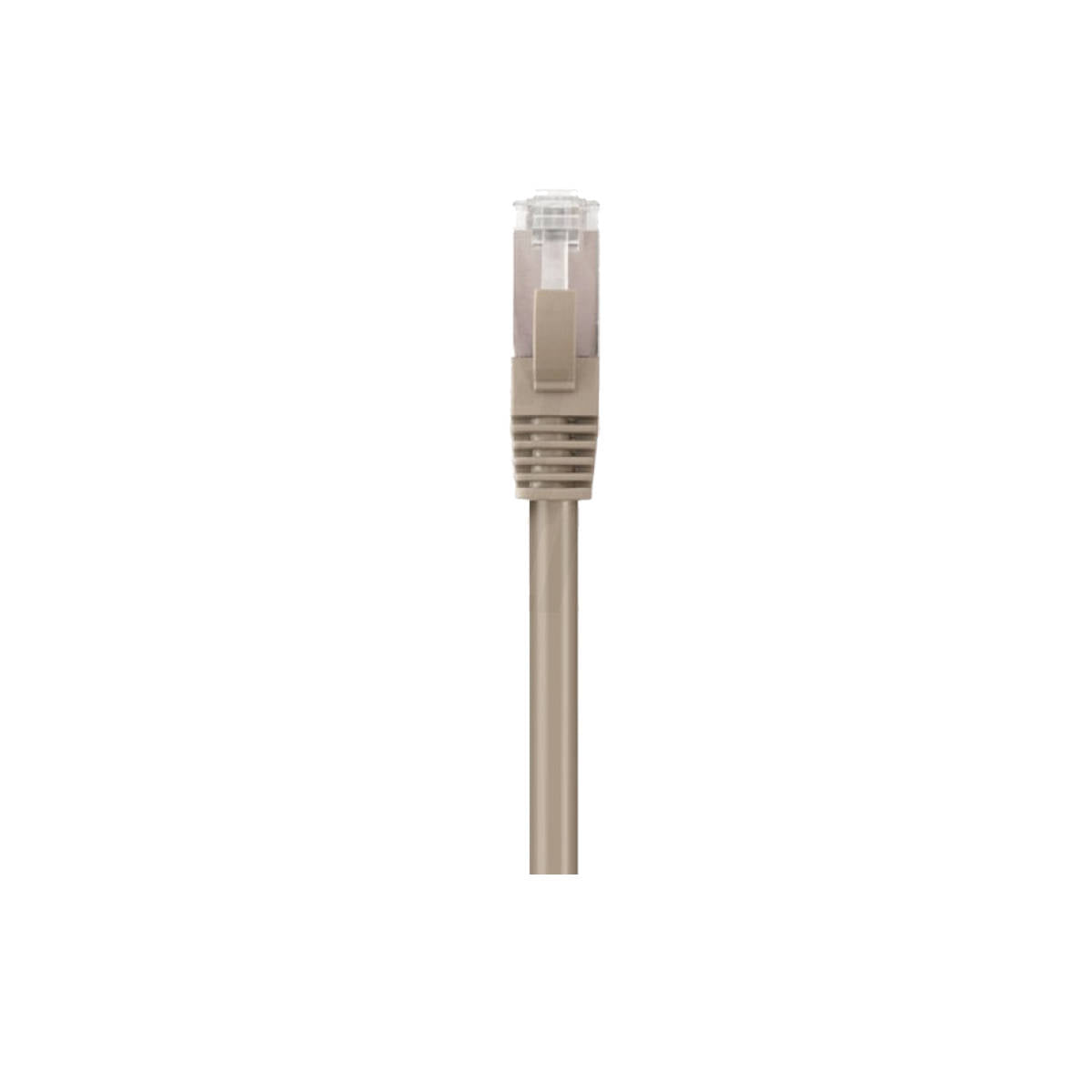
Choosing a network cable means deciding on three things, in this order: how much bandwidth you need (the category), how much electrical interference there is along the path (the shielding) and where the cable runs (the sheath). The rest—color, brand, rigidity—matters little. In our catalog, you will find shielded cable in pure copper in categories 6, 7 and 8.1.
Selection table
| Category | Bandwidth | Suitable for |
|---|---|---|
| Cat. 5e | 100 MHz | Gigabit over short distances, existing installations |
| Cat. 6 | 250 MHz | Standard for home and office cabling |
| Cat. 6a | 500 MHz | 10 Gigabit over 100 meters, Wi-Fi 6/7 access points in PoE |
| Cat. 7 | 600 MHz | Backbones and environments with high electromagnetic interference |
| Cat. 8.1 | 2000 MHz | Short, ultra-high-speed connections in server rooms |
How to read the shielding code
The code follows the X/YTP format: the first letter indicates the overall shield around all pairs, the second indicates the shield on the individual pair. U means absent, F means aluminum foil, S means metal braid.
Therefore, U/UTP is the unshielded cable, economical and flexible, suitable for quiet home environments. F/UTP has an overall foil shield. S/FTP—which you can find here—has an external braid and foil on every pair: it is the most protected configuration, mandatory when the cable runs parallel to electrical lines, inside shared conduits, or near motors, inverters, or panels.
Pure copper, not CCA
This is the difference that you don't see in a photo but pay for later. CCA (copper-clad aluminum) cable costs less but has higher resistance: it heats up, loses signal over long distances, and is inadequate for PoE, where the cable also carries power for cameras or access points. Pure copper is the only correct choice for fixed cabling.
The sheath indicates where it can run
LSZH (Low Smoke Zero Halogen): in the event of fire, it does not propagate flames and does not release acidic fumes. This is the requirement for indoor installations, particularly along stairwells and escape routes.
LDPE: polyethylene resistant to UV rays and humidity, for outdoor sections, under gutters, or in outdoor conduits. It should not be used for long indoor runs.
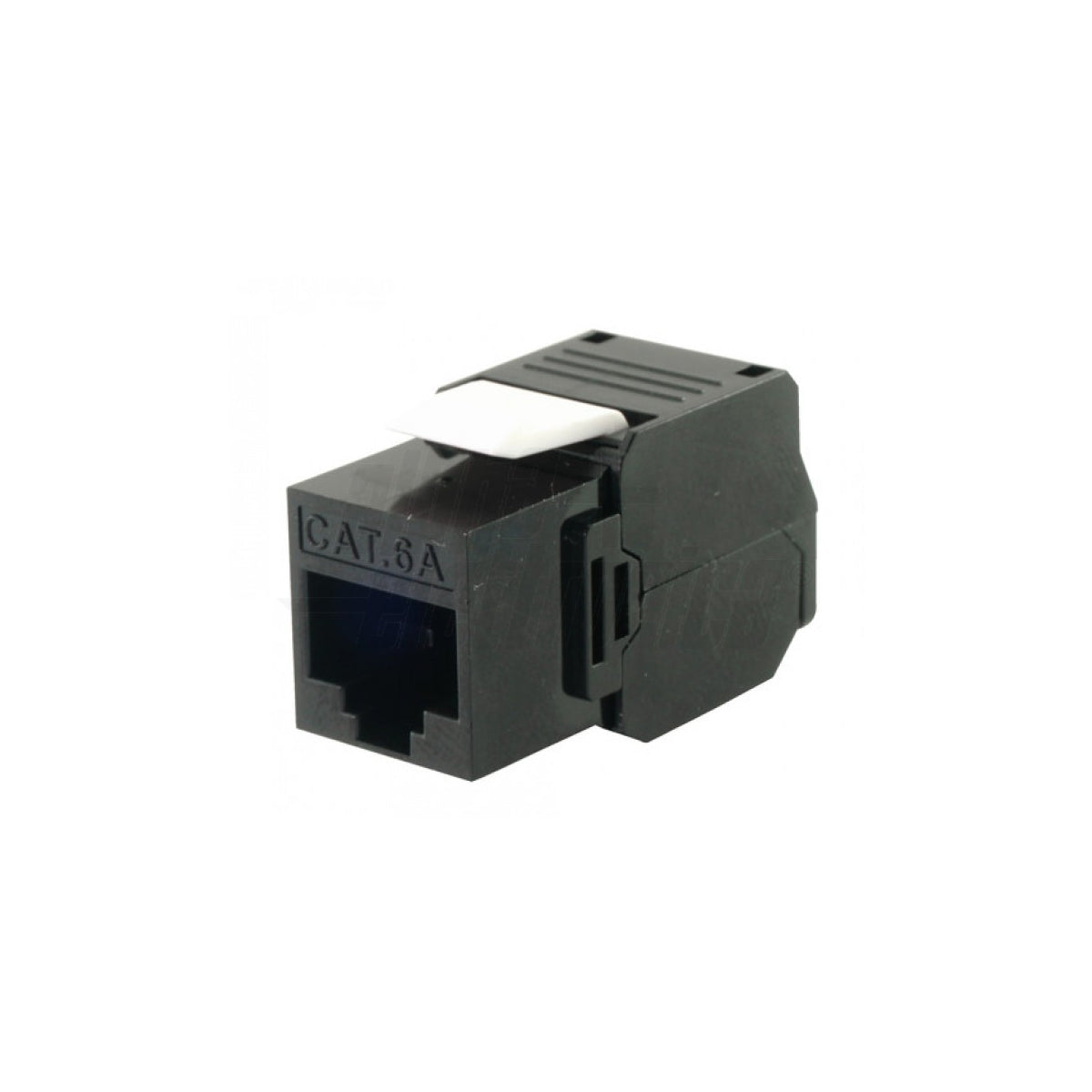
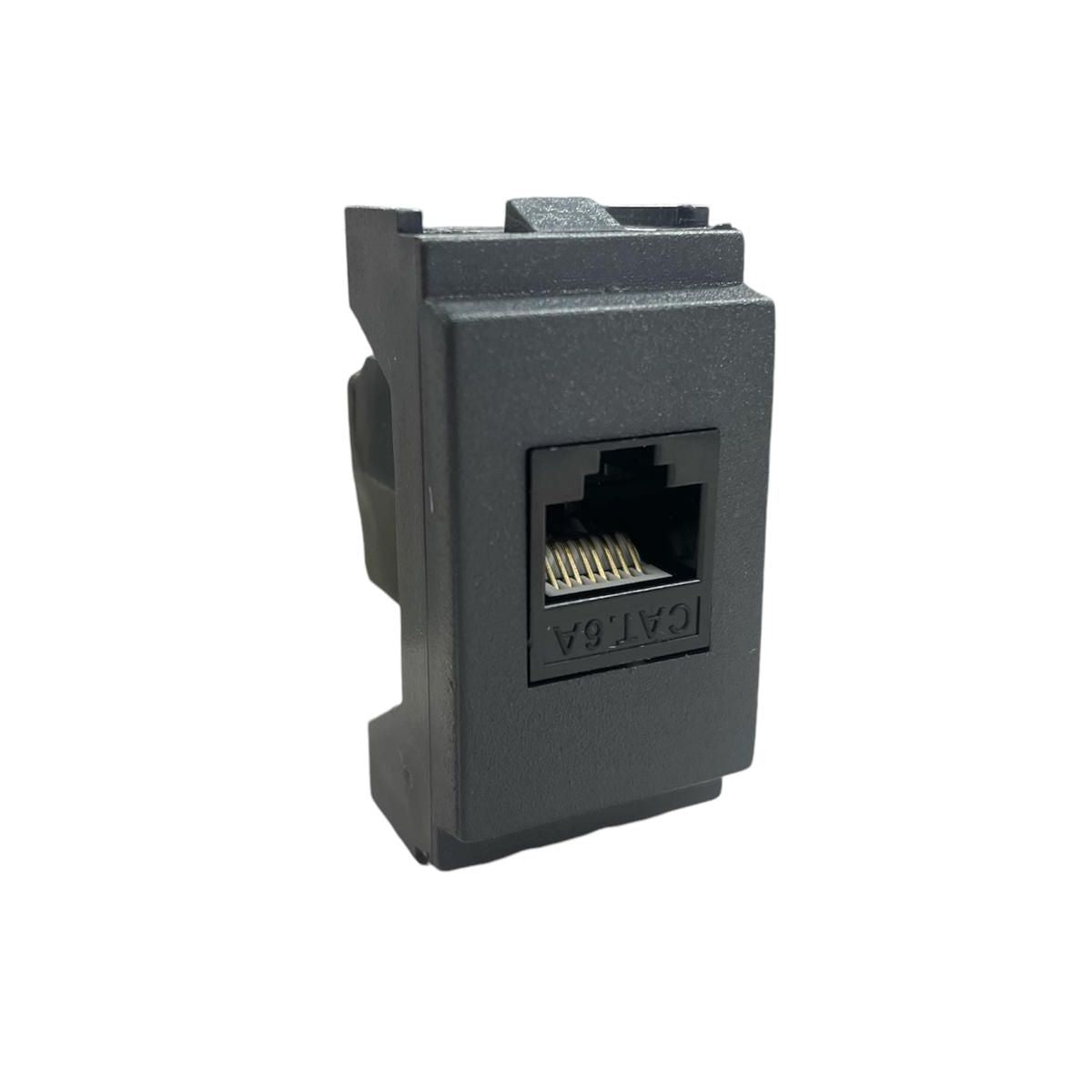
Pro tip. Shielding is only useful if it is grounded. An S/FTP cable terminated with unshielded connectors and jacks is as effective as a U/UTP: the braid remains disconnected and drains nothing. If you choose shielded, also get shielded RJ45 plugs and jacks; otherwise, you have spent more for nothing.
Frequently asked questions about LAN cable
Which category is best for a new home?
Cat. 6a is the best compromise: it supports 10 Gigabit over 100 meters, effectively powers modern access points via PoE, and doesn't cost much more than Cat. 6. For in-wall cabling that stays there for twenty years, saving money on the category is a false economy.
Does Cat. 8.1 make my home network faster?
No, if your devices and line do not reach those speeds. Cat. 8.1 is designed for short connections between equipment in server rooms, not for home wiring: the extra bandwidth remains unused.
What is the maximum length of a network cable?
One hundred meters between devices for categories up to 6a, including the patch cables at both ends. Beyond that, you need an intermediate switch or a switch to fiber optic.
Can I run the network cable in the same conduit as the electrical cable?
The rule is to keep them separate. If you have no alternative, use shielded S/FTP cable and keep as much distance as possible, avoiding long parallel runs: 90° crossings are less critical than parallelism.
Is it better to buy pre-assembled cable or a bulk roll?
For connecting two nearby devices, pre-assembled cables are more convenient, which you can find among our patch cables. For a wall installation, you need a bulk roll plus connectors and a crimping tool.