





















































Modulators
Filter
Sort by:

HDMI-to-DVB-T modulators: distribute a channel to all TVs
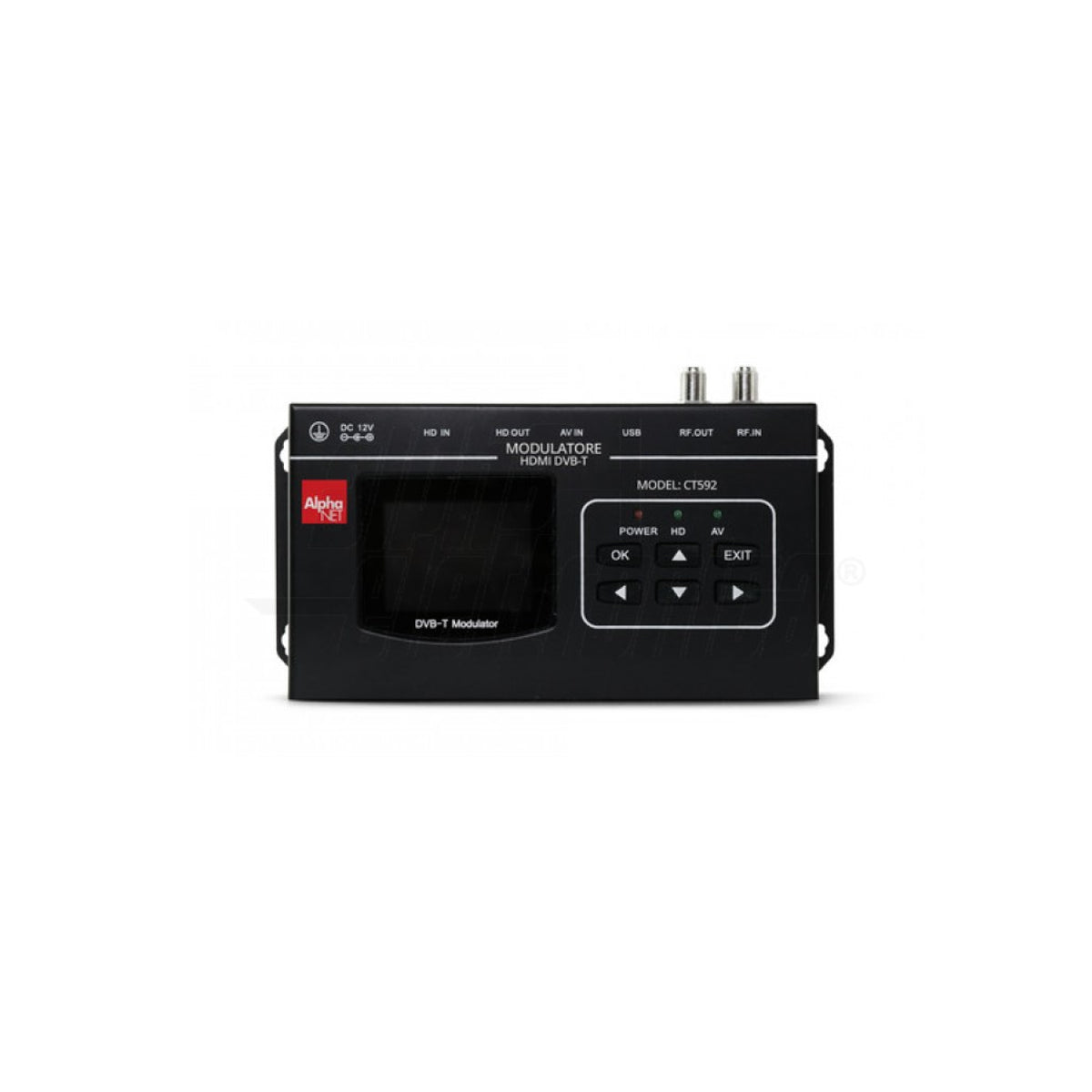
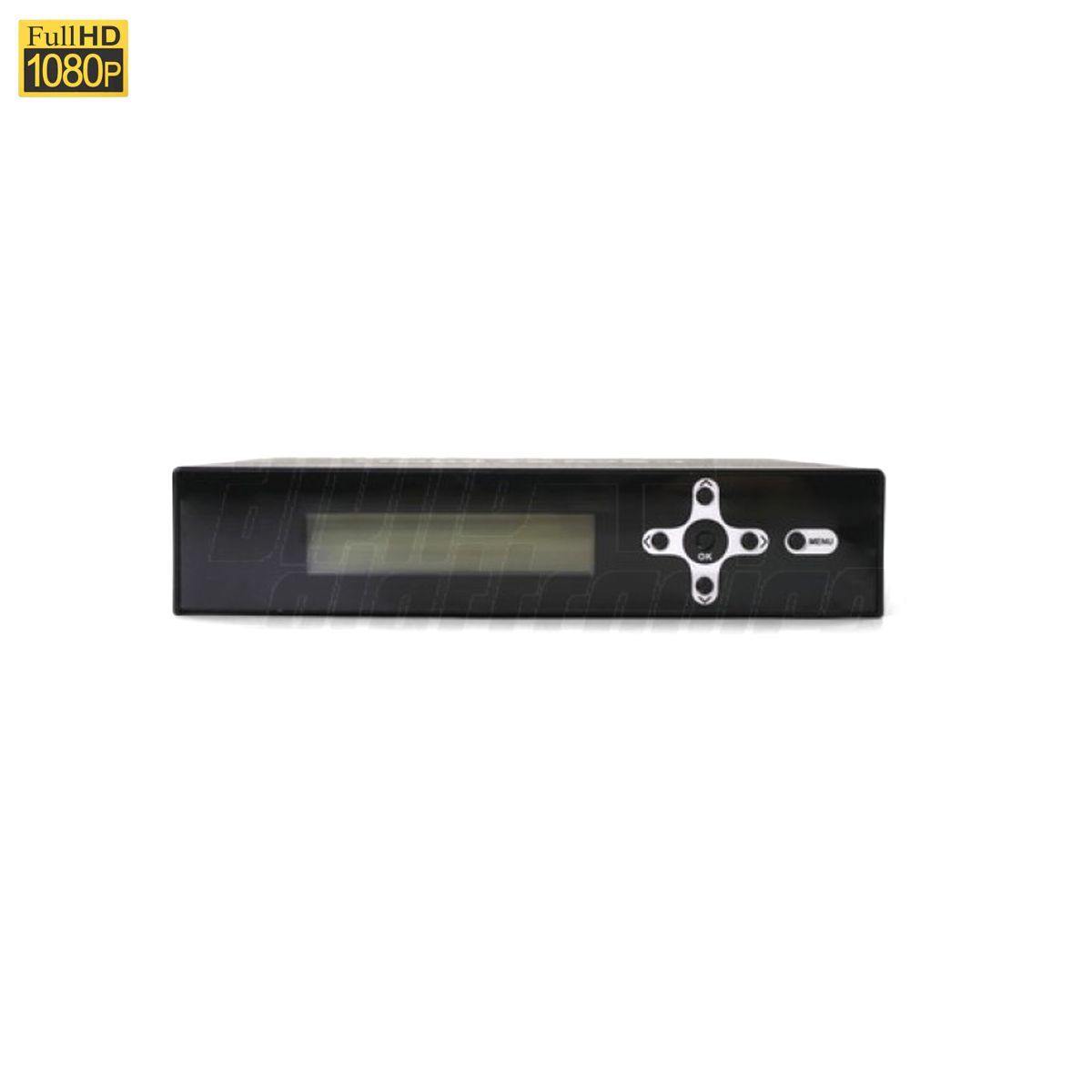
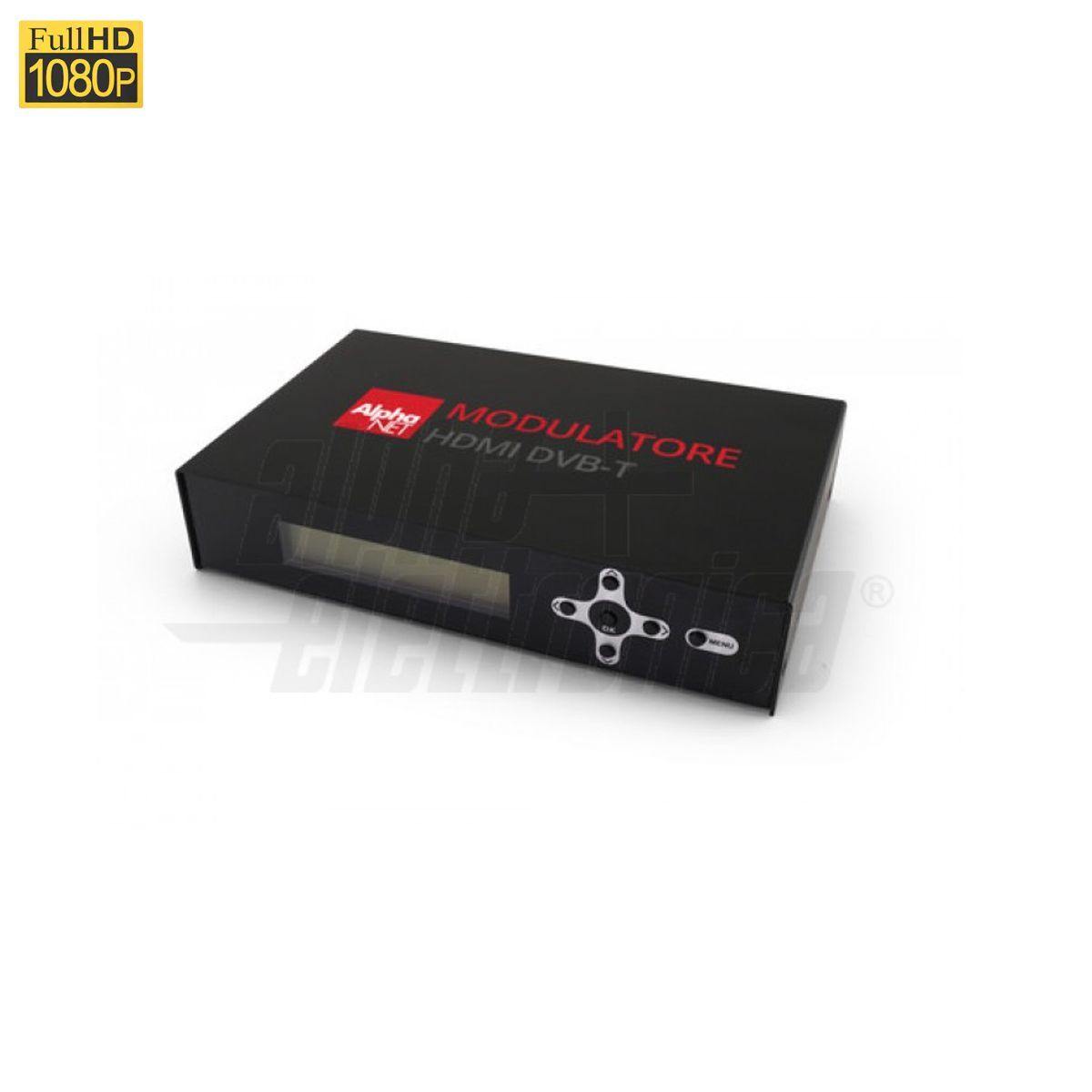
A modulator solves a very specific problem: you have a source — a decoder, a player, a PC, or a video surveillance system — and you want to view it on every TV in the building without running new cables. It takes the HDMI or analog input signal and converts it into a DVB-T digital terrestrial channel, which you then inject into your existing antenna system. From that moment on, every TV can tune into it like any other channel, using its own remote control.
This is the classic solution for hotels, B&Bs, showrooms, gyms, waiting rooms, restaurants, and accommodation facilities: the antenna wiring is already there, and you don't need to touch anything.
Modulator, matrix, or splitter: which one do you need
| Goal | Device | Cabling |
|---|---|---|
| One source on many TVs already connected to the antenna | DVB-T Modulator | Uses existing coaxial system |
| Multiple sources on multiple TVs, each with different content | HDMI Matrix | Requires an HDMI cable run for each screen |
| One source on a few nearby TVs | HDMI Splitter | One HDMI cable run for each screen |
The practical difference lies entirely in the cabling: beyond a certain distance and a certain number of screens, pulling HDMI cables becomes impractical, and the modulator is the only reasonable path.
Features to verify
Loop out. Replicates the input signal on a pass-through output, so you can keep a control monitor connected directly to the source while the modulator is running.
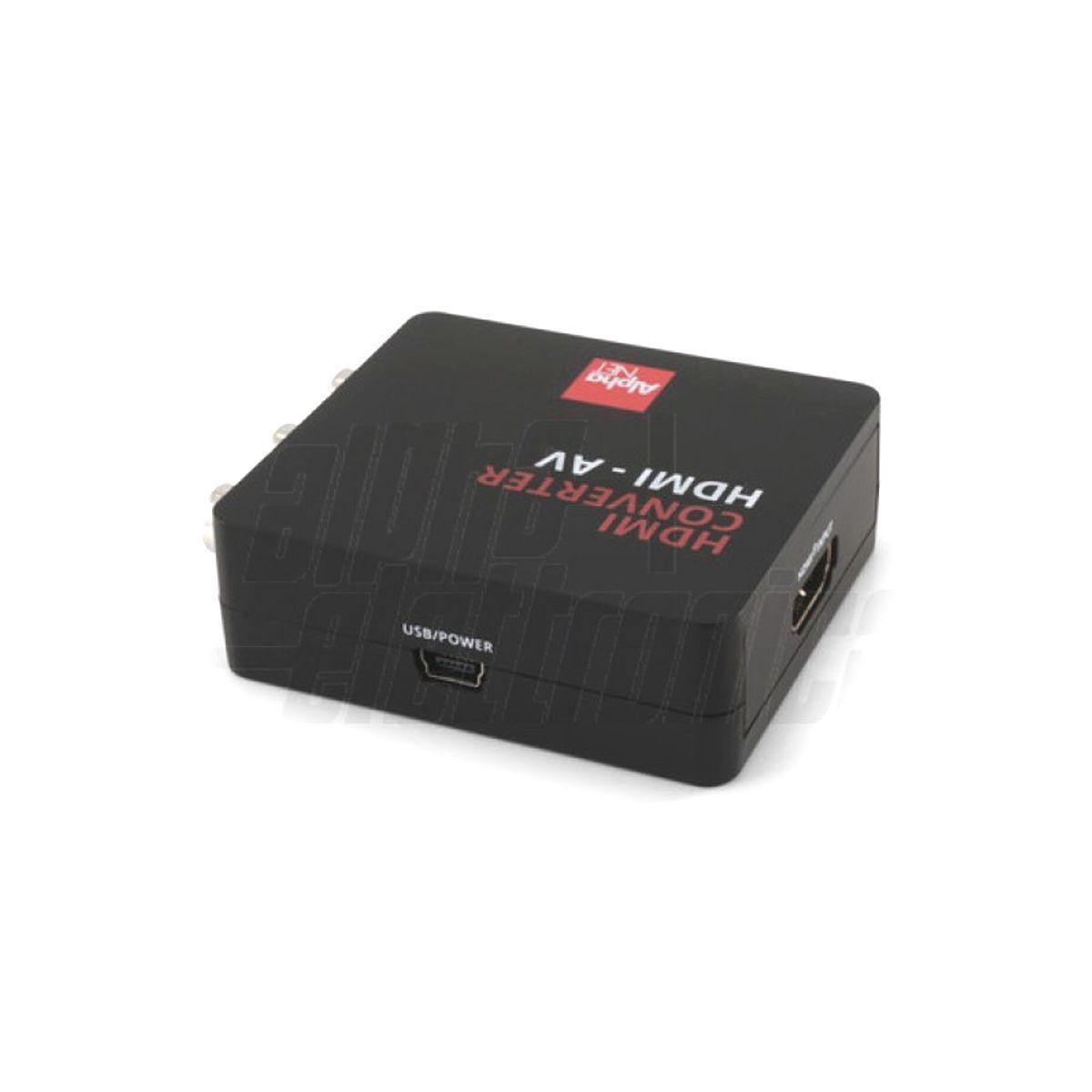
Analog input. Some models also accept non-HDMI sources, useful for older equipment and certain video surveillance systems.
Channel and parameter selection. The output channel must be set to a free frequency in your area, otherwise it will conflict with local broadcasters — this is the most delicate part of the installation.
Expert advice. Before choosing the channel, perform a scan with a field meter or check which frequencies are already occupied in your area: if you place the modulator on a channel already in use, the TVs will show interference on both. Also, consider that the signal must be mixed correctly with the antenna signal: a proper mixer is required and, on large systems, a check of signal levels is necessary. In an accommodation facility, it is best to have it calibrated by an antenna technician, because if it's calibrated incorrectly, your guests will find out before you do.
Frequently asked questions about modulators
Do I need a decoder on every TV?
No, and that is exactly the advantage: the channel generated by the modulator is tuned in by the digital tuner already present in every modern television. The guest changes the channel with the TV remote, without needing extra devices in the room.
How many TVs can I serve?
As many as the antenna system can support in terms of signal levels. The limit is not in the modulator but in the distribution: on extensive networks, correctly sized amplifiers and splitters are needed.
Does the image quality remain the same?
The signal is re-encoded into the digital terrestrial format, so the final definition depends on the capabilities of the modulator and does not necessarily match that of the HDMI source. For the highest quality on a few screens, the matrix remains preferable.
Can I use it for video surveillance?
Yes, this is a frequent use: you send the recorder's output to a dedicated channel, and the images become visible on any TV in the building. However, consider who will be able to see them, because the channel will be accessible to all TVs connected to the system.
Is there a delay compared to the source?
Yes, encoding introduces a latency of a few moments. It is irrelevant for content broadcasting and digital signage, but it should be considered where synchronization is needed with audio distributed separately or with live events.
See also HDMI matrices and signal converters.





