




















































Skein Audio Cable
Filter
Sort by:

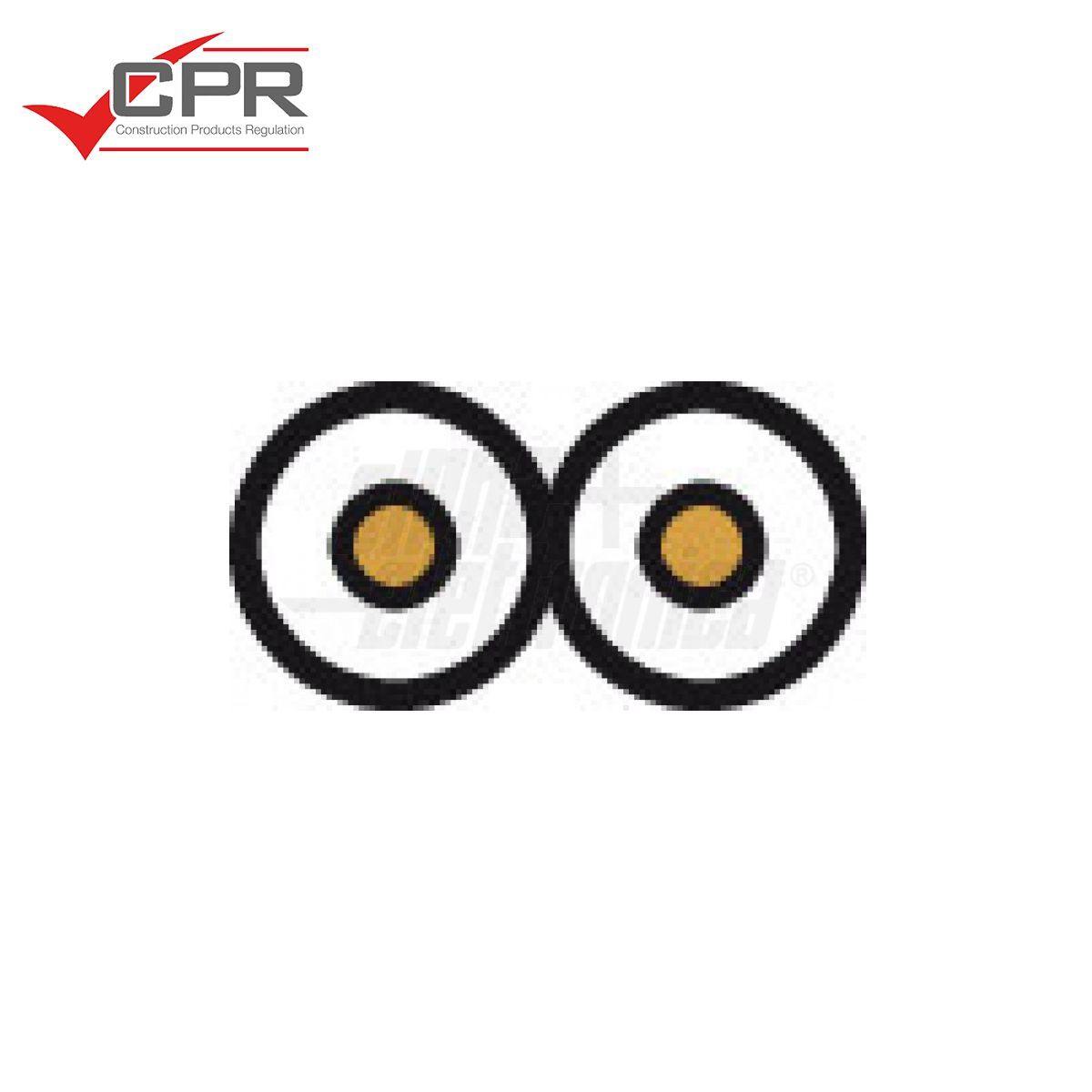

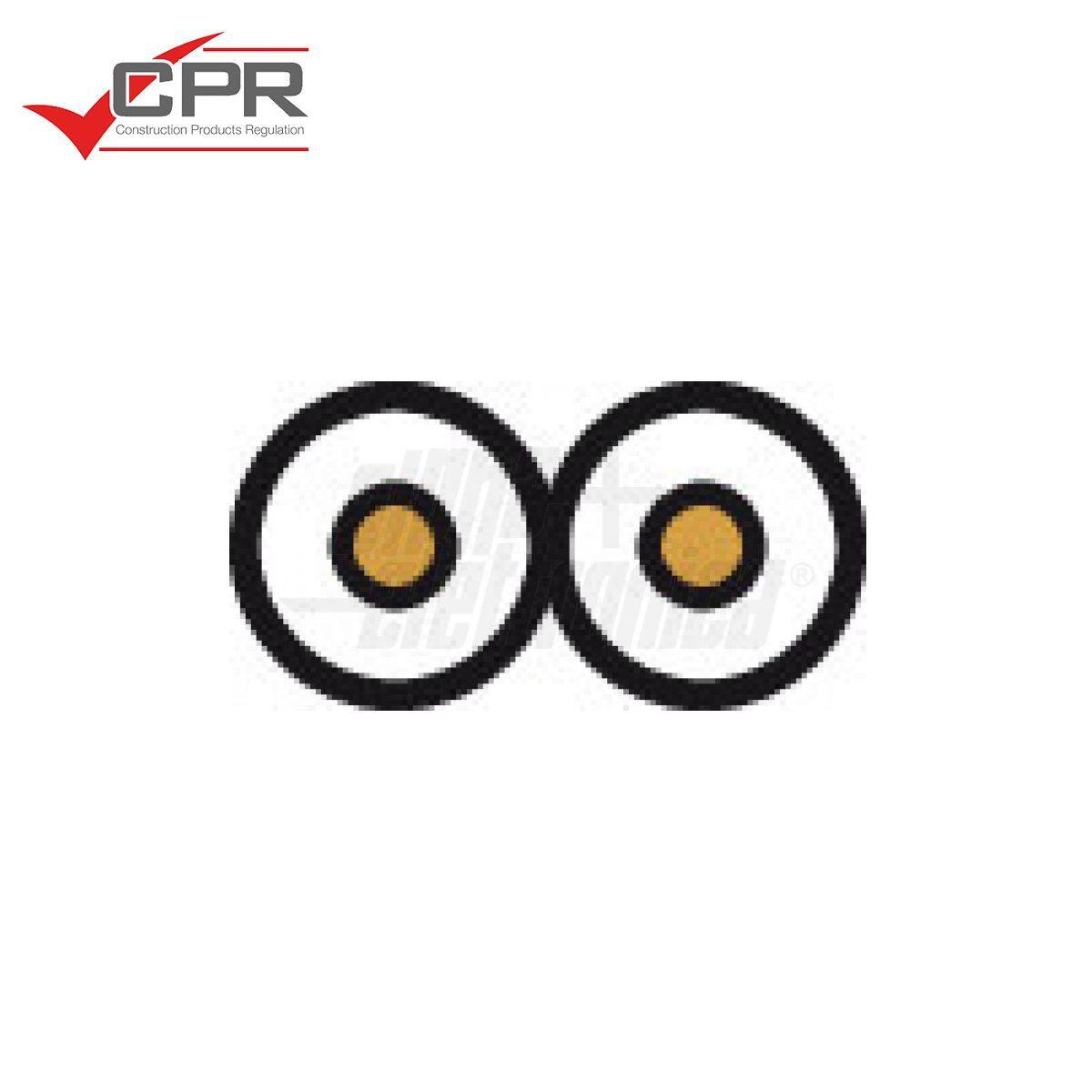

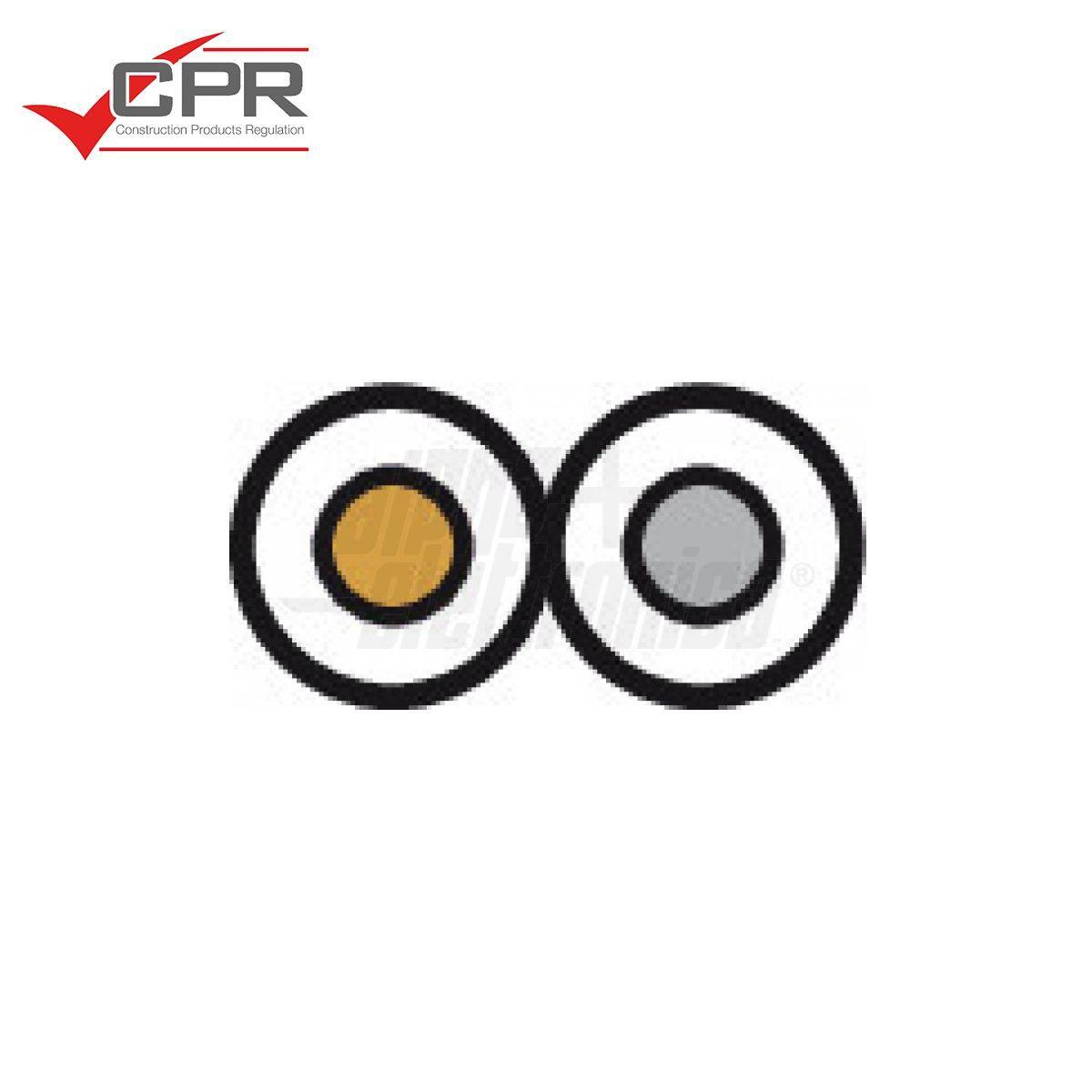

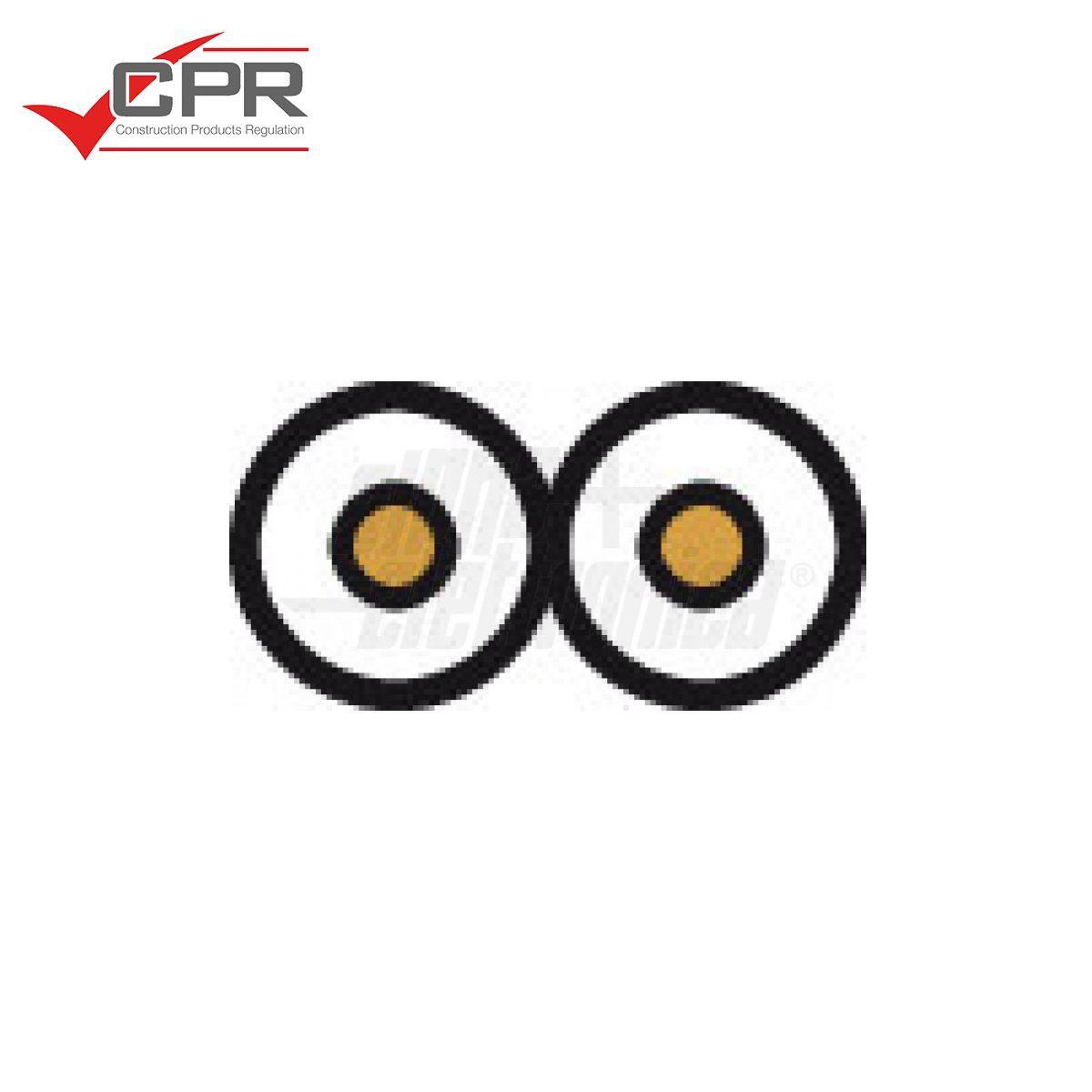
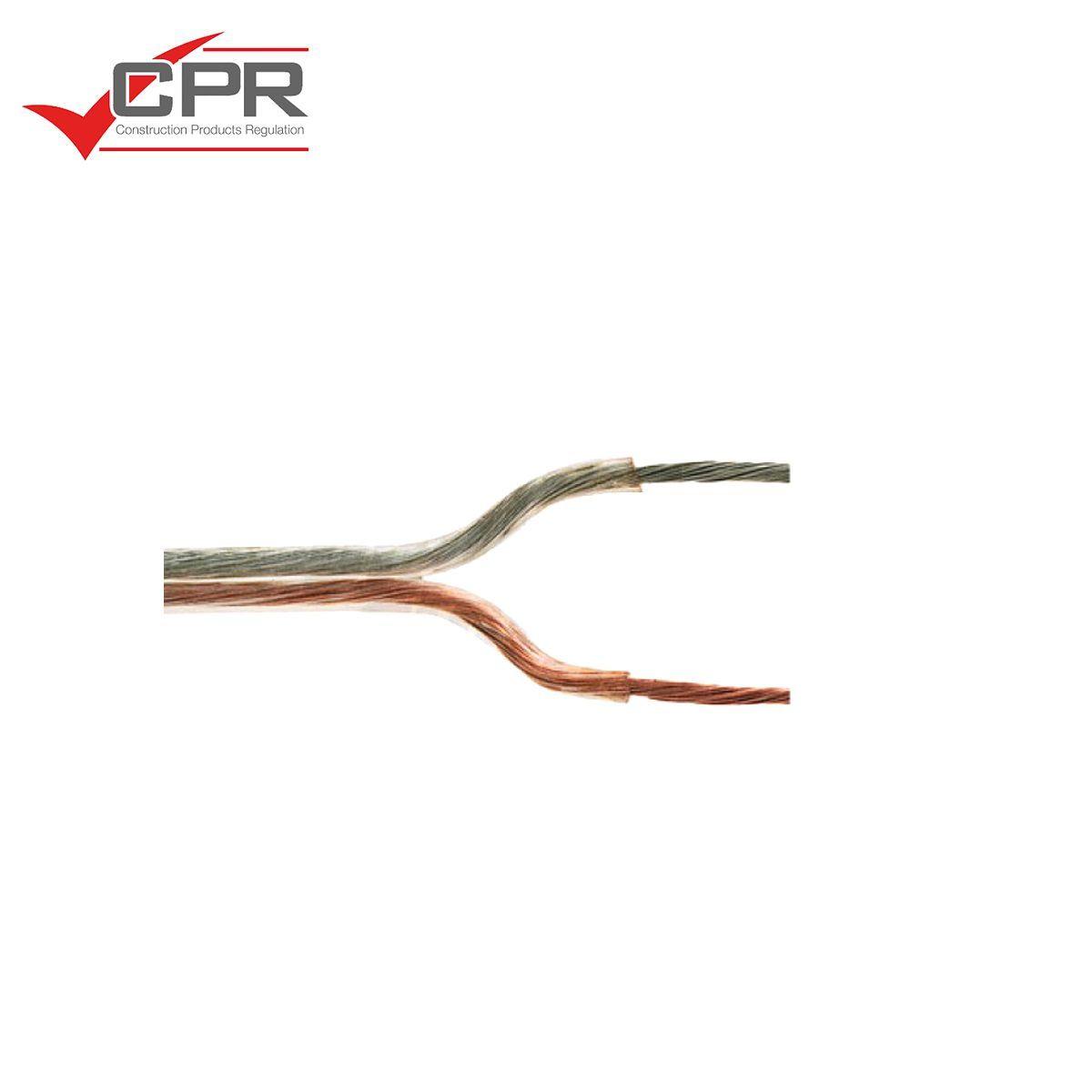
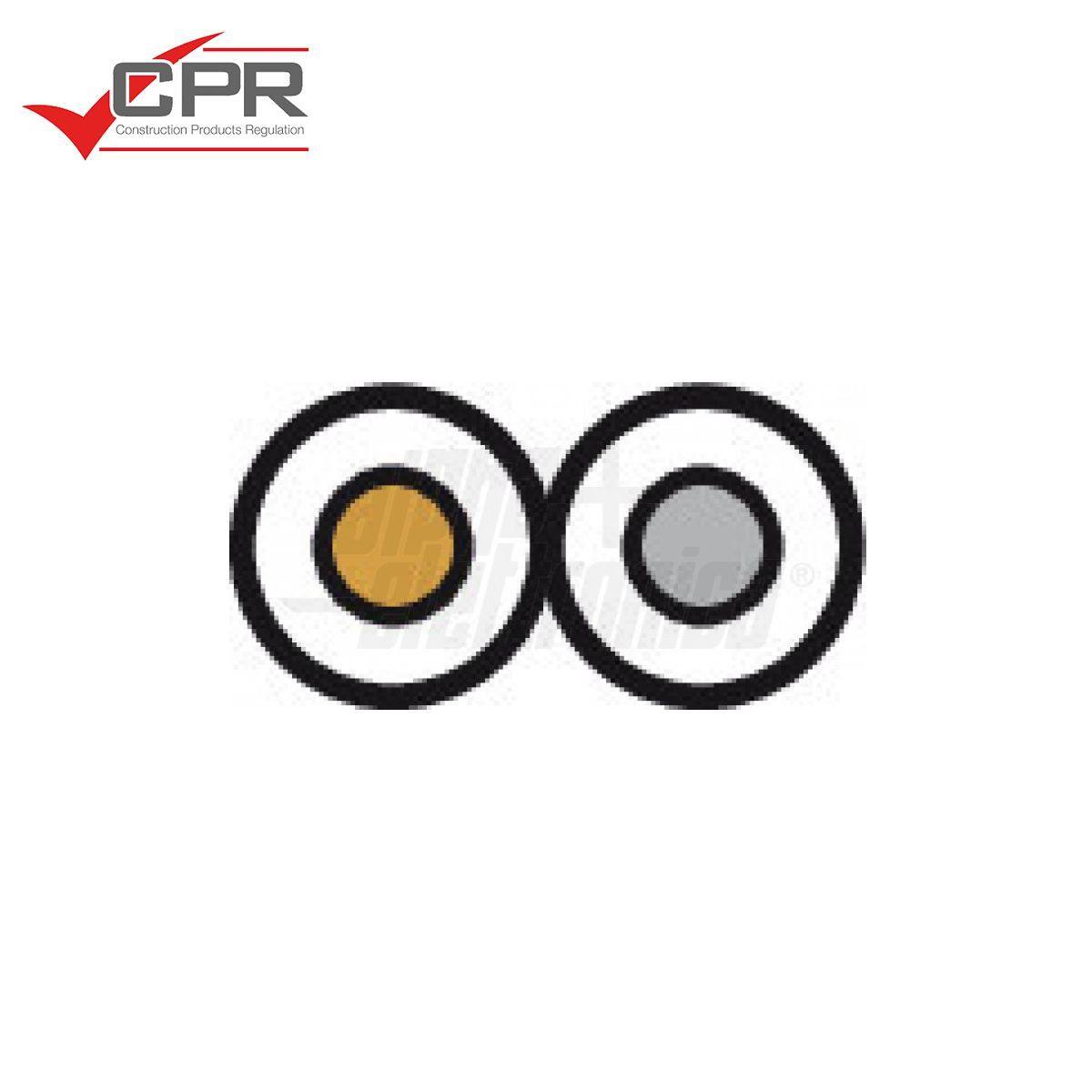

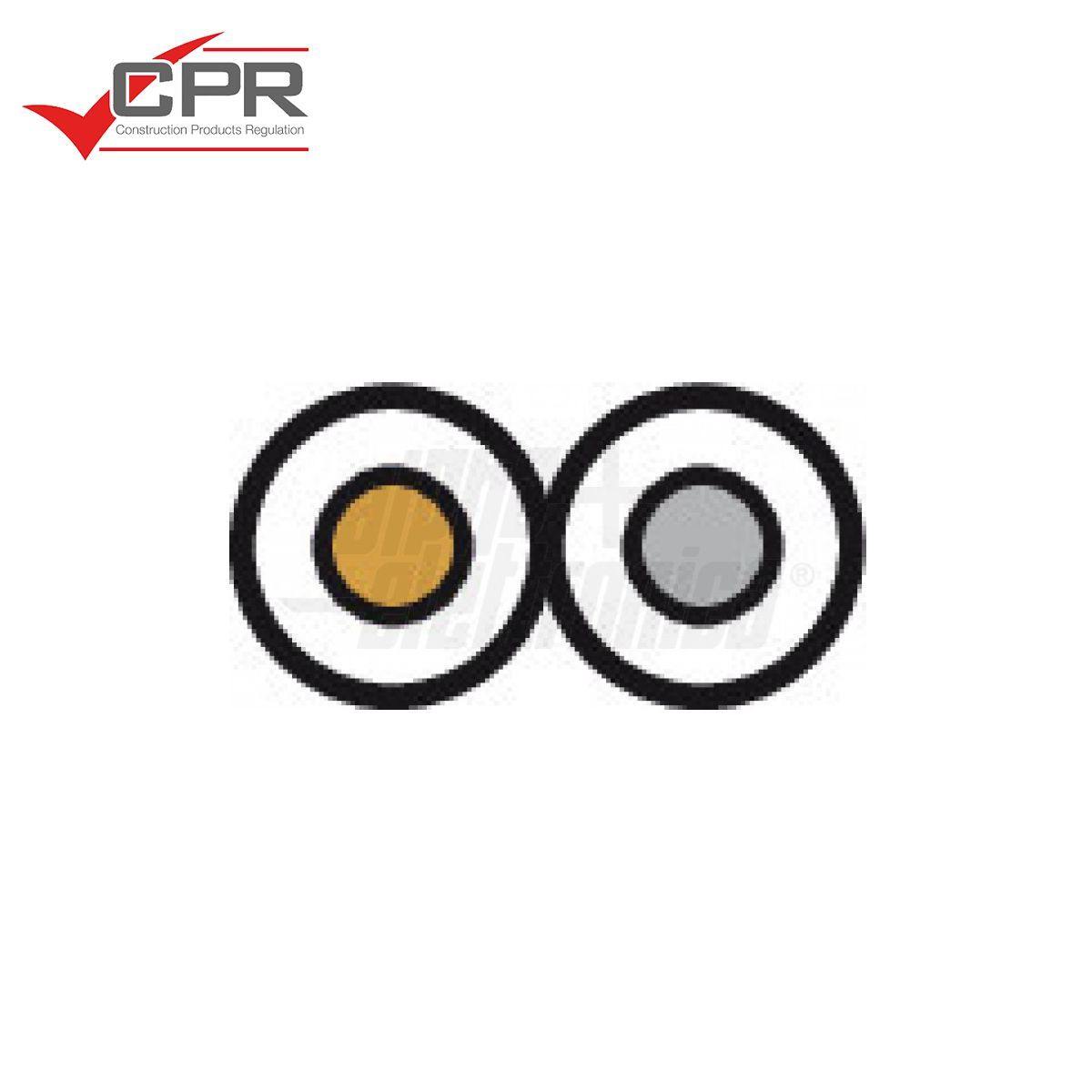
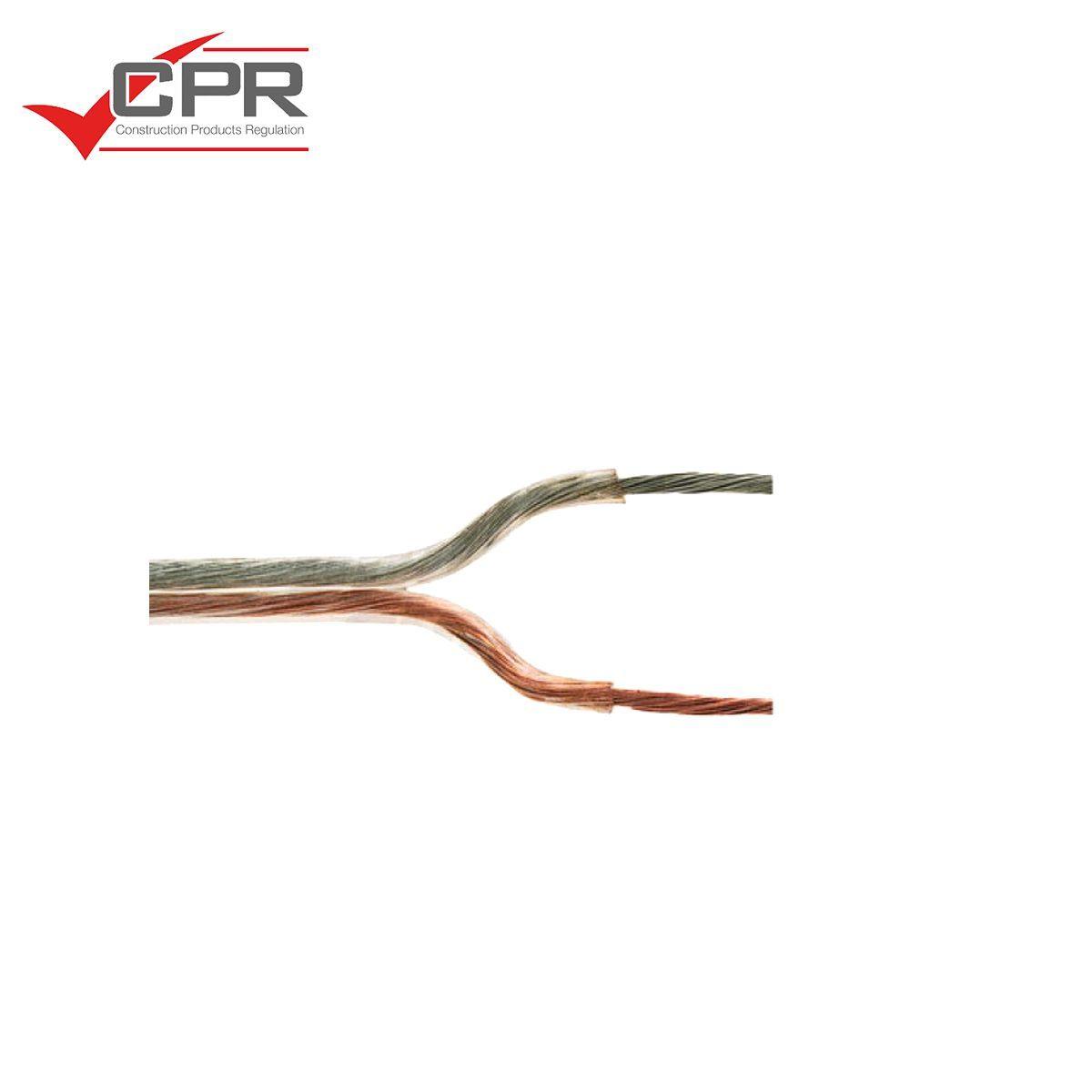
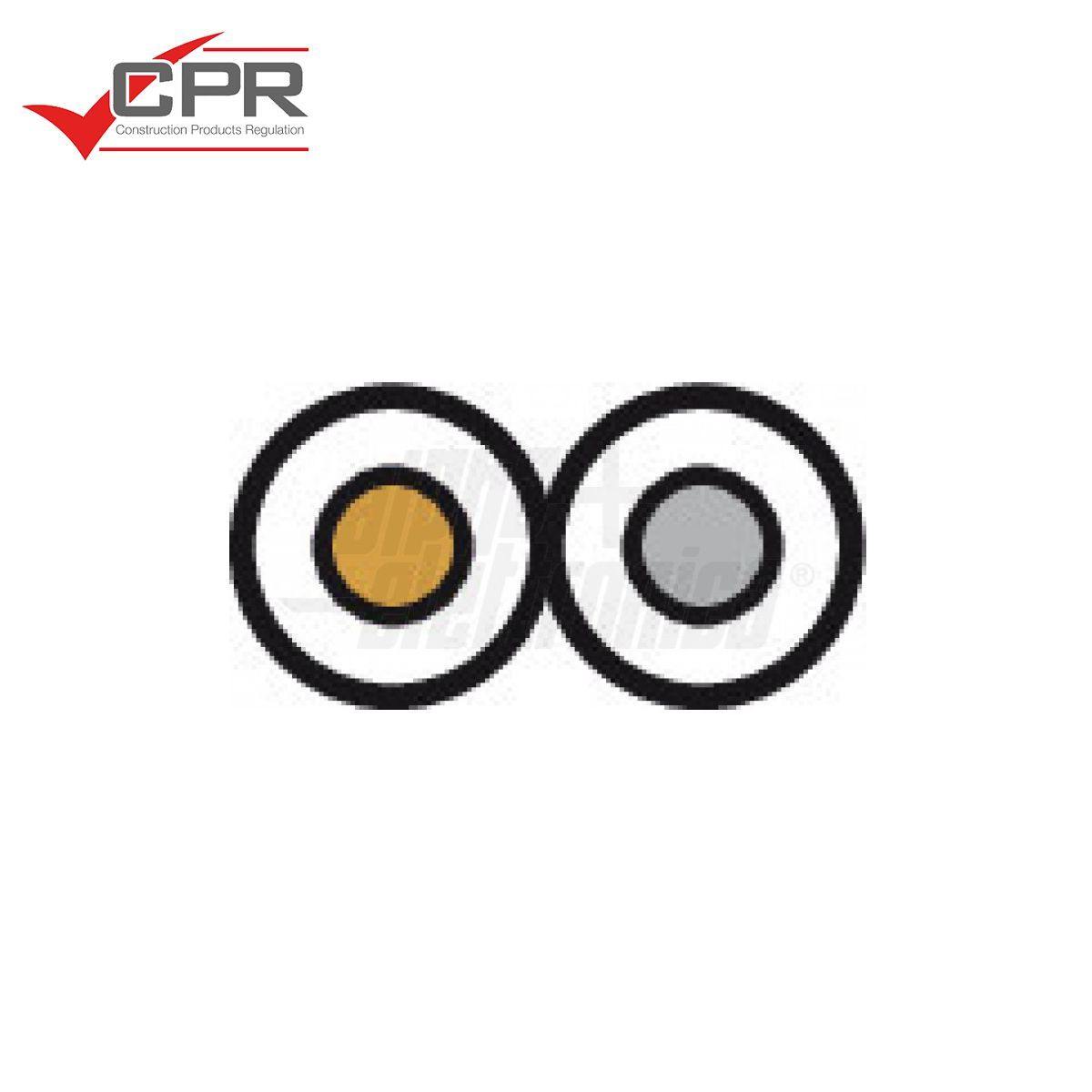

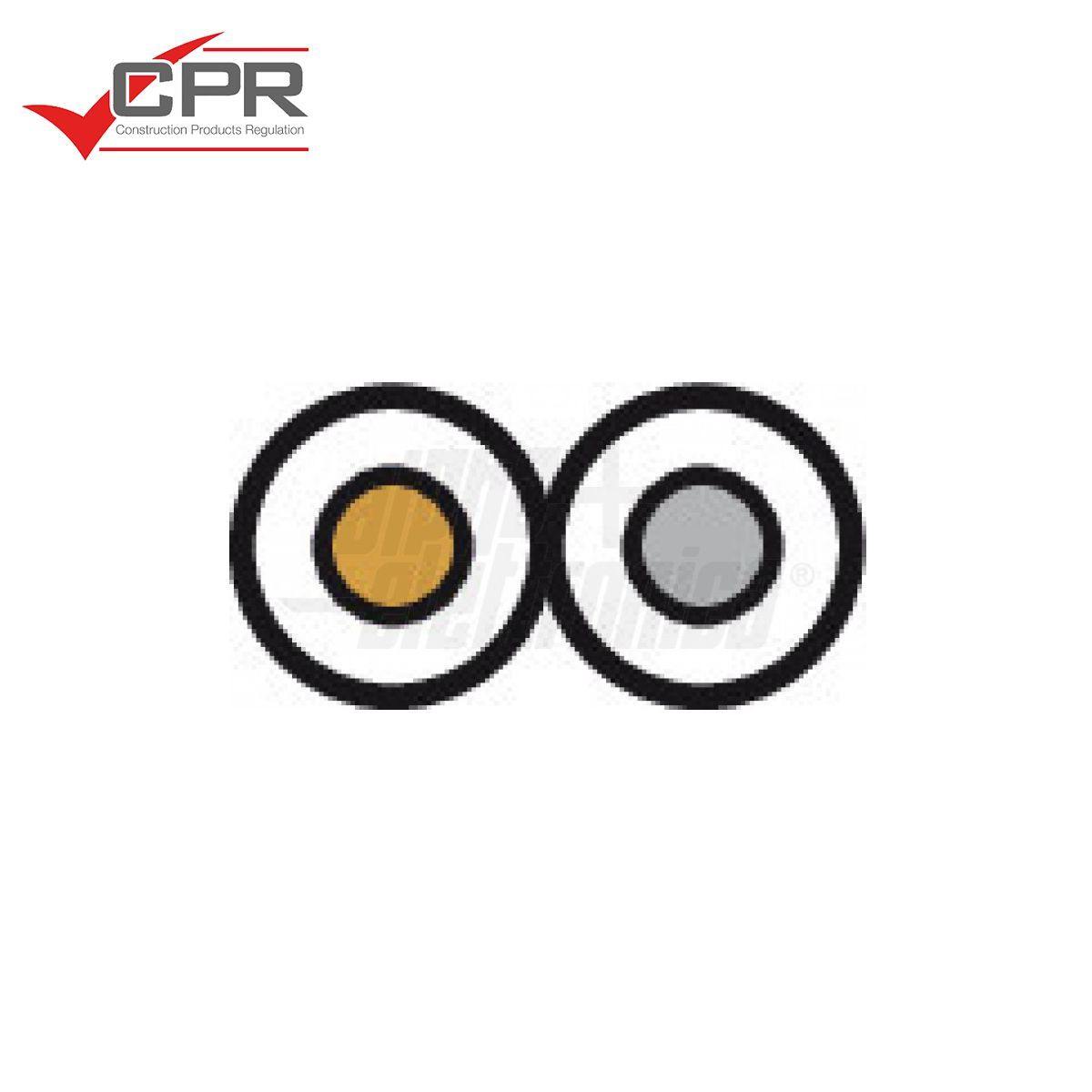
Audio zip cord: gauge depends on power and distance
When connecting speakers, the only choice that really matters is the cross-section in square millimeters. A cable that is too thin over a long run introduces resistance in series with the speaker: power is lost, the bass becomes loose, and the amplifier's damping factor worsens. It's not a matter of brand or exotic materials; it's simple electrical engineering.
Reference table
| Gauge | Typical use | Approximate distance |
|---|---|---|
| 2 × 0.50 mm² | Signals, doorbells, small speakers, low-voltage power supplies | short runs |
| 2 × 0.75 mm² | Bookshelf speakers, home theatre satellites | up to approx. 10 m |
| 2 × 1 and 2 × 1.5 mm² | Floor-standing speakers, home hi-fi systems | up to approx. 15–20 m |
| 2 × 2 and 2 × 2.5 mm² | High power, low-impedance speakers, sound systems | long runs |
| 2 × 3 and 2 × 4 mm² | Professional systems, public address distribution | very long or high current |
Rule of thumb: the lower the speaker impedance (4 ohm instead of 8) and the longer the run, the more you should increase the gauge. When in doubt, go up, not down: the extra cost is minimal compared to redoing the installation.
Red-black, polarized, or transparent
The only difference is how you identify the polarity, which must be respected on speakers: two speakers connected out of phase lose bass and the soundstage falls apart.
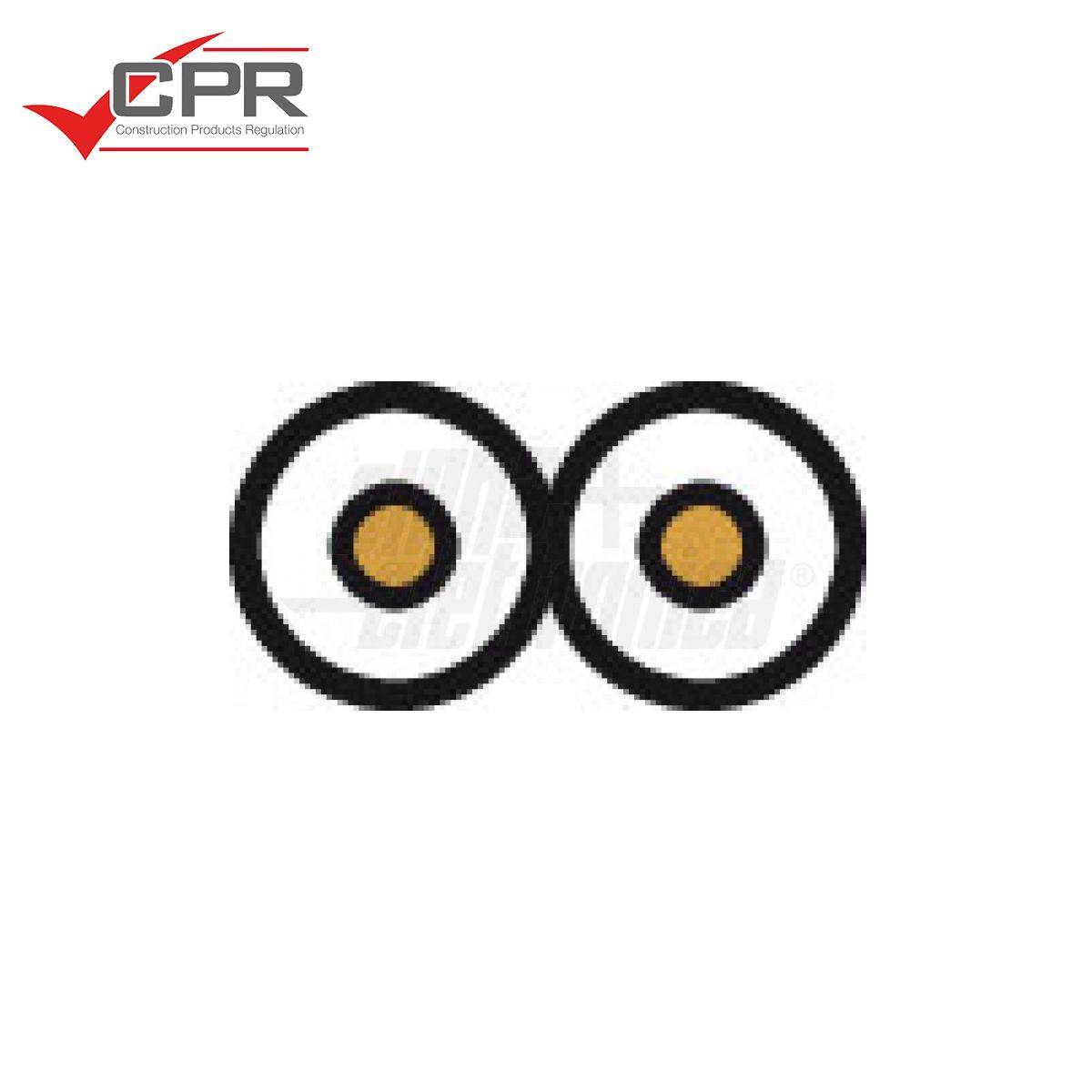
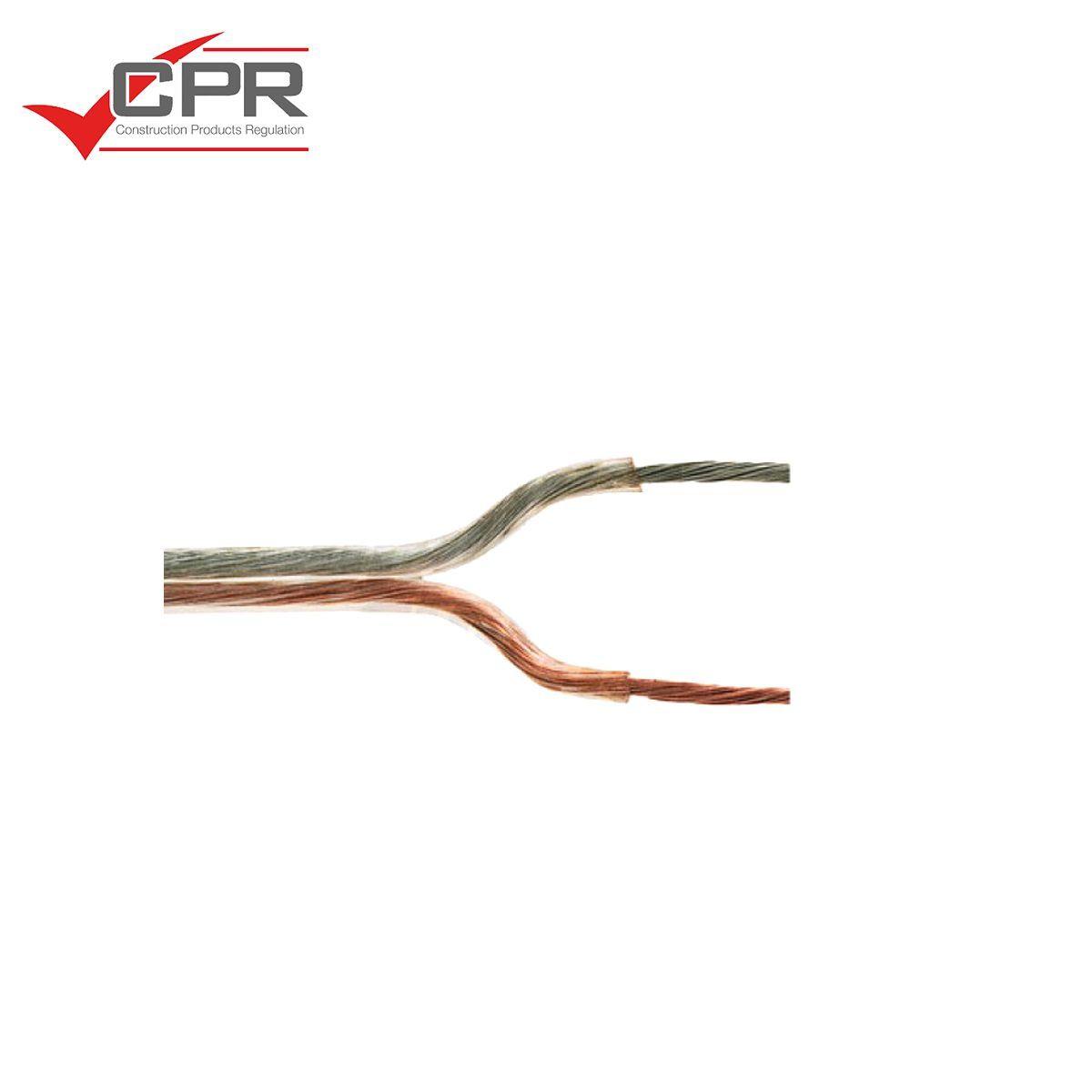
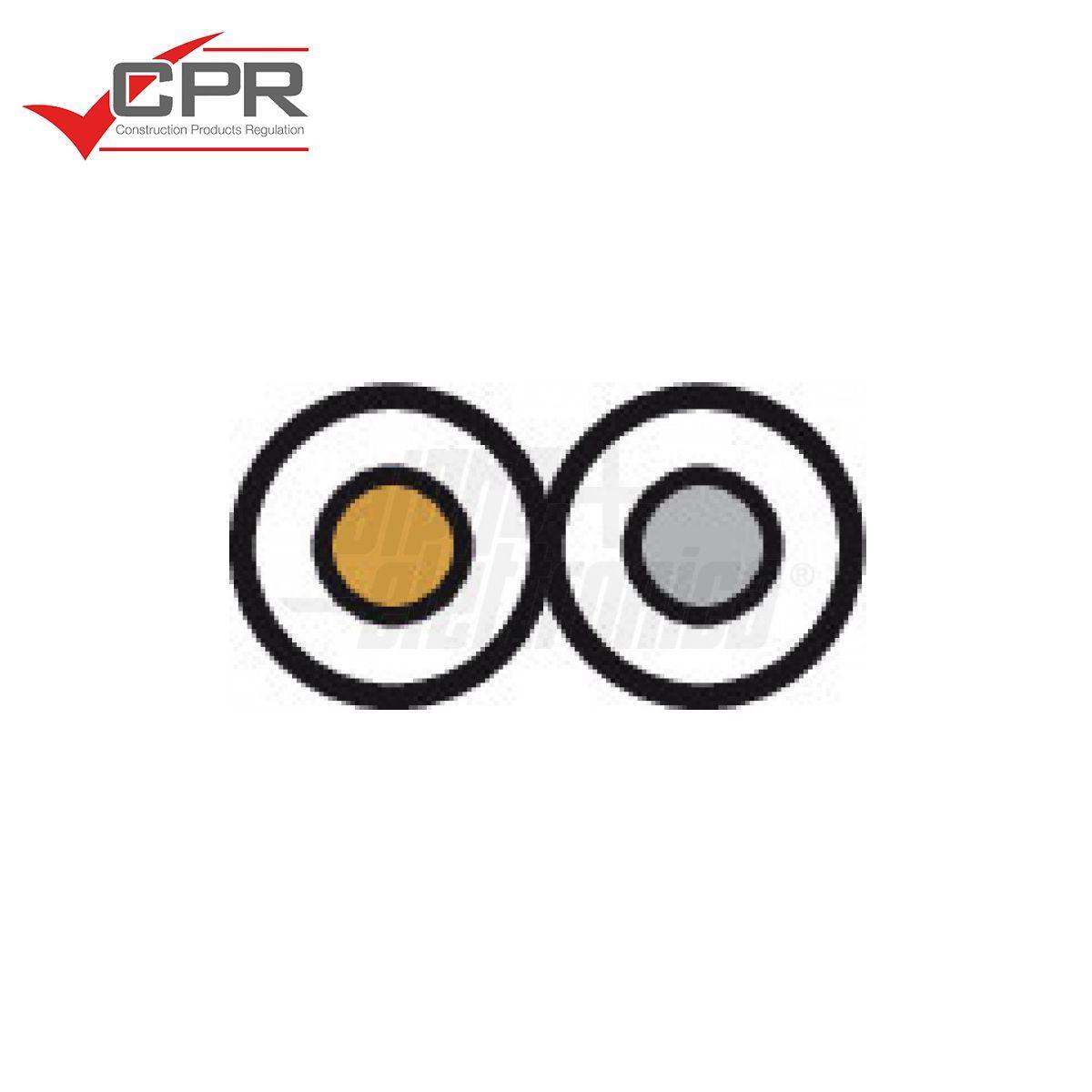
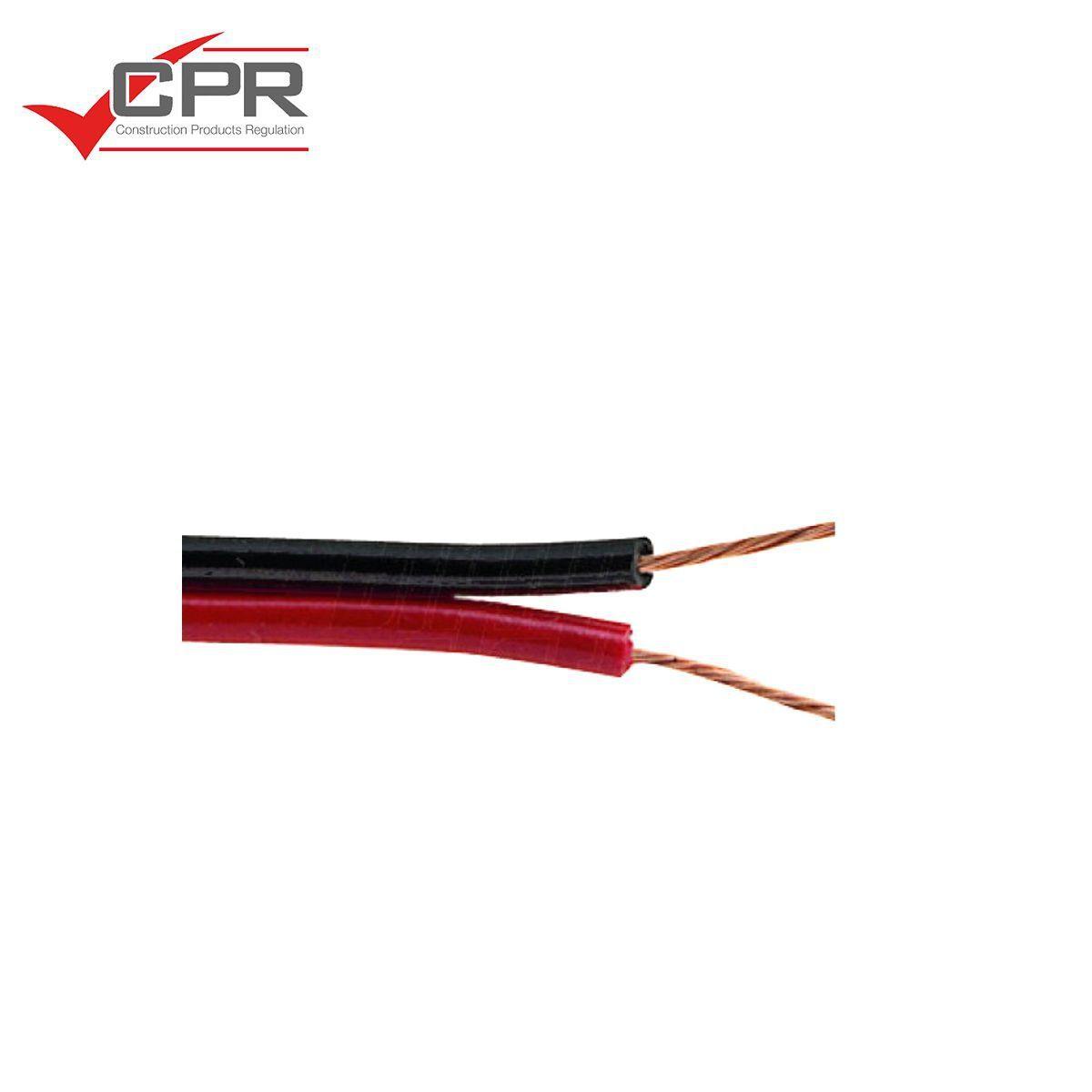
Red-black is the most intuitive and the classic choice for installations. Polarized cable has both conductors in the same color but a rib or text on one side: more discreet. Transparent cable reveals the copper and distinguishes the two poles by the conductor color, and it is the least noticeable on baseboards and light-colored walls.
Pure copper or CCA
Pure copper versions have lower resistance and are the right choice when the cable remains in the system or carries real current. CCA (copper-clad aluminum) versions cost less and are acceptable for short runs and low power. For permanent installations inside walls, pure copper is still better: the initial savings are not worth the risk of having to redo the work.
Pro tip. Audio zip cord isn't just for speakers: it's the cable used to carry low voltage everywhere, from LED strips to doorbells, from electric locks to sensors. In that case, the gauge must be calculated based on the current consumed and the voltage drop, not audio power. Tell us how many meters and how many amps, and we'll tell you which gauge to get.
Frequently asked questions about audio zip cord
Does a thicker cable improve sound?
It improves it to the extent that it reduces the resistance of the run, and this is audible especially over long distances or with low-impedance speakers. Beyond the correct sizing, however, the gain becomes negligible: indefinitely over-dimensioning does not bring audible benefits.
How do I maintain polarity?
Always connect the same conductor to the red terminal at both ends, and follow the same logic for all speakers in the system. With red-black cable it is immediate; with polarized cable, follow the rib or text; with transparent, follow the color of the copper.
Can I use audio zip cord to power LED strips?
Yes, and it is a very common use. However, it must be sized according to the current: strips consume a lot over long runs and an insufficient gauge will cause a drop in brightness towards the end of the strip. See also LED strips.
How much cable should I order?
Measure the actual path for each speaker, not the straight-line distance, and add it up. In stereo systems, it is good practice to use runs of similar length for both channels, even if that means a few extra meters on one side.
Is audio zip cord suitable for in-wall installation?
It must be laid inside a conduit or trunking, never directly under plaster, and kept separate from mains power conductors. The same rules for any signal wiring apply to shared paths.
For other types of bulk cable, see bulk cable.





