




















































LED strips
Filter
Sort by:




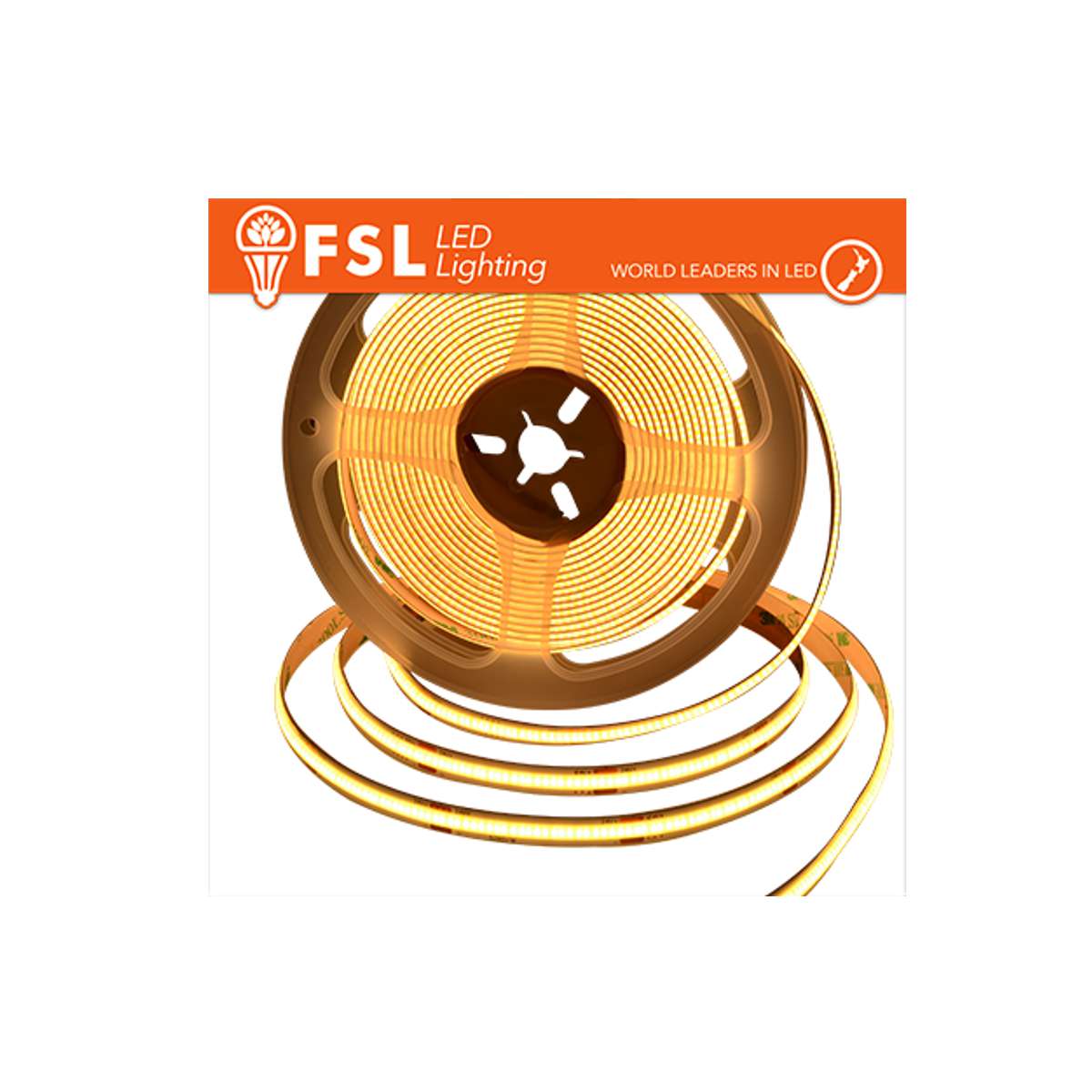
LED Strips: first decide where it goes, then choose everything else
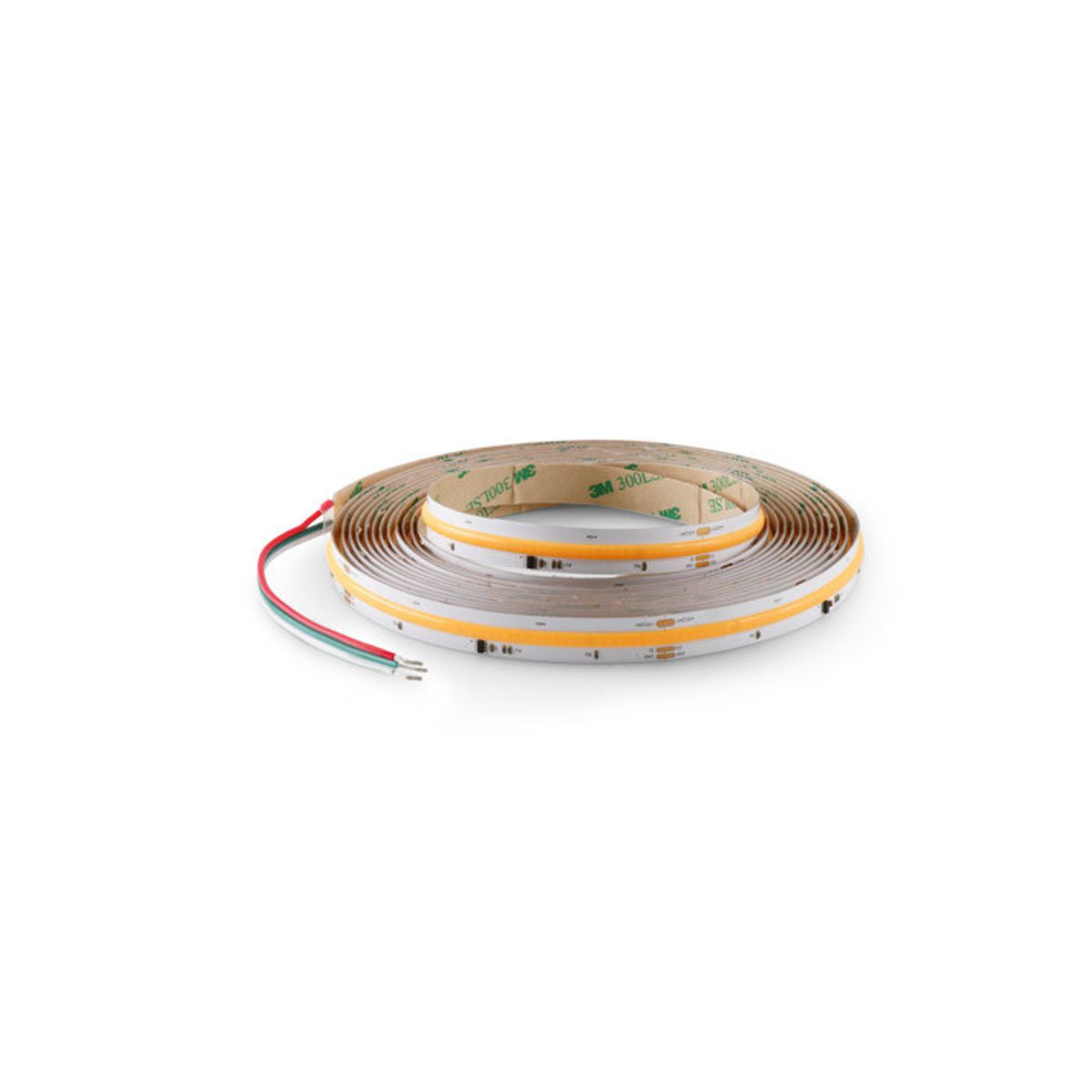
The protection rating is the primary filter, and it cannot be fixed later. An IP20 strip is bare and intended only for indoor use in dry, protected environments: under cabinets, in false ceilings, or behind furniture. The IP65 is silicone-coated and handles humidity and splashes: bathrooms, kitchens, covered terraces. The IP67 is sealed and withstands harsher conditions. Installing an IP20 strip in a bathroom or under an eave means watching it fail in pieces within a few months.
COB or SMD: why almost the entire catalog is COB
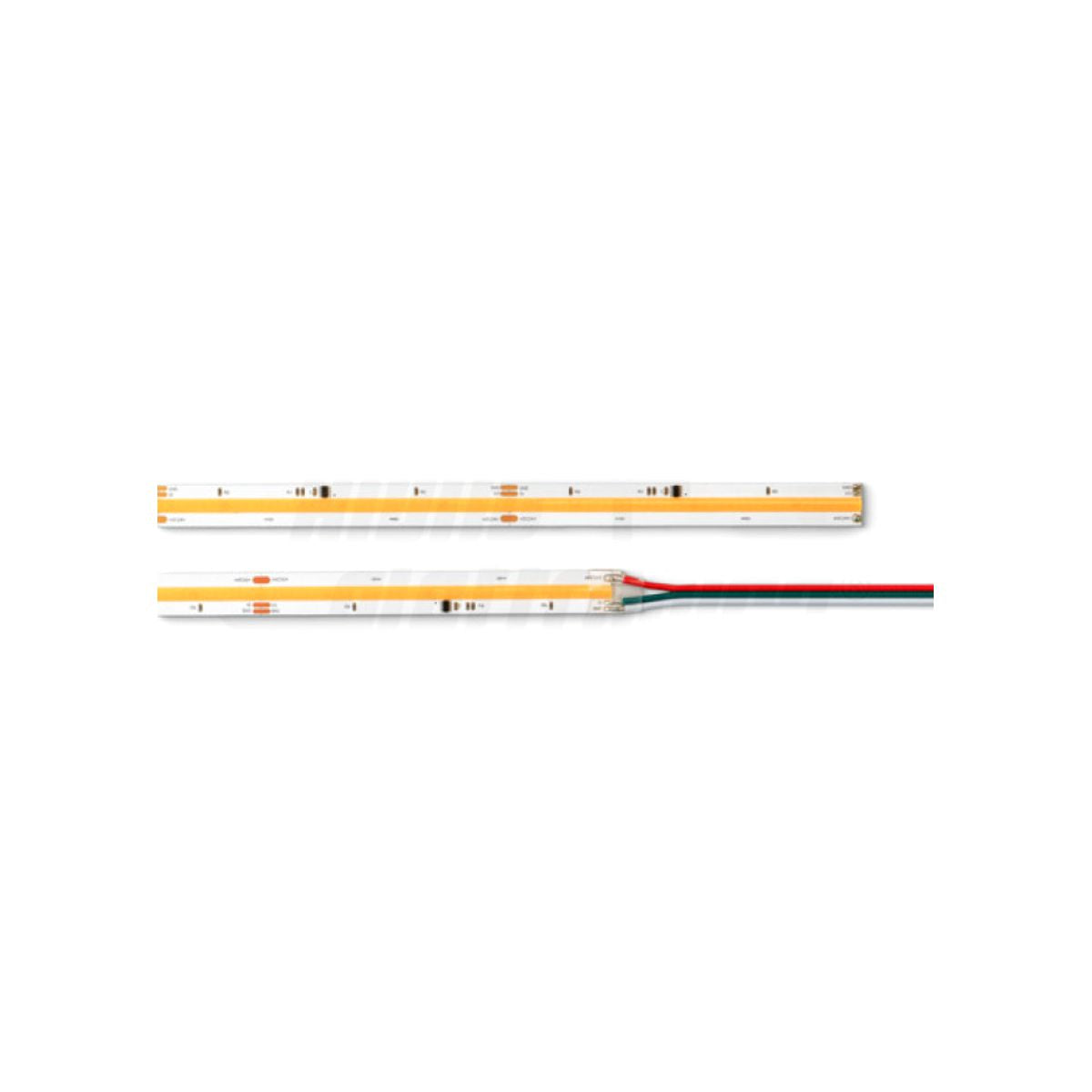
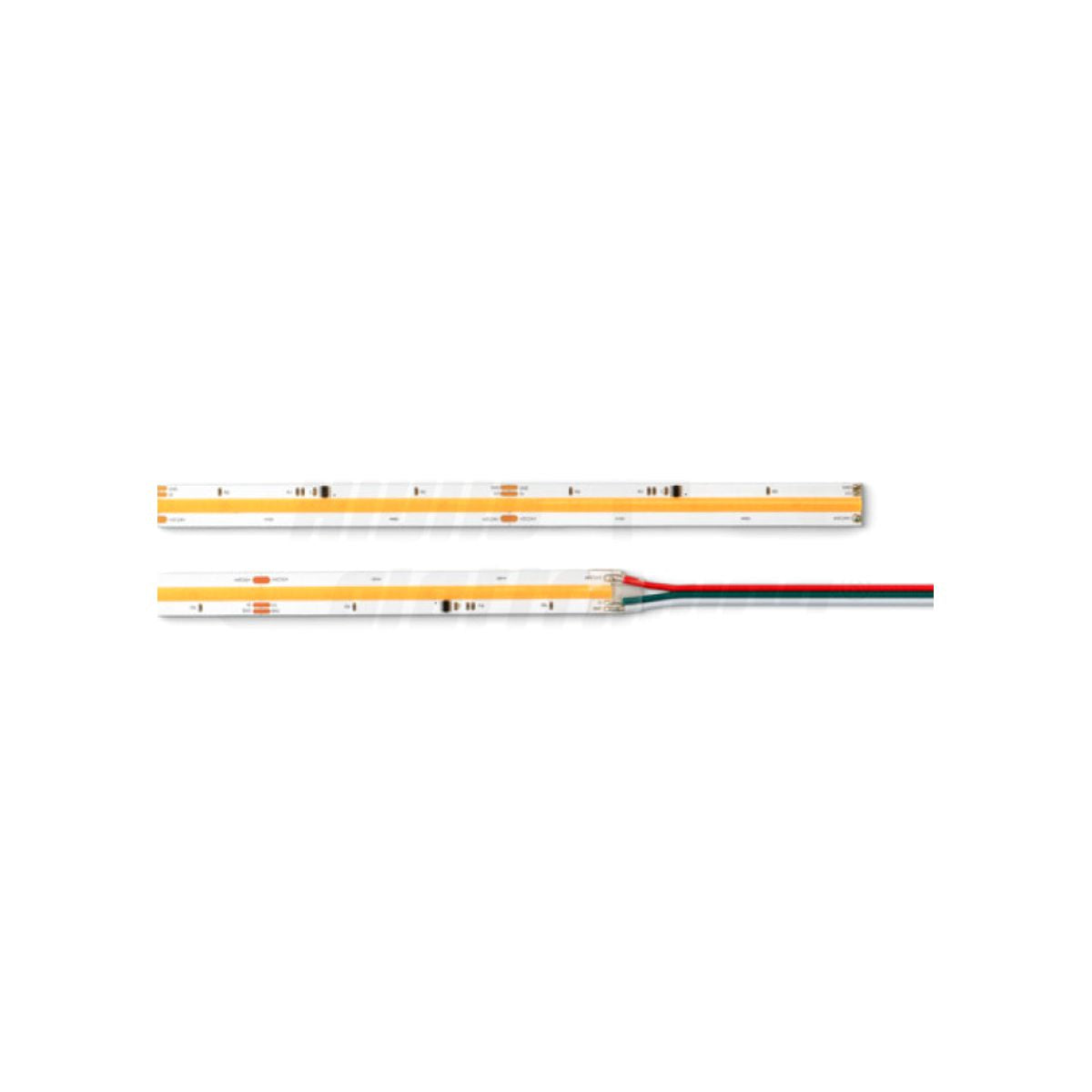
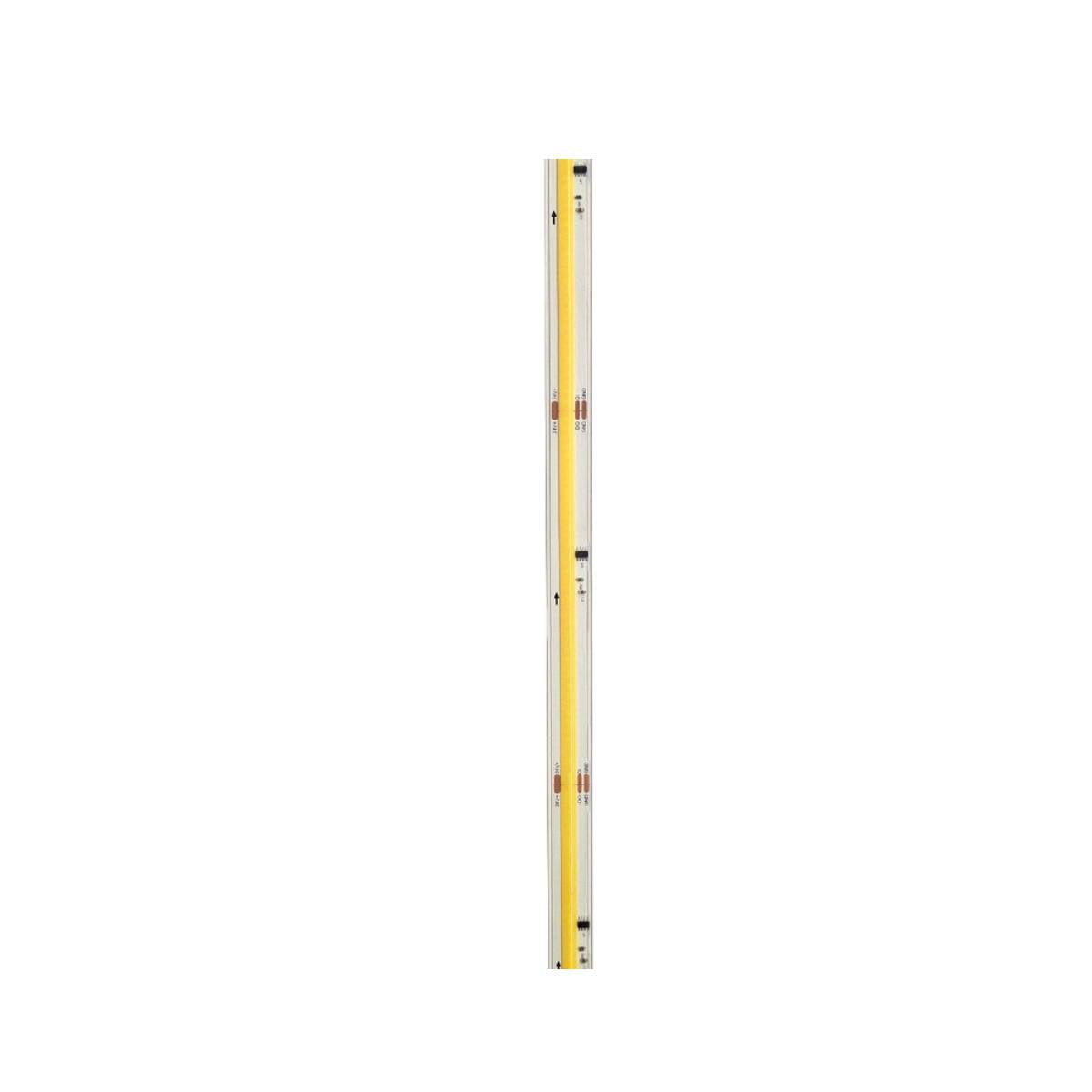
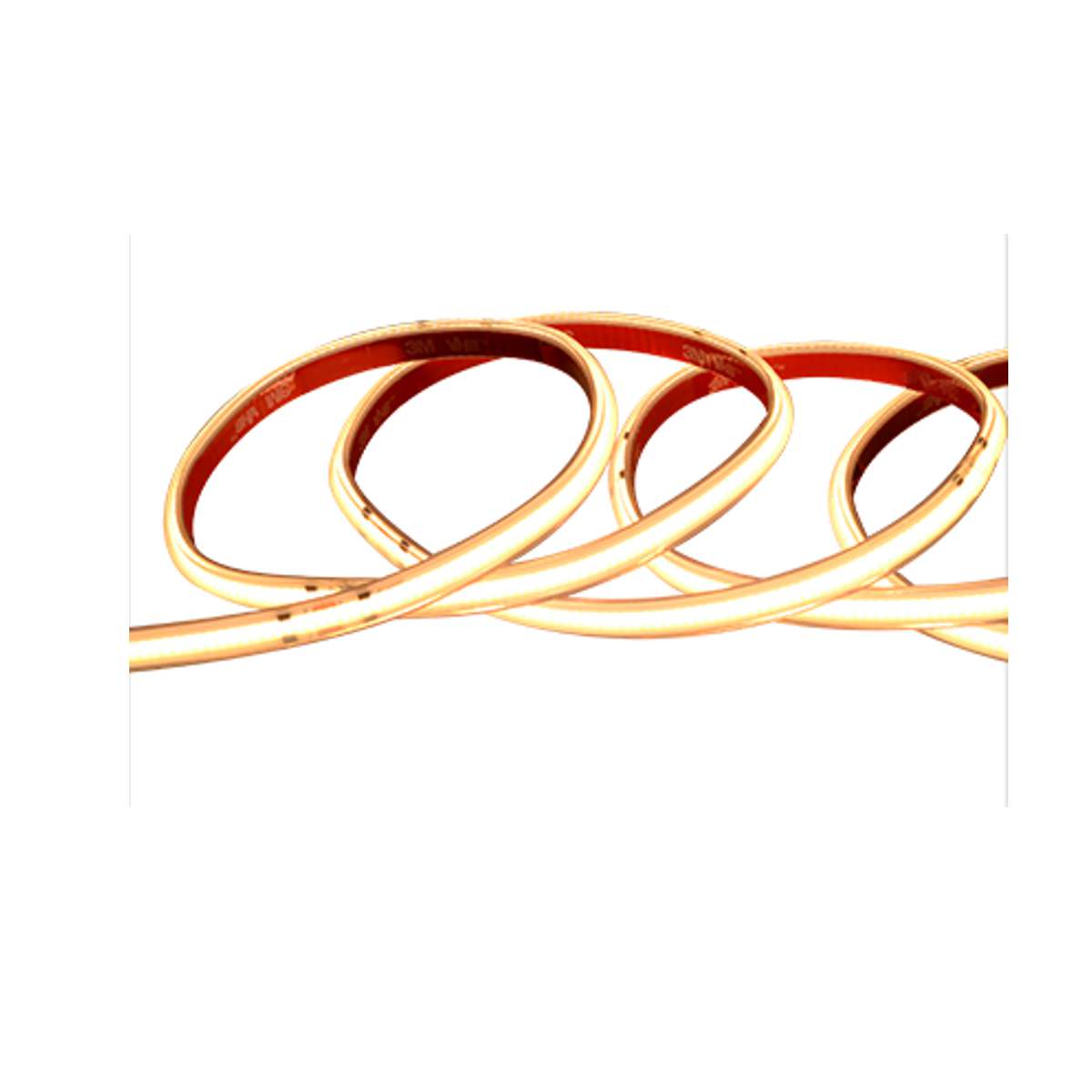
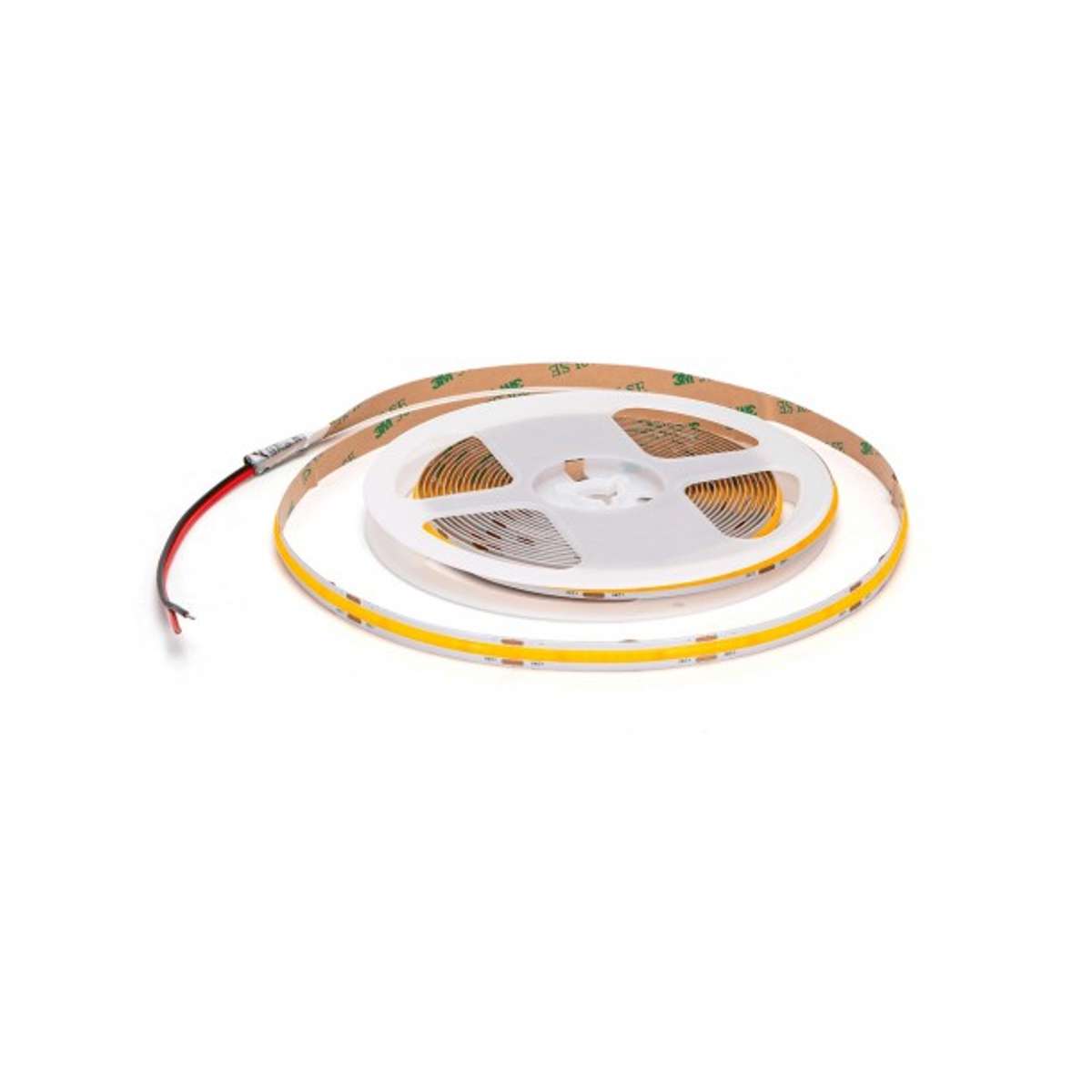
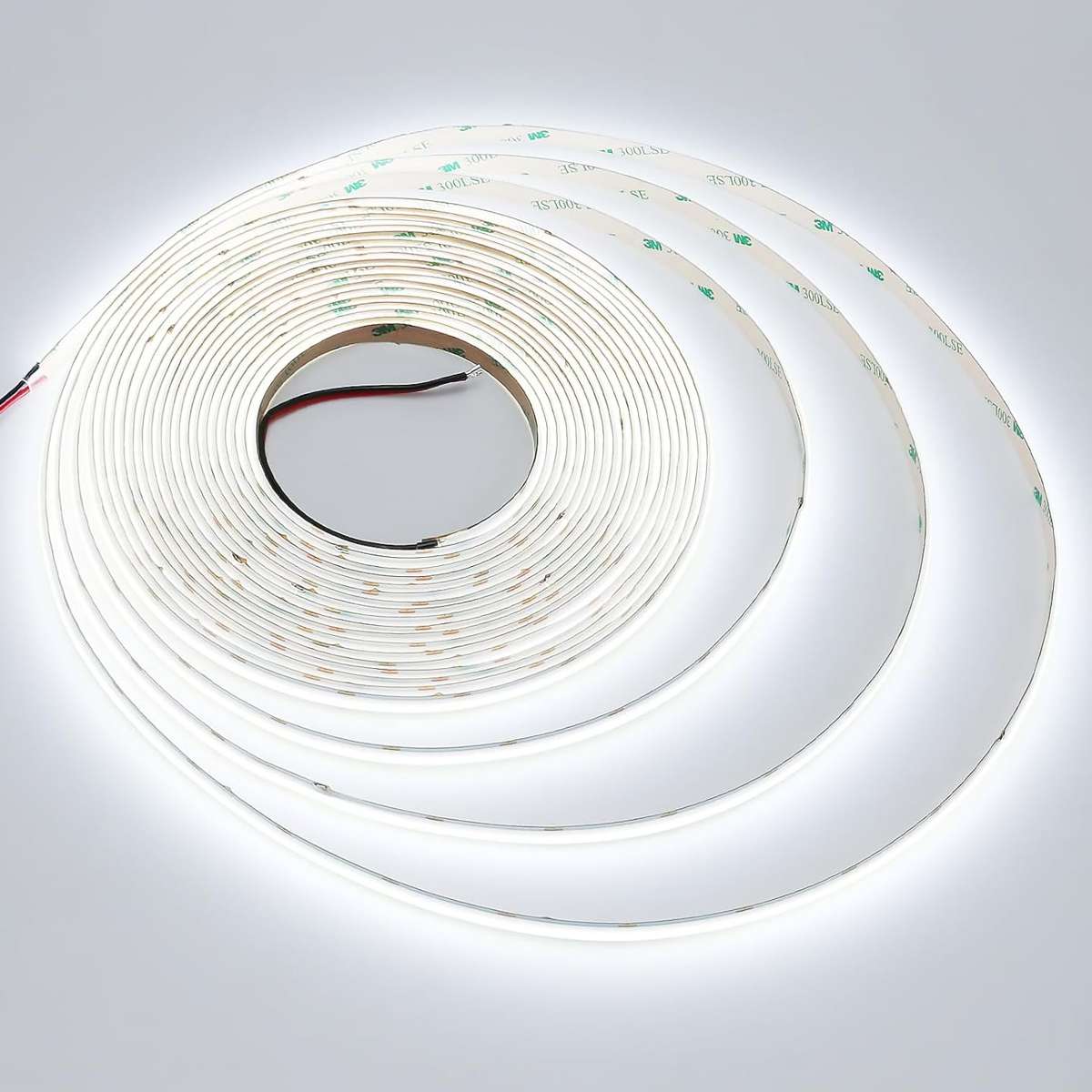
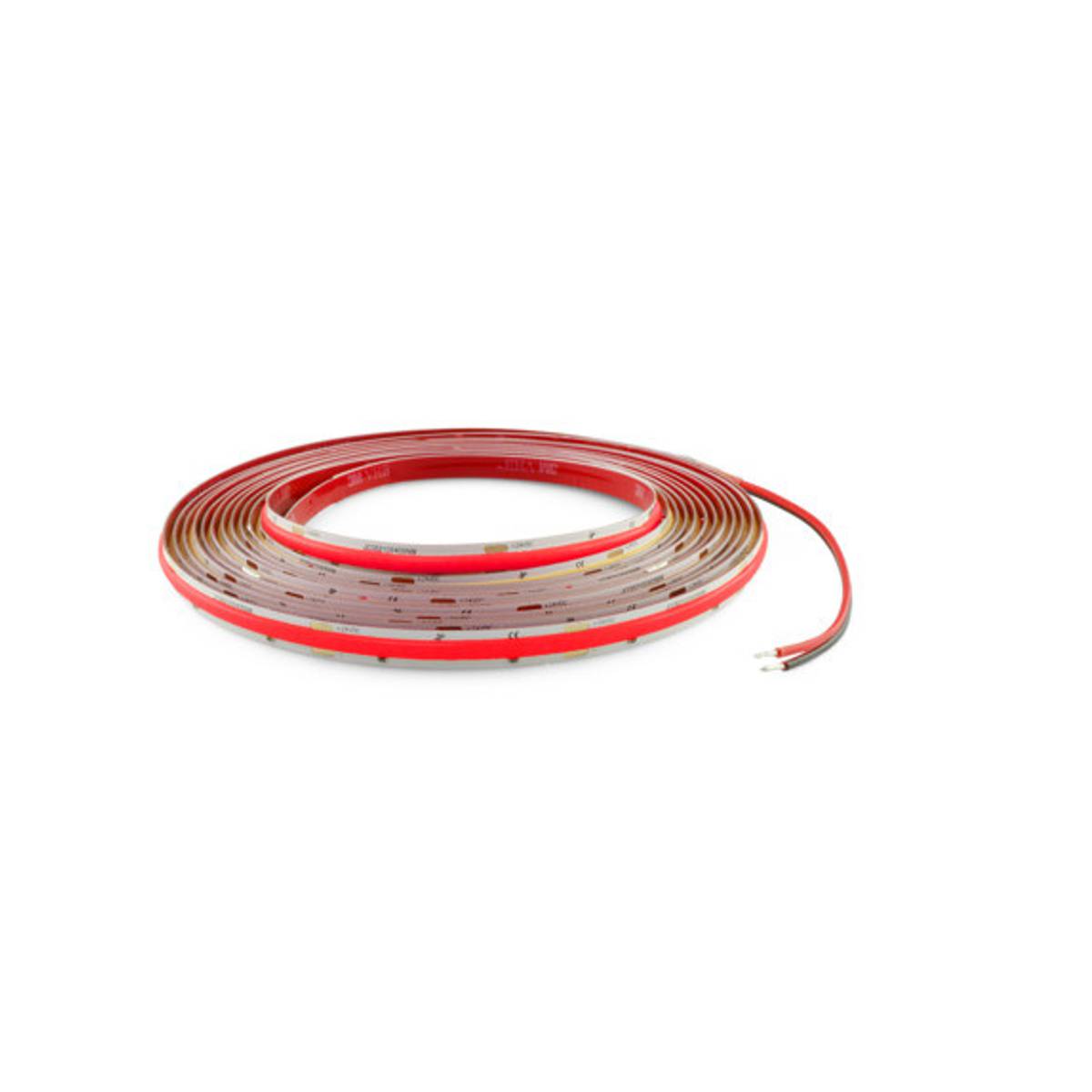
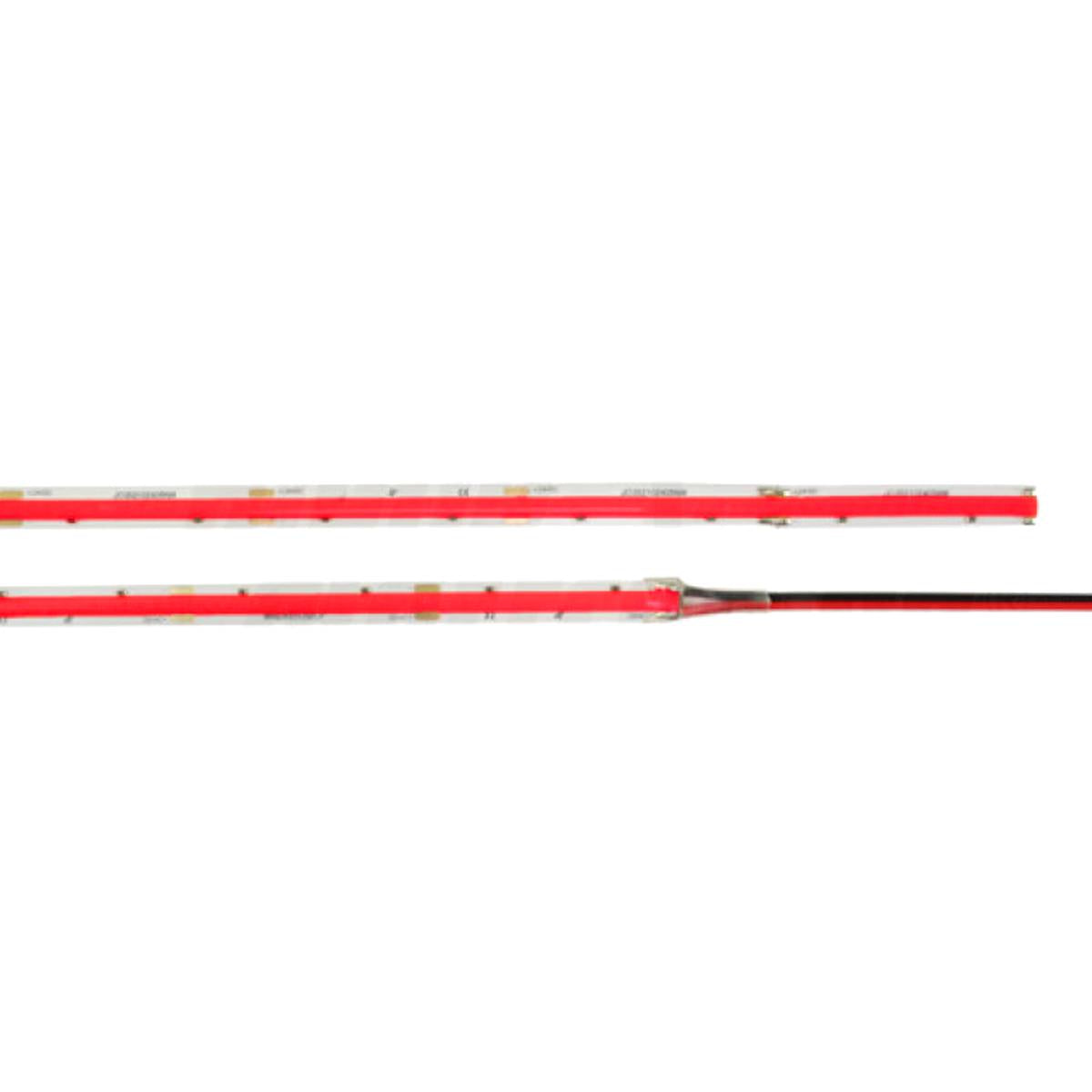
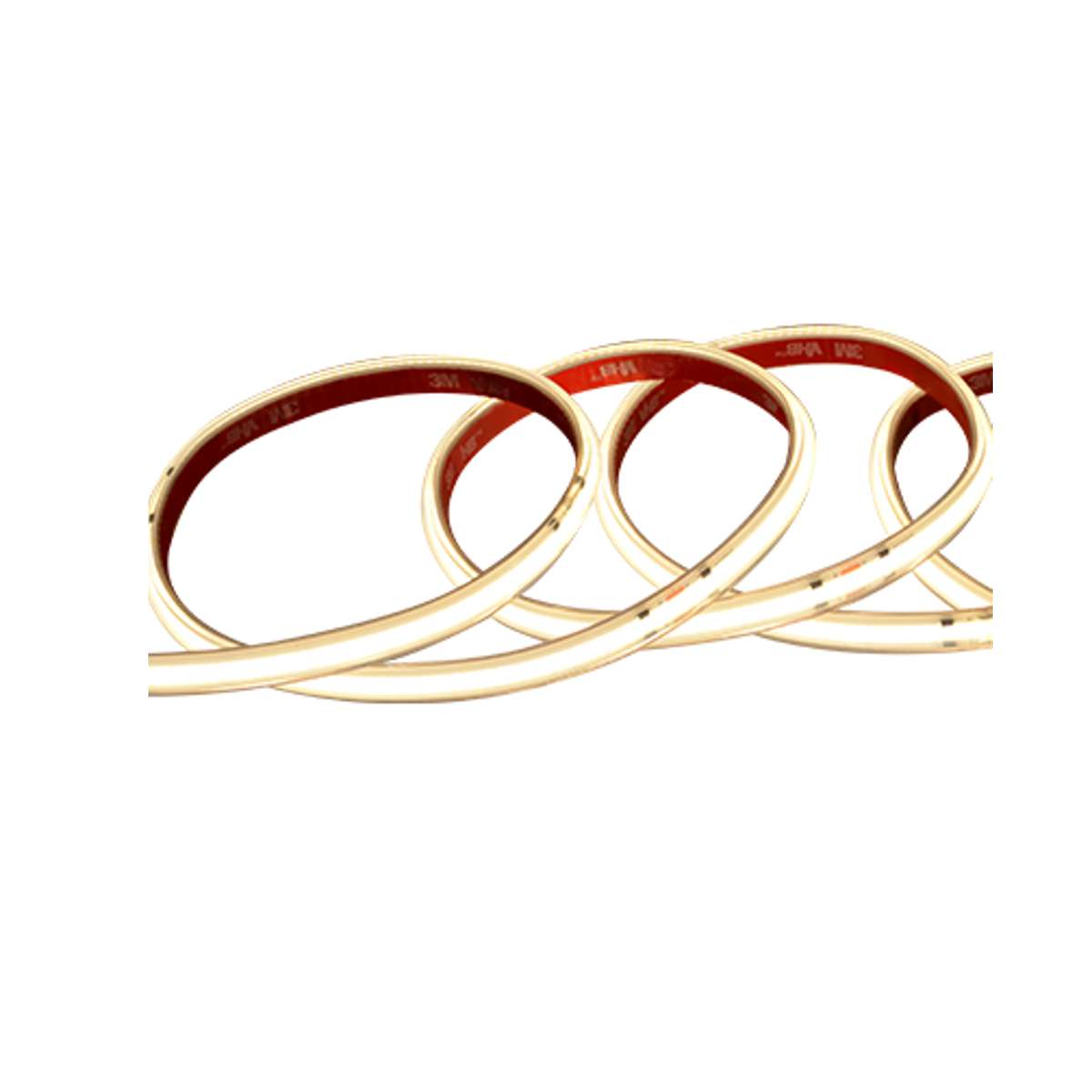
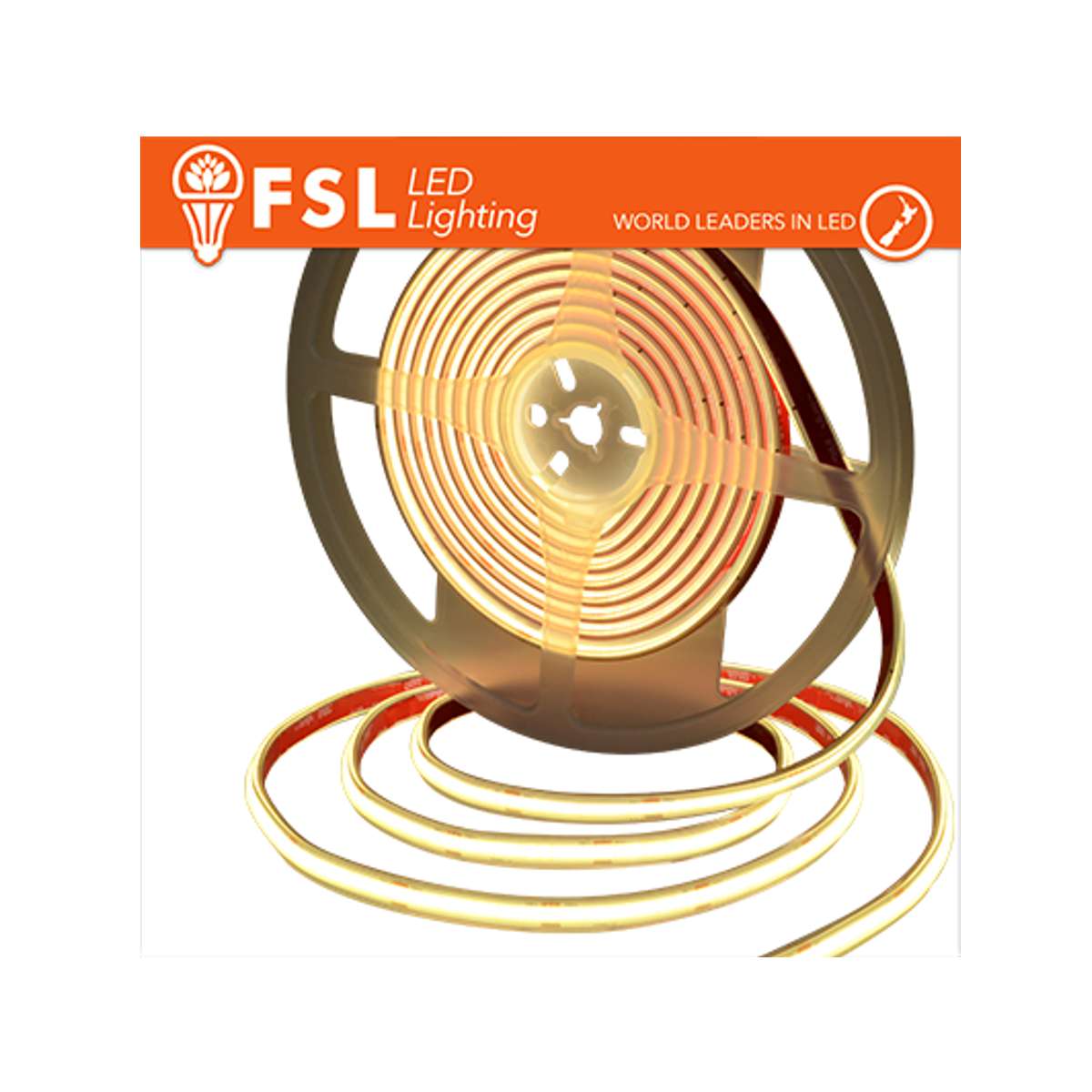
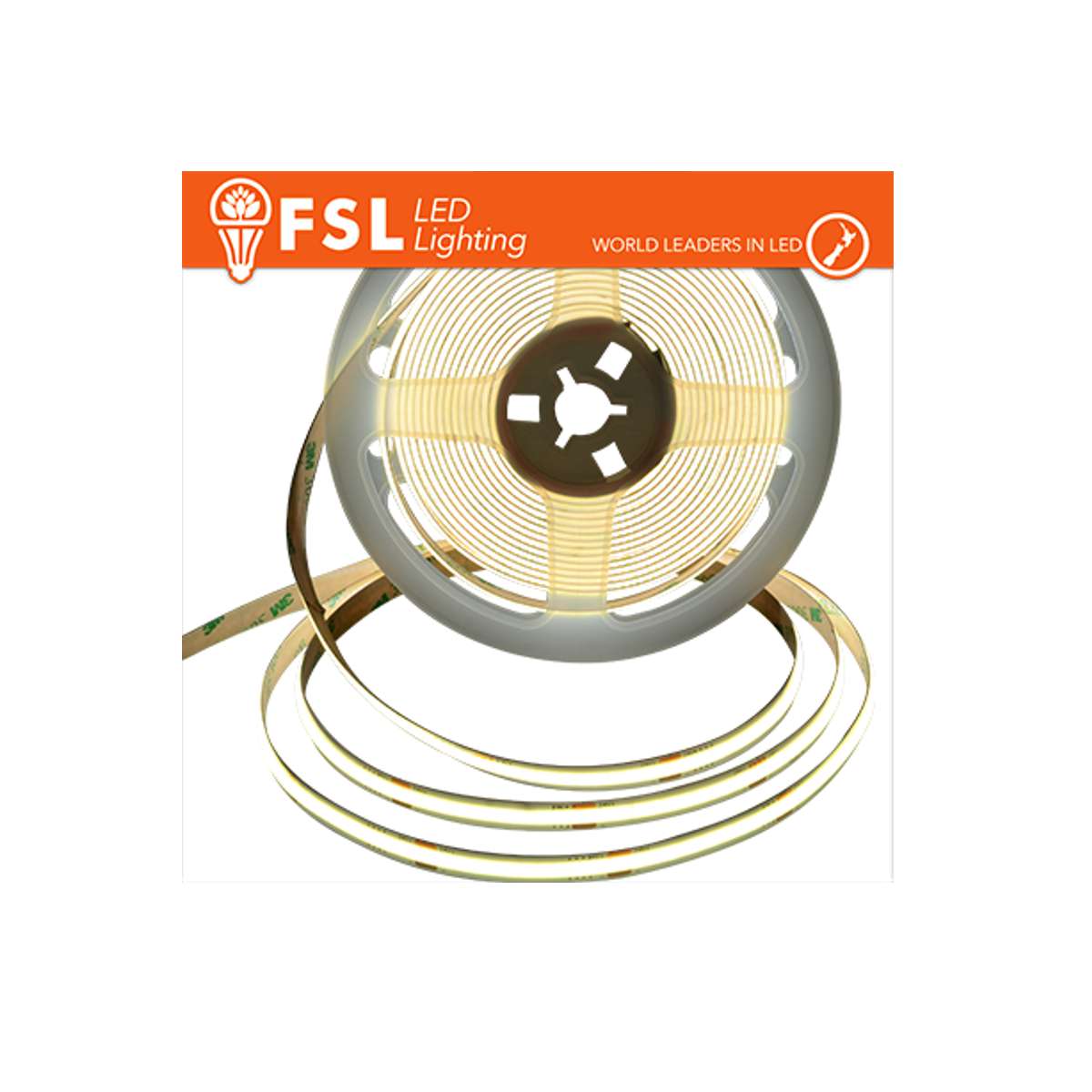
In traditional SMD strips, the LEDs are distinct points: up close, or reflected on a shiny surface, you can see the dots. In COB strips, the chips are embedded in a continuous layer of phosphor, and the light is emitted as a uniform line, with no hotspots or "dotted" effect. This is the difference you notice immediately in a cove light or an exposed profile, and it is why COB is now the standard for professional installations.
Selection Table
| Where you install it | Protection | Recommended type |
|---|---|---|
| Ceiling cove light, drywall | IP20 | COB 24V 15W/m, continuous light without dots |
| Kitchen under-cabinet, shelves, display cases | IP20 or IP65 | COB 24V, 4000K natural light for the work surface |
| Bathroom, porch, covered terrace | IP65 | COB 24V for outdoors, silicone-coated |
| Exposed exterior, harsh environments | IP67 | 24V sealed strip |
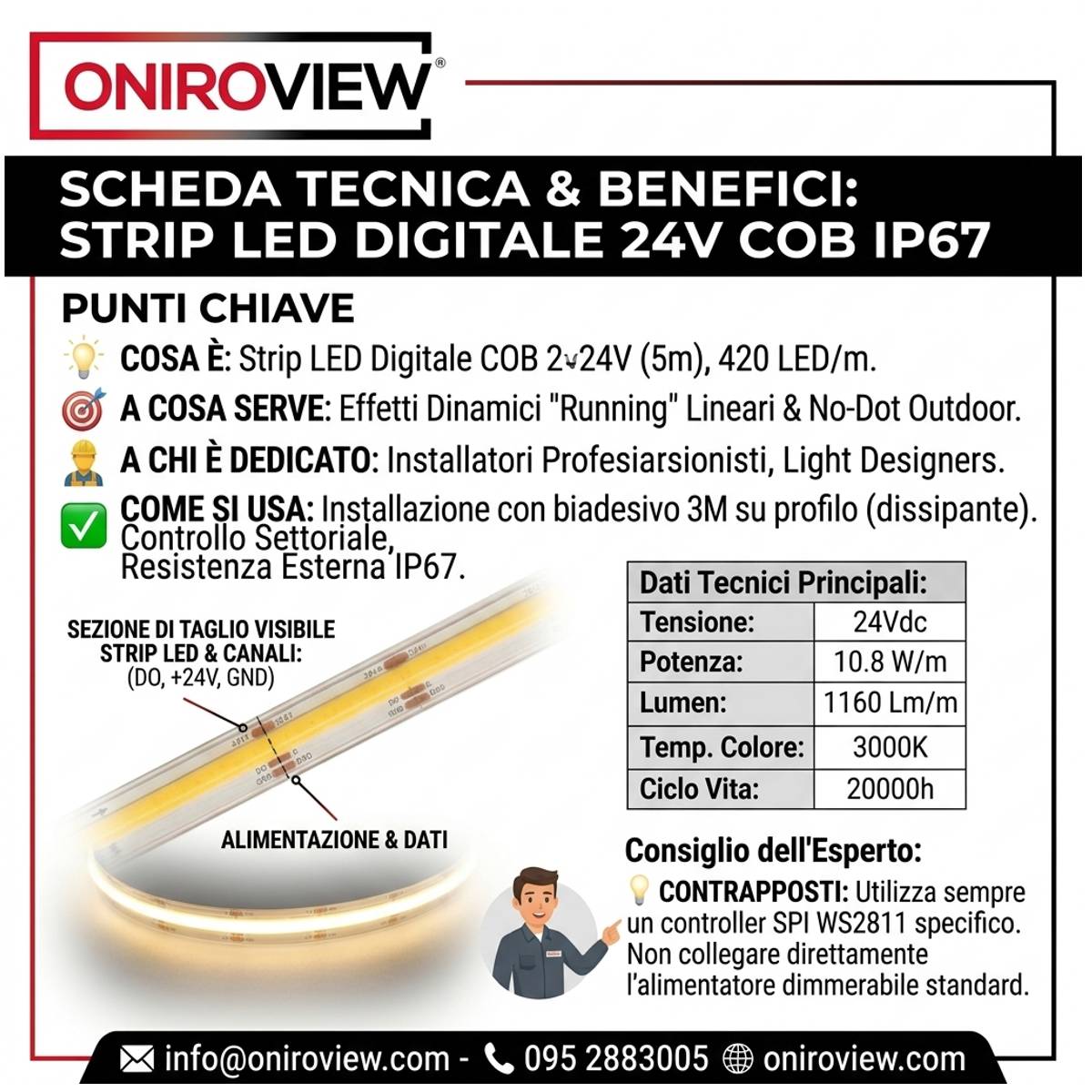
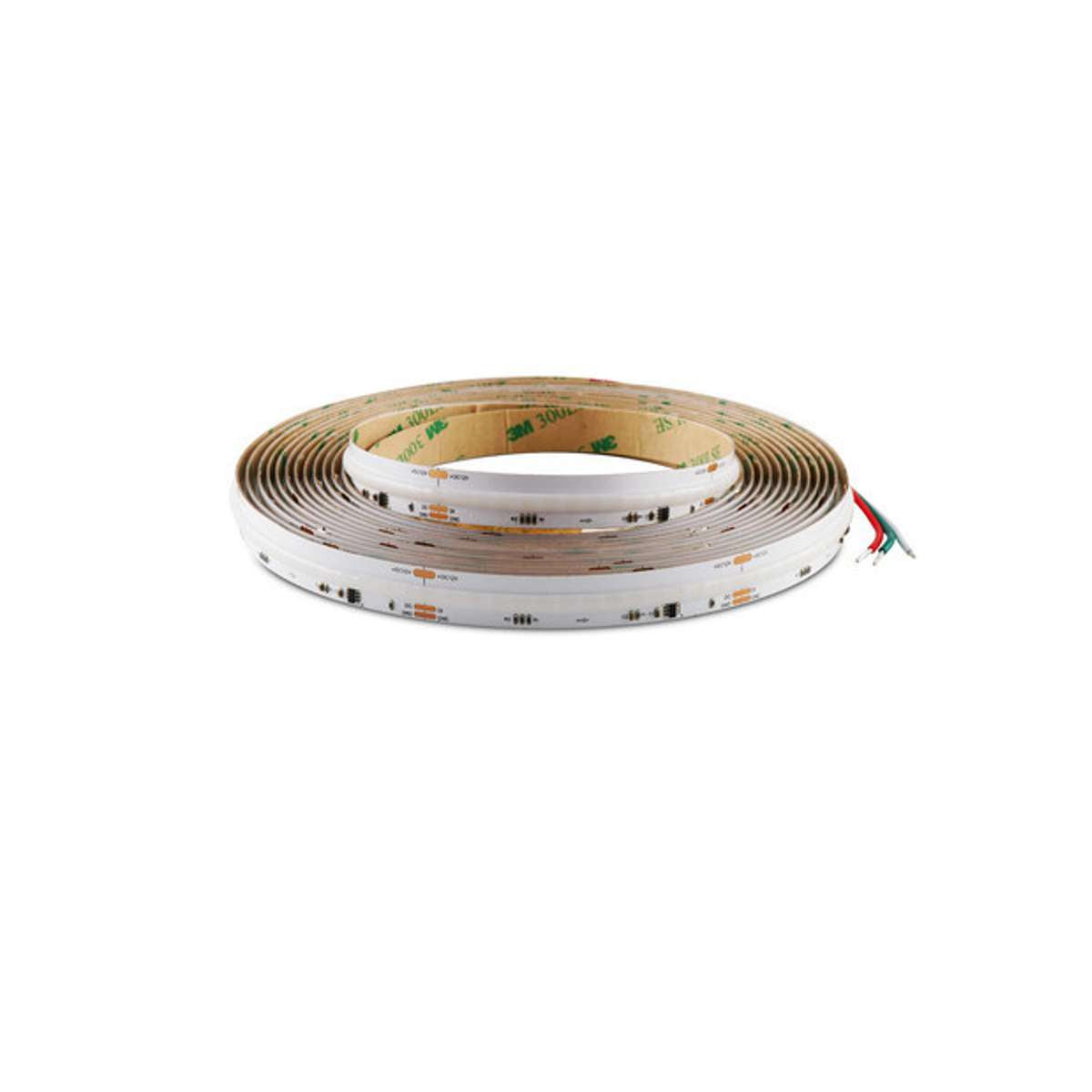
| Stairs, hallways, decorative effects | IP20 or IP67 | Digital strip with running effect |
| Long hallways, warehouses, extensive runs | IP20 | 15 or 20-meter long-distance version with single power supply |
24V and not 12V: why it matters
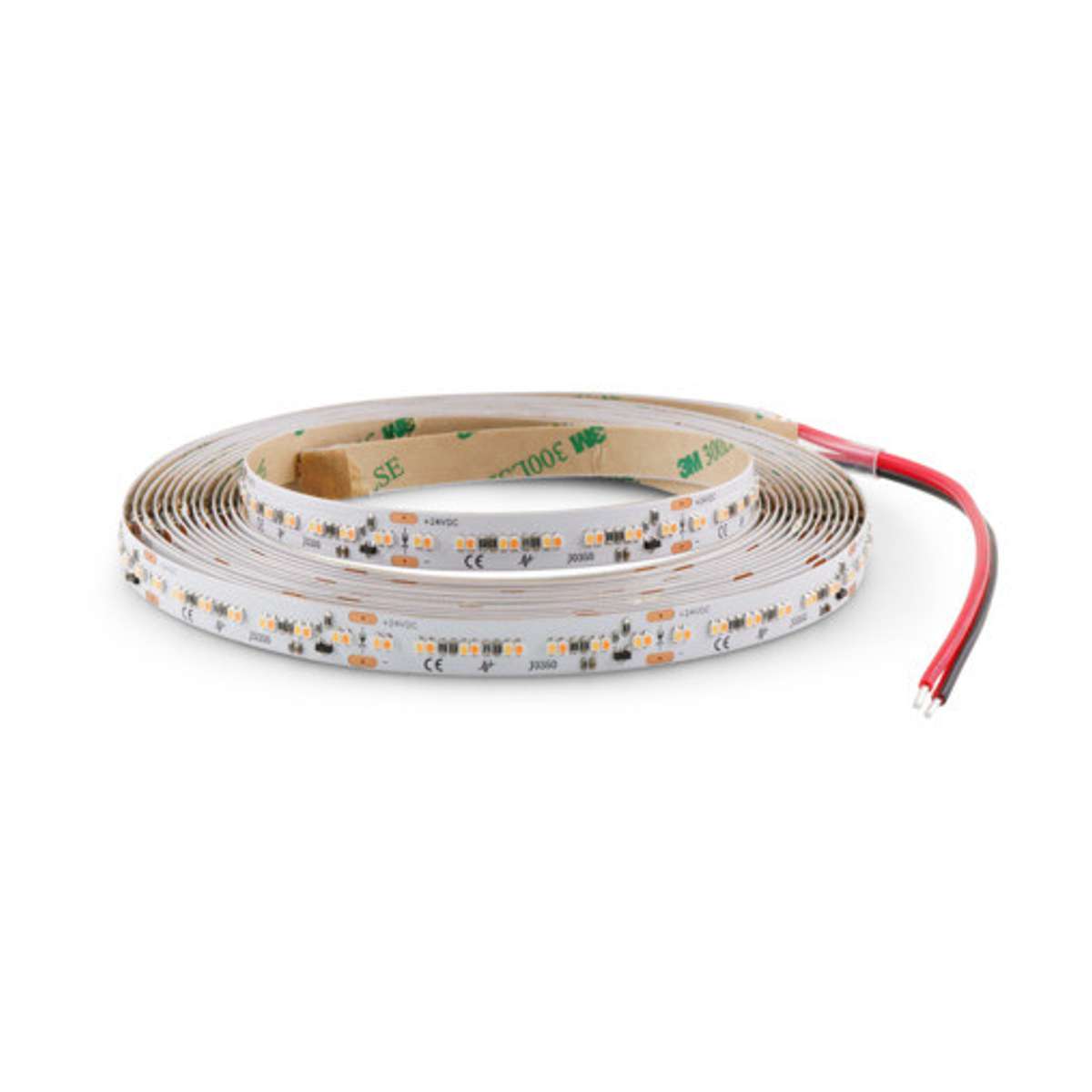
For the same power level, a 24V system draws half the current of a 12V system. Less current means less voltage drop along the strip, allowing for longer runs without the light fading towards the end. This is why 24V has become the standard for kitchens, hallways, and cove lighting, while 12V remains for short applications and some RGB solutions.
When the run is long, there are long-distance versions designed to maintain uniform brightness for up to 15 or 20 meters from a single power source: they solve the problem at the root, without needing to bring power to multiple points.
Dim-to-warm and digital strips
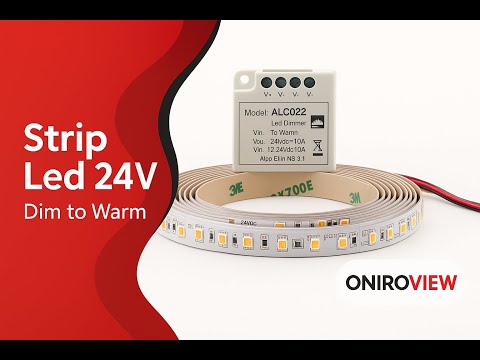
Dim-to-warm strips mimic the behavior of old incandescent bulbs: as you lower the intensity, the light doesn't stay cold but shifts toward warm, from 3000K down to 1800K or 2300K. They are the right choice where lighting needs to set the mood for the evening: dining rooms, bedrooms, lounges.
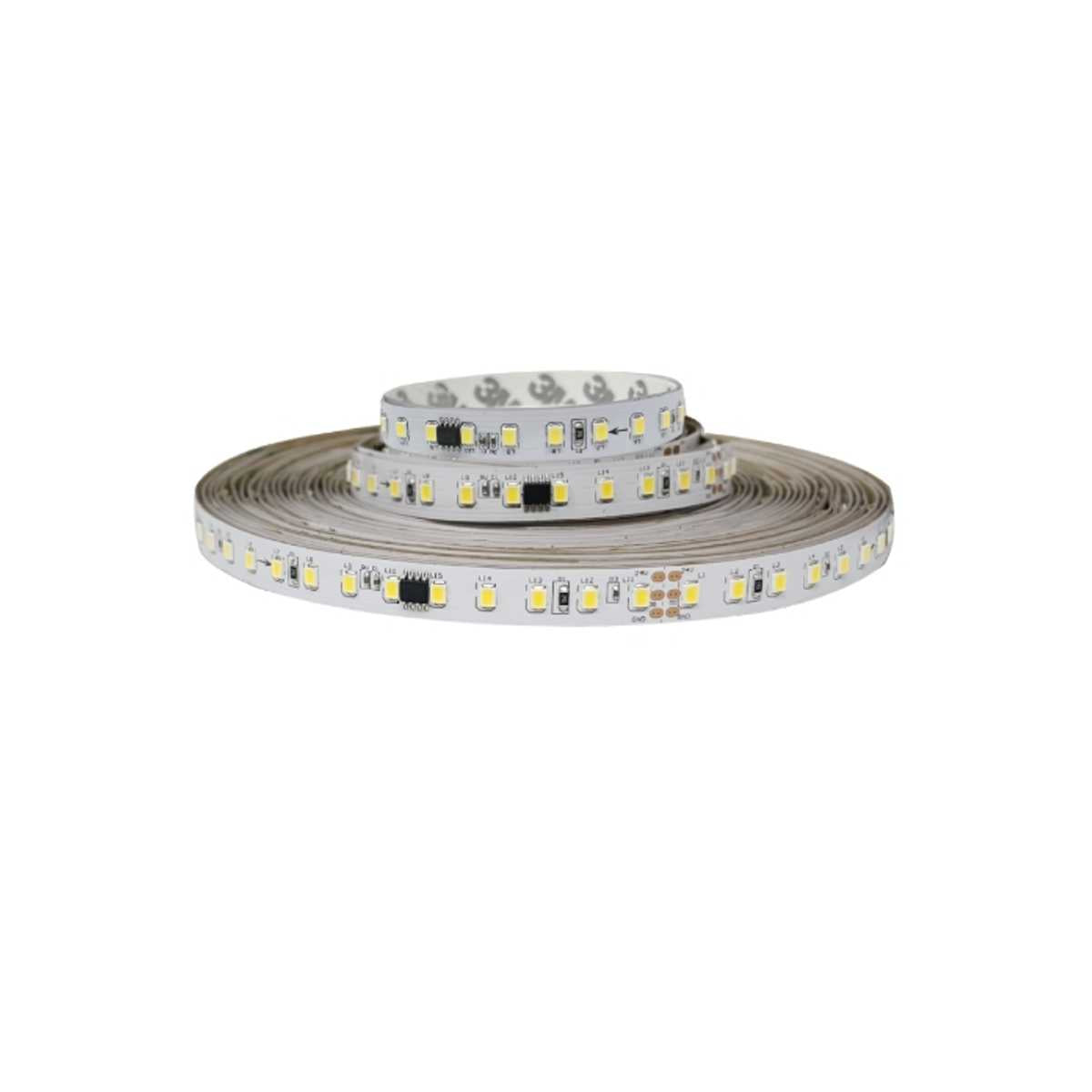
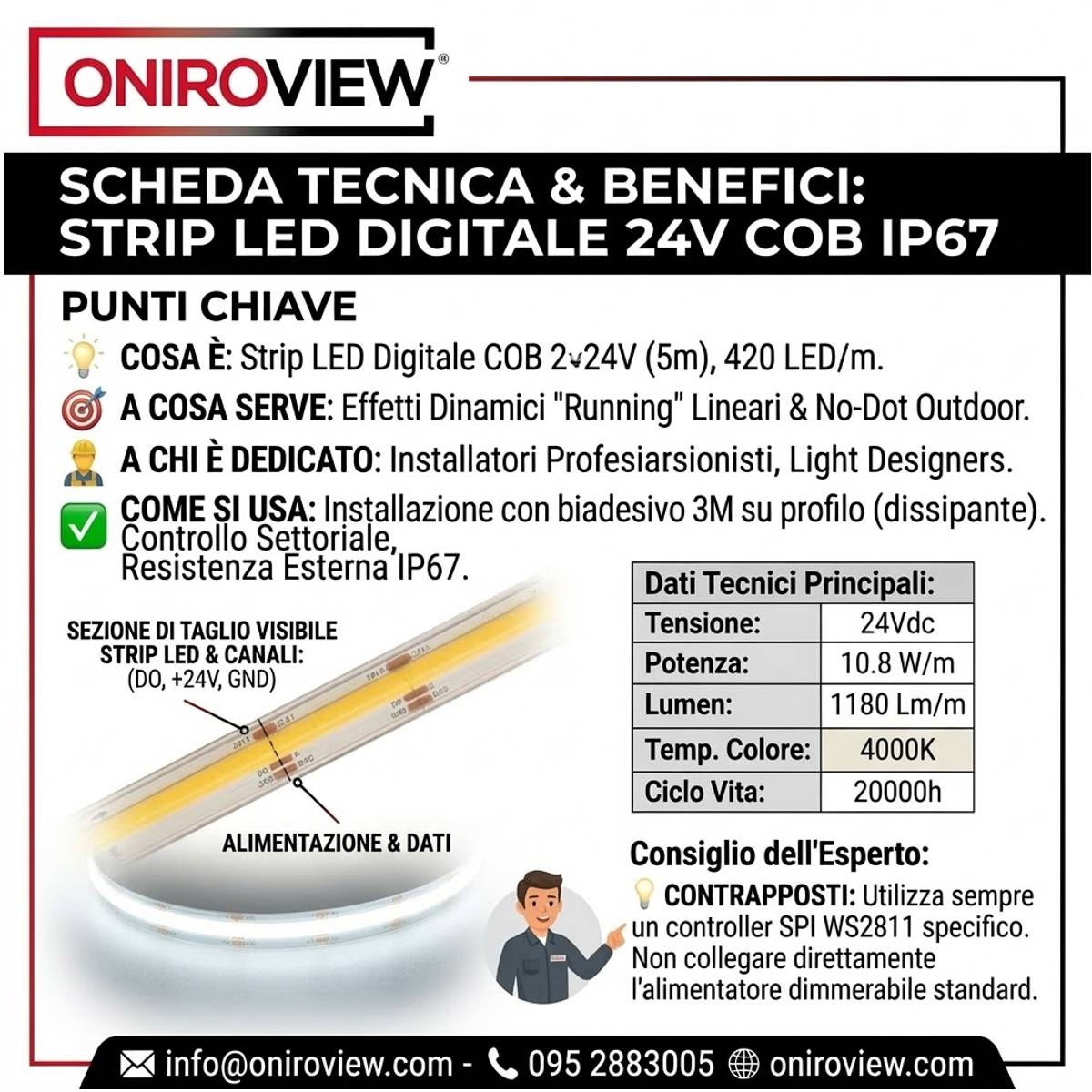
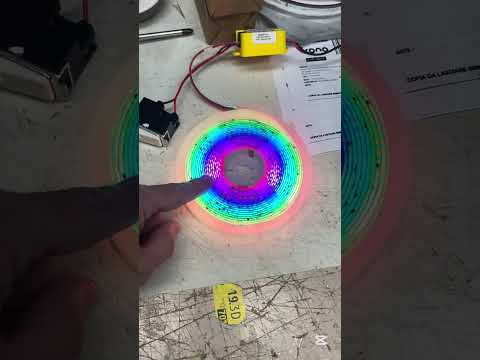
Digital strips with running effects have addressable control that allows for animations and progressive lighting. They require a compatible controller and must be planned in advance, not added later.
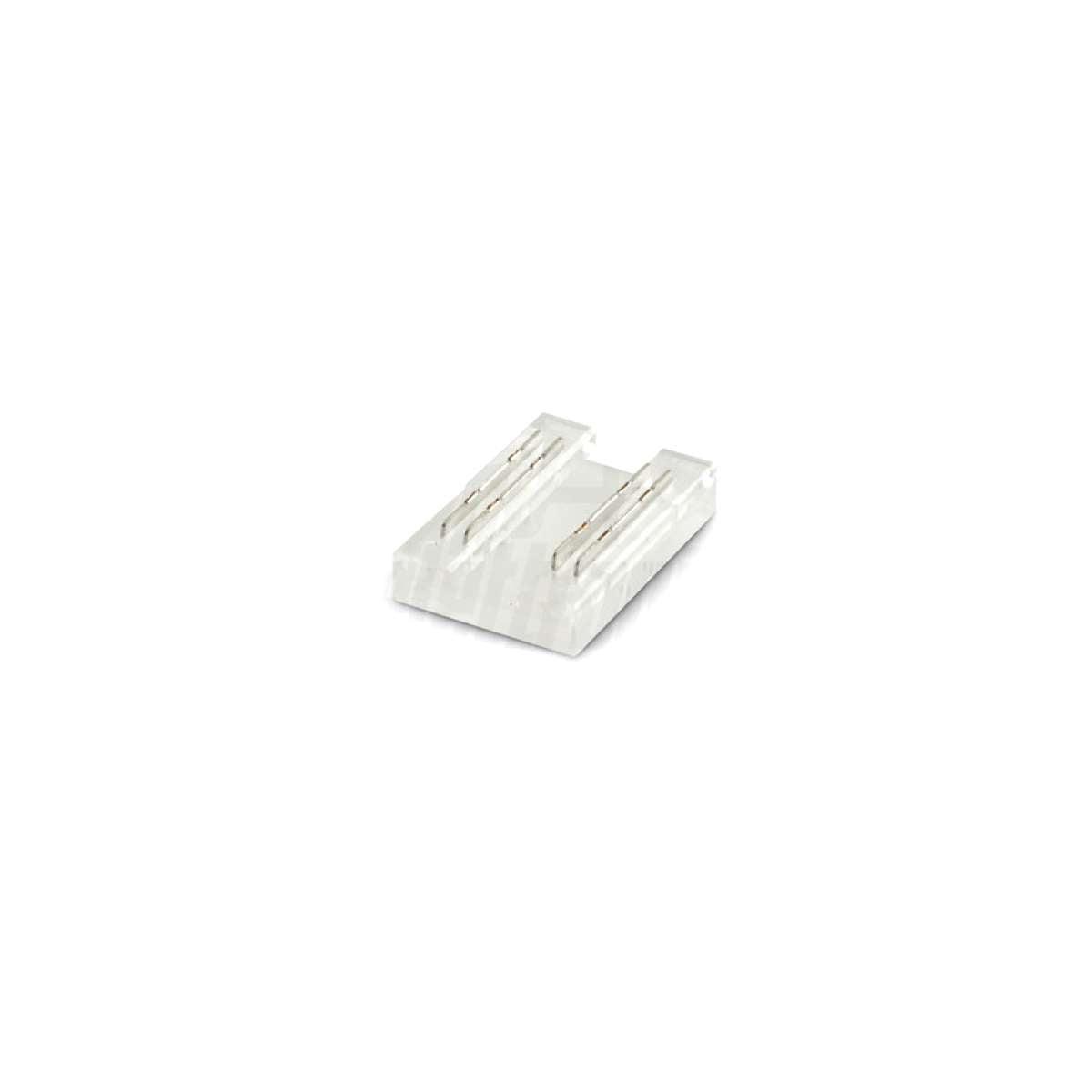
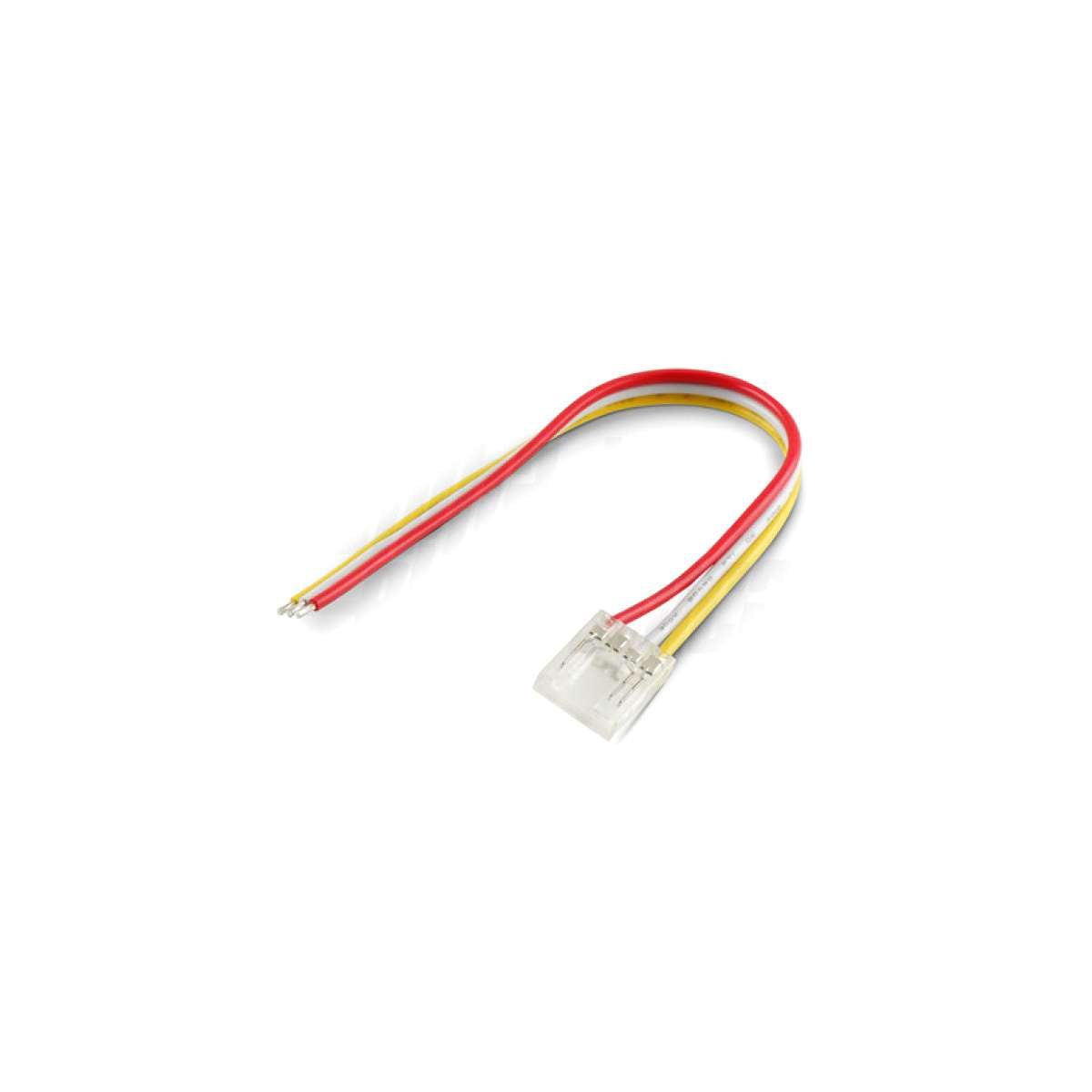
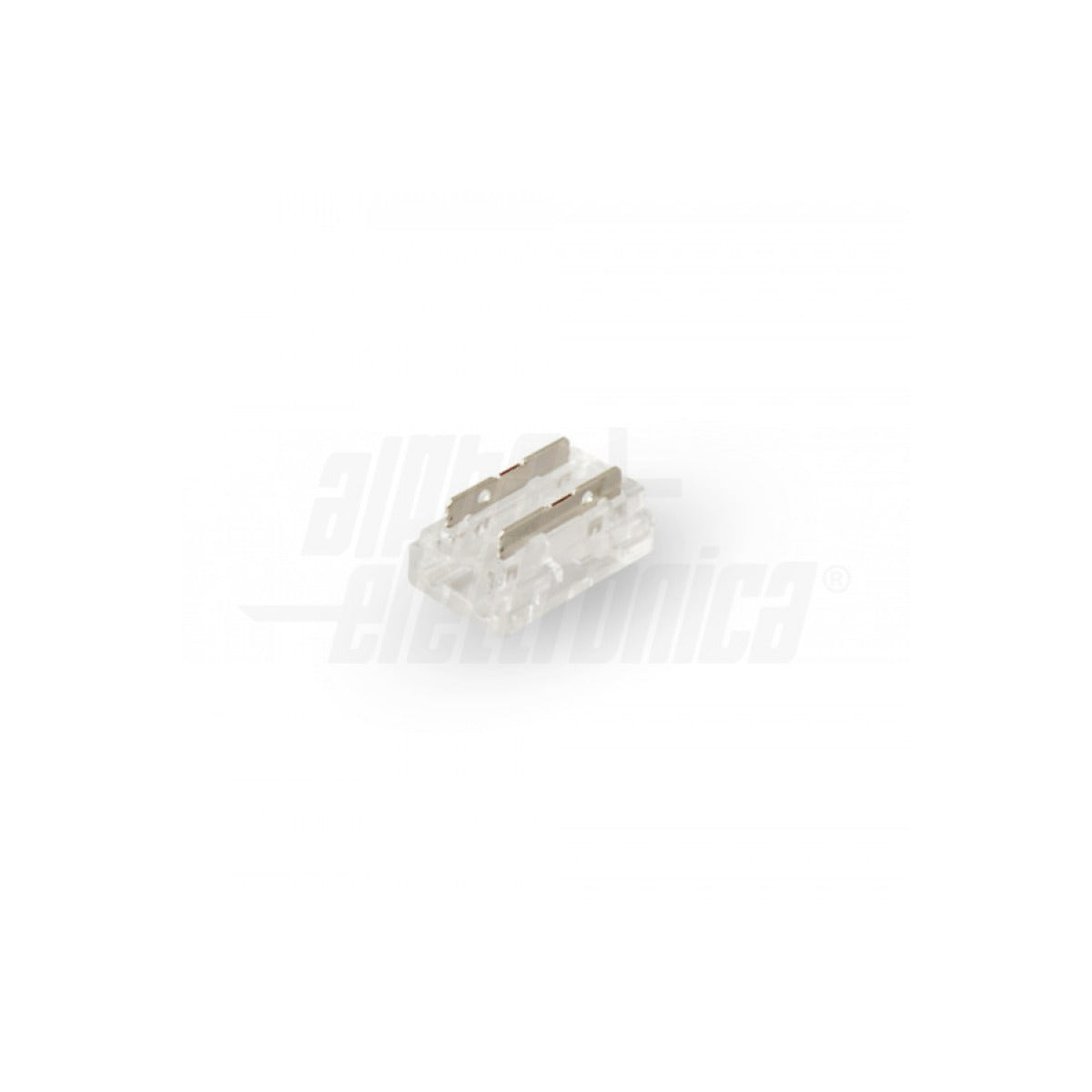
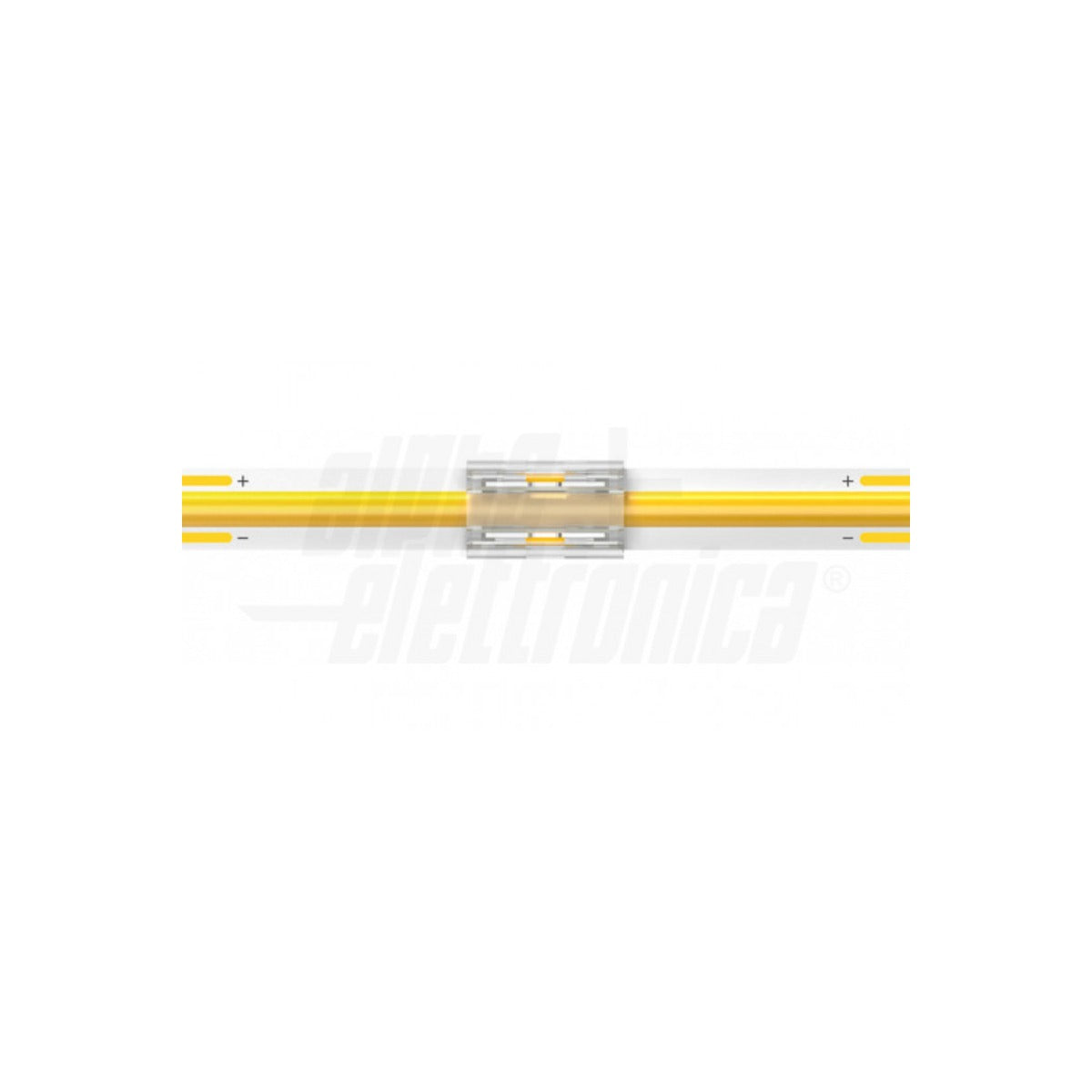
Pro tip. People almost always get the power supply wrong. Multiply the watts per meter by the actual meters and add at least a 20% margin: 5 meters of a 15W/m strip equals 75W, so you need a power supply of at least 90–100W. A power supply at its limit will heat up, age quickly, and take the strip with it. Second point: the strip should only be cut at the pre-printed marks, and for reconnecting, use quick connectors — manual soldering on a COB PCB is delicate work that often ends poorly.
Frequently asked questions about LED strips
How many watts do I need for the power supply?
Watts per meter multiplied by the installed meters, plus a margin of at least 20%. Also, verify that the power supply voltage exactly matches the strip voltage: a 24V strip on a 12V power supply will stay off or be dim; the reverse will burn it out.
Do I really need an aluminum profile?
For exposed installations, yes, for two reasons: it dissipates heat, and heat is what ages LEDs; and with the cover, it diffuses the light, eliminating glare. See the aluminum profiles for LED strips section.
Why does the light fade towards the end of the strip?
It's voltage drop: the current travels through the entire tape, and by the end, less voltage arrives. There are three solutions: use 24V instead of 12V, power it from both ends, or choose a long-distance version designed for extended runs.
Can I cut the strip wherever I want?
No, only at the pre-printed cut marks, which repeat at fixed intervals. Cutting outside those points breaks the circuit and makes the subsequent section unusable.
Are all strips dimmable?
Almost all are at the strip level, but you need a dimmer compatible with the voltage and technology: digital strips require a dedicated controller, while dim-to-warm strips require a dimmer that manages color temperature variation. Always check for compatibility before purchasing.
Complete your installation with aluminum profiles, power supplies, and LED dimmers.





