




















































Dogi brand products
Filter
Sort by:
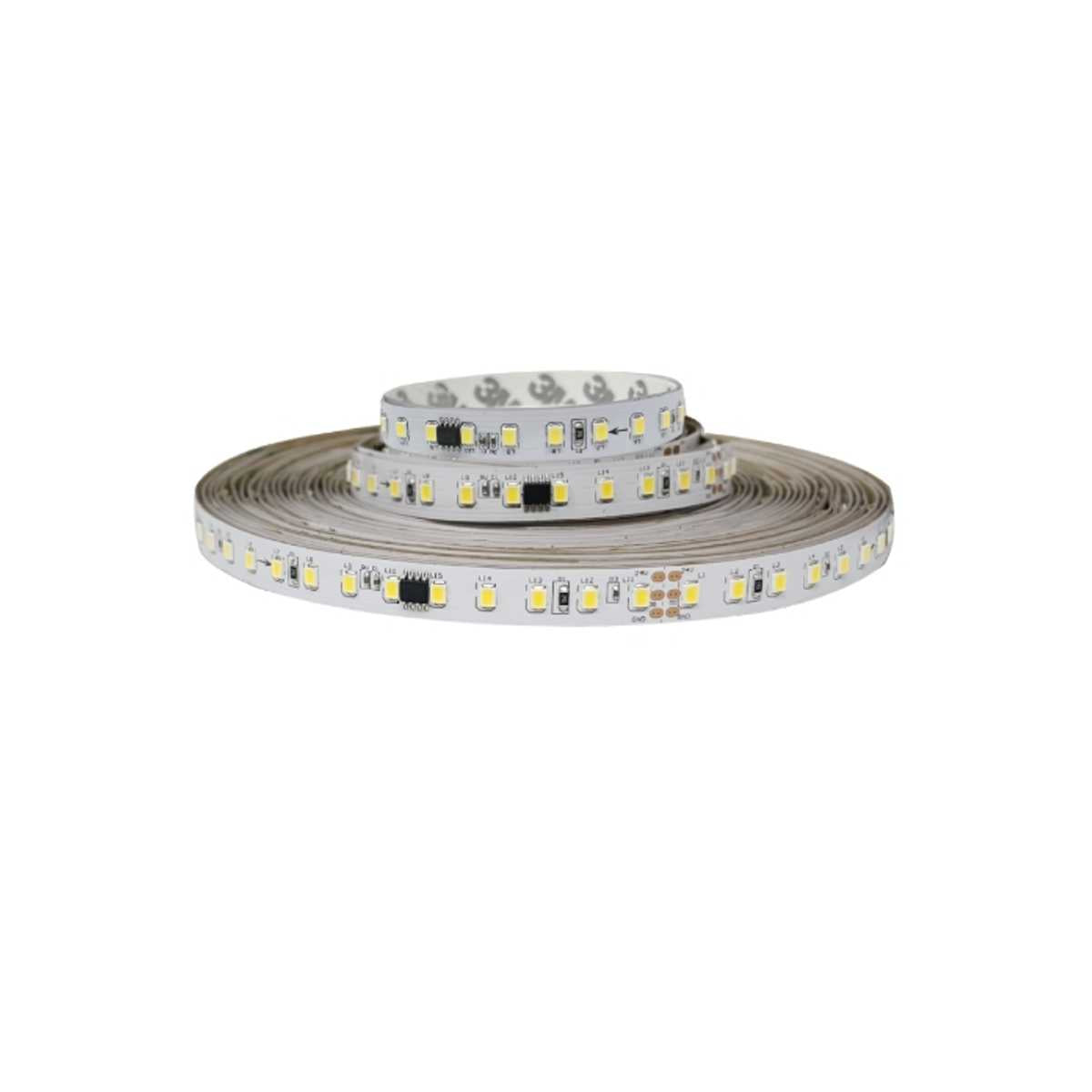

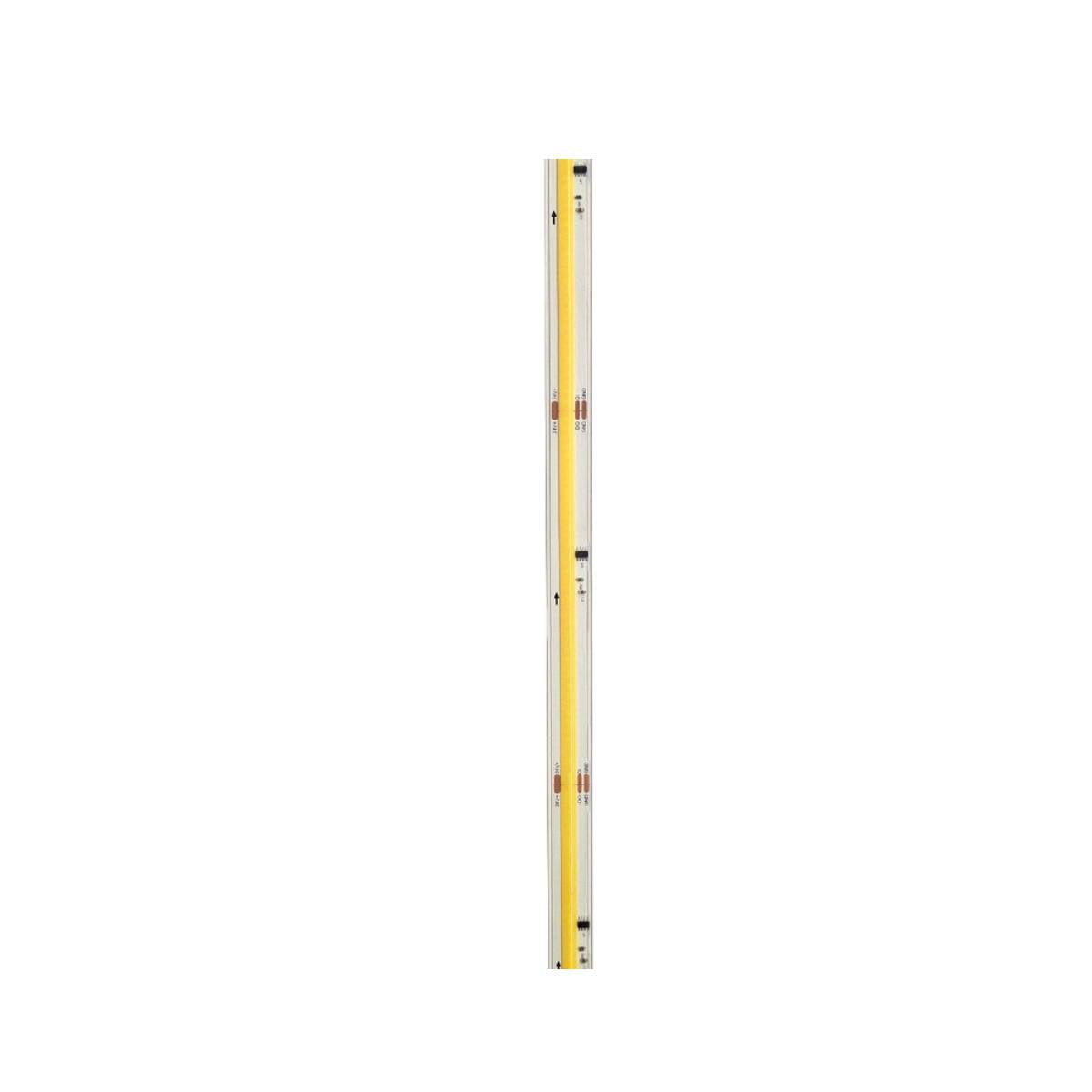


Dogi: digital LED strips with running effect for stairs and hallways
Digital strips are different from standard LED strips. In a traditional strip, all LEDs light up together; in a digital one, each segment is individually addressable, so light can travel along the strip. This is the principle of the running effect: the light follows the person climbing, step by step, and switches off behind them.
The typical application is an indoor staircase, but it works just as well in long hallways, entryways, corridors, and under beds.
How the system works
You need three components that must be purchased together, as none of them work on their own:
| Component | Function |
|---|---|
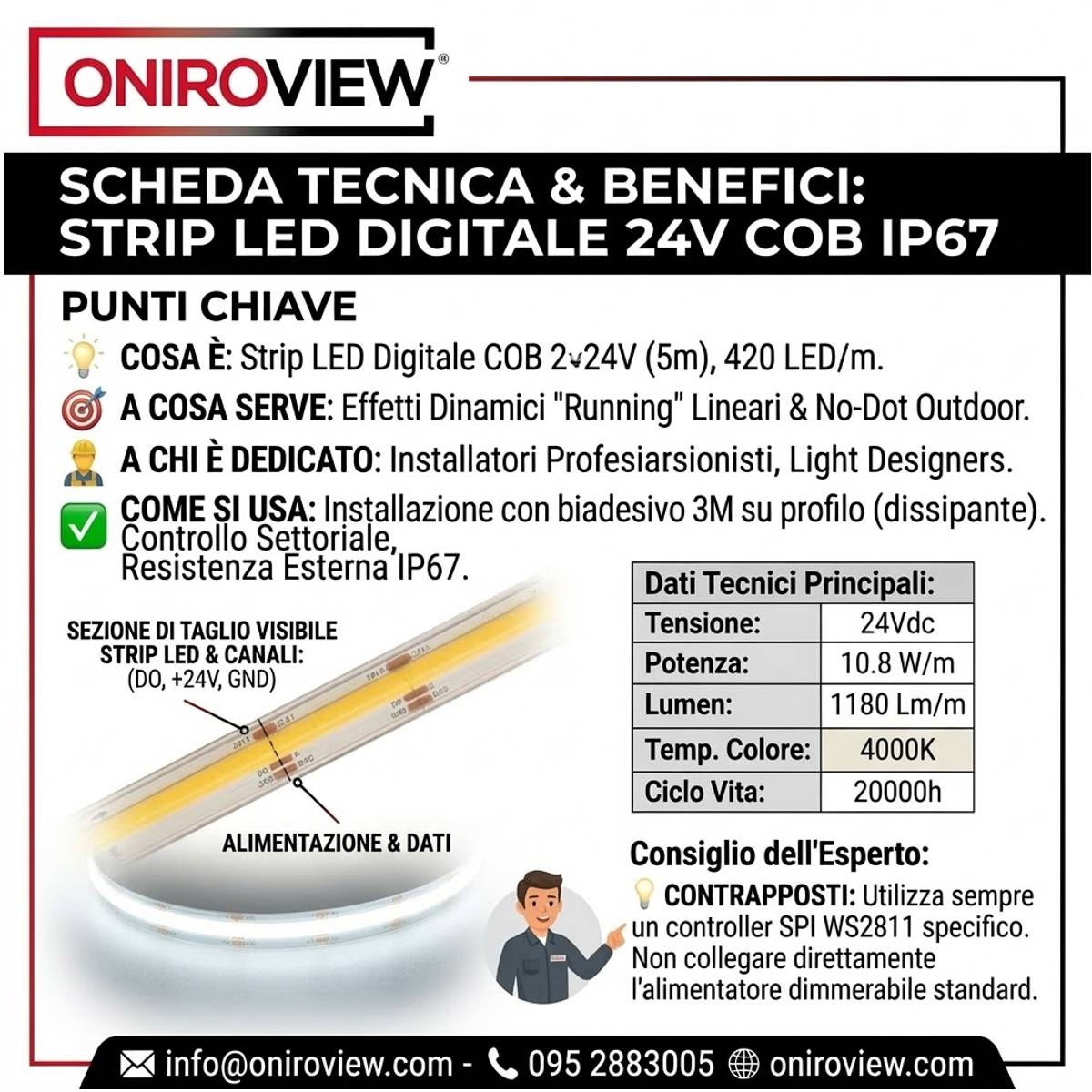
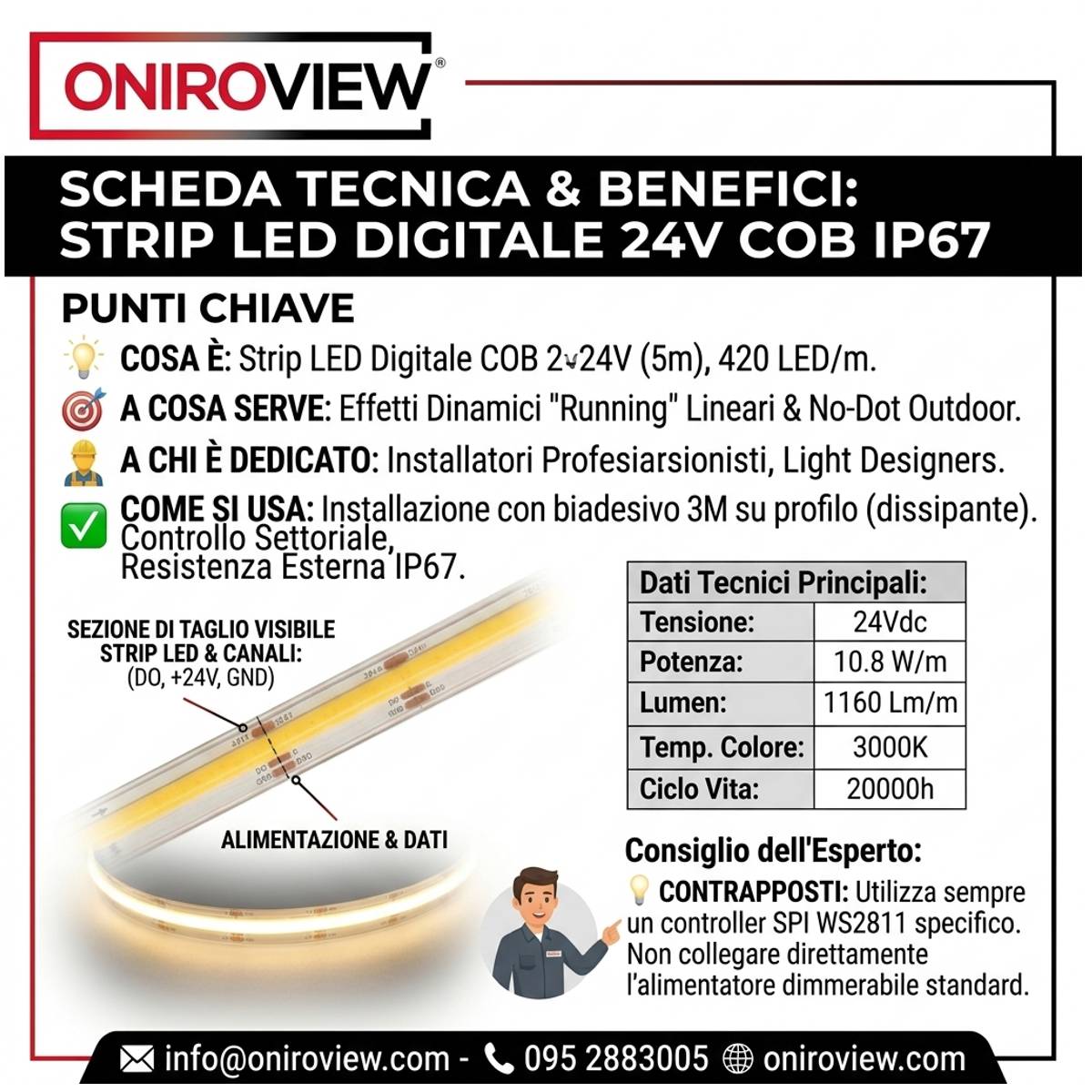
| 24V digital strip | The addressable tape: 5m IP67 or 10m, in 3000K, 4000K, and 6000K |
| Controller with PIR sensors | Detects passage at the top and bottom and determines the direction of the animation |
| 24V power supply | Sized based on total wattage with at least a 20% margin |
The controller is the heart of the system: the two PIR sensors placed at the ends detect whether you are going up or down and trigger the light wave in the correct direction. Without a controller, a digital strip remains just an ordinary strip.
IP67 or standard
The IP67 version, which is coated and sealed, is not just for outdoor use: it is also the most sensible choice for indoor stairs, as the coating protects the tape from dust, bumps, and cleaning. The standard version is fine where the strip is housed in a protected profile with a cover.
Expert advice. On a staircase, this system must be planned beforehand, not added later. You need to know in advance where the cables run, where the power supply is located, and above all, where the two sensors go: at the top and bottom, at the right height to detect passage without triggering when someone simply walks past the stairs. Then, measure the actual length of the tape, which on a staircase is not the footprint length: each step adds riser and tread. And remember that digital strips can only be cut at the pre-printed points, just like all other strips.
Frequently asked questions
What is the difference between a digital strip and a normal one?
In a digital strip, each segment is controlled individually, allowing for animations and progressive lighting. In a traditional strip, all LEDs react simultaneously, and the only possible adjustment is the overall intensity.
Is the controller essential?
Yes, to achieve the running effect. The controller manages the addressing of the segments and, using the PIR sensors, decides when and in which direction to start the animation.
Can I use it without sensors, always on?
Yes, but it is a waste of its potential: for constant light, a traditional strip is sufficient and costs less. The value of a digital strip lies precisely in the progressive lighting triggered by movement.
Which color temperature should I choose for stairs?
3000K is the most common choice for home environments because the warm light is not disturbing at night. 4000K is more neutral and suitable for work contexts; 6000K is cool and is used where maximum visibility of the steps is required.
What power supply is needed?
A 24V supply sized for the total wattage of the tape plus at least a 20% margin: 10 meters at 10W/m equals 100W, so a 120W power supply or higher is recommended. See the power supplies section.
See also LED strips, aluminum profiles, and power supplies.





