




















































Braces and Pigtails in Optical Fiber
Filter
Sort by:

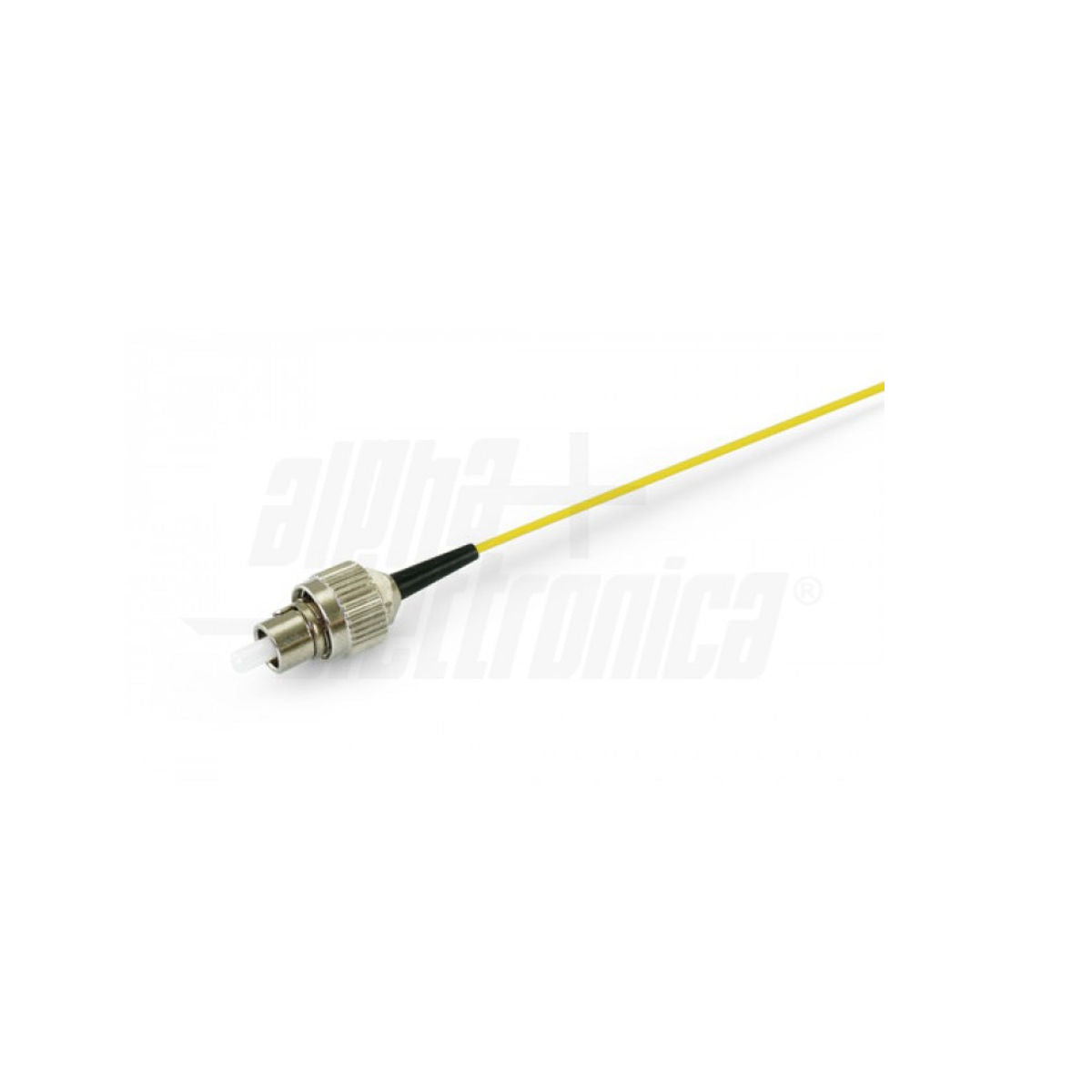


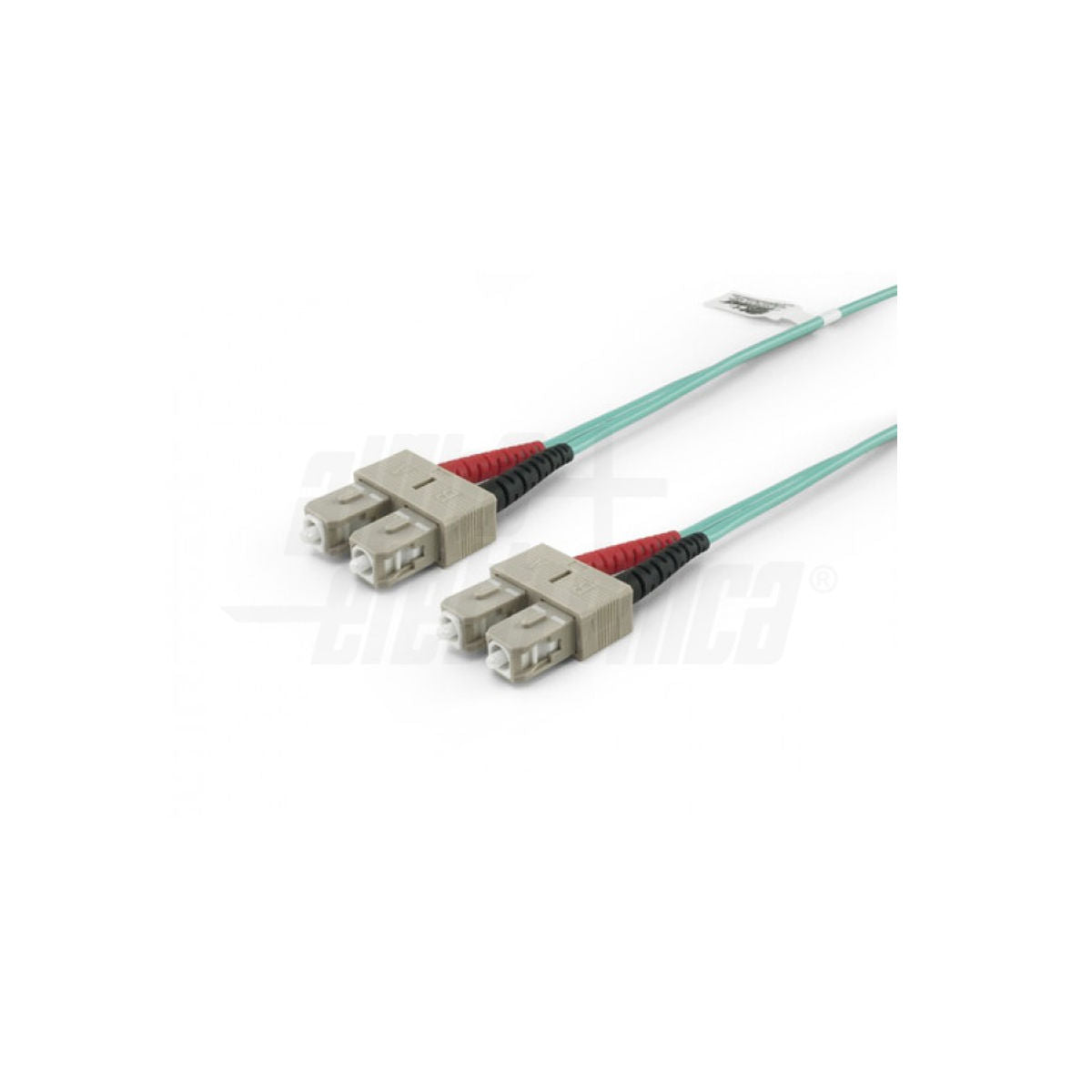
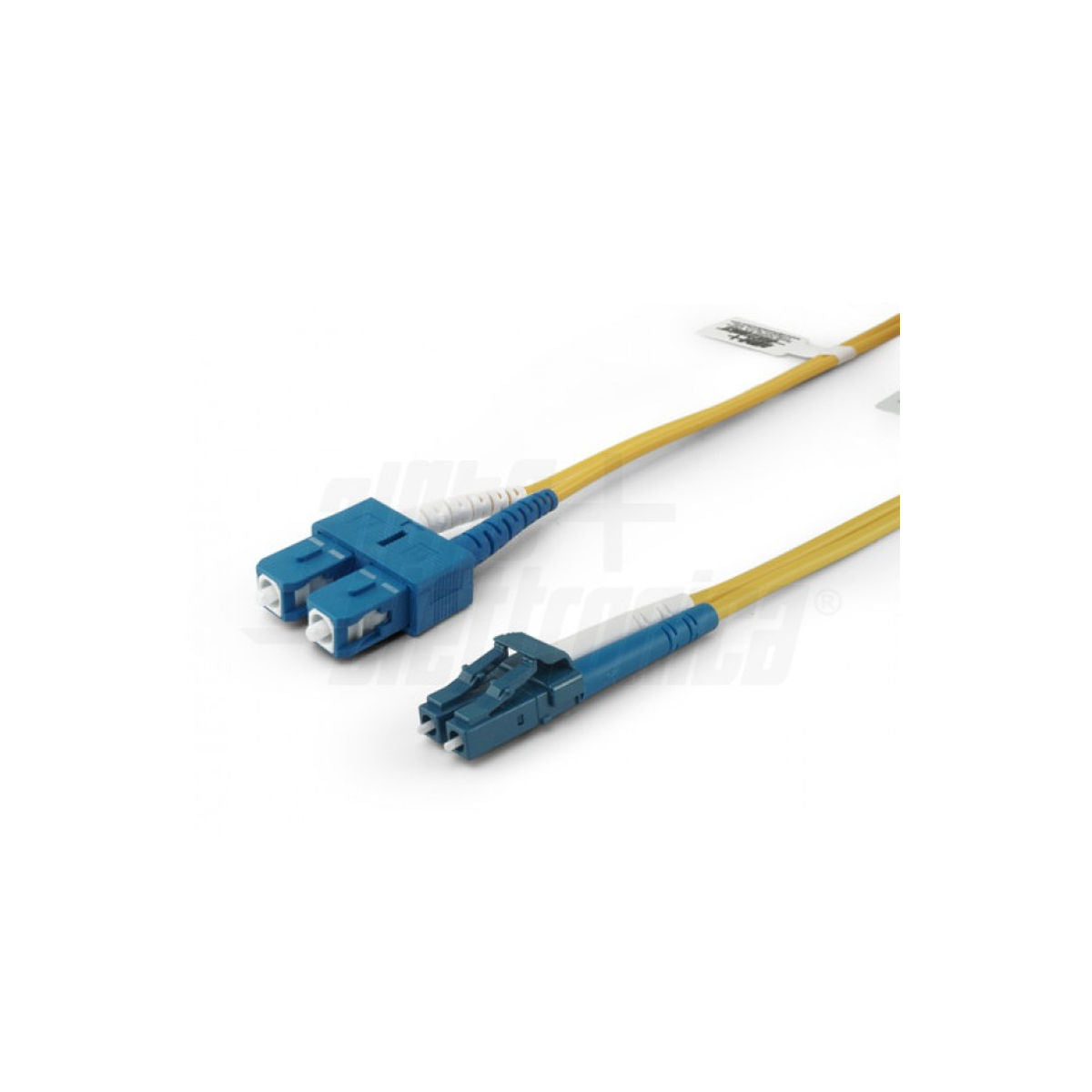
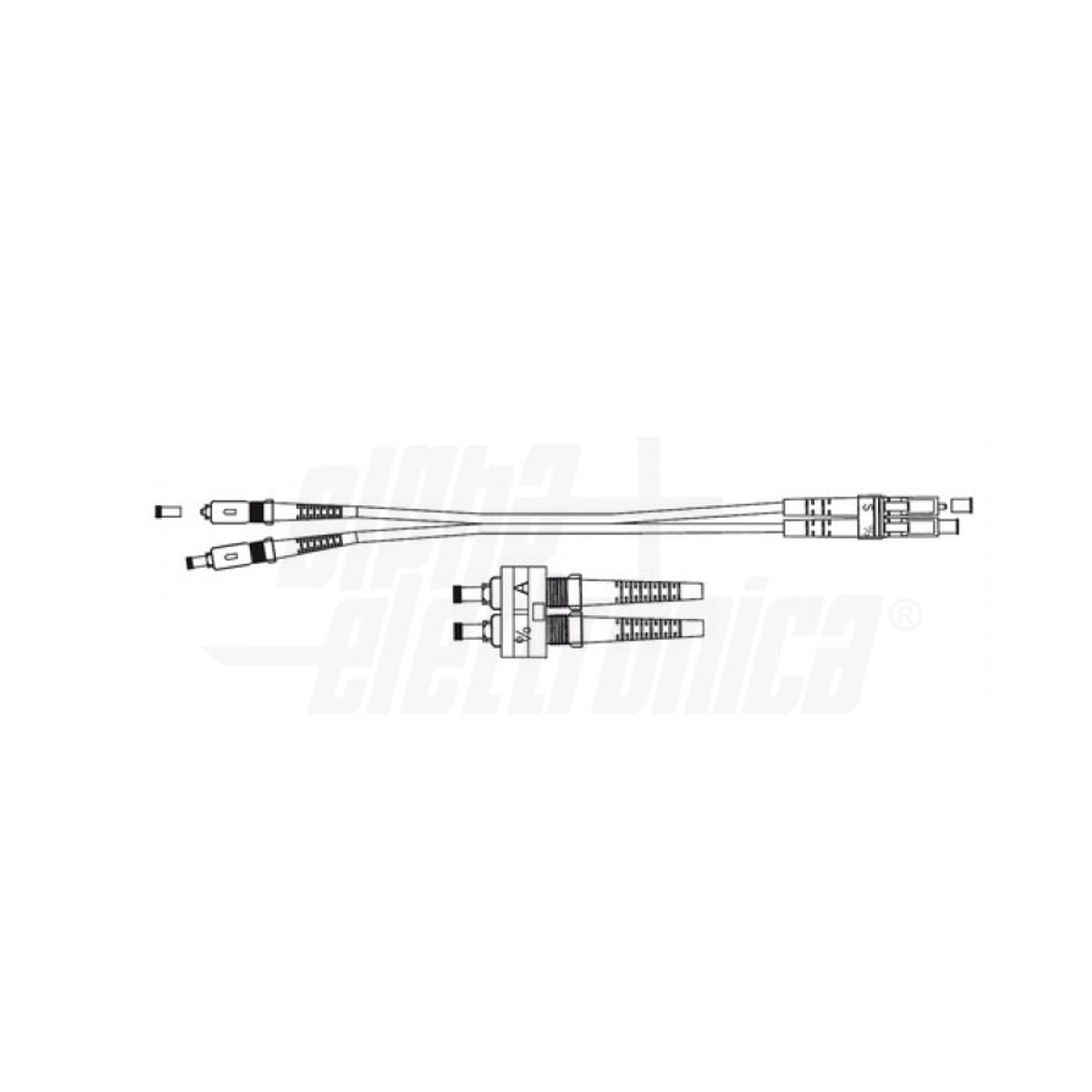
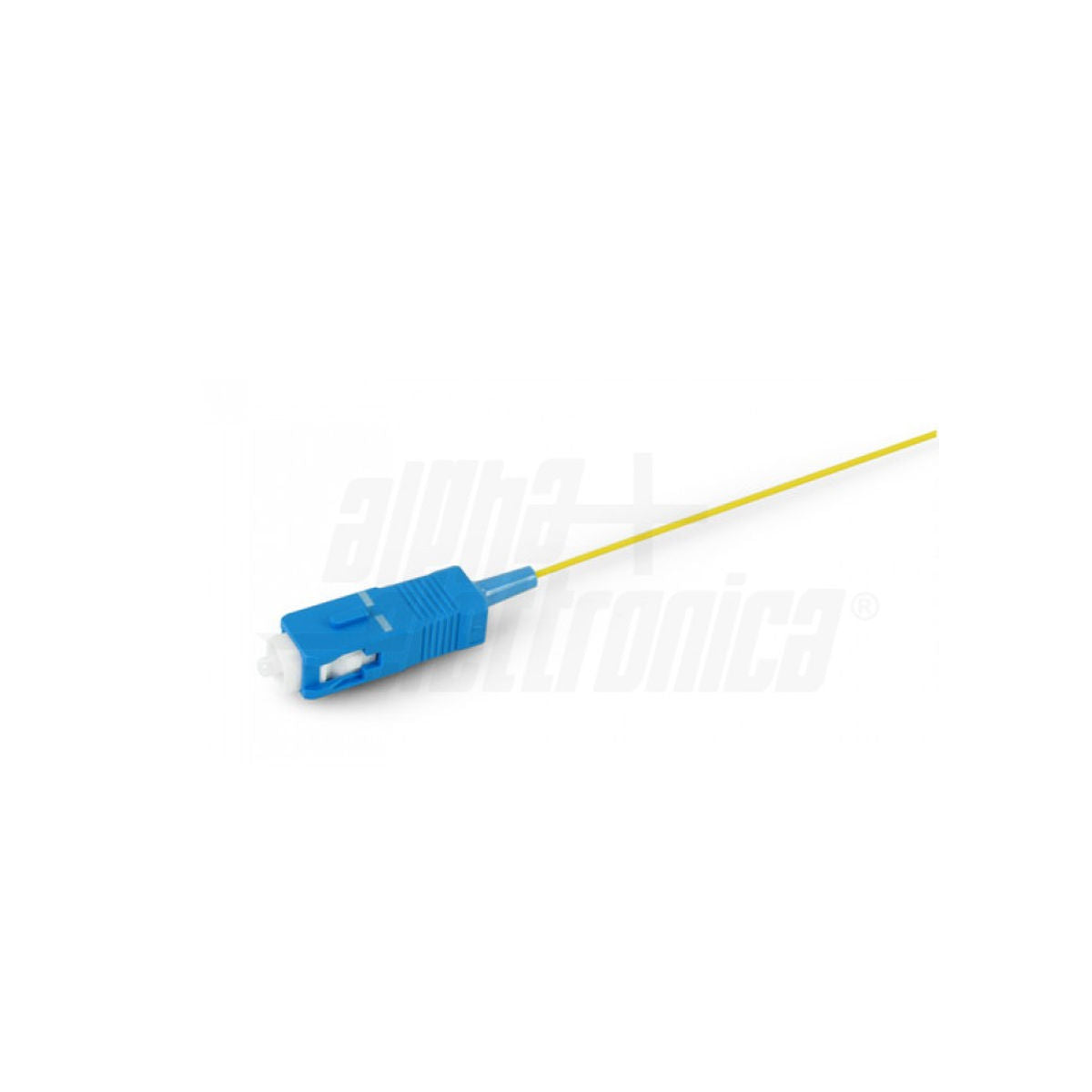

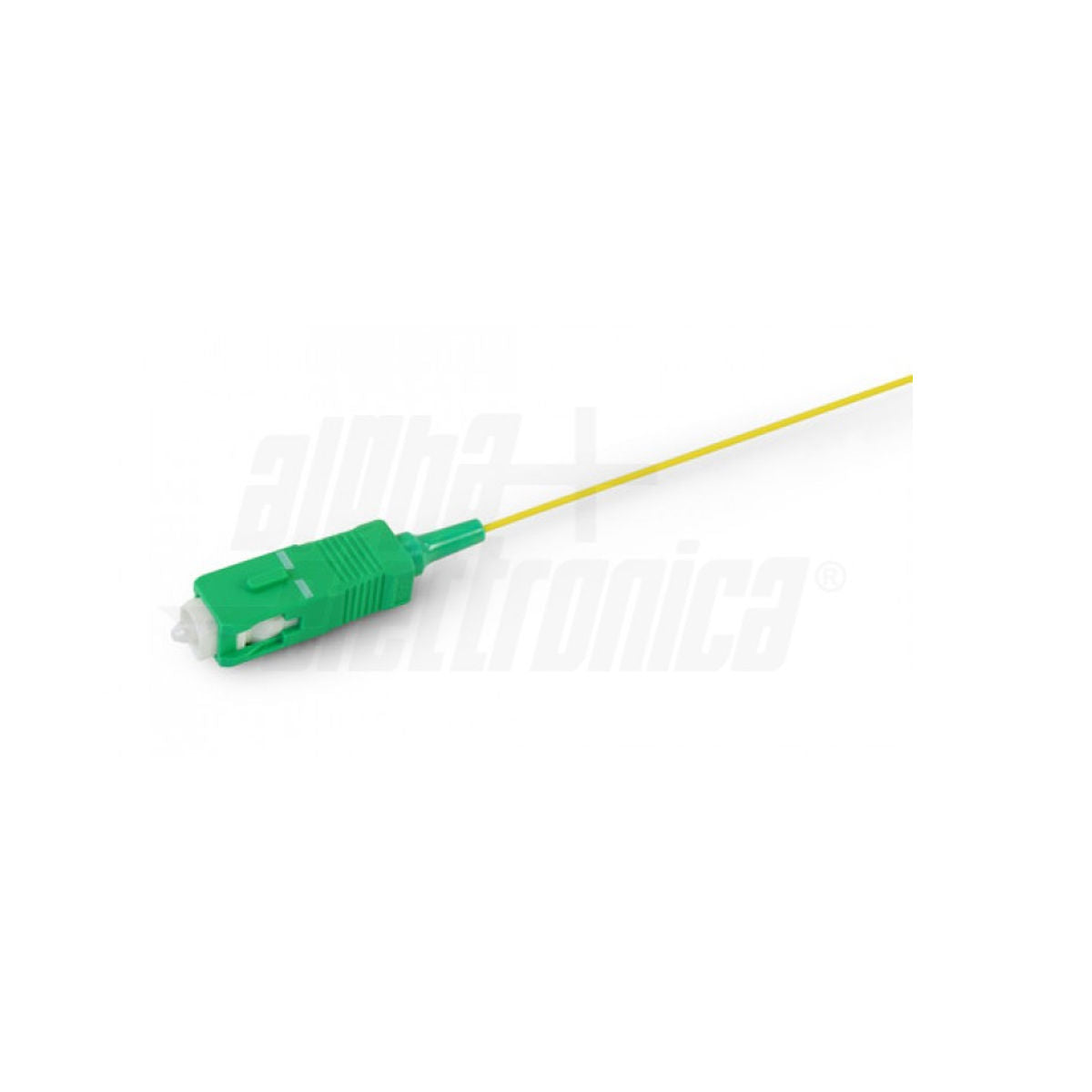
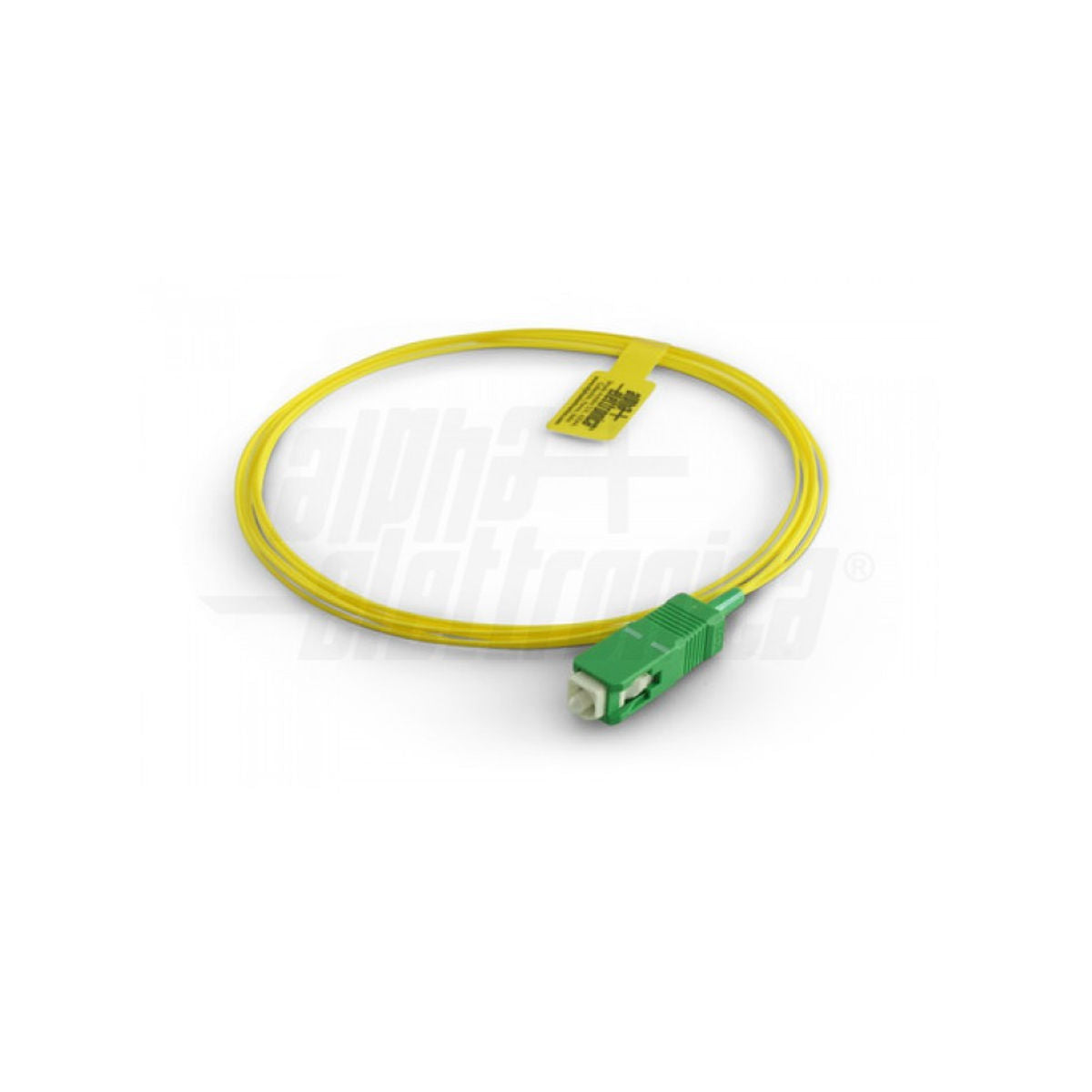
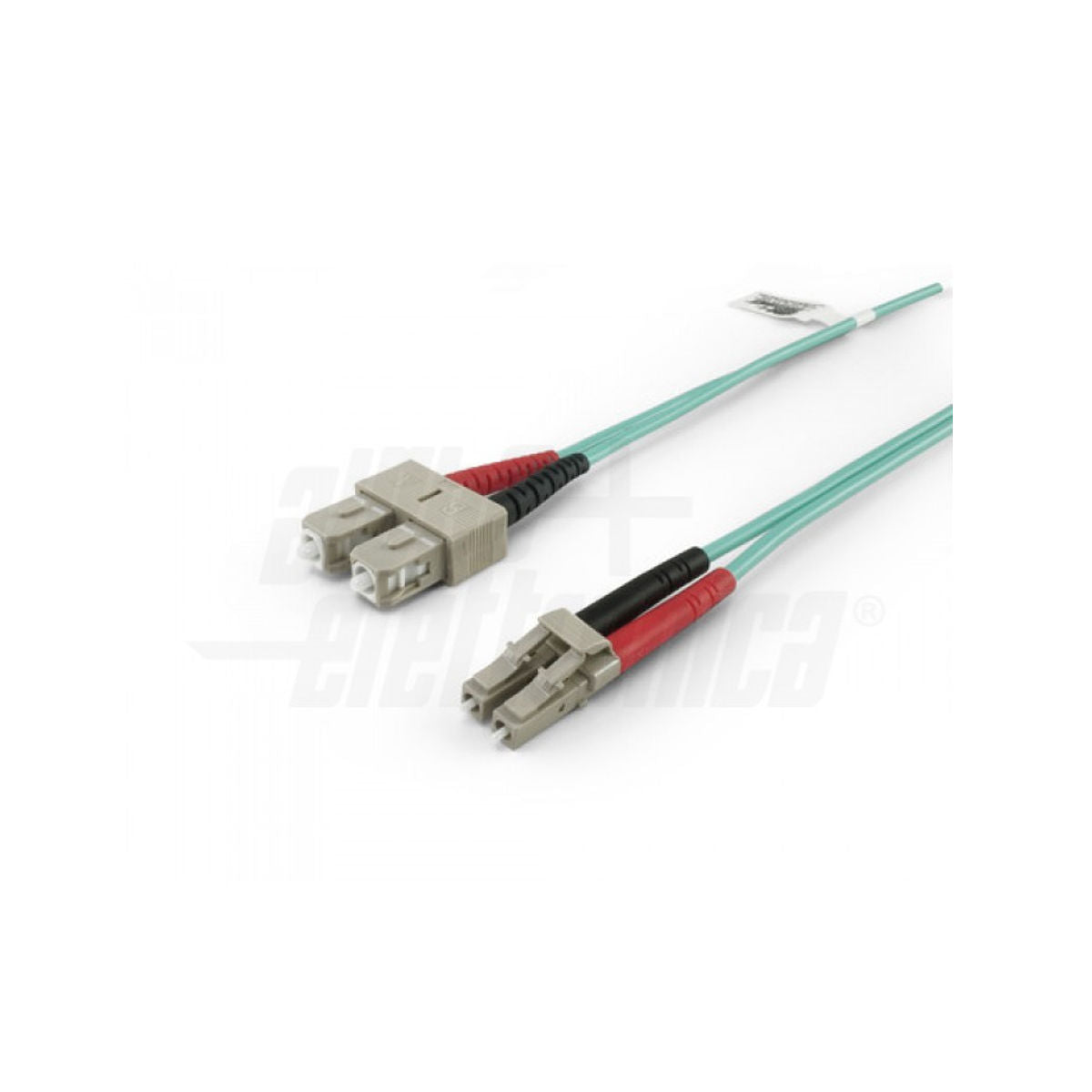
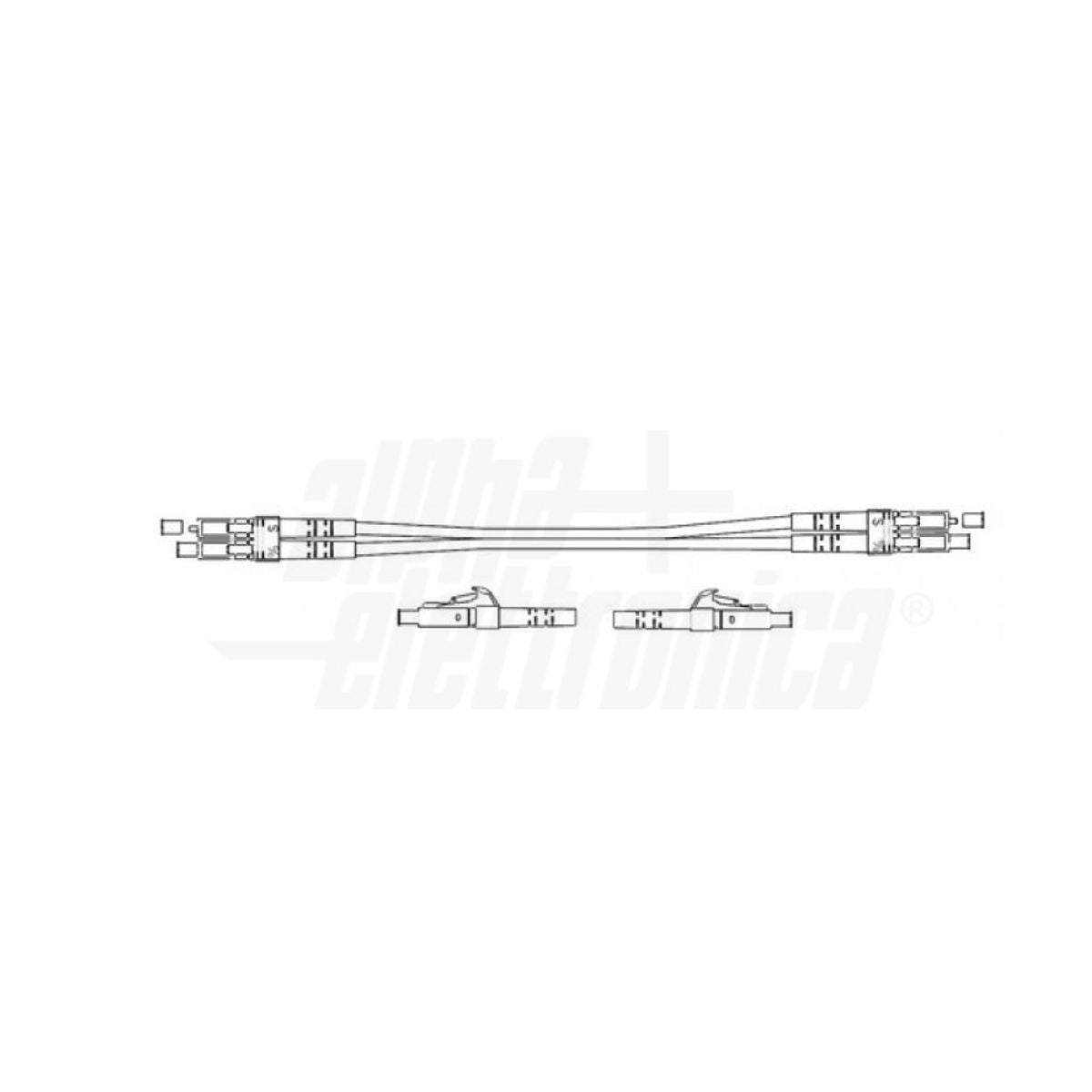
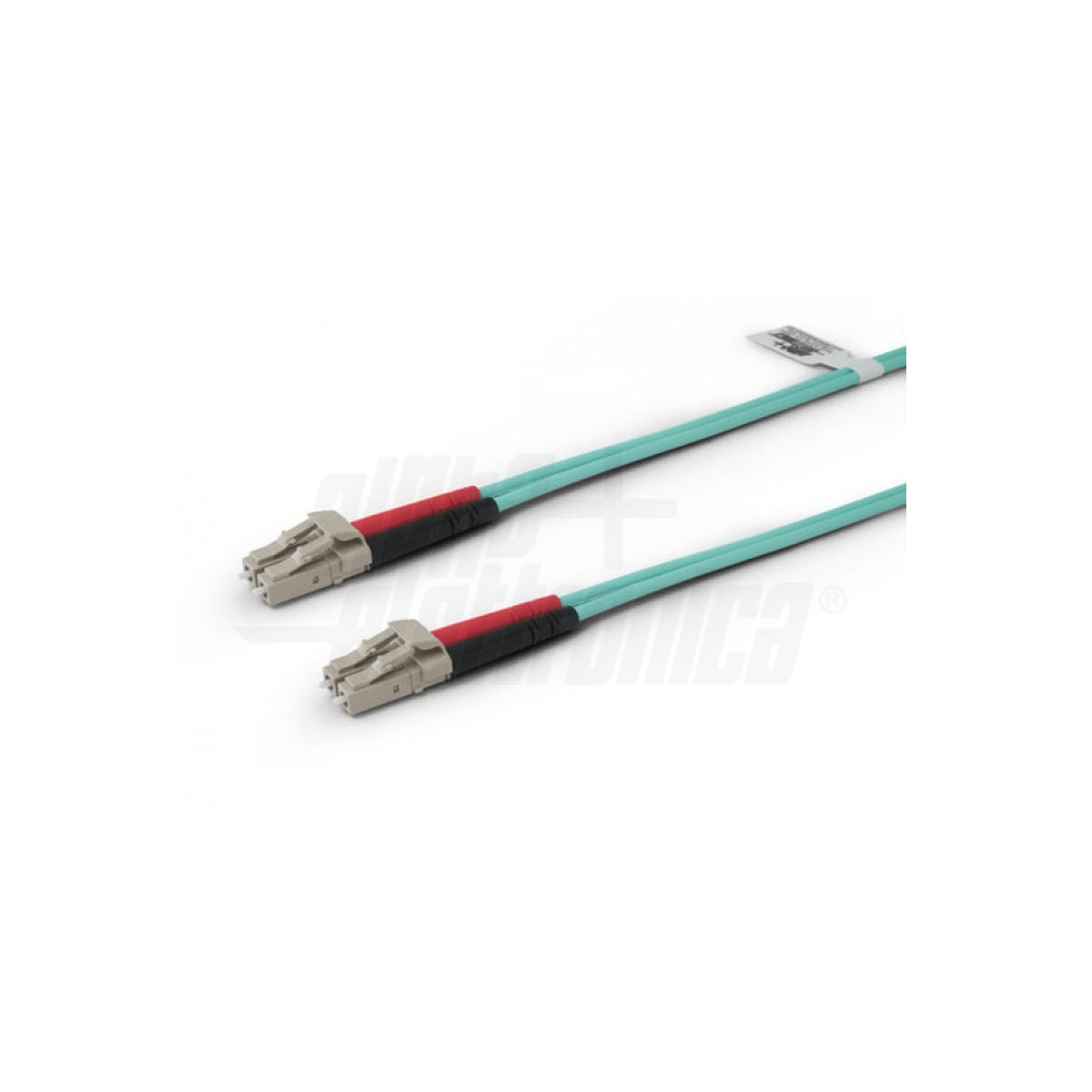
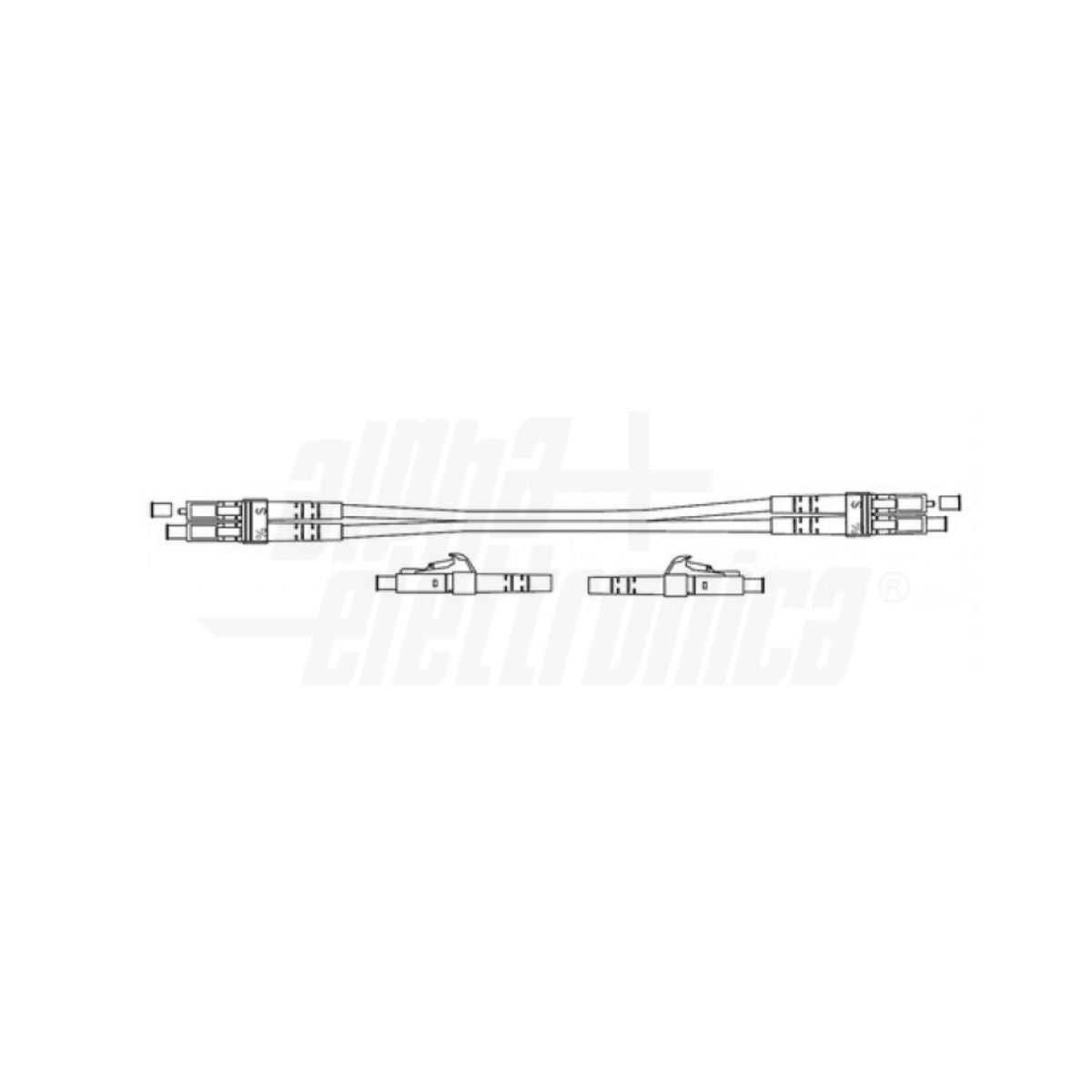
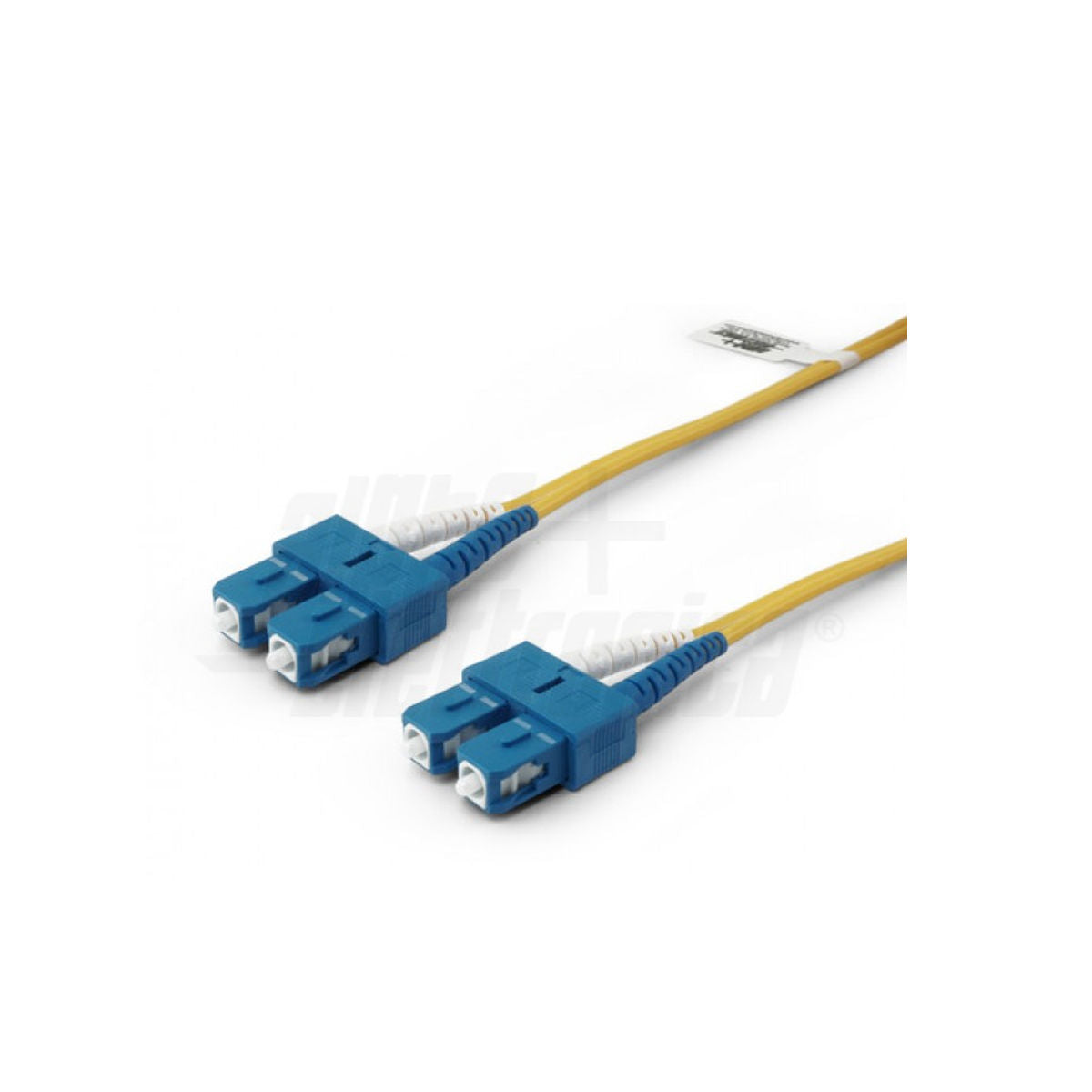
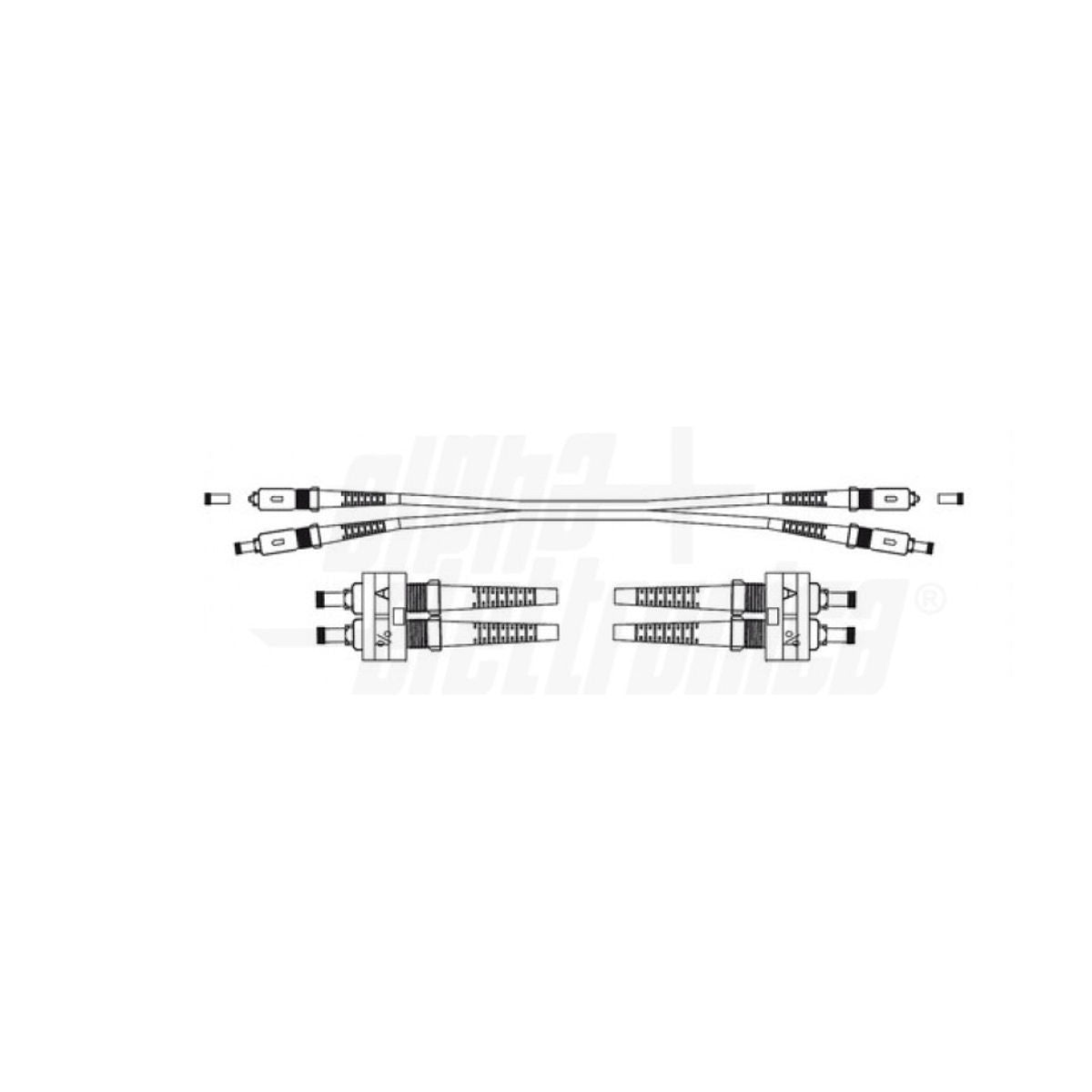
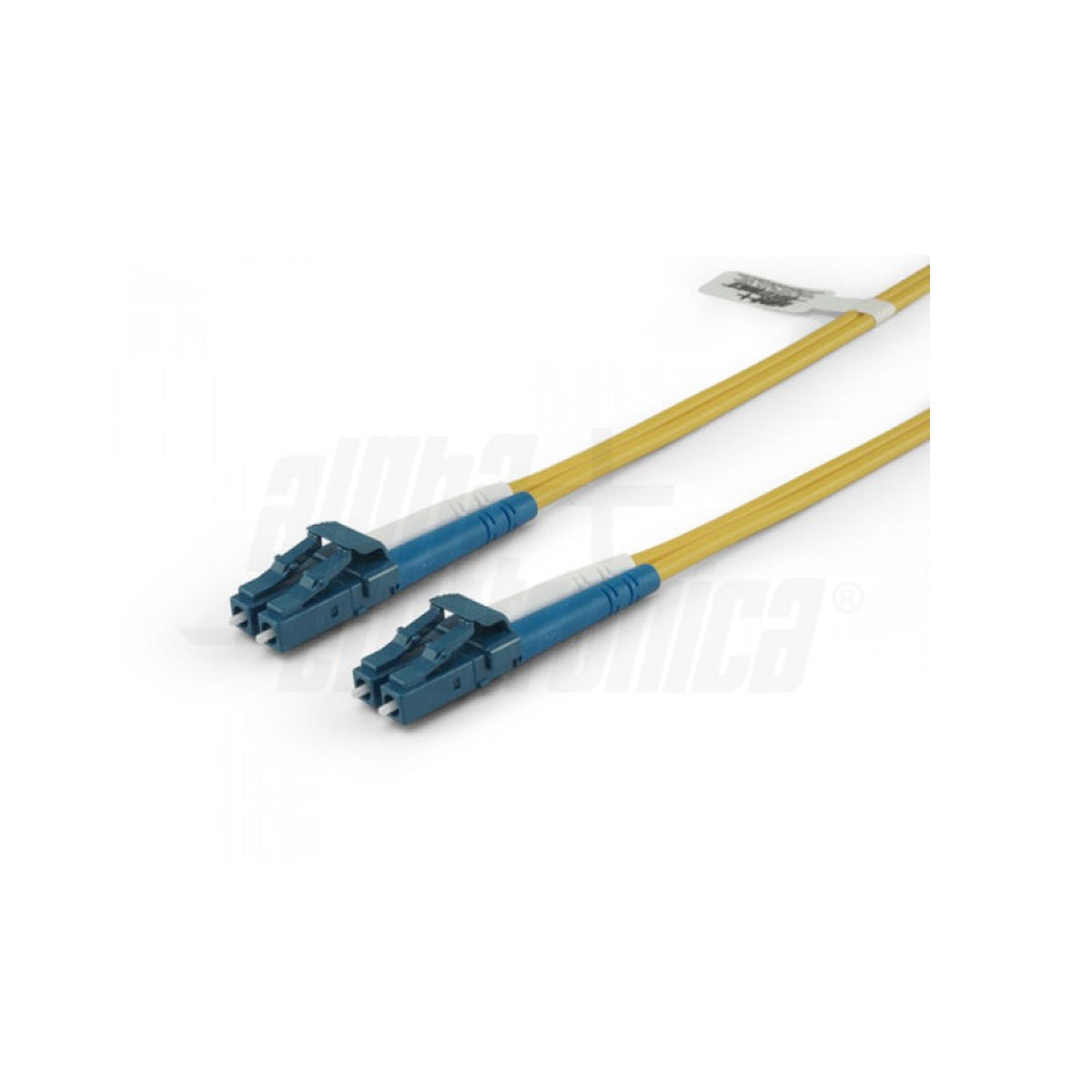
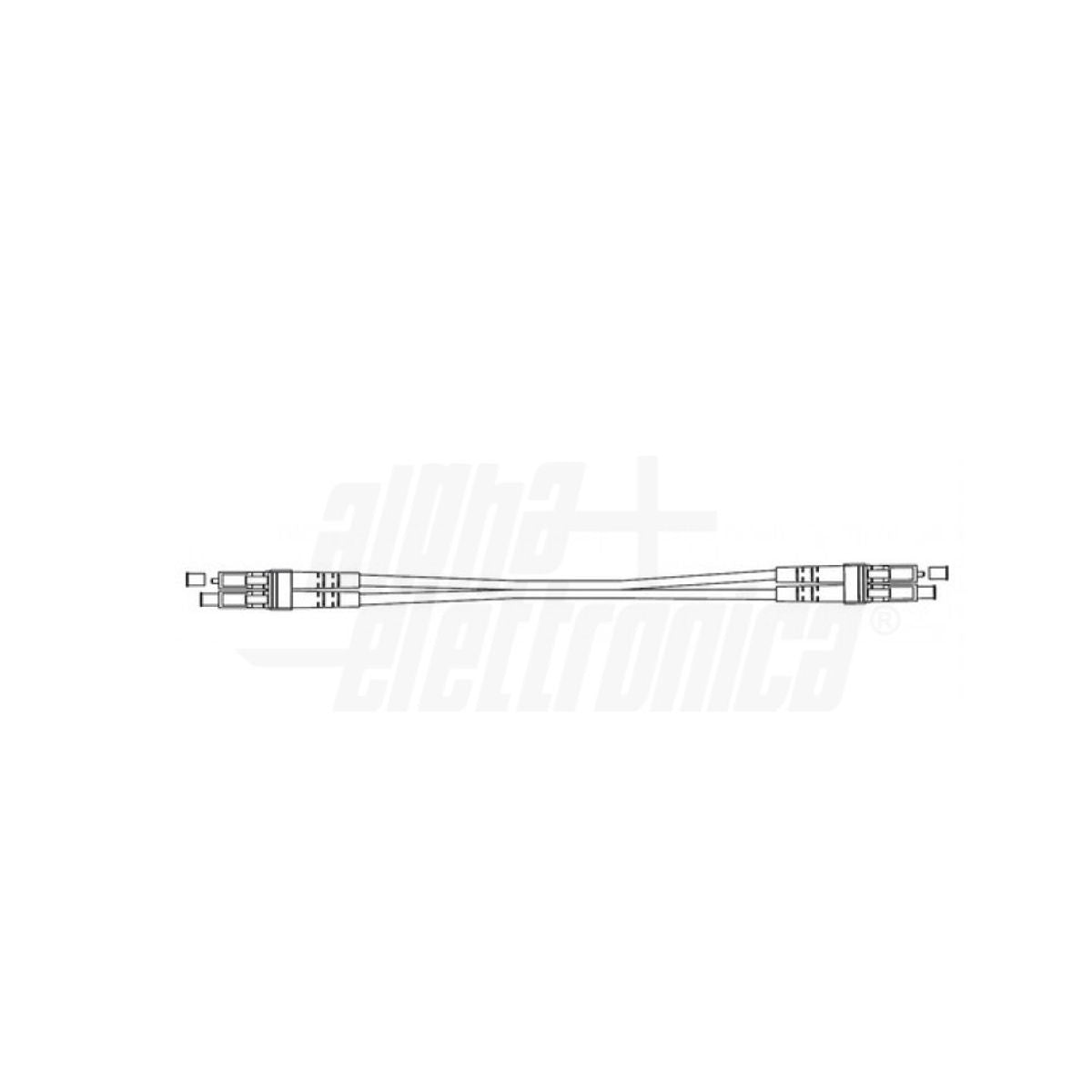
Patch cords and pigtails: two different products, not two names for the same thing
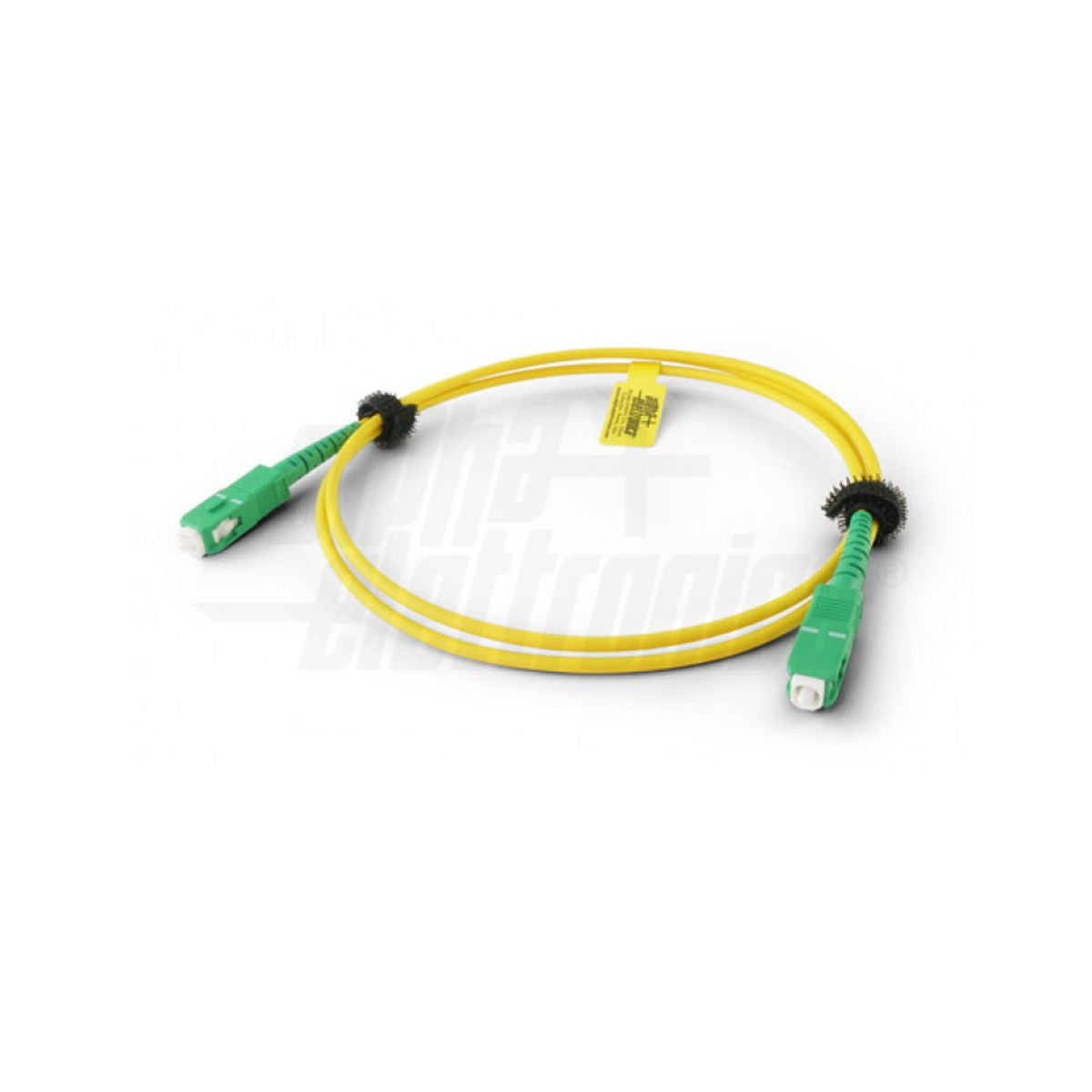
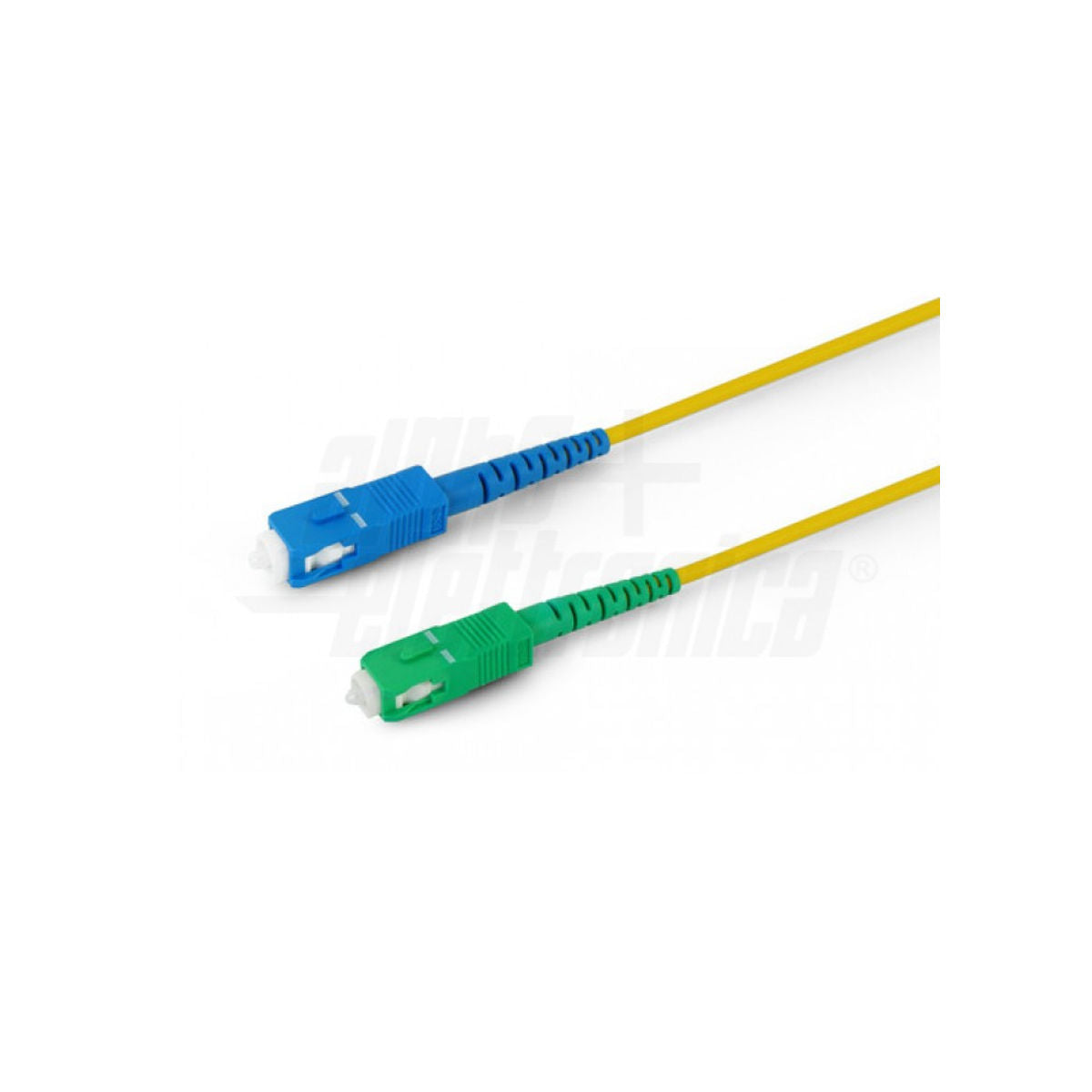
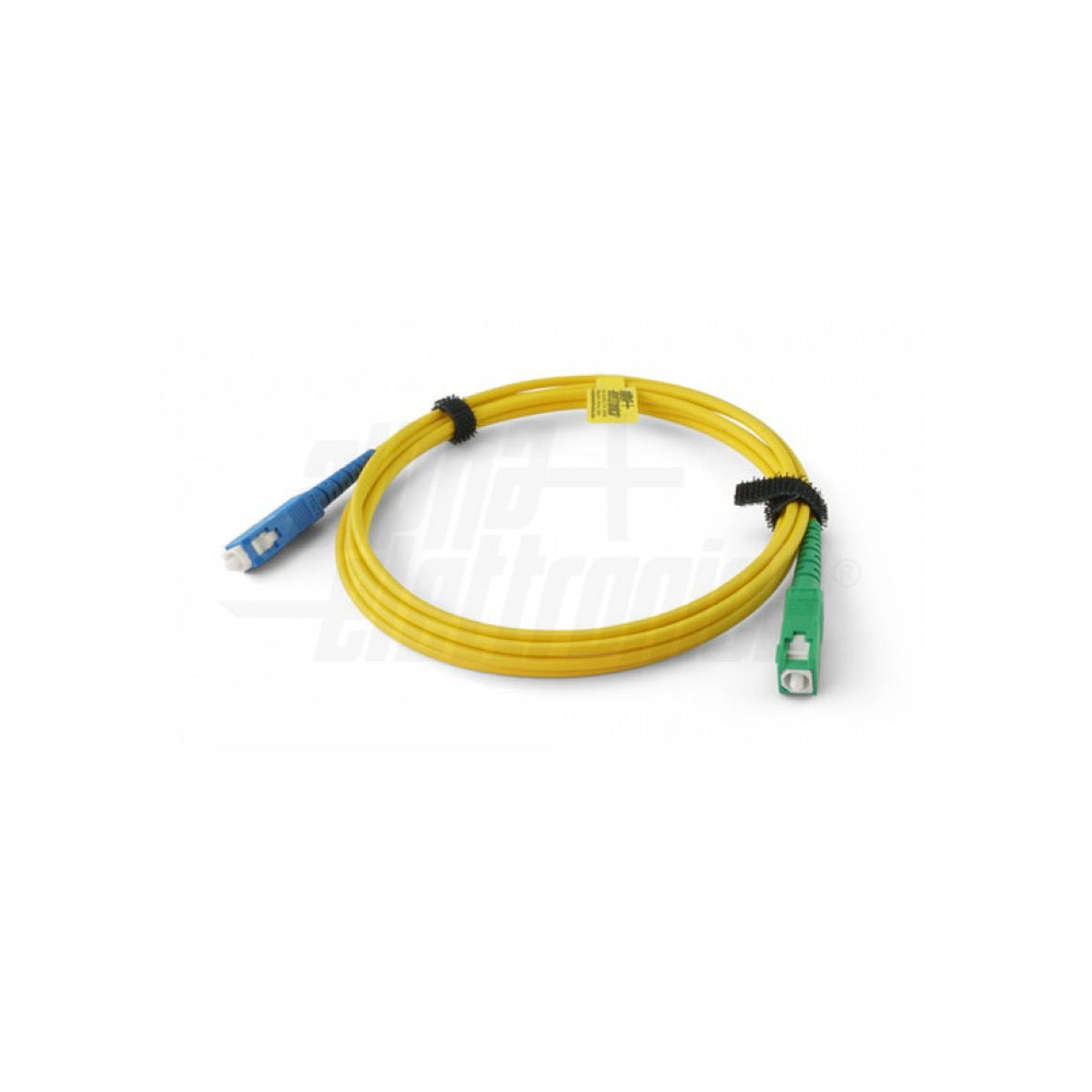
A patch cord has a connector at both ends and connects two pre-installed points: the wall-mounted optical socket and the modem, or two ports in a cabinet. A pigtail has a connector on one side only and bare fiber on the other, to be spliced to the backbone inside an optical fiber distribution box. If you are looking for a cable to plug your router into your wall socket, you need a patch cord.
The three specifications that must match
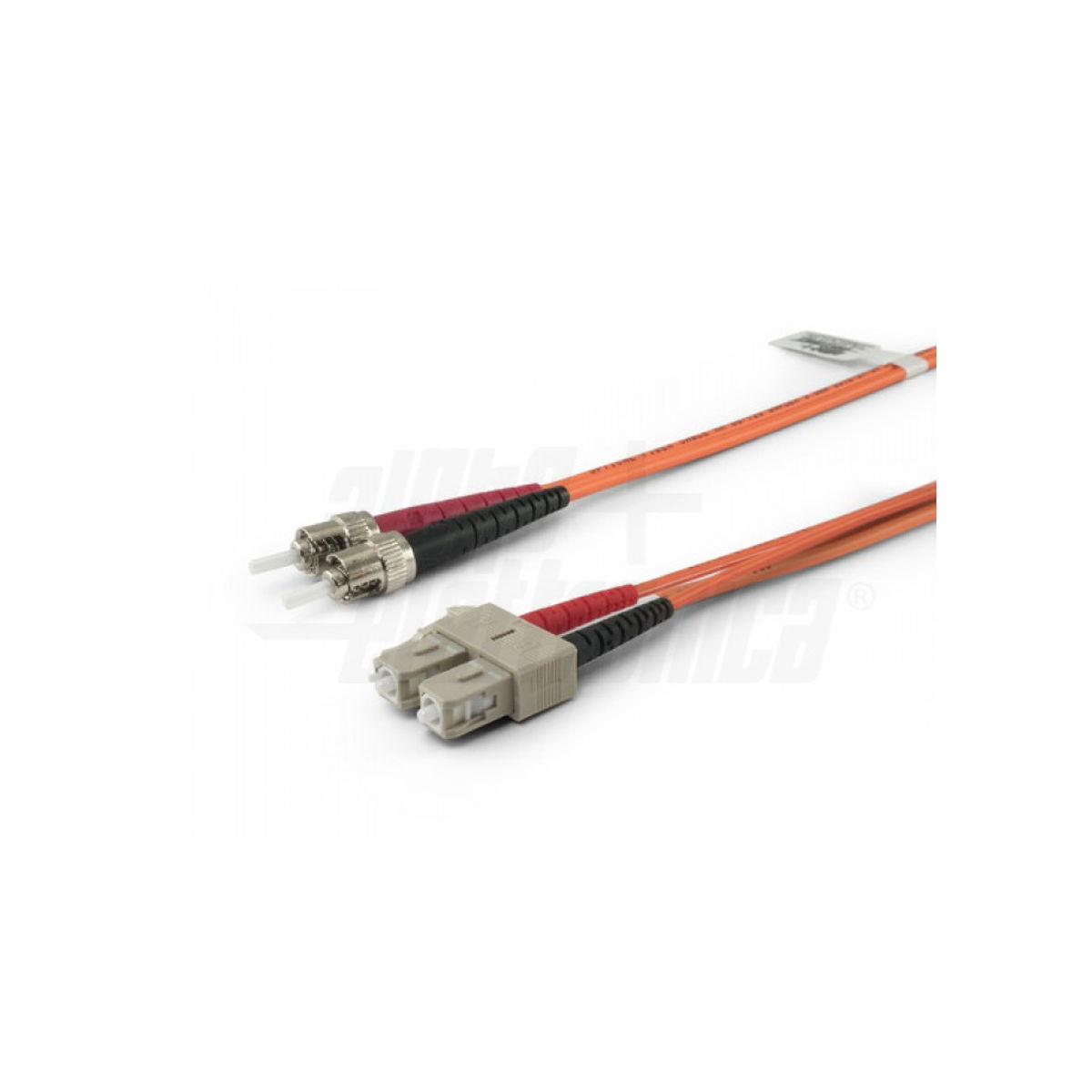
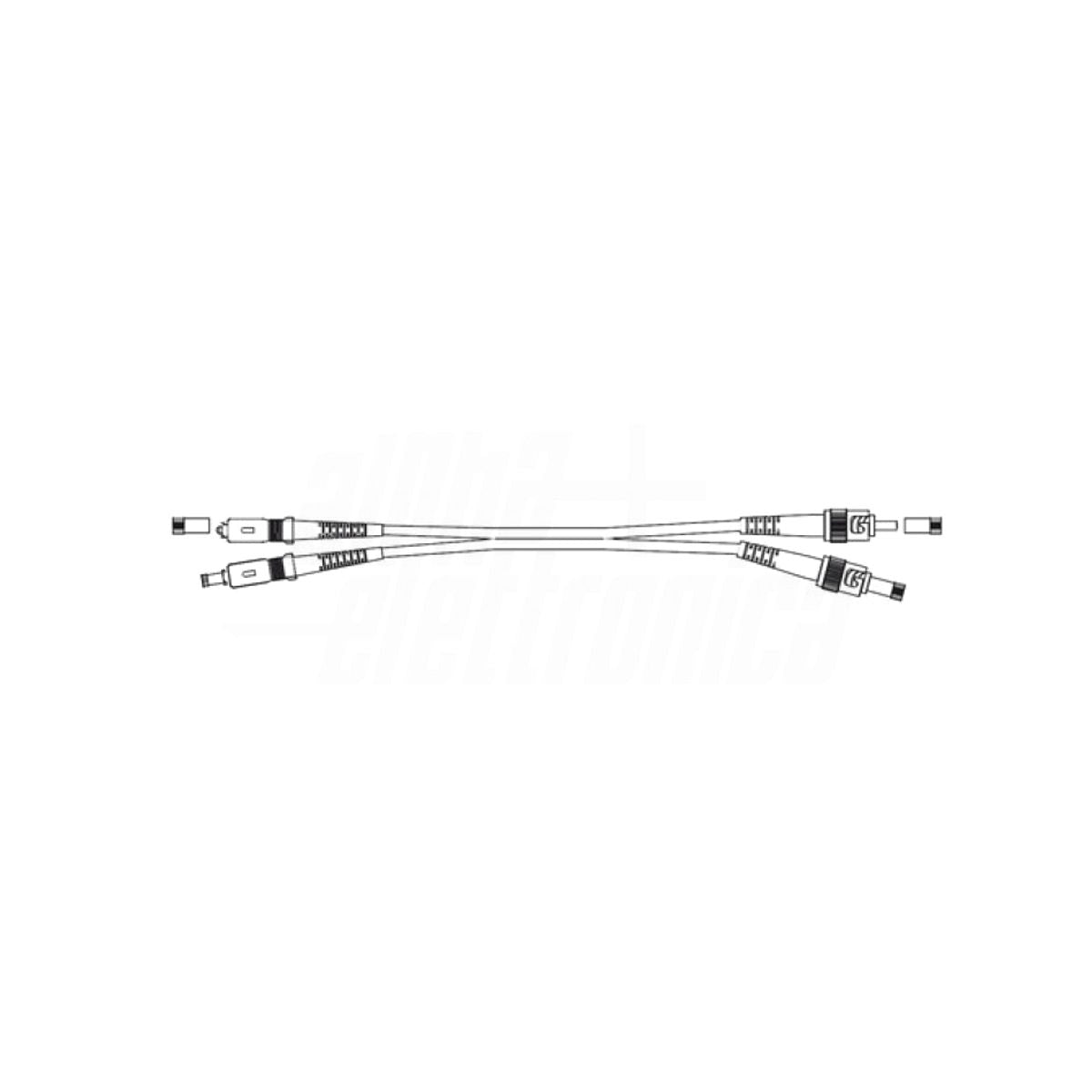
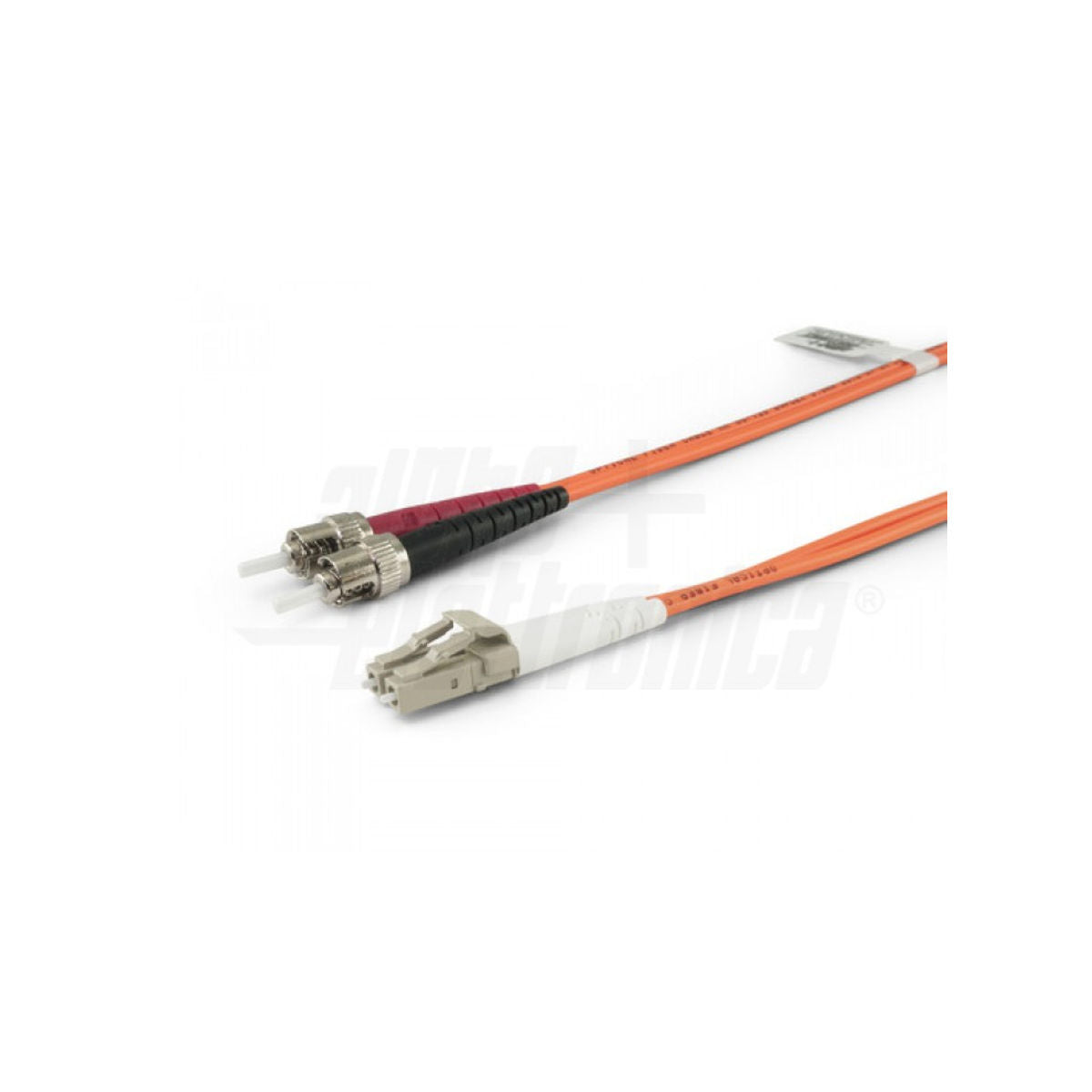
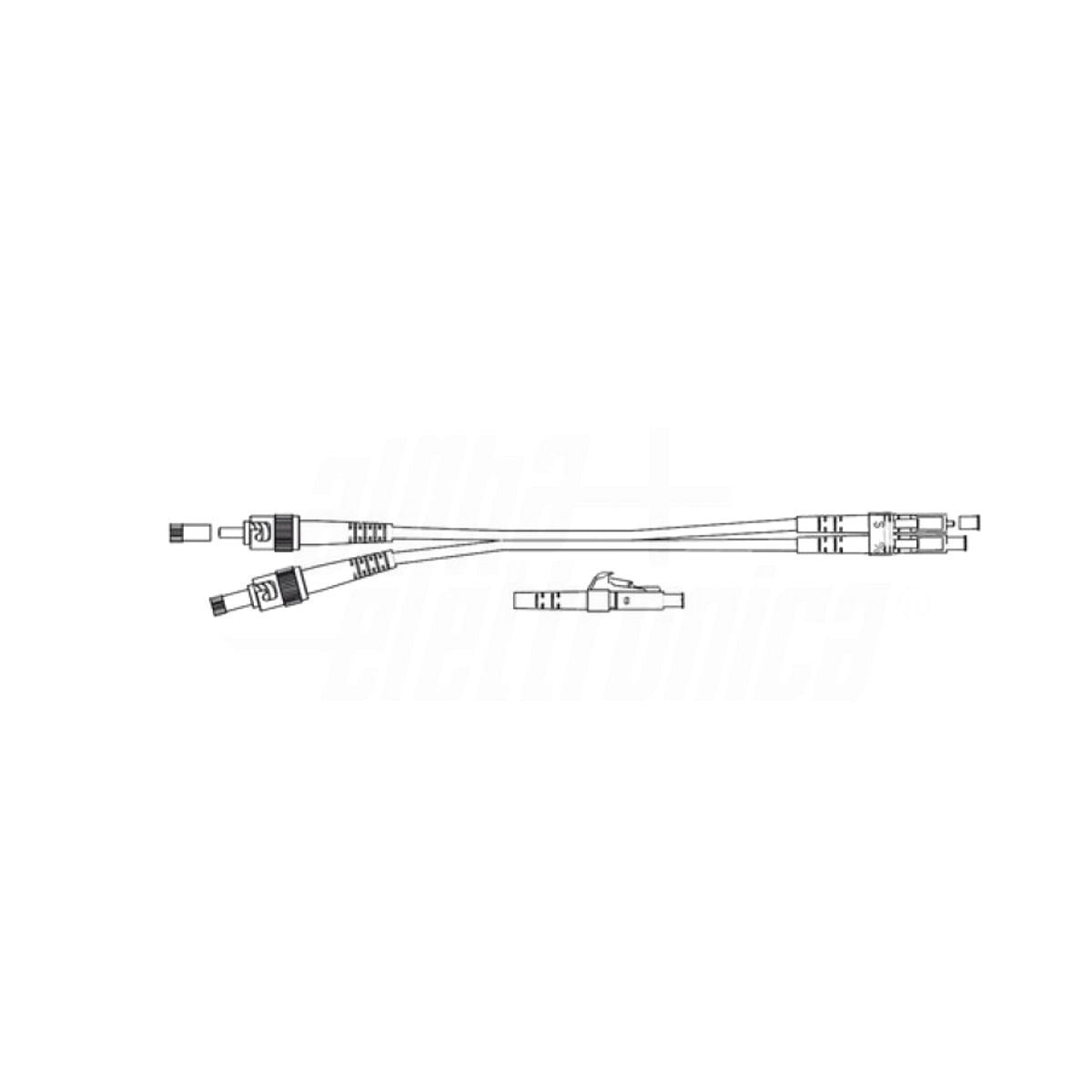
Connector: SC (square, push-pull), LC (small, clip-type), FC (threaded), ST (bayonet-style). The patch cord and the socket must have the same type on each side — and the two sides can differ from each other, for example SC/LC.
Polish: APC (green body, angled face at 8°) or UPC/PC (blue body, flat face). They are not compatible with each other.
Fiber: single-mode 9/125 OS2 (yellow jacket) for FTTH and long distances, multi-mode 50/125 OM2 (orange) or OM3 (aqua) for runs inside a building.
Selection table
| Scenario | Product | Typical |
|---|---|---|
| Home optical socket → FTTH modem | Patch cord | SC/APC – SC/APC, 9/125 OS2, LSZH |
| SC socket → device with LC port | Hybrid patch cord | SC/LC, 9/125 OS2 |
| Connection between switches in the same rack | Multi-mode patch cord | LC/LC or SC/LC, 50/125 OM3 |
| Terminating a backbone in an optical box | Pigtail | 2 m SC/APC, SC/PC, FC/APC or FC/PC |
| Legacy system with bayonet connectors | Patch cord with ST side | SC/ST or ST/LC, 50/125 OM2 |
How to read the specifications
"Patch cord SC/LC 9/125 OS2 single-mode LSZH" means: SC connector on one end, LC on the other; 9-micron core and 125-micron cladding; OS2 single-mode category; Low Smoke Zero Halogen jacket. When the label shows 50/125, we are dealing with multi-mode, and the OM2 or OM3 category tells you how much bandwidth it supports over distance: OM3 is the correct choice for 10 Gigabit connections.
Pro tip. People almost always underestimate the length. Measure the actual route, not the straight-line distance: behind the furniture, inside the conduit, around corners. A taut patch cord is the fastest way to ruin fiber, because the tension reduces the bend radius at the connectors. It is better to have an extra half-meter and a gentle curve.
Frequently Asked Questions
What is the right patch cord for a fiber modem?
In almost all Italian FTTH installations, you need a single-mode 9/125 OS2 patch cord with SC/APC connectors on both ends, identifiable by their green body. However, check the connector on the wall socket before ordering: some equipment uses LC connections.
Can I connect a green connector to a blue one?
Mechanically, it might fit, but you shouldn't do it. The angled face of the APC and the flat face of the UPC do not mate properly and leave an air gap: the signal will reflect, and the line will either degrade or fail.
Can I use a pigtail instead of a patch cord?
Only if you have the tools to splice bare fiber. A pigtail is designed to be fusion-spliced to the backbone inside an optical box; it does not have a second connector and cannot be used as a ready-to-use cable.
Can single-mode and multi-mode be mixed?
No. The core and transmission optics are different: connecting a single-mode patch cord to a multi-mode device (or vice versa) creates losses that render the connection unusable, even if the connectors are compatible.
What does LSZH mean?
Low Smoke Zero Halogen: a jacket that, in the event of a fire, does not propagate flames or release acidic smoke. This is the requirement for indoor installations, particularly along escape routes.
For adapters, quick connectors, termination boxes, and tools, see the optical cabling section.





