




















































Lithium batteries for photovoltaic
Filter
Sort by:
Lithium batteries for photovoltaics: the choice is how many kWh, not which brand
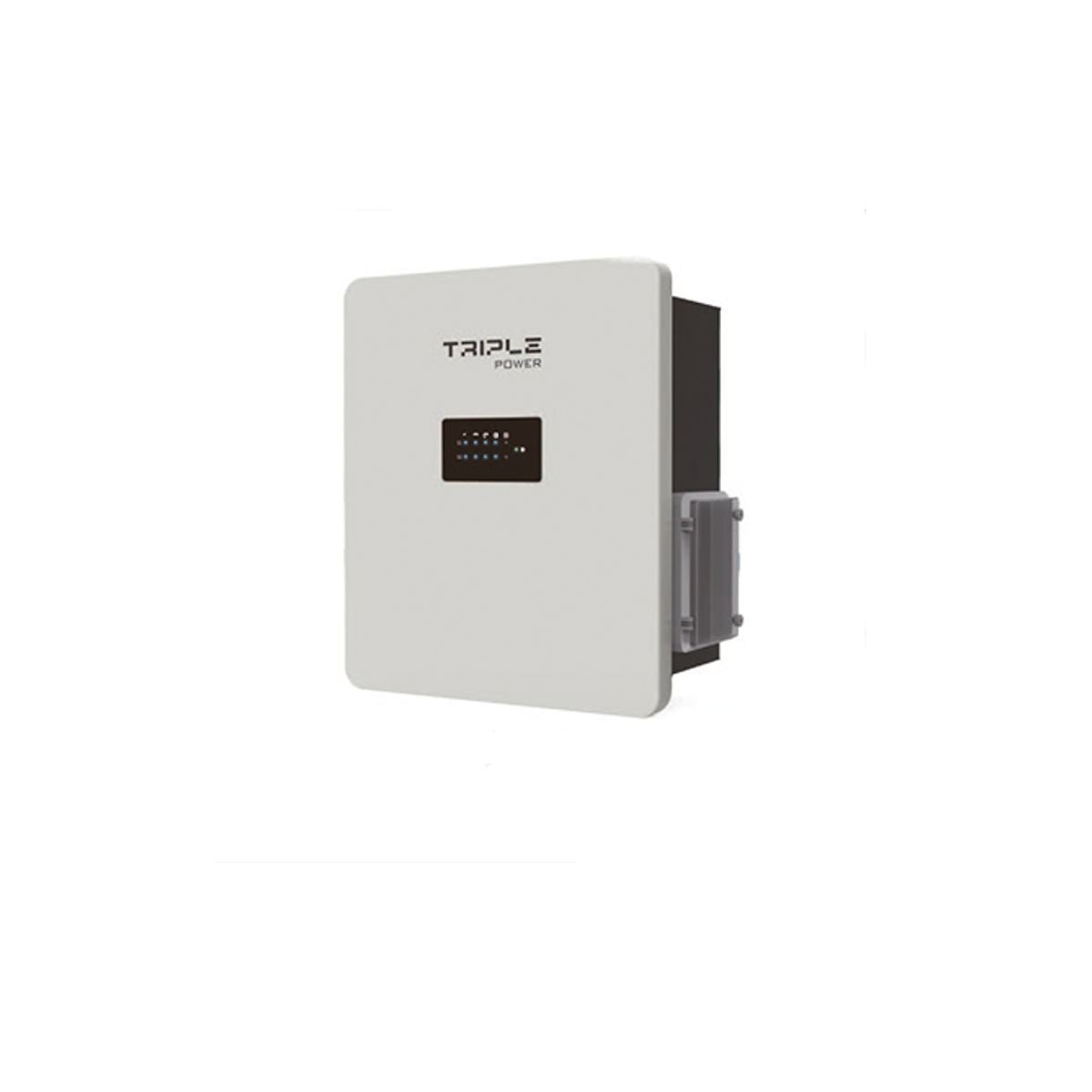
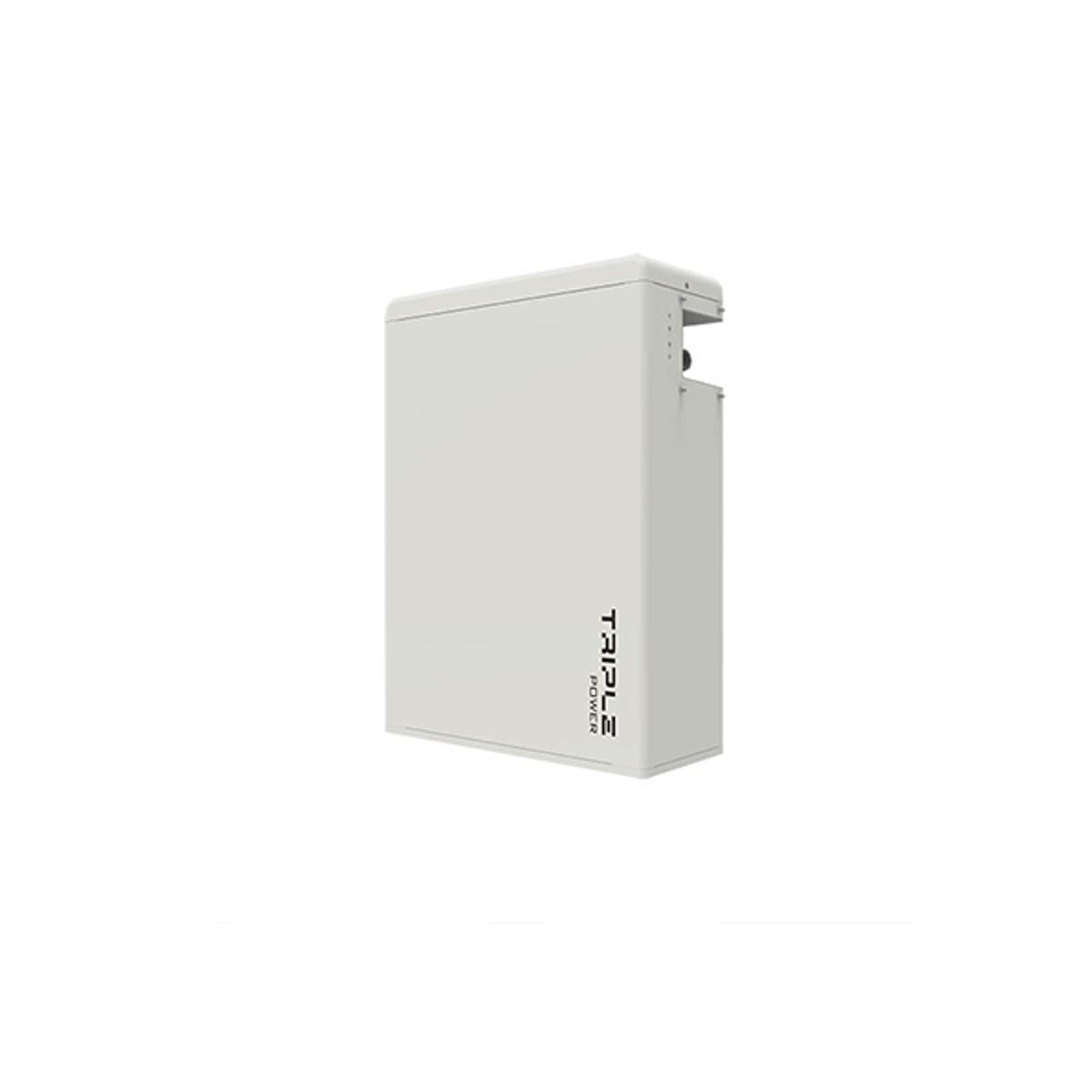
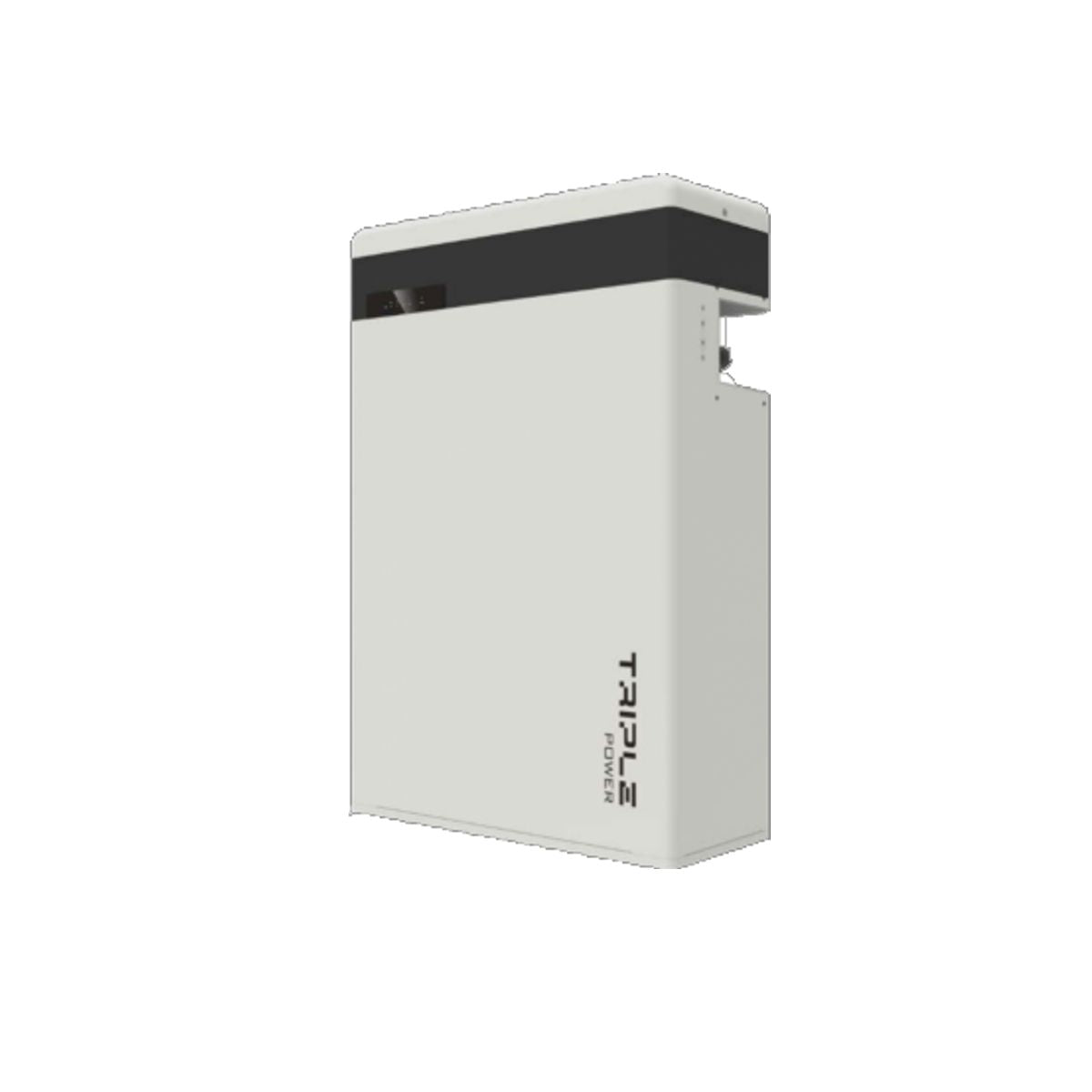
If you already have a system or are planning one, storage serves only one purpose: to use the energy produced during the day at night. The right question, therefore, is not "which battery," but how much capacity you need and whether it is compatible with your inverter. In this section, you will find 5.8 kWh SolaX Triple Power T58 lithium modules, in master and slave configuration, plus the BMS for parallel connection.
Master and slave: the most common ordering mistake
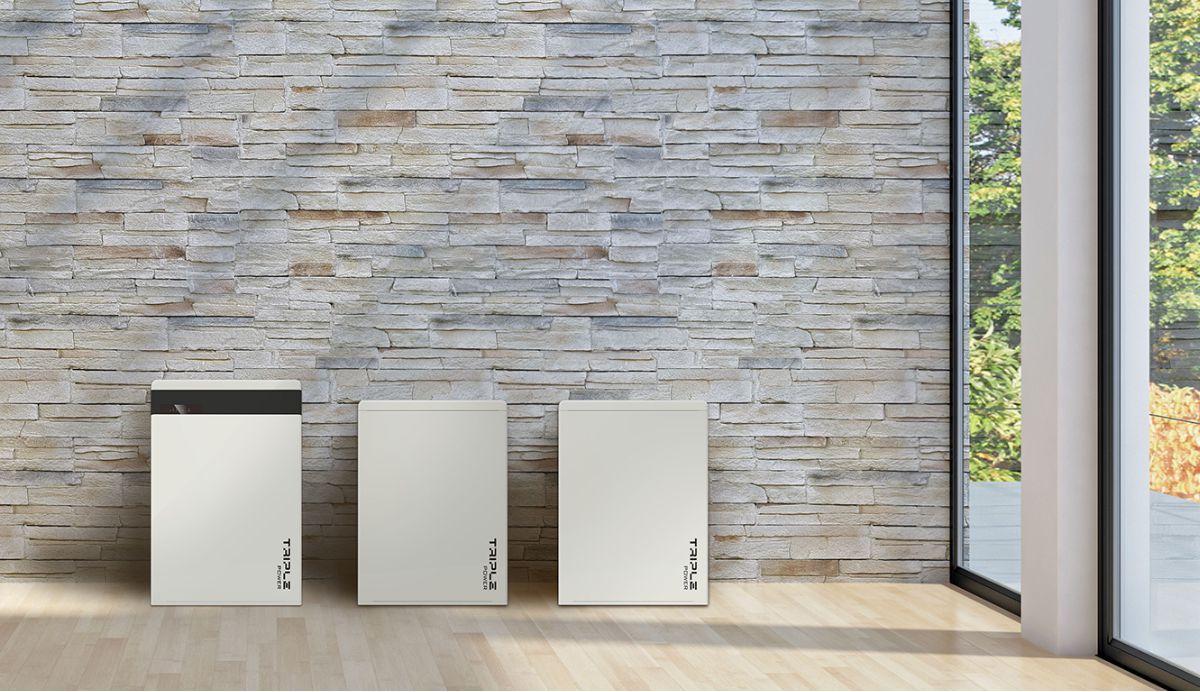
A T58 system is not made by putting identical modules together. You need one MASTER module, which contains the management electronics and communicates with the inverter, plus one or more SLAVE modules that only add capacity. Ordering two masters, or only slaves, means having a storage system that won't start. Rule of thumb: always one master, then as many slaves as needed.
How much capacity is actually needed
The useful calculation is based on evening and night consumption, not on total annual consumption: the storage covers the hours without sun. Take the kWh you consume from sunset to sunrise on a typical day and add a margin.
| Profile | Indicative evening/night consumption | T58 Configuration |
|---|---|---|
| Couple, home without heat pump | up to 5 kWh | 1 master (5.8 kWh) |
| Family with evening appliances | 6 – 11 kWh | 1 master + 1 slave (11.6 kWh) |
| Family with heat pump or nightly EV charging | 12 – 17 kWh | 1 master + 2 slave (17.4 kWh) |
| Commercial business or extended backup need | over 17 kWh | multiple strings with parallel BMS |
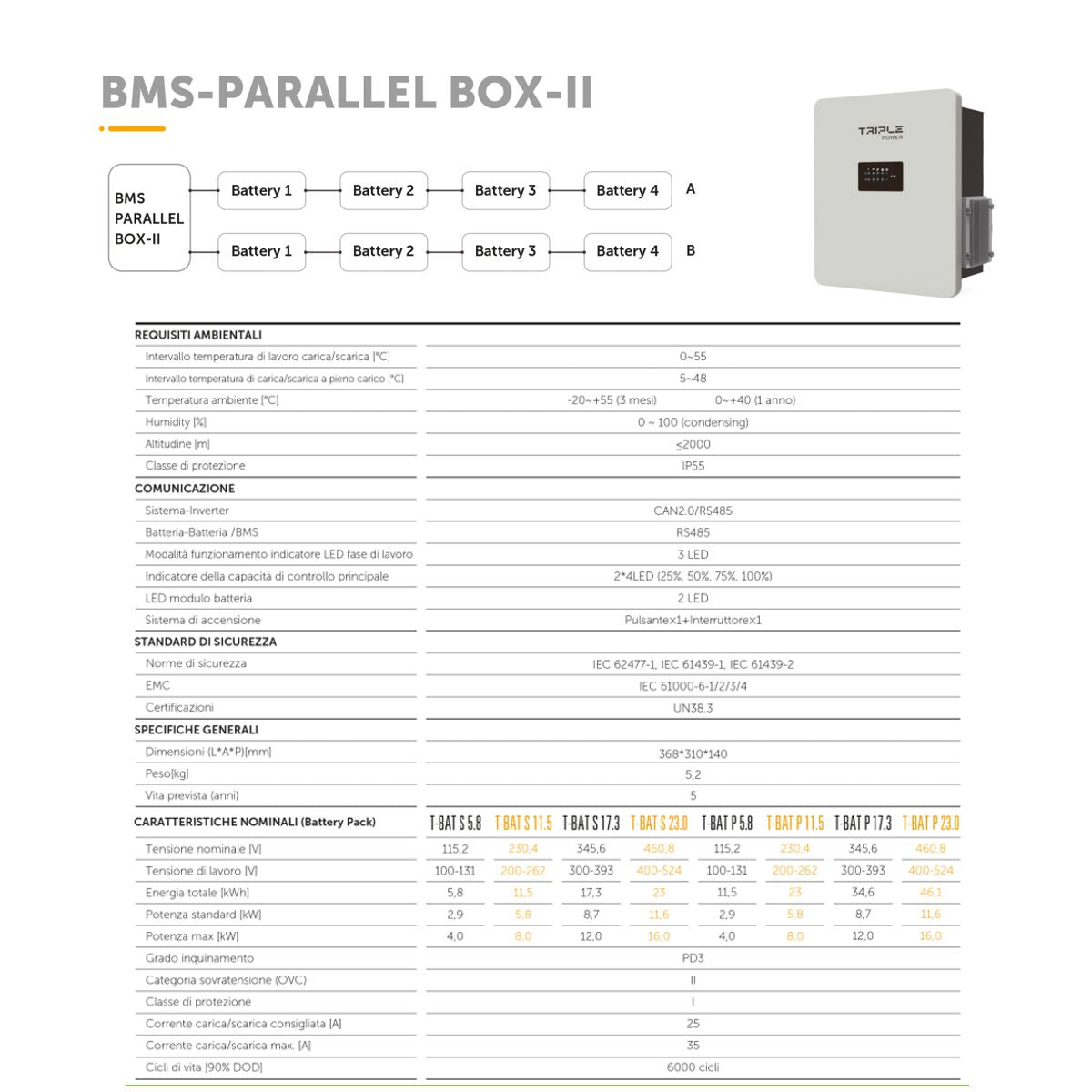
The BMS for parallel connection is needed when the number of modules exceeds what can be handled by a single string: it allows you to double the battery bank while maintaining balance between the two groups.
Our advice. Oversizing the storage is the most expensive waste in photovoltaics: a battery that never fully discharges does not pay back the price difference. It is better to start with the capacity that covers actual evening consumption and add a slave after the first winter, once you have real data from the monitoring. The system is modular for precisely this reason. If you send us the make and model of your inverter, we will check compatibility before you order.
Before ordering: three checks
1. Compatible inverter. High-voltage batteries only communicate with compatible inverters: check your inverter manual to ensure the battery model is on the list.
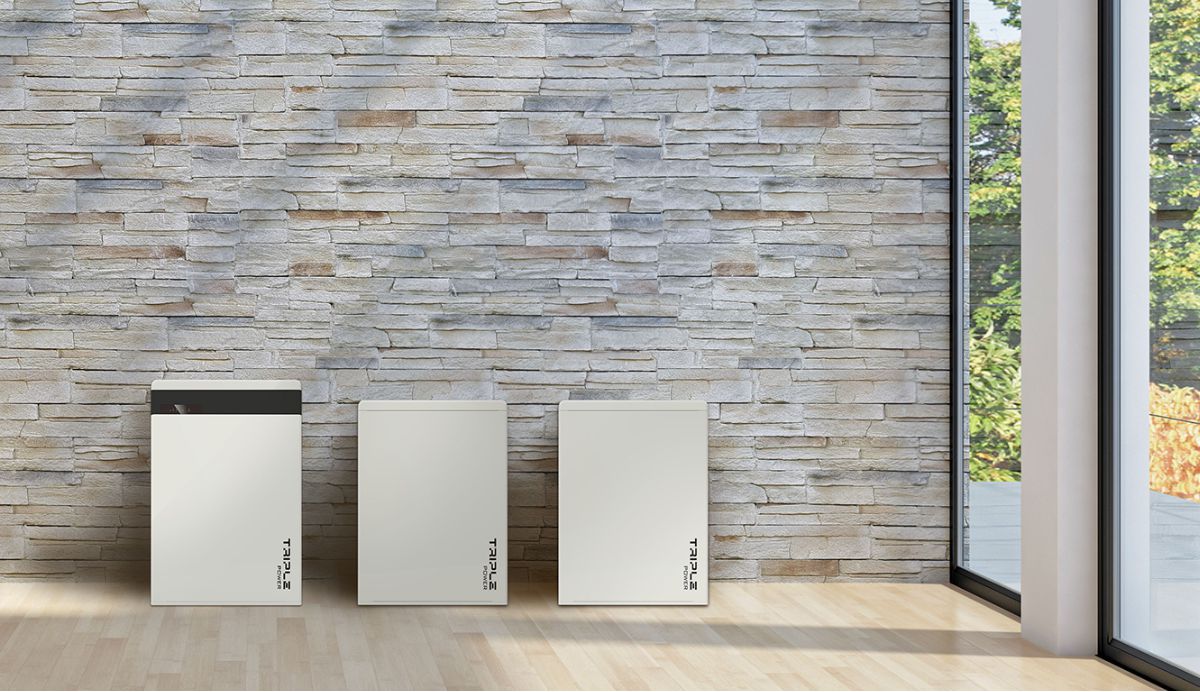
2. Space and weight. The modules stack in a tower and must be placed on a flat, ventilated surface, protected from freezing temperatures and direct sunlight.
3. Installation. Connection must be performed by a qualified installer: we are dealing with high DC voltages, not a plug-and-play appliance.
Frequently asked questions
Can I add modules later?
Yes, that is the advantage of a modular system: you start with one master and add slaves when needs change. It is good practice for added modules to be from the same series to avoid imbalances in cell aging.
Does the storage keep the house running during a blackout?
Only if the inverter features a backup function and has been wired with the dedicated panel. Without that setup, the system automatically disconnects from the grid by regulation and the battery does not power the appliances. This choice must be made during the design phase.
How long does a lithium battery for photovoltaics last?
Service life is measured in charge and discharge cycles, not years: a home system typically completes one cycle per day. The actual lifespan depends on the depth of discharge and operating temperature; for precise data, refer to the warranty declared by the manufacturer on the individual product datasheet.
Is a dedicated utility room required?
Not necessarily, but you need a dry, ventilated environment with a stable temperature. Garages and utility rooms are fine; uninsulated attics and south-facing walls should be avoided.
For the rest of the components, see photovoltaic panels, inverters, and the photovoltaic overview.





