






















































Inverter
Filter
Sort by:









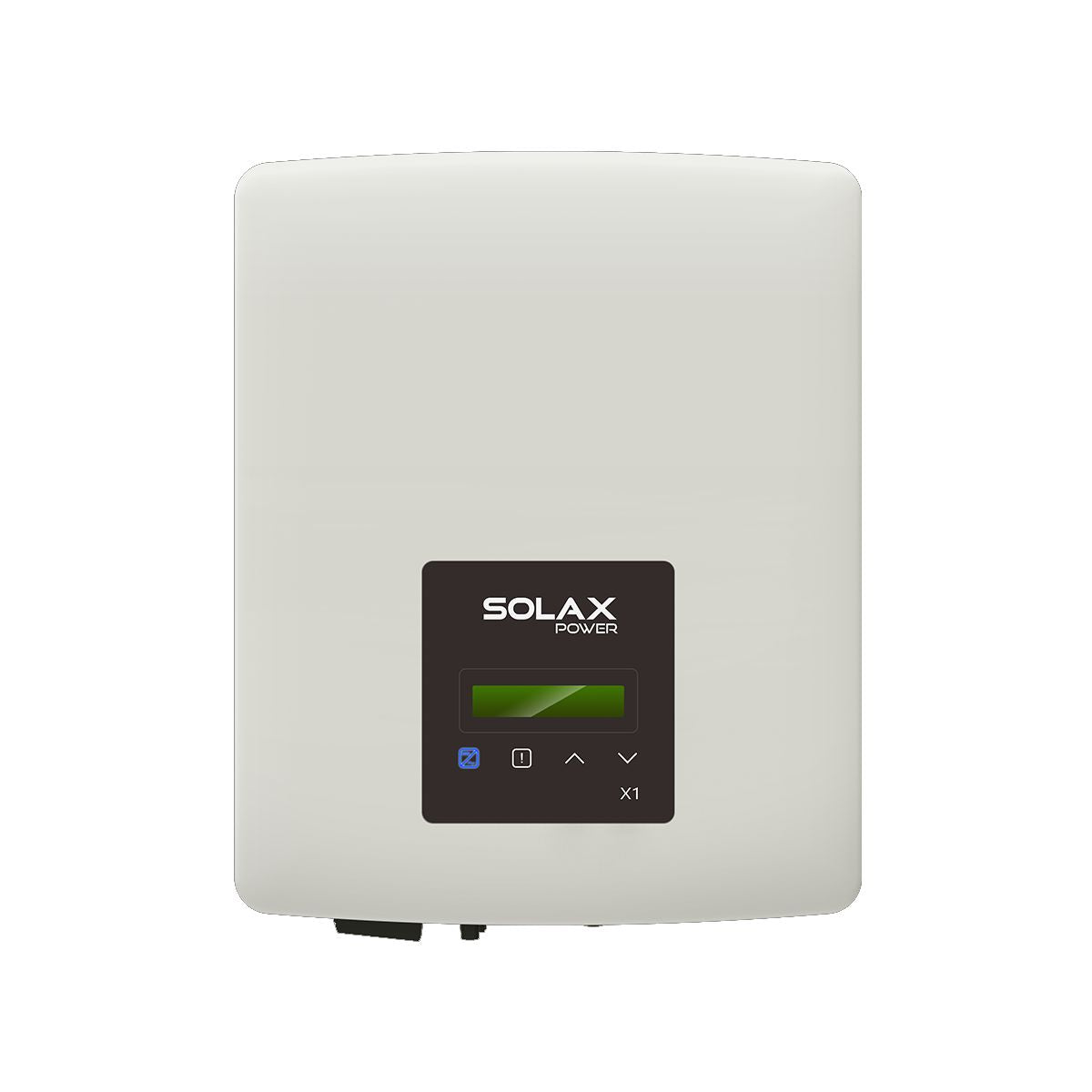
Photovoltaic inverter: hybrid or traditional, single-phase or three-phase
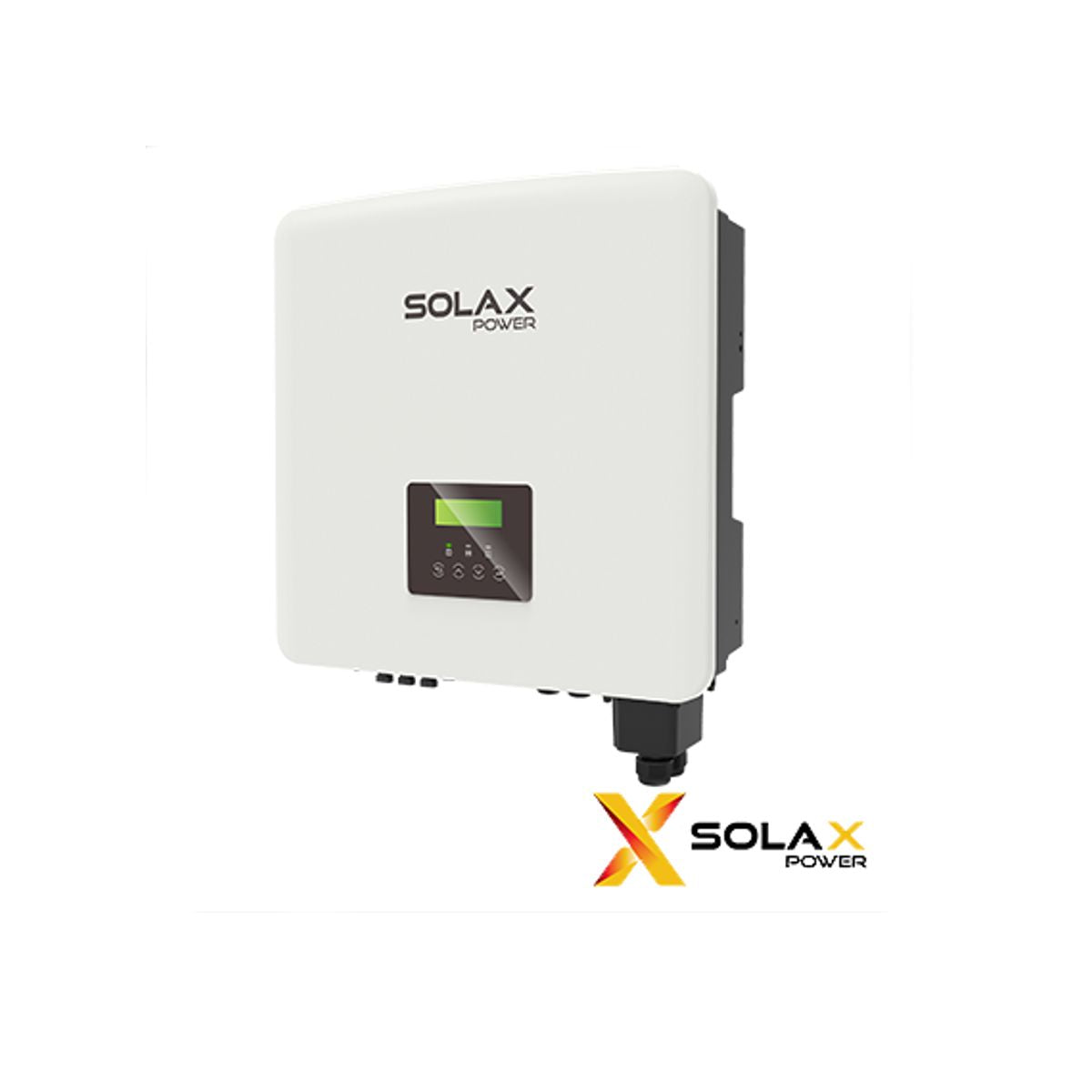
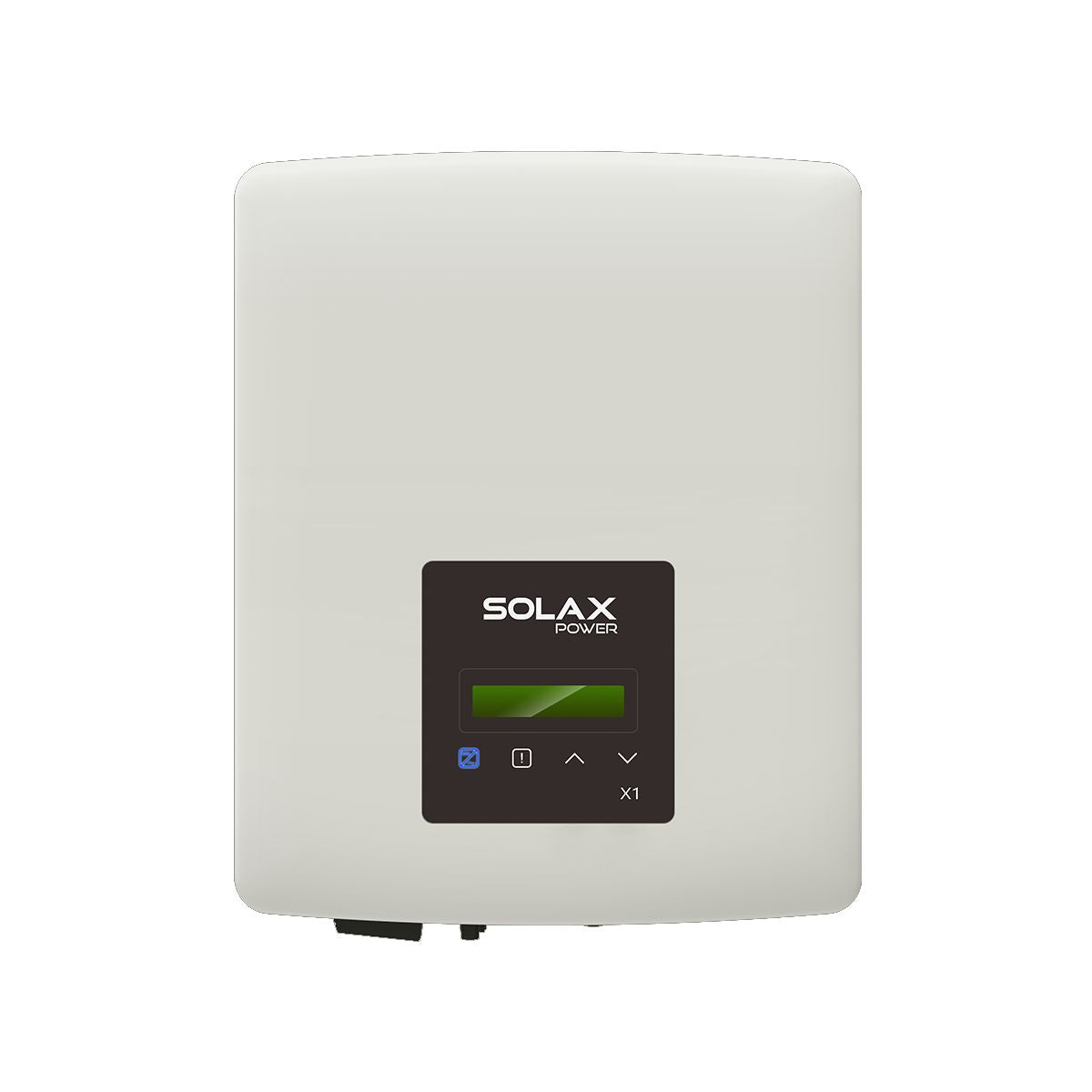
The inverter is the heart of the system: it converts the direct current from the panels into alternating current that can be used at home, decides how much energy to send to self-consumption, and, if it is hybrid, it also manages the charging and discharging of batteries. The choice comes down to three things: power, supply type (single-phase or three-phase), and whether you want storage, now or later.
Single-phase or three-phase
This is not a preference; it is a feature of your meter. Italian household utilities are generally single-phase up to 6 kW of committed power; three-phase relates to larger supplies, commercial activities, and homes with heat pumps, charging stations, or heavy machinery. A three-phase inverter cannot be installed on a single-phase supply.
Selection table
| Situation | Inverter |
|---|---|
| Single-phase home, small system, storage planned | 3 kW single-phase hybrid with disconnect switch |
| Single-phase home with high consumption | 6 kW single-phase hybrid with disconnect switch |
| Domestic three-phase supply, heat pump or electric car | 6 or 8 kW three-phase hybrid, dual MPPT |
| Large system, commercial or artisanal business | 10 or 15 kW three-phase hybrid, dual MPPT |
| Off-grid system: cabin, camper, shed | Pure sine wave off-grid inverter with integrated battery charger and charge controller |
The meter is not an optional accessory
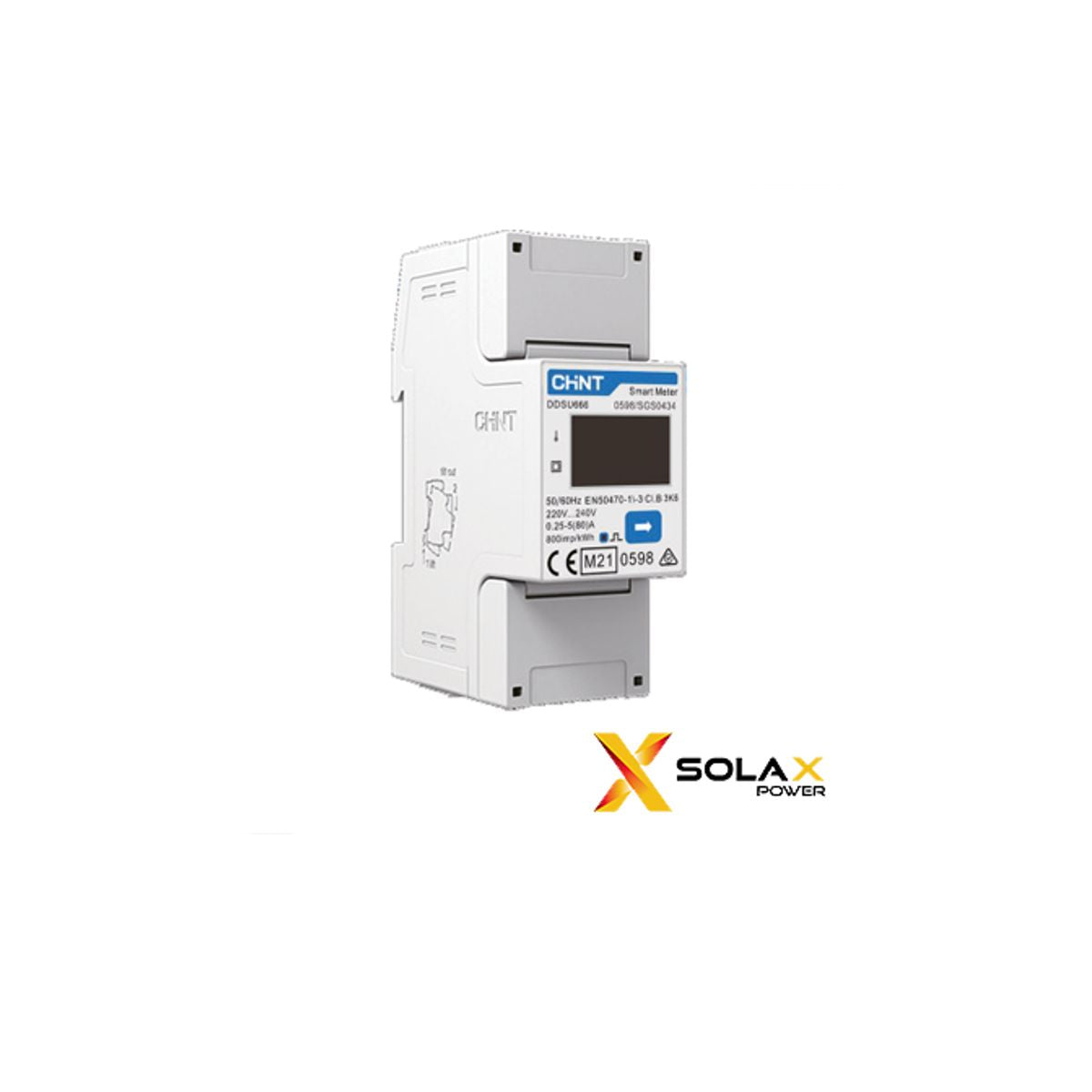
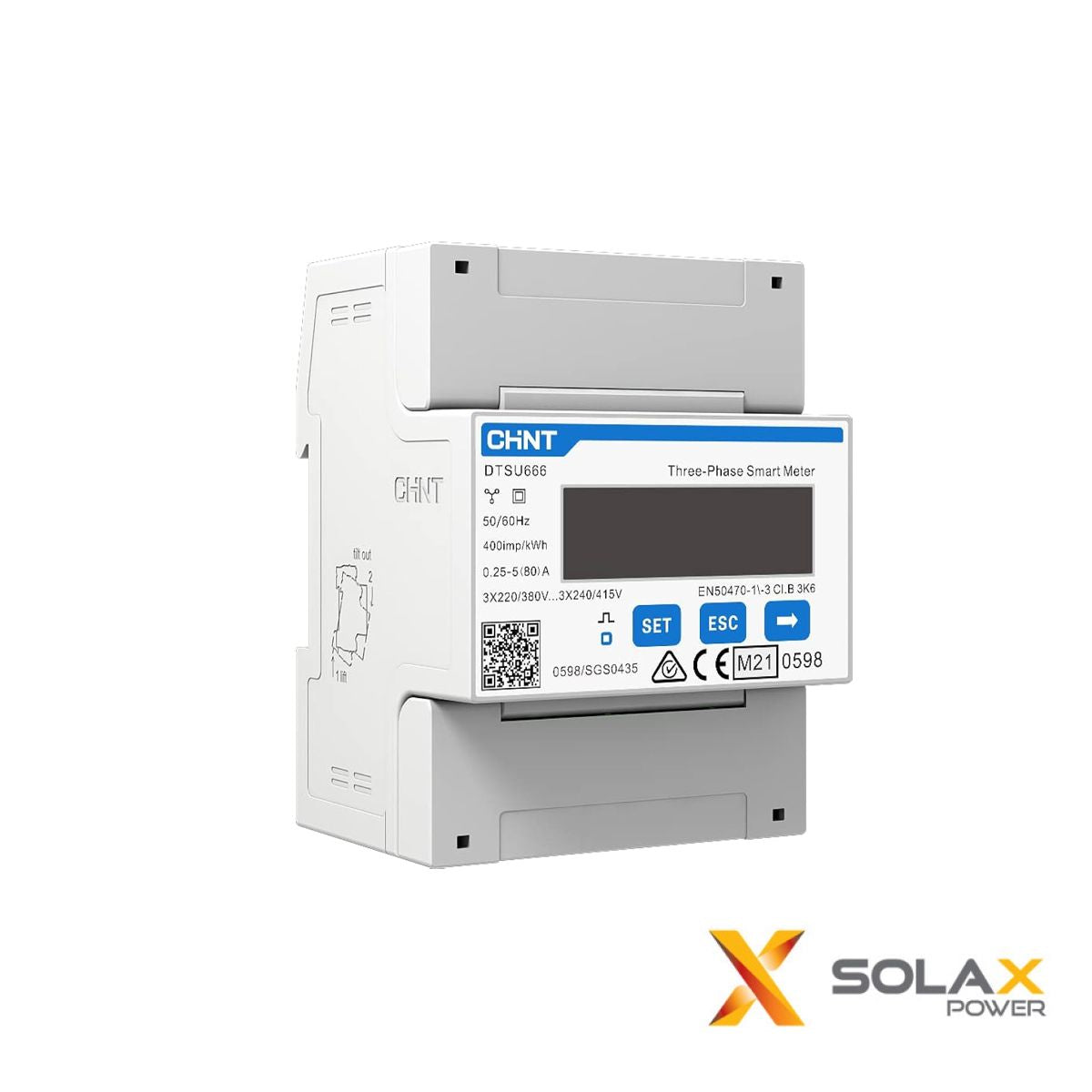
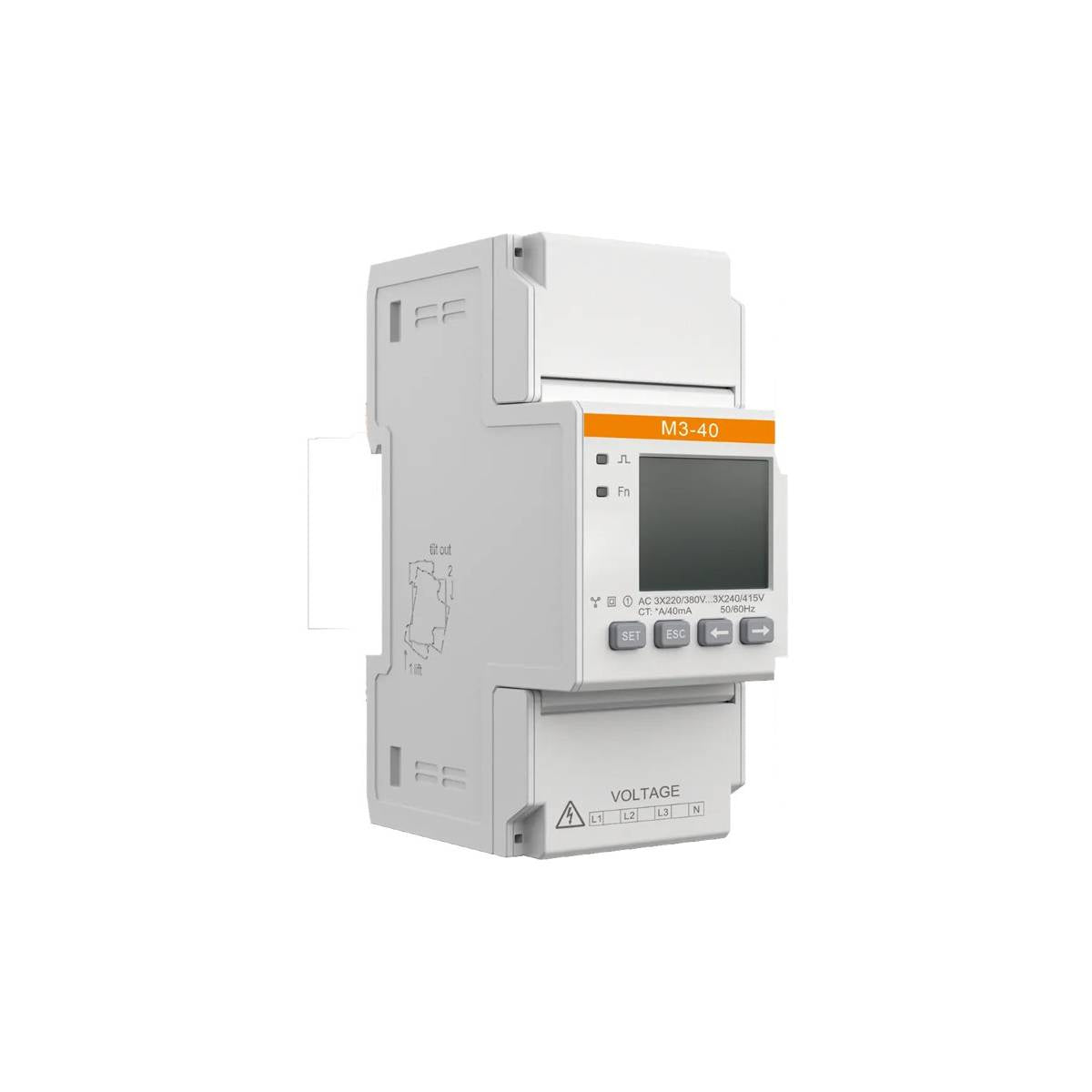
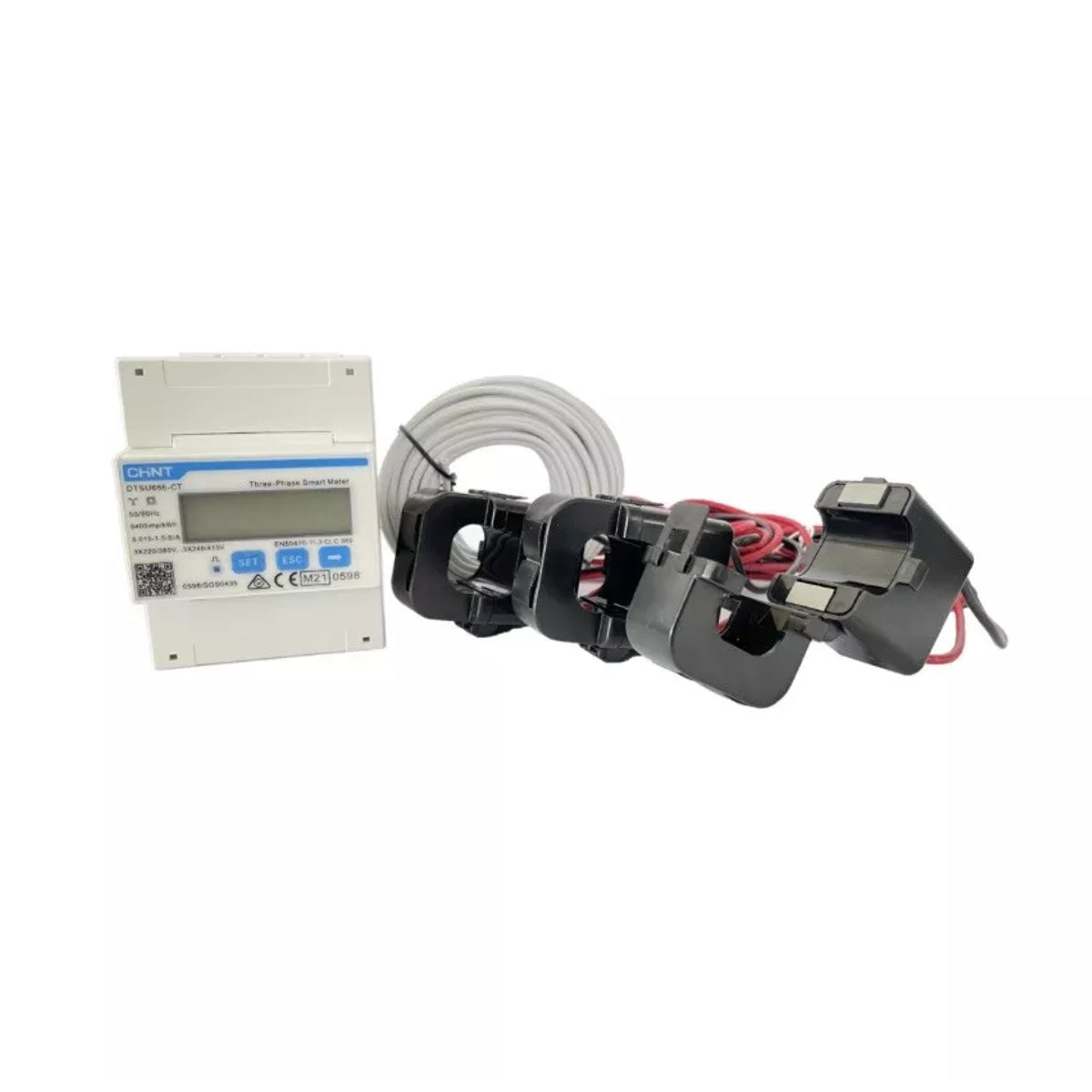
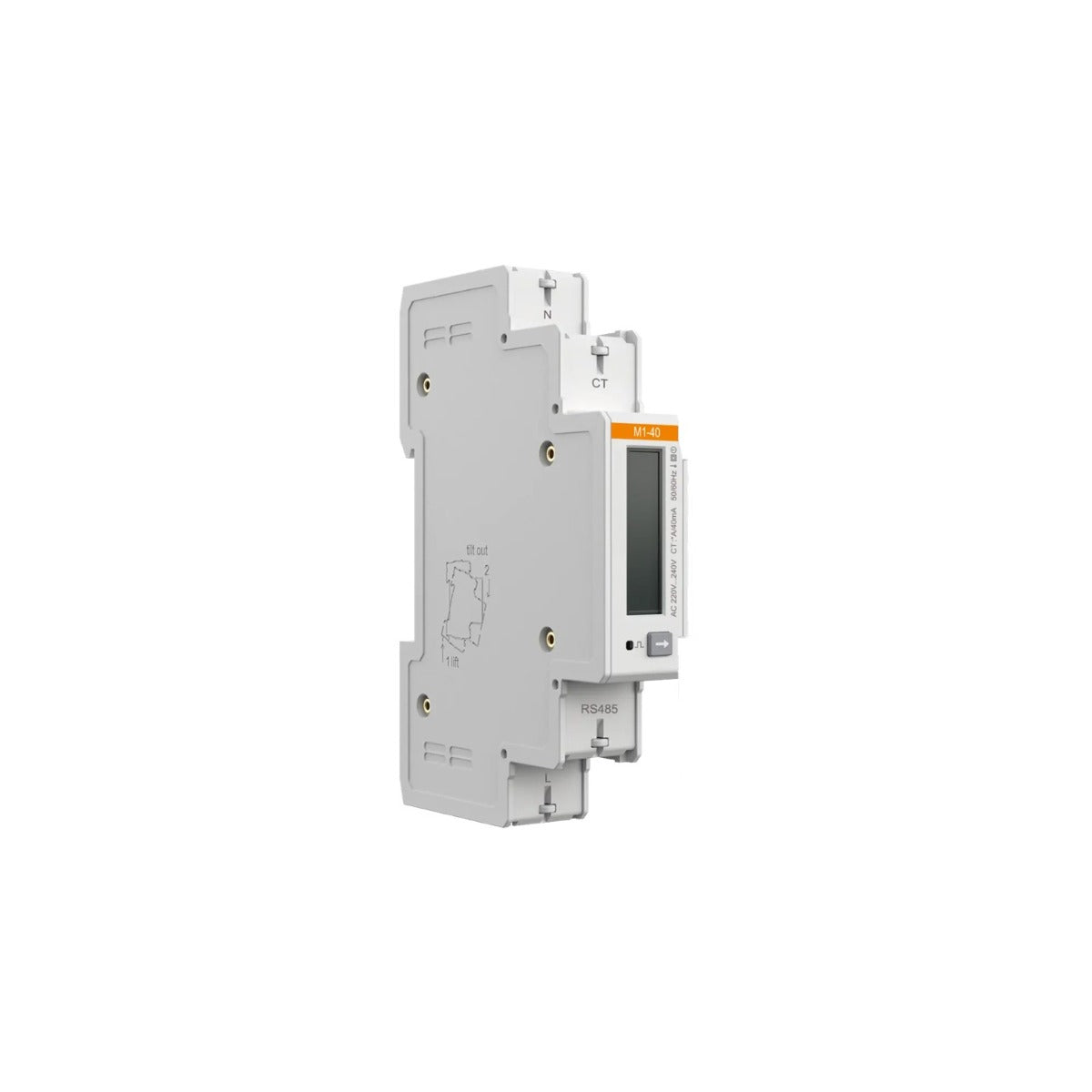
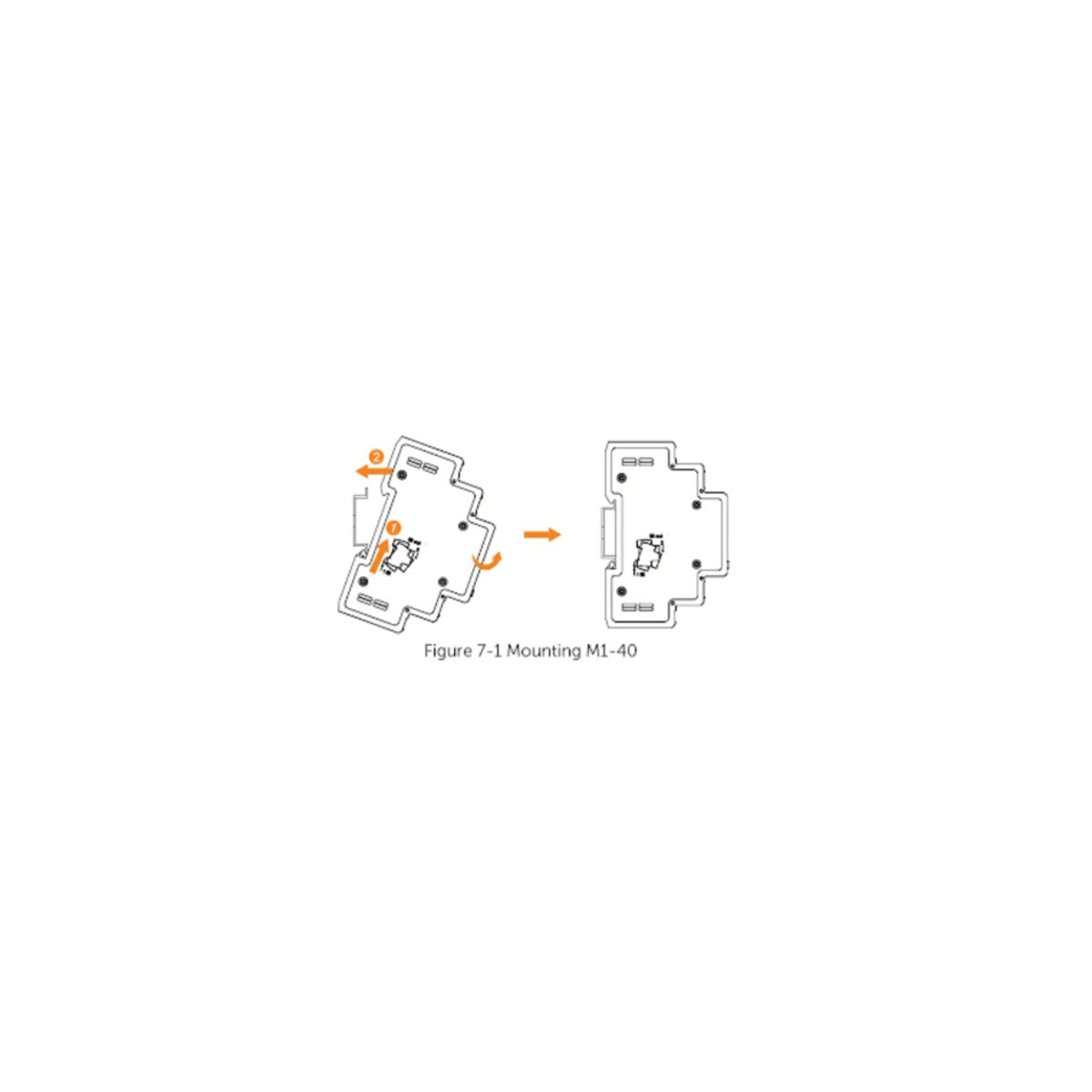
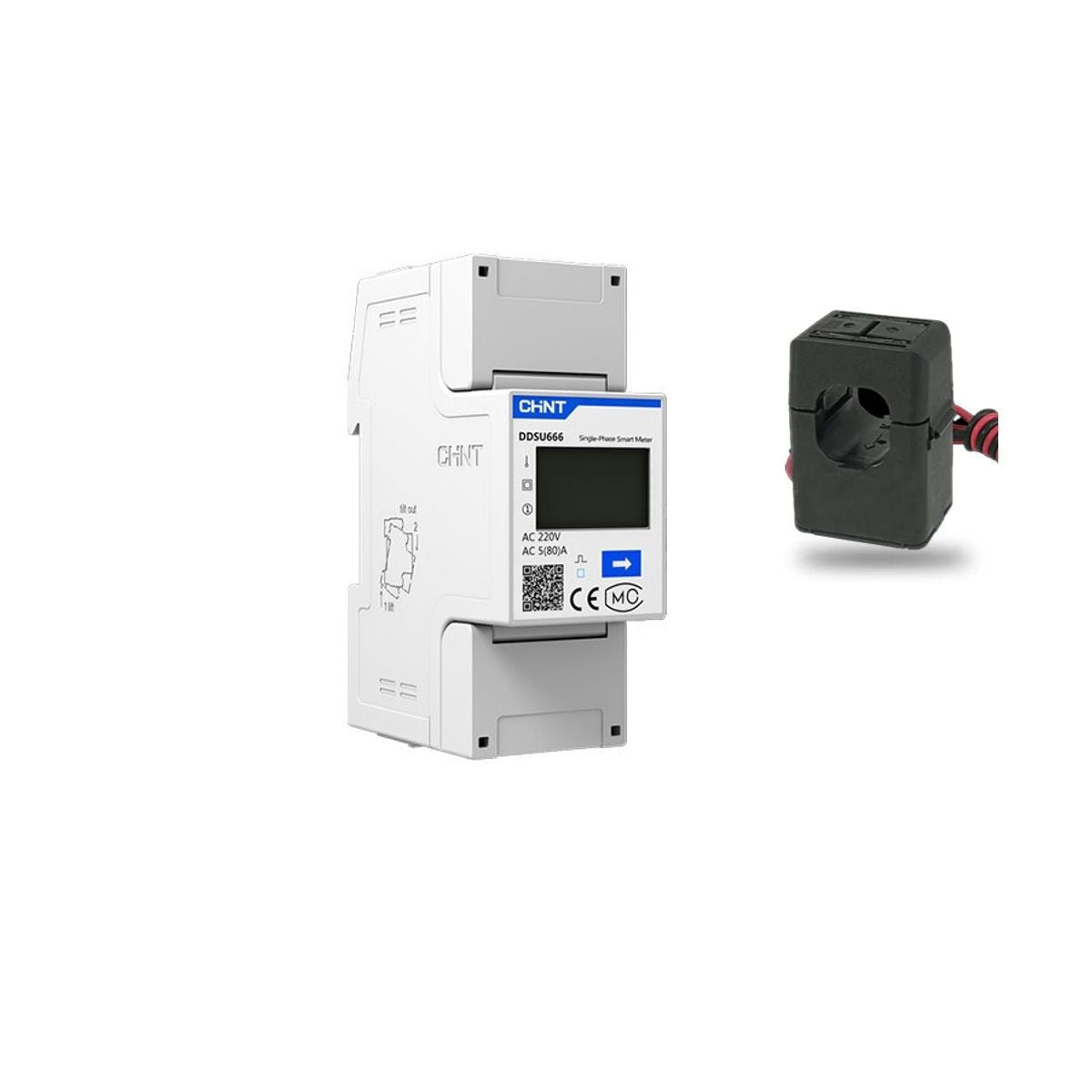
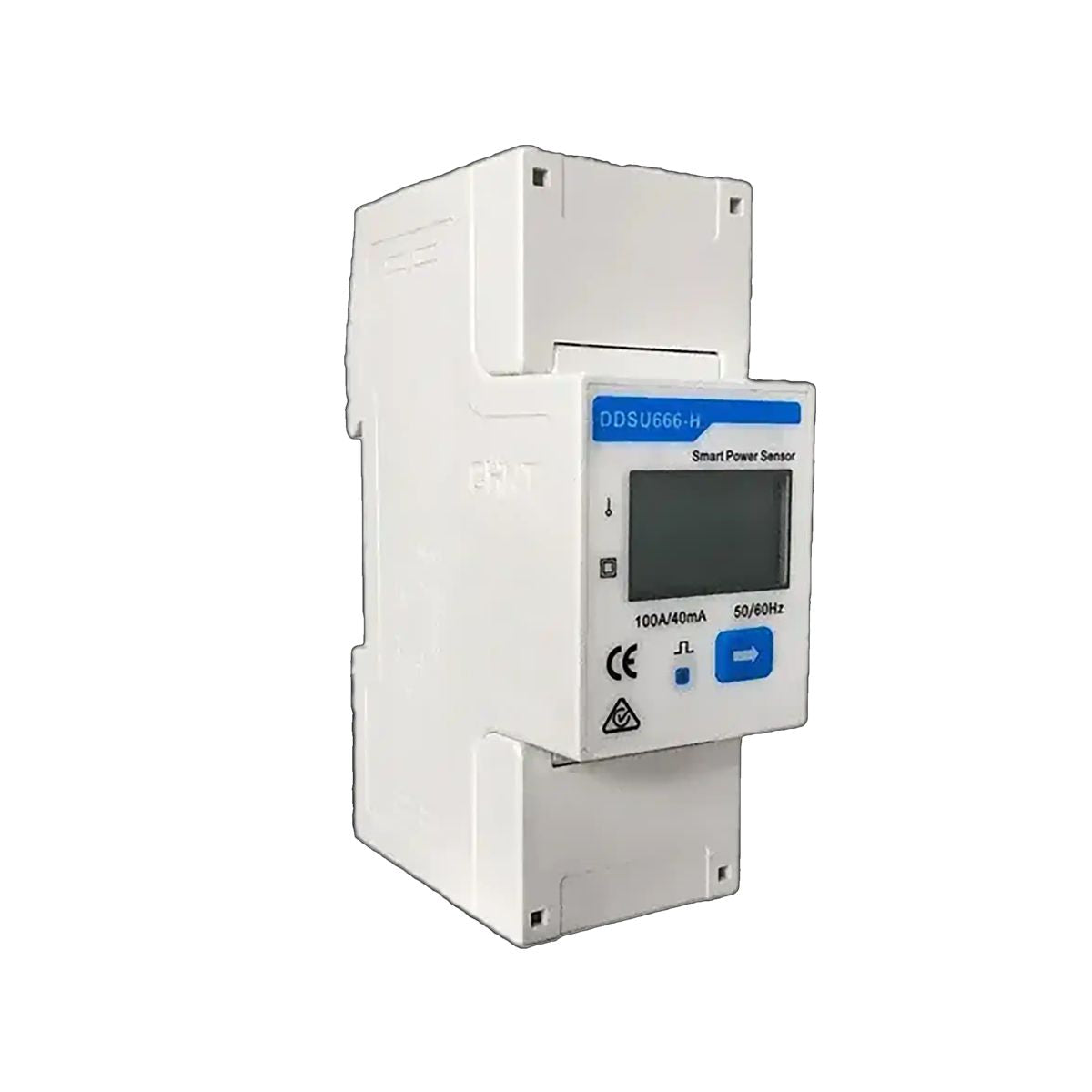
It is the part that almost everyone forgets to add to their cart. The energy meter measures the flow exchanged with the grid and communicates to the inverter how much energy is going out or coming in: without it, the inverter cannot optimize self-consumption or correctly manage battery charging. It comes in single-phase and three-phase versions, with or without a CT (current transformer) that snaps onto the cable. The choice must match your supply type and the installed inverter: a meter for one brand of inverter may not communicate with another.
Dongle: without monitoring, you are working blind
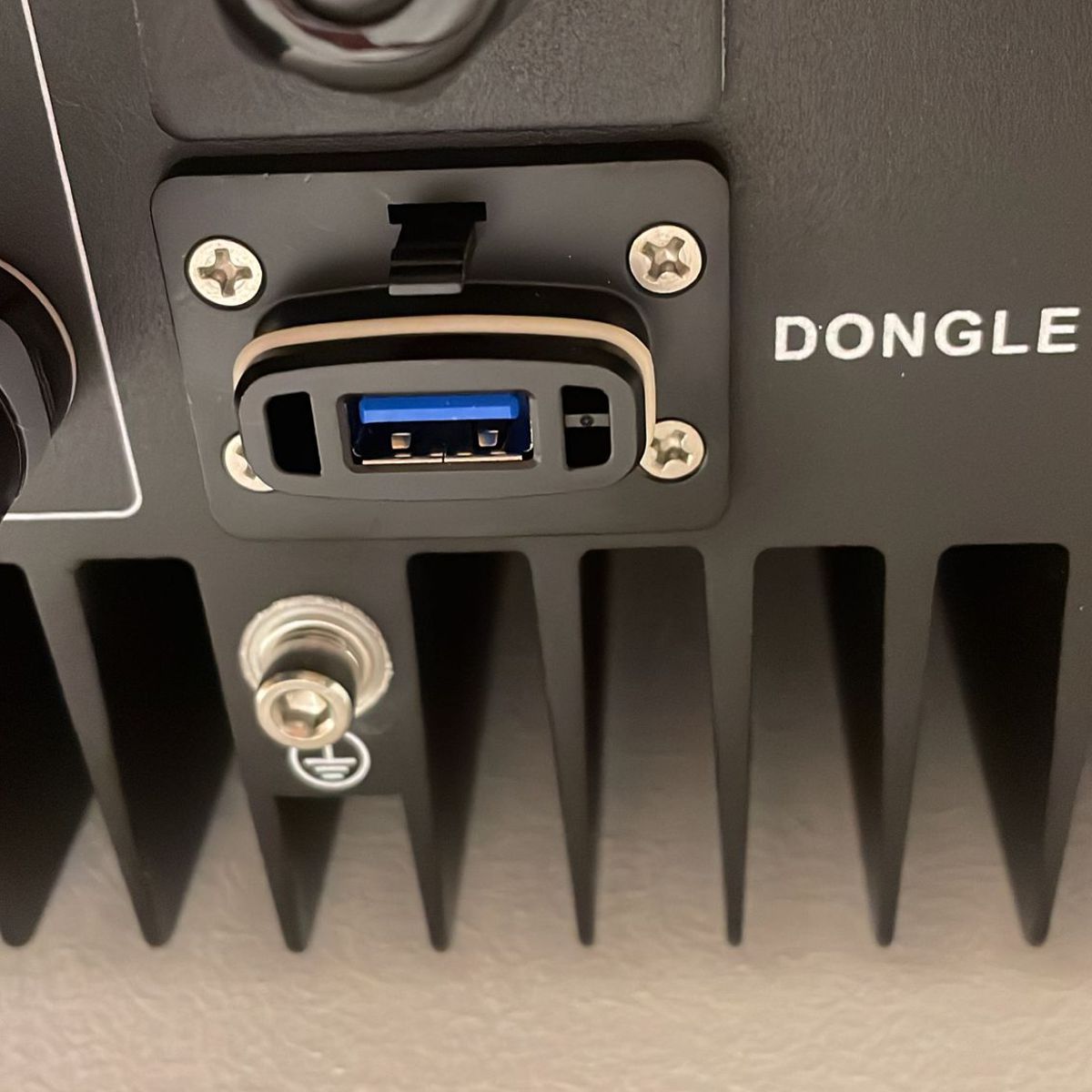
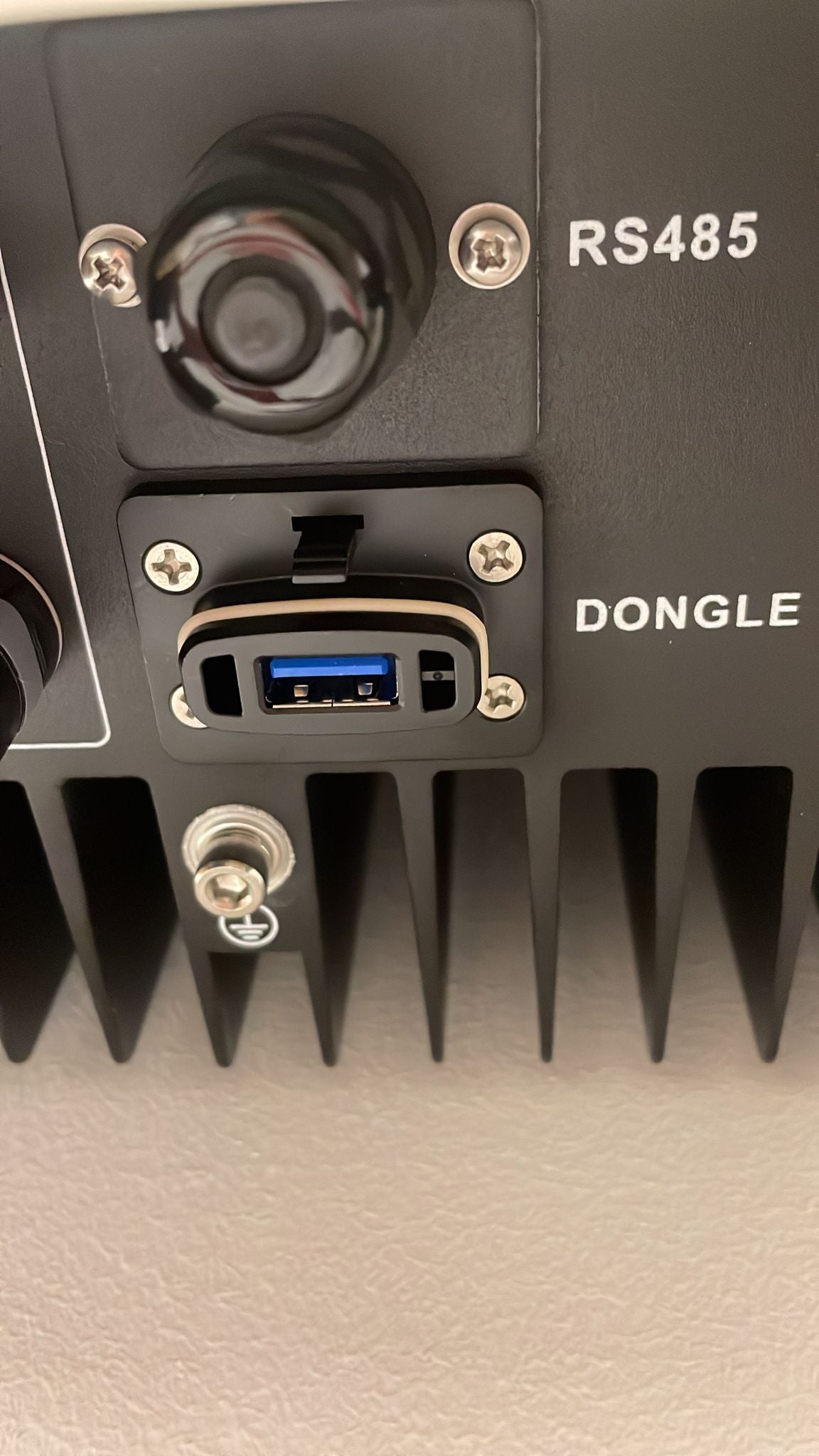
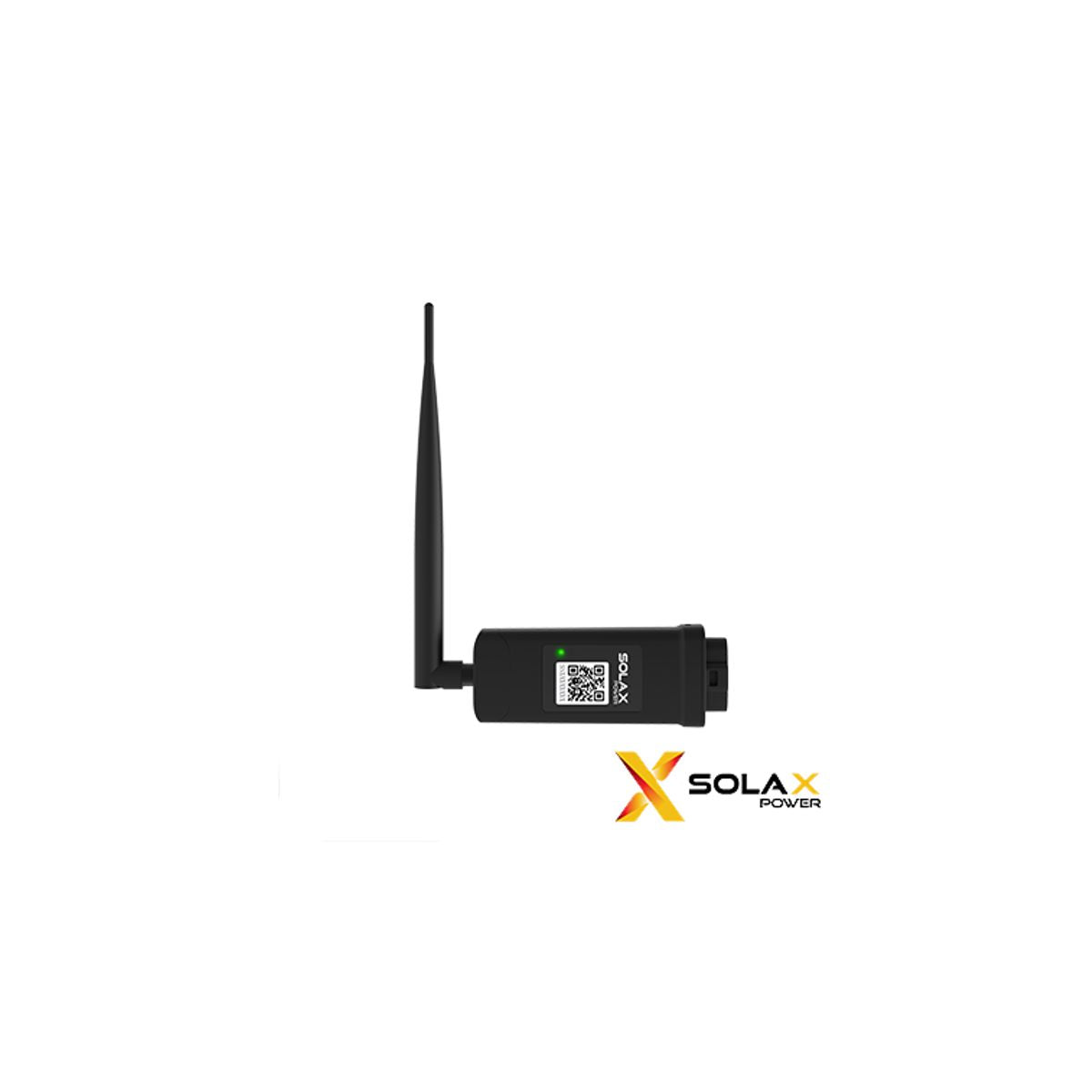
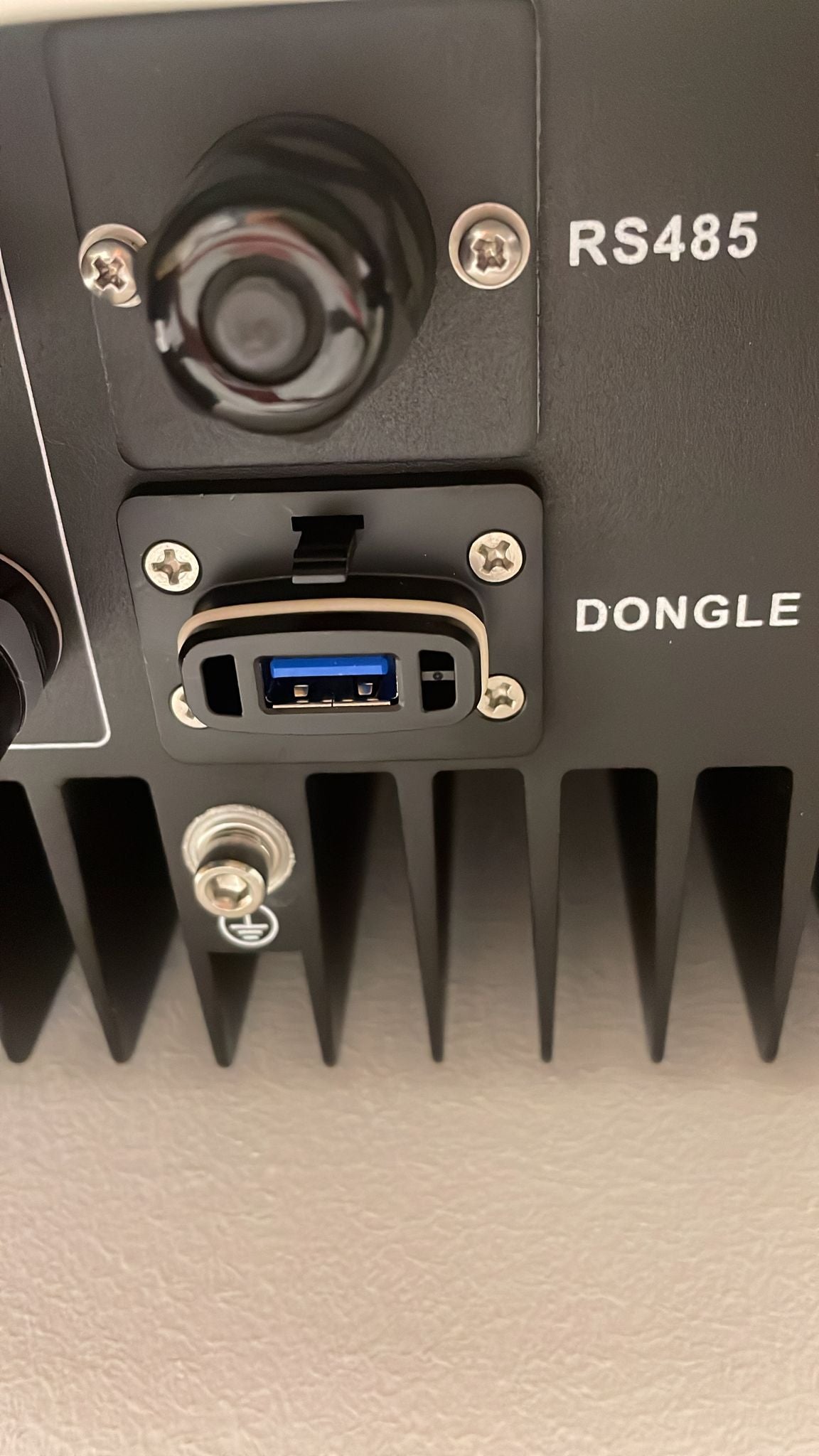
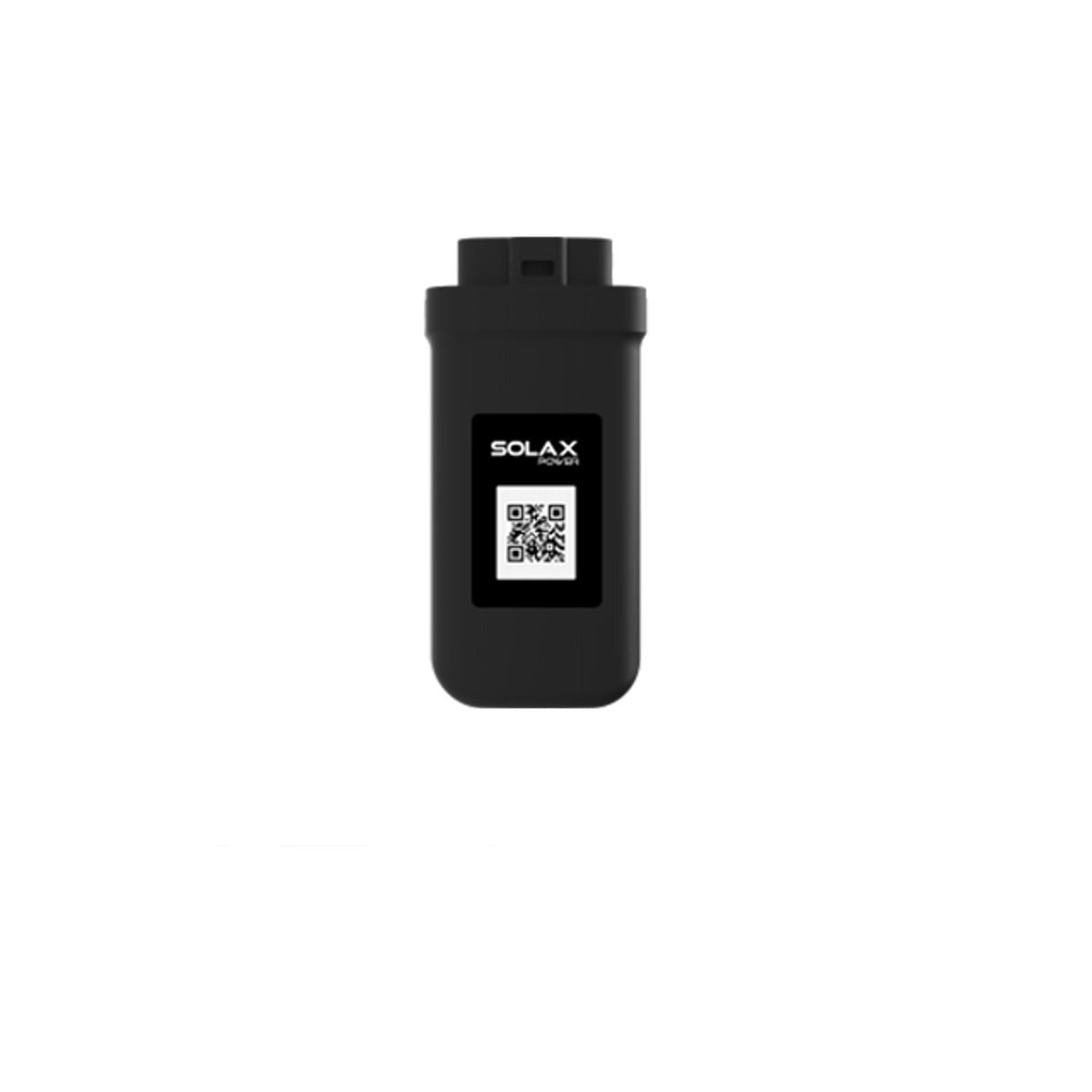
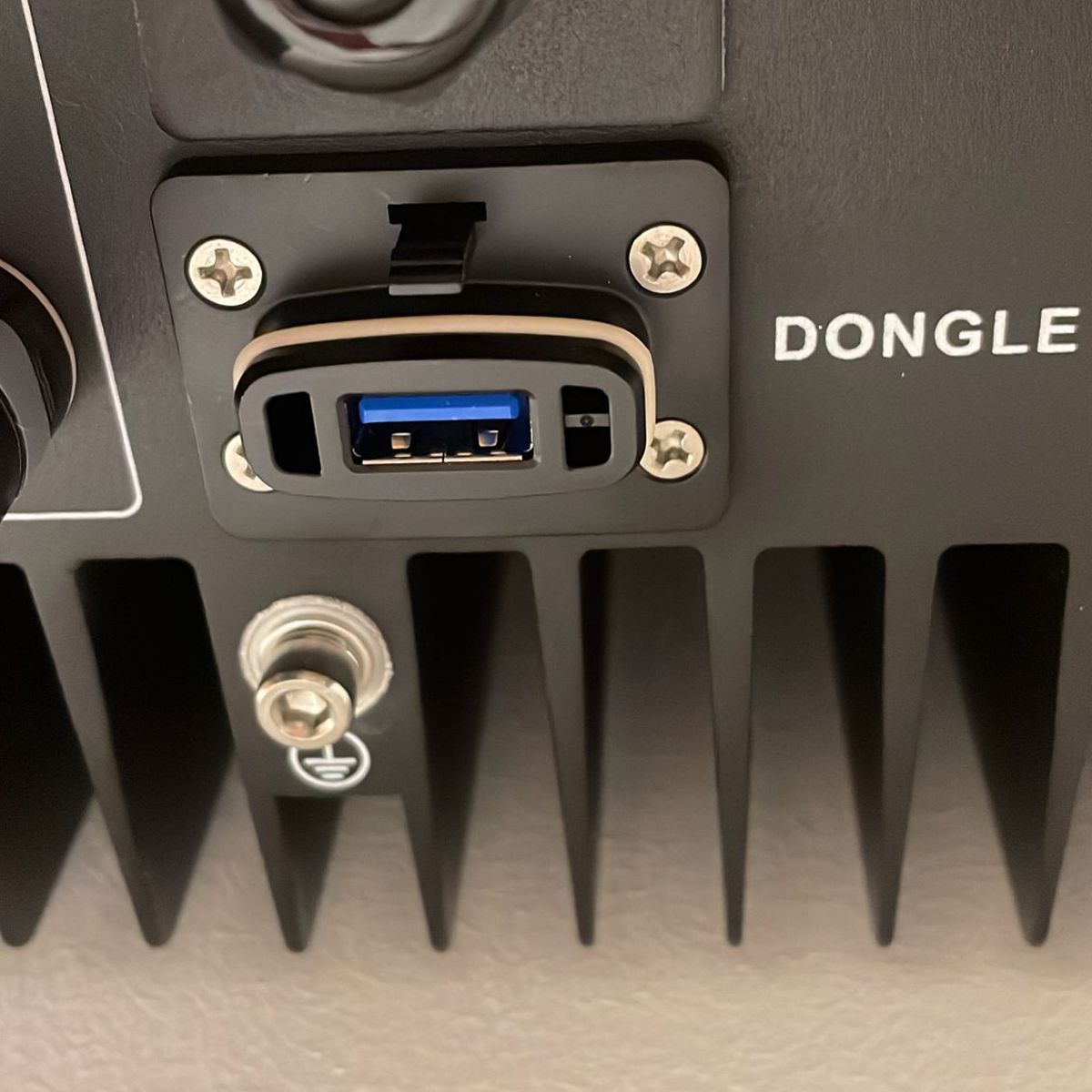
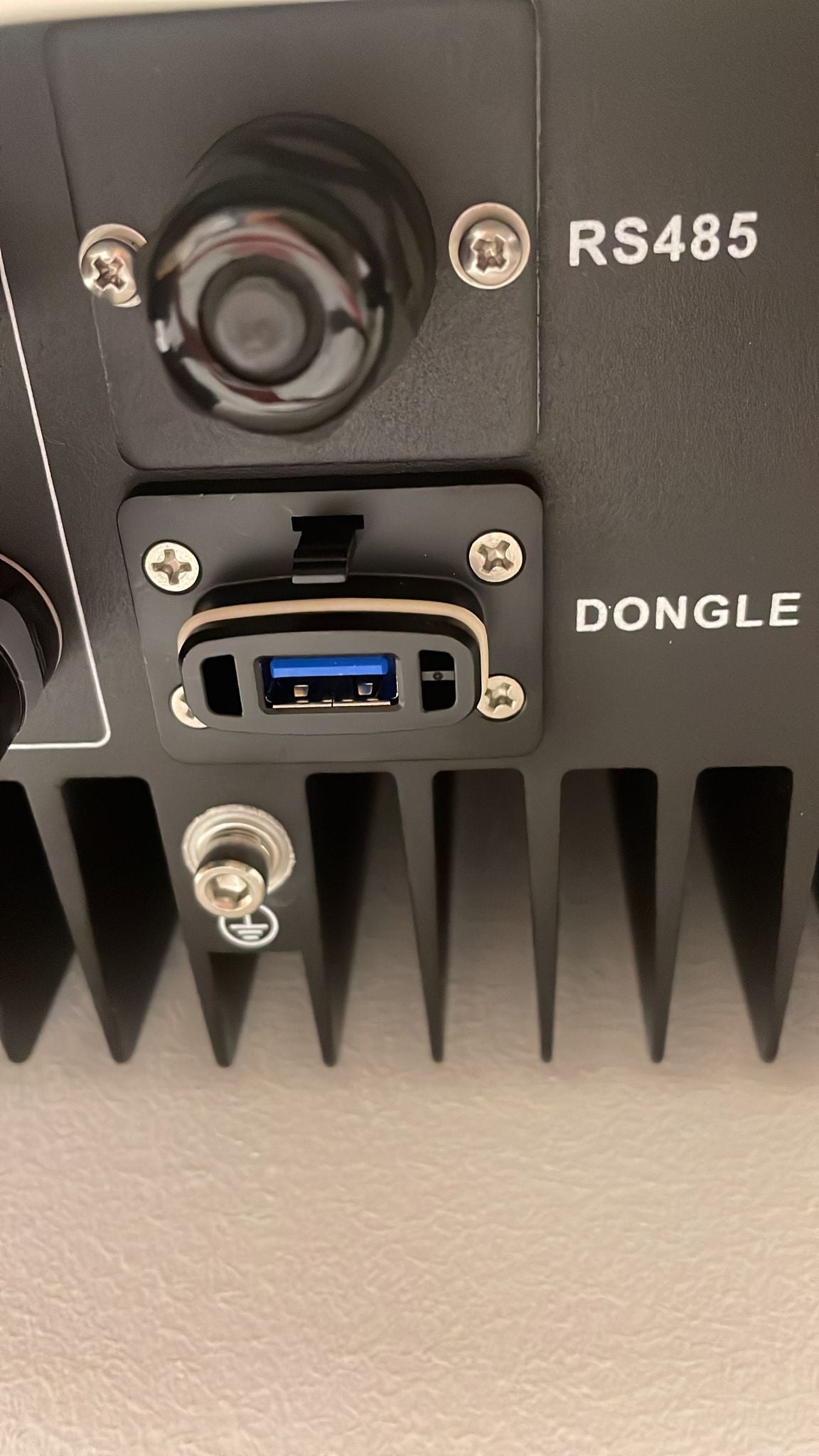
The communication dongle connects the inverter to the monitoring portal. It exists in WiFi (the simplest), LAN (more stable where the WiFi signal is weak, typically in a garage or utility room), WiFi + LAN, and 4G with SIM versions for systems without a connection. Data update frequency also varies: some versions transmit every few seconds, others at longer intervals. If you are interested in seeing the effect of turning on an appliance in real-time, you need the fast-update version.
Expert advice. Even if you plan to install storage in two years, buy the hybrid inverter now. A traditional inverter does not manage batteries: when you decide to add them, you will have to replace it or install a second device, and the initial price difference is much smaller than the cost of that operation. This also applies to sizing: it is better to have an oversized inverter rather than one that is too small.
Switching devices and accessories
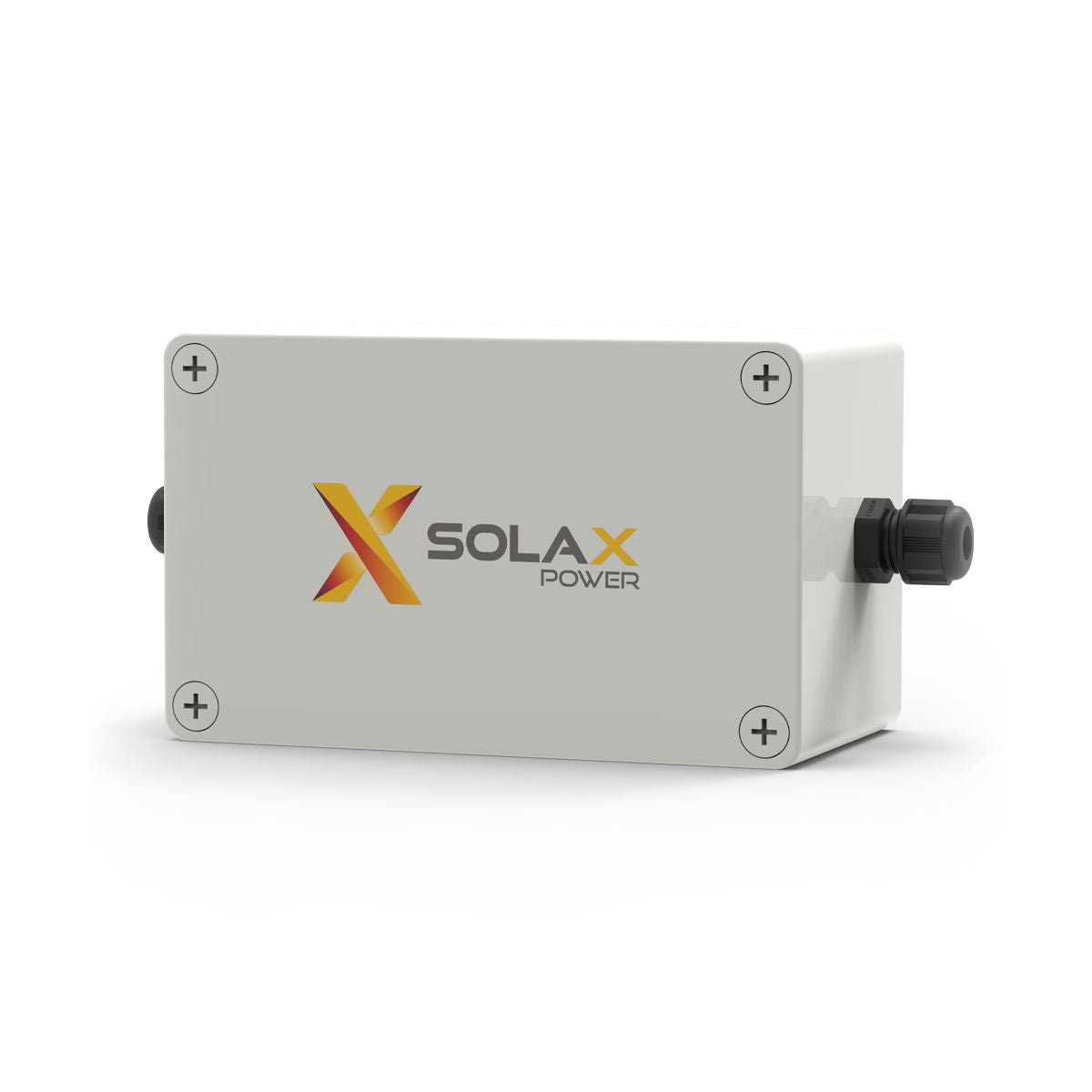
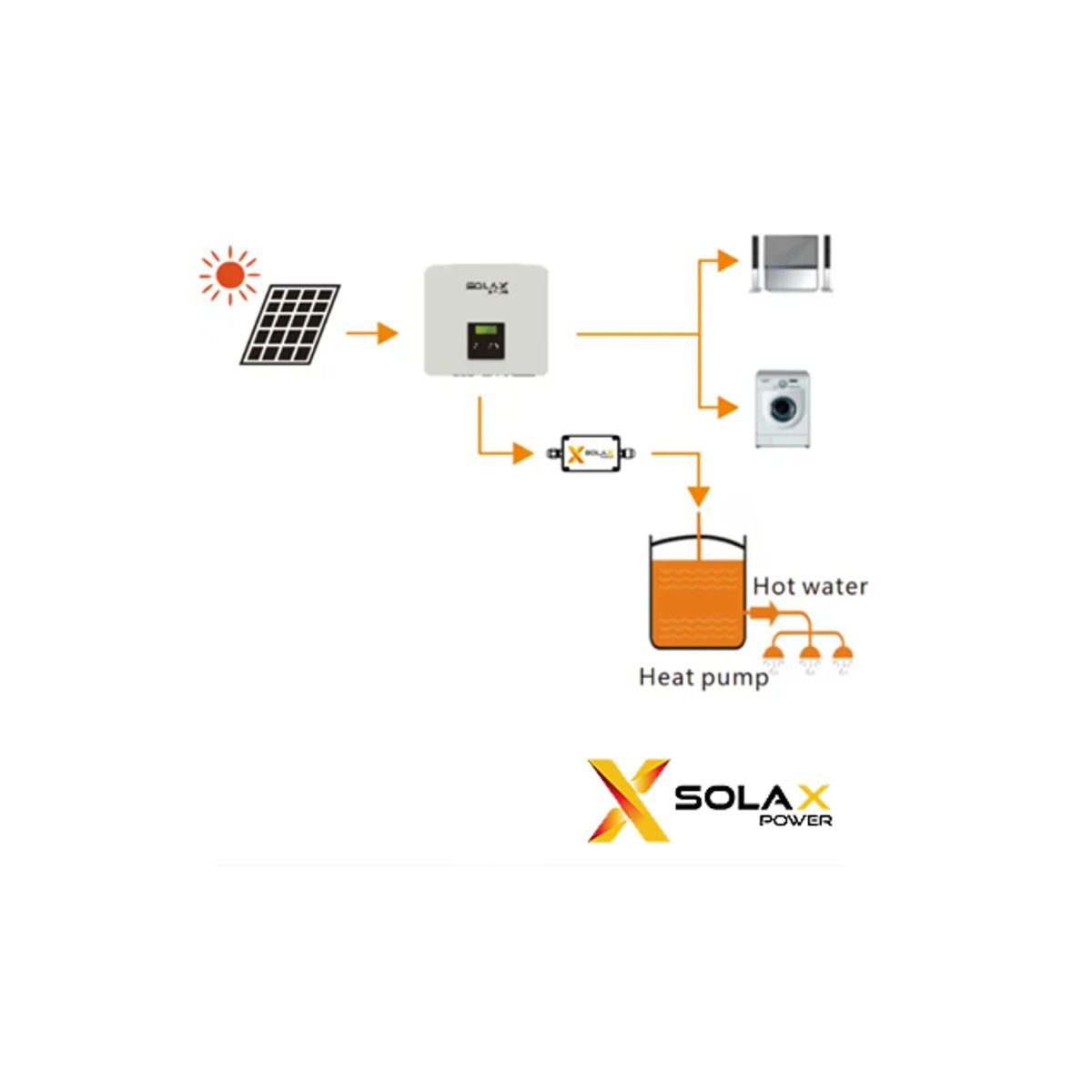
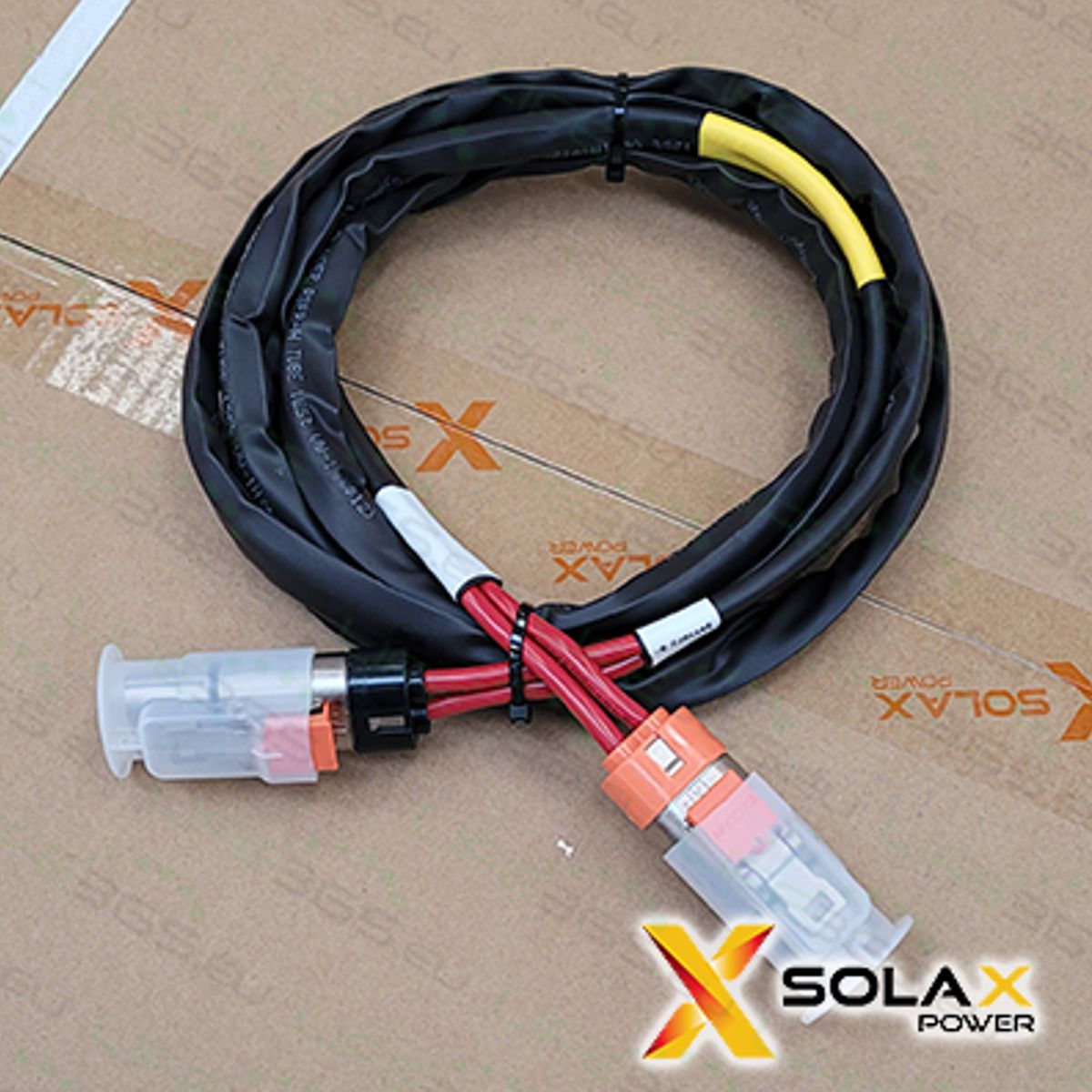
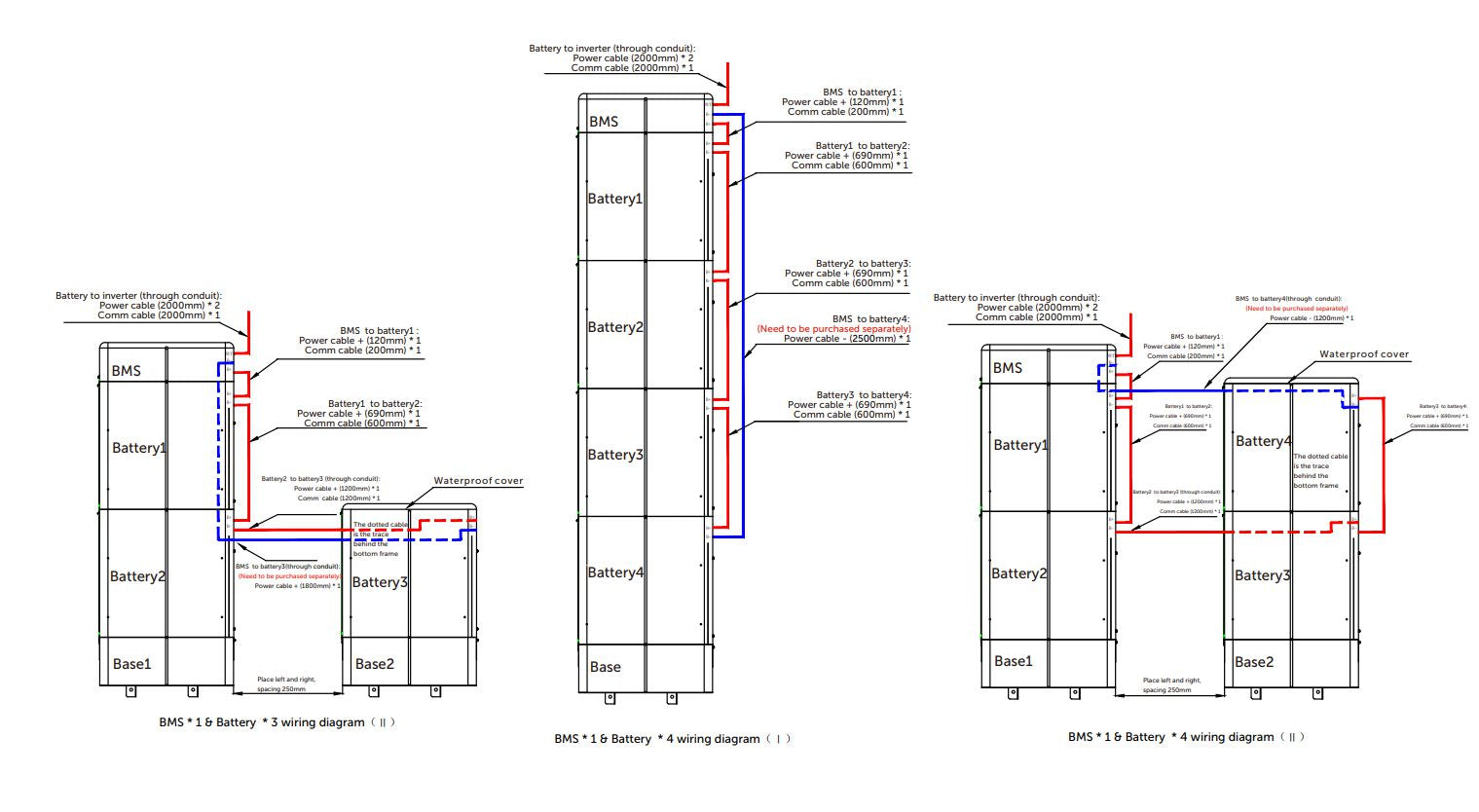
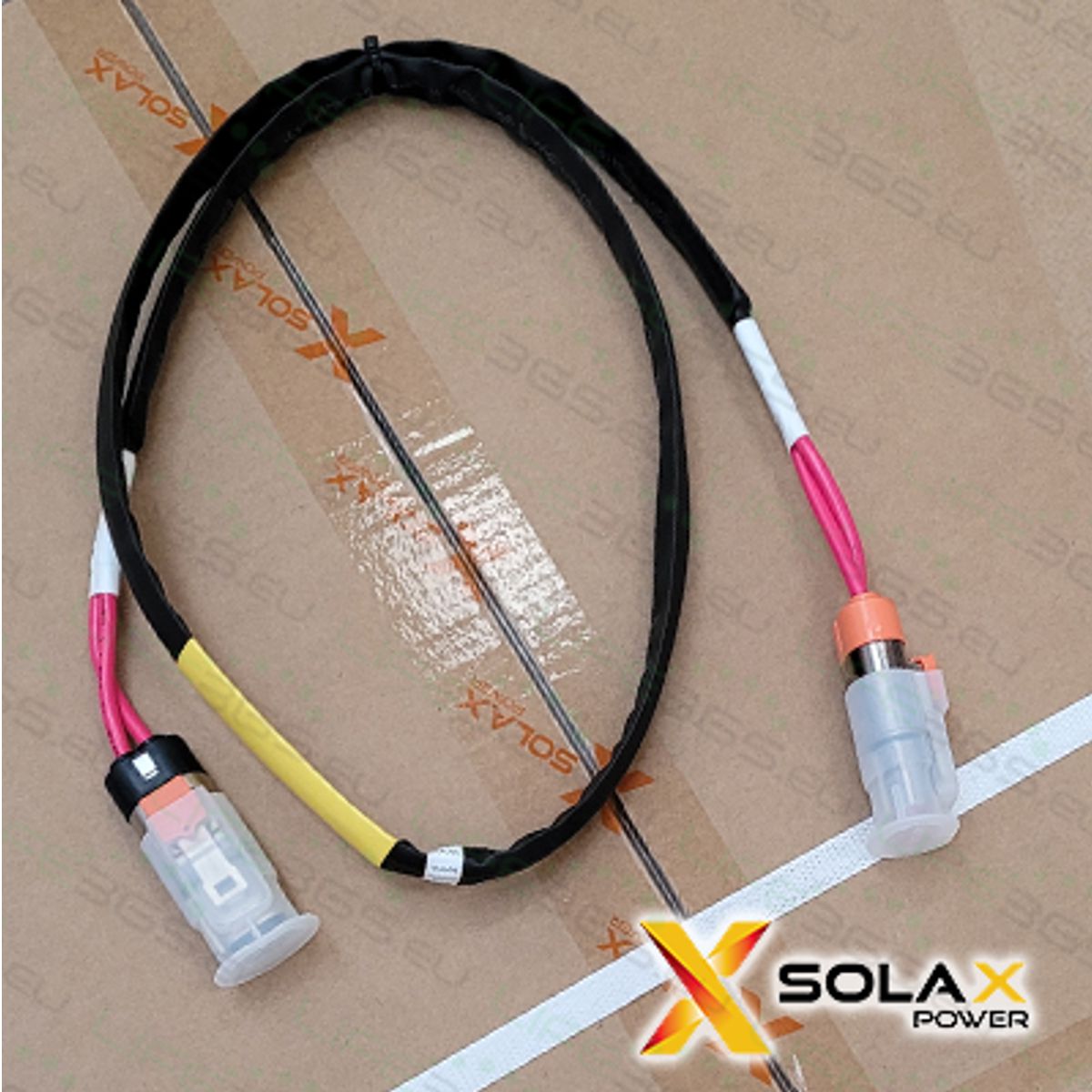
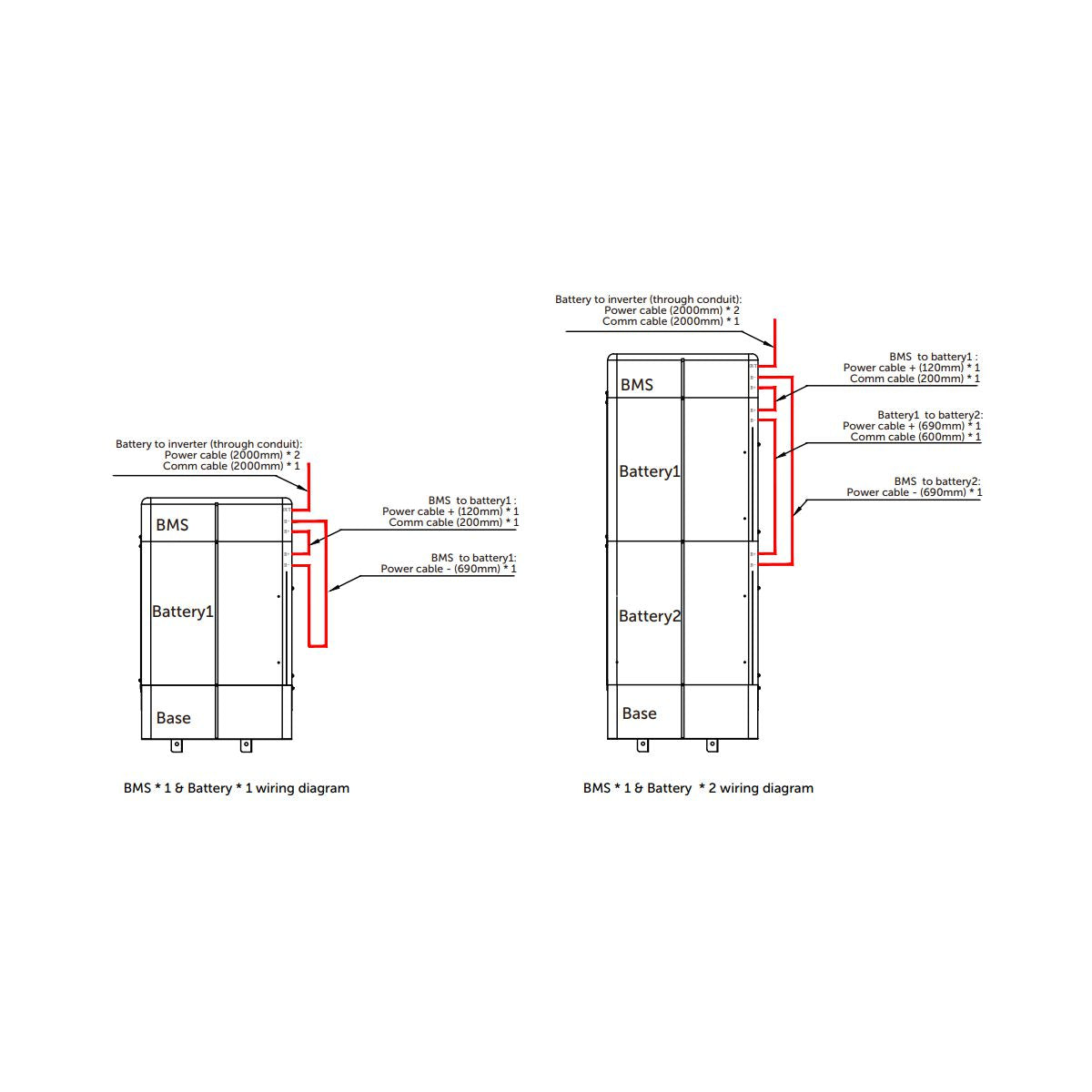
Single-phase and three-phase switching devices consolidate protections and connections between the inverter, grid, and backup loads into a single box, simplifying the electrical panel and reducing installation time. You can also find BMS-battery communication cables and adapters for connecting external equipment like a heat pump to the inverter.
Frequently asked questions about inverters
What is the difference between a hybrid and a traditional inverter?
The traditional one only converts panel production. The hybrid also manages a battery bank: it decides when to store energy, when to draw from it, and when to feed it into the grid. If you are planning for storage, even in the future, a hybrid is the right choice from the start.
What does dual MPPT mean?
It means the inverter has two independent maximum power point trackers, so it can manage two strings with different orientations or inclinations without one penalizing the other. On a dual-pitched roof, this is the difference between utilizing the entire surface and losing production.
Does the inverter keep my house running during a blackout?
Only if the model supports the backup function and has been wired with a dedicated board. Without that configuration, the system is required by law to disconnect from the grid when power is lost, for the safety of those working on the line.
What inverter power is needed relative to the panels?
It is sized in relation to the peak power of the photovoltaic array, keeping in mind that panels only reach their maximum under ideal conditions. The optimal ratio depends on orientation, inclination, and latitude: this is an assessment to be made during the design phase, not by eye.
Must a meter always be installed?
Yes, for all grid-connected systems that want to optimize self-consumption, and it is essential with storage. It must be installed in the electrical panel, near the exchange point: installation must be performed by a qualified electrician.
See also photovoltaic panels, storage batteries, solar cable, and mounting systems for panels.





