





















































Solar Cable
Filter
Sort by:

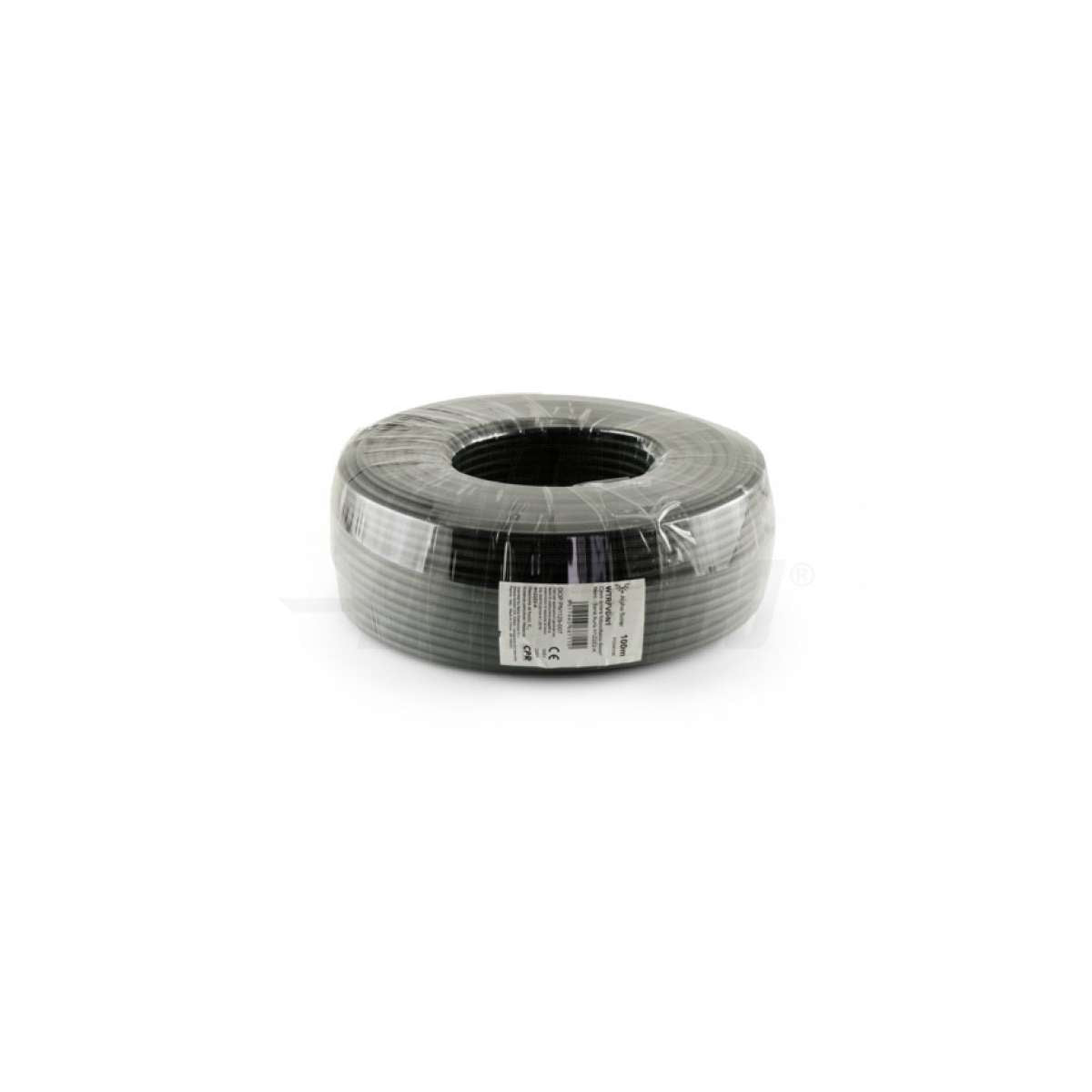


H1Z2Z2-K solar cable: standard electrical cable won't cut it here
On the direct current side of a photovoltaic system, you don't just use any electrical cable. The run between the panels and the inverter operates outdoors, in direct sunlight, for twenty years, with high DC voltages and roof temperatures that far exceed ambient air temperatures. You need a cable designed for this: the designation is H1Z2Z2-K, the European standard for photovoltaic wiring.
What makes it different
It is a single-core, double-insulated cable with cross-linked compounds resistant to UV rays, ozone, and atmospheric agents, rated for DC service up to 1.5 kV and for a very wide temperature range. The conductors are made of flexible stranded tinned copper, which resists oxidation better and is suitable for crimping connectors. A traditional PVC-sheathed cable, when exposed to the sun, stiffens and cracks within a few seasons: losing insulation on a DC circuit is exactly what you don't want on a roof.
4 mm² or 6 mm²
| Cross-section | When to choose it |
|---|---|
| 4 mm² | Residential systems with short runs between the string and the inverter; it is the most commonly used size for domestic applications |
| 6 mm² | Long runs, higher string currents, or when you want to minimize voltage drop on the DC side |
The rule is simple: the longer the run and the higher the string current, the more sense it makes to increase the cross-section. DC voltage drop is energy lost every day for the entire life of the system, and the cost of the thicker cable is quickly recovered.
Red and black: wiring polarity, not guessing it
Solar cable is sold in two colors precisely so you don't make a mistake: red for positive, black for negative. On a DC system, reversing the polarity is not a minor detail, which is why it is always better to order the two reels together, in the same quantity.
Pro tip from the shop. The weak point of a photovoltaic wiring job is almost never the cable: it's the connectors. A crimp made with the wrong pliers, or connectors from different brands coupled together because "they fit anyway," generate contact resistance, heat up, and over the years become a point of failure or worse. Use the correct tool, connectors from the same series on both ends, and never leave the cable resting on the tiles: it must be secured with UV-resistant cable ties, otherwise, they will crumble in two years.
Frequently asked questions about solar cable
Can I use a normal single-core cable instead of solar cable?
No. A cable for civil installations is not qualified for permanent exposure to UV rays nor for the DC voltages typical of strings. It degrades quickly on a roof and puts the system's insulation at risk.
What does the H1Z2Z2-K designation mean?
It is the harmonized designation for cables used in photovoltaic applications: it identifies a single-core cable with insulation and a low-smoke cross-linked compound sheath, with a flexible copper conductor. It is the reference you need to look for when buying cable for the DC side.
Is it also needed for the connection between the inverter and the distribution board?
No, that is the AC side and is done using ordinary installation cables, sized according to the inverter's power and applicable regulations. Solar cable relates to the DC section, from the modules to the inverter or charge controller.
How much cable should I order?
Calculate the actual round-trip route for each string, not just the distance between the roof and the inverter: positive and negative are two separate conductors. Add a margin for vertical runs, going around structures, and crimping waste.
Who can perform the connection?
A qualified installer. Photovoltaic strings remain energized whenever there is light; they cannot be "switched off" like a household circuit. DC wiring is not a job for DIY.
For the rest of the system, see photovoltaic panels, inverters, storage batteries, and panel mounts.





