
















































Cable in skein
Filter
Sort by:




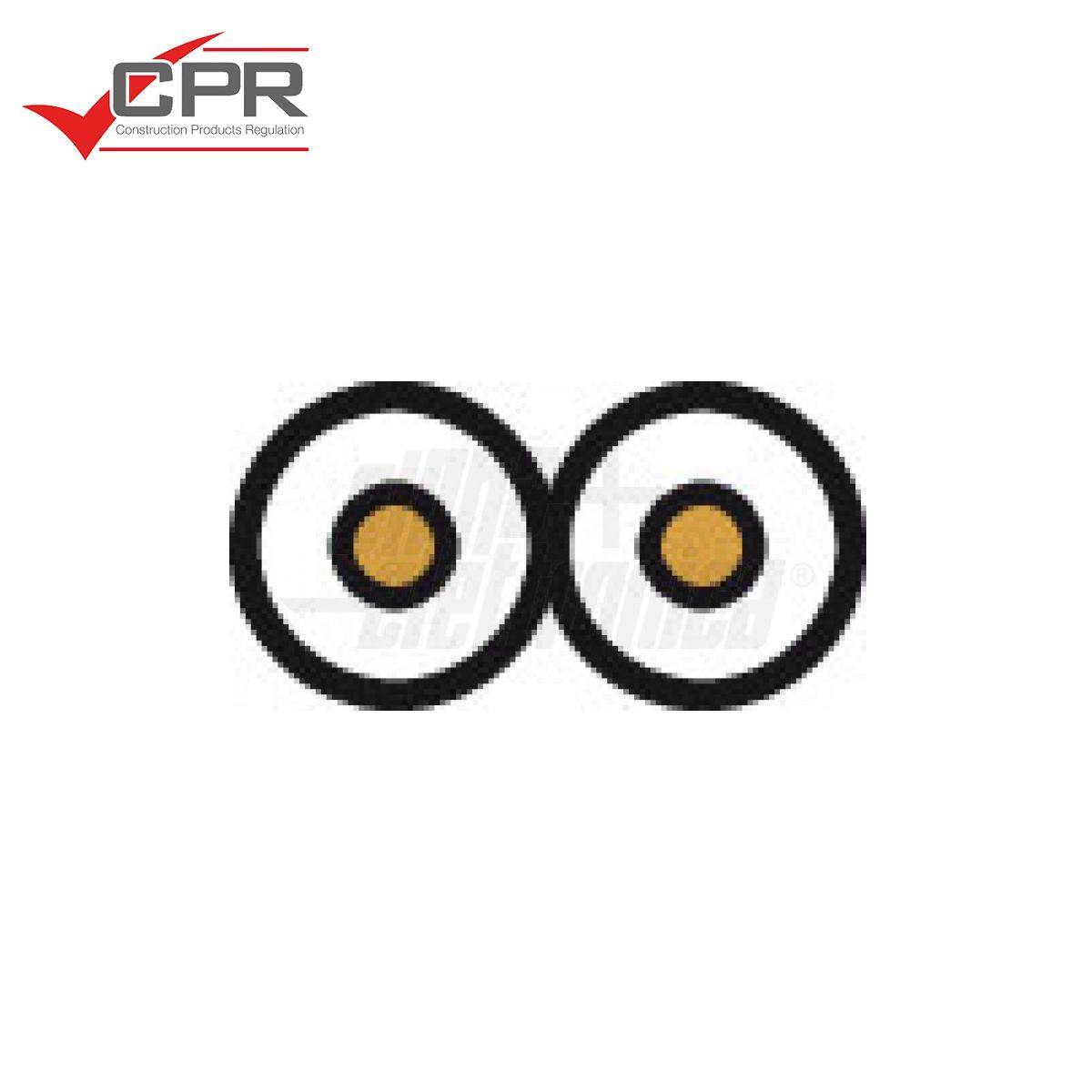

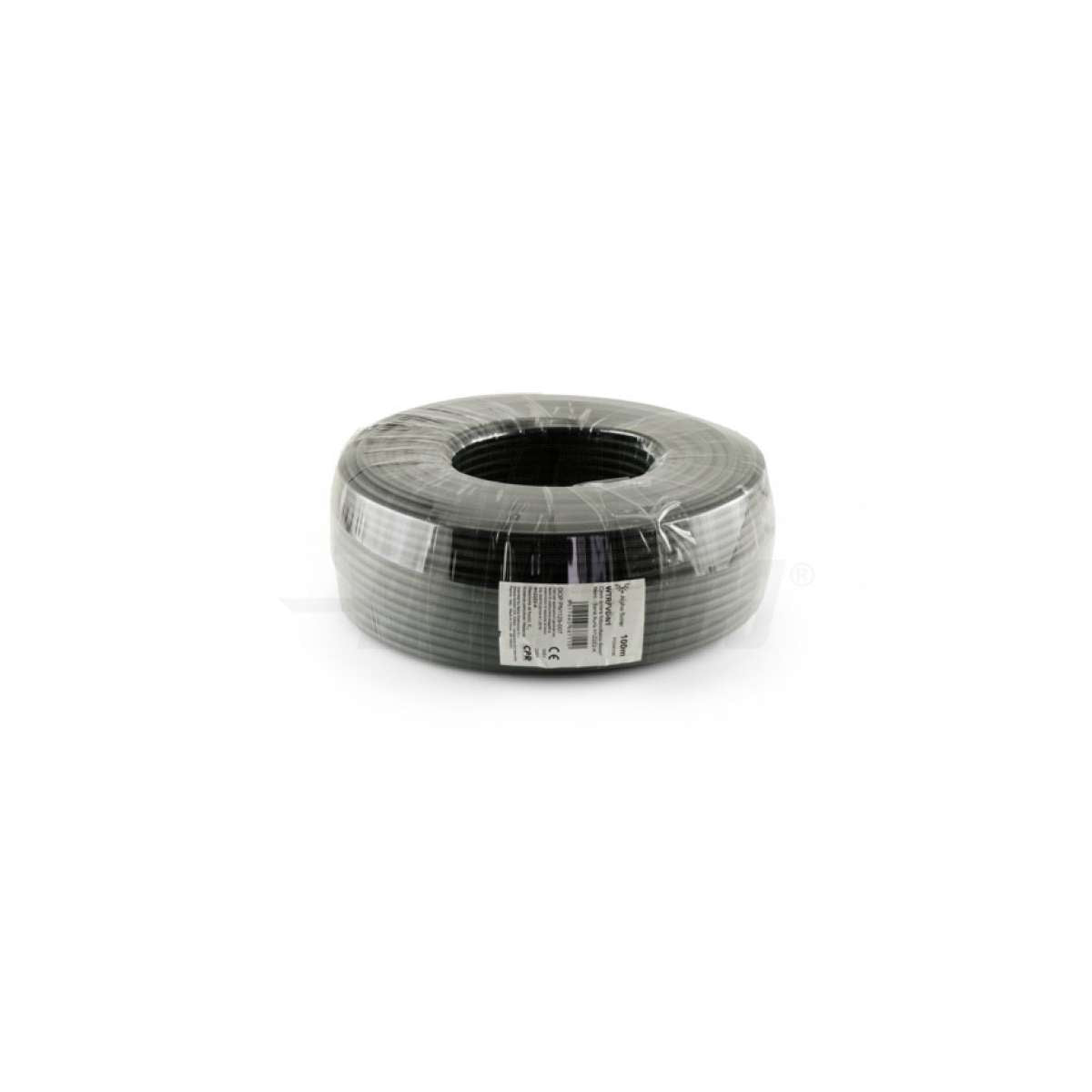


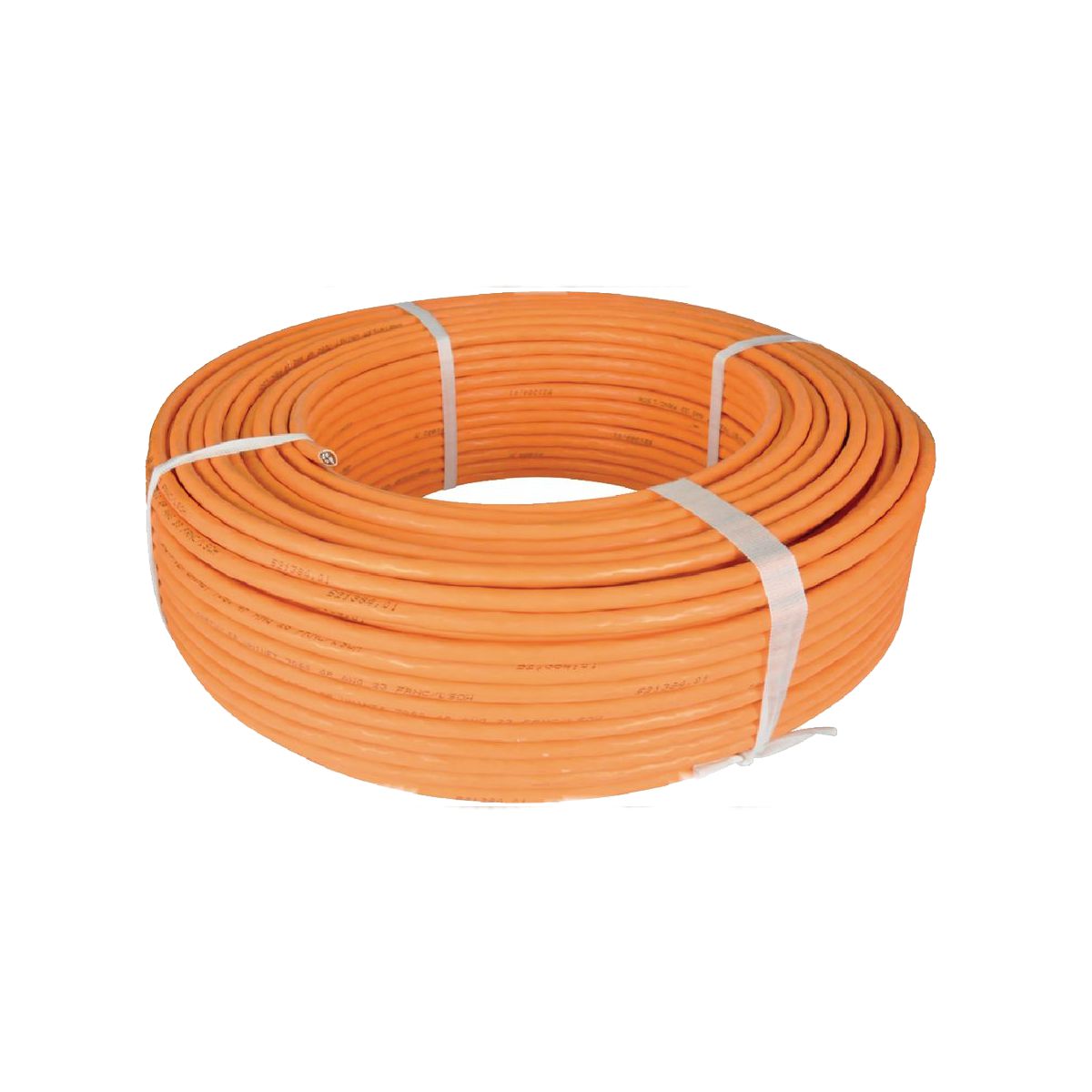
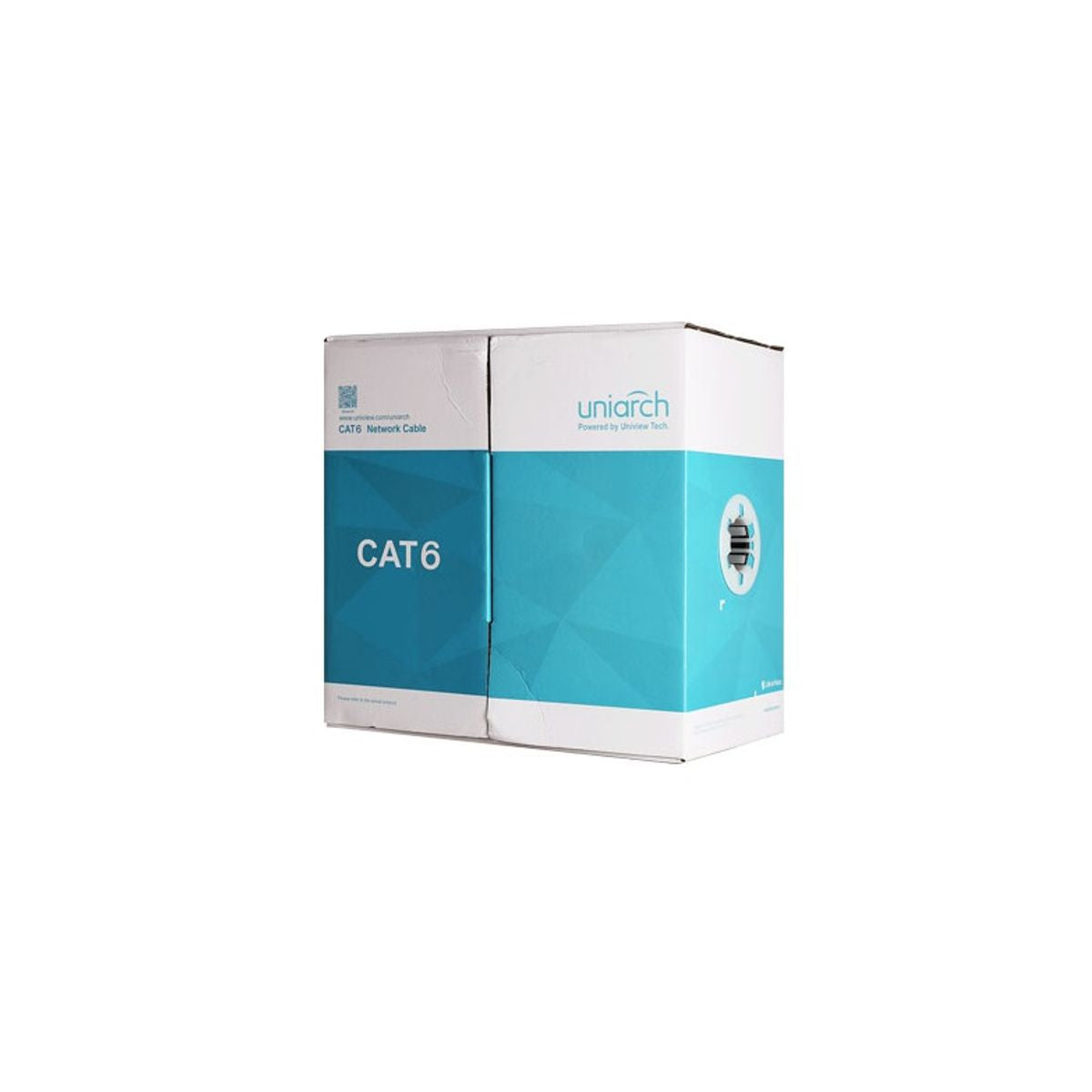





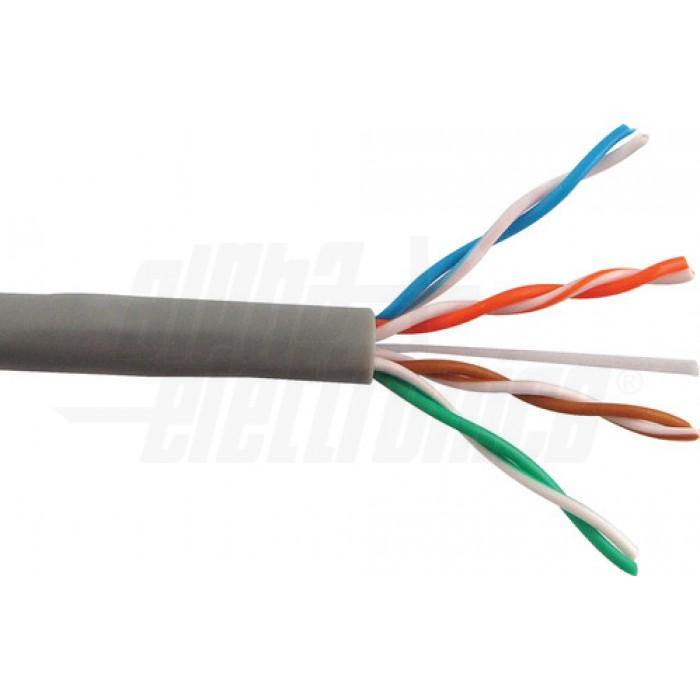

Bulk cable: when you need to buy by the meter
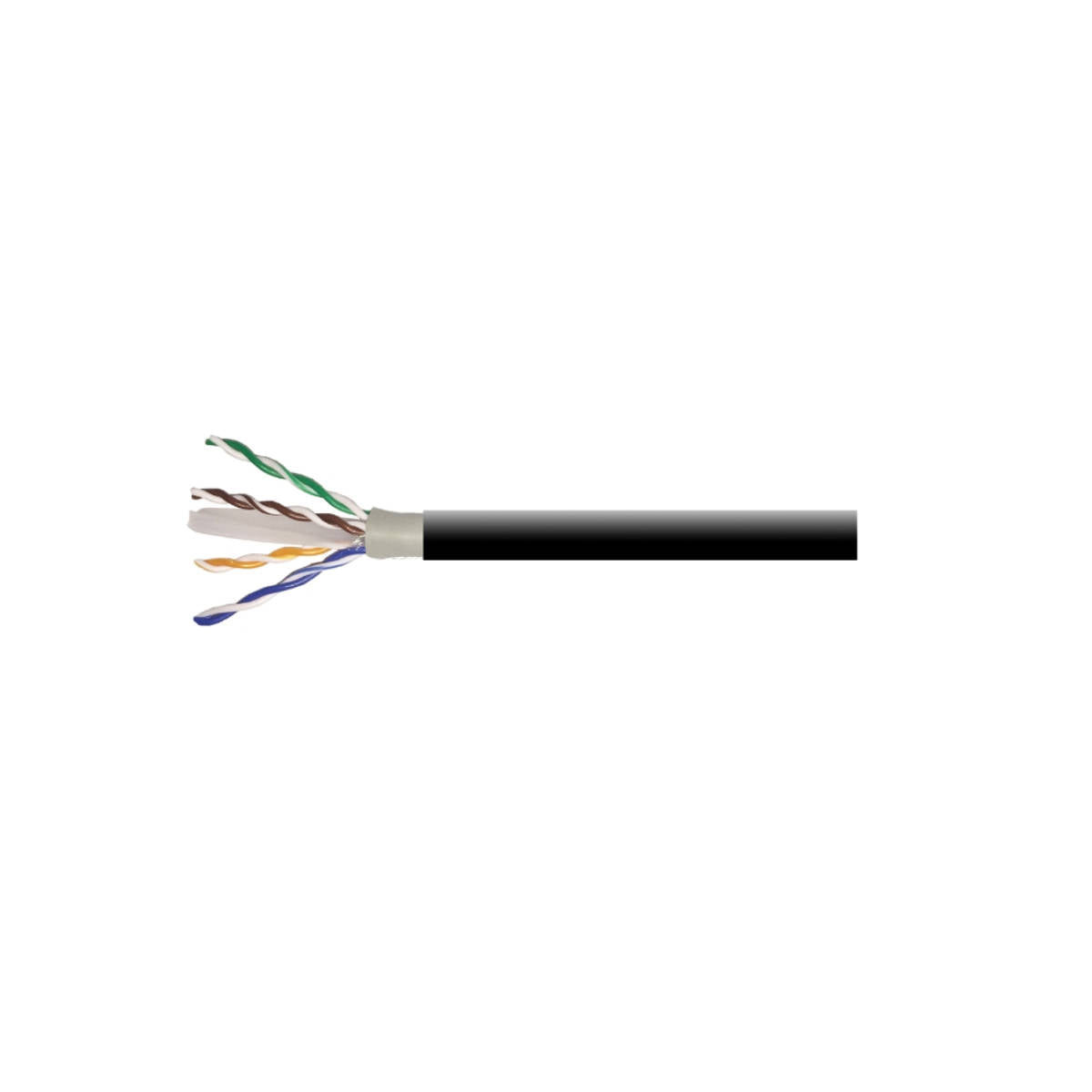
Bulk cable is used when the cable needs to remain in the system: under the plaster, in a conduit, inside a false ceiling, or from one floor to another. In that case, there is no pre-assembled cable of the right length, and you make the termination yourself using connectors and jacks. If you only need to connect two nearby devices, a ready-made patch cable is always the better choice.
Here you will find 100 and 305-meter spools for networking, audio, telephony, video surveillance, photovoltaics, and underwater installation.
Selection chart
| What are you wiring? | Cable | Go to |
|---|---|---|
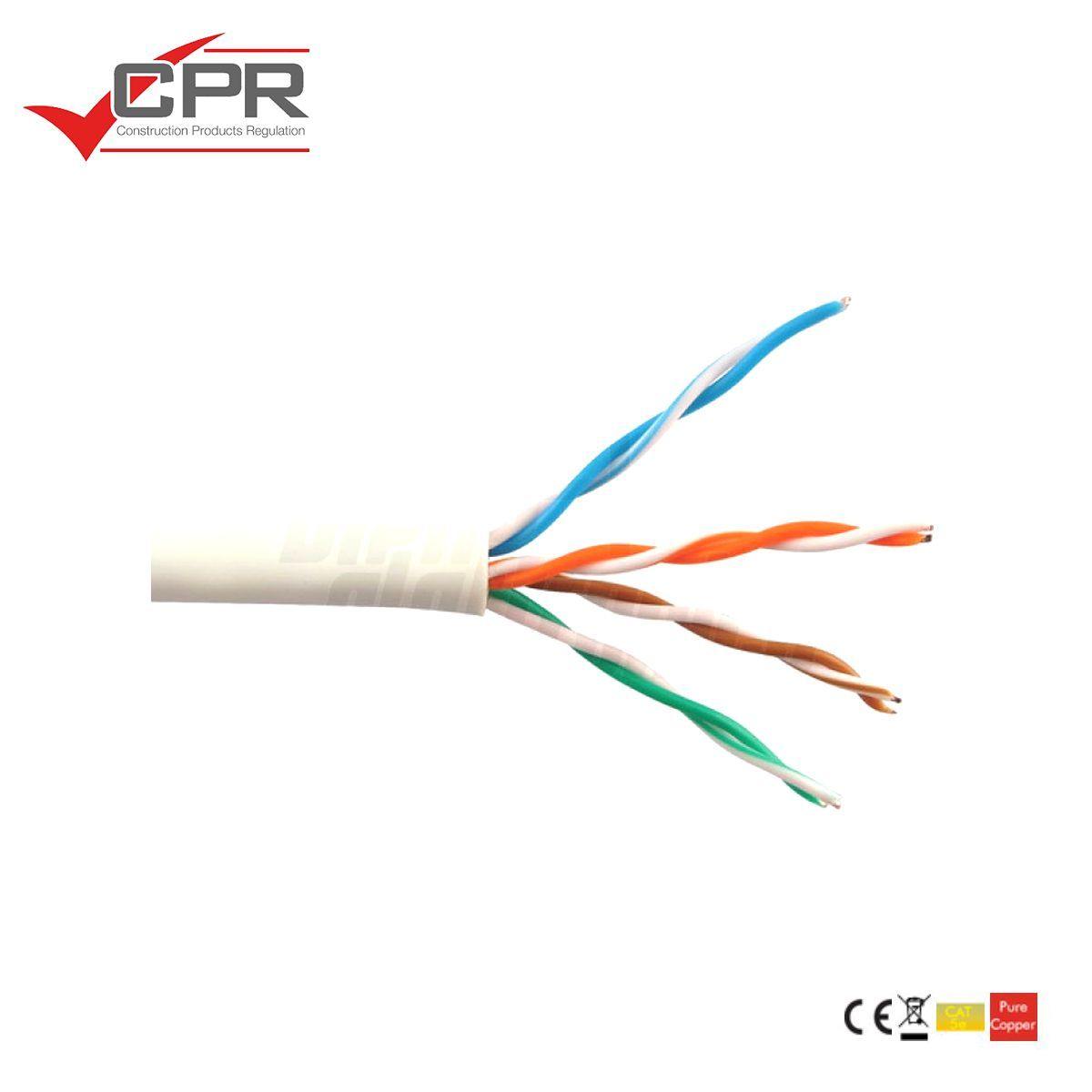
| Home or office network outlets | Ethernet Cat. 5e or Cat. 6, solid conductors, fixed installation | ethernet bulk cable |
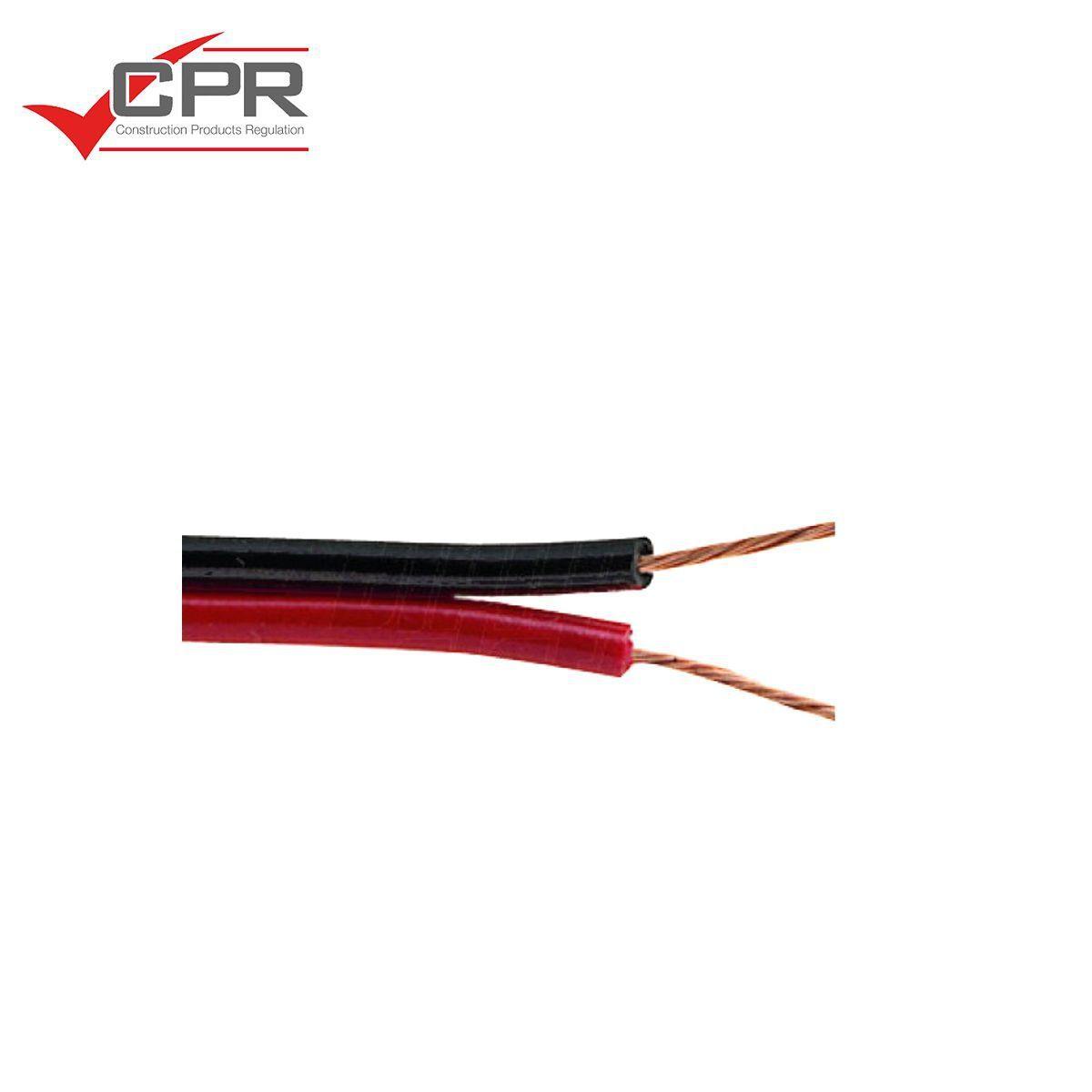
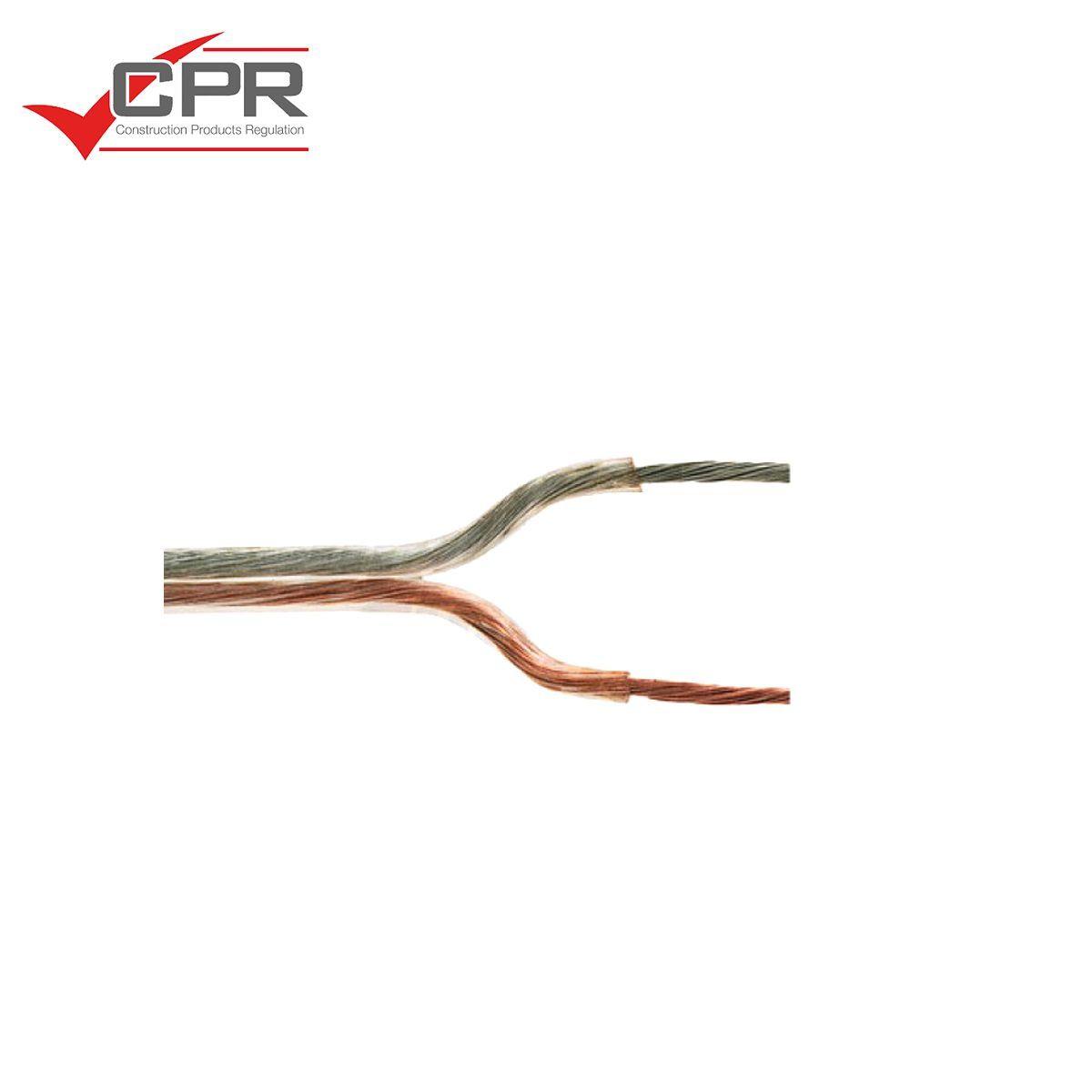
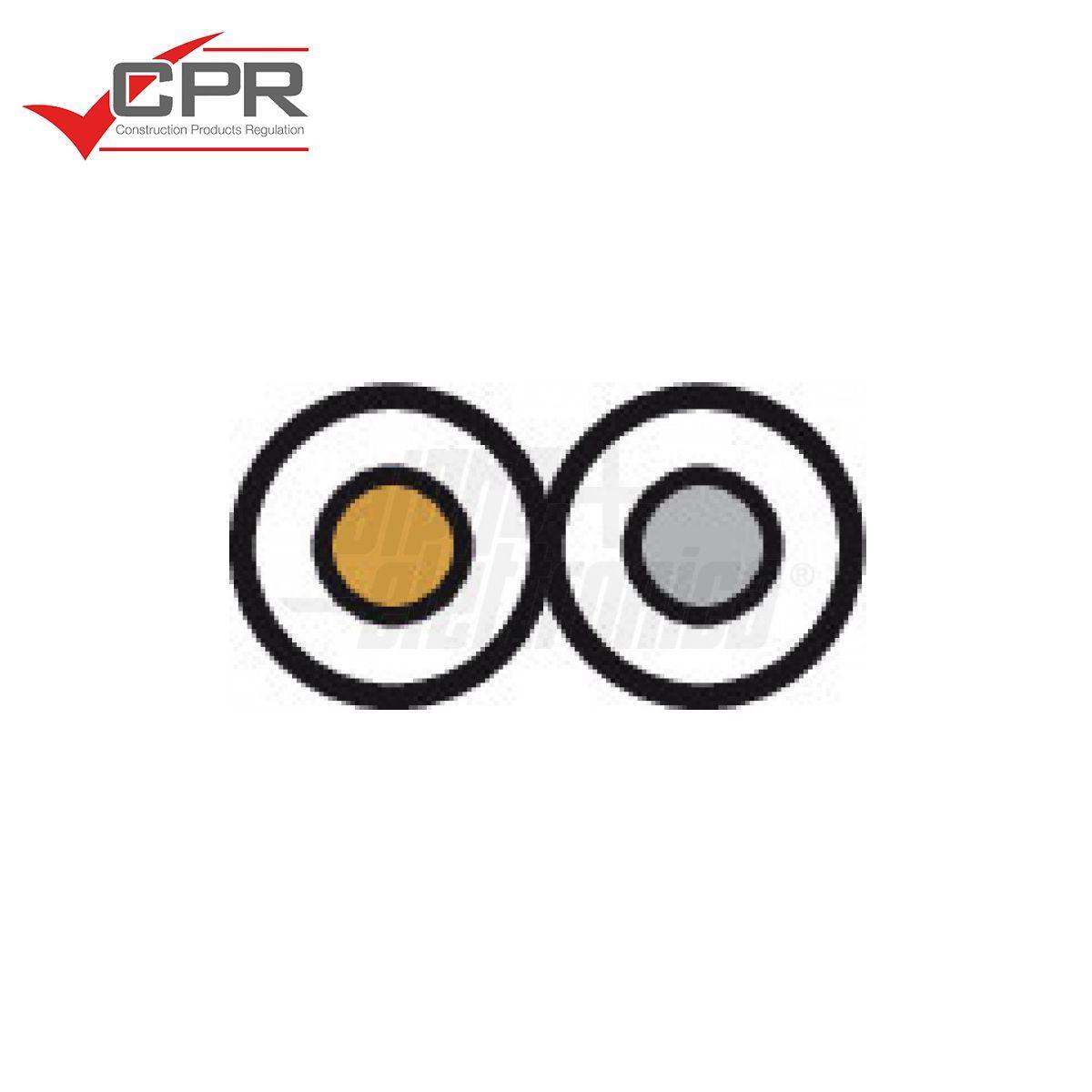
| Speakers and audio systems | Bipolar flat cable, cross-section according to power and distance | audio bulk cable |
| Telephone or intercom line | 4, 6 or 8-pole flat cable | telephone bulk cable |
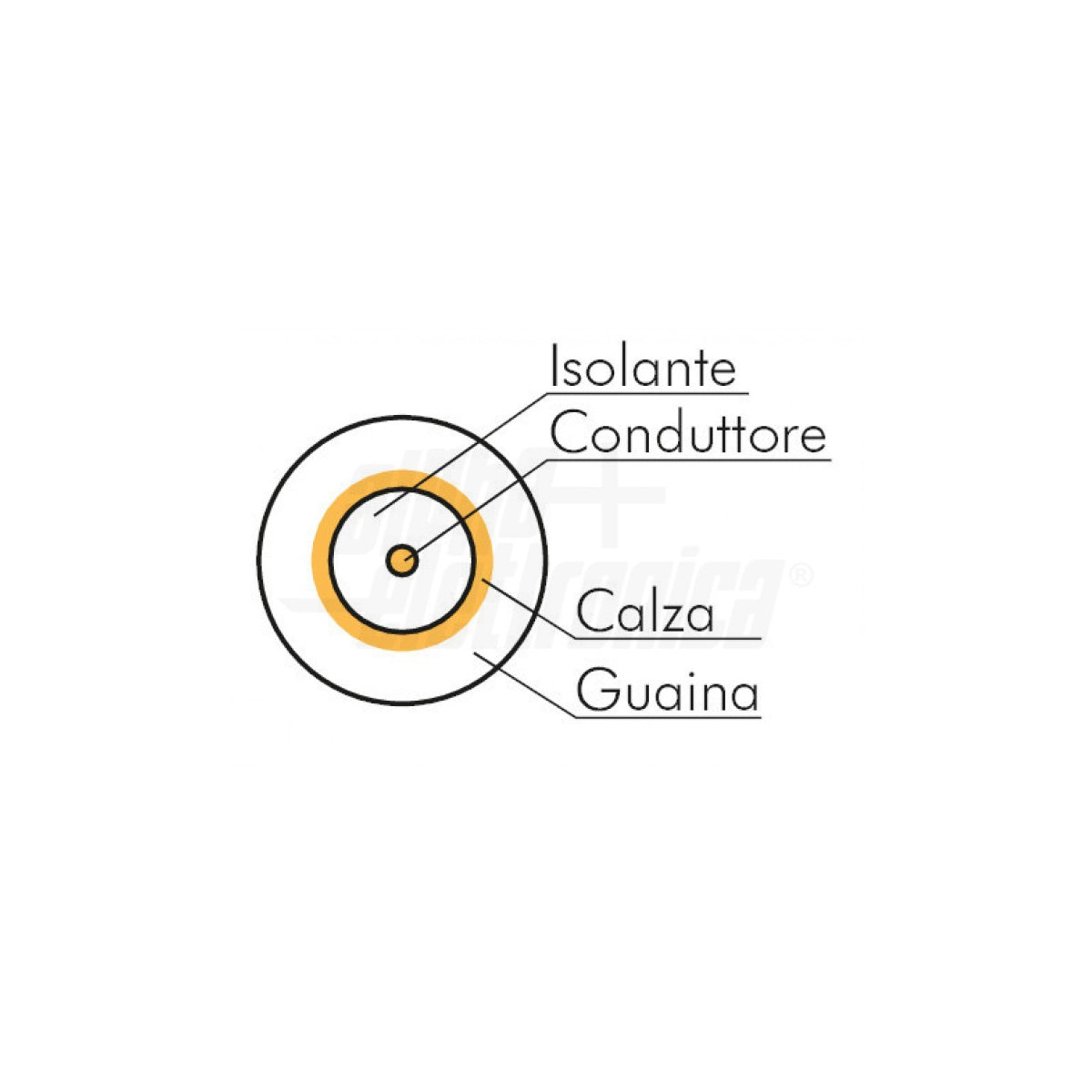
| Analog cameras and TV/SAT systems | 75 ohm mini-coaxial, with or without power leads | this page |
| Photovoltaic panel strings | 4 or 6 mm² H1Z2Z2-K solar cable | solar cable |
| Submersible pumps and devices | FG80G8 or H07RN-F cable for underwater use | submersible cable |
Pure copper vs. CCA: the factor that changes the price
CCA is copper-clad aluminum: it costs less and weighs less, but has higher electrical resistance. On short distances and for less demanding signals, it may be enough; on fixed network wiring, over long distances, or where current passes (PoE, high-power speakers, power supplies), it becomes a problem: it heats up, loses signal, and cannot be replaced once the wall is closed. Pure copper is the right choice for everything that remains in the system.
Solid or stranded conductors
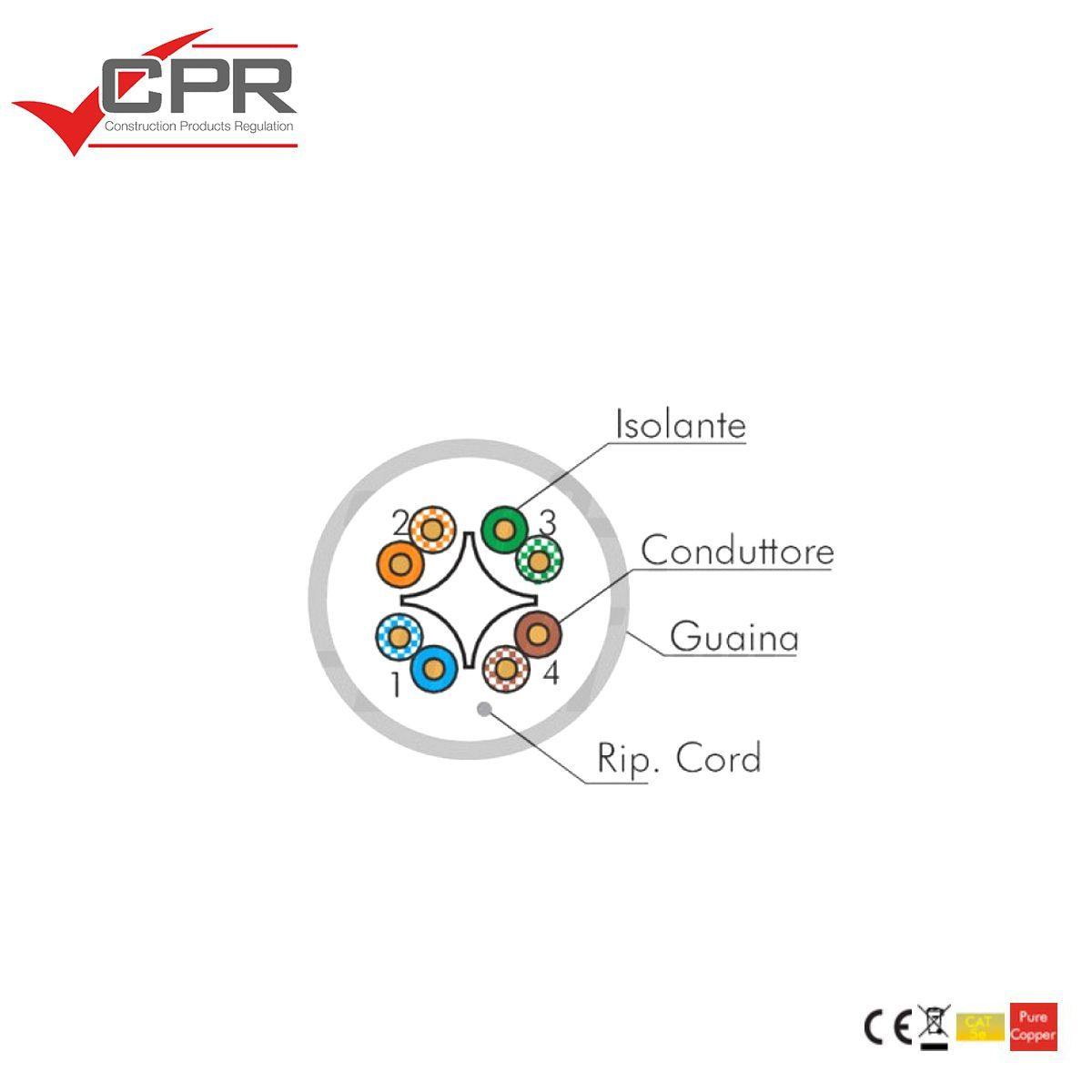
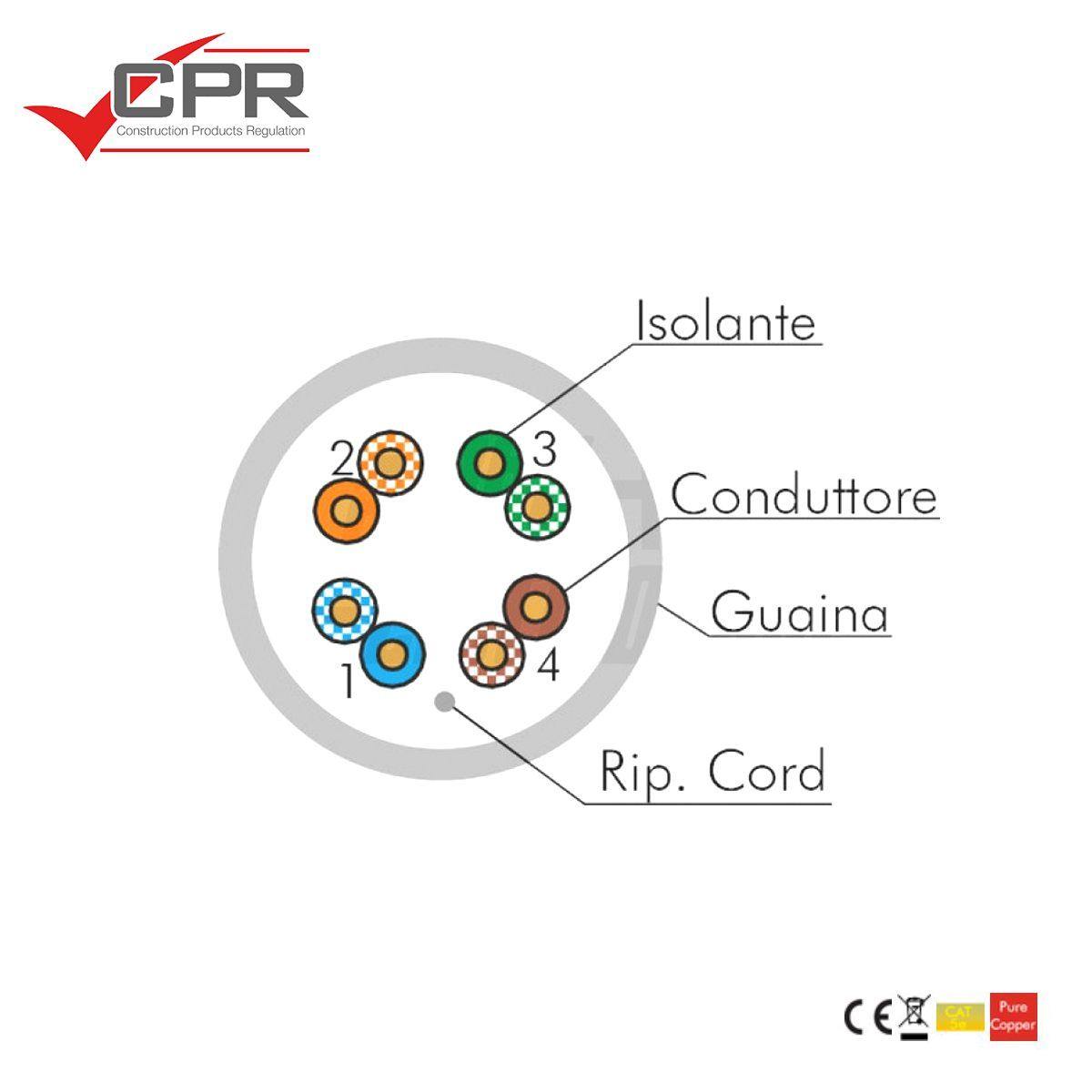
Solid (a single solid wire per conductor) is intended for fixed installation: they terminate on jacks and patch panels and maintain performance better over distances, but they should not be bent and rebent. Stranded (braided wire) is flexible and is used for mobile installation, i.e., where the cable is moved. Using a solid cable as a patch cable will lead to internal breakage in a short time.
CPR and fire reaction class
Cables installed permanently in buildings are construction products and fall under the CPR Regulation (EU 305/2011): they must carry the CE mark and a fire reaction class. The code Eca you find on the spools identifies the basic class, suitable for most ordinary installations. The LSZH sheath is an additional requirement, requested where it is necessary not to generate acidic fumes in the event of a fire: escape routes, crowded rooms, and environments with sensitive equipment.
Pro tip. You almost always underestimate quantity. Count the meters of the actual route, not the distance between the two points: climbs, descents, winding around door frames, rising into the false ceiling. Then add at least 10% for termination waste and errors. A 100-meter spool that falls 4 meters short leaves two outlets disconnected, which is a costly problem once the installation is closed.
Frequently asked questions about bulk cable
Why are the spools 305 meters and not 300?
Because 305 meters correspond to one thousand feet, the industry standard measurement. It is the typical format for structured cabling spools; the 100-meter cut exists for smaller systems.
Can I use an indoor cable outdoors?
No. Sun, rain, and temperature changes rapidly degrade unprotected sheaths: after a few seasons, the cable cracks and moisture reaches the conductors. For exposed sections, you need cables with a UV-resistant sheath; for underwater installation, specific cables like FG80G8 and H07RN-F are required.
What is the difference between fixed and mobile installation?
Fixed installation refers to the system: the cable is laid once and does not move again, so solid conductors are used. Mobile installation concerns cables that are moved or unrolled, requiring stranded conductors, which are much more resistant to repeated bending.
What is the mini-coaxial cable with power leads for?
For wiring an analog camera in a single run: the coaxial carries the video, the 0.50 mm² pair carries the power, and the optional 0.22 mm² pair carries the PTZ control commands. It avoids running two or three separate cables in the same conduit.
Do I need a crimper to terminate the cable?
For fly leads, yes, along with the correct RJ45 plugs. For wall jacks and patch panels, you use an impact punch-down tool, which pushes the conductor into the contact and cuts the excess in one go.





