



























GBC branded products
Filter
Sort by:
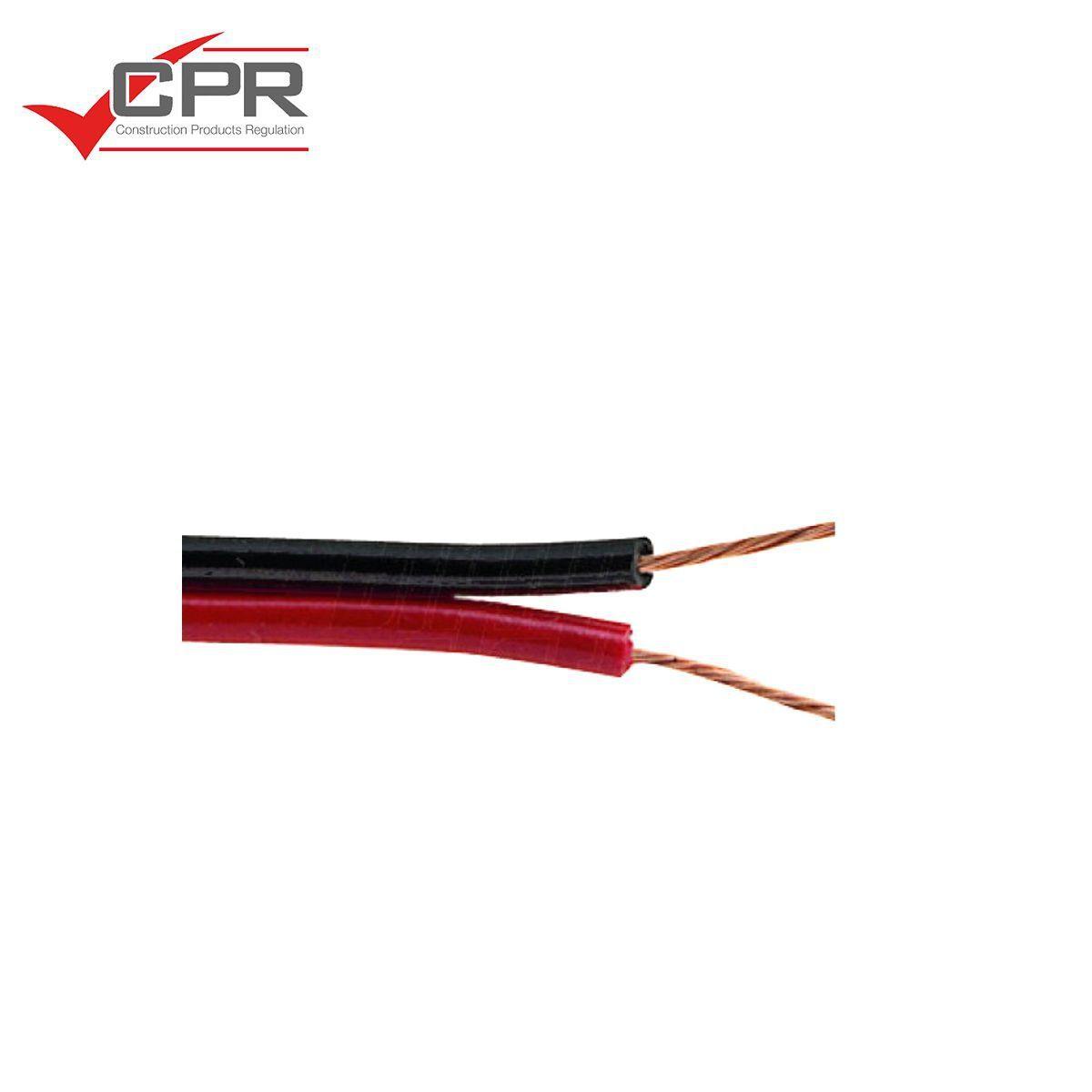
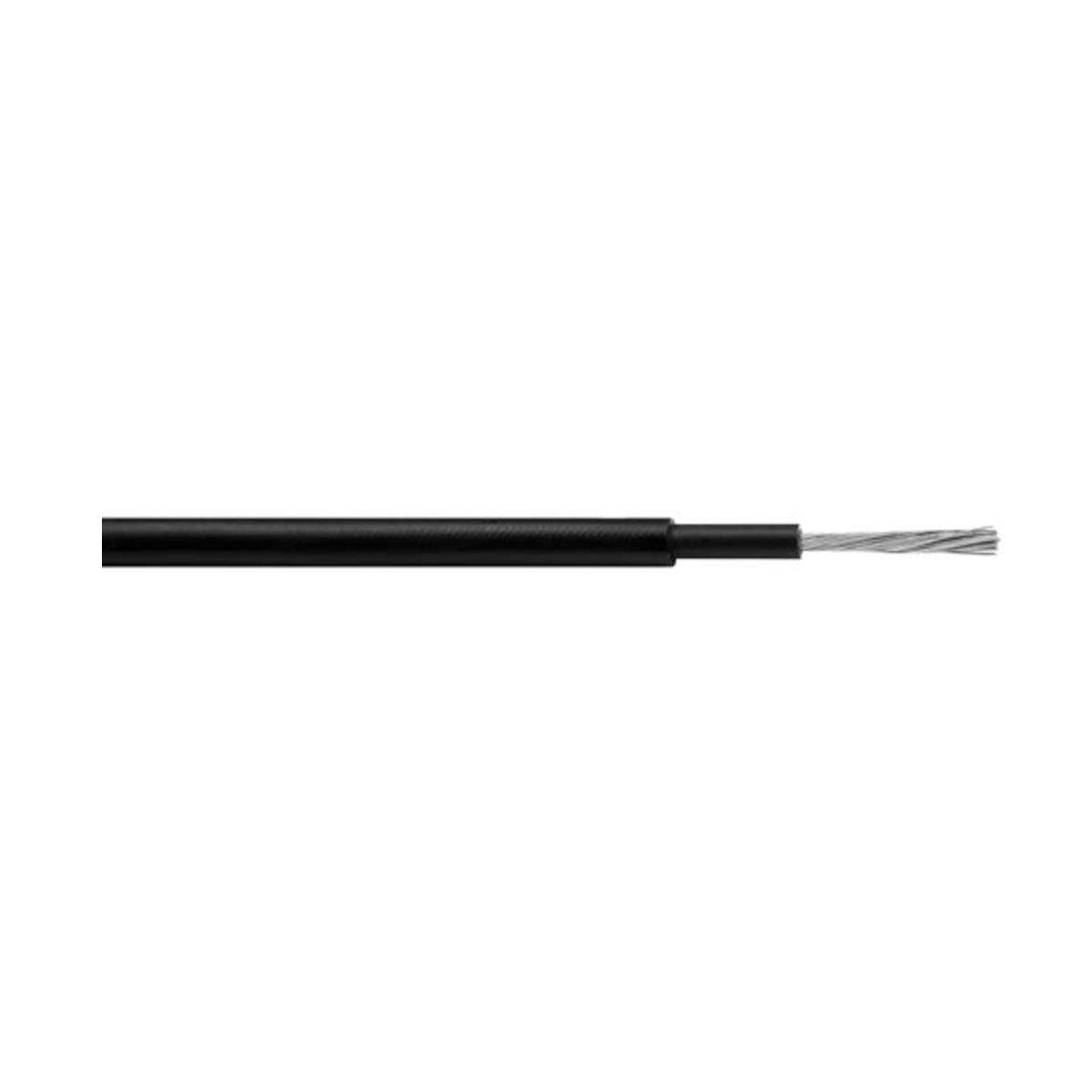
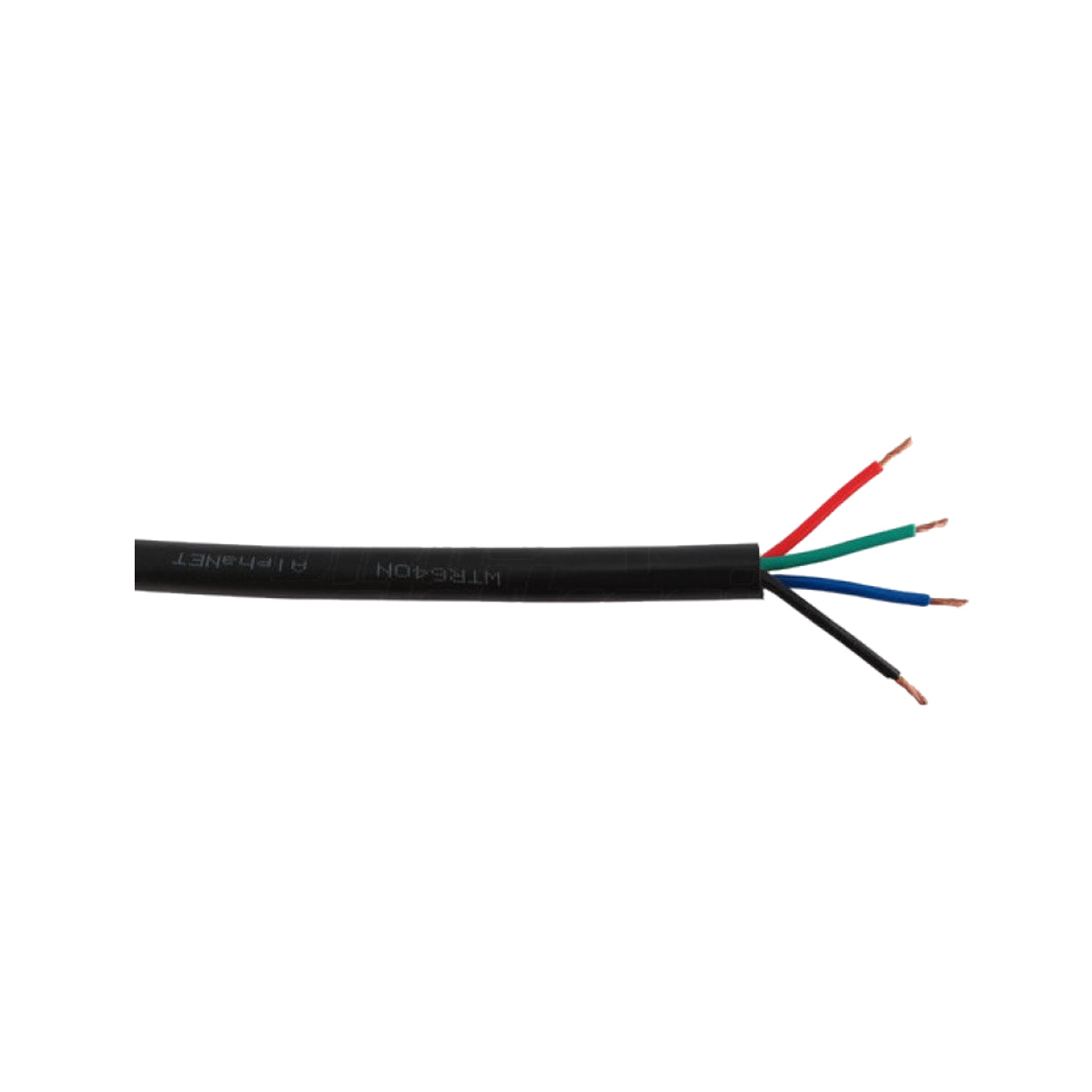
GBC: red-black zip cord by the meter for audio and low voltage
The red-black zip cord is the most widely used cable when you need only two conductors and the polarity must be recognizable at a glance. It was created for loudspeakers, but in daily practice, it ends up everywhere: LED strips, doorbells, magnetic contacts, electric locks, sensors, and small low-voltage power supplies. Here it is sold loose, by the meter: take exactly what you need.
Which cross-section
| Cross-section | Typical use |
|---|---|
| 2 × 0.50 mm² | Signals, doorbells, contacts, small speakers, short runs |
| 2 × 0.75 mm² | Bookshelf speakers, home theater satellites, LED strips on medium runs |
| 2 × 1 mm² | Floor-standing speakers, home hi-fi systems, longer runs |
The rule is simple: the longer the run and the higher the current, the more it pays to increase the cross-section. When in doubt, go up, because the cost difference is minimal compared to having to redo the wiring.
What does CCA mean
The conductor is copper-clad aluminum (CCA): it weighs less and costs less, but has higher electrical resistance than pure copper. For short runs and low currents — a doorbell, a contact, a nearby speaker — the difference is irrelevant, and it is the economically sensible choice. For long runs, high power levels, or where the cable remains walled in for years, pure copper is better.
Pro tip. If you use it to power LED strips, size the cross-section based on the current rather than the perceived length: strips consume a lot, and an insufficient cross-section will show immediately, with the light fading toward the end of the strip. And for loudspeakers, respect the polarity by always connecting the same conductor to the red terminal on all speakers in the system: two speakers out of phase will lose bass and the soundstage will fall apart—a flaw that is audible but rarely associated with cabling by most people.
Frequently asked questions
Does a thicker cable improve the sound?
It improves it to the extent that it reduces resistance, which is noticeable over long distances or with low-impedance speakers. Beyond the correct sizing, the gain becomes negligible; over-dimensioning indefinitely brings no audible benefits.
CCA or pure copper?
CCA for short runs, signals, and low-current uses where saving money makes sense. Pure copper for fixed installation inside walls, long runs, and high power: there, the higher resistance of CCA becomes a real problem, and the cable is not easily replaced.
How many meters should I order?
Measure the actual path of each run, not the air-line distance, and add a margin. In stereo systems, it is good practice to use similar lengths for both channels, even if it means a few extra meters on one side.
Is it suitable for concealed wiring?
It must be laid inside a pipe or conduit, never directly under plaster, and kept separate from power lines. The same rules as for any signal cabling apply.
How do I recognize polarity?
That is the advantage of this cable: the red conductor and the black one are immediately distinguishable. Just always connect the red to the same terminal at both ends and on all devices in the system.
See also audio zip cord in coils, cables in coils, and LED strips.