


























What is IP Protection Rating
Introduction to IP Classification
The IP protection rating, also known as Ingress Protection, is an international standard defined by the International Electrotechnical Commission (IEC). This classification indicates the level of protection provided by the enclosures of electrical equipment against the penetration of solid objects (such as dust) and liquids (such as water). The classification consists of two digits: the first digit indicates the degree of protection against solids, while the second digit indicates protection against liquids.
Understanding these classifications is fundamental to ensuring the safety and efficiency of electrical equipment in various environments. Adequate protection can prevent damage, malfunctions, and potential safety risks.
Details on IP65 Protection Rating
Meaning of IP65
The IP65 protection rating indicates that the equipment is completely protected against dust ingress (first digit "6") and protected against low-pressure water jets from any direction (second digit "5"). This combination of protection makes IP65 rated devices ideal for outdoor or industrial environments where they may be exposed to dust and water splashes.
Common Applications of IP65
Common applications for devices with an IP65 protection rating include:
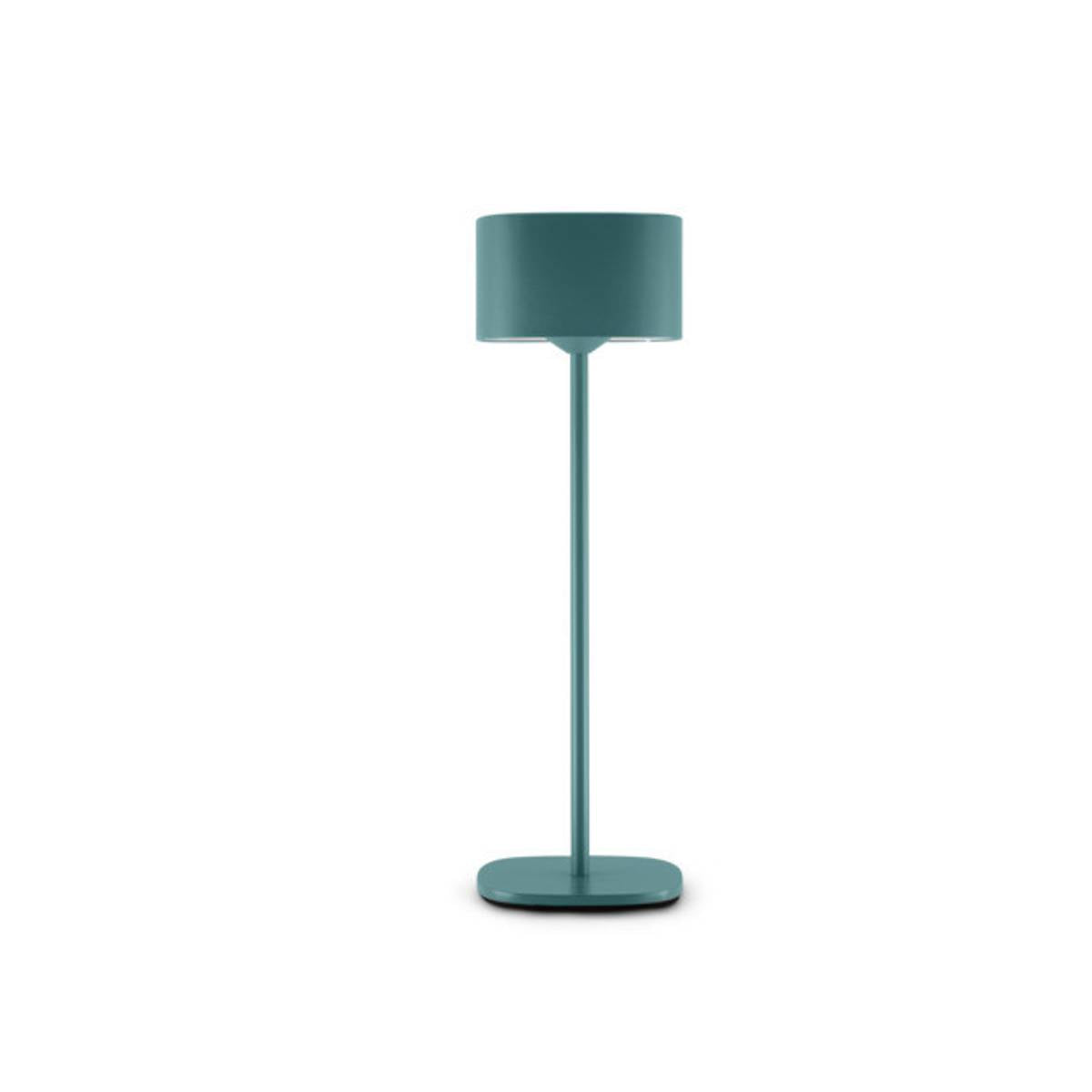
- Outdoor lighting: lamps and lighting fixtures for gardens, streets, and parking lots.
- Industrial equipment: machinery and tools used in dusty environments or subject to water splashes.
- Security systems: outdoor security cameras and sensors.
- Electronic devices: smartphones, tablets, and other portable devices designed to withstand adverse weather conditions.
IP65 rated products are essential for ensuring the durability and reliability of equipment in harsh environments, offering robust protection against dust and water.
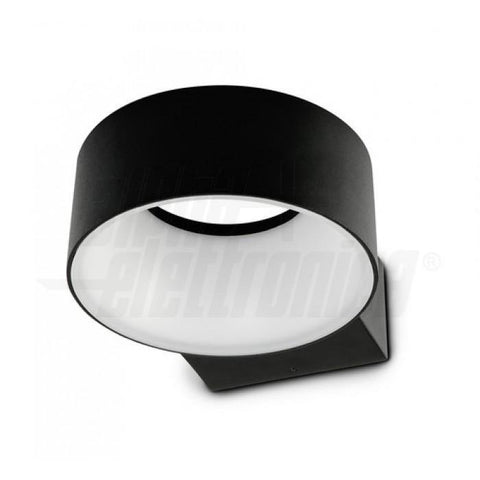

Outdoor lighting products with IP65 protection or higher tend to have higher costs compared to products with lower protection. This price increase is due to the need to withstand atmospheric agents, which requires the use of higher quality and more resistant materials. For example, many of these products are made with high-quality aluminum, which offers greater resistance to corrosion and weathering. Furthermore, they are often equipped with solid and durable seals, which ensure a perfect seal against dust and water.
These materials and technical measures increase the longevity and effectiveness of devices, making them a valuable investment for outdoor applications where reliability and durability are critical.
Other Protection Ratings: IP44 and IP54
IP44 meaning
The IP44 protection rating indicates that the equipment is protected against the ingress of solid objects larger than 1 mm in diameter (first digit "4") and protected against water splashes from all directions (second digit "4"). This level of protection is suitable for indoor or outdoor environments where moderate dust and occasional water splashes are present.
Common Applications of IP44
Common applications for devices with an IP44 protection rating include:
- Indoor and outdoor lighting: wall lamps for bathrooms, kitchens, covered terraces.
- Electrical equipment: electrical sockets and switches for damp environments.
- Home appliances: devices used in kitchens and bathrooms where they may be exposed to water splashes.
Meaning of IP54
The IP54 protection rating indicates that the equipment is partially protected against the ingress of dust that could interfere with the operation of the appliance (first digit "5") and protected against water splashes from any direction (second digit "4"). This level of protection is suitable for environments where there is a significant amount of dust and water splashes.
Common Applications of IP54
Common applications for devices with an IP54 protection rating include:
- Industrial equipment: machinery and tools used in dusty and humid environments.
- Outdoor lighting: lamps and lighting fixtures used in environments with high dust and humidity.
- Electronic devices: instruments and equipment used in outdoor or industrial environments with dust and water.
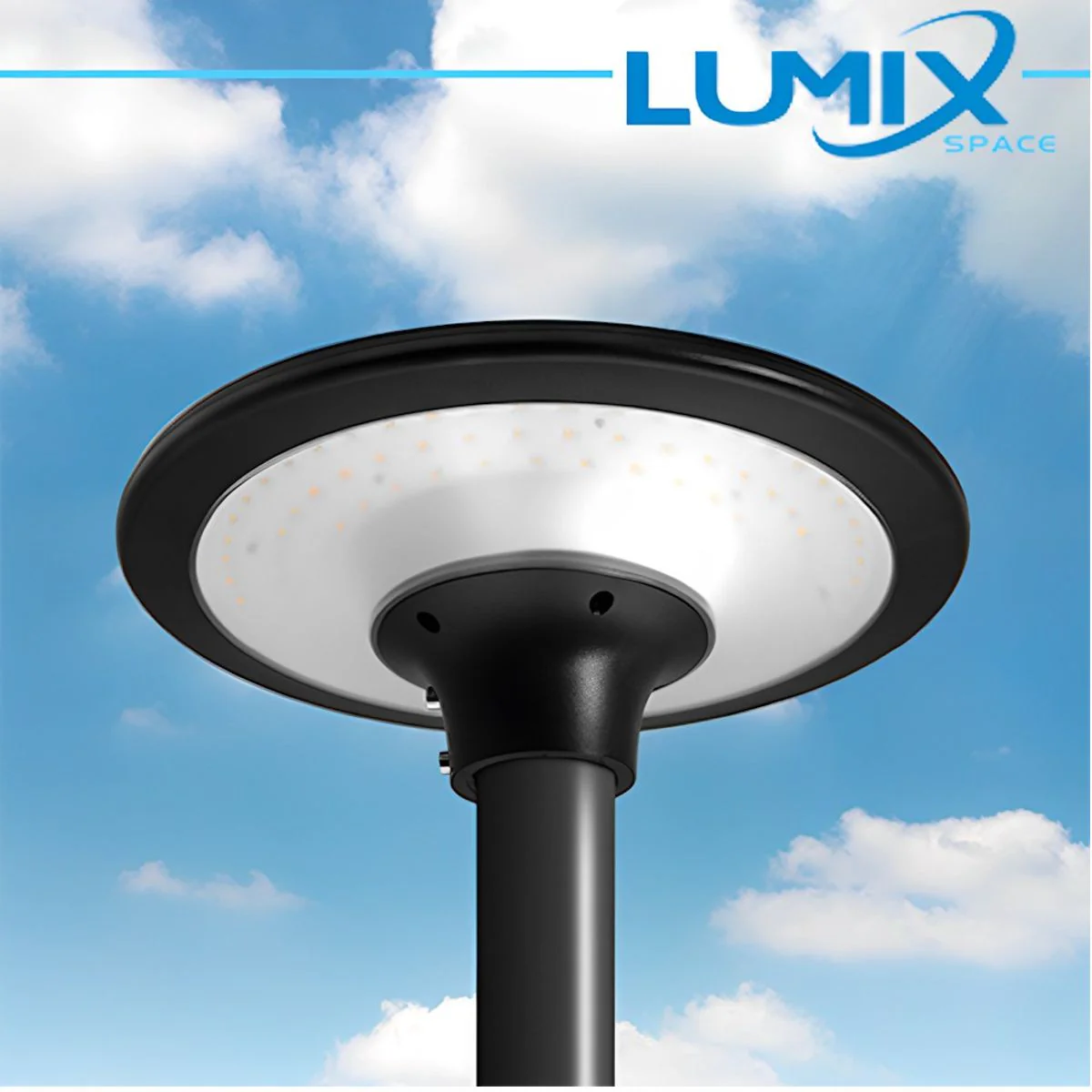
Explore the SOLAR STREET LIGHT with IP54 protection, a remarkable 2000 lumens of light output, double PIR sensor, and 4 operating modes.

How to Read a Protection Rating Chart
Understanding IP Classification Numbers
The IP (Ingress Protection) classification consists of two digits that indicate the level of protection offered by a device's enclosure against the ingress of solids and liquids. Here's how to interpret these digits:
-
First digit (Protection against solids):
- 0: No special protection.
- 1: Protected against solid objects larger than 50 mm.
- 2: Protected against solid objects larger than 12.5 mm.
- 3: Protected against solid objects larger than 2.5 mm.
- 4: Protected against solid objects larger than 1 mm.
- 5: Partially protected against dust (no functional damage).
- 6: Fully protected against dust.
-
Second digit (Protection against liquids):
- 0: No special protection.
- 1: Protected against vertically falling water drops.
- 2: Protected against water drops falling at up to a 15° tilt.
- 3: Protected against water sprays up to 60° from vertical.
- 4: Protected against water splashes from all directions.
- 5: Protected against low-pressure water jets from all directions.
- 6: Protected against powerful water jets.
- 7: Protected against temporary immersion in water.
- 8: Protected against continuous immersion in water.
Practical Examples of IP Classification Use
To help better understand how to use IP classifications, here are some practical examples:
- IP20: Typical for indoor electronic devices, such as computers and televisions, that do not require protection against dust or water.
- IP44: Suitable for outdoor or bathroom lighting fixtures, where protection against medium-sized dust and water splashes is required.
- IP65: Used for garden lighting or industrial devices, where complete protection against dust and water jets is required.
- IP68: Used for submersible devices such as diving watches or submersible cameras, which require protection against continuous immersion in water.
These examples illustrate the importance of choosing the appropriate IP protection rating based on the environment in which the device will be used, thus ensuring its durability and functionality.
Regulations and International Standards on IP Classification
Role of the International Electrotechnical Commission (IEC)
The International Electrotechnical Commission (IEC) is the body responsible for defining international standards for IP protection classifications. Founded in 1906, the IEC develops and publishes standards covering a wide range of electrical and electronic technologies, ensuring that products meet safety, reliability, and performance criteria.
IP (Ingress Protection) classifications are described in standard IEC 60529, which establishes the levels of protection provided by the enclosures of electrical equipment against the penetration of solid objects and liquids. Compliance with these standards is essential to ensure that products are safe and suitable for their intended use, reducing the risks of malfunctions and accidents.
Importance of Compliance with Safety Standards
Compliance with international safety standards, such as those established by the IEC, is crucial for several reasons:
- User safety: Ensuring that products do not pose a risk to user health and safety is fundamental. IP classification helps prevent accidents caused by dust or water ingress into electrical devices.
- Product reliability: Products compliant with IEC standards are designed to last over time, even in harsh environments. This increases consumer confidence and reduces maintenance and replacement costs.
- Regulation and legal compliance: Many countries require imported and sold products to comply with international regulations. Compliance with IEC standards facilitates access to global markets.
- Environmental protection: Using materials and designs that comply with IP protection standards helps reduce the environmental impact of electrical and electronic products.
IEC standards provide a clear framework for manufacturers, engineers, and consumers, ensuring that electrical devices are designed and tested to withstand expected environmental conditions.
Final Conclusion
In summary, understanding and using IP classification is essential for choosing electrical and electronic devices suitable for your needs. Carefully evaluating the usage environment and opting for appropriate protection ratings ensures not only product longevity but also user safety. Awareness of these international standards, such as those established by the IEC, helps make informed and safe choices, promoting the efficiency and reliability of equipment in various contexts.
Investing in devices with adequate IP classification offers numerous advantages:
- Durability: Products with adequate protection last longer, reducing replacement and maintenance costs.
- Safety: Protection against dust and water reduces the risk of short circuits and other malfunctions, improving user safety.
- Added value: Although products with IP65 classification or higher may have higher initial costs, the use of high-quality materials such as aluminum and solid seals ensures greater resistance to atmospheric agents, justifying the investment.
If you would like further information or need assistance for your next lighting project, please do not hesitate to contact us. Our team of experts is ready to help you choose the best solution for your needs, ensuring high-quality results and maximum efficiency.
Visit our website or contact us directly to find out more about our innovative solutions and how we can transform your vision into luminous reality.
- By email: Send your questions to info@oniroview.com and you will receive a detailed answer to guide you in making the best choice.
- By phone: Call 095 2883005 for immediate support.
- On WhatsApp: Add our number 371 4250284 for quick and personalized advice.
- In chat on our website: Visit oniroview.com and use the chat to communicate in real-time with our specialists.
- Retail store: if you are in Catania, come and visit us at via Piave 17
RELATED PRODUCTS