


























Updated September 16, 2026: The Bonus Colonnine (Charging Station Bonus) portal opens on Tuesday, September 22, 2026, at 12:00 PM on the Invitalia platform. Funding is set at 68 million euros through 2030, and eligible expenses date back to June 26, 2026: those who have installed or are installing from this date on can apply.
2026 Wallbox Bonus: incentives, requirements, and timelines
The Domestic Charging Station Bonus finally has a date: starting September 22, 2026, it will be possible to submit applications for the subsidy that covers 80% of the costs for the purchase and installation of a wallbox or charging station. In this article, you will find amounts, requirements, documents to prepare, and what happens if the resources run out, based on verified data from official sources at the Ministry of Enterprises and Made in Italy (MIMIT) and Invitalia.
What is the Charging Station Bonus and when does it open
The Domestic Charging Station Bonus is a non-repayable state grant designed to reduce the cost of purchasing and installing electric vehicle charging infrastructure—wallboxes and charging stations—for individuals and condominiums. It is managed by Invitalia on behalf of the MIMIT and has been active in various editions since 2022.
The directorial decree refinancing the measure through 2030 sets a total budget of 68 million euros: 10 million in residual resources from 2025, 5 million allocated for 2026, 15 million for each of the years 2027–2029, and 8 million for 2030, the final year of the measure, which will close on March 31, 2030. As always with this type of call for applications, requests are processed in chronological order of receipt: with a relatively limited budget for 2026 (15 million including residuals and new allocation), being ready on the first available day makes a difference.
The portal for submitting applications opens on Tuesday, September 22, 2026, at 12:00 PM on the Invitalia platform. Eligible expenses are retroactive to June 26, 2026: those who have already installed or are installing from this date on still fall within the scope of the bonus.
How the grant works: amounts and percentages
The structure of the bonus includes:
- 80% of eligible expenses for the purchase and installation of the charging infrastructure;
- up to 1,500 euros for individuals (installation in private homes, garages, carports);
- up to 8,000 euros for interventions on common condominium areas (articles 1117 and 1117-bis of the Civil Code);
- one single application per beneficiary, which can only be resubmitted if the first one is deemed inadmissible;
- disbursement in a single installment, upon the granting decree.
Eligible expenses include the purchase of the charging station or wallbox, installation, electrical systems, and building works strictly necessary, design, work management, testing, and the activation of a new point of delivery (POD) for grid connection. Taxes, duties, consultancies not provided for by the decree, expenses on land and properties, and charges for building permits remain excluded.
Who can request the bonus (and what requirements are needed)
Beneficiaries are individuals residing in Italy and condominiums, represented by the administrator pro tempore or a delegated condominium owner. Sole proprietorships and companies are excluded from the measure: for businesses and VAT holders, there are separate incentive forms managed by the Ministry of Environment and Energy Security (MASE) under the PNRR.
The infrastructure must be factory new and installed on premises fully available to the beneficiary: for individuals, for exclusive private use; for condominiums, intended for the collective use of the residents—in both cases, not accessible to the public. Installation must be performed by a certified installer who issues the declaration of conformity of the system: without this document, the application is not admissible.
A point not to be underestimated looking ahead: from 2027, devices must meet the technical requirements of the ARERA 541/2020/R/eel resolution and be listed in the official list published by the GSE. For 2026 installations, this constraint does not yet apply, but those considering a purchase right around the end of 2026 and the beginning of 2027 would do well to verify the presence of the model on the GSE list before proceeding.
🔌 Models that fit the bonus parameters
They all remain below the 22 kW threshold required for standard power and, when installed by a certified technician, obtain the declaration of conformity necessary for the reimbursement application:
- Autel 7kW Single-Phase IP54 — SKU AU007-1P32A
- FoxESS 7.3kW Single-Phase 6m Cable — SKU FE-LSL07PC
- SolaX Smart EV Charger G2 22kW Three-Phase — SKU SP-X3-HAC-22P-E
The main difference between the three: power (7kW vs 22kW) and system phase (single vs three-phase). For a standard home system, single-phase covers almost all cases; the SolaX three-phase makes sense if you already have a three-phase connection or anticipate faster charging times.
How to apply
From September 22, 2026, applications can be submitted online on the Invitalia platform, with access via SPID, CIE, or CNS. You will need: an identity document, electronic invoices, bank statements proving traceable payments, the installer's declaration of conformity, and a PEC address active for the entire duration of the procedure. Cash payments are not allowed.
For condominiums, you additionally need the assembly resolution authorizing the work on common areas, accompanied by the administrator's statement certifying that the resolution has not been challenged within the legal timeframe.
The reference year for the contribution is determined by the installation completion date: for 2026, the period up to December 31 applies; for subsequent years, the corresponding calendar year.
Applications stop when resources run out
Applications are processed in chronological order of receipt. If the resources allocated for the year are exhausted, the disbursement stops until the portal reopens for the following year: with a 2026 annual budget of 15 million including residuals and new funding, this is a scenario that cannot be ruled out if the application arrives late.
The grant is liquidated in a single installment with the granting decree. Invitalia carries out random checks on the truthfulness of the declarations: in case of irregularities, the ministry may order the total or partial revocation of the grant, with an obligation to return the sums within sixty days.
Why it's worth having everything ready before September 22
The bonus functions as a reimbursement for expenses already incurred: it is not an immediate discount on the invoice or a tax deduction spread over several years. Those who have already installed (or install in the coming days) a wallbox with expenses incurred from June 26, 2026, onwards can apply from the very first minute the portal opens.
Since applications are processed in chronological order and the 2026 funds are not unlimited, the real difference is made by arriving at September 22 with everything already prepared: invoices and traceable bank transfers, the installer's declaration of conformity, an active PEC, and—for condominiums—the assembly resolution already voted on. Preparing now, rather than discovering requirements after opening, is what separates those who receive the grant from those who arrive when funds are exhausted.
House Bonus and Conto Termico 3.0: alternatives if you don't fit the parameters
Two fiscal instruments independent of the MIMIT bonus remain available, useful if your case does not meet the requirements seen above:
- House Bonus (50% IRPEF deduction): applicable if the installation of the charging station is part of a broader building renovation or extraordinary maintenance intervention on the property, with recovery distributed over ten years;
- Conto Termico 3.0: governed by the Ministerial Decree of 07/08/2025, it concerns the creation of charging infrastructure combined with the replacement of air conditioning systems with heat pumps—it should not be considered an autonomous incentive for the wallbox alone.
The two instruments cannot be combined with the MIMIT bonus on the same expense item: they should be evaluated as an alternative, not as a supplement.
Common mistakes to avoid
- Not having an active PEC. It is a mandatory requirement to submit an application and must be kept active for the entire duration of the procedure.
- Paying in cash. The grant requires traceable and documentable payments.
- Installing without a certified technician. The declaration of conformity is an essential requirement for the admissibility of the application.
- For condominiums, not having the assembly resolution ready. Without a regularly approved and uncontested resolution, the condominium's application is not admissible.
- Waiting for the opening to start preparing documents. Applications are processed in chronological order: those who arrive ready on September 22 have a higher probability of falling within the available funds.
Electrical materials and installation accessories: what is really needed
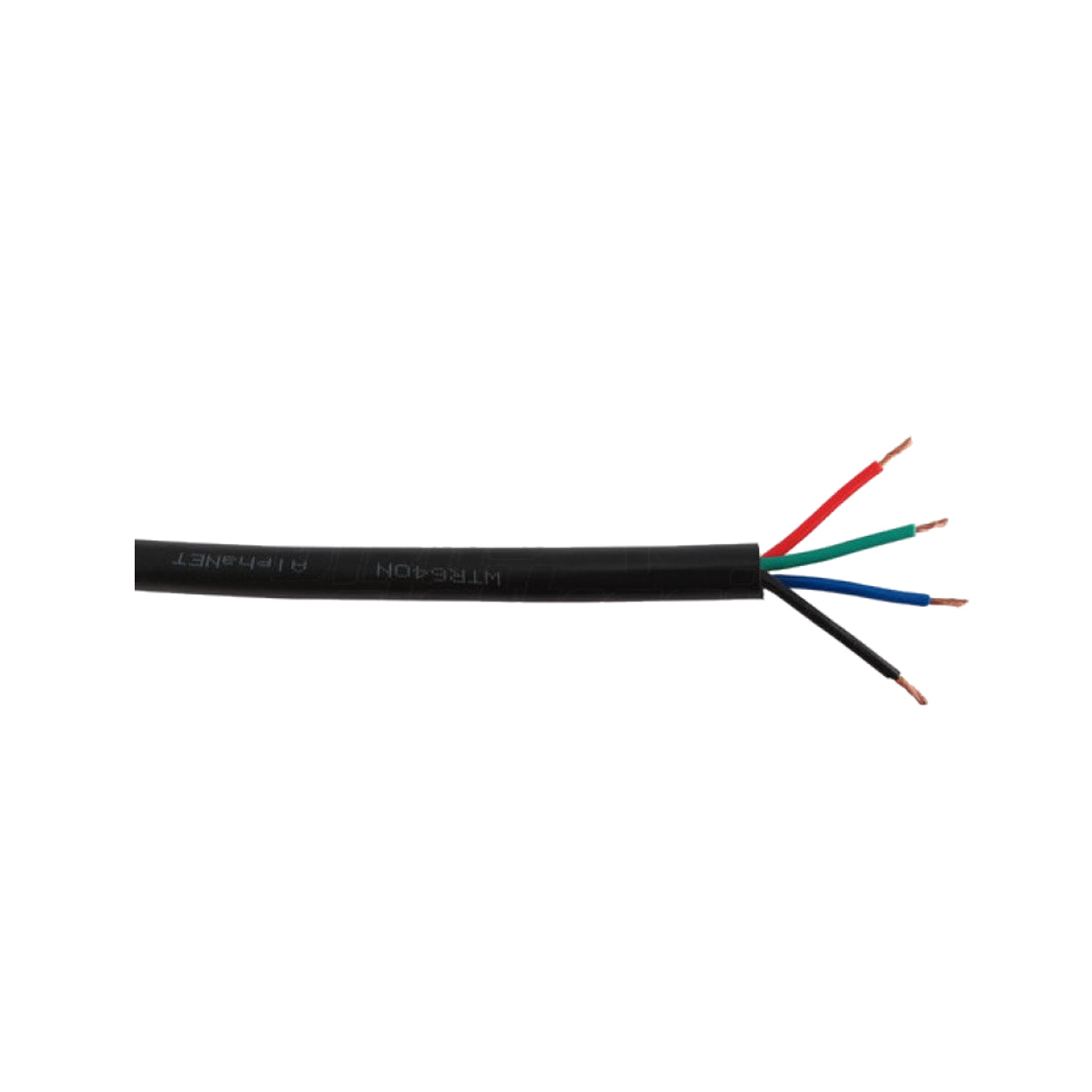
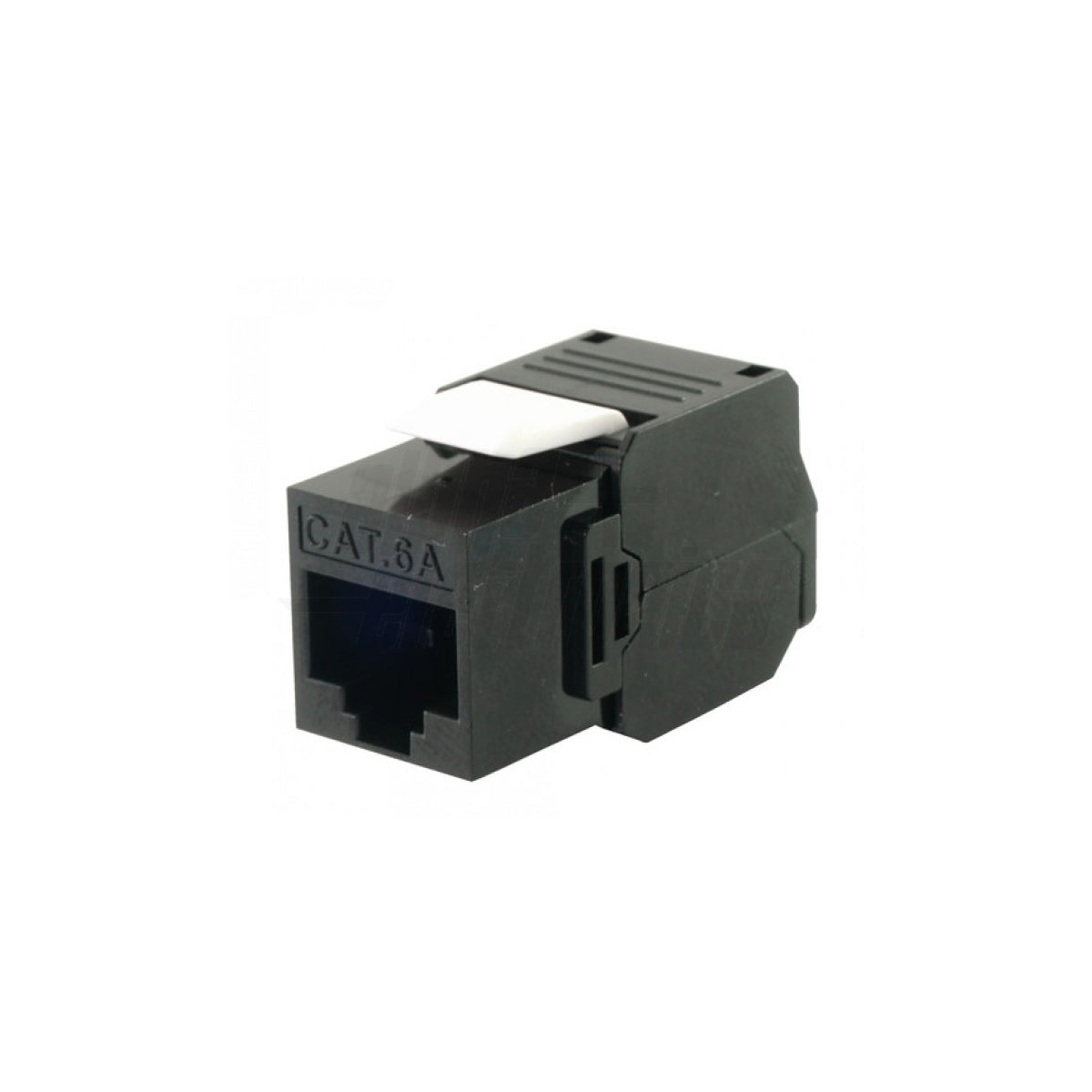
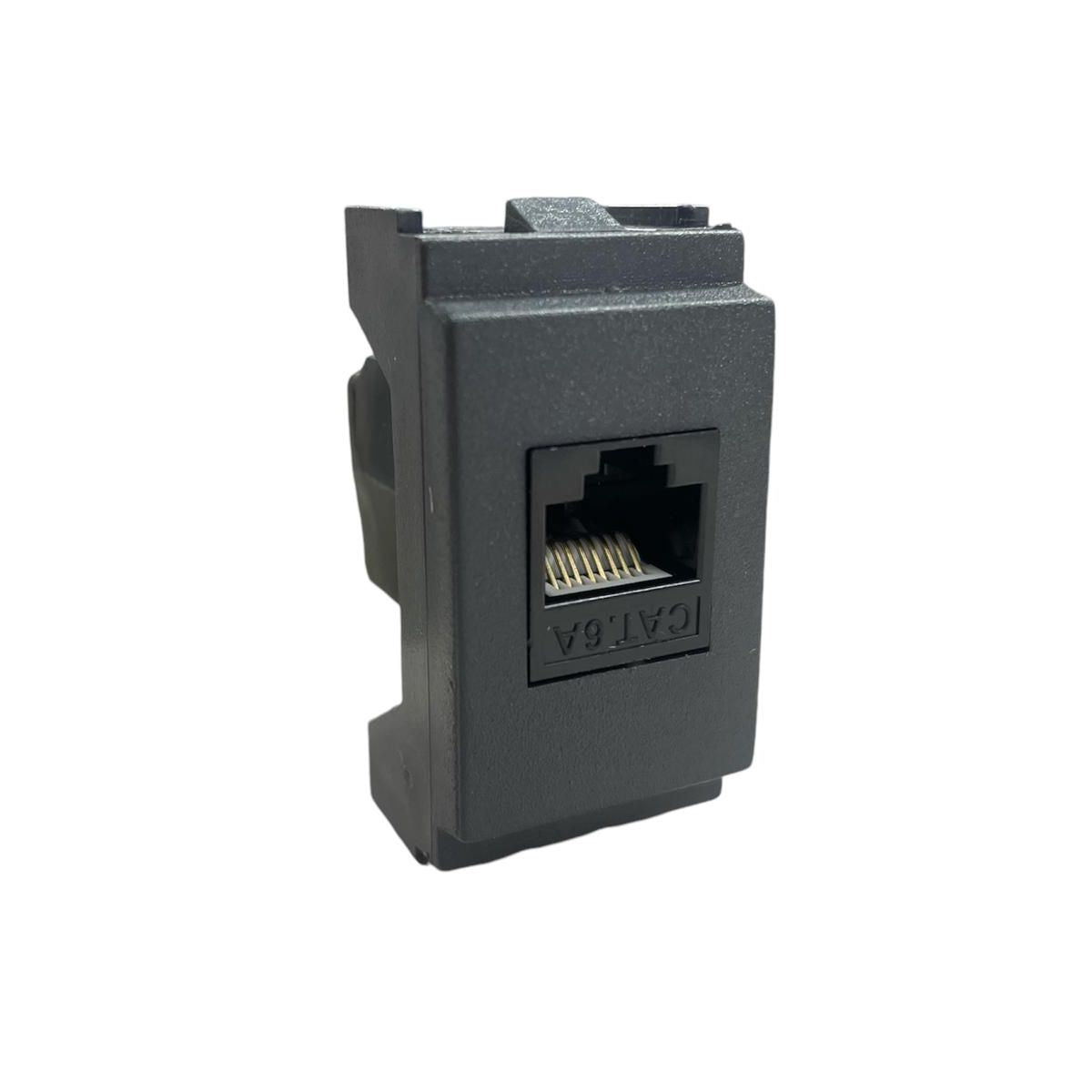
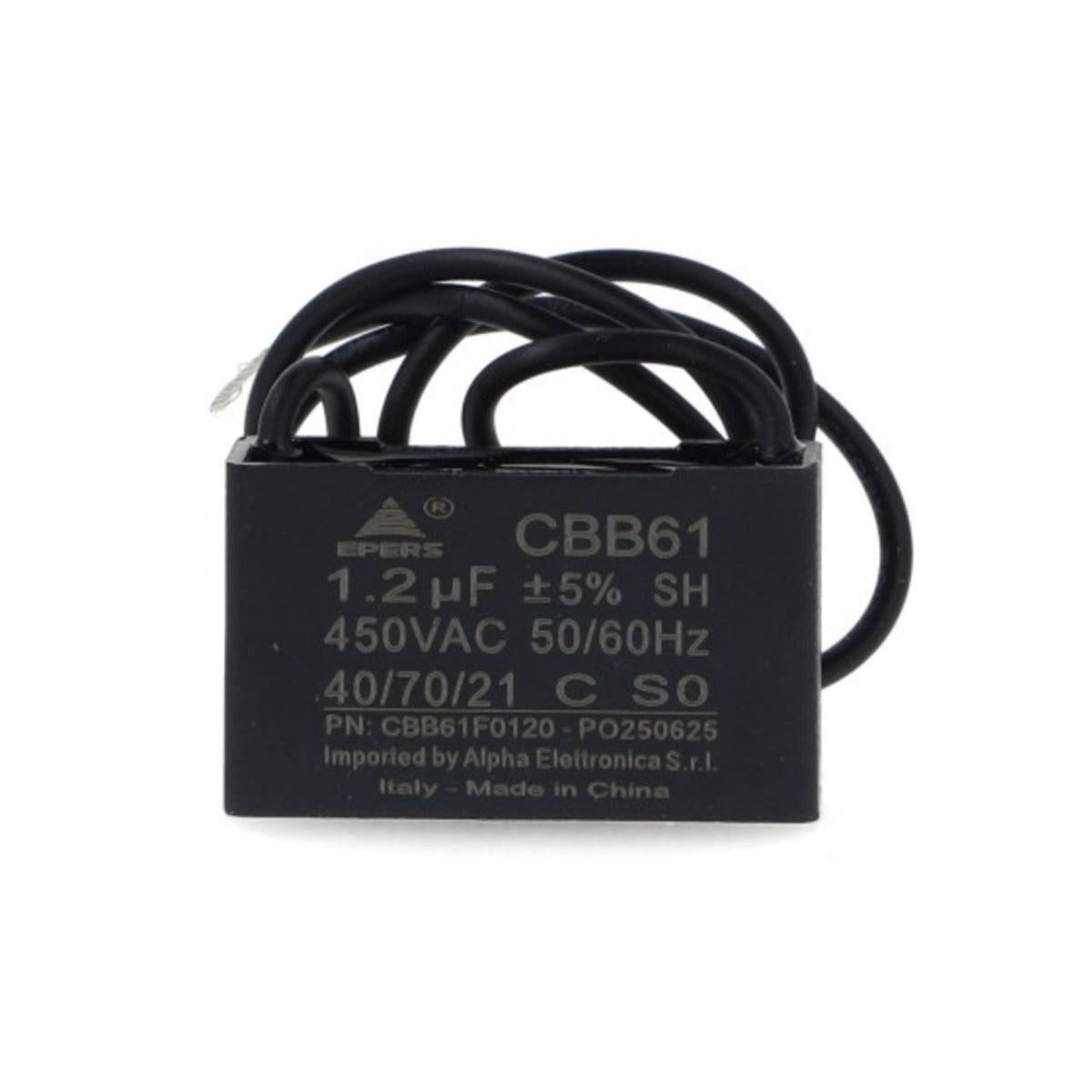
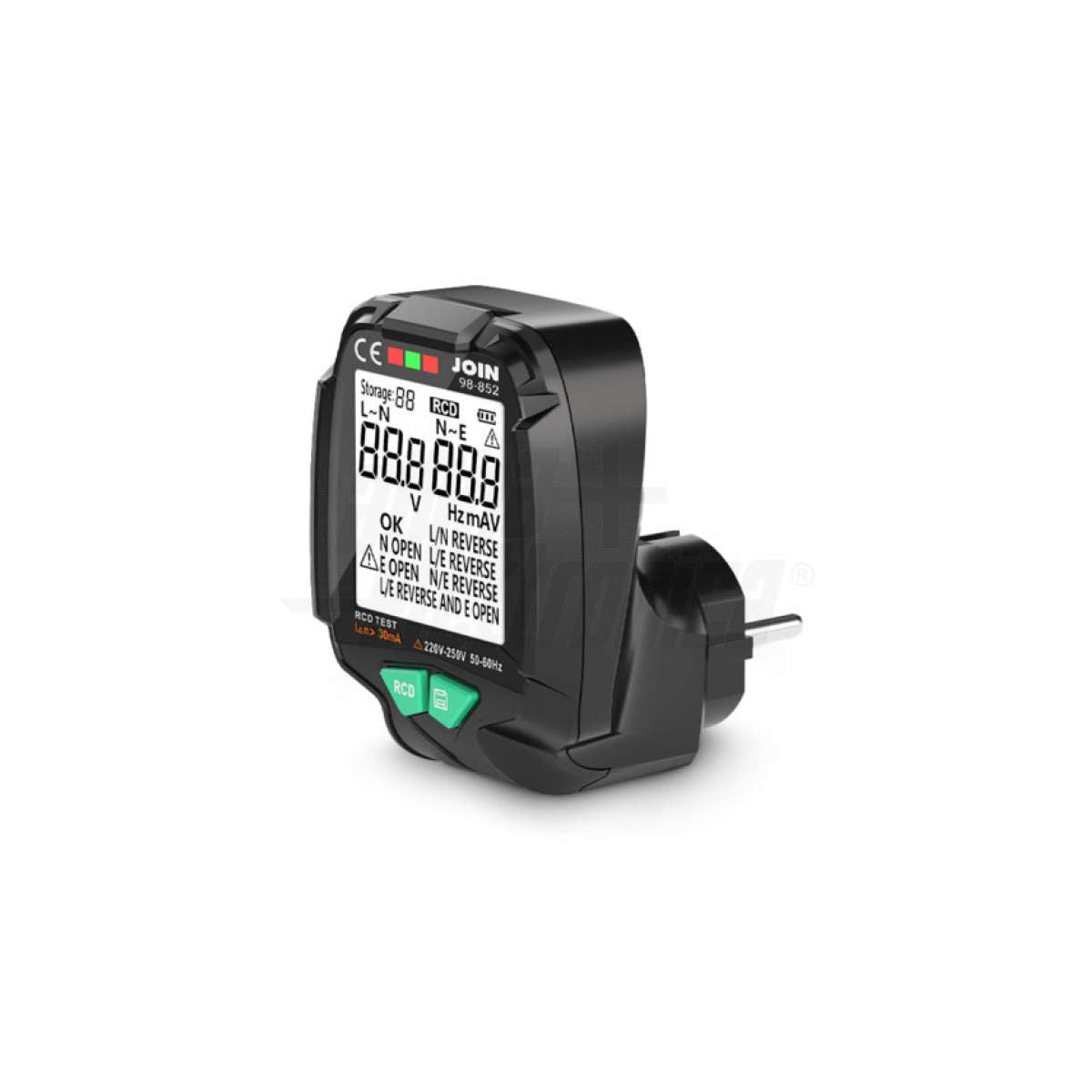
Whether you are installing now or preparing for the portal to open, a professional-grade wallbox requires certified electrical materials: properly sized cables, dedicated circuit breakers and residual current devices, conduits, and outlets compatible with the existing system. With over 25 years of experience in the electrical sector, the Oniroview team selects reliable technical components for individuals, installers, and condominiums who want to tackle installation without surprises during the testing phase—a detail that matters, because the declaration of conformity required by the bonus does not forgive improvised systems.
Discover the selection of electrical materials and installation accessories in the Oniroview catalog, or contact our team for technical advice before proceeding.
Frequently Asked Questions about the 2026 Charging Station Bonus
When does the 2026 Charging Station Bonus open?
The portal to submit applications opens on Tuesday, September 22, 2026, at 12:00 PM on the Invitalia platform.
Are expenses incurred before the opening refundable?
Yes. Eligible expenses are retroactive from June 26, 2026: those who have installed or are installing from this date on can apply as soon as the portal opens.
How much does the bonus cover?
80% of eligible purchase and installation expenses, up to 1,500 euros for individuals and up to 8,000 euros for interventions on common condominium areas.
Who can apply for the grant?
Individuals residing in Italy and condominiums. Sole proprietorships and companies are excluded from this measure; for businesses and VAT holders, there are separate incentives managed by the MASE.
What happens if the resources run out?
Applications are processed in chronological order of receipt: if the funds allocated for the year are exhausted, disbursement stops until the portal reopens for the following year.
How is the application submitted?
Online on the Invitalia platform, with SPID, CIE, or CNS access, attaching an identity document, invoices, bank statements, declaration of conformity, and an active PEC address. Condominiums must add the assembly resolution.