


























Dear readers, are you worried about sudden power outages and the possible damage they can cause to your electronic devices? If so, then this article is for you! We will help you choose the best uninterruptible power supply (UPS) to protect your electronic equipment. Don't take power for granted, because 'you won't notice it until it's too late'.
What is an Uninterruptible Power Supply (UPS)?
An Uninterruptible Power Supply is an electrical device that provides emergency power to connected loads in the event of a power outage. These devices are useful for ensuring business continuity and protecting the integrity of sensitive electronic devices during blackouts or power surges.


How Does an Uninterruptible Power Supply Work?
An uninterruptible power supply ensures that electronic devices are protected from electrical blackouts. Here's how it works:
- Constant monitoring of incoming electrical power.
- Detection of power outages and immediate switching to backup power.
- Battery usage to provide temporary power during the switch to emergency power.
- Automatic restoration of main power once the interference is resolved.
What are the Advantages of an Uninterruptible Power Supply?
If you are looking for a way to protect your electronic equipment from power outages and other power problems, an uninterruptible power supply could be the ideal solution. In this section, we will explore the main advantages of a UPS, including protection from power outages, overvoltages, and undervoltages, and maintaining continuous access to your equipment. Find out which UPS might be best for your needs and how it can improve the safety and efficiency of your electronic equipment.
Protection from Power Outages
Protection from power outages is a critical function of an Uninterruptible Power Supply (UPS) system. It protects sensitive equipment and data from unexpected power interruptions, ensuring operational continuity.
Protection from Overvoltages and Undervoltages
Protection from overvoltages and undervoltages is crucial for the proper functioning and longevity of electronic devices. An uninterruptible power supply (UPS) protects equipment from voltage fluctuations, ensuring a stable and secure power supply.
Continuous Access to Equipment
Continuous access to equipment is essential for uninterrupted operations and data integrity. A reliable uninterruptible power supply (UPS) ensures continuous power during blackouts, protecting against data loss and equipment damage. It also facilitates the seamless operation of critical systems, such as servers, network devices, and security systems, promoting operational efficiency.
How to Choose the Right Uninterruptible Power Supply?
When it comes to choosing an uninterruptible power supply, it's important to consider several factors to make the right choice. In this section, we will explore the main aspects to consider when selecting the right UPS for your needs. We will look at load capacity, battery life, the number of output sockets, management software, and the importance of warranty and support. With these elements in mind, you will be able to make an informed choice and get the best UPS for your needs.
Load Capacity
Evaluate the power requirements for all connected devices.
Calculate the total power consumption of the devices.
Choose a UPS with a load capacity greater than the total power consumption.
Consider future expansions and additional devices when determining load capacity.
If you wish, we can recommend the most suitable UPS based on the load to be applied and the autonomy time you desire. Contact us via email at info@oniroview.com and tell us how many watts and for how long. We will use a tool to indicate the perfect uninterruptible power supply for you.

Battery Autonomy
Evaluate power requirements:
Calculate the duration of backup power needed during blackouts based on typical usage patterns and equipment criticality.
Consider battery capacity:
Choose a UPS with a battery that can provide power for the required duration, taking into account possible variations in power availability.
Understand charging time:
Evaluate how quickly the battery recharges after use to ensure readiness for subsequent blackouts.
Check battery health monitoring:
Opt for a UPS with battery health diagnostics and monitoring to proactively address potential issues.
Number of Output Sockets
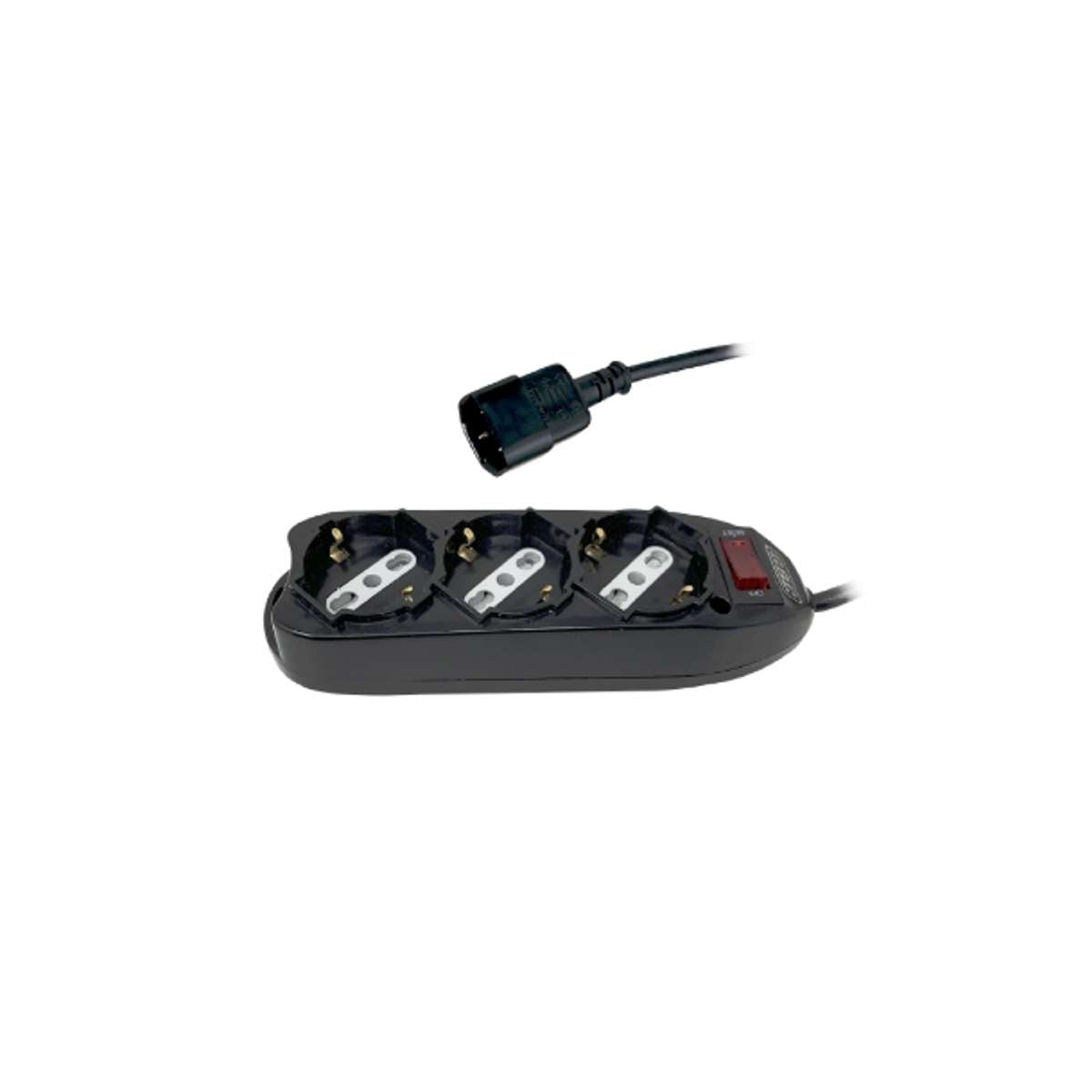
The number of output sockets on a UPS is crucial for connecting multiple devices simultaneously. When selecting a UPS, consider the number of output sockets to ensure it meets equipment requirements. Evaluate the number of devices that need protection and backup power, then choose a UPS with an adequate number of output sockets to accommodate all critical appliances.


Management Software
Management software plays a critical role in monitoring and controlling uninterruptible power supply (UPS) systems. It provides real-time data on power usage, battery status, and alerts for power events. With advanced features such as scheduled shutdowns during outages, remote management, and historical performance analysis, UPS management software ensures seamless power continuity.
Warranty and Support
When selecting a UPS, warranty and support are crucial. Look for brands that offer extended warranty periods and comprehensive customer support.
What to Do Before Buying an Uninterruptible Power Supply?
Before purchasing an uninterruptible power supply, it is important to make some evaluations to ensure you choose the model best suited to your needs. In this section, we will explore the actions to take before making the purchase. First, it is essential to assess your energy needs to determine the type of UPS required. Next, we will analyze the different features of the available models and how to compare them to find the most suitable one. Finally, we will discuss how to consider the available budget for the purchase and how to find a good balance between price and performance.
Assess Your Energy Needs
Assessing your energy needs is fundamental before purchasing an uninterruptible power supply. Calculate the energy required by the devices to be powered and identify the power needed to keep these appliances running during a power outage. Also consider the typical duration of outages in your area and assess whether a UPS with extended autonomy is necessary.
Compare Features of Different Models
When comparing the features of different uninterruptible power supply (UPS) models, consider factors such as:
- power capacity
- battery life
- number of output sockets
- management software
- warranty
Evaluate how each model meets specific requirements in terms of:
- backup power
- surge protection
- continuous access to devices
Consider Your Available Budget
When choosing an uninterruptible power supply, it is essential to consider the available budget. Setting a financial limit helps to narrow down options and focus on models that offer the best combination of features and reliability, without exceeding available financial resources.
Frequently Asked Questions
What is an 'uninterruptible power supply'?
An uninterruptible power supply, also known as a UPS (Uninterruptible Power Supply), is a device that provides backup power in the event of a power outage or fluctuation. It ensures the continuous operation of electronic devices without interruption.
Why do I need an uninterruptible power supply?
An uninterruptible power supply is essential to protect electronic devices from potential damage caused by power outages or fluctuations. It also provides peace of mind knowing that devices will continue to function during a power outage.
How do I choose the right uninterruptible power supply?
When choosing an uninterruptible power supply, it is important to consider the power requirements of your electronic devices, the duration and capacity of the UPS battery, and its ability to protect against power surges. It is also important to consider the size and design of the UPS to ensure it fits the designated space.
What are the different types of uninterruptible power supplies available?
There are three main types of uninterruptible power supplies: standby, line-interactive, and online. The standby UPS is the most common and affordable type, suitable for protecting household appliances. The line-interactive UPS is a higher-end solution with additional features such as automatic voltage regulation. The online UPS is the most advanced and offers continuous protection against power fluctuations.
Standby UPS
Standby UPS are the ideal starting point for those seeking basic protection. When the main power falters, these devices kick into action, switching from mains power to battery power. Key features include:
- Main Function: Activates only in case of main power interruption.
- Efficiency: Higher energy efficiency compared to other types, but with a longer switching time.
- Common Applications: Suitable for protecting home devices and office use.
Line-Interactive UPS
If voltage precision is a priority, the Line-Interactive UPS is the right choice. It automatically regulates voltage in response to fluctuations without switching to batteries, ensuring a more stable distribution. Key features include:
- Main Function: Automatic voltage regulation to handle fluctuations without switching to batteries.
- Efficiency: Good efficiency and better voltage regulation compared to standby models.
- Common Applications: Used in contexts requiring precise voltage regulation, such as for electronic computers.

Online UPS
When safety is the top priority, the Online UPS offers continuous protection by constantly powering the load from its batteries. If continuity is essential for your business, consider these points:
- Main Function: Constantly powers the load from batteries for continuous protection.
- Efficiency: Lower energy efficiency compared to standby and line-interactive, but offers maximum protection.
- Common Applications: Crucial for sensitive devices and critical equipment, such as servers and network equipment.
Can I use an uninterruptible power supply for all types of electronic devices?
The uninterruptible power supply is suitable for a variety of electronic devices, including computers, home entertainment systems, and network equipment. However, it is not recommended for high-power devices such as refrigerators or air conditioners.
How often should I replace my uninterruptible power supply?
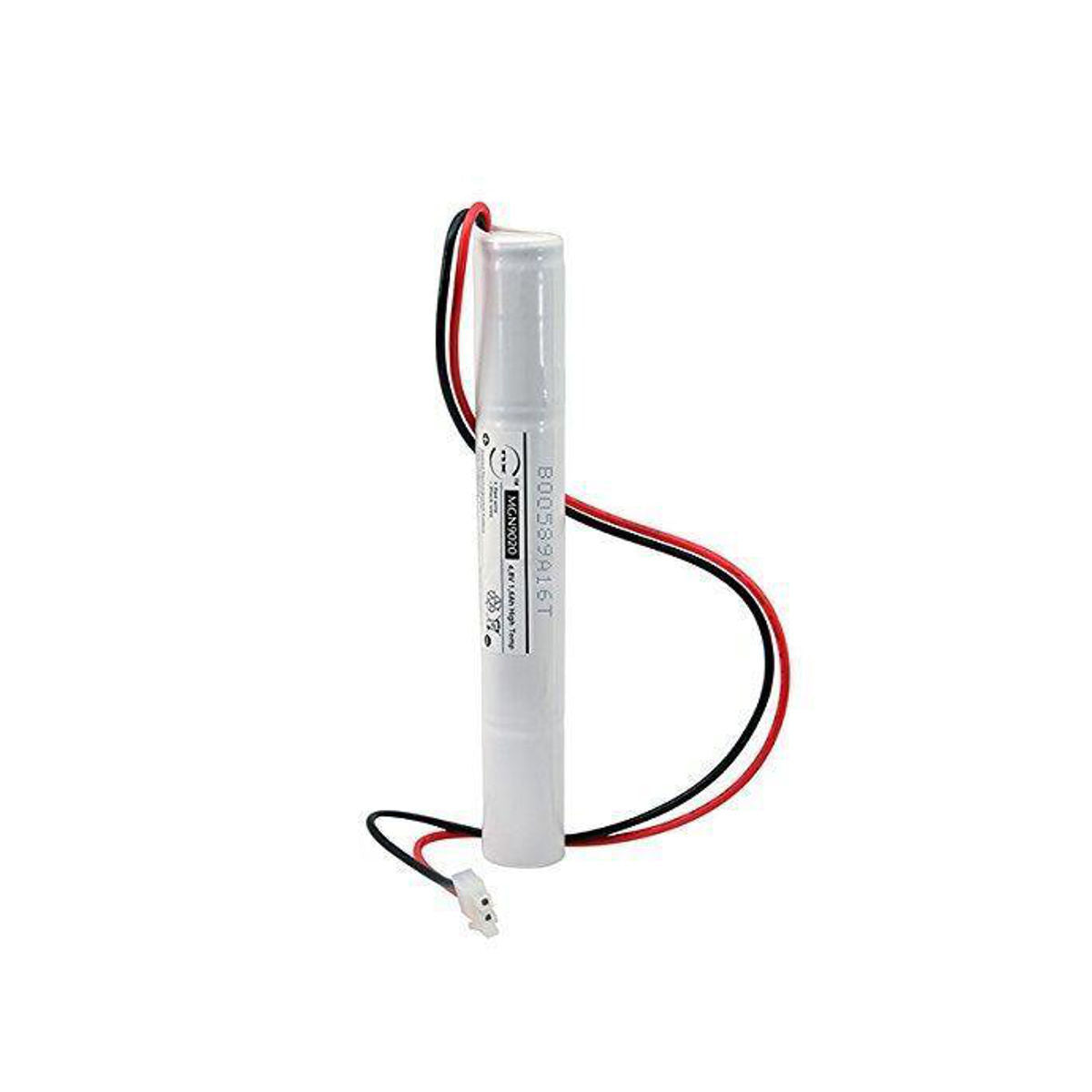
The battery life of an uninterruptible power supply usually ranges from 3 to 5 years. It is recommended to replace the battery within this period to ensure optimal performance. Some UPS models also have a replaceable battery, allowing you to extend its life without having to buy a new one.