


















































Batteries
Filter
Sort by:


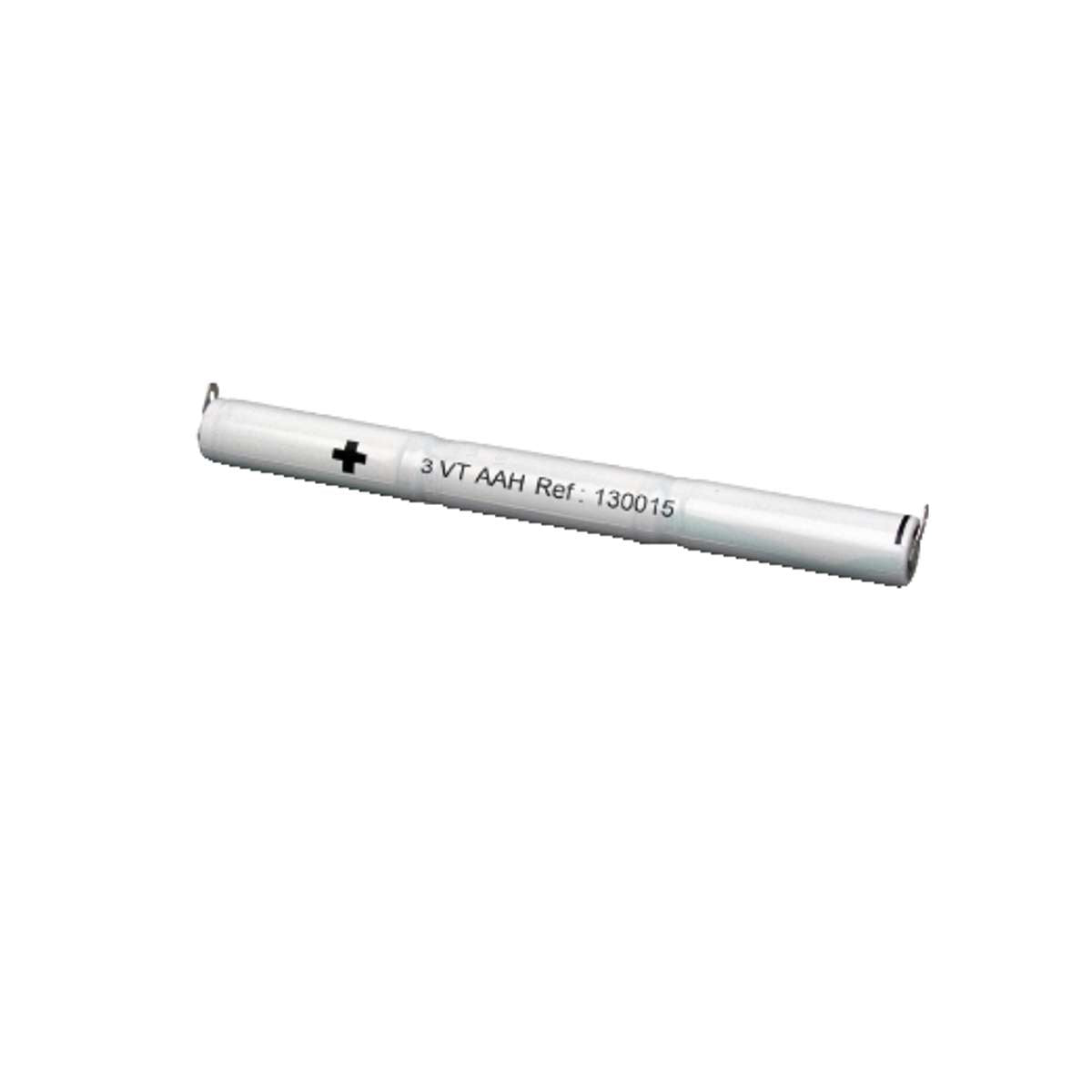
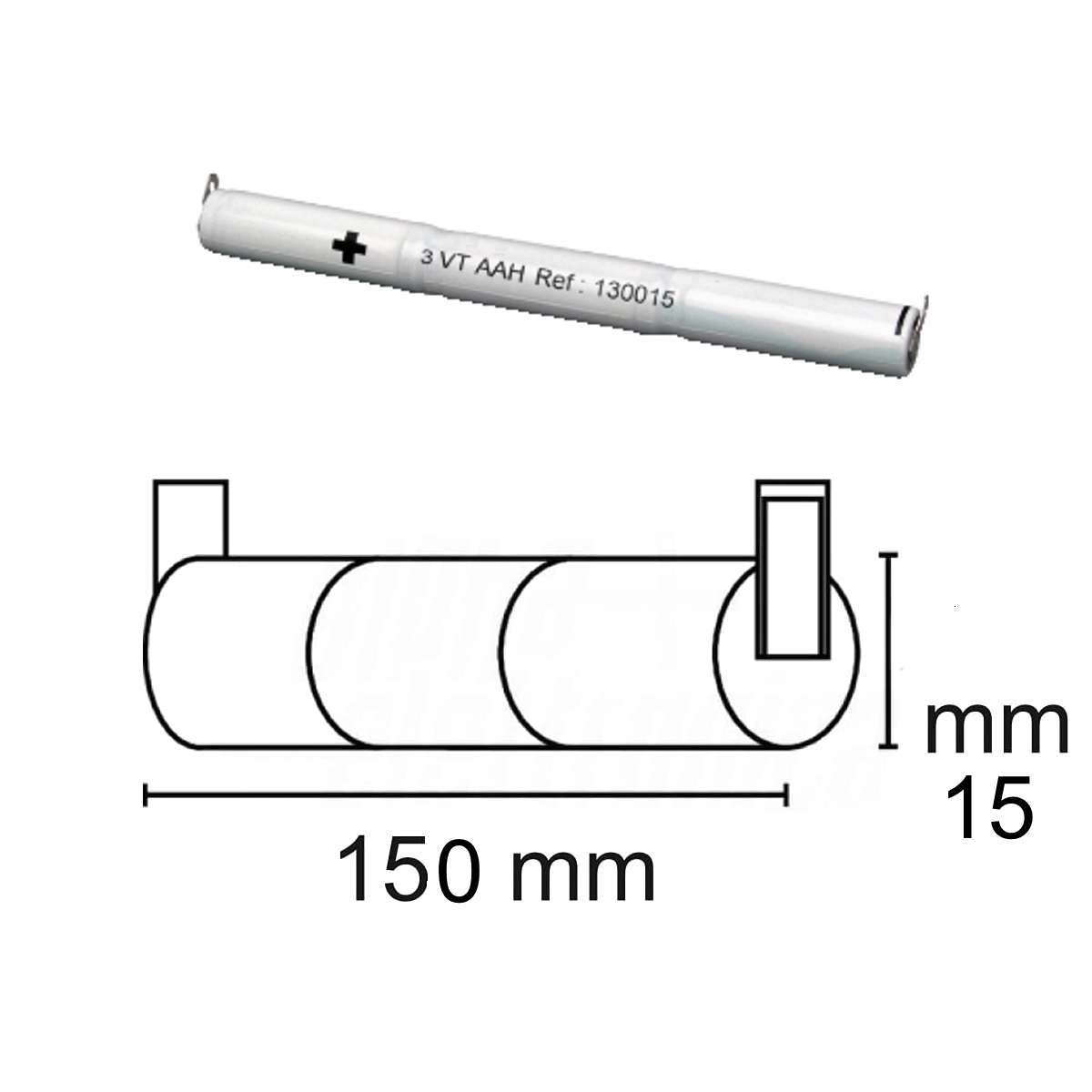
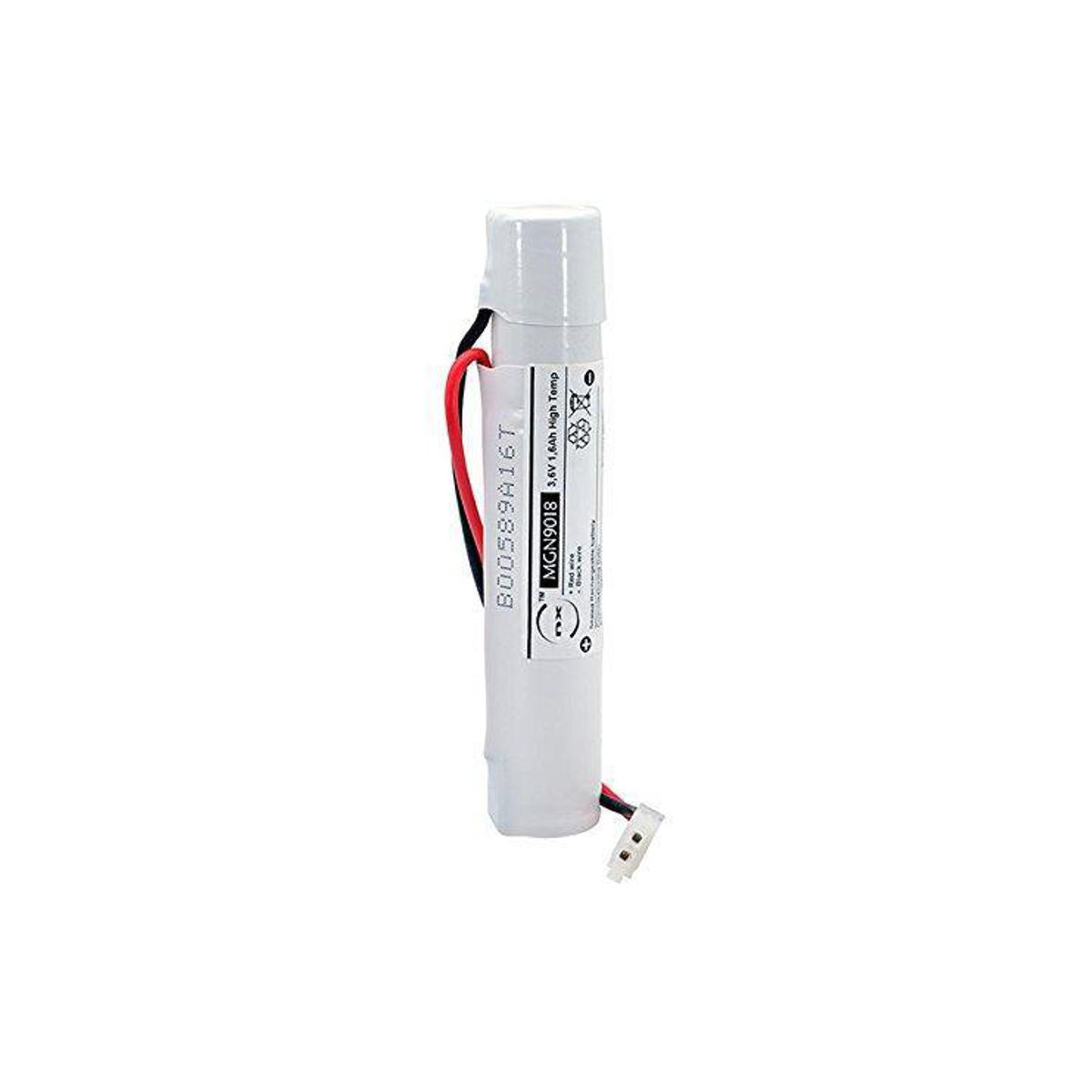


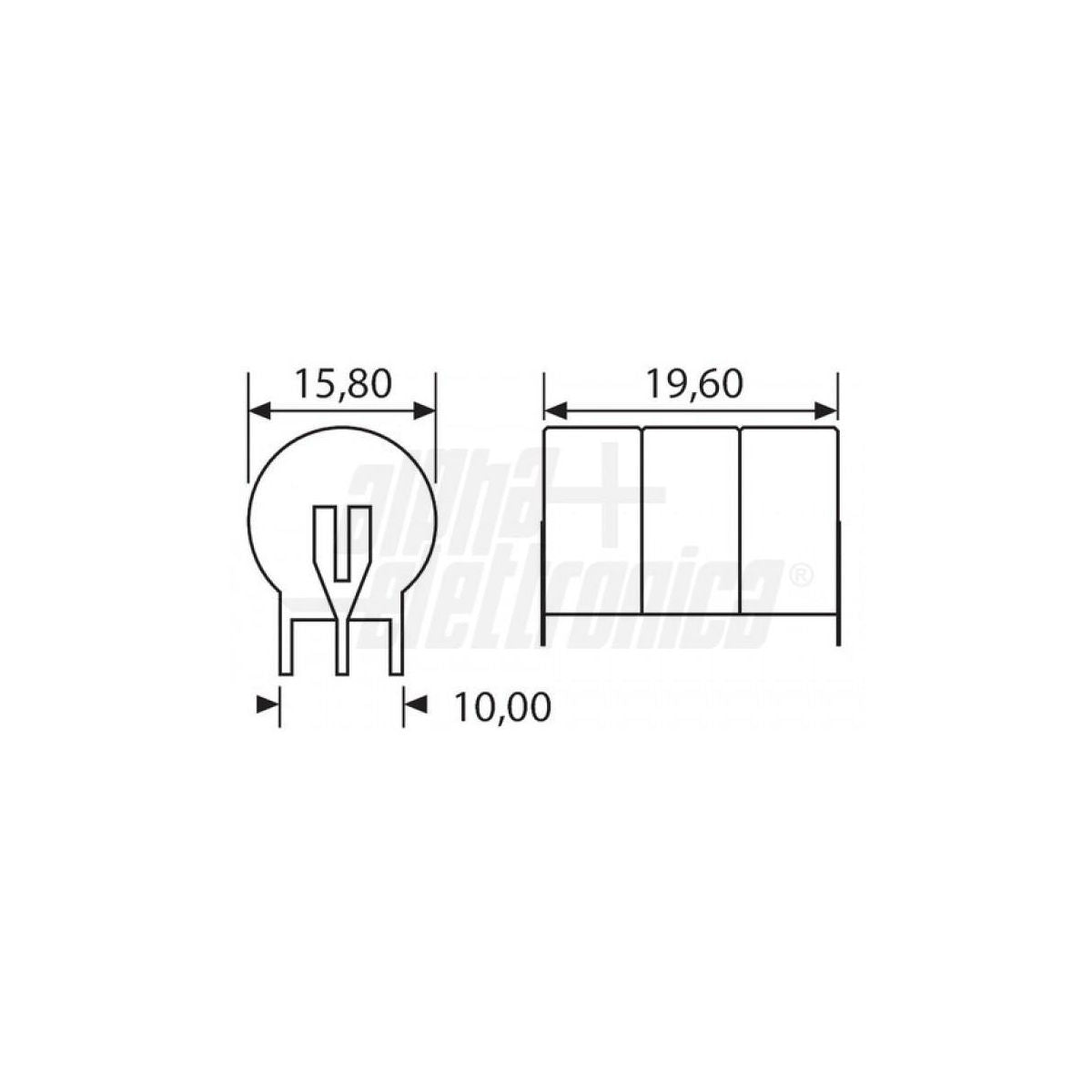
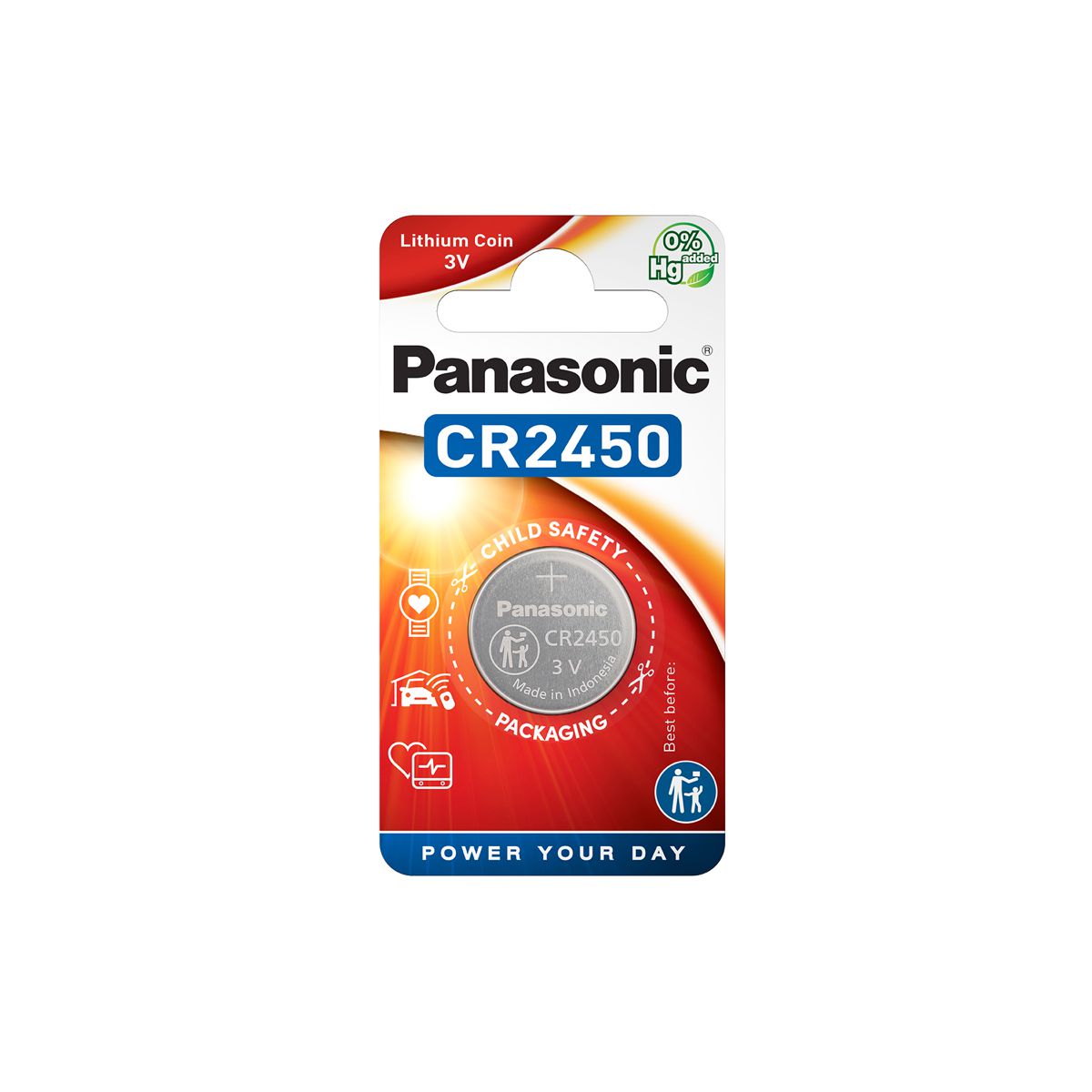
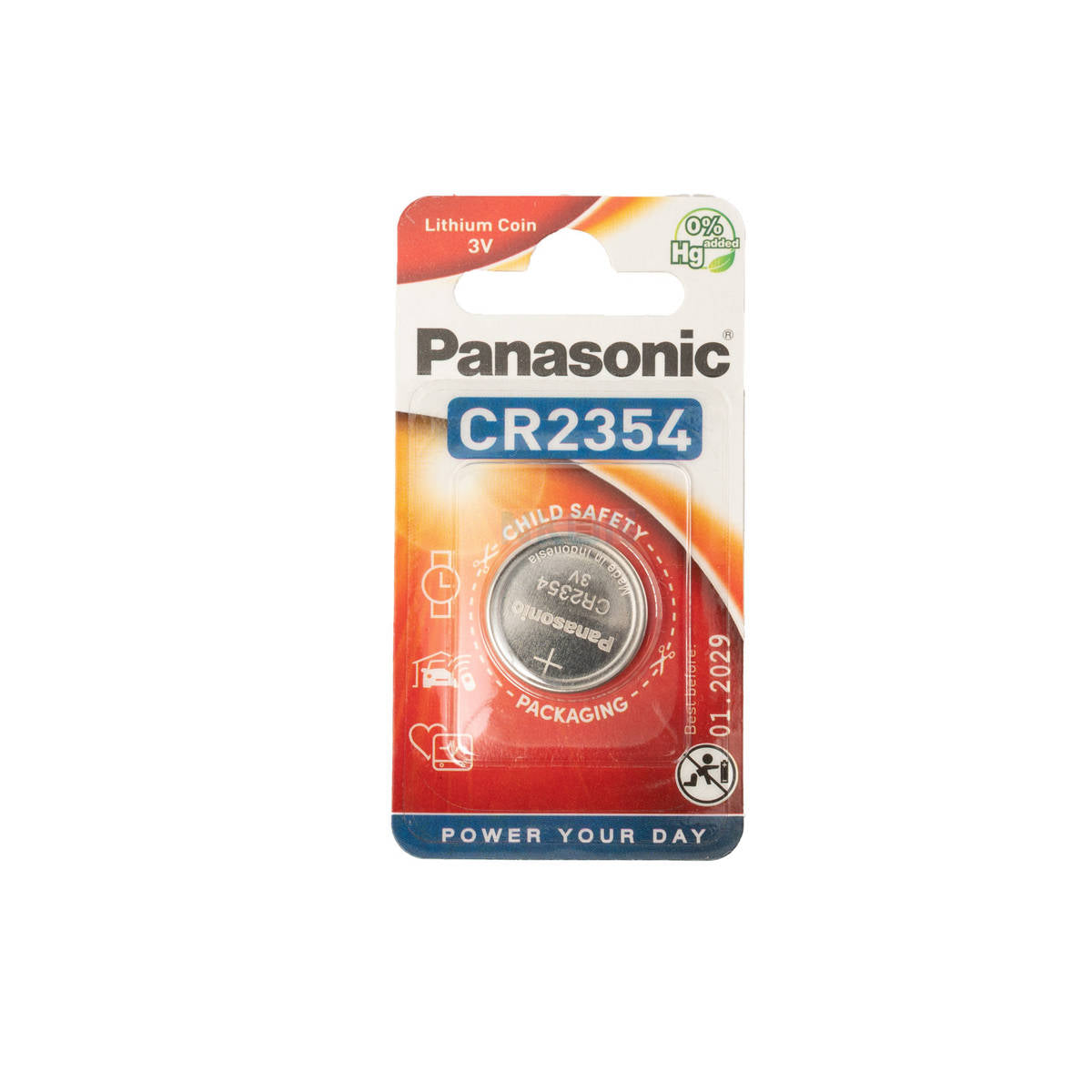


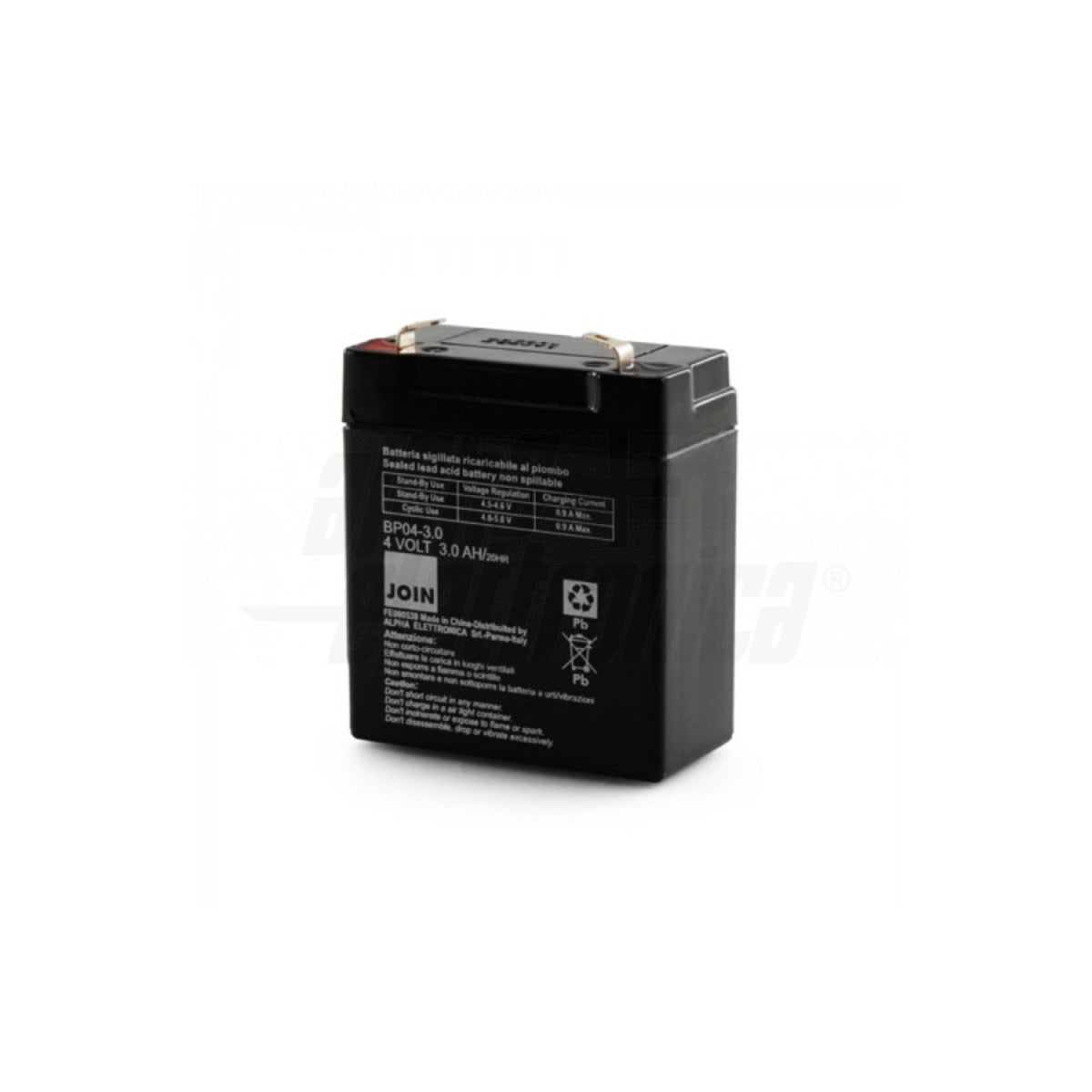


Replacement batteries: start with the code, not the brand
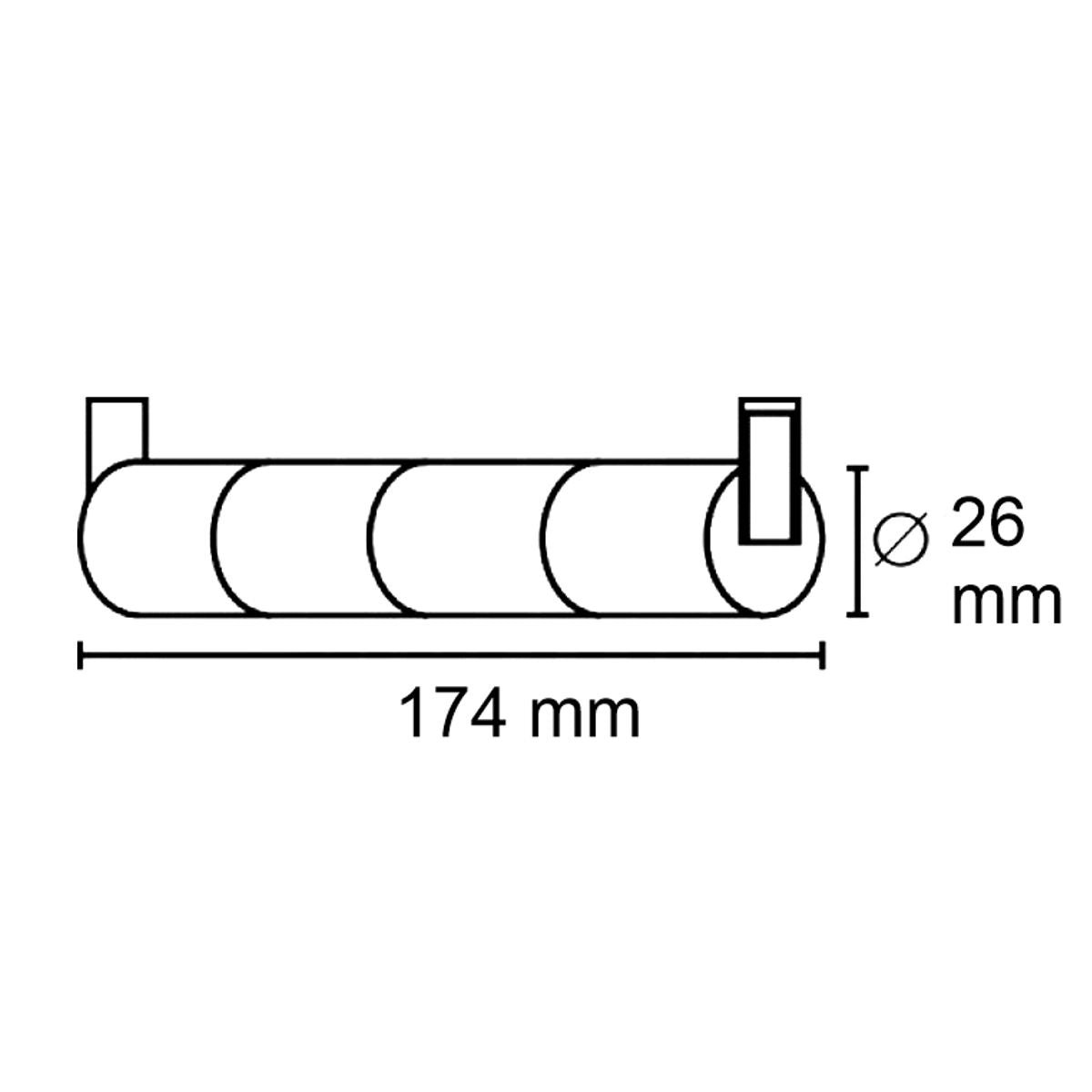
You almost always end up here because a battery has stopped working and you need an identical one: an emergency lamp that no longer holds a charge, a cordless phone that dies in an hour, a gate remote, or an alarm sensor. In all these cases, the choice is not based on the brand, but on four details: size or code, voltage, capacity, and terminal type. If these four match, the replacement will work.
Where to find the data you need
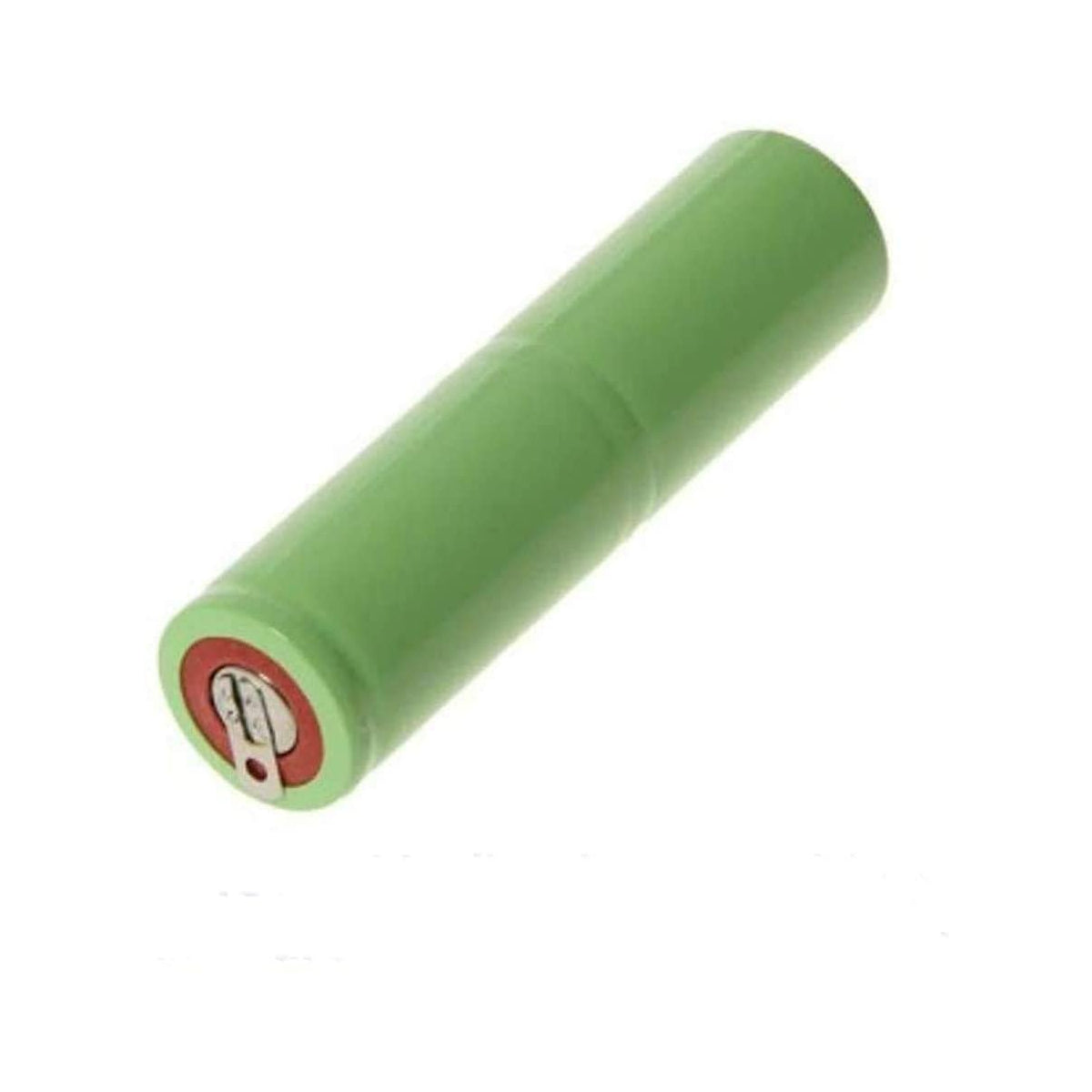
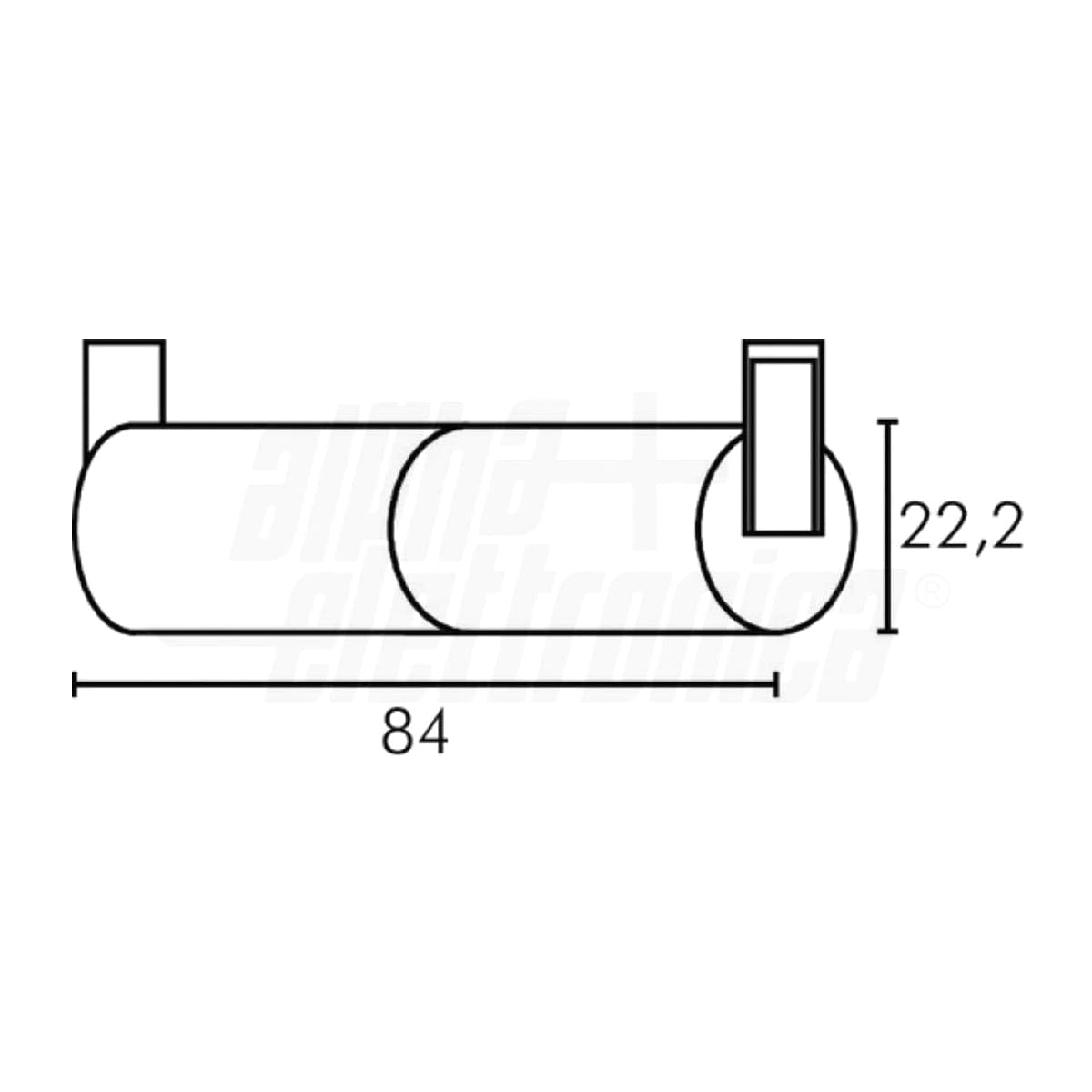
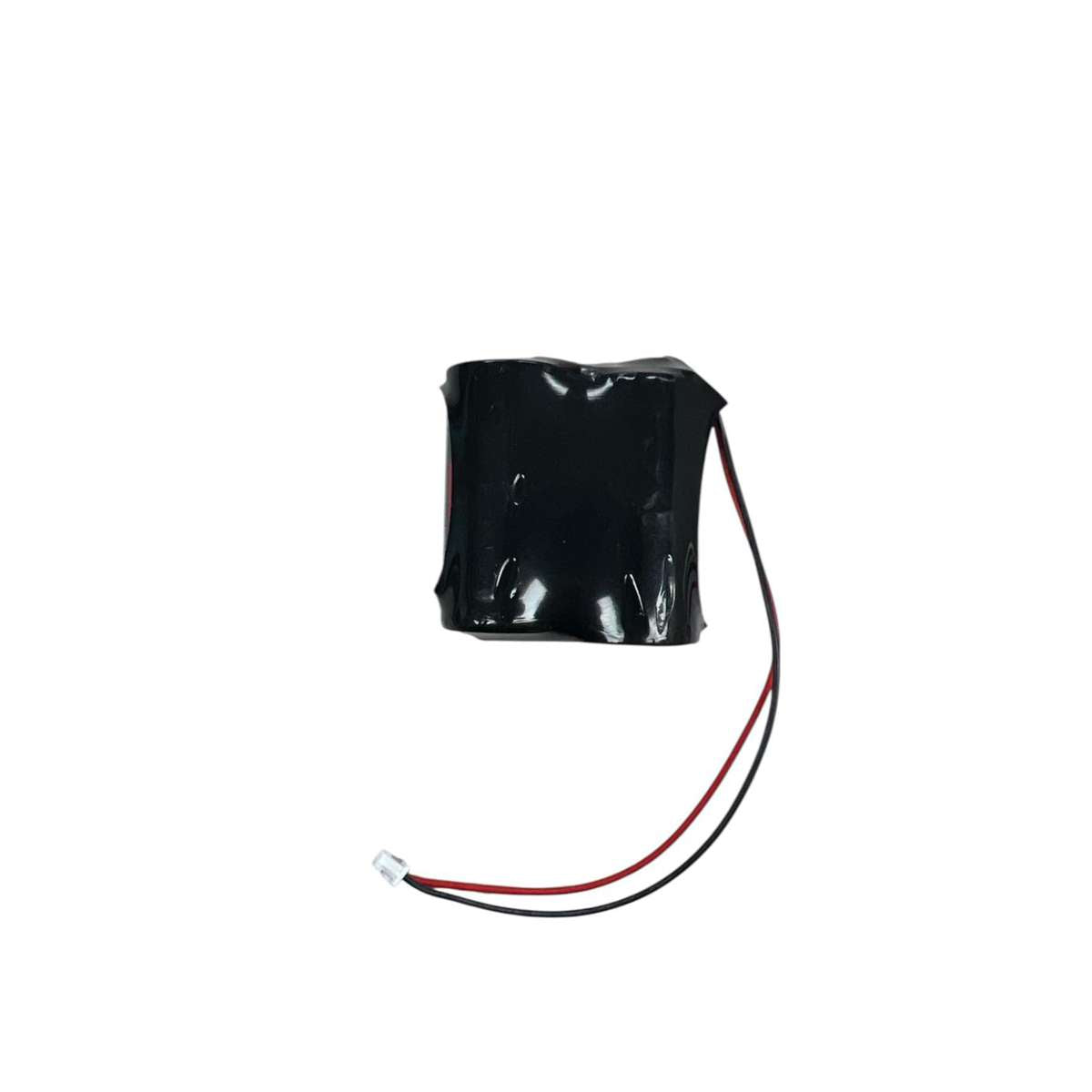
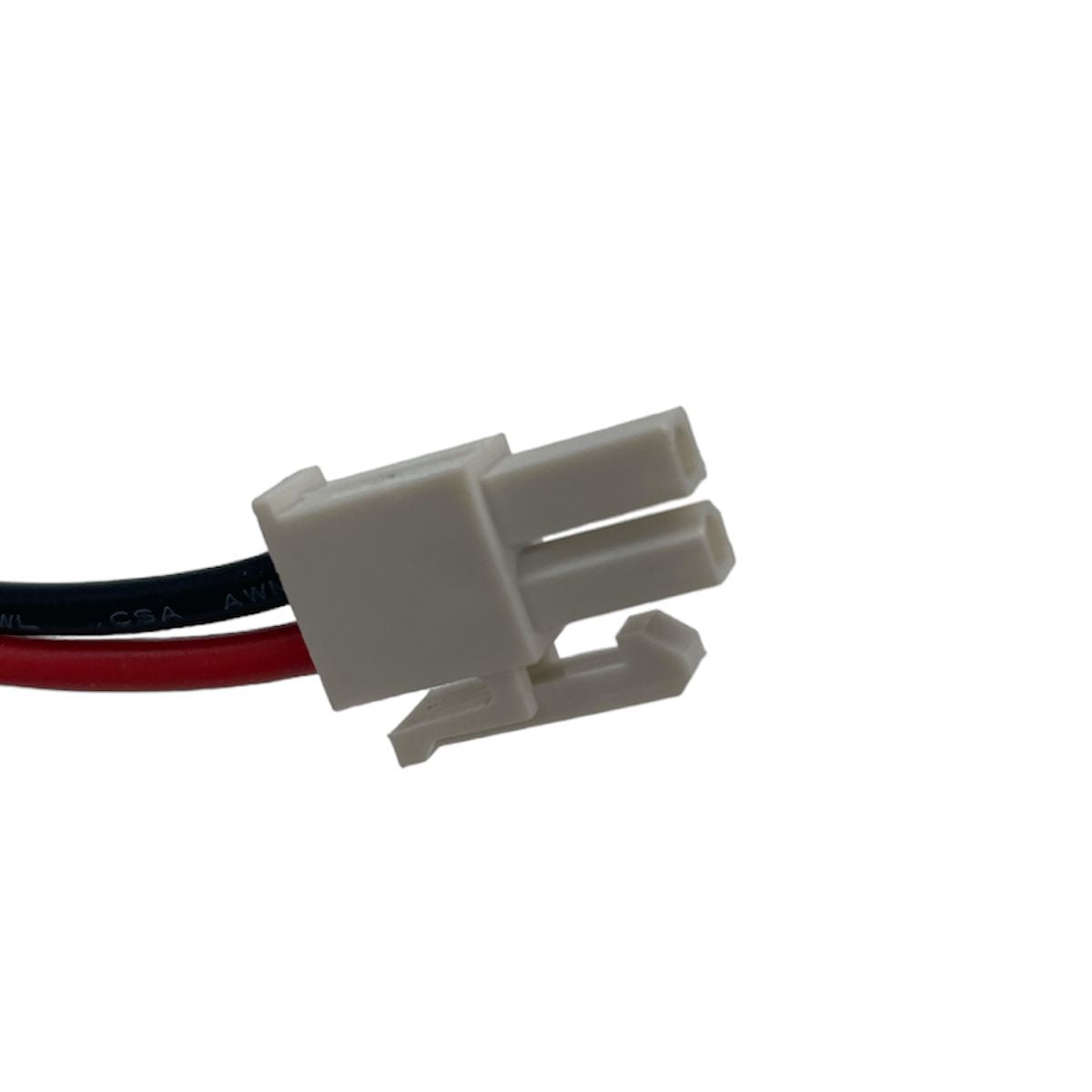
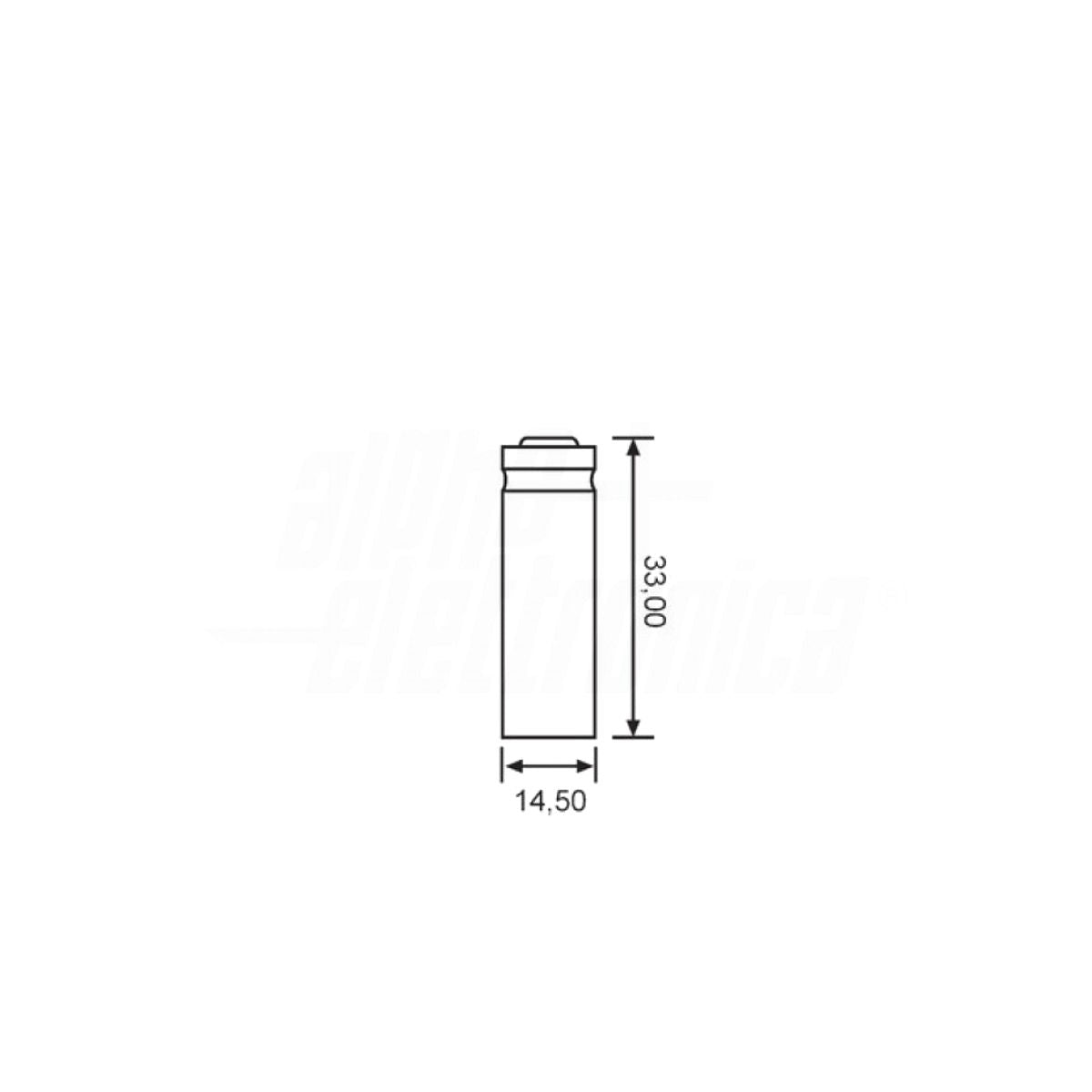
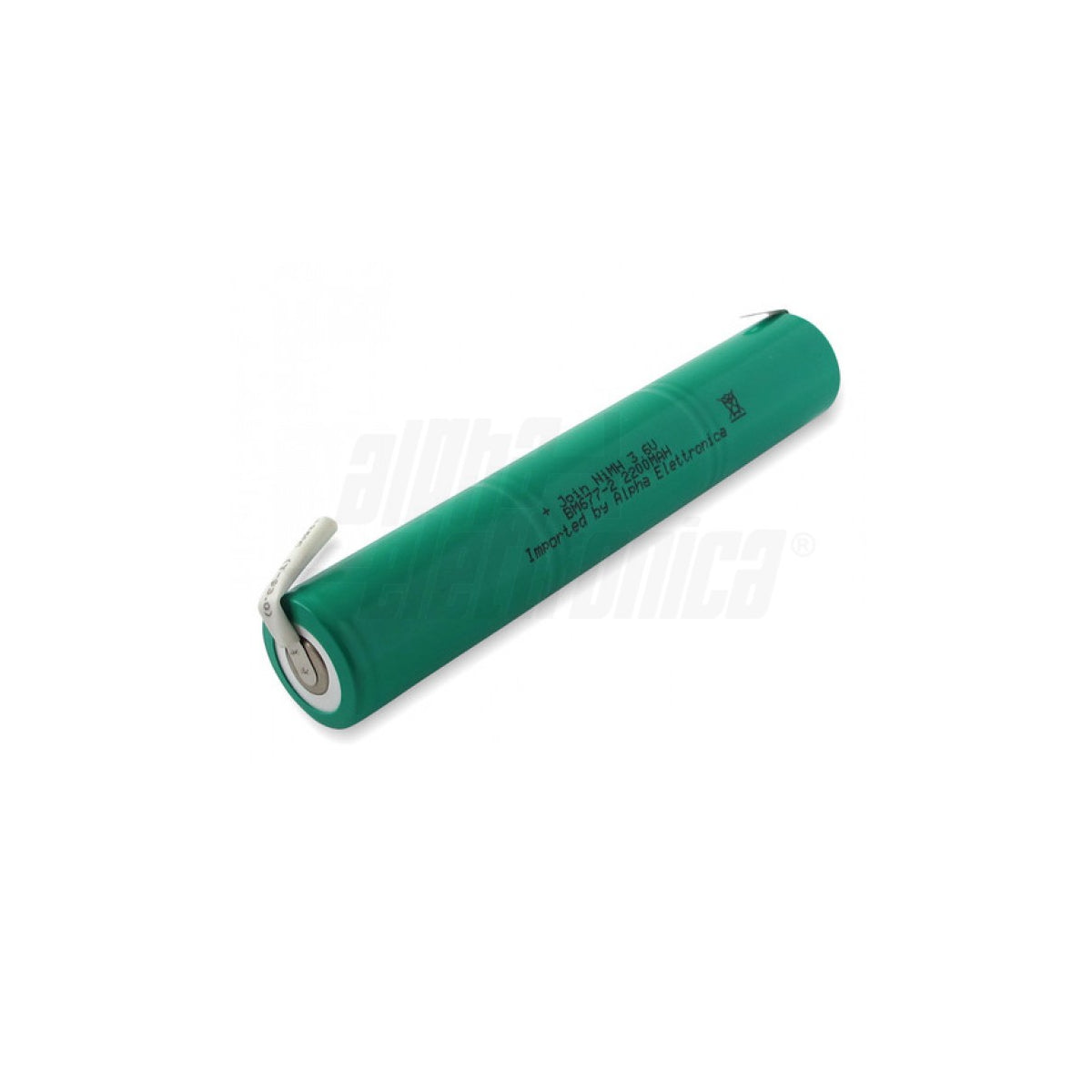
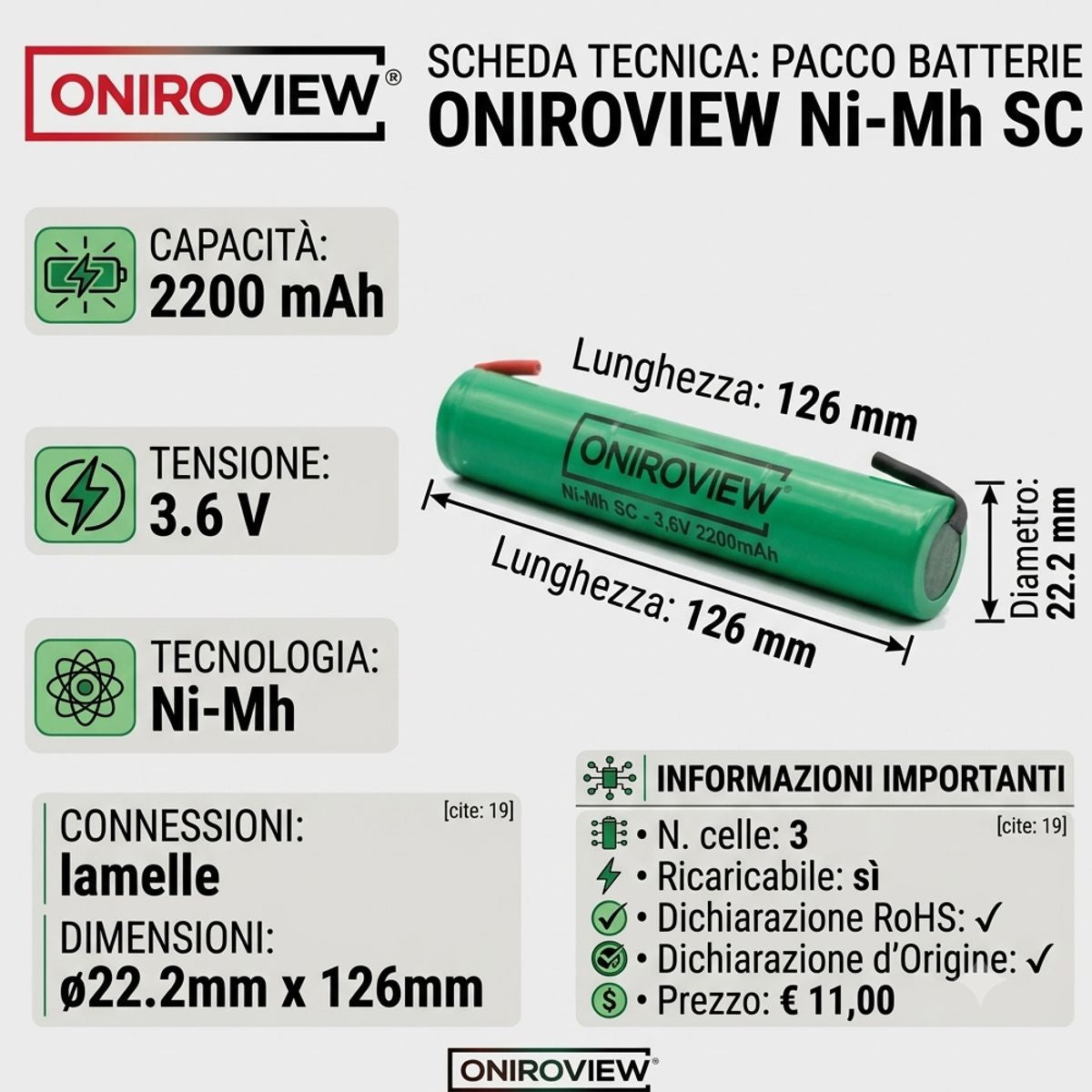
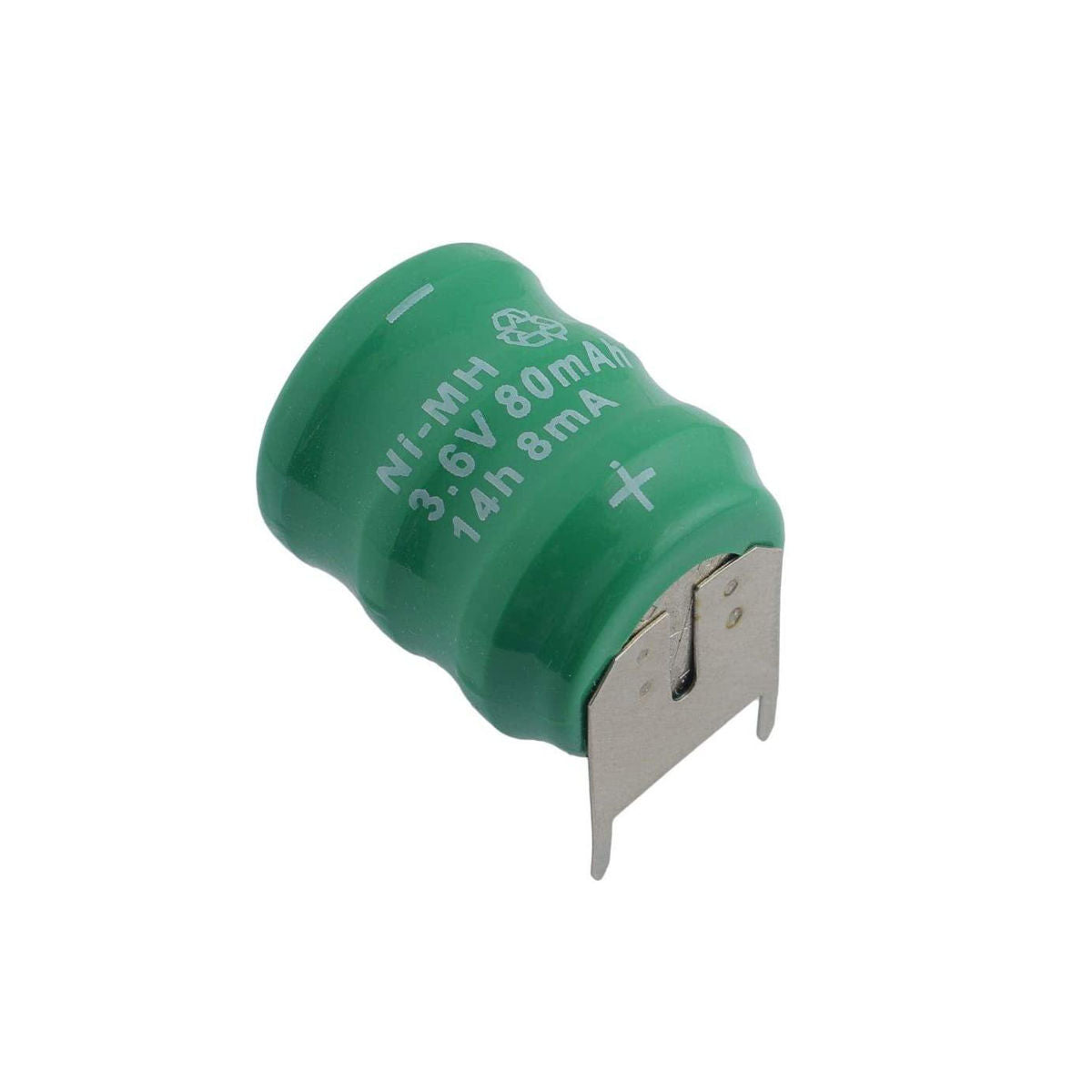
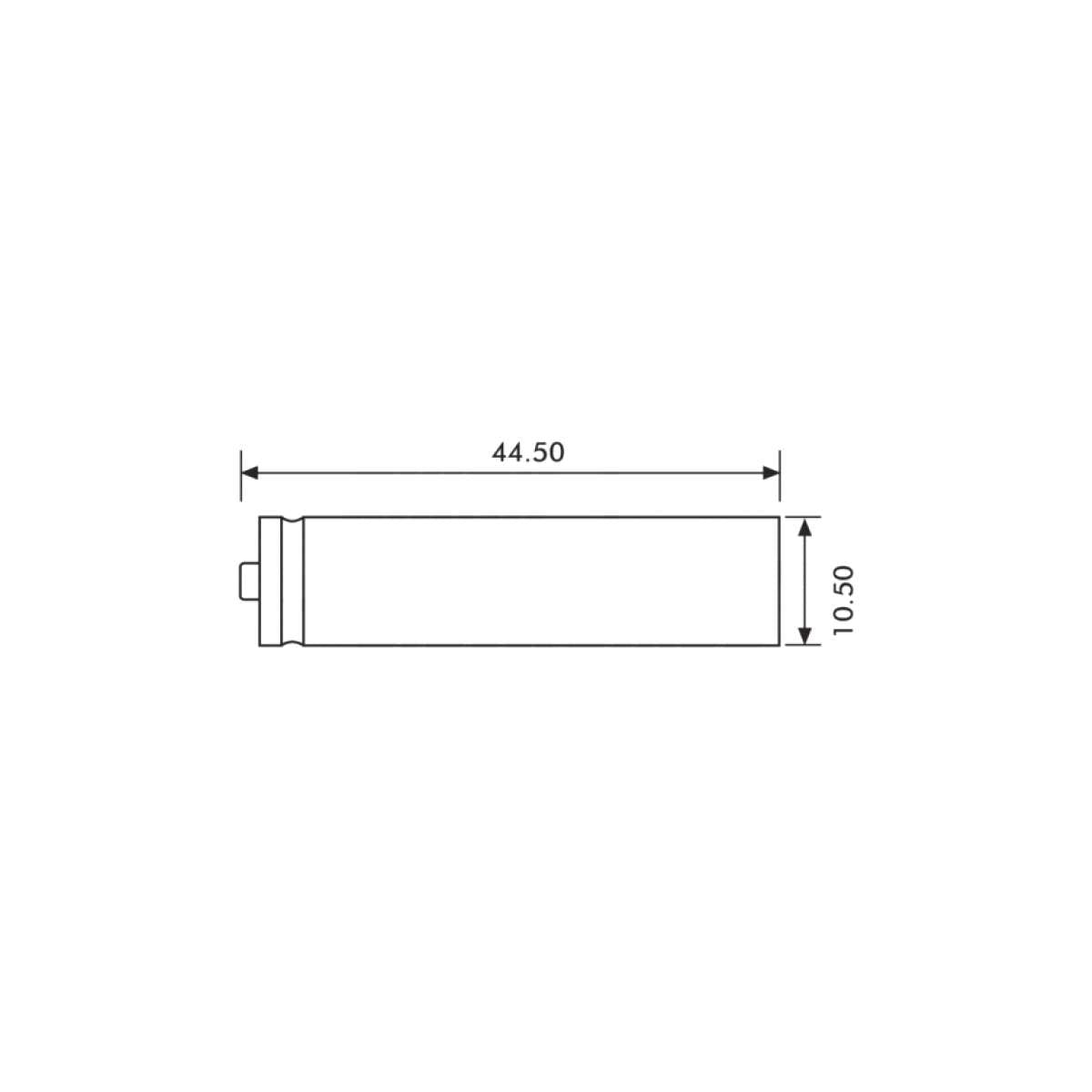
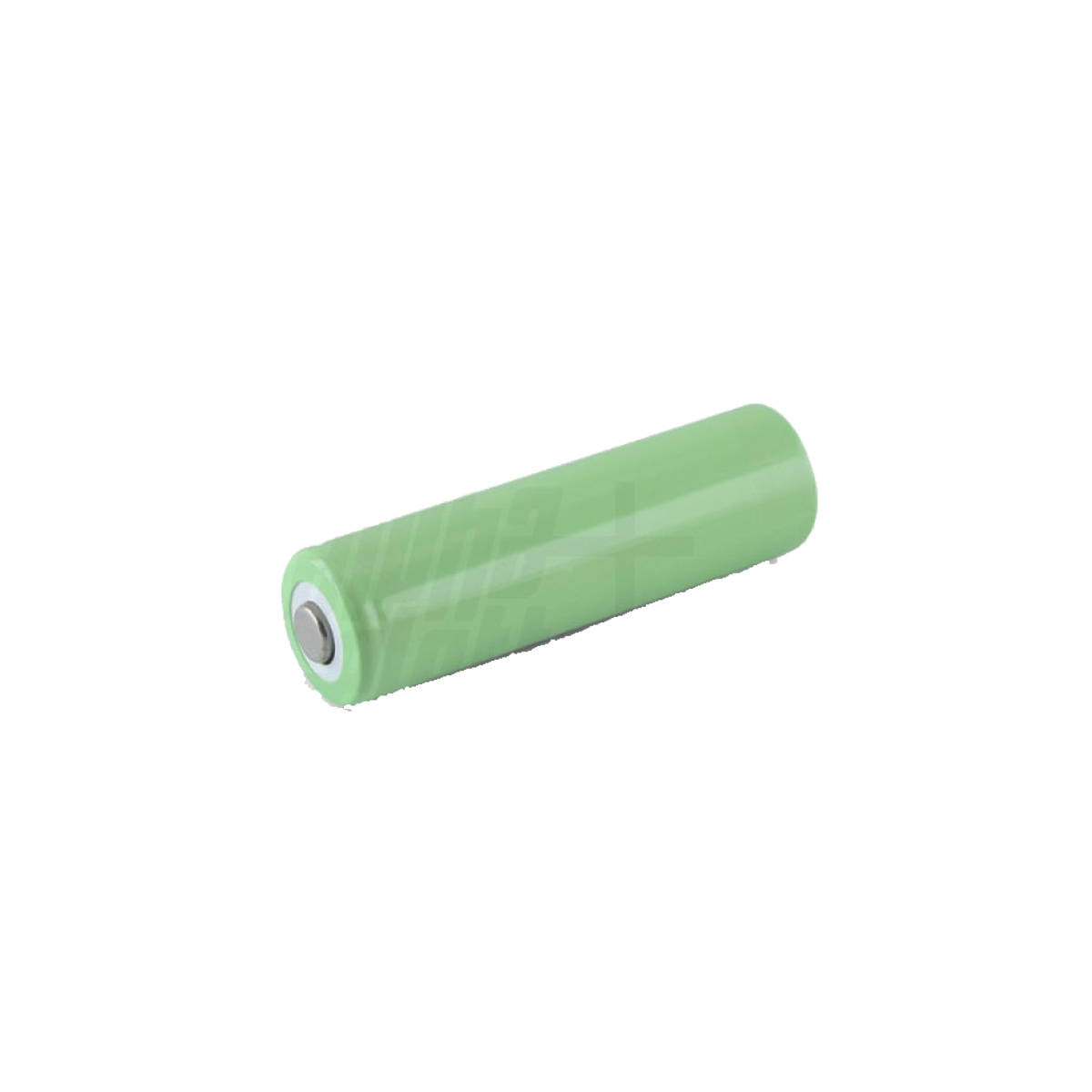
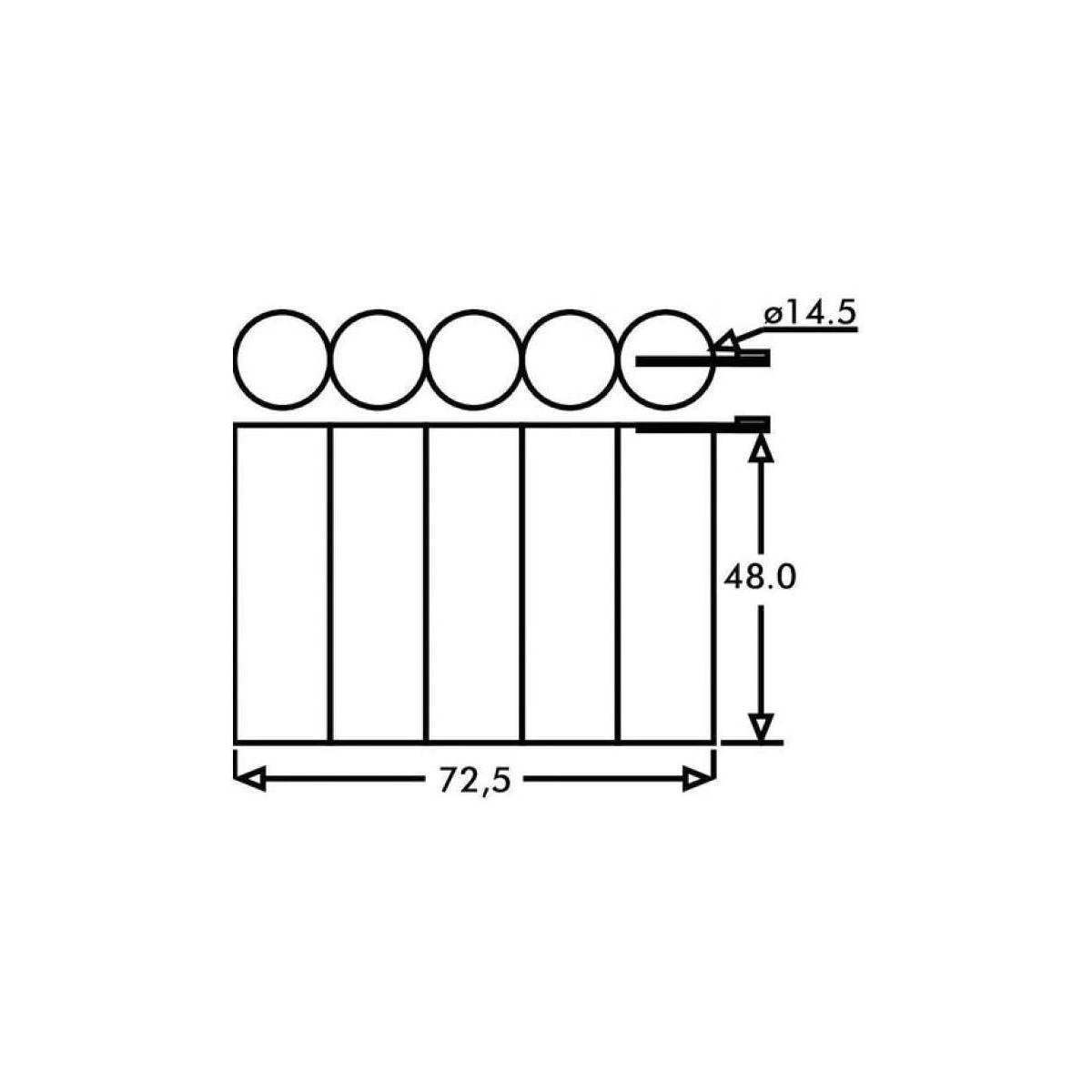
The voltage (e.g., 3.6V) is printed on the old battery, as is almost always the capacity in mA or mAh. The size refers to the container code: AA (penlight), AAA (mini-penlight), C (medium), D (large), SC (sub-C, typical for emergency lamp packs), or a numeric code like CR2032 or ER14250. The detail most often forgotten is the terminal: the same 3.6V pack exists with solder tabs, wire leads, or a pre-wired Molex connector—and if you get that wrong, the battery is the right one, but you won't be able to install it.
Quick reference table
| What you need to replace | What to look for | Where to look |
|---|---|---|
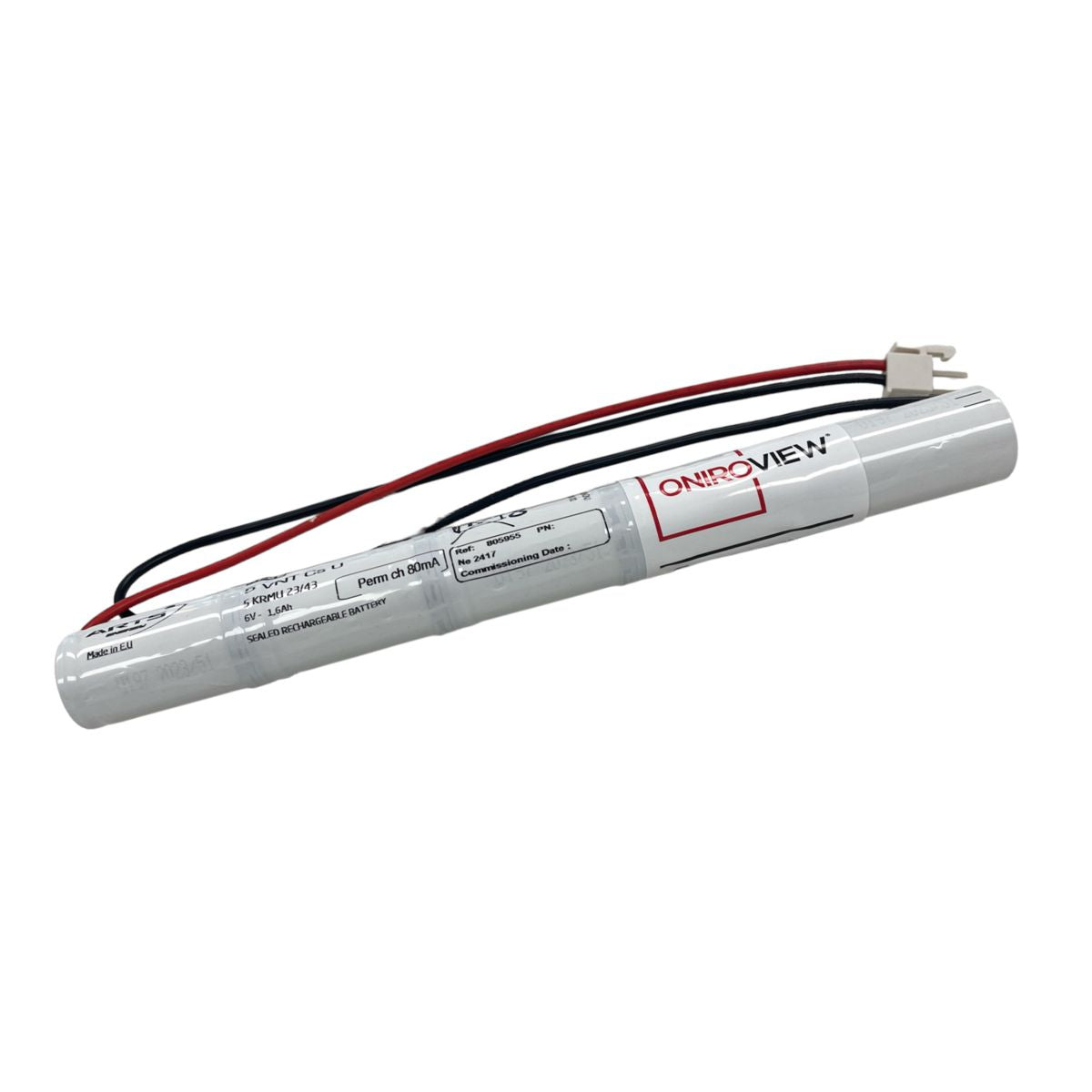
| Emergency lamp pack | 2.4–6V NiCd or NiMH, SC or AA size, Molex or tab terminals | rechargeable batteries |
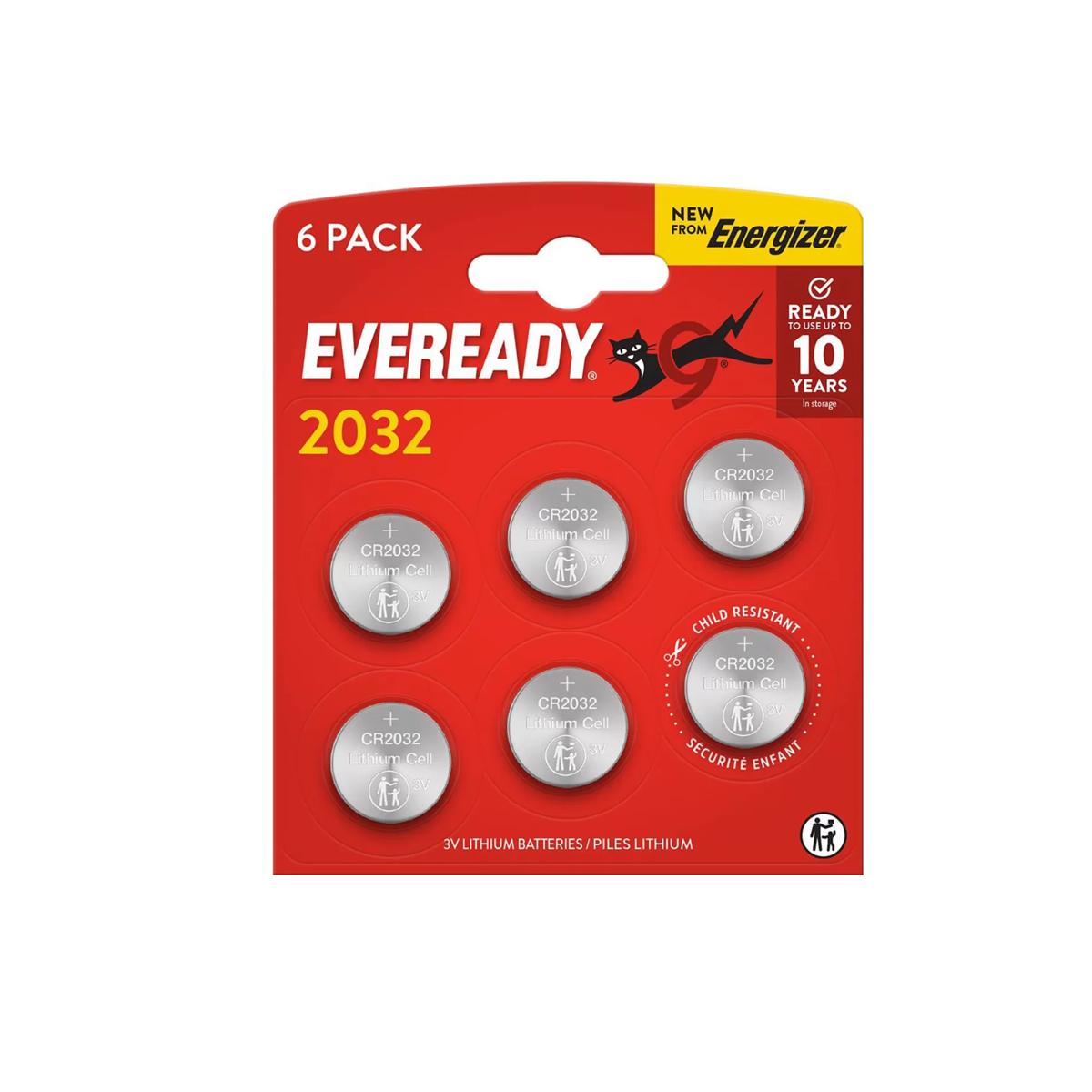
| Button cell for remote, scale, car key | CR code followed by 4 digits, 3V | lithium batteries |
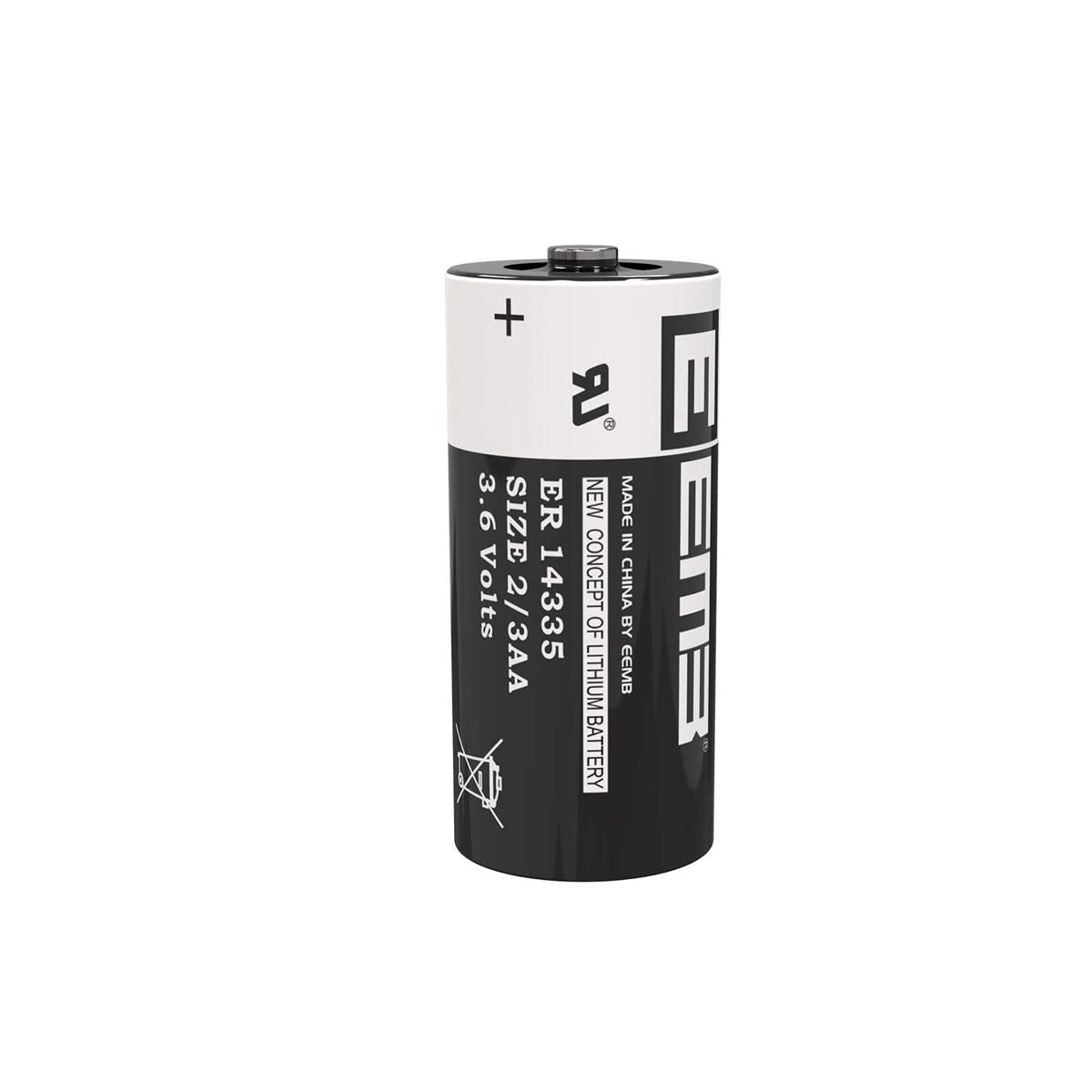
| Alarm sensor, meter, Telepass | 3.6V lithium thionyl chloride, ER or LS code | lithium batteries |
| Home cordless phone | 1.2V NiMH, AAA or AA size | rechargeable batteries |
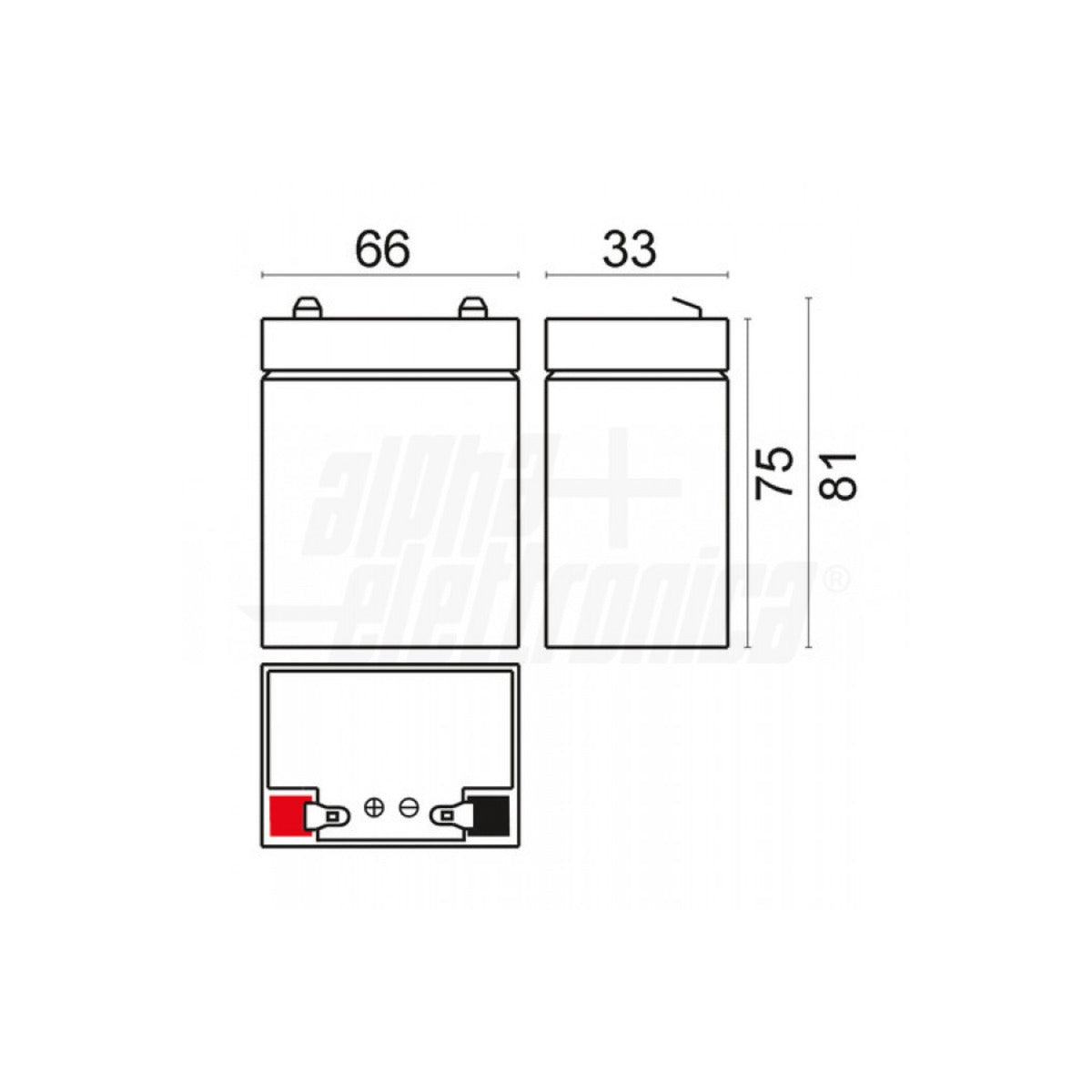
| UPS, external siren, electric scooter | 6V or 12V AGM lead-acid, faston terminals | this page |
| Disposable AA and AAA batteries | 1.5V alkaline or zinc-carbon | this page |
The battery families in our catalog
Rechargeable packs for emergency lamps
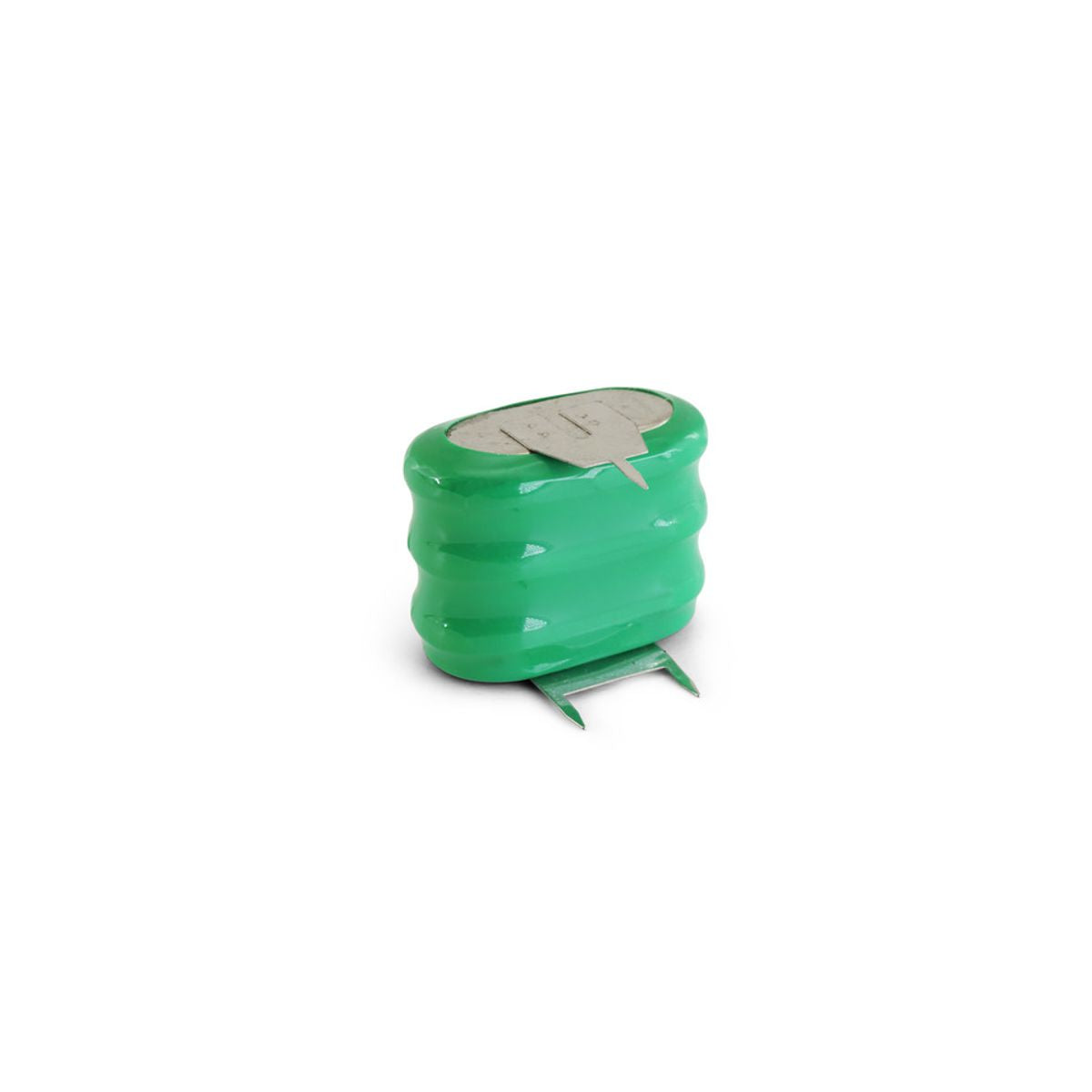
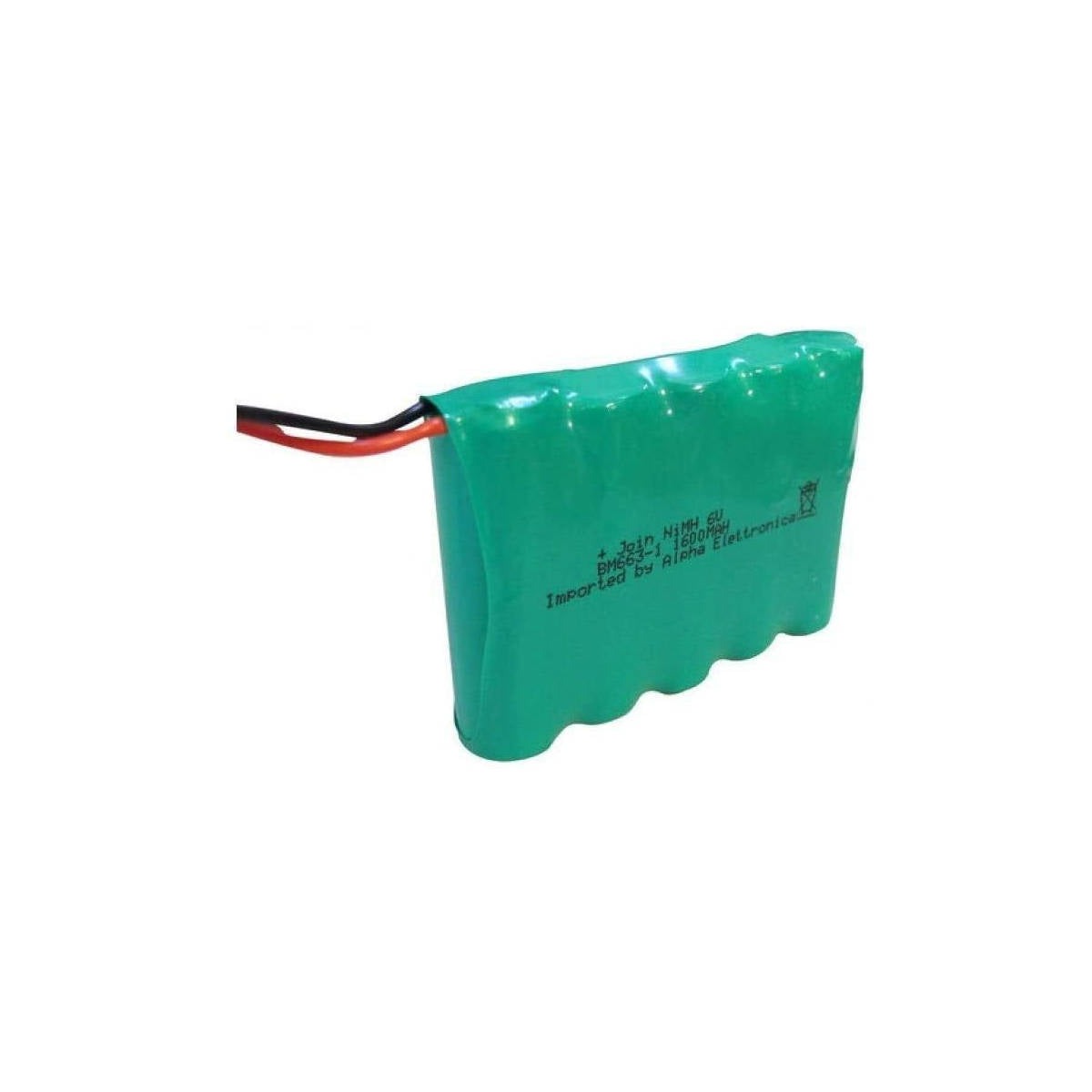
NiCd and NiMH from 2.4V to 6V, in SC and AA sizes, with solder tabs or pre-fitted Molex connectors. These are the replacements for Beghelli, Relco, and most emergency light fixtures installed in Italy. If you are replacing the entire device instead of just the battery, take a look at our emergency lamps.
Non-rechargeable lithium
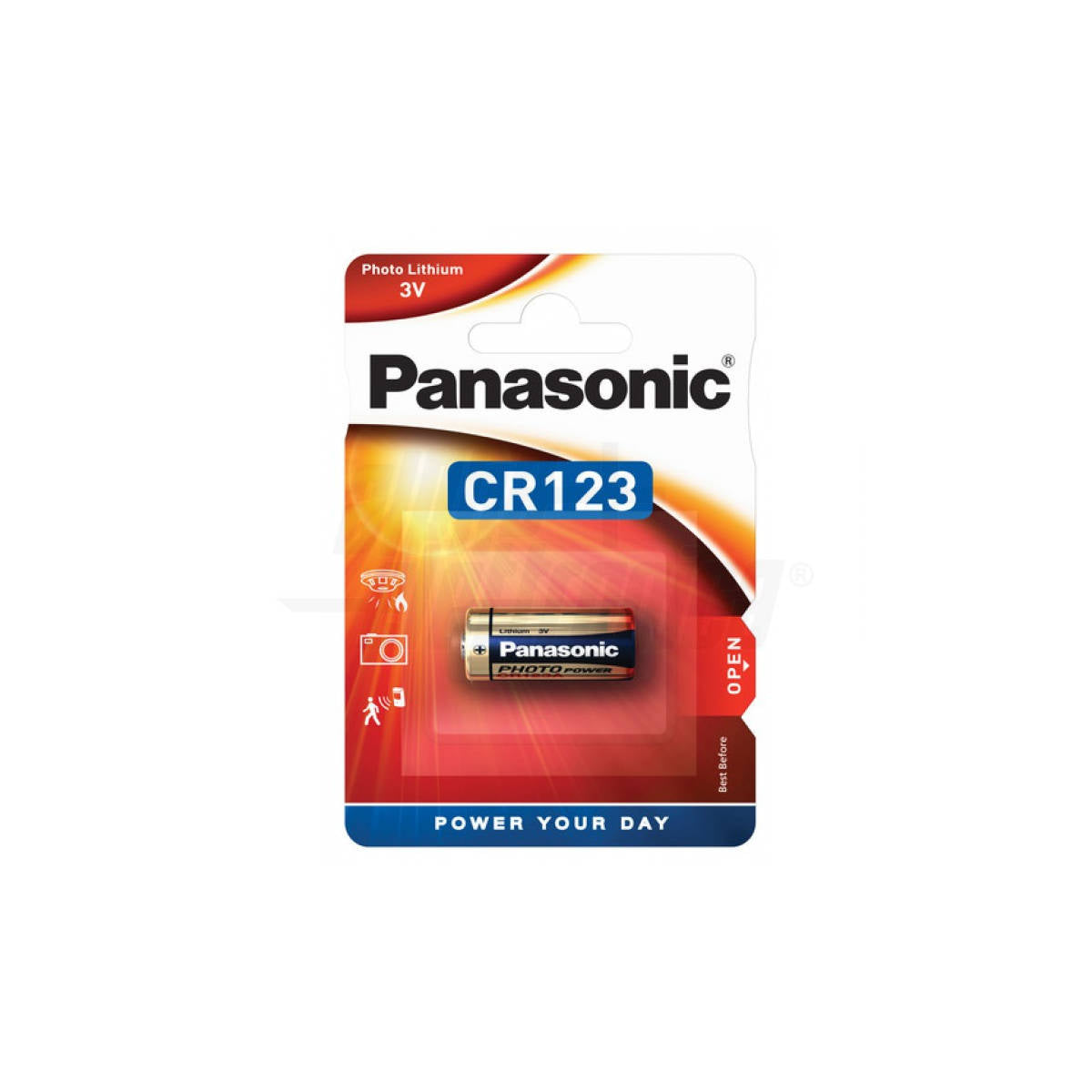
3V CR button cells (CR2032, CR2025, CR2450, CR1620, and other sizes) and 3.6V thionyl chloride cells for alarms, meters, and instrumentation. You can find them all in the section dedicated to lithium batteries.
AA and AAA batteries, rechargeable and non
1.2V NiMH in capacities from 700 to 2500 mAh for cordless phones and devices in continuous use, 1.5V alkaline and zinc-carbon for occasional use, plus the new generation of lithium rechargeable batteries with direct USB-C charging, which provides a constant 1.5V until the charge runs out.
AGM lead-acid
Sealed 6V and 12V batteries with faston terminals for UPS, self-powered alarm sirens, and small electric mobility devices. If the problem is the charger and not the battery, see our car battery chargers.
Pro tip. Before ordering an emergency lamp pack, take a photo of the connector and count the contacts. On these batteries, the voltage and capacity are often identical between different models, but the connector is not: that is where time is wasted. If in doubt, write to us with a photo of the old battery and we will tell you which one to get.
Frequently asked questions about replacement batteries
Can I install a battery with a higher capacity than the original?
Yes, as long as the voltage, size, and terminal are the same. A higher capacity (mA or mAh) simply means longer runtime and longer charging times. The opposite is not true for voltage: that must match exactly; otherwise, the device will not work or will be damaged.
Are NiCd and NiMH interchangeable?
In most emergency lamps, yes, because the voltage per cell is the same (1.2V) and the charging circuits are tolerant. NiMH offers more capacity for the same size, while NiCd handles deep discharges and high temperatures better. In light fixtures installed in warm environments, NiCd remains the safer choice.
What is the difference between CR, BR, DL, ECR, and LM codes?
These are nomenclatures from different manufacturers for the same 3V lithium button cell. A CR2032 is equivalent to a BR2032, DL2032, ECR2032, KCR2032, and LM2032: only the four digits count, as they indicate diameter and thickness.
How long do batteries last in storage?
Non-rechargeable lithium batteries have a very low self-discharge rate and remain usable for years. Rechargeable NiMH and NiCd batteries self-discharge more quickly: if they arrive discharged, it is not a defect; they simply need to be charged before their first use.
Where should I dispose of used batteries?
Never in general waste. They must be taken to the appropriate collection points for batteries and accumulators found in stores and recycling centers: they are subject to mandatory separate collection throughout the European Union.





