












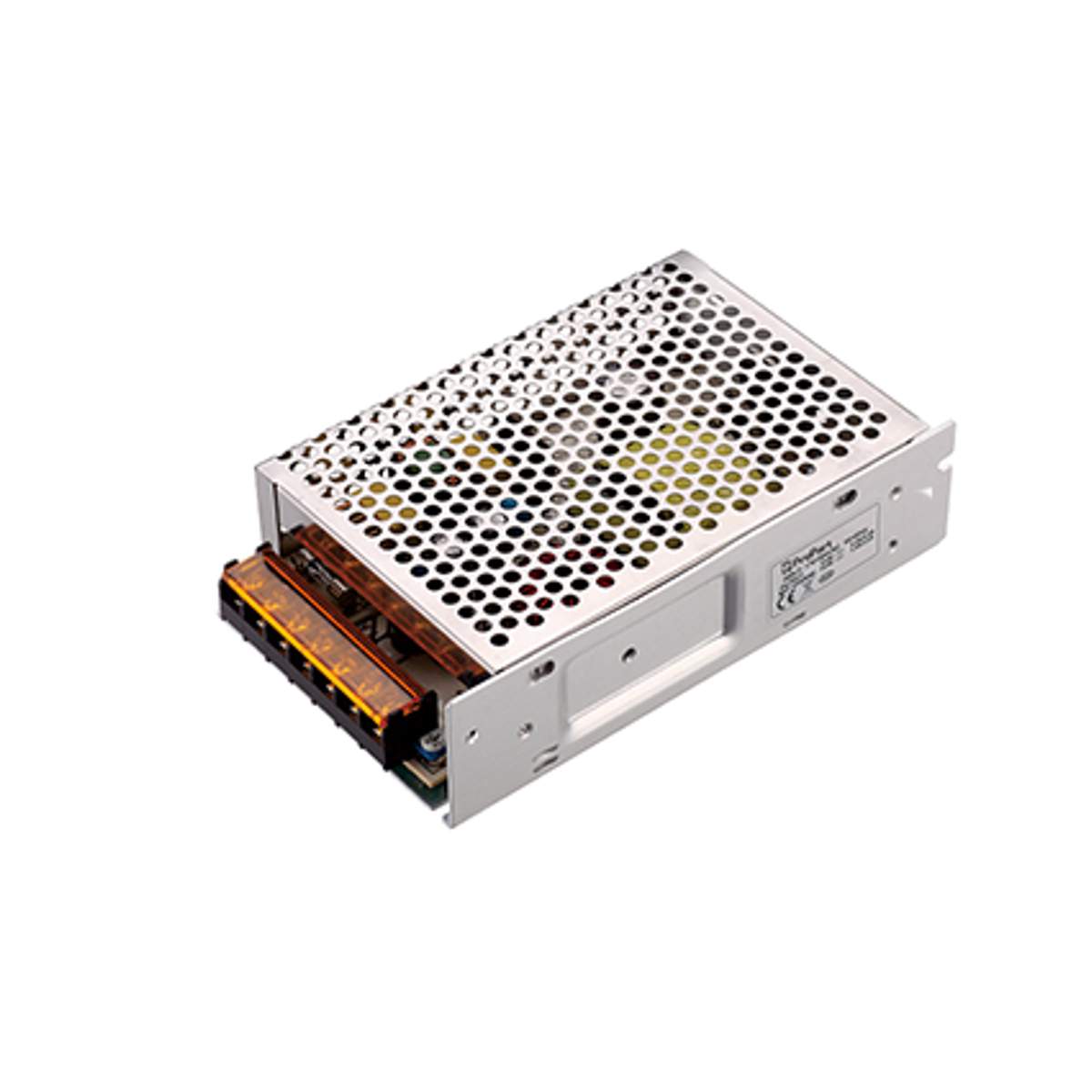
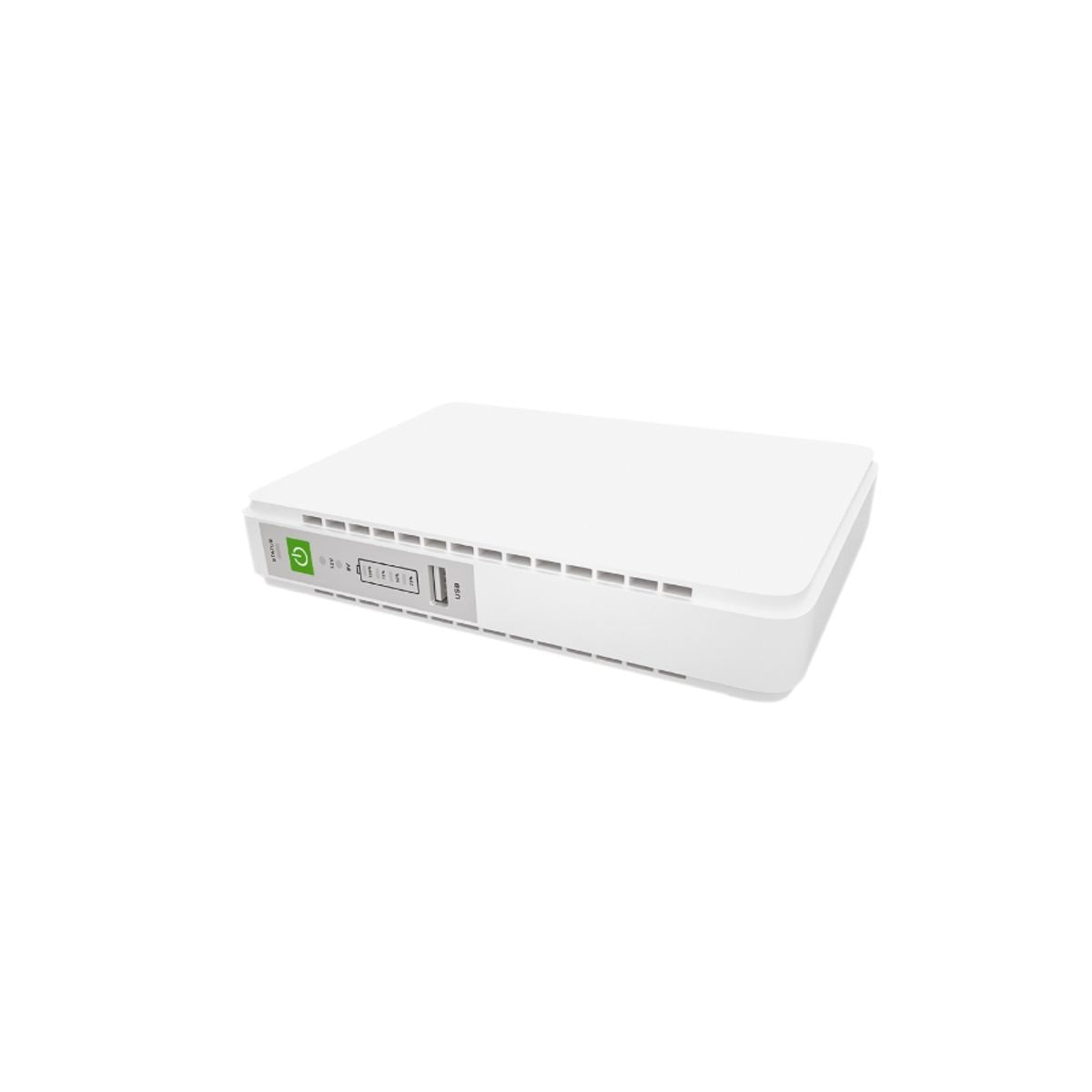


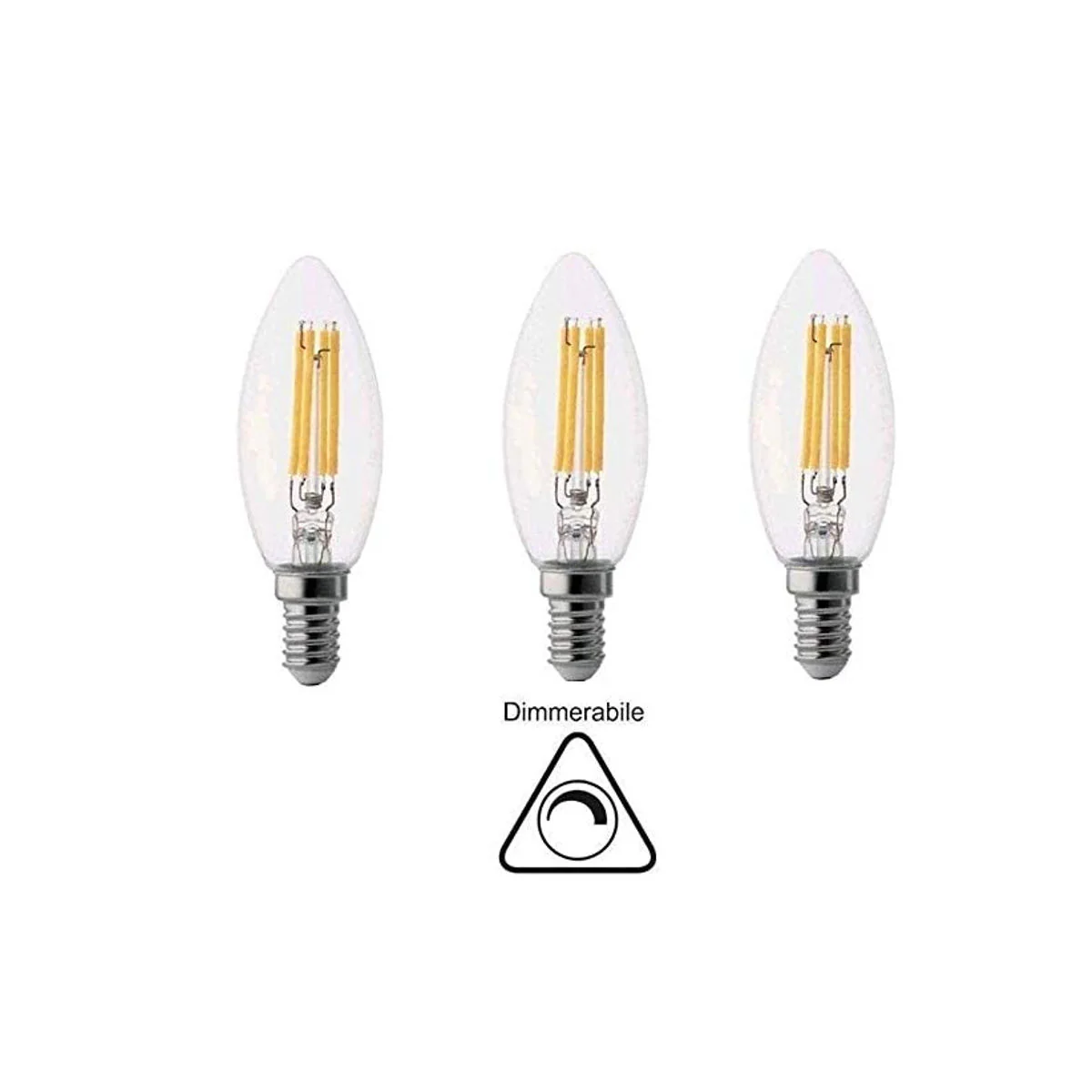


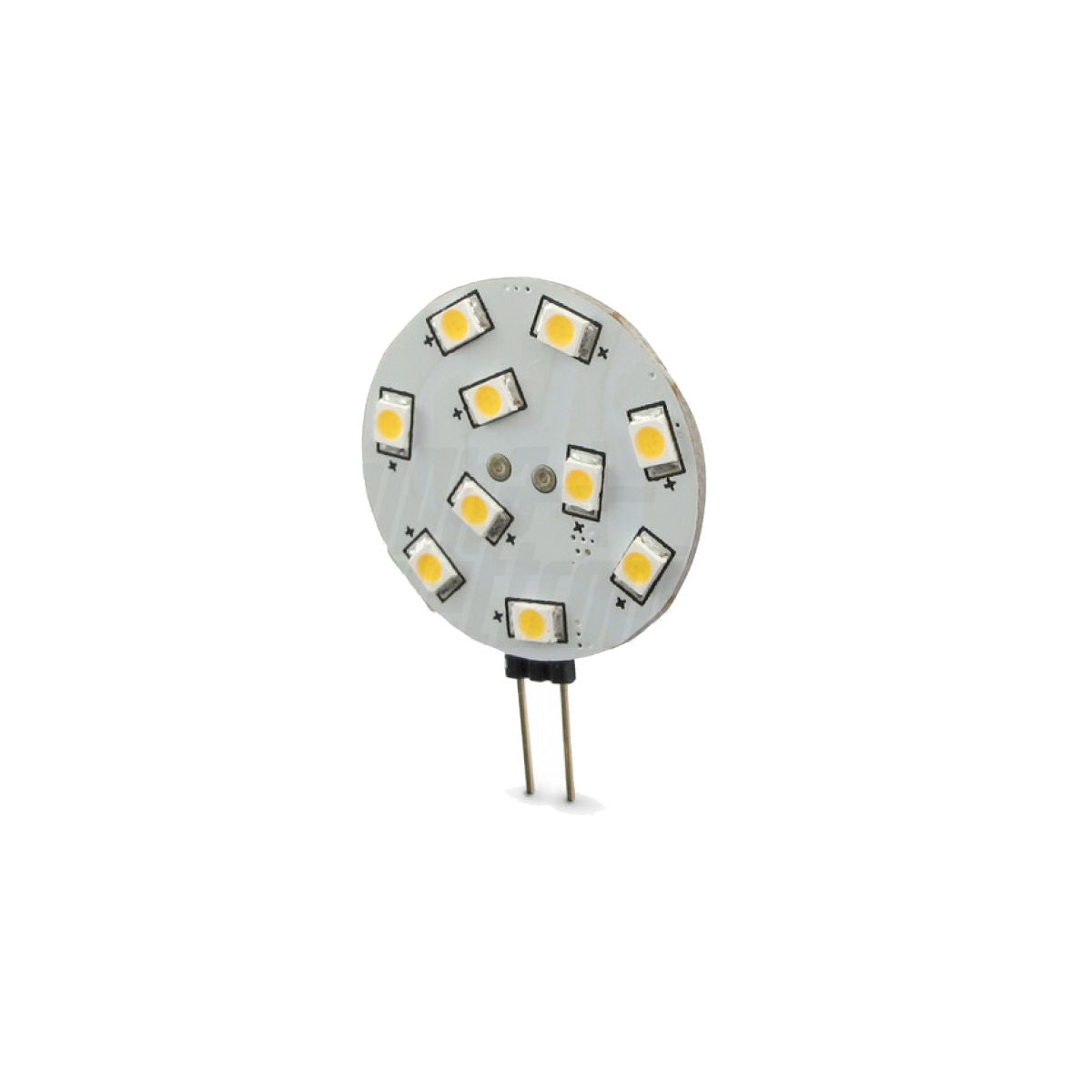










Alphanet brand products
Filter
Sort by:
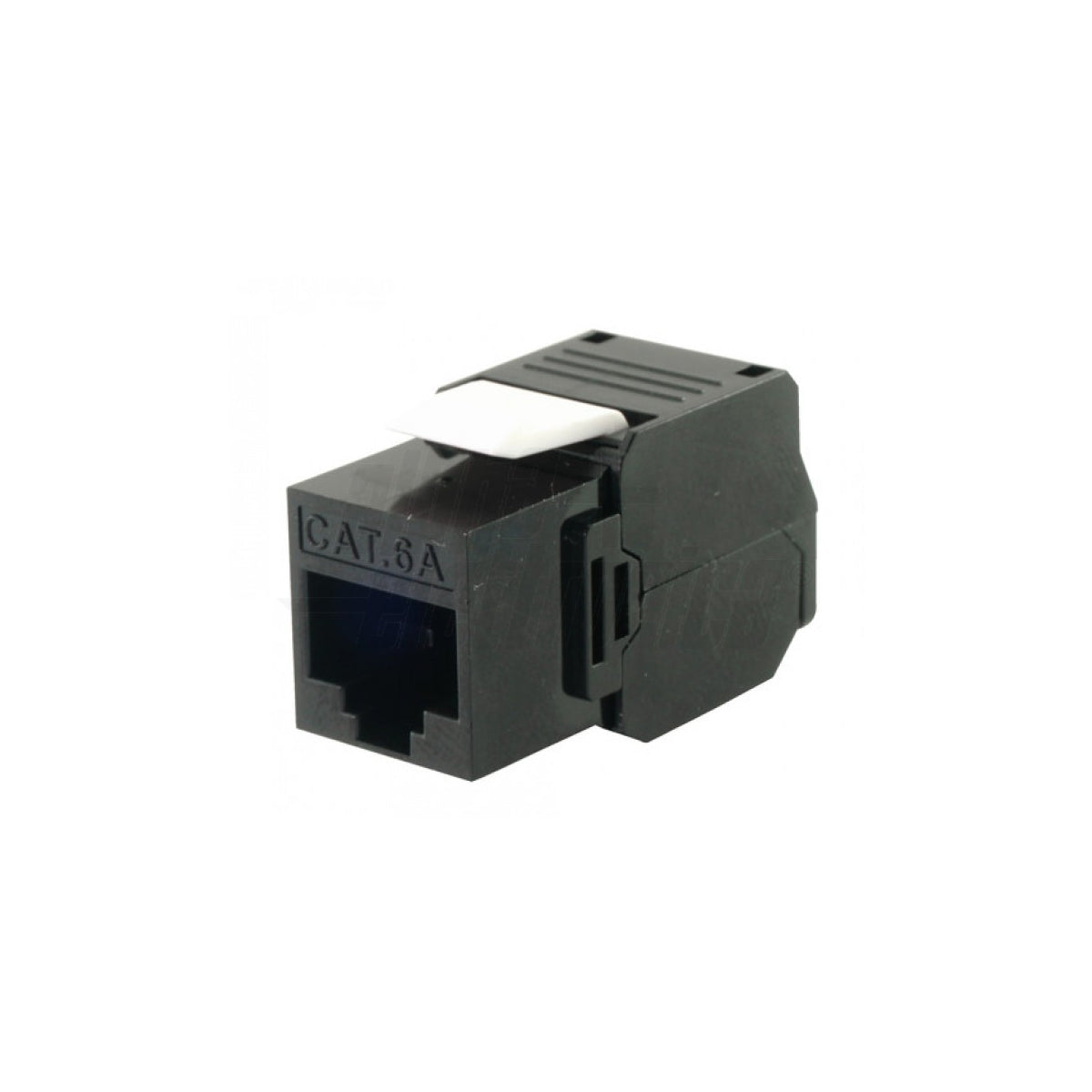
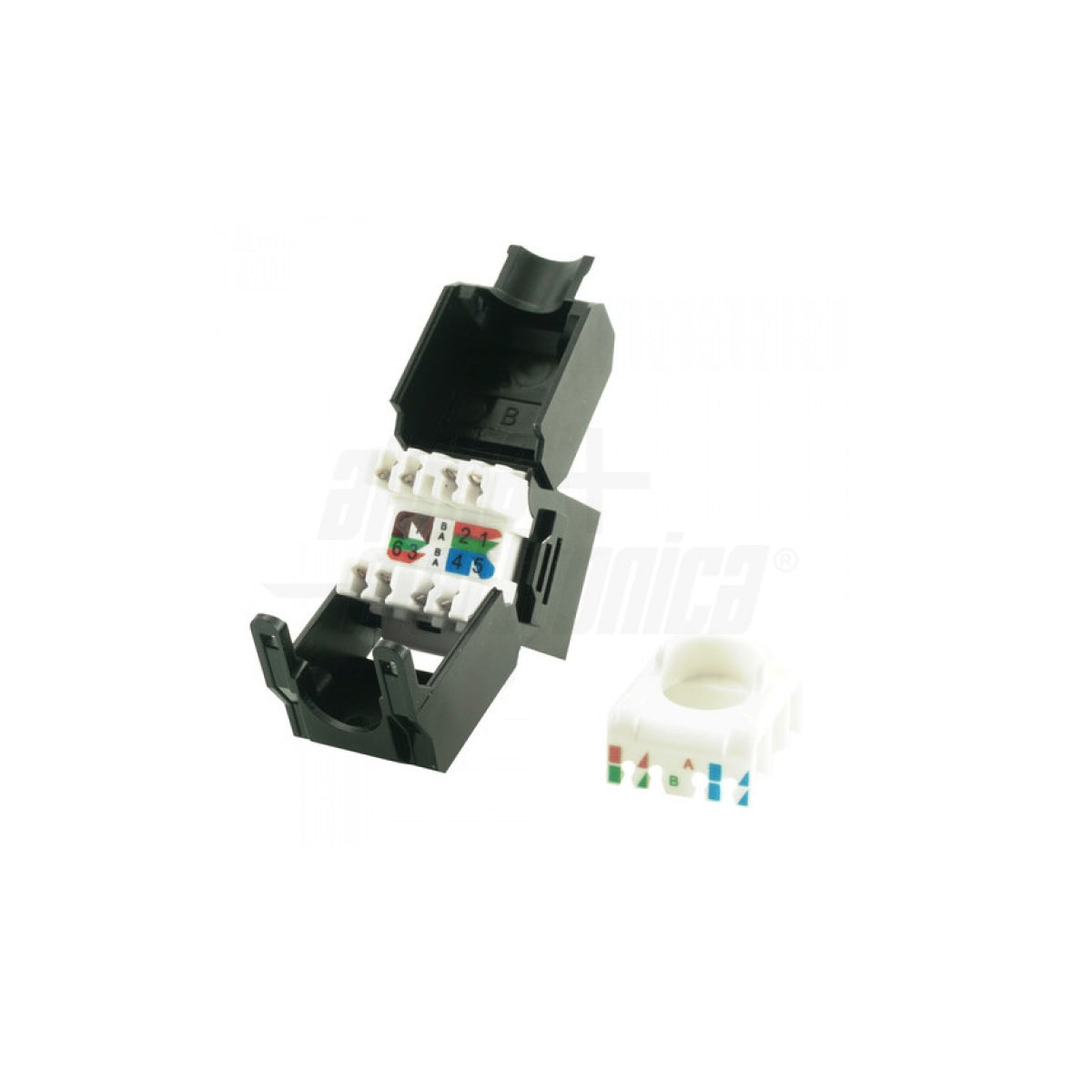
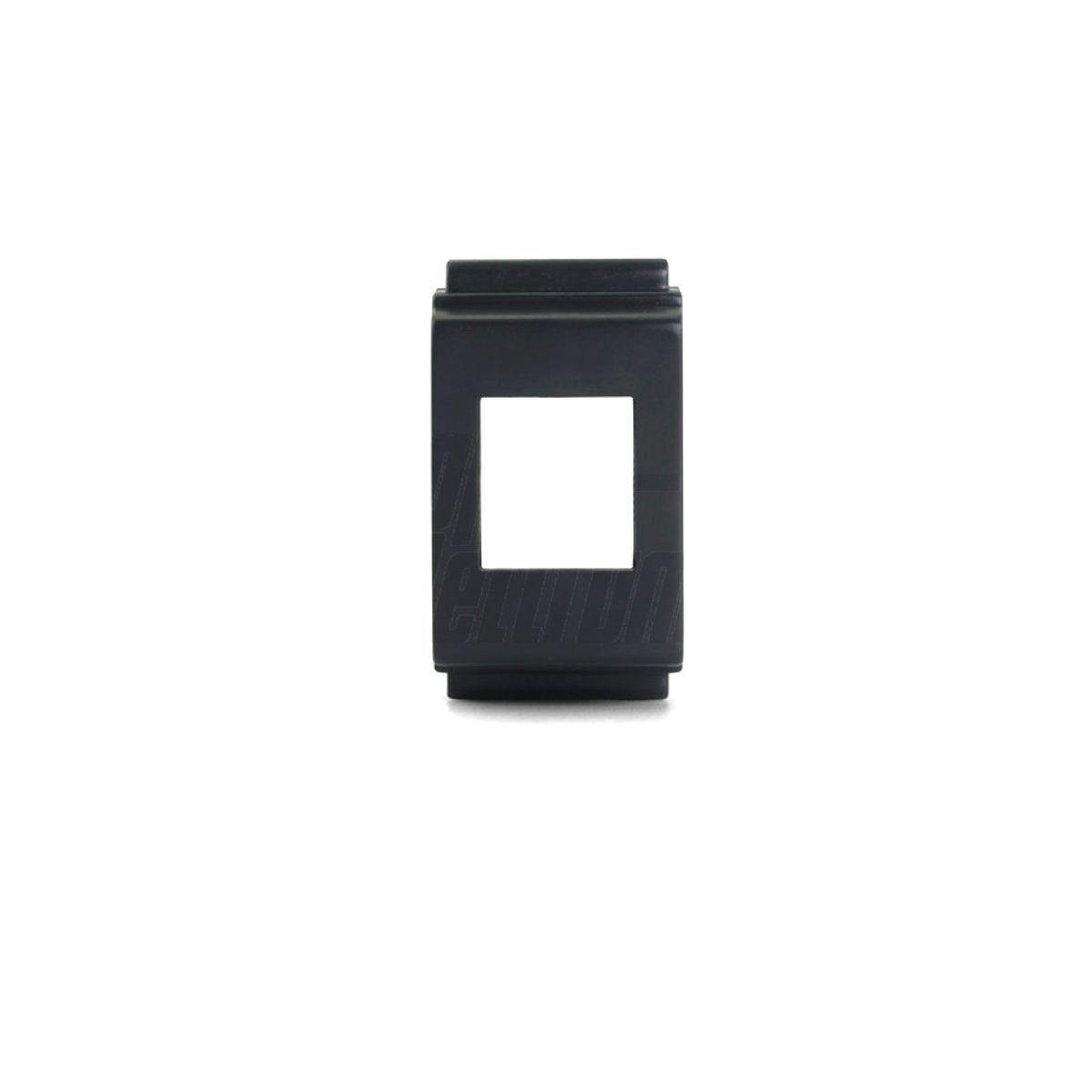
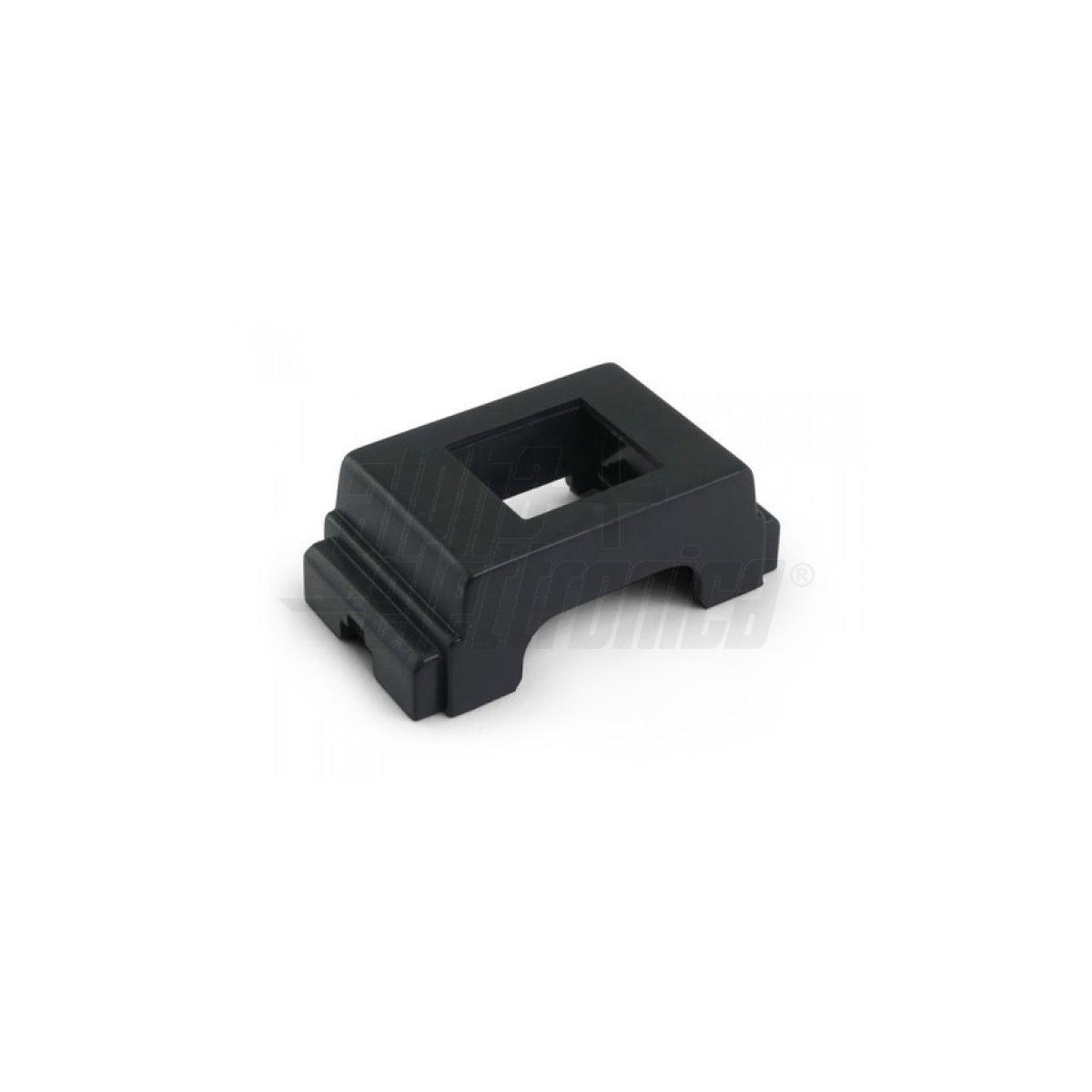
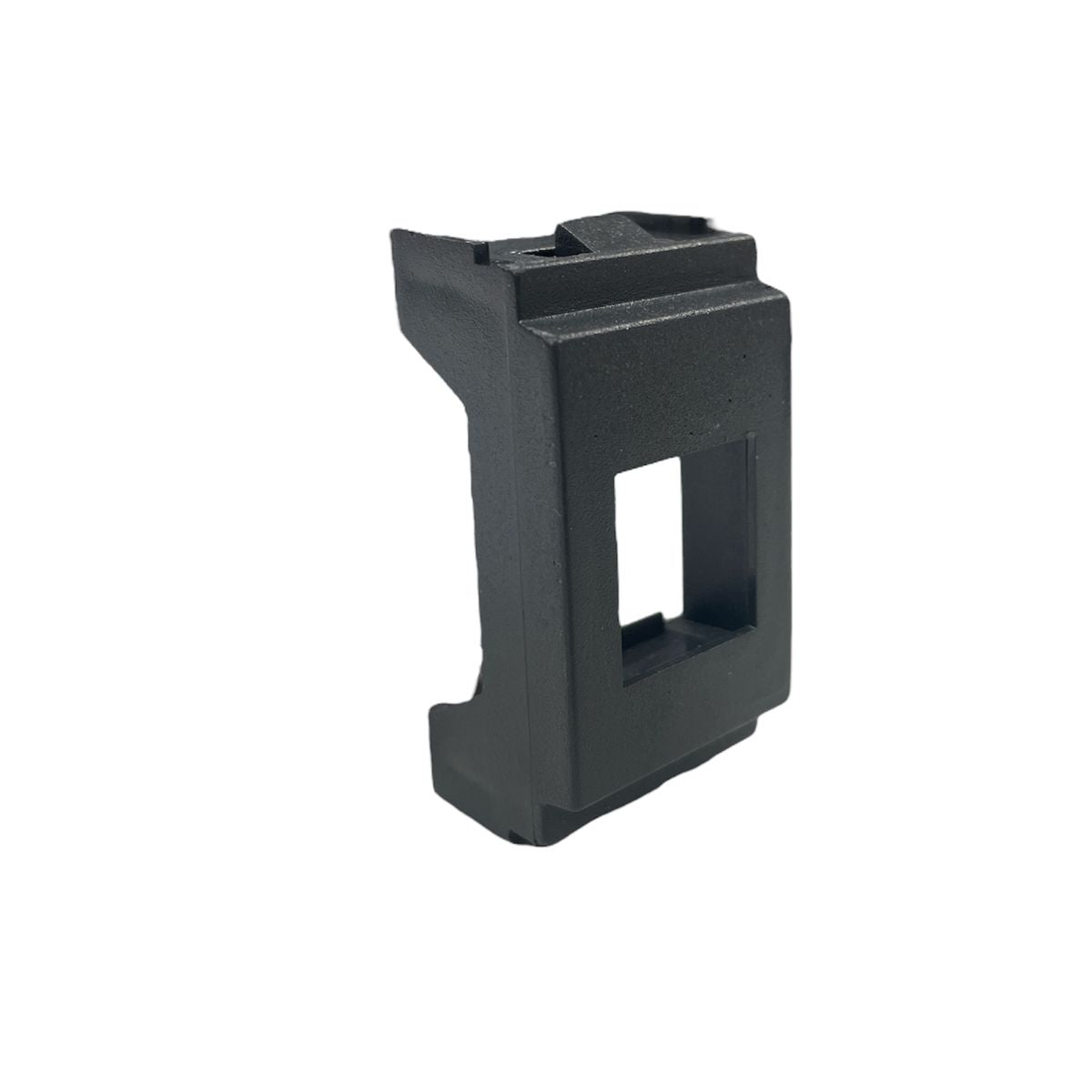
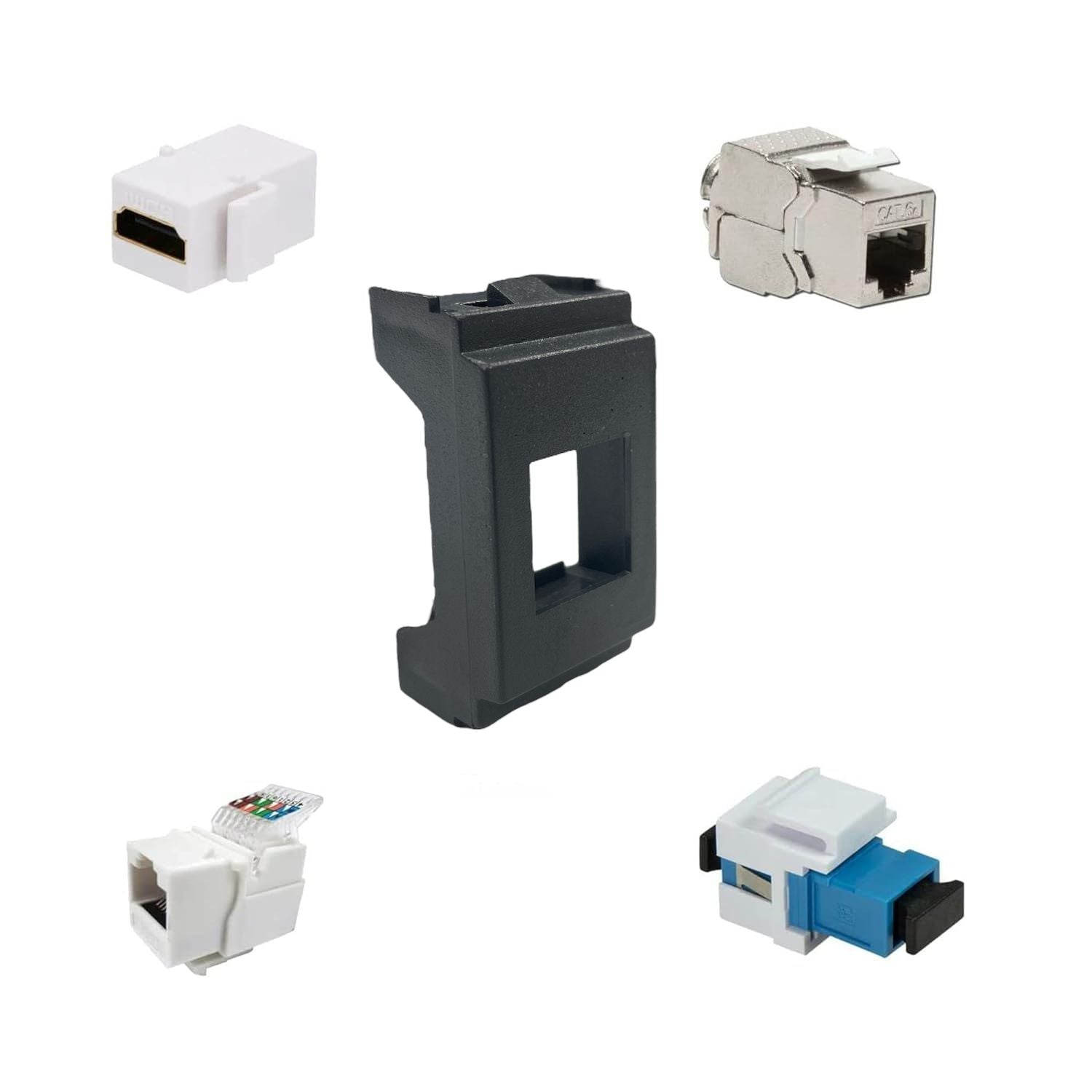
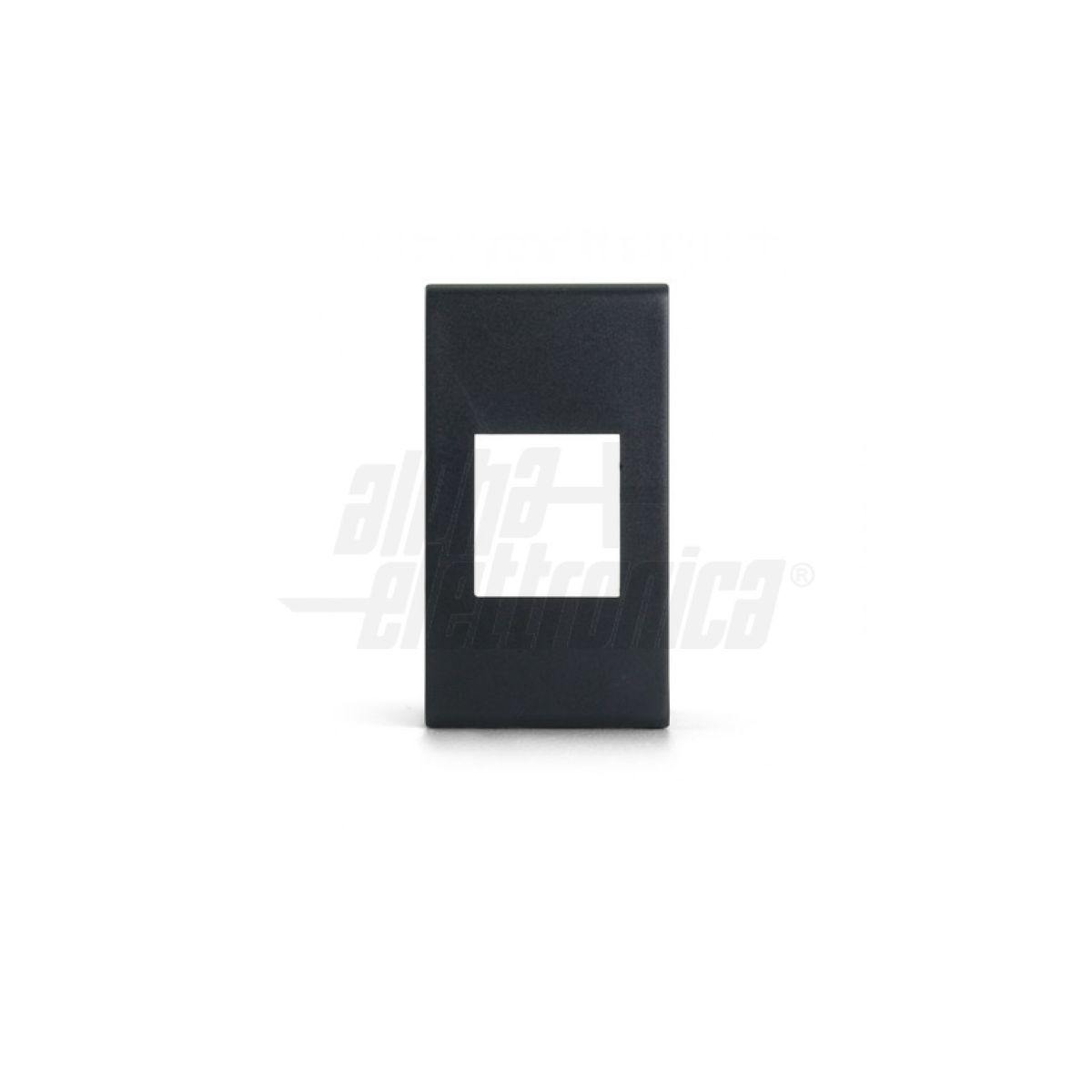
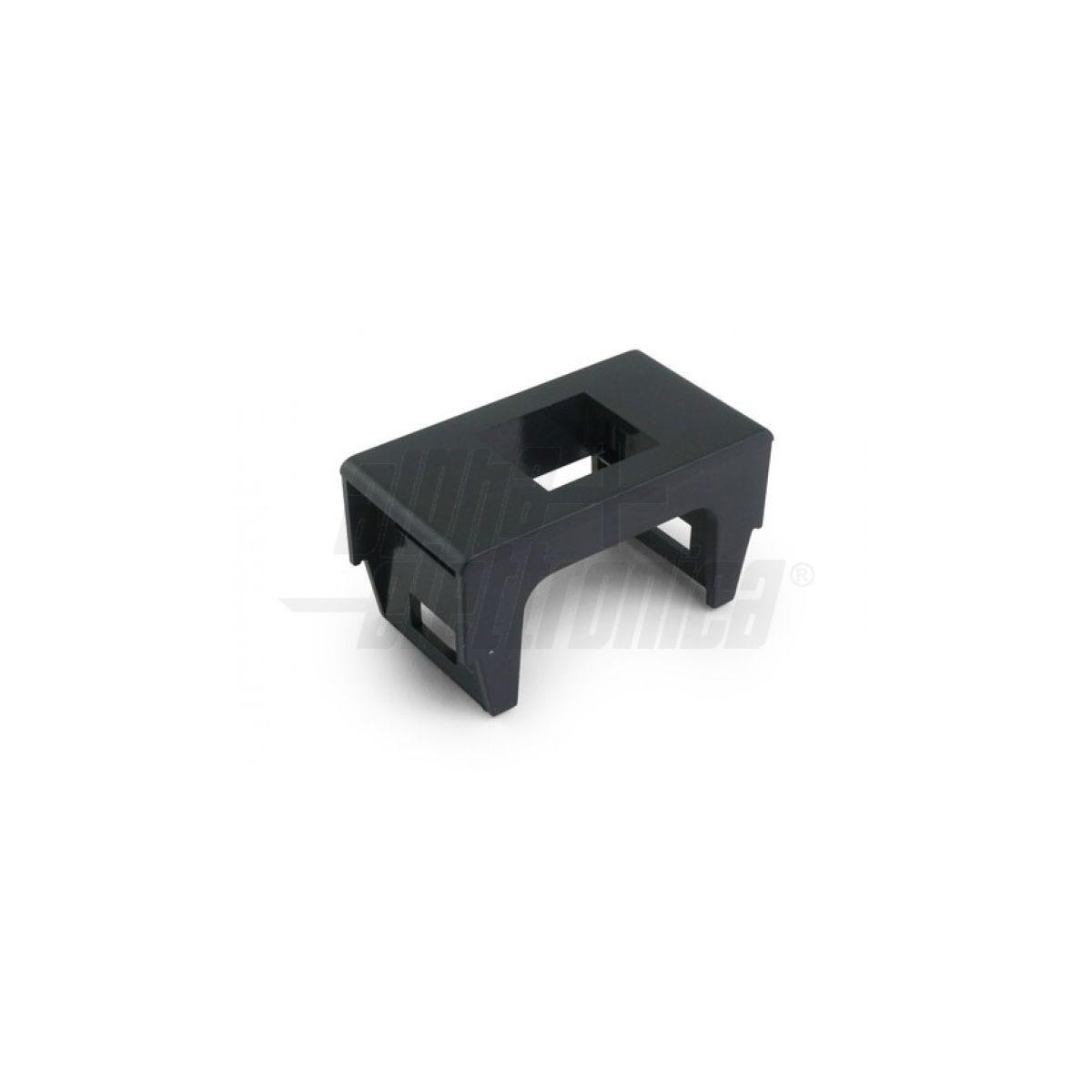


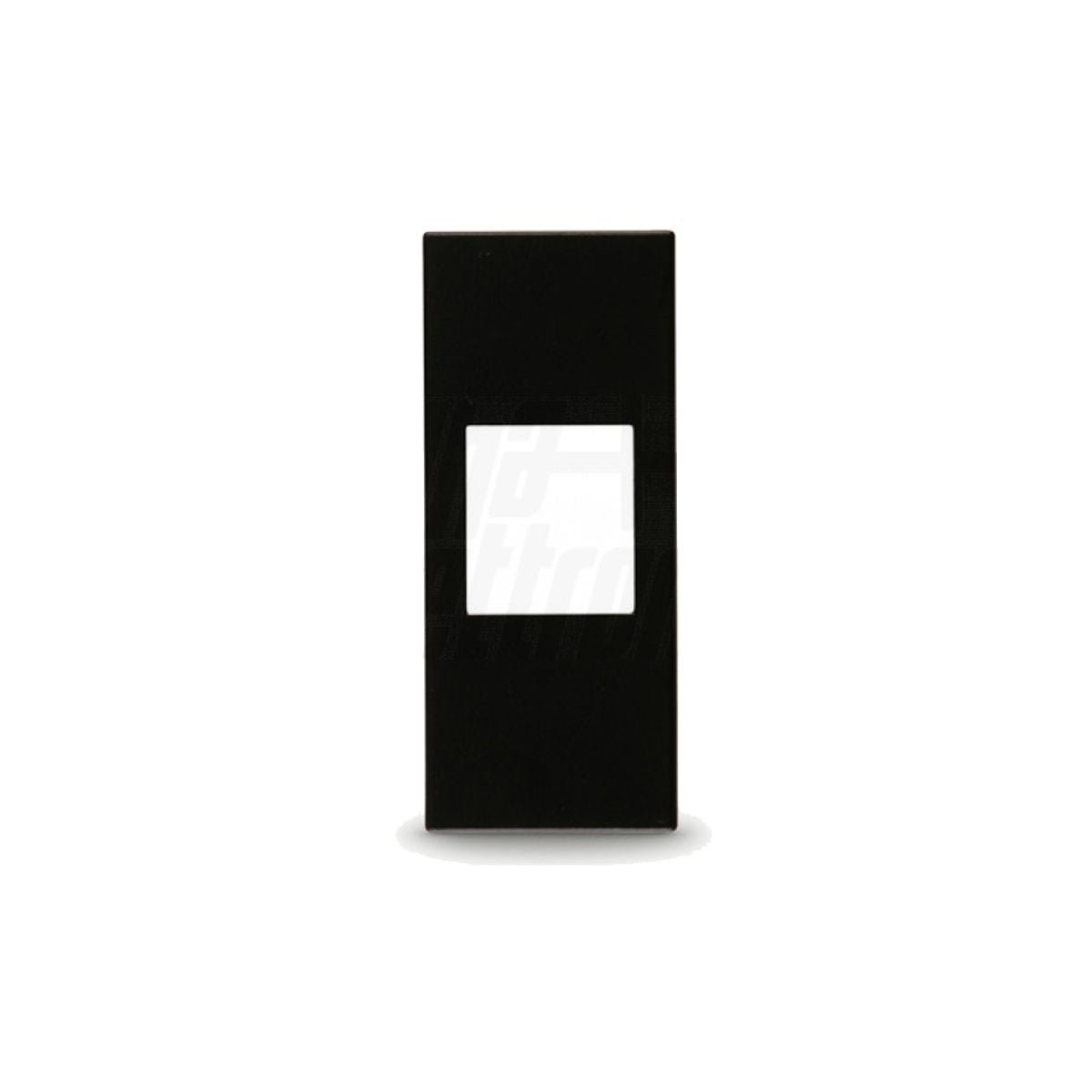
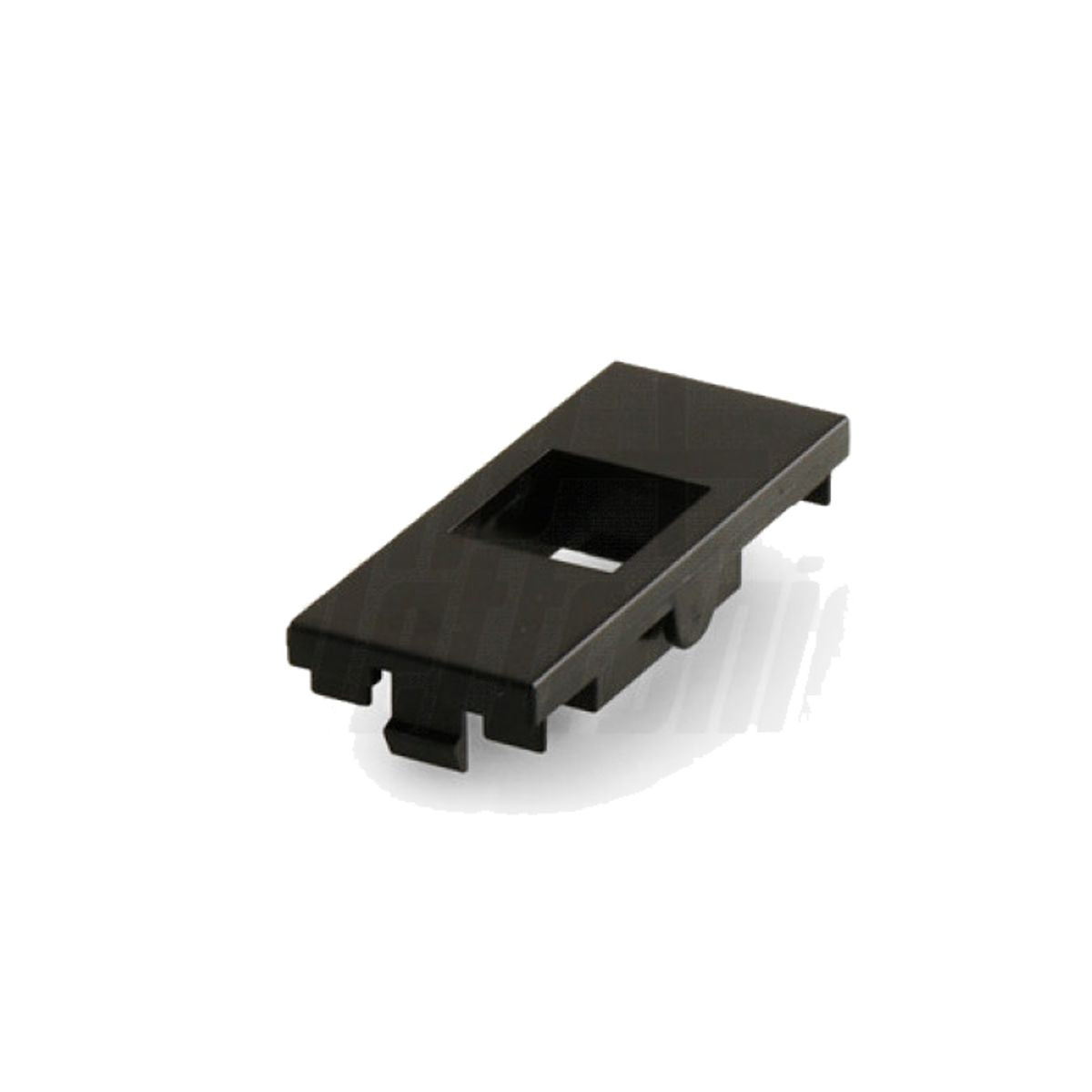
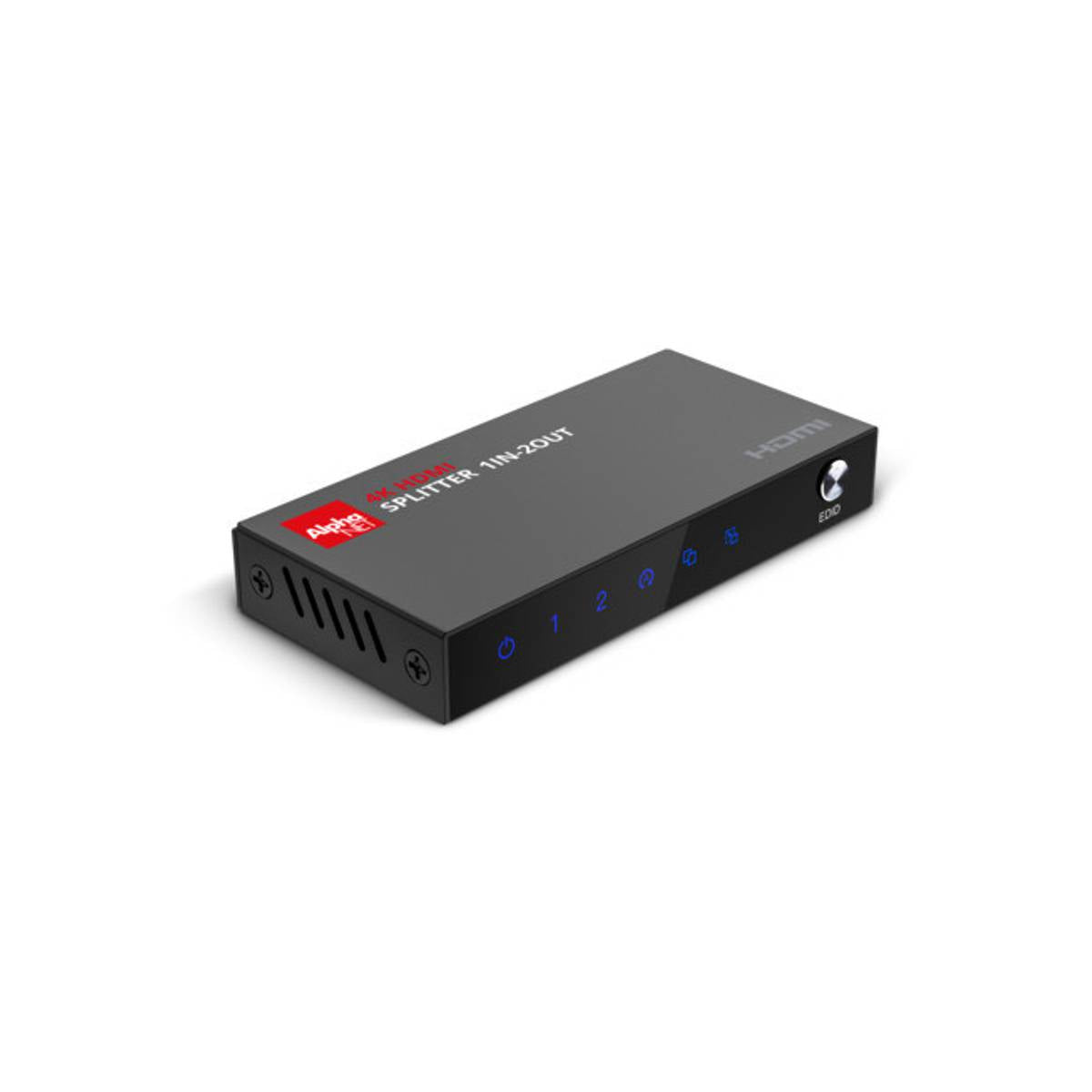


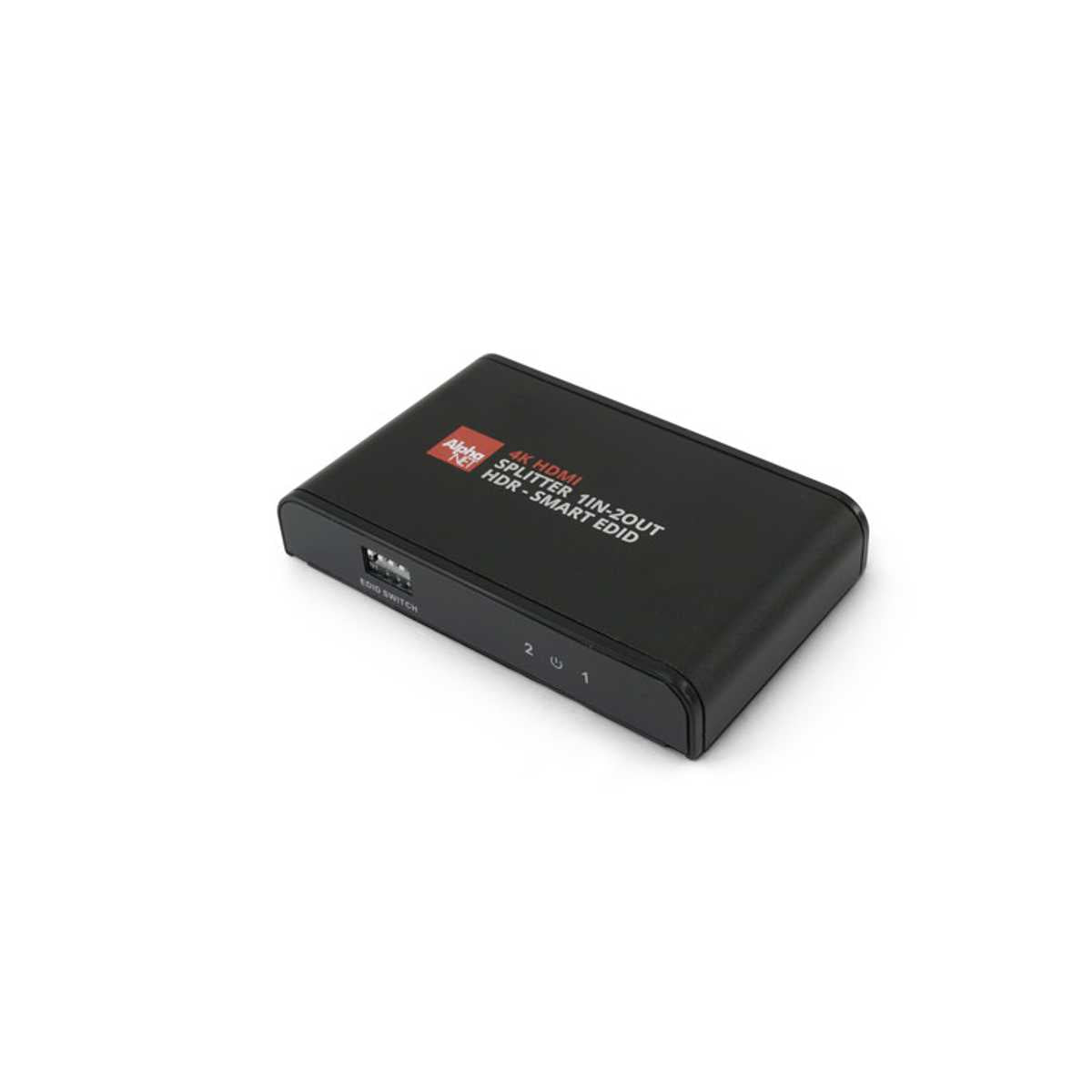


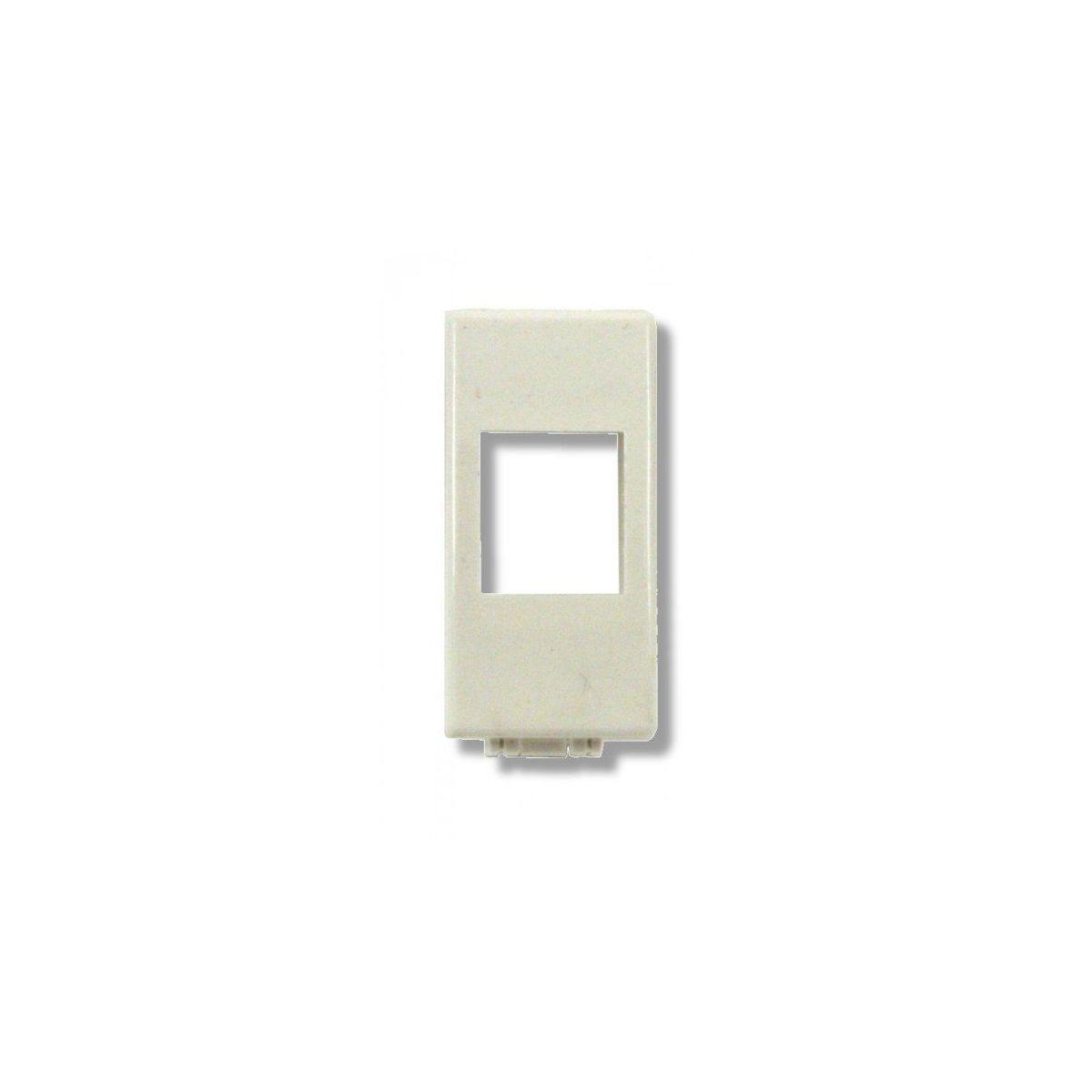
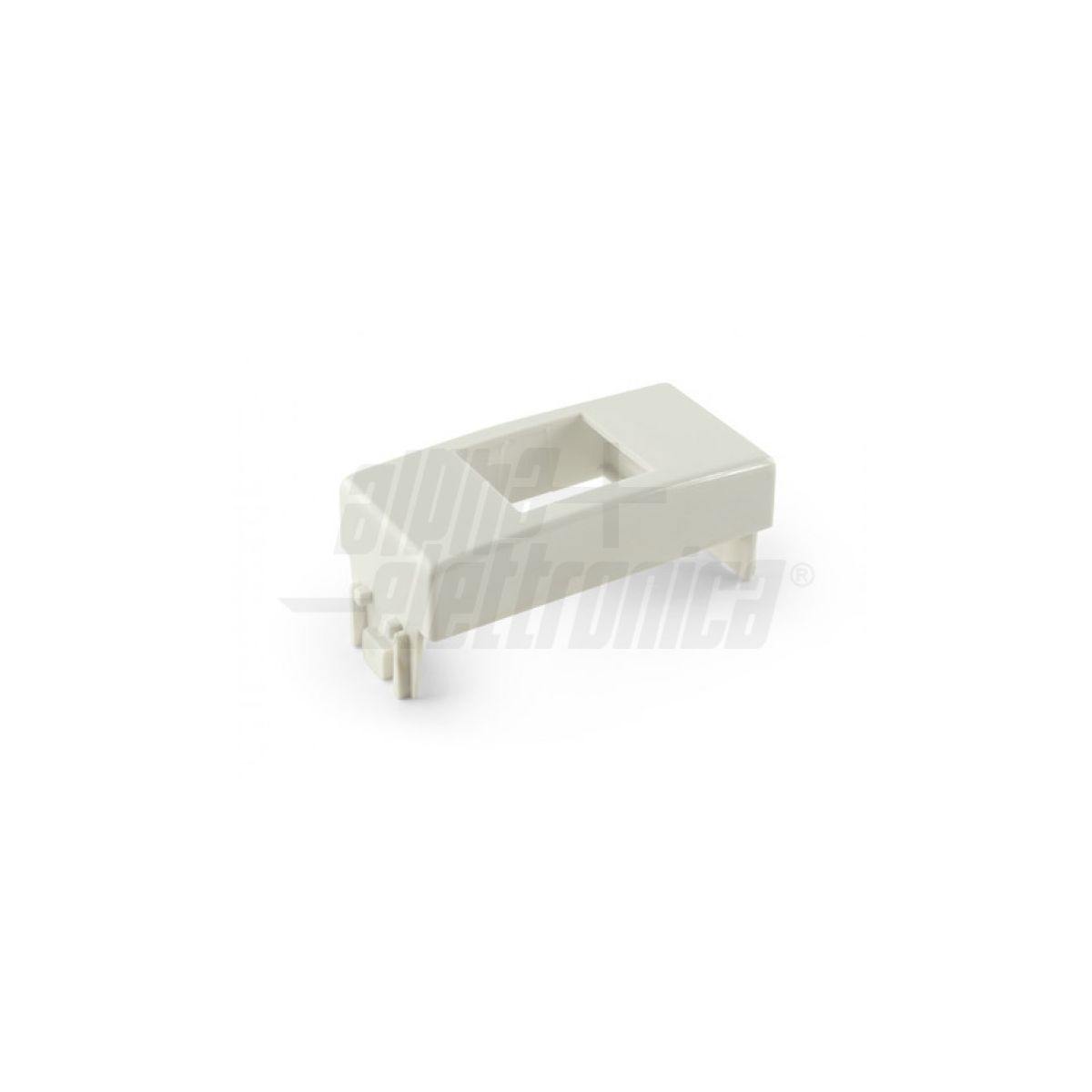
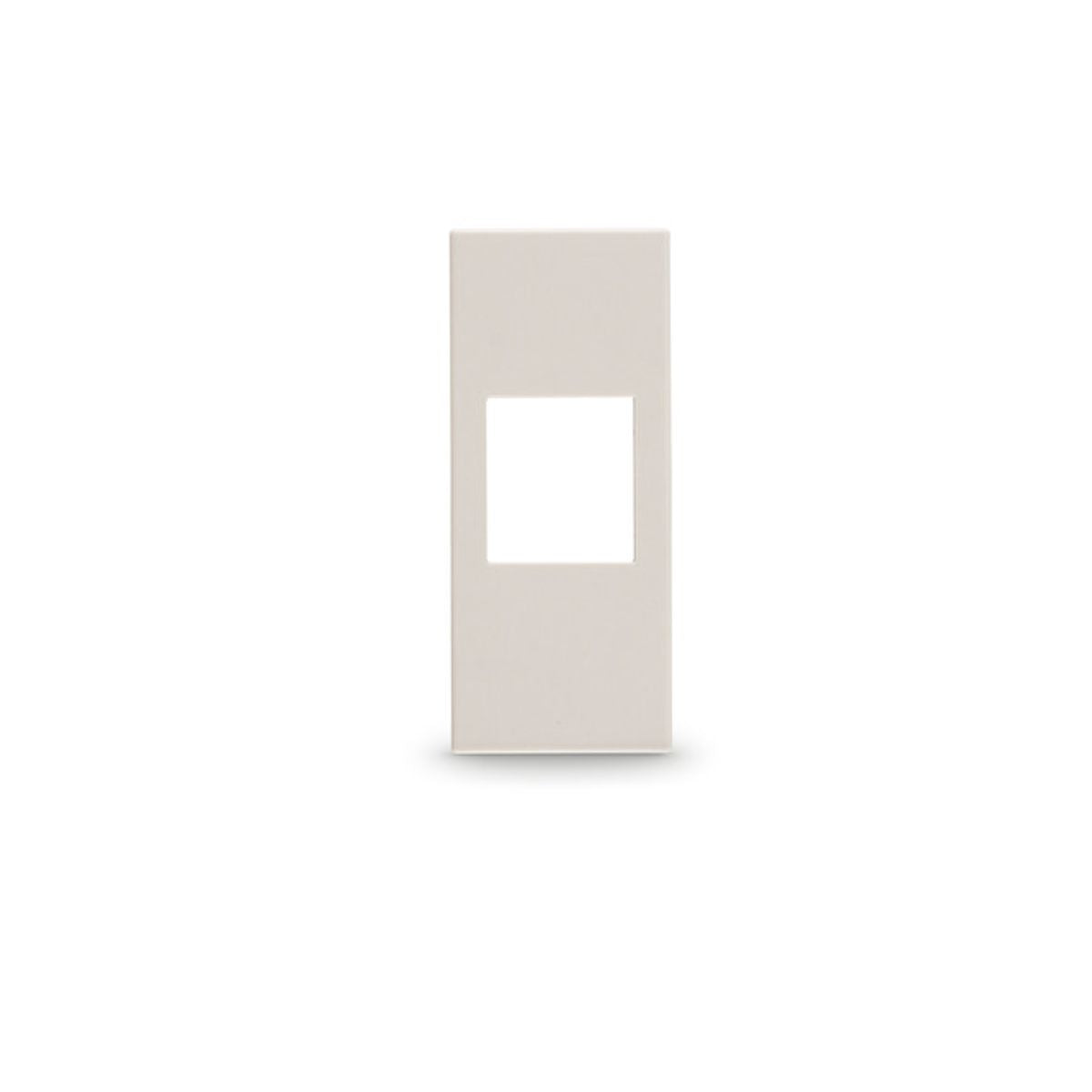
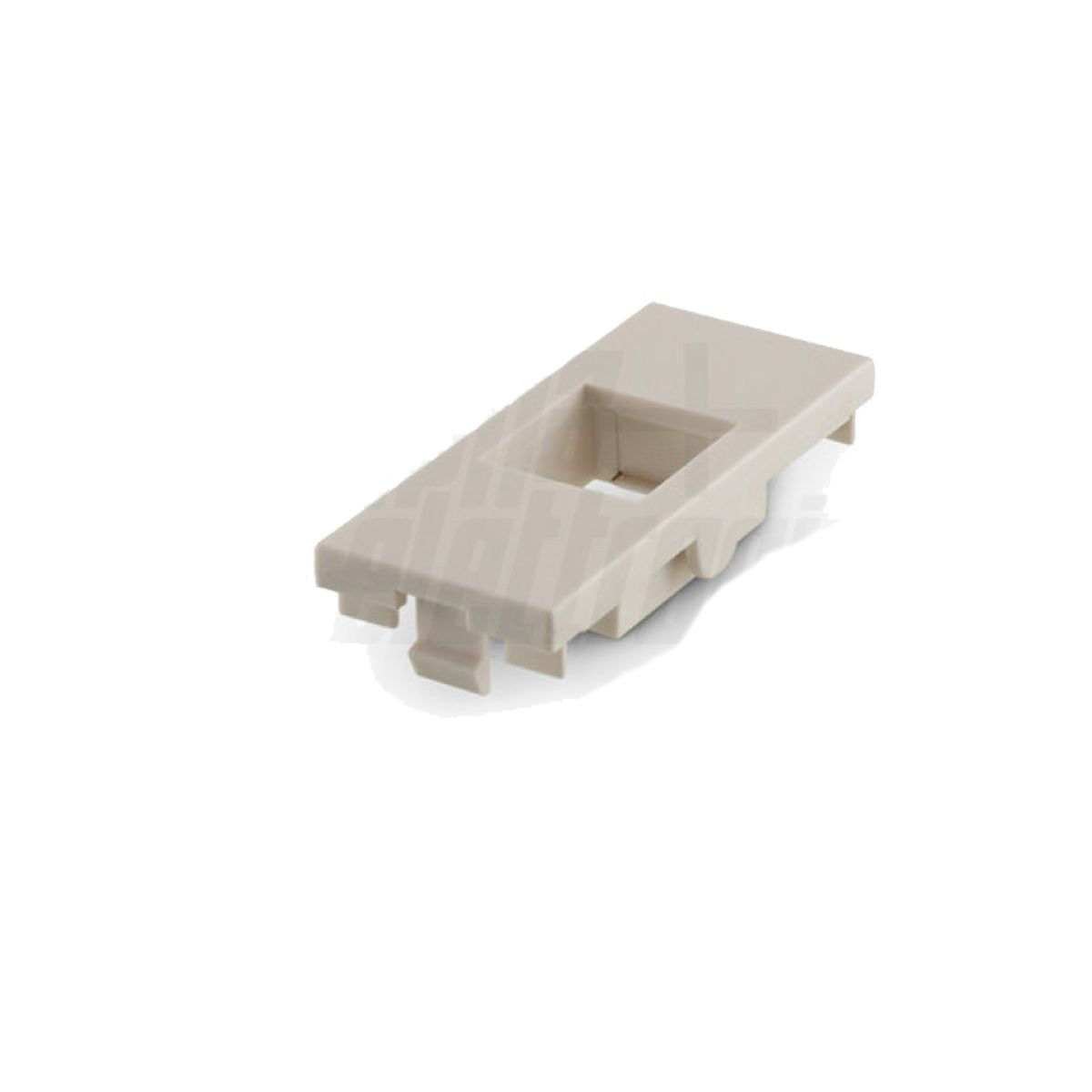
Alphanet: everything you need for cabling and signal distribution
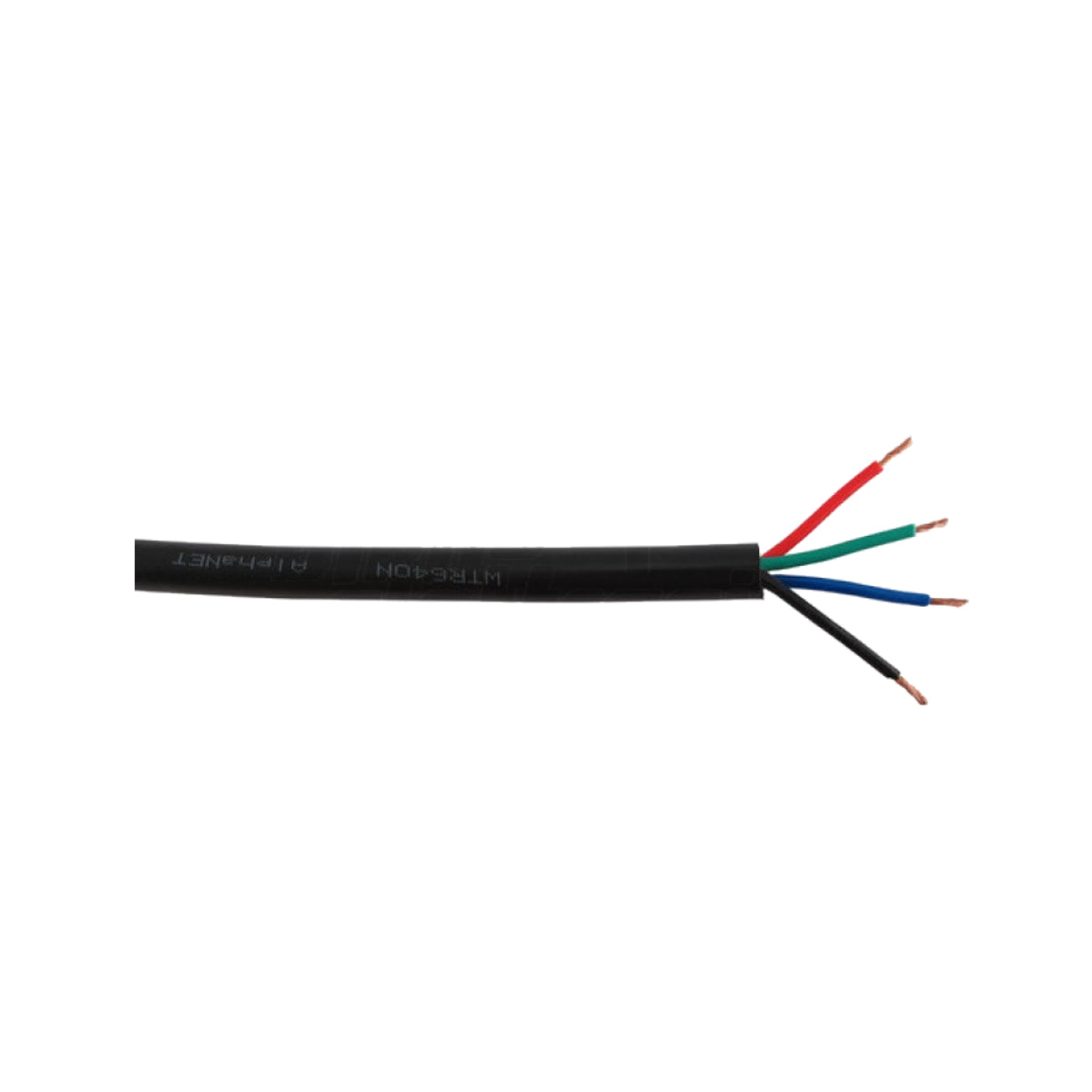
Alphanet is the Alpha Elettronica brand dedicated to professional networking and audio-video. It is a product line that covers an installation from start to finish: bulk cable, connectors for termination, wall modules (keystones), the tools to install them, and all the devices that route the signal where it's needed.
The two souls of the range
| Area | What you'll find |
|---|---|
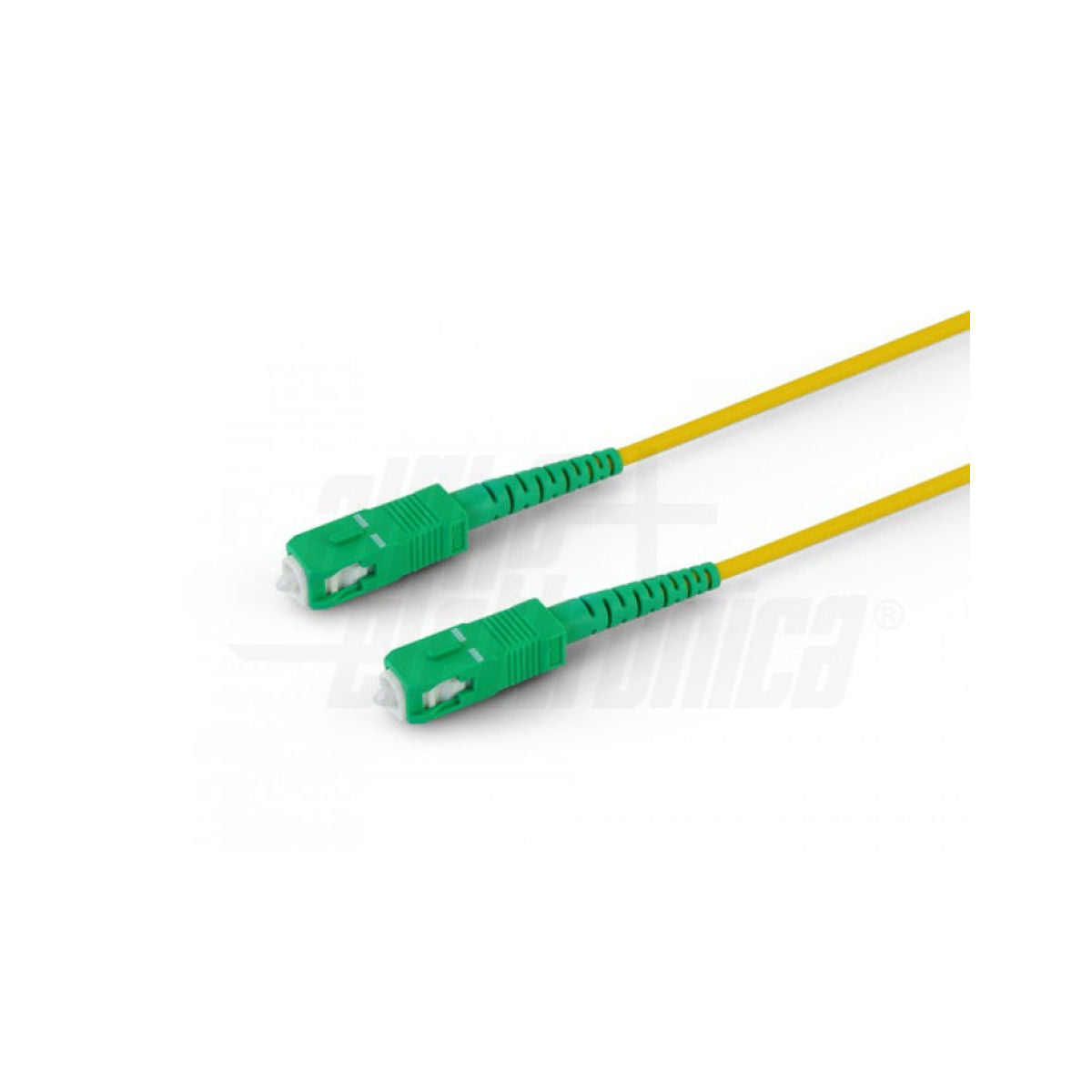
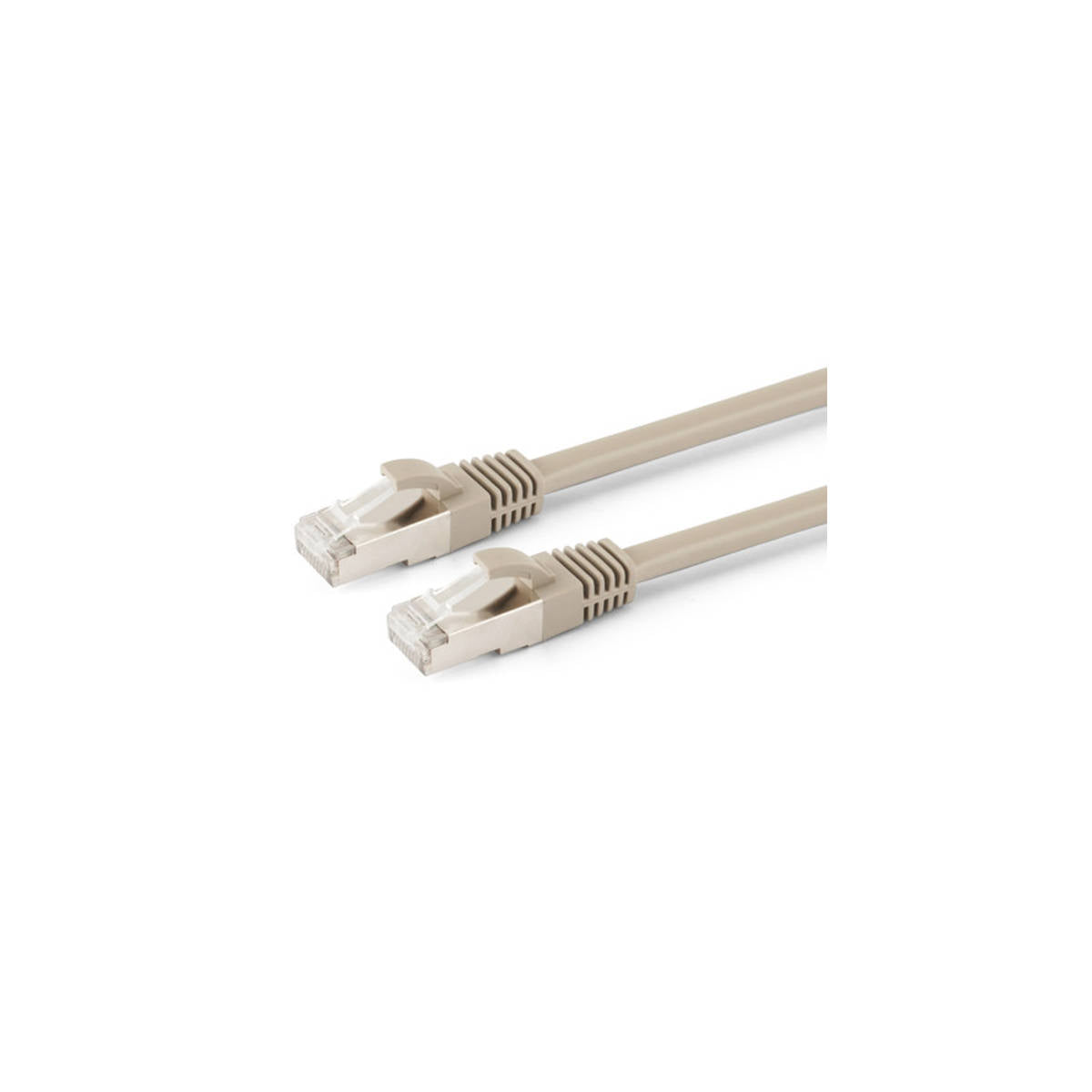
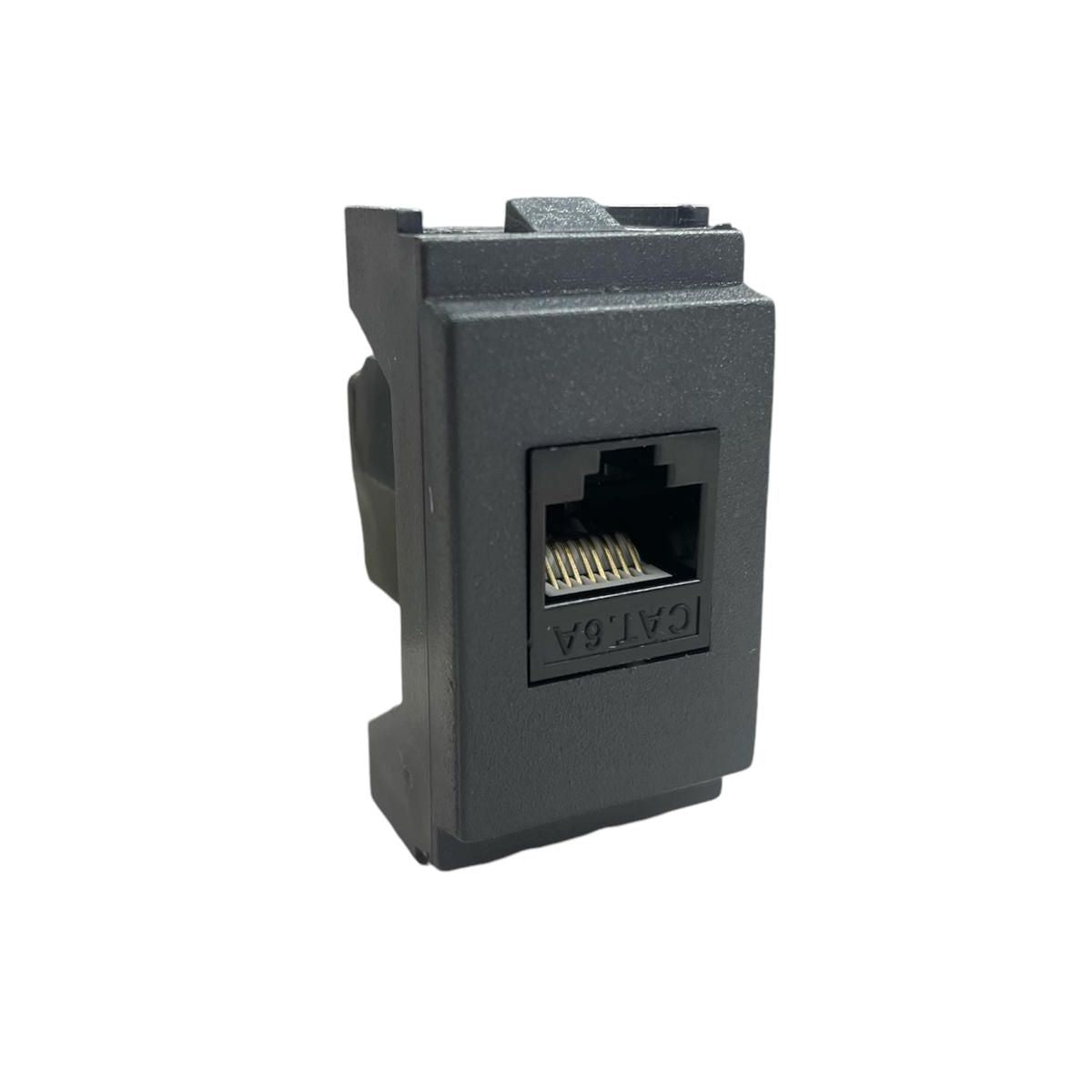
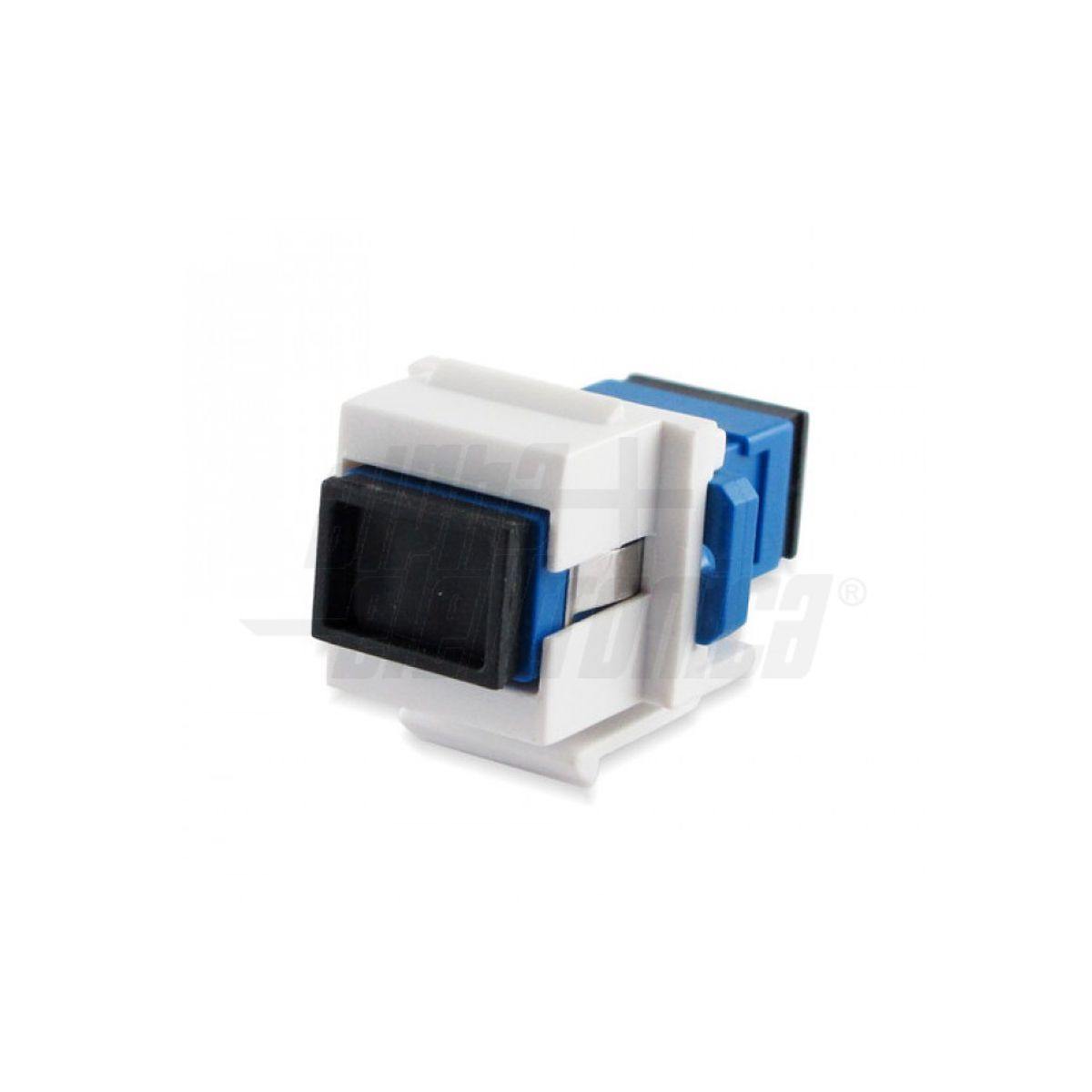
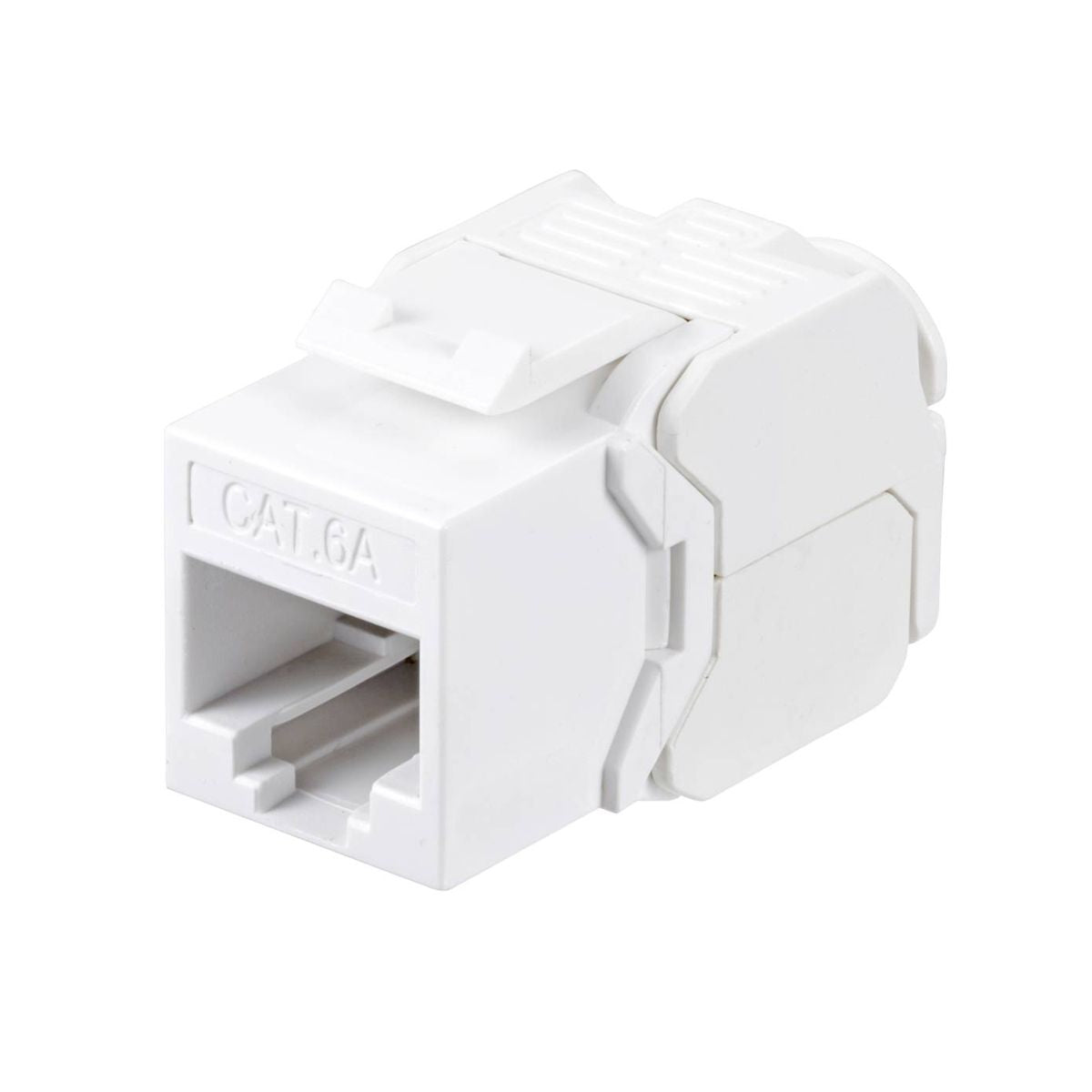
| Structured cabling | RJ45, fiber optic, HDMI, and USB keystone modules for Vimar, Bticino, and Legrand · bulk Ethernet, telephone, audio, and video surveillance cable · fiber patch cords and pigtails · RJ45 plugs including tool-less versions · crimping pliers and tools |
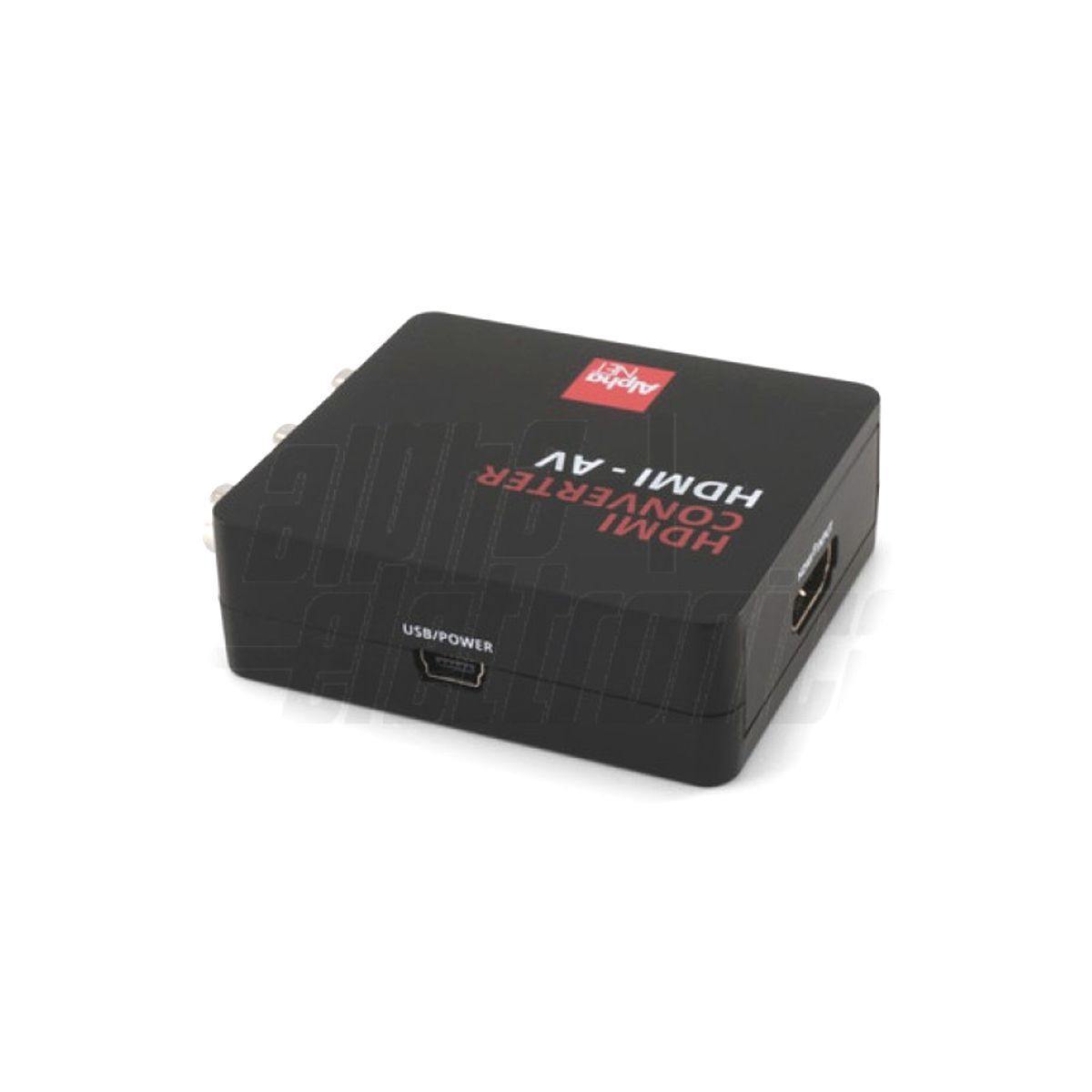
| Audio-video distribution | HDMI and VGA splitters · matrices · switches · network cable extenders · signal converters · video wall controllers · DVB-T modulators |
Keystone modules are the heart of the line
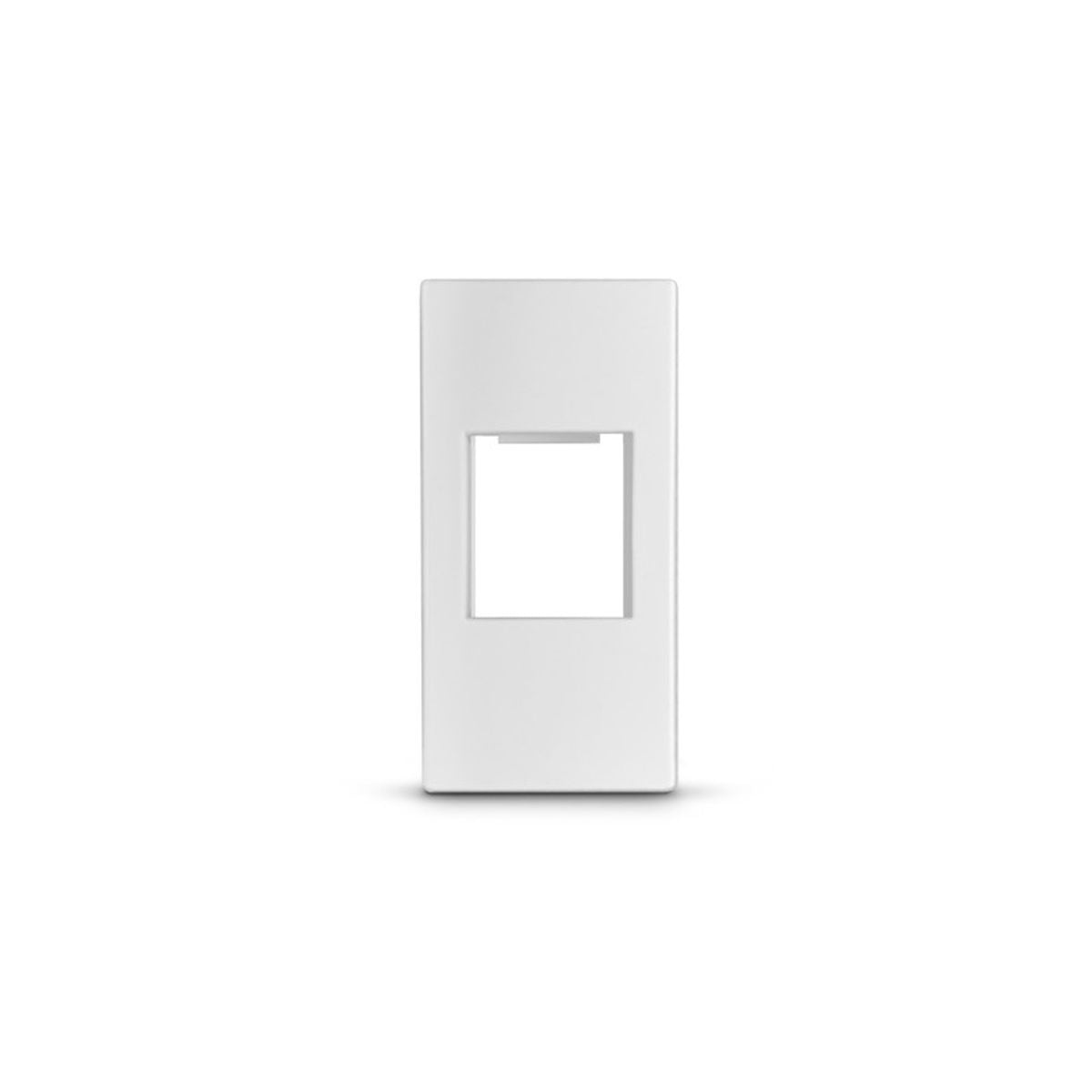
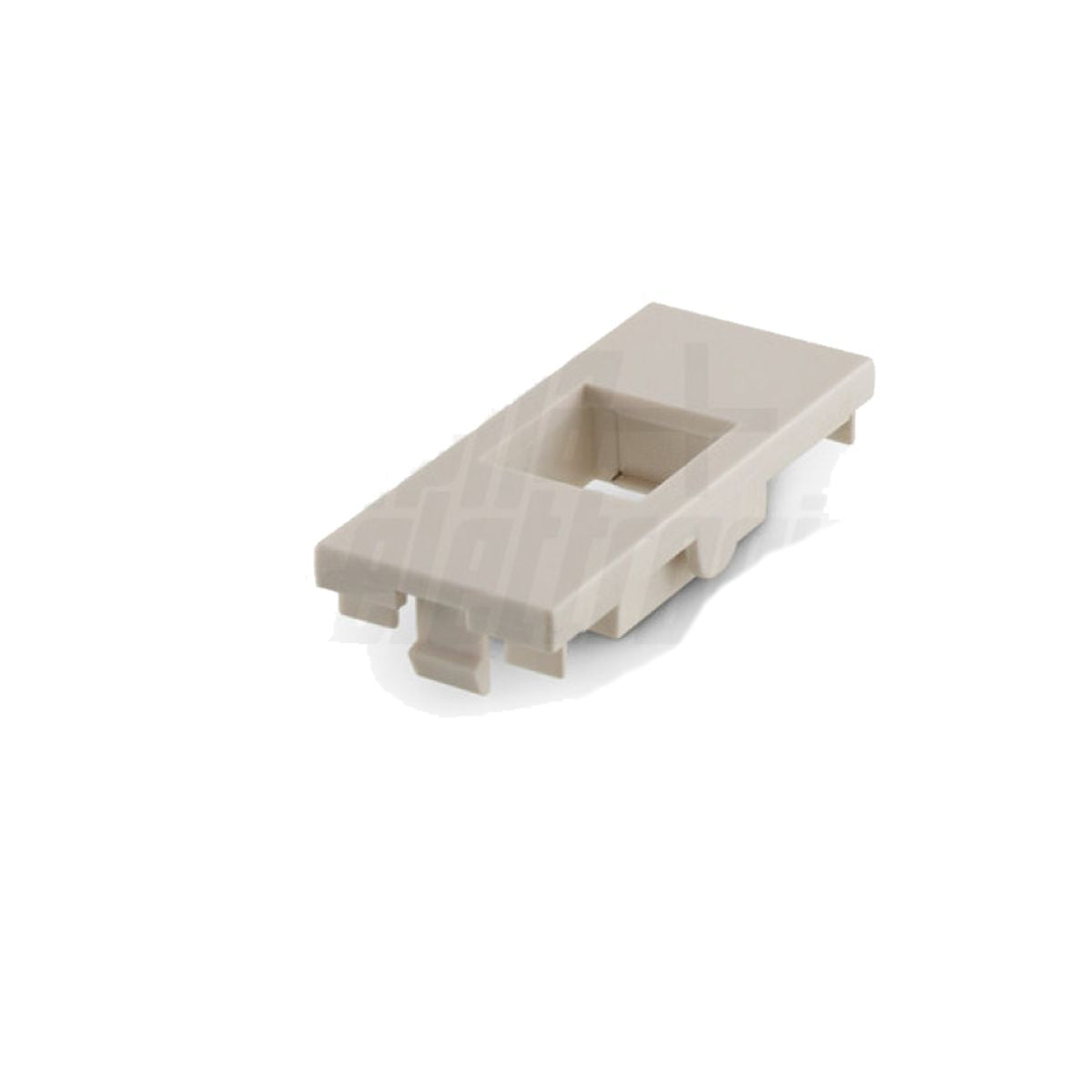
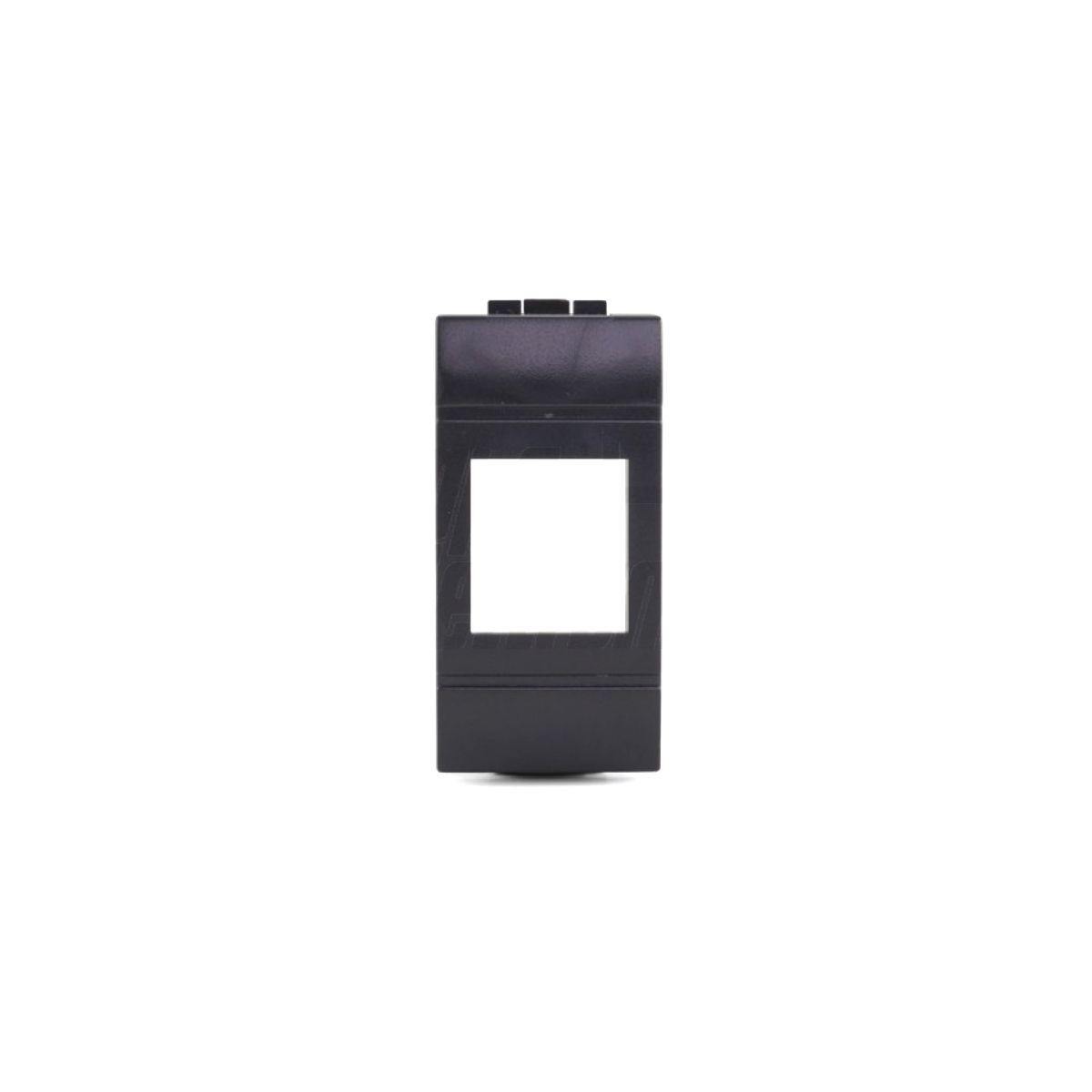
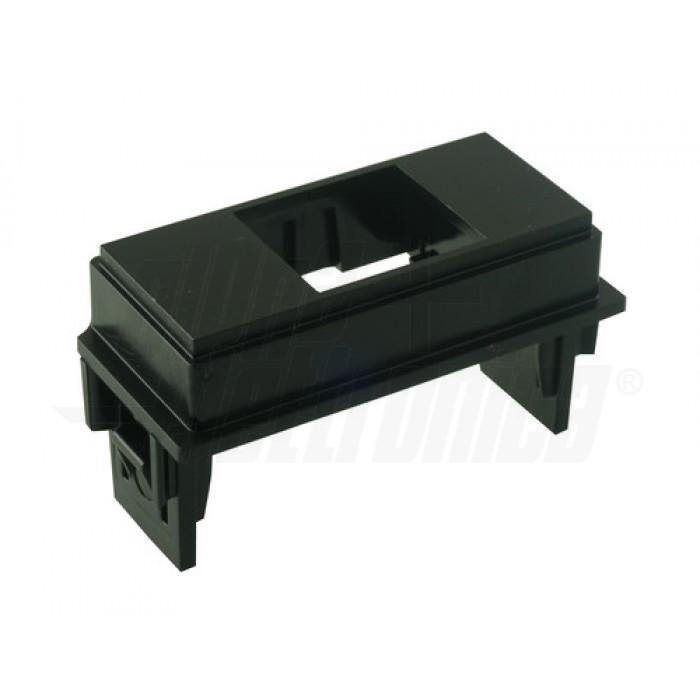
This is the largest part of the Alphanet catalog and the one we receive the most questions about. The keystone system separates the function from the frame: the module (an RJ45 jack, fiber optic adapter, HDMI, or USB coupler) snaps into an adapter, and it is the adapter that must match the wall plate series you have installed. If you want to change a telephone socket into a network socket tomorrow, you change the module, not the faceplate.
The coverage includes the most common series in Italian installations — Vimar Plana, Arke, and Idea; Bticino Matix, Light, and Luna; Legrand Vela — in the corresponding plate colors.
Distribution: which device do you need?
These three terms are constantly confused, but they serve different purposes. The splitter sends the same signal to multiple screens. The switch selects which source to send to a single screen. The matrix does both: multiple inputs, multiple outputs, and you decide which source goes to which screen. The extender, on the other hand, does not change the signal; it transmits it over a long distance: up to tens of meters via network cable, where a passive HDMI cable would not reach.
Counter tip. Two mistakes we see all the time. First: shielded modules with shielded cable. An S/FTP cable terminated with unshielded modules and plugs is effectively U/UTP, because the braid remains disconnected and doesn't drain anything: you've spent more for nothing. Second: regarding the wall series, take a photo of the plate and the module before ordering. Vimar Plana and Arke look alike, but the frames are different, and the same goes for Bticino Matix and Light. With a photo, we can solve in a minute what is frequently misidentified by eye.
Frequently asked questions
Is the keystone a universal standard?
The module is, but the adapter is not. The keystone module has standardized dimensions, but the piece that holds it inside the wall plate changes from one series to another: that is where compatibility checks must focus.
What are tool-less plugs?
RJ45 connectors that are assembled without crimping pliers: the conductors are inserted into a guide, and closing the body creates the contact. They are convenient for quick repairs and for those who don't have the tool, even though traditional crimping remains more economical for extensive wiring.
How far can an HDMI extender reach?
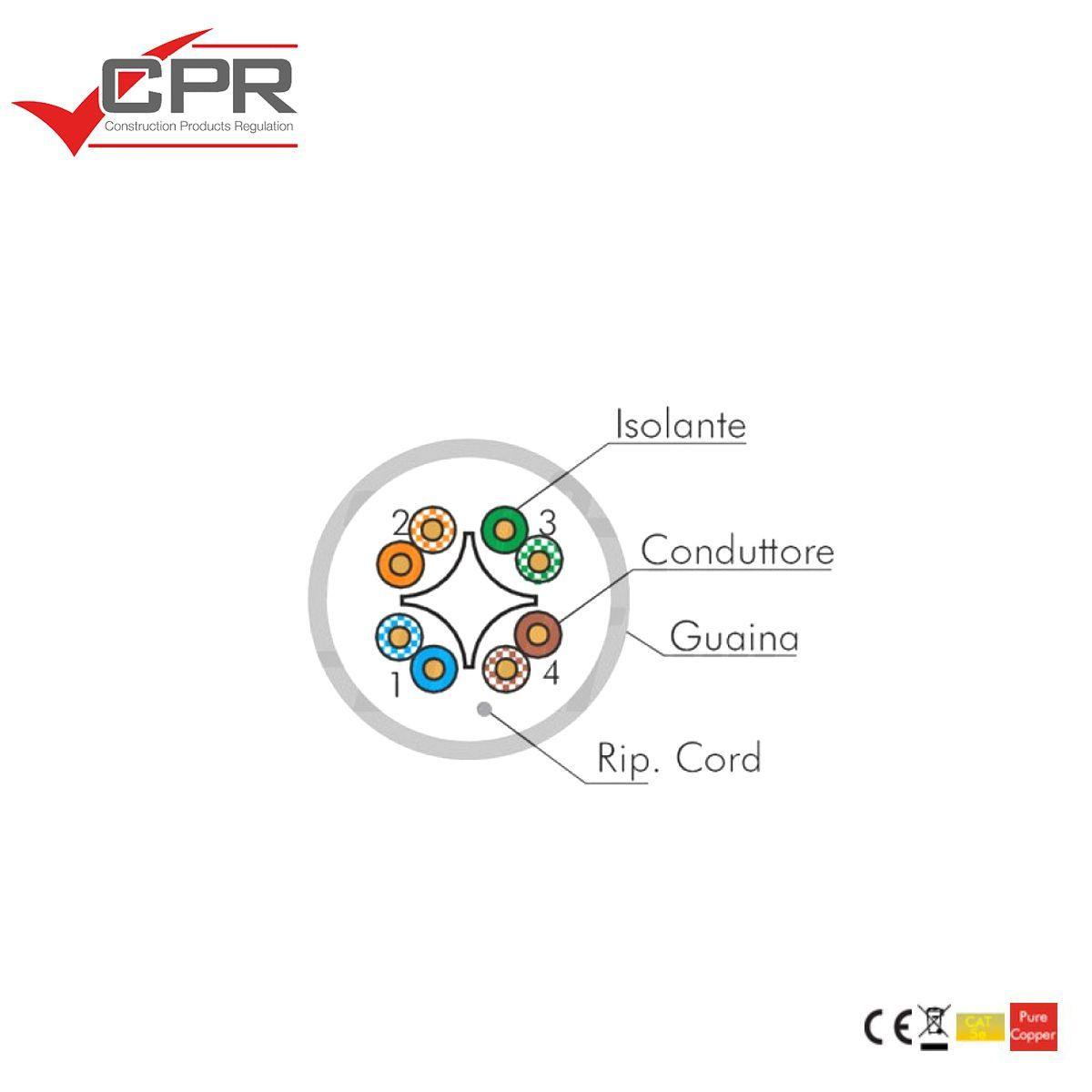
It depends on the model and resolution: network cable versions cover tens of meters, with greater ranges in 1080p compared to 4K. However, you need a cable of the appropriate category, made of pure copper and properly terminated: with CCA or poor-quality crimping, the connection will drop intermittently.
Why does a screen remain black with splitters and matrices?
There are three typical causes: HDCP incompatibility with protected sources like pay-TV decoders and streaming platforms, an EDID that has aligned the source to a format not supported by that screen, or a cable that is too long. Before replacing the device, swap the cables between two outputs: if the problem moves, the culprit is the cable.
Which cable category is best for a new installation?
Cat. 6a is the best compromise: it supports 10 Gigabit over 100 meters and provides good PoE power for modern access points. For wall cabling that will remain in place for twenty years, saving on the category is a false economy.
See also installation materials, fiber optic cabling, bulk cable, and signal converters.