




























Join brand products

Filter
Sort by:









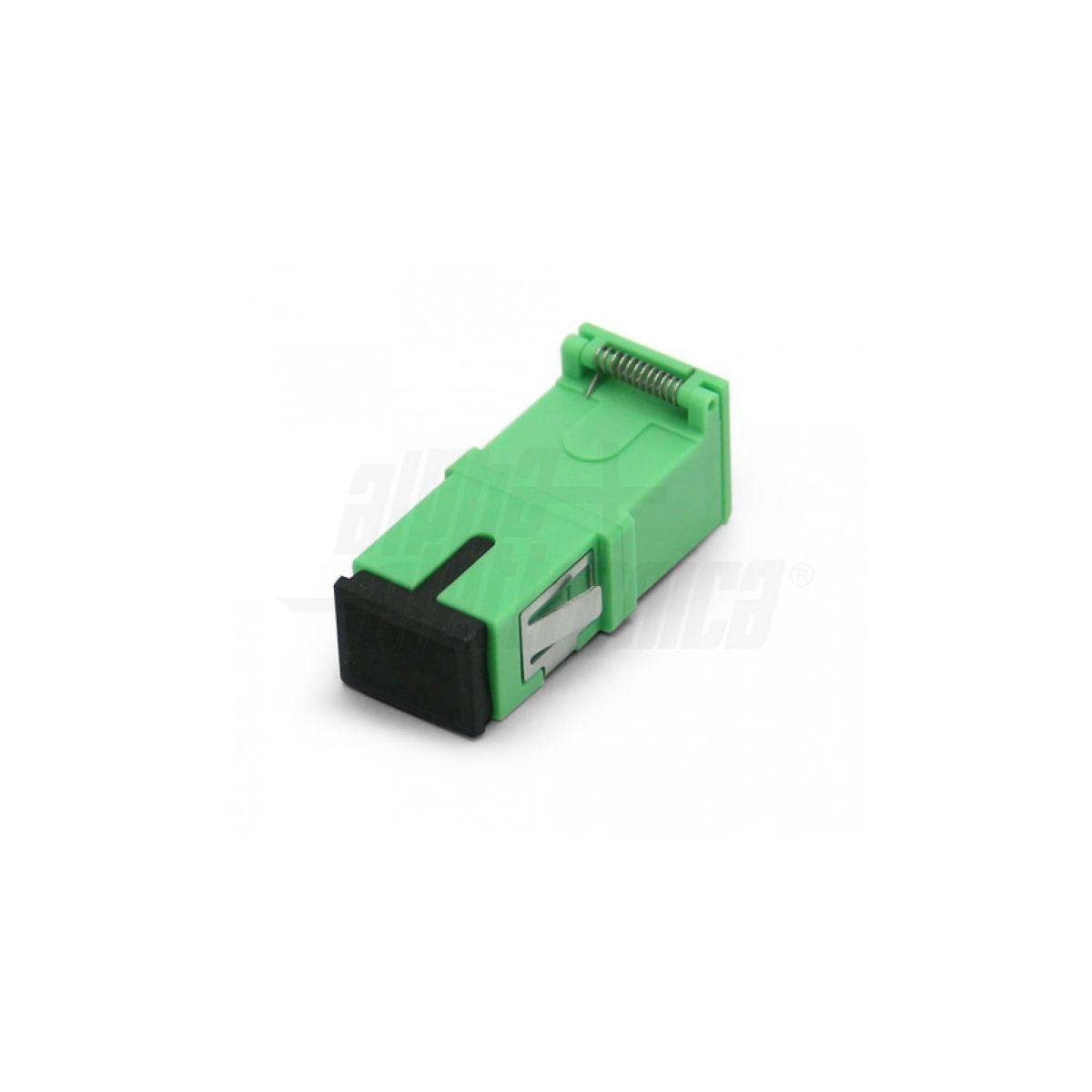
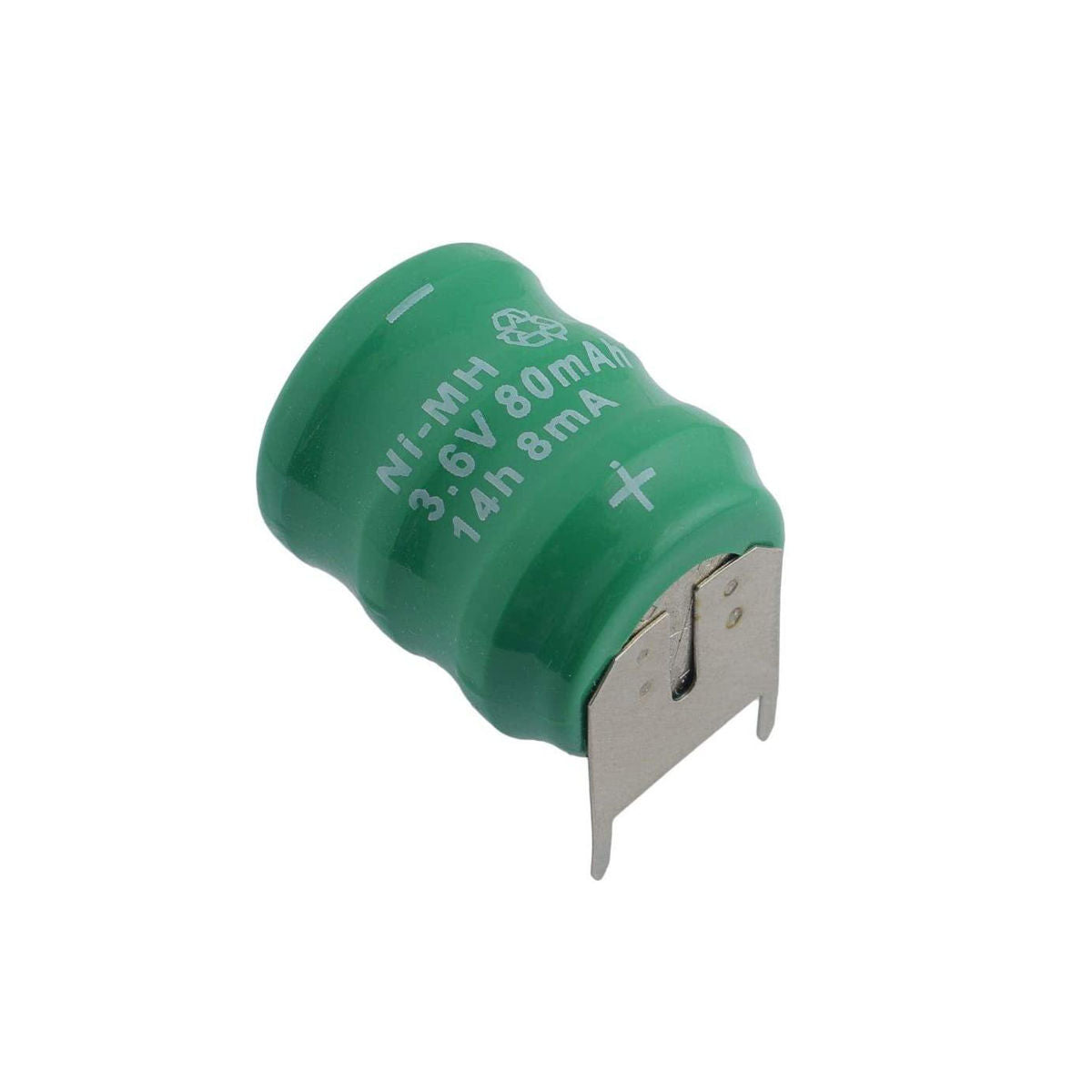


Join: power supply, batteries and electrical accessories
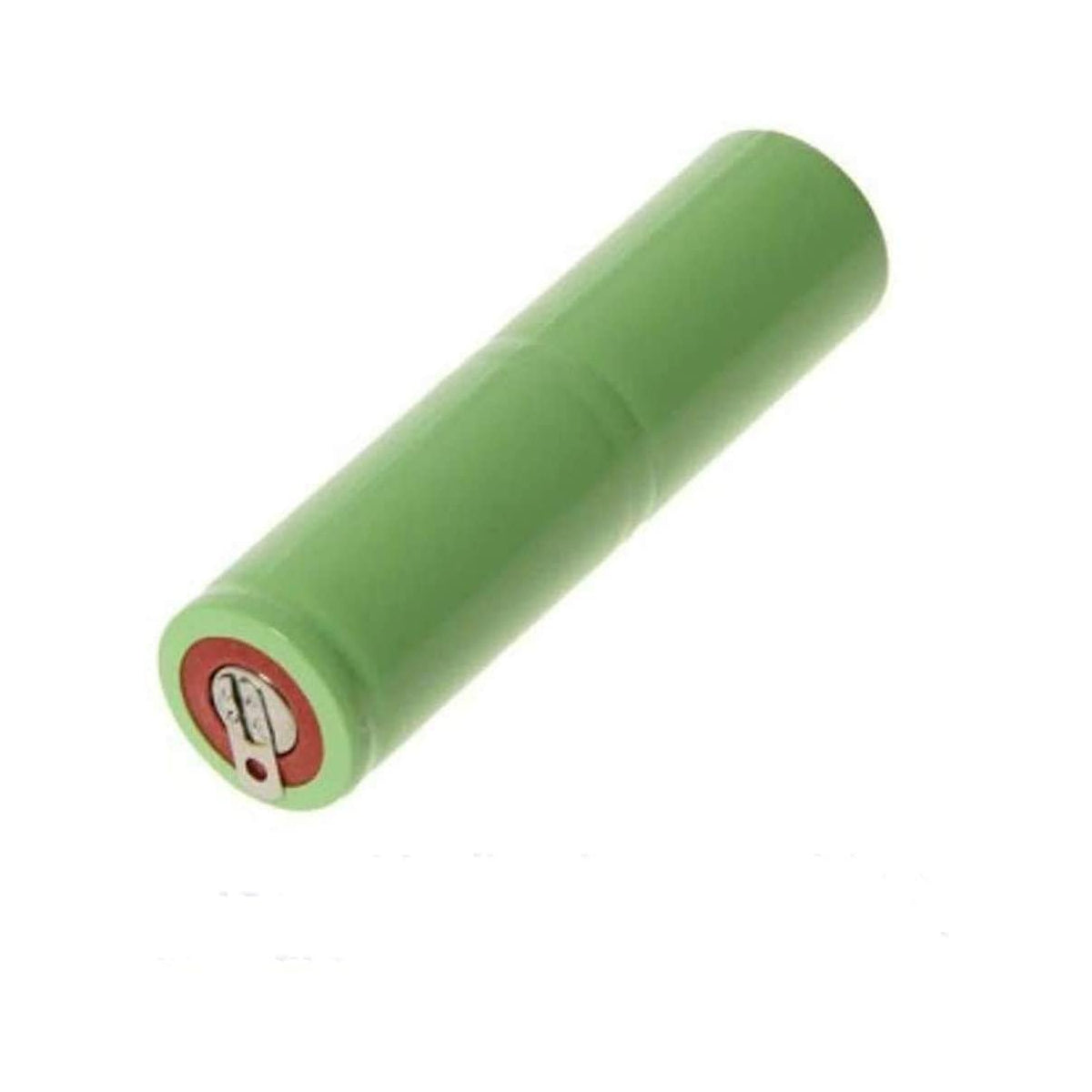
Join is the Alpha Elettronica brand covering the energy sector: getting power where it's needed, adapting it, and storing it. Power strips and extension cords, plugs and adapters, power supplies and chargers, and a range of batteries spanning from disposable AA batteries to lead-acid accumulators for uninterruptible power supplies (UPS).
These are the products you buy when a problem has already occurred — you're short on outlets, the plug doesn't fit, the cable isn't long enough, the battery is dead — and for which finding the right part matters more than choosing a specific brand.
The four areas
| Area | What you'll find |
|---|---|
| Electrical distribution | Power strips with switches, outdoor versions, retractable extension reels, power sockets |
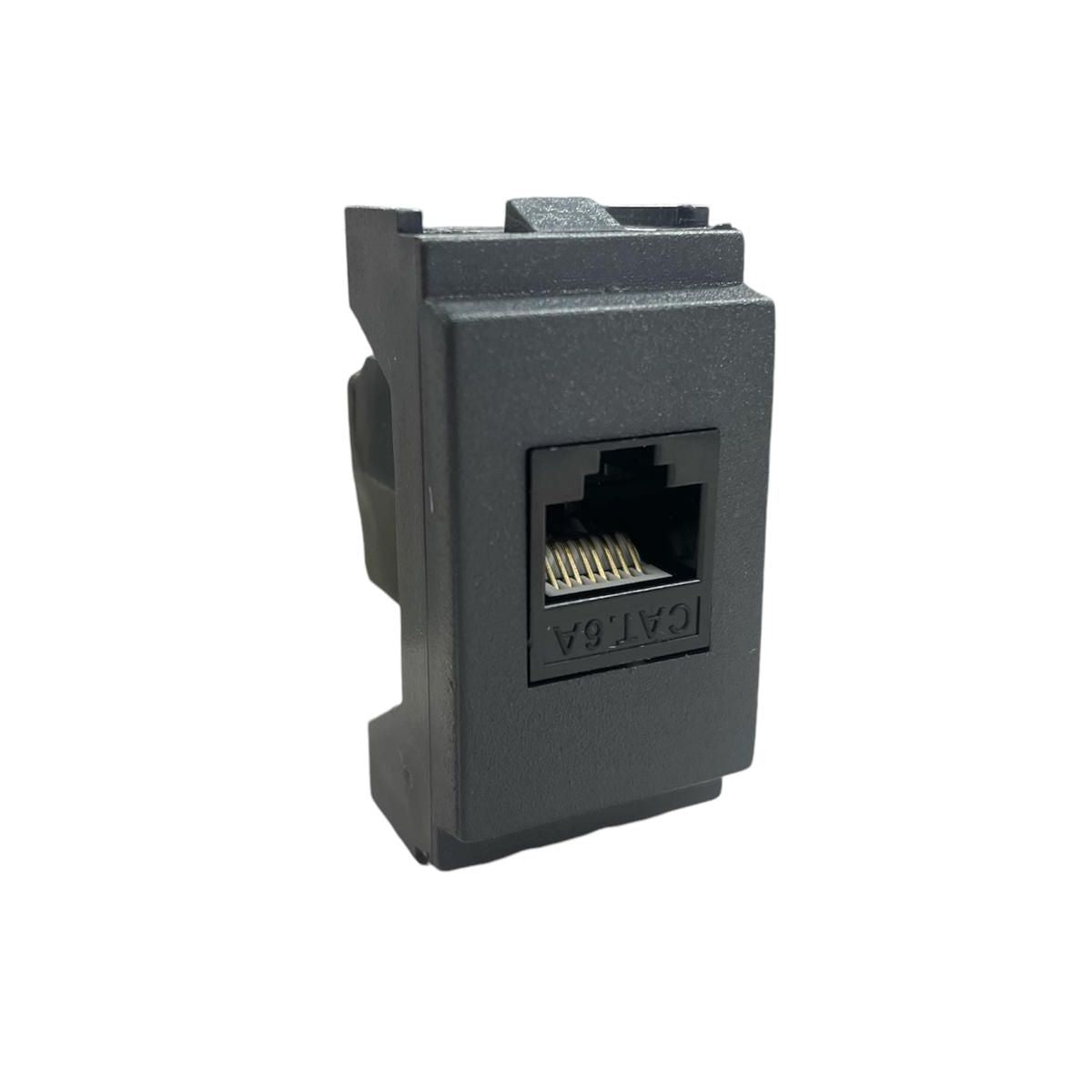
| Plugs, adapters, and connectors | Power plugs, travel adapters, inline connectors, waterproof joints, terminal blocks, audio jacks, telephone adapters, switches and diverters |
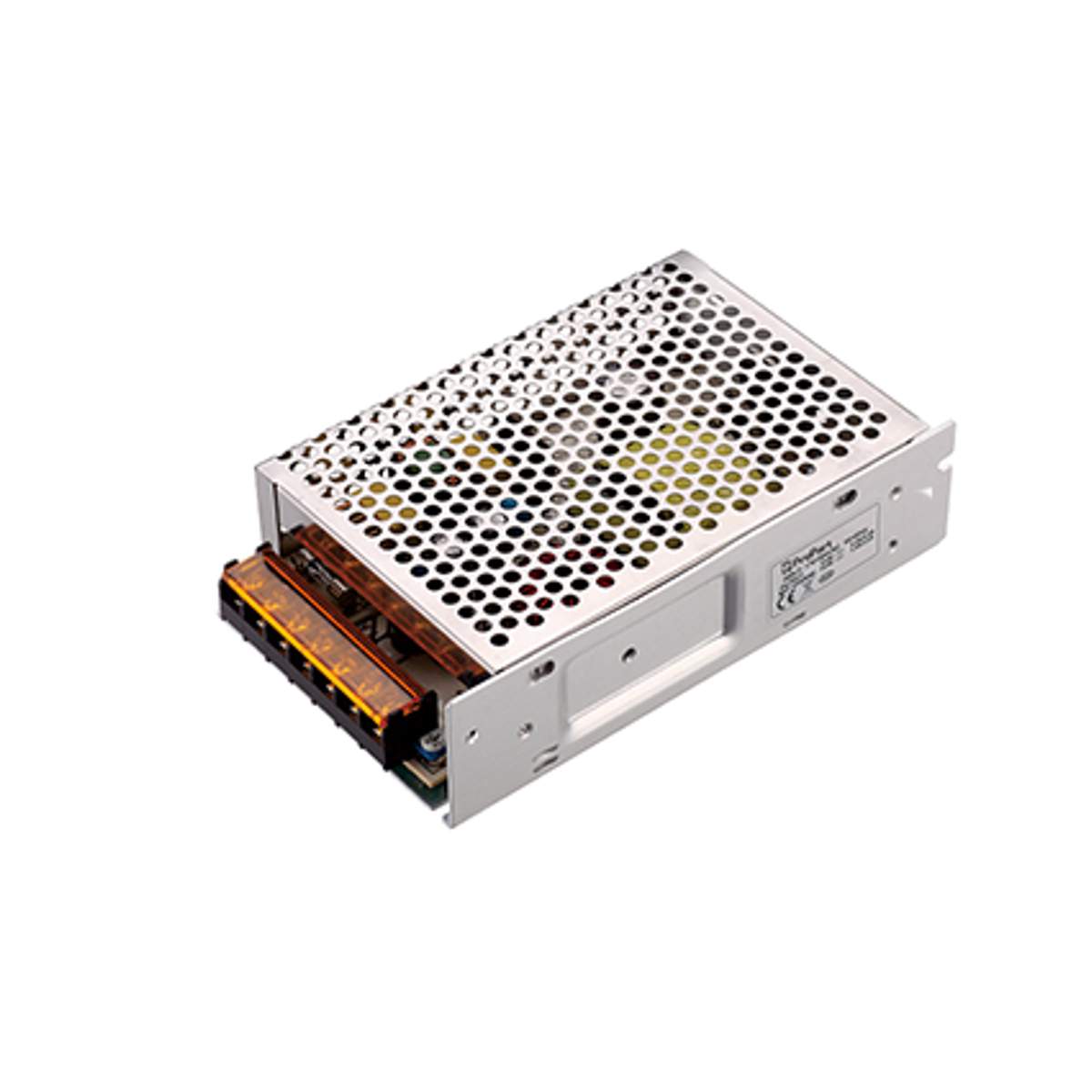
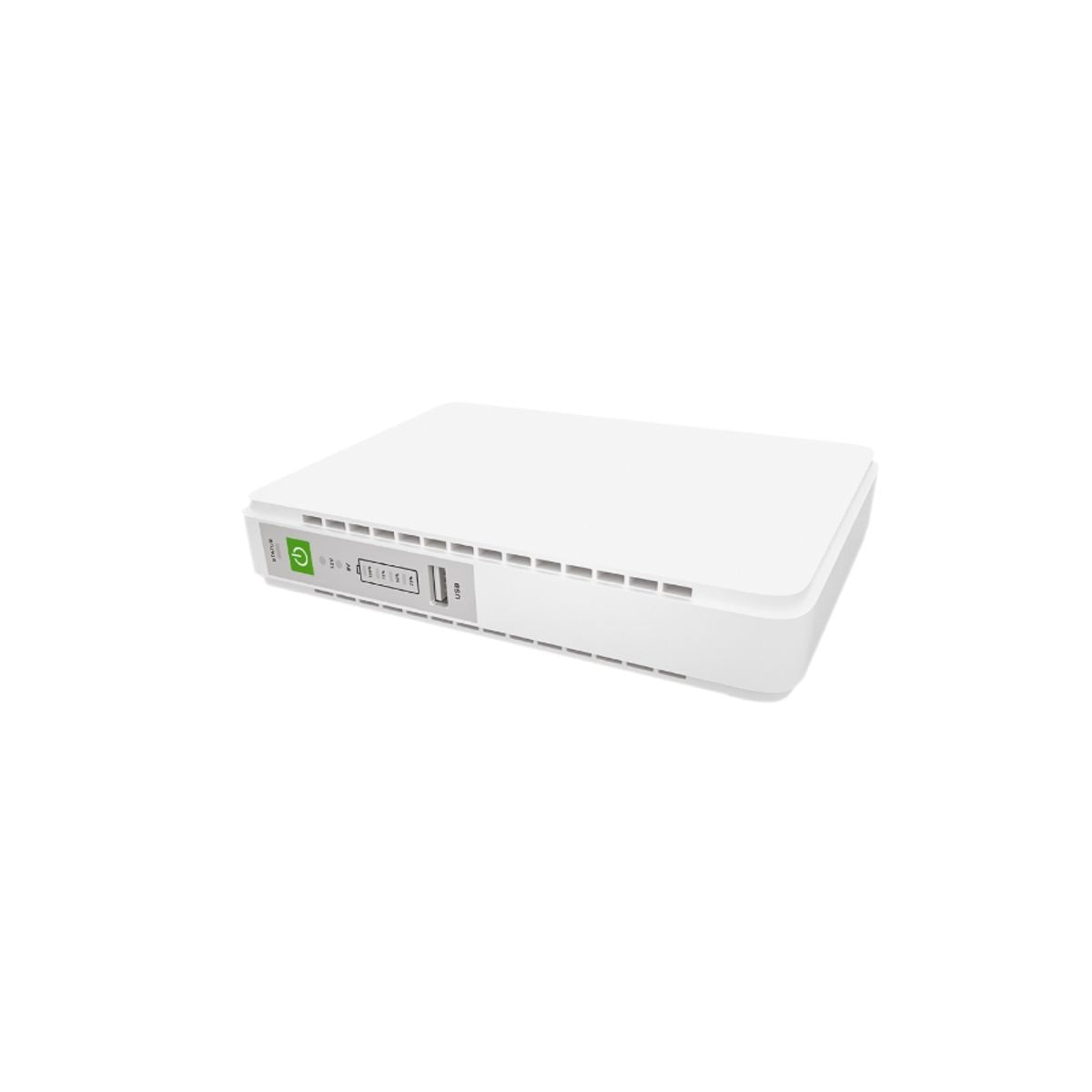
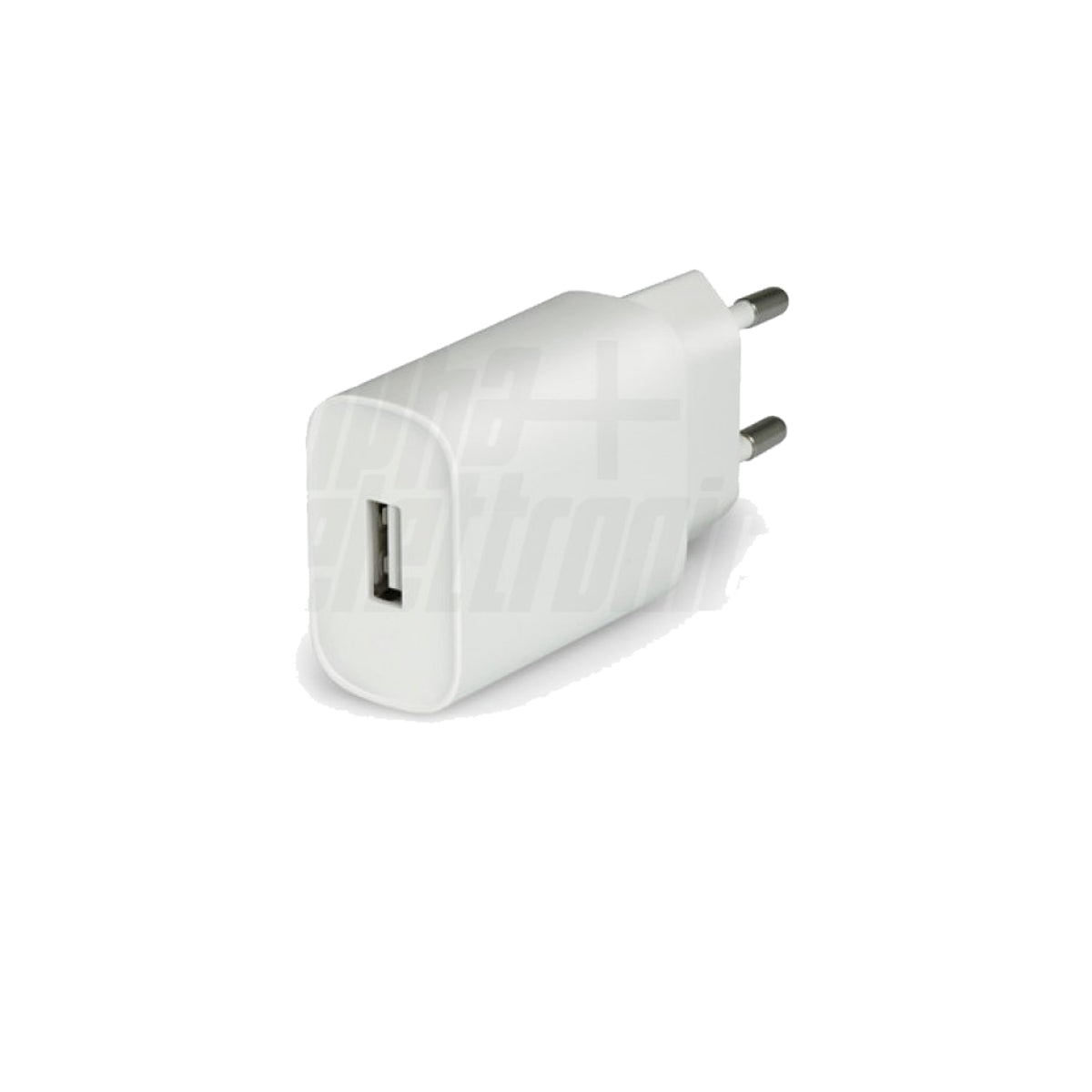
| Power supplies and charging | Power supply units, power adapters, GaN USB chargers, universal battery chargers |
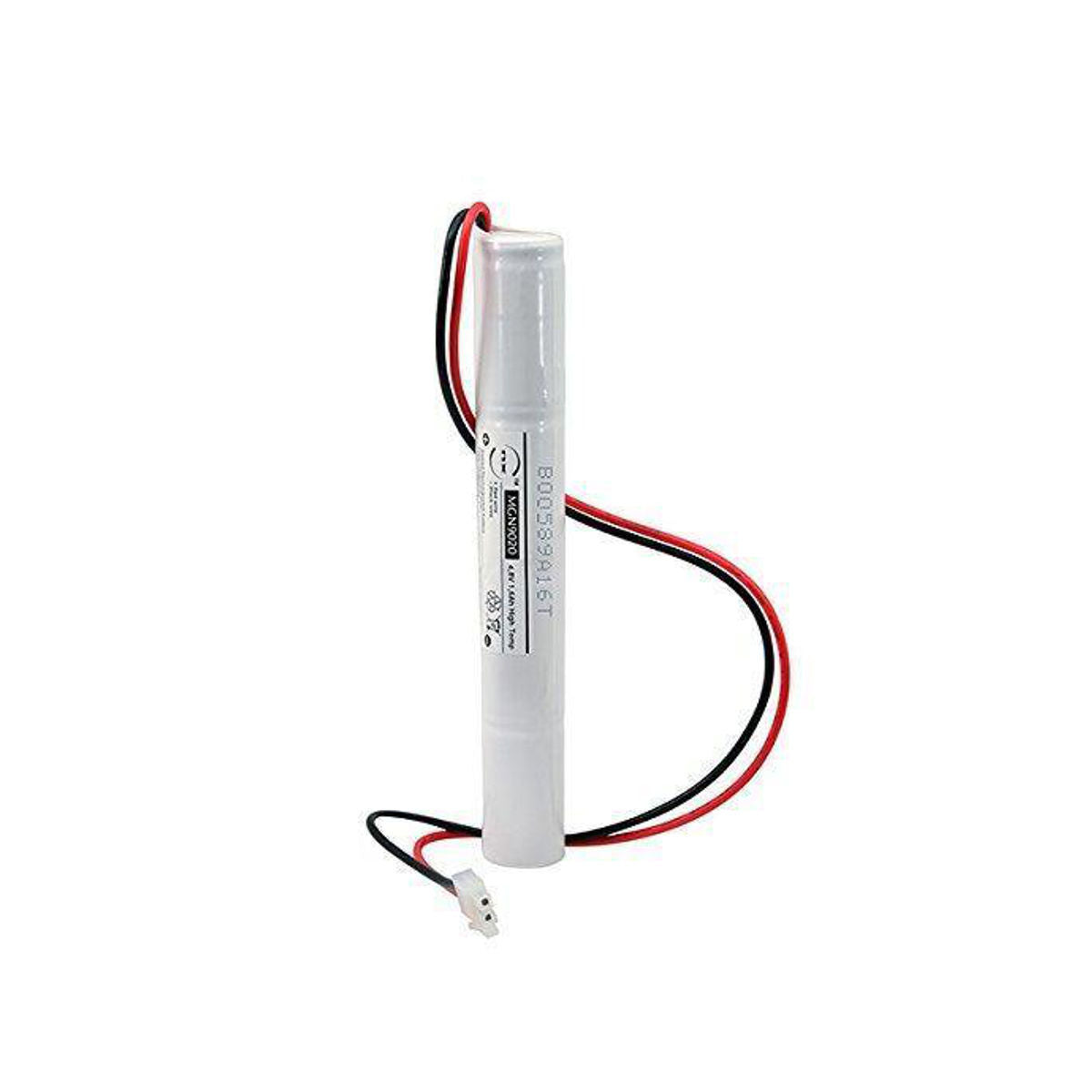
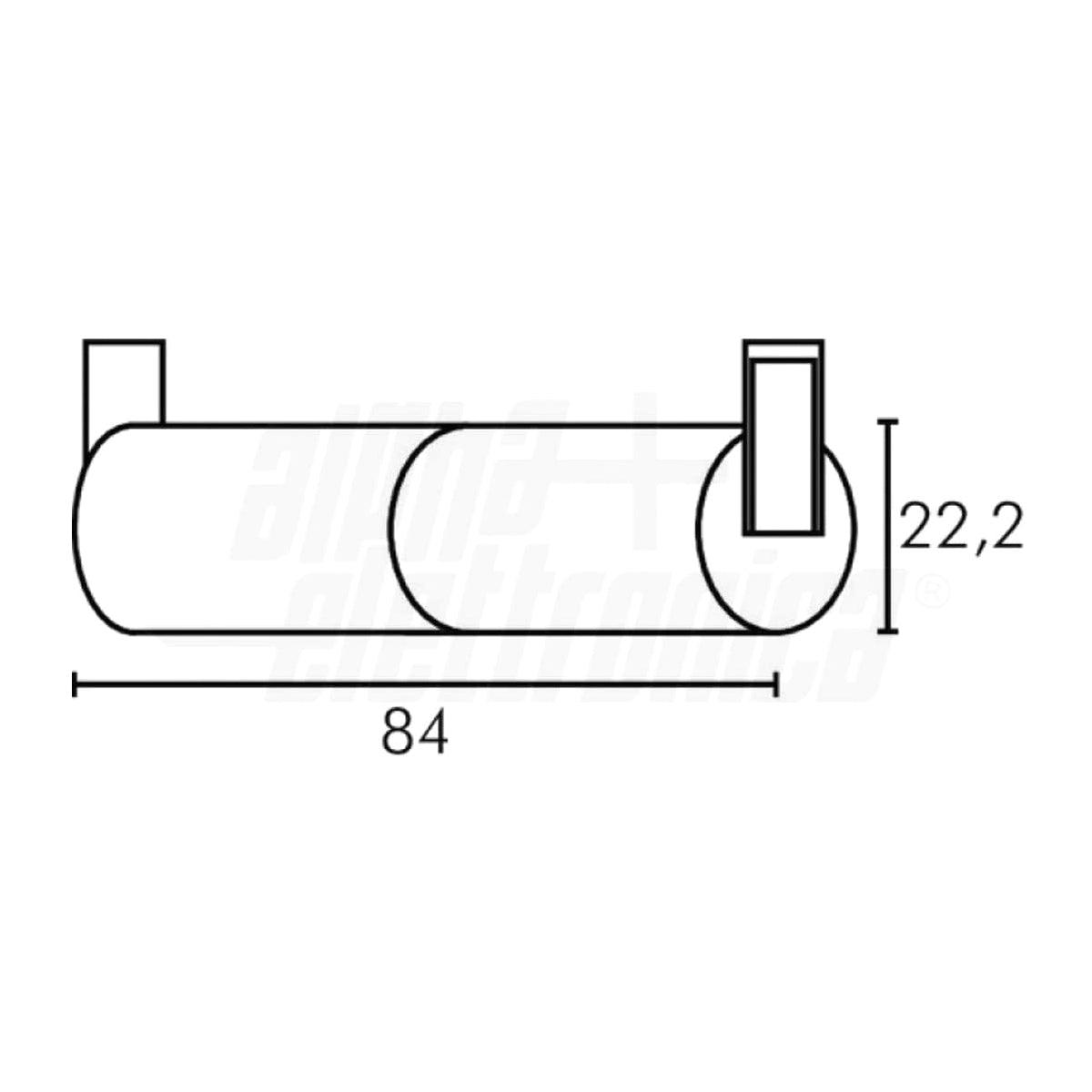
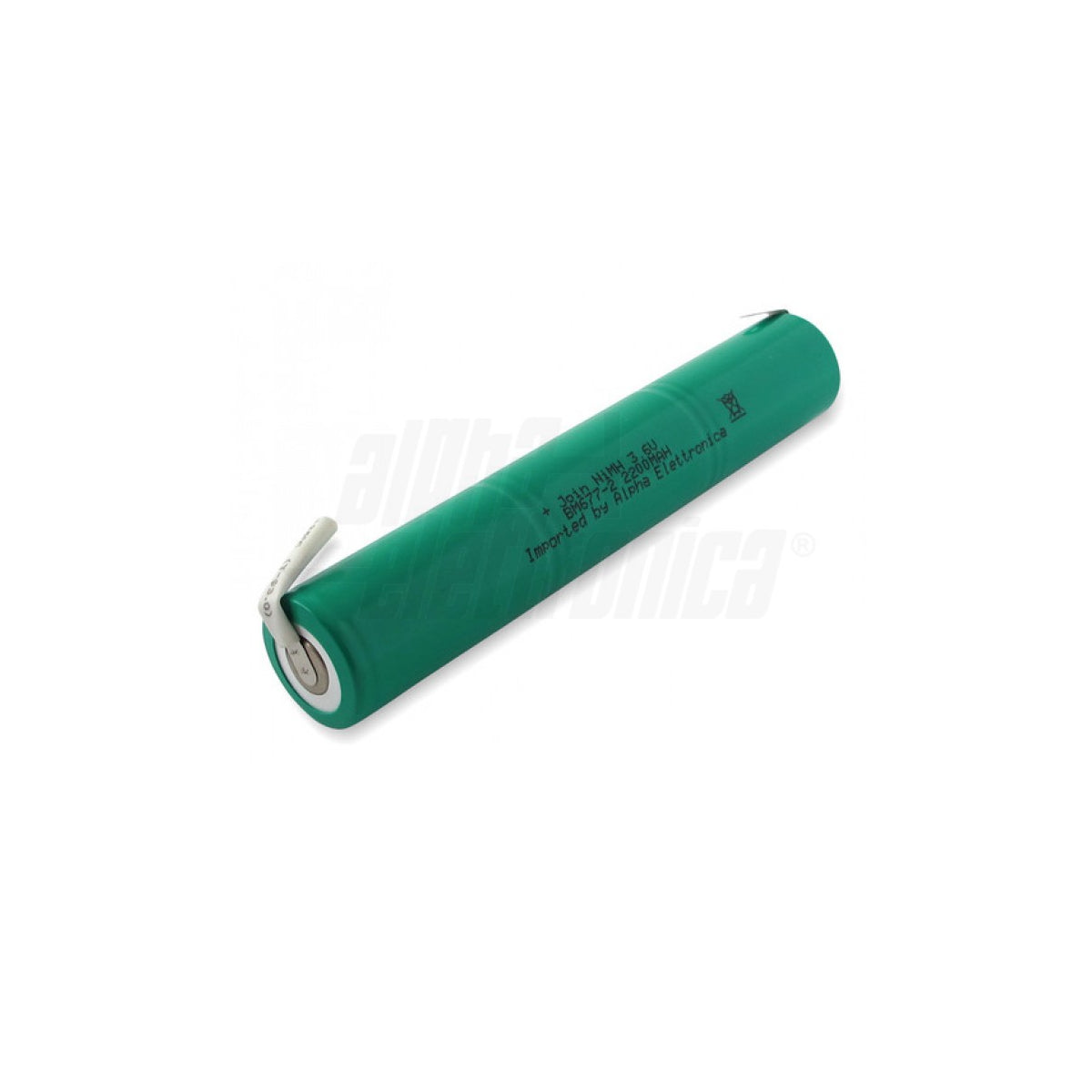
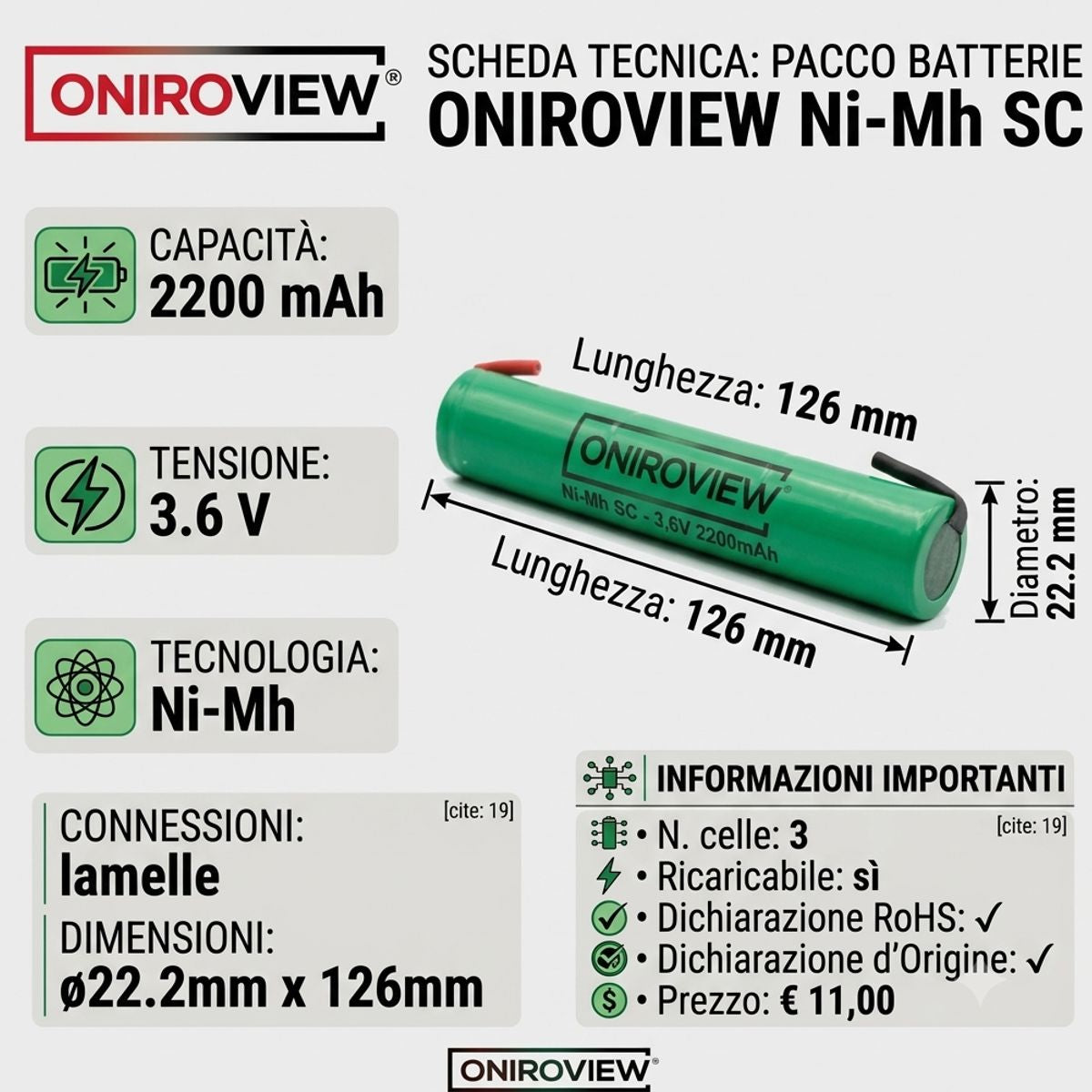
| Batteries | Alkaline and zinc-carbon, rechargeable, UPS batteries, lead-acid, emergency light packs |
GaN chargers: small and cool
Gallium nitride has replaced silicon in next-generation chargers because it switches faster and dissipates much less heat. In practical terms, this means more power in half the size: a 65W GaN charger fits in the palm of your hand and can power a notebook, whereas a traditional power supply of equivalent wattage would be the "brick" everyone is familiar with. They are also more efficient, so they run cooler even under full load.
Dual-standard, bi-standard, tri-standard
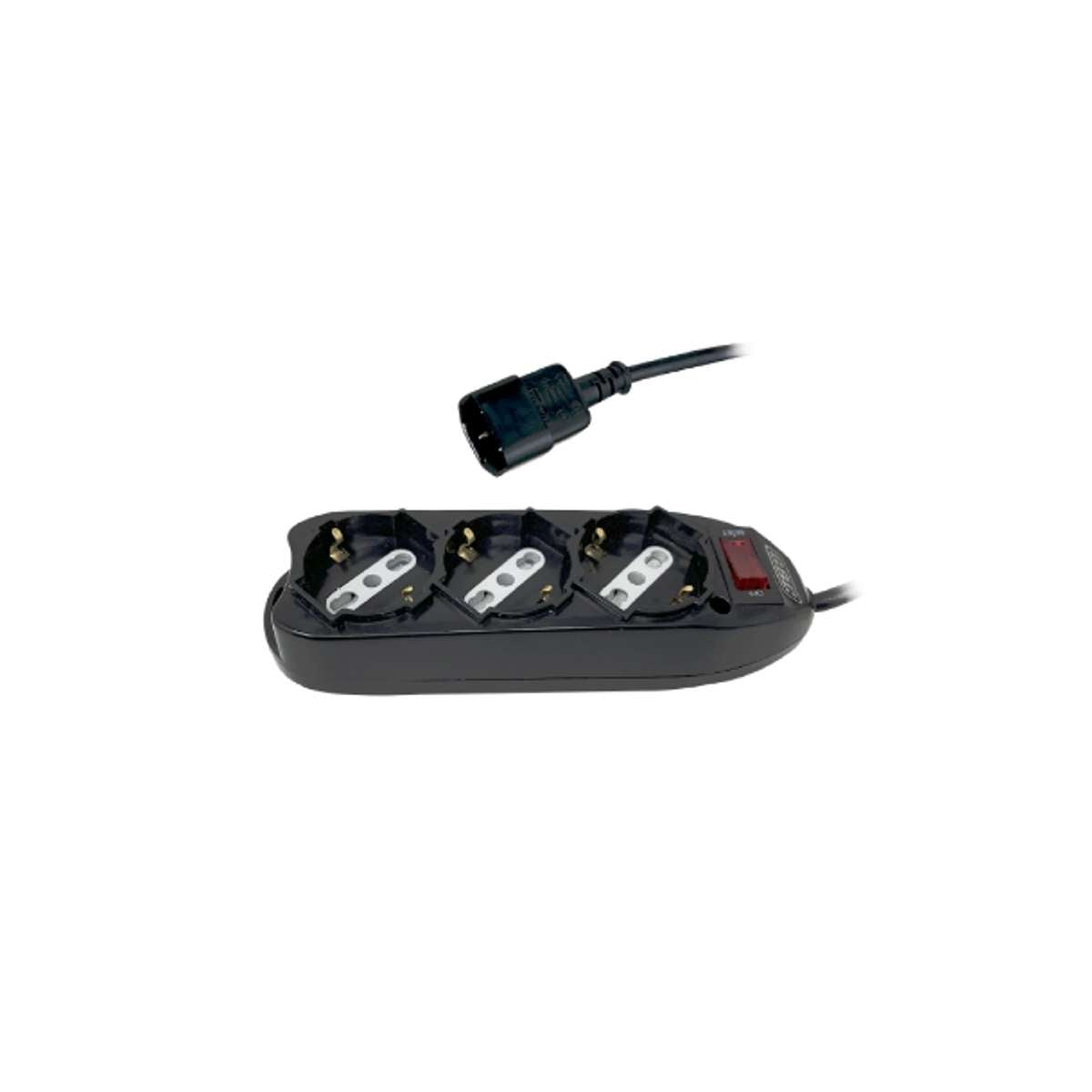
When it comes to power strips, the choice is what truly matters. A bi-standard (bipasso/bivalente) outlet accepts 10A and 16A Italian plugs. The tri-standard (trivalente) adds the Schuko, the German round-pin plug with side grounding contacts — the one used by many power supplies, power tools, and household appliances. If you have appliances from various sources, the tri-standard outlet saves you from having to collect a bunch of adapters.
Pro tip. Three rules that apply to this entire section. Do not daisy-chain power strips: the load adds up on a single wall outlet that is not sized to handle it. Retractable extension reels must be fully unrolled when powering heaters, concrete mixers, or pressure washers: a coiled cable acts like a solenoid, heating up and potentially melting the insulation. And a travel adapter changes the plug, not the voltage: check the device label before you leave, although most power supplies now accept 100–240V.
Frequently Asked Questions
How many devices can I plug into a power strip?
It’s not the number of outlets that counts, but the sum of the absorbed watts, which must remain below the limit of the power strip and the wall outlet. Six phone chargers are not a problem; a heater and an oven together are, even on a six-socket strip.
Is a GaN charger suitable for any device?
Yes, provided the power is adequate: charging protocols automatically negotiate voltage and current with the connected device. However, ensure the wattage covers your notebook's requirements, as below the necessary threshold it will charge more slowly or only while the device is powered off.
What battery do I need for my UPS?
An AGM lead-acid battery with the same voltage and capacity as the original, and with the same type of faston terminals. A higher capacity is acceptable if there is space in the compartment; always check the physical dimensions before ordering.
Can outdoor power strips be left in the rain?
Versions with an IP rating declared for outdoor use can withstand dust and splashing, but not submersion or direct jets of water. They should still be kept raised off the ground and away from puddles and irrigation systems.
How do I choose a replacement power supply?
Three things must match: the exact voltage, the current (must be equal to or greater than the original), and a connector with the correct polarity — which in the vast majority of cases is positive center. Also, check whether the device requires DC or AC power: they are not interchangeable.
See also electrical equipment, batteries, power supplies, and extension cords.