






















































Lithium batteries
Filter
Sort by:

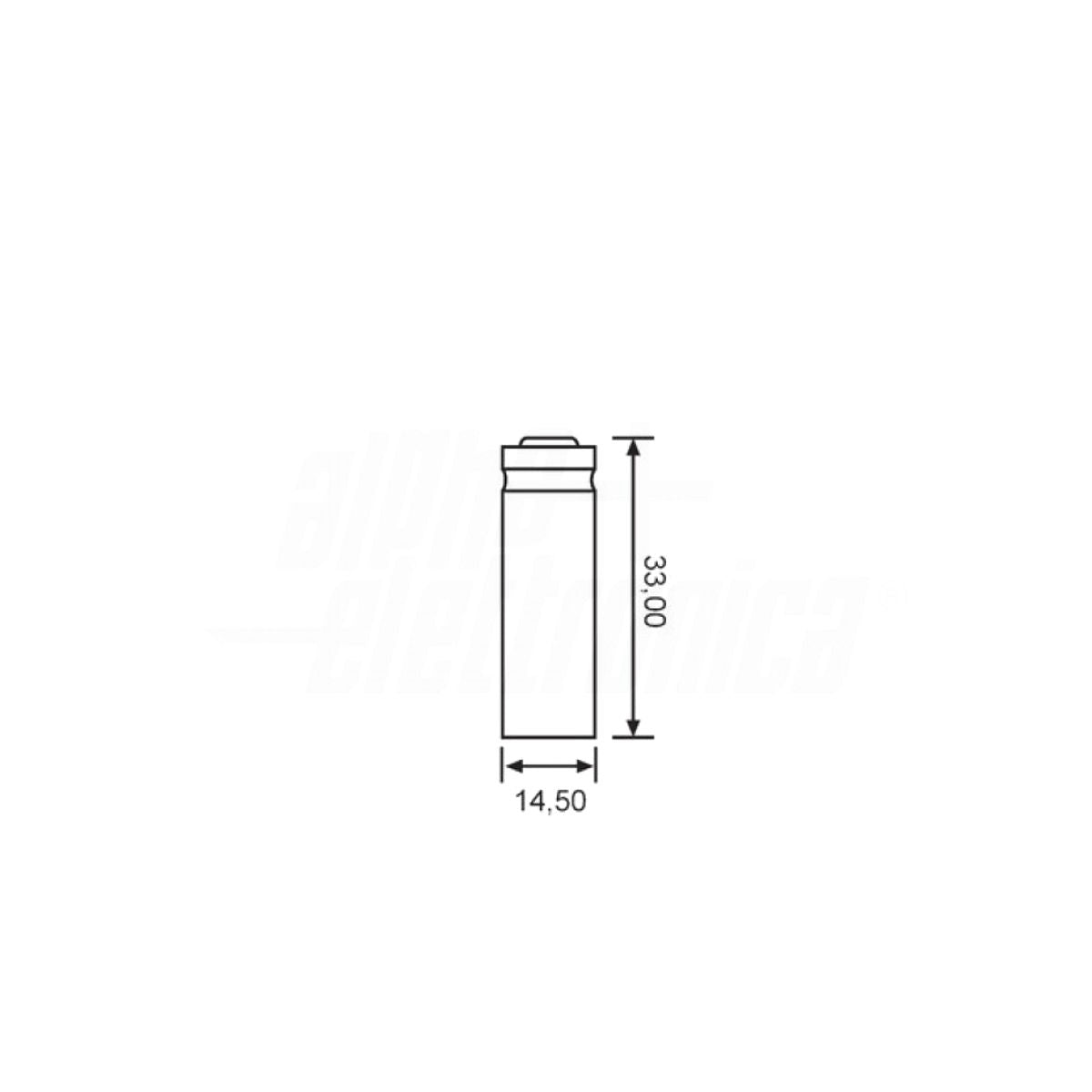


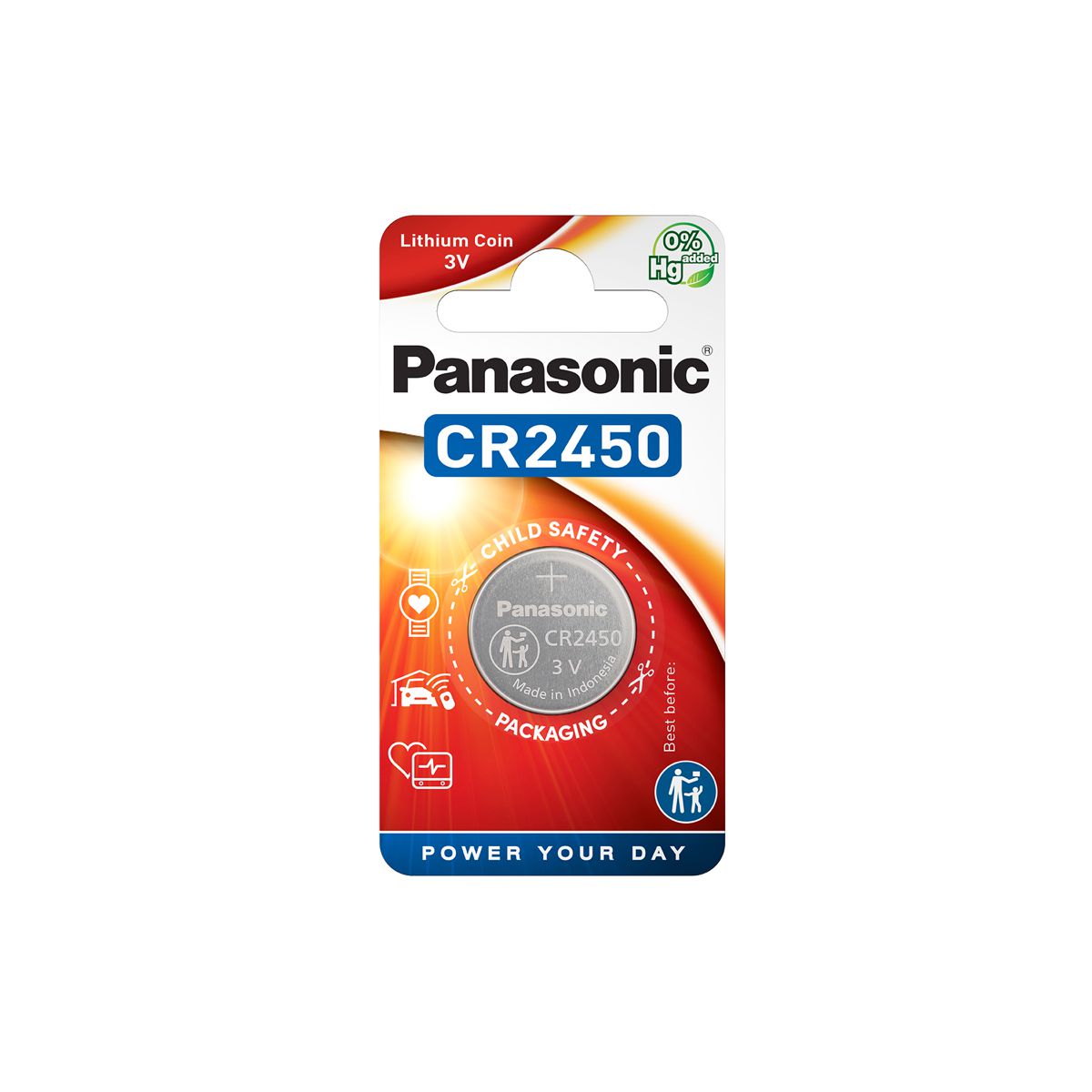
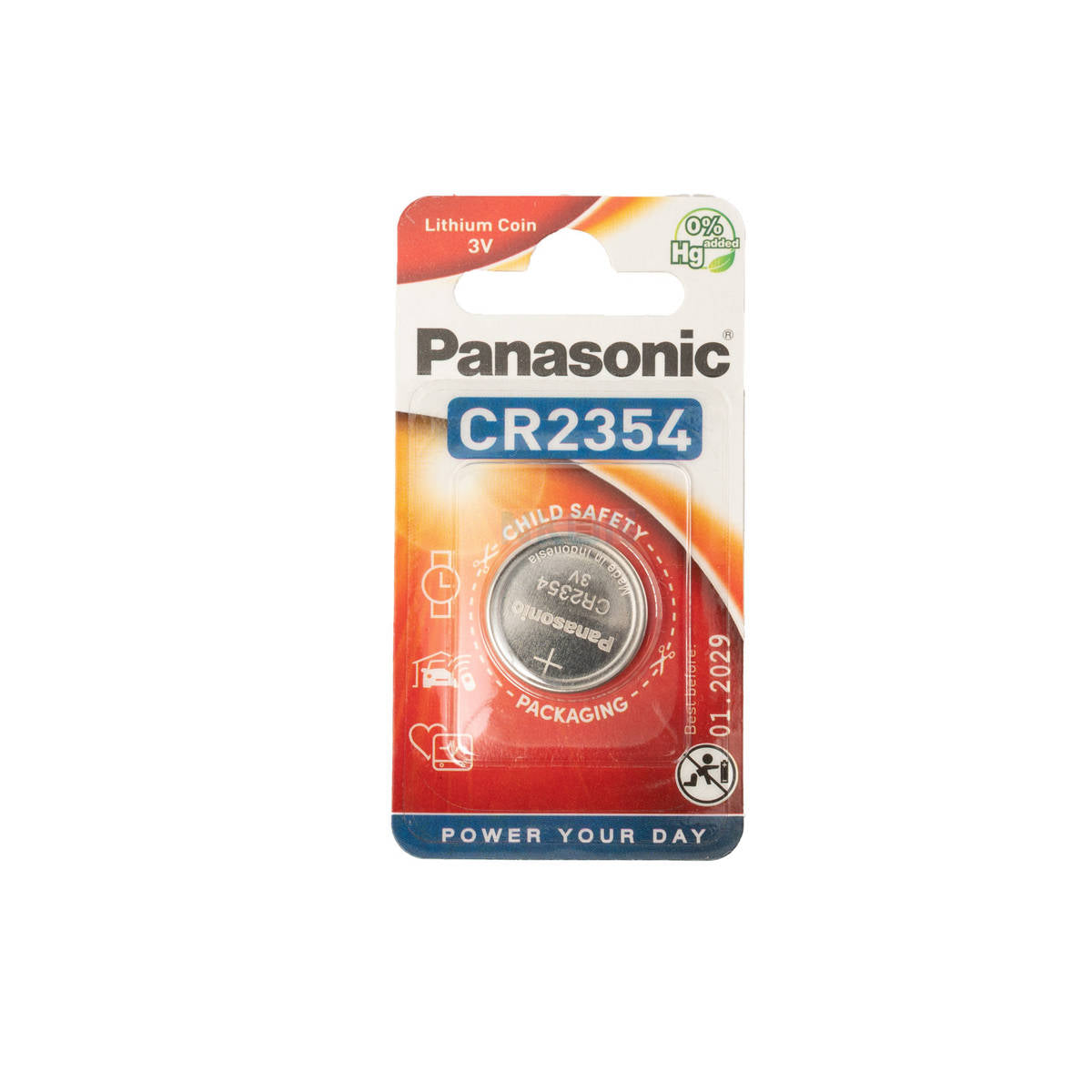
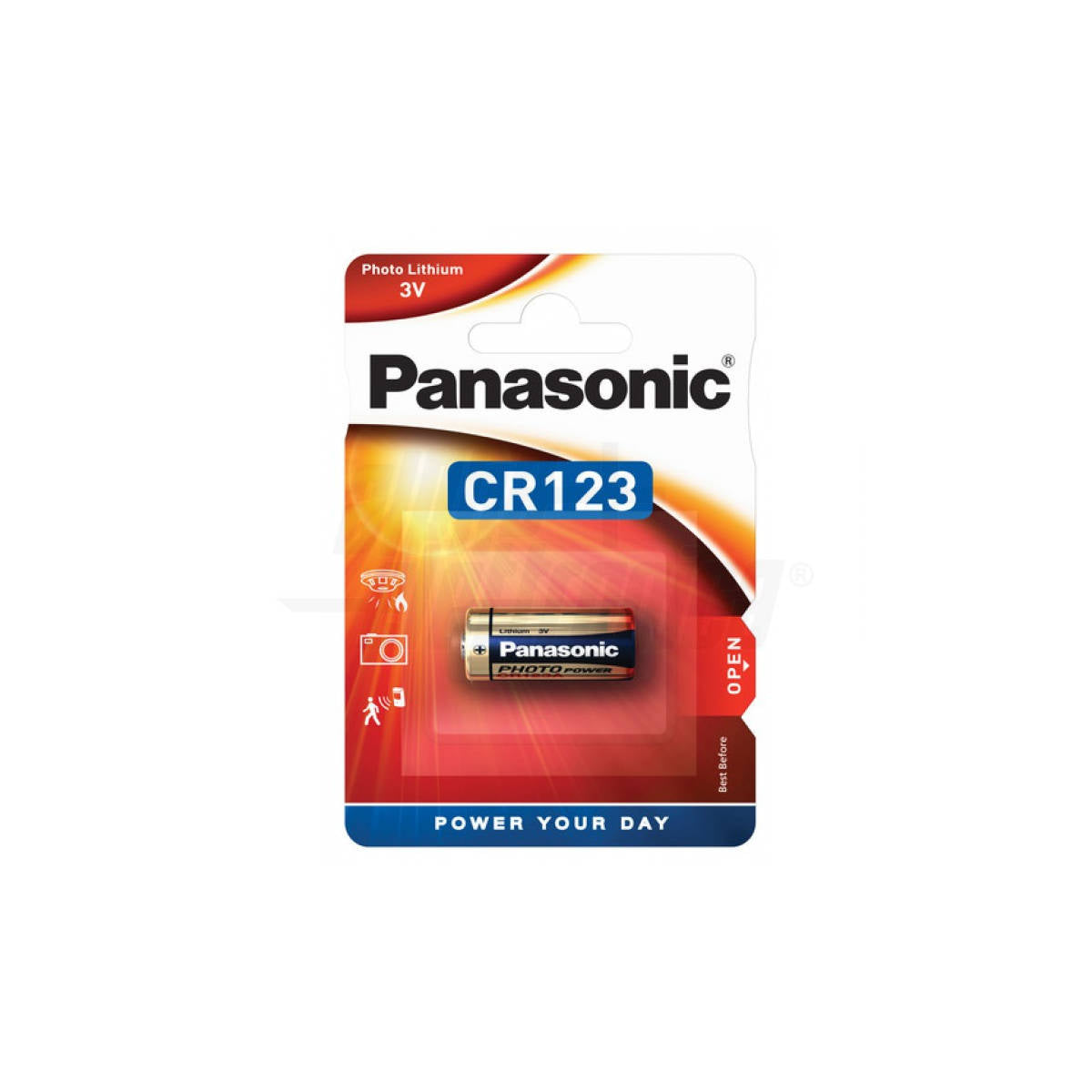
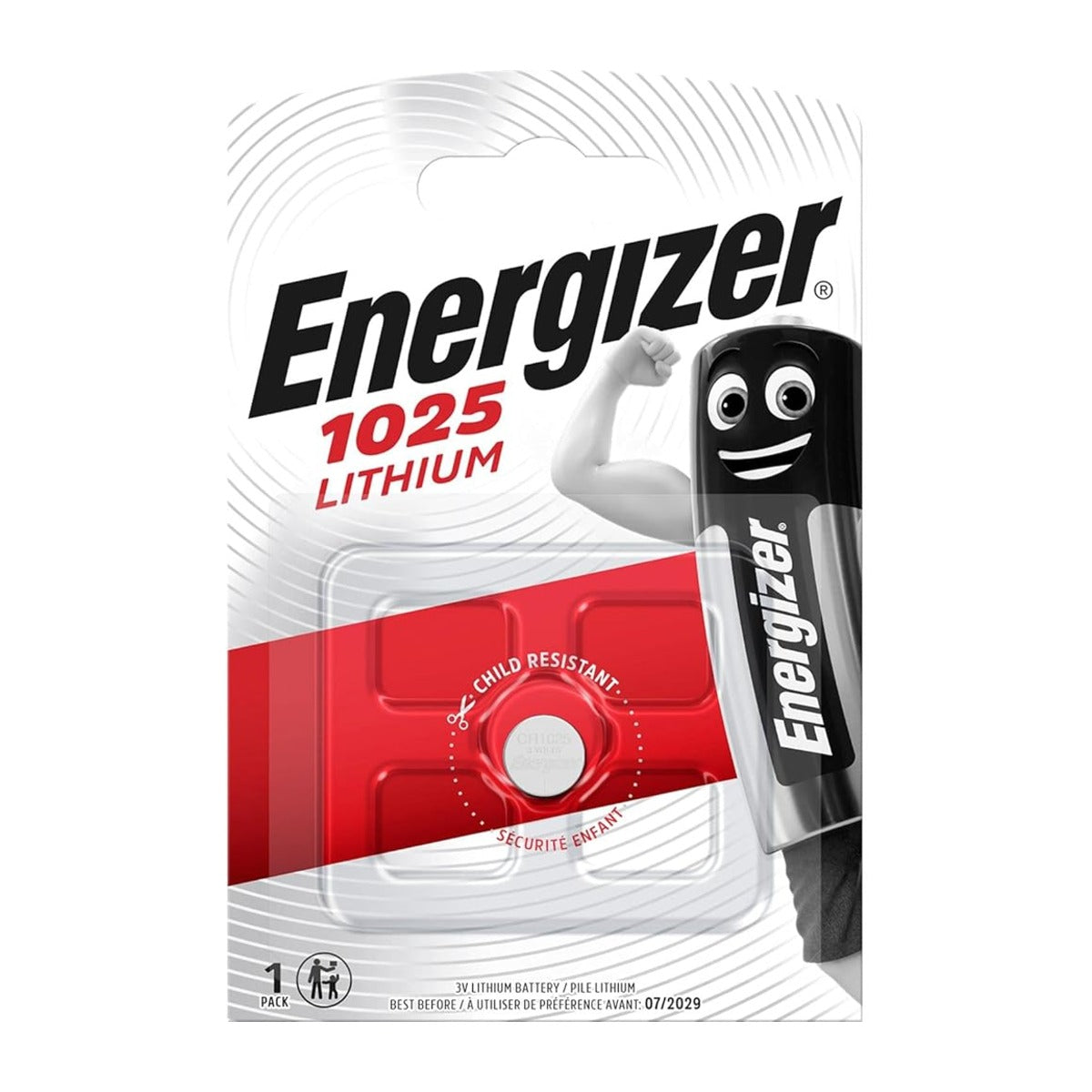
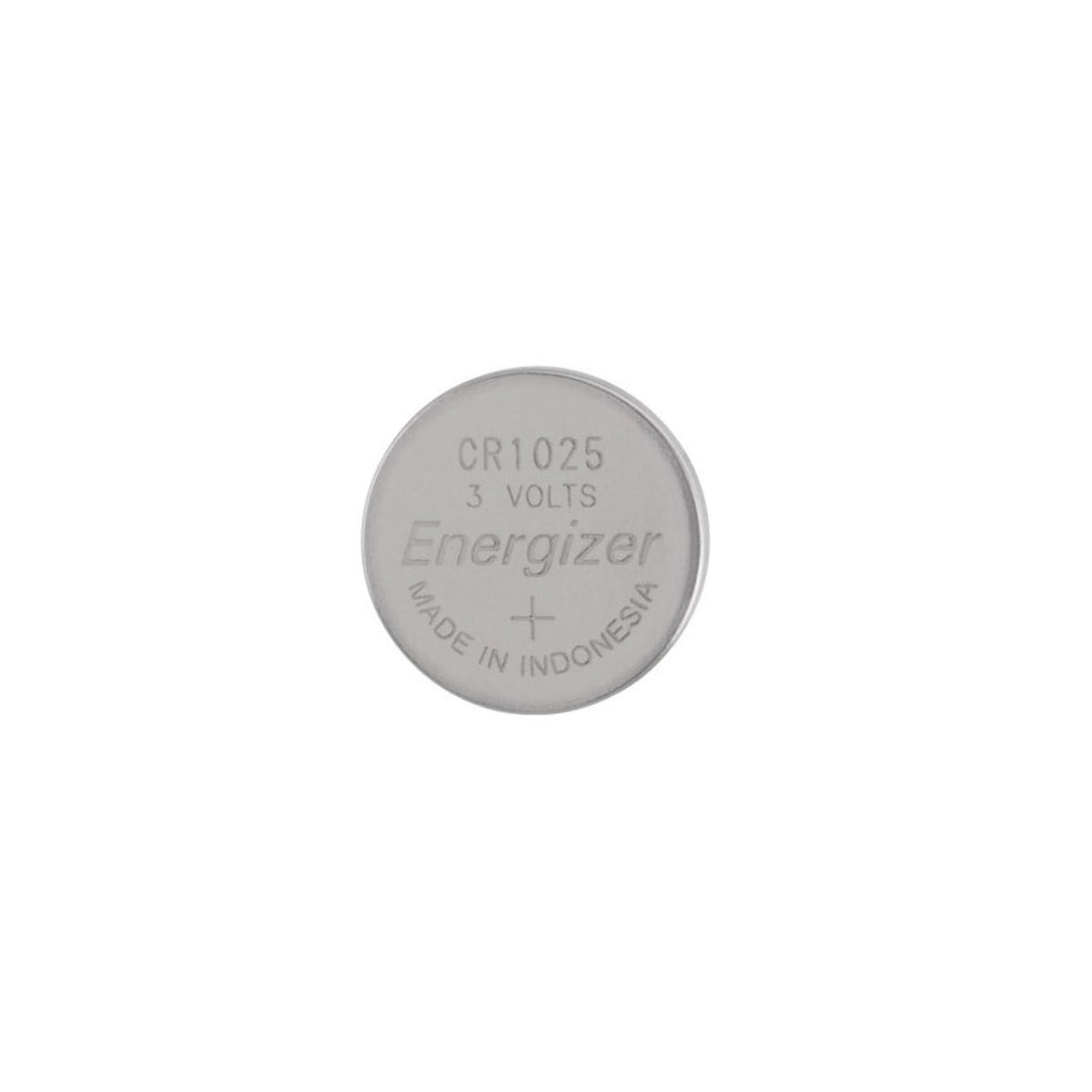
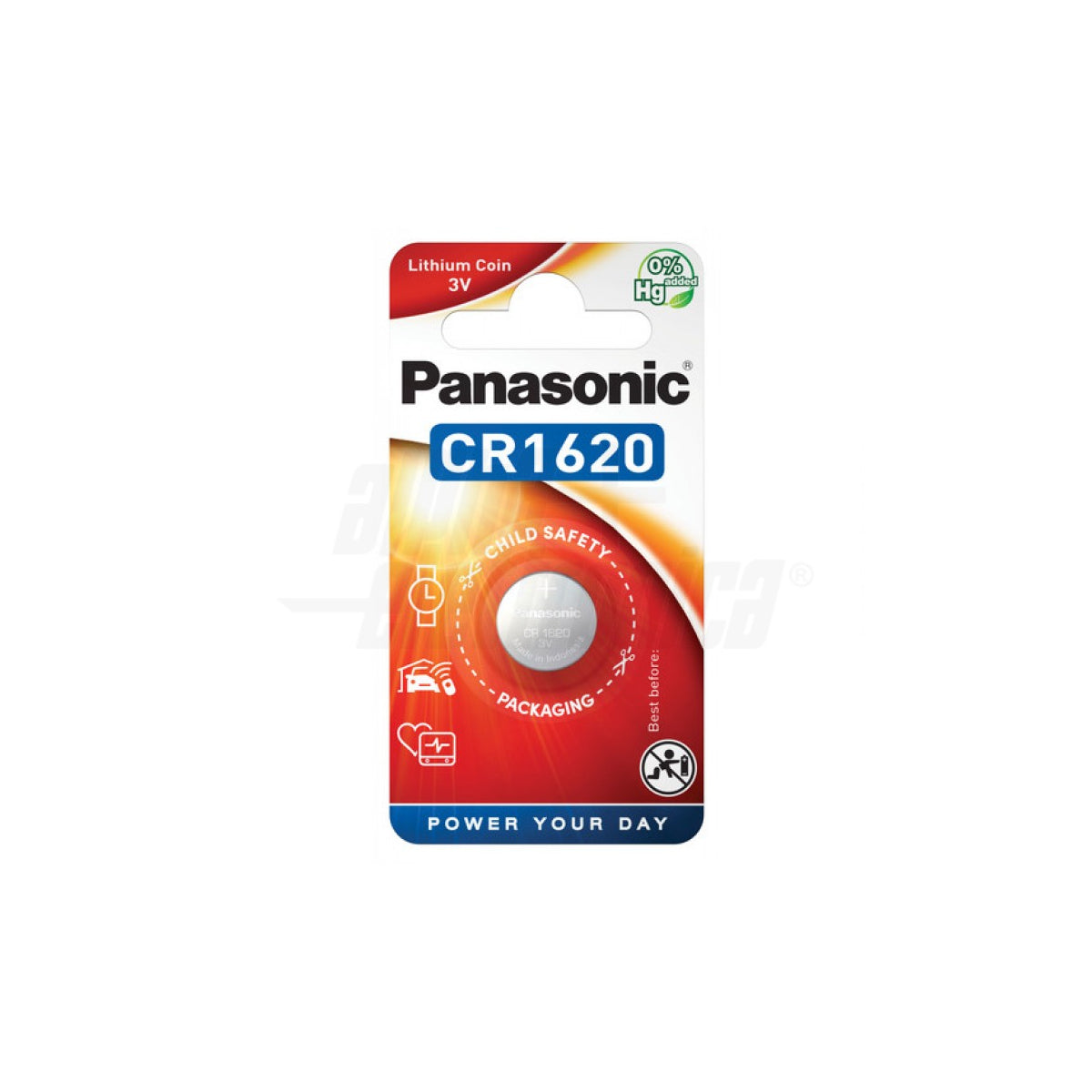
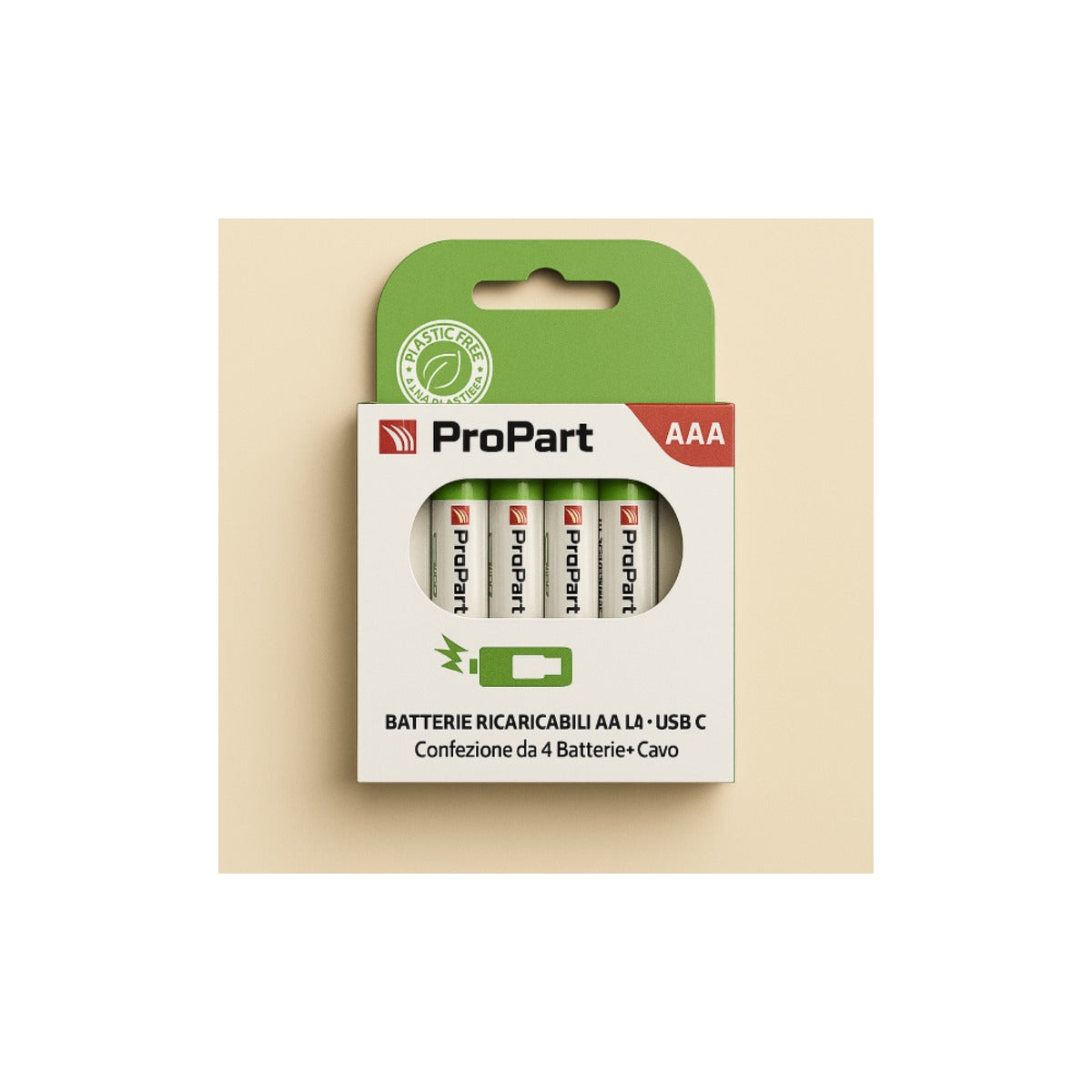
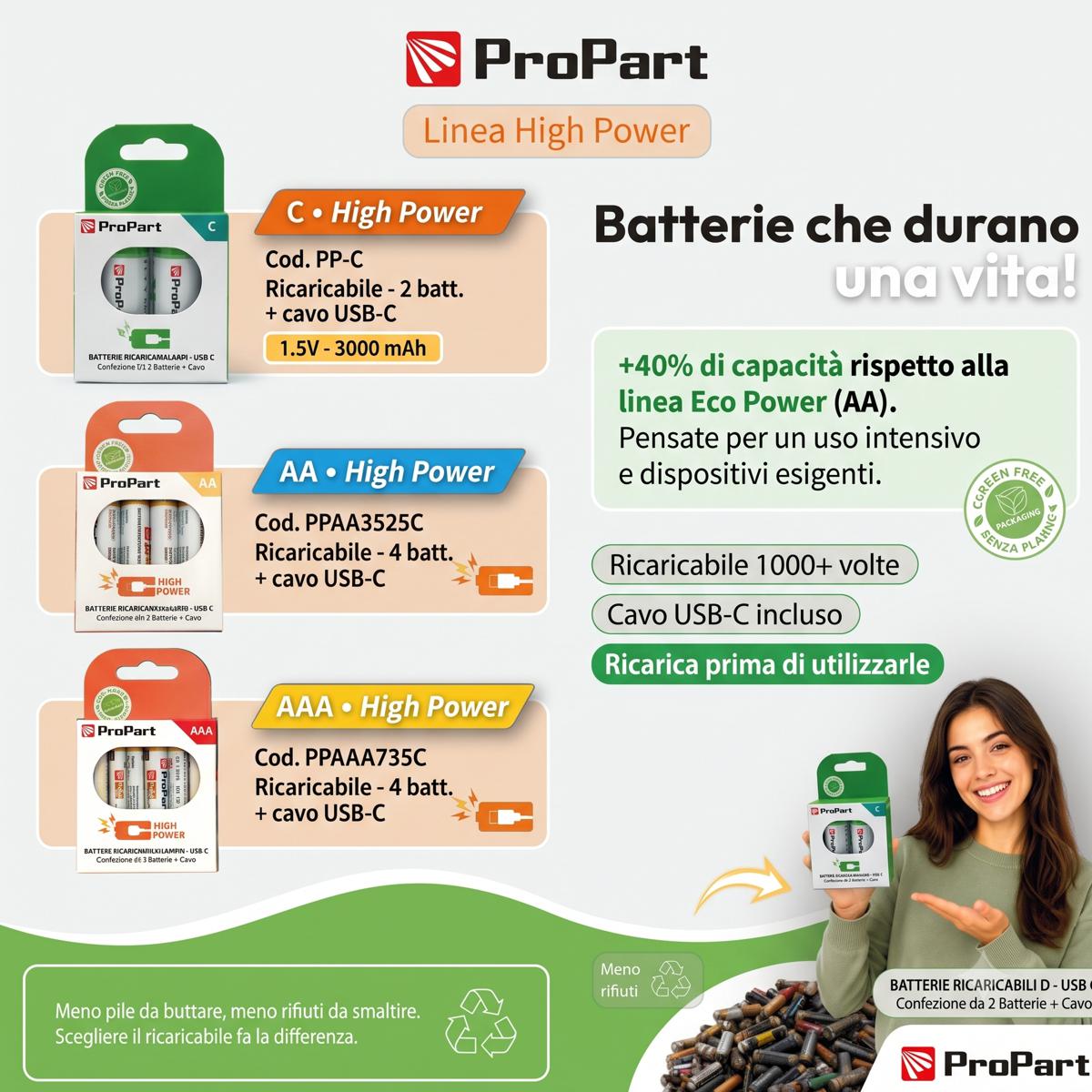
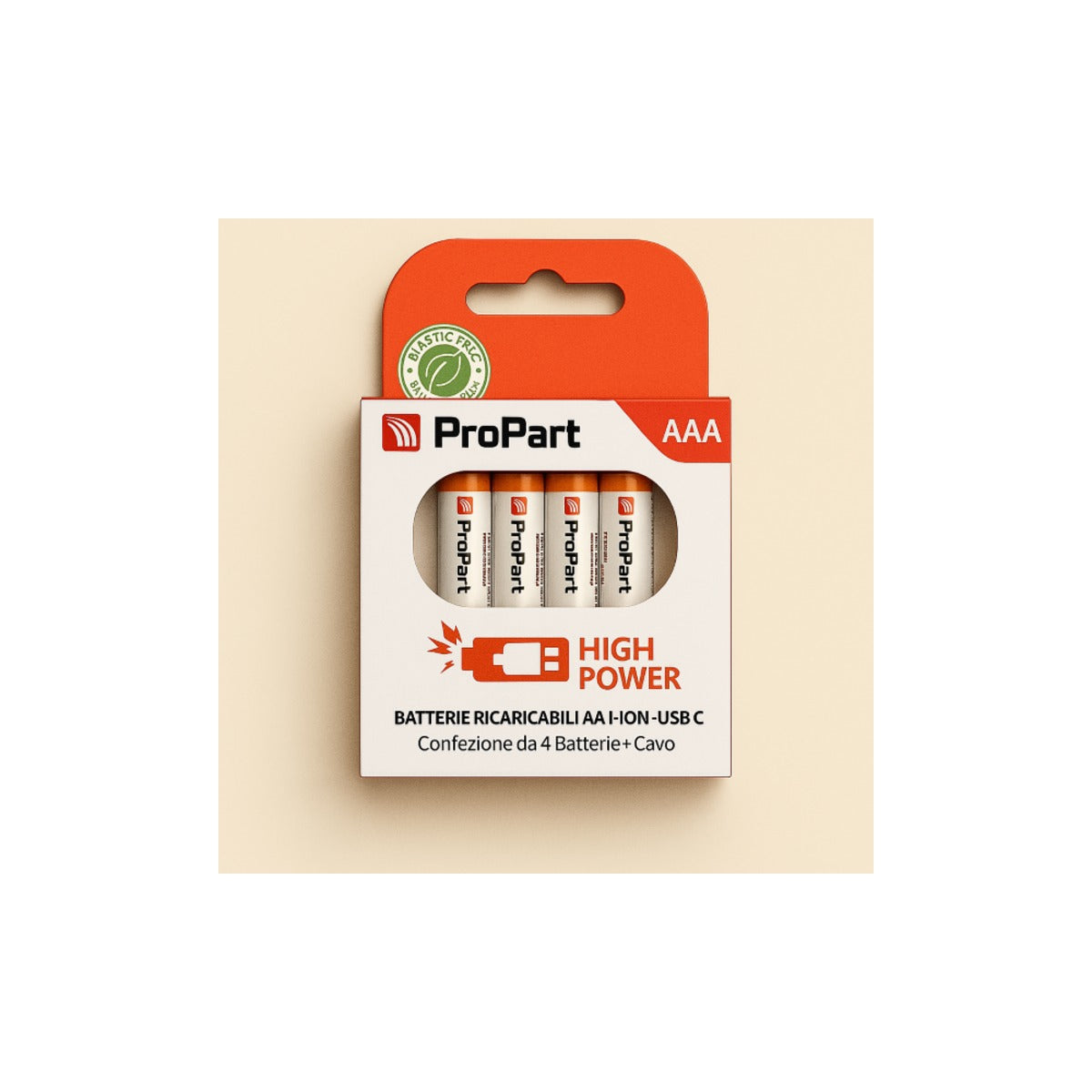
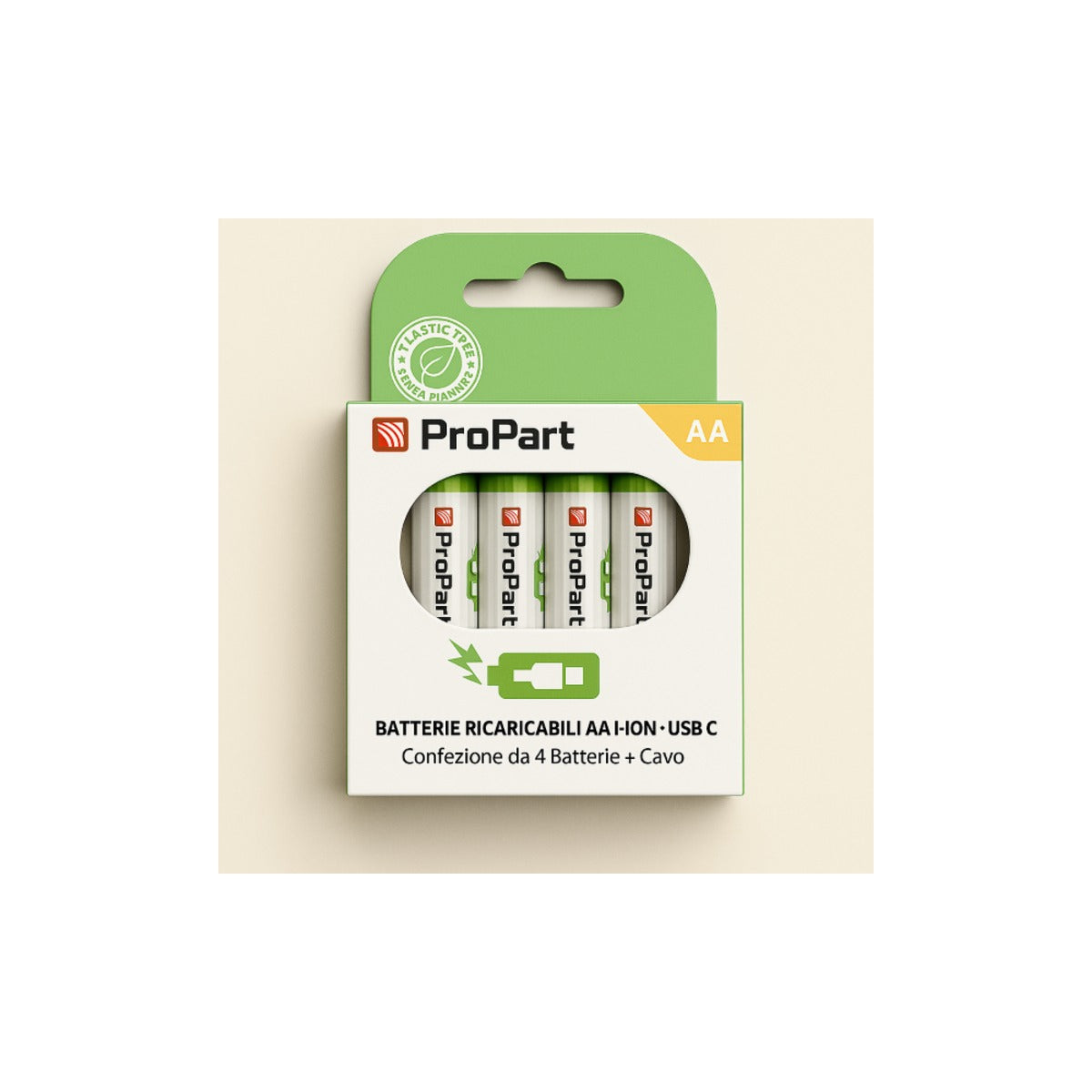
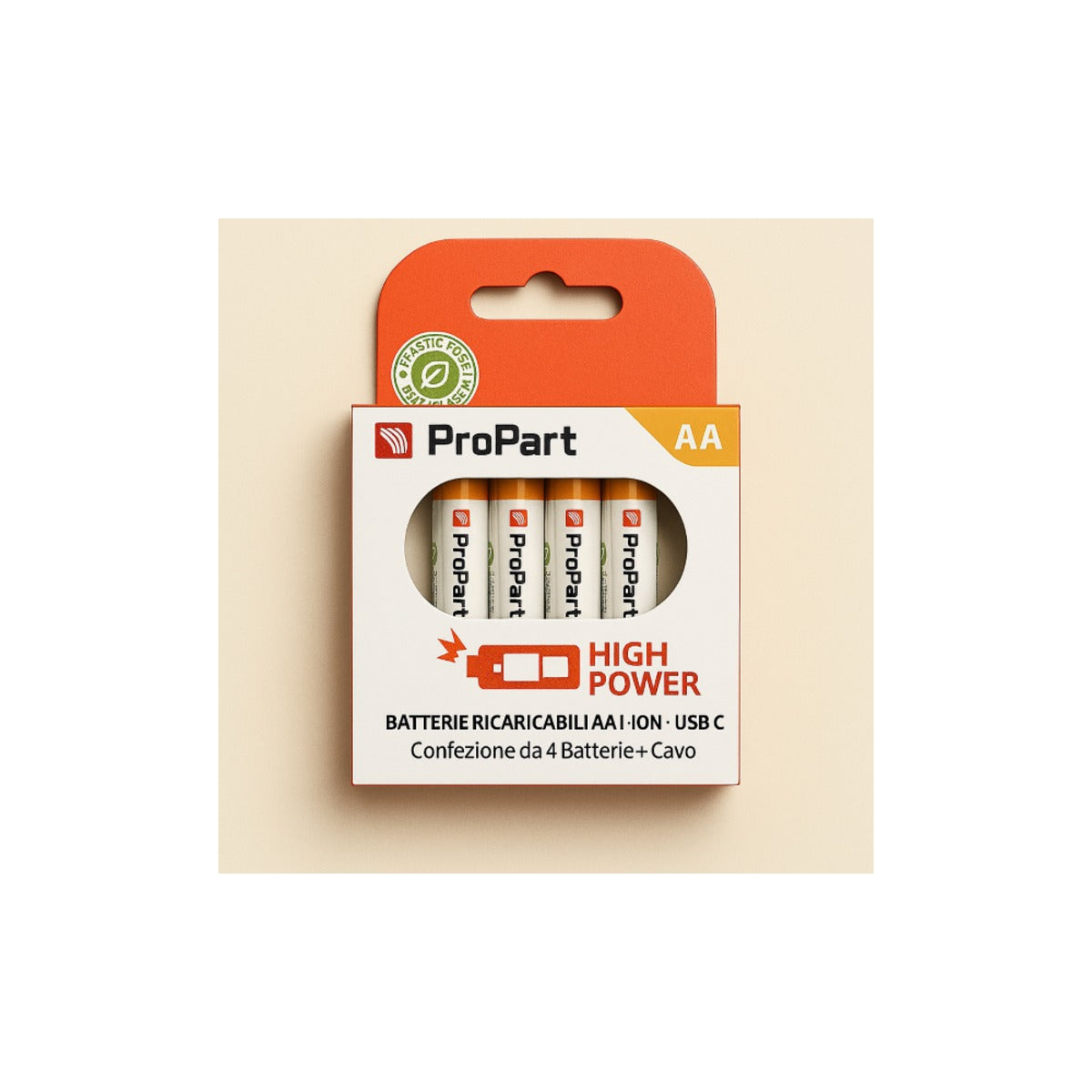
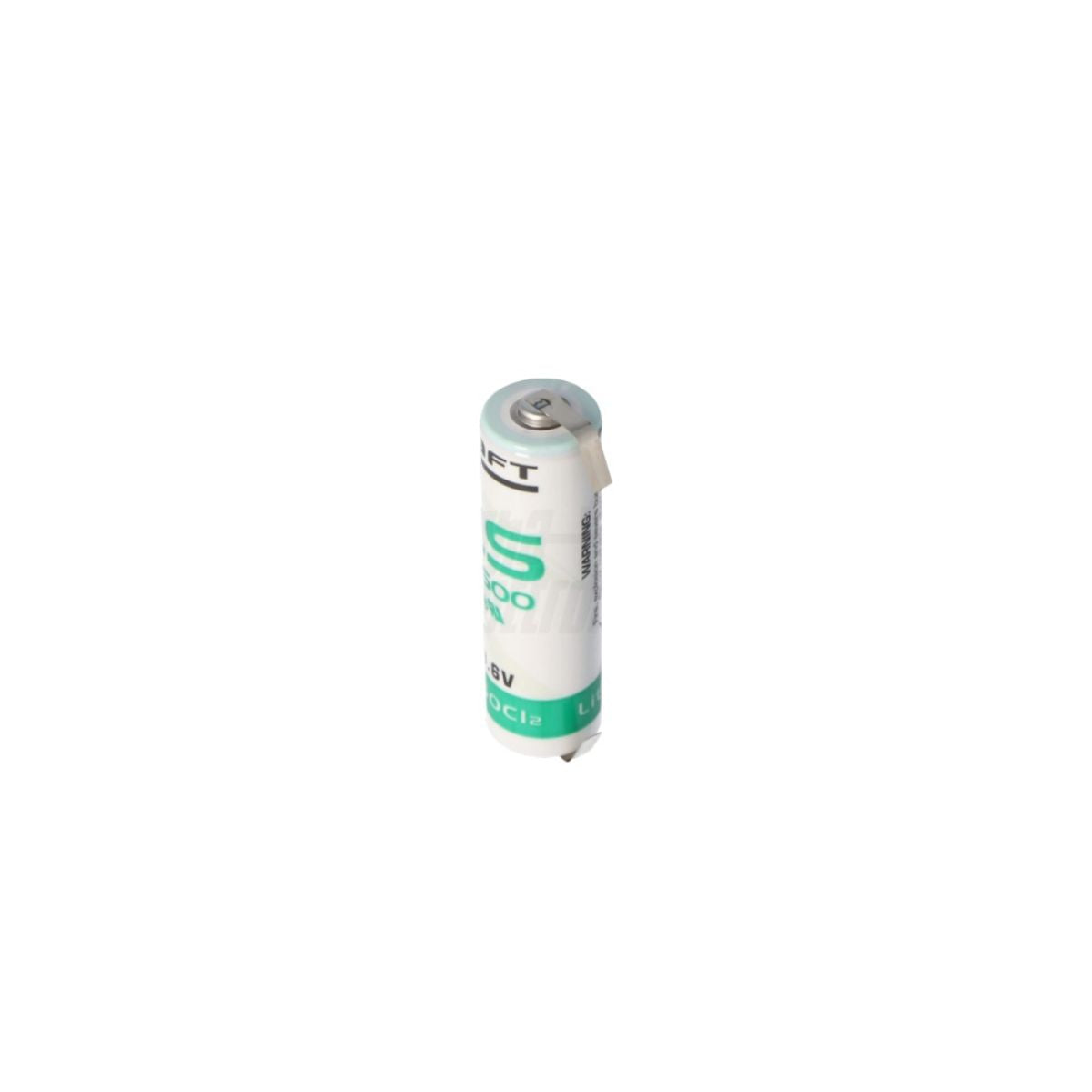
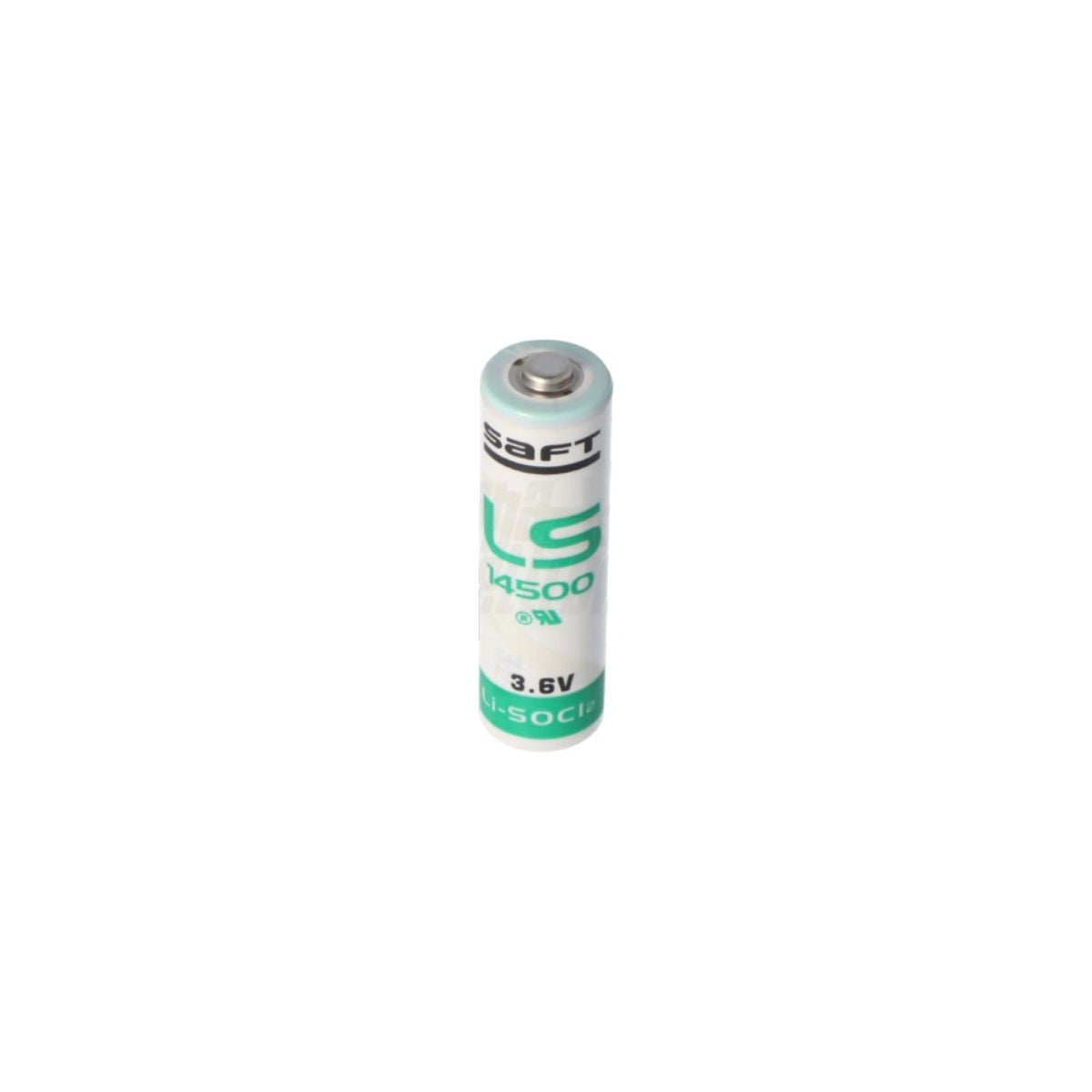
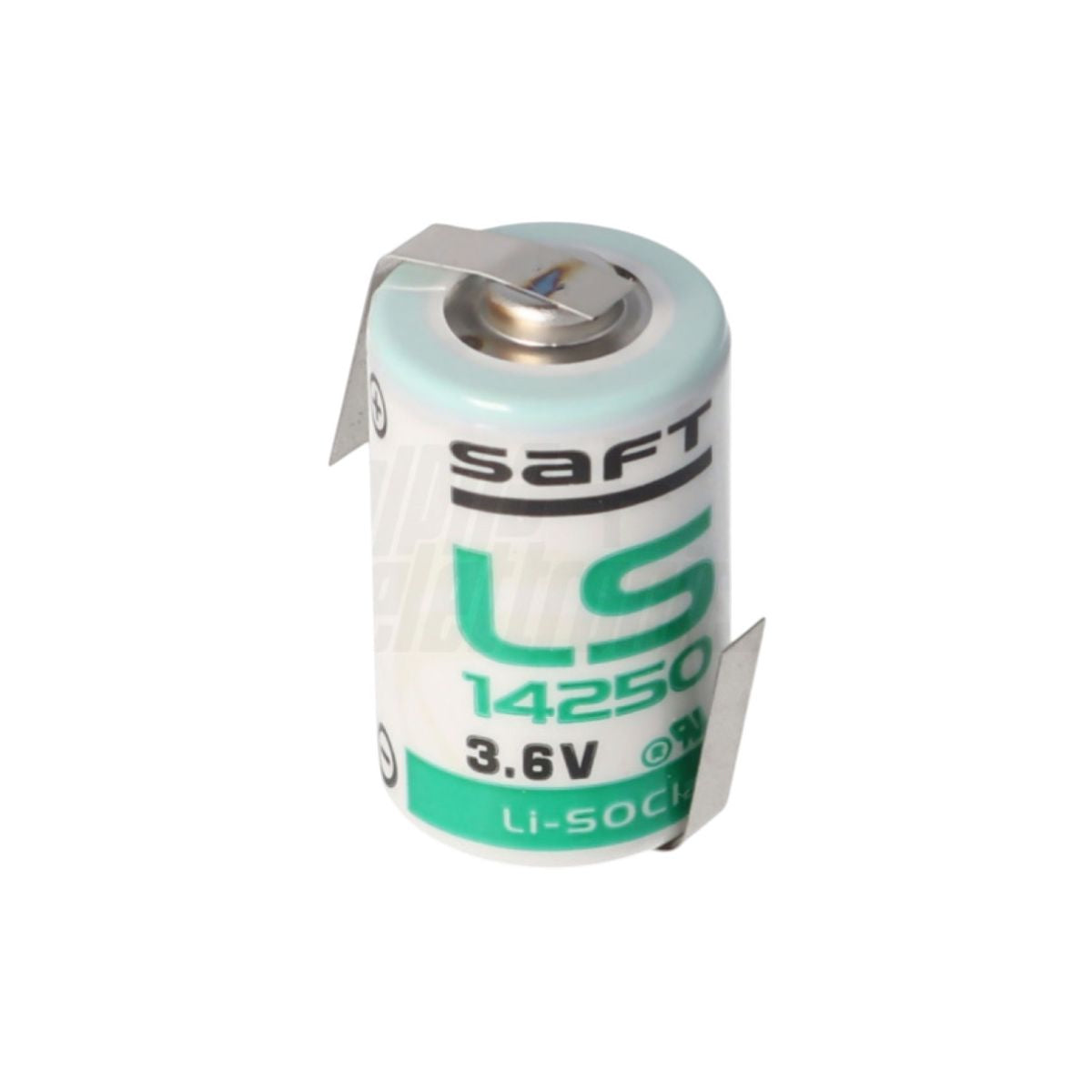
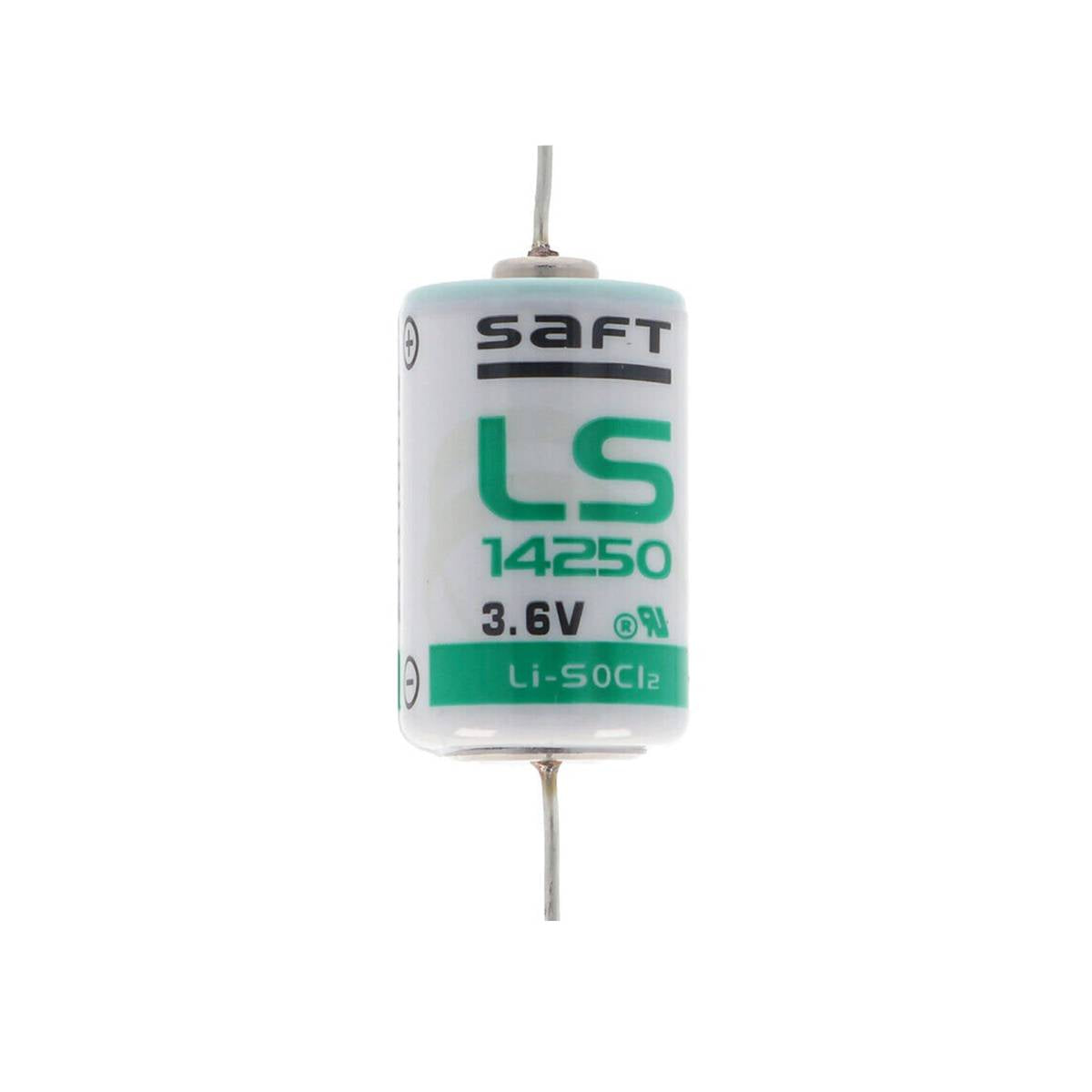
Lithium batteries: first, understand which of the two families you need
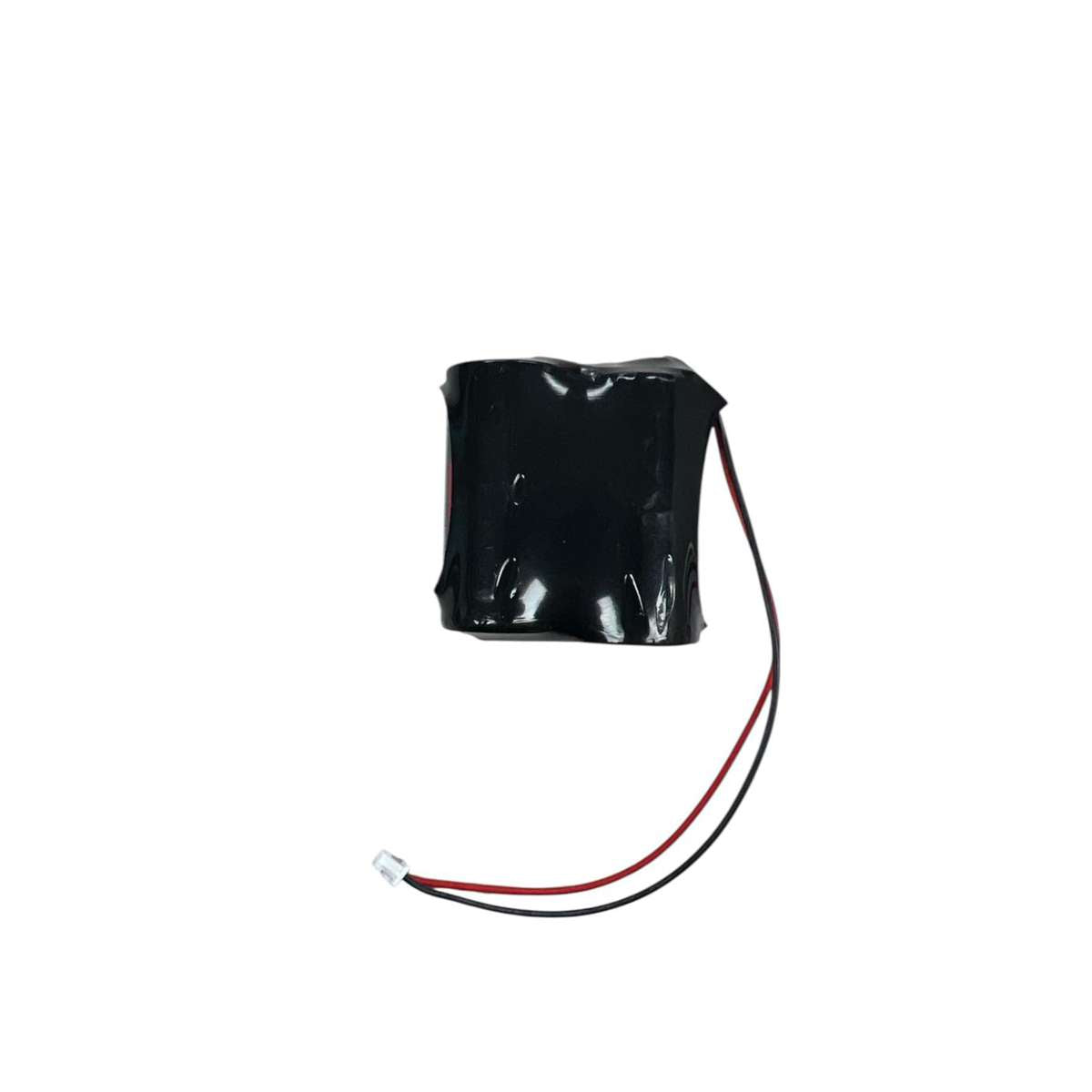
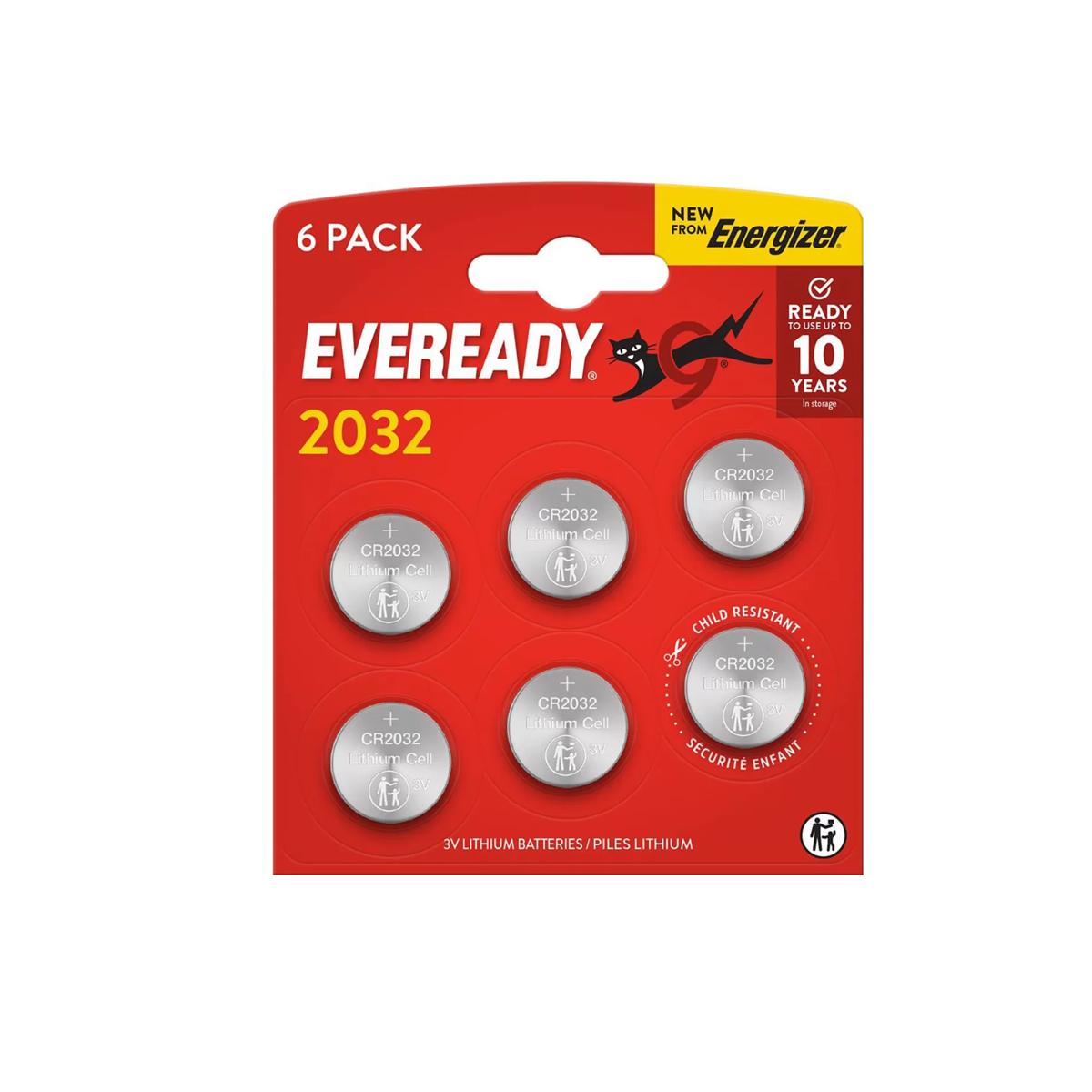
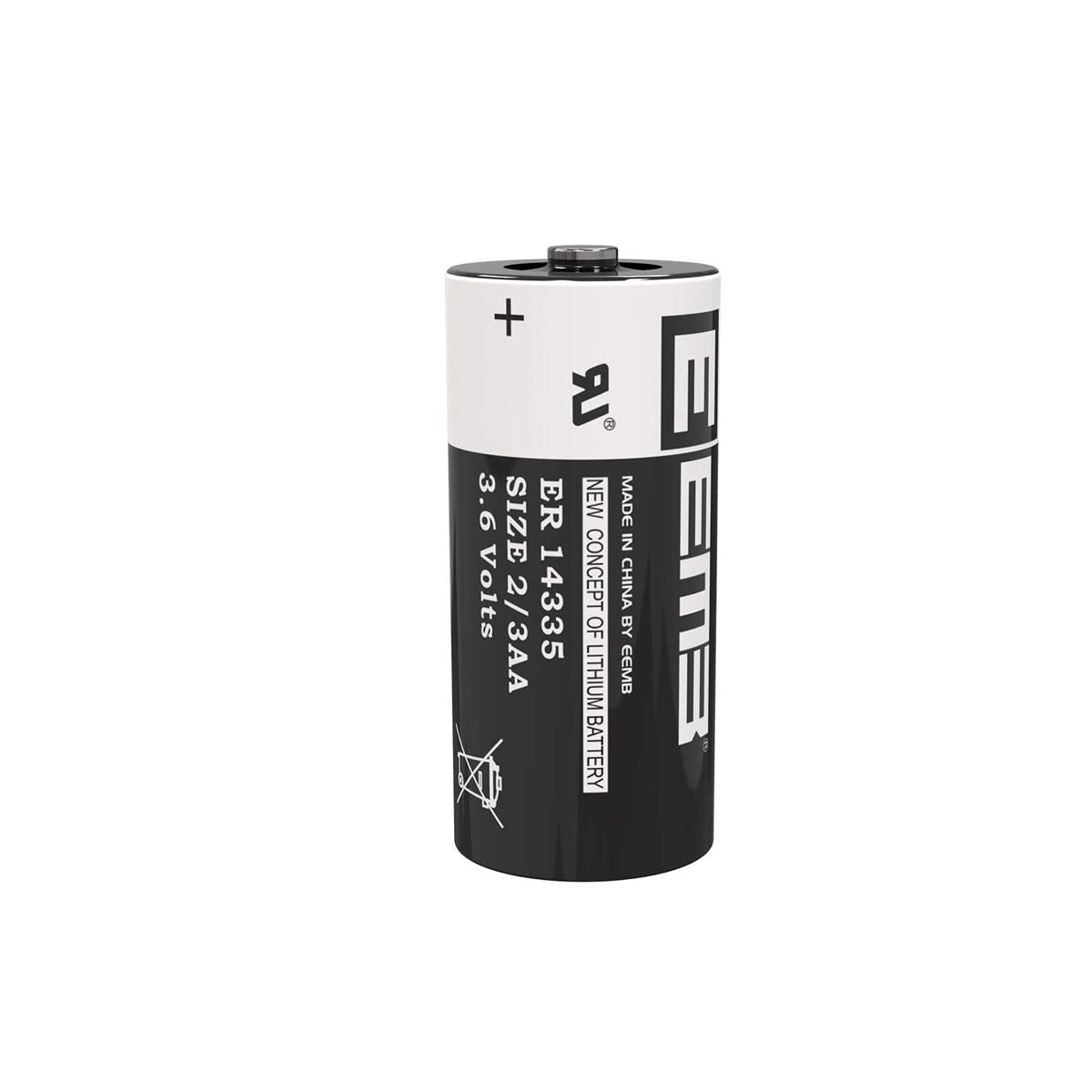
Under the name "lithium battery," there are two products that are not interchangeable. On one hand, there are the 3V CR button cells, the ones used in remote controls, car keys, scales, and motherboards. On the other, there are the 3.6V lithium thionyl chloride cells (ER and LS codes), which power alarms, meters, Telepass devices, and industrial instrumentation. Same material, completely different voltage and discharge curves: installing a 3.6V battery where a 3V was required can damage the electronics.
Selection table
| Type | Codes | Voltage | Typical use |
|---|---|---|---|
| Lithium button | CR1025, CR1220, CR1616, CR1620, CR1632, CR2016, CR2025, CR2032, CR2354, CR2430, CR2450 | 3V | Remote controls, car keys, scales, heart rate monitors, electronic boards |
| Lithium cylindrical | CR123A, CR2, CR17450 | 3V | Cameras, sensors, Telepass |
| Thionyl chloride (Li-SOCl₂) | ER14250 / LS14250 (1/2AA), ER14335 (2/3AA), ER14505 / LS14500 (AA) | 3.6V | Burglar alarms, gas and water meters, wireless sensors, buffer memories |
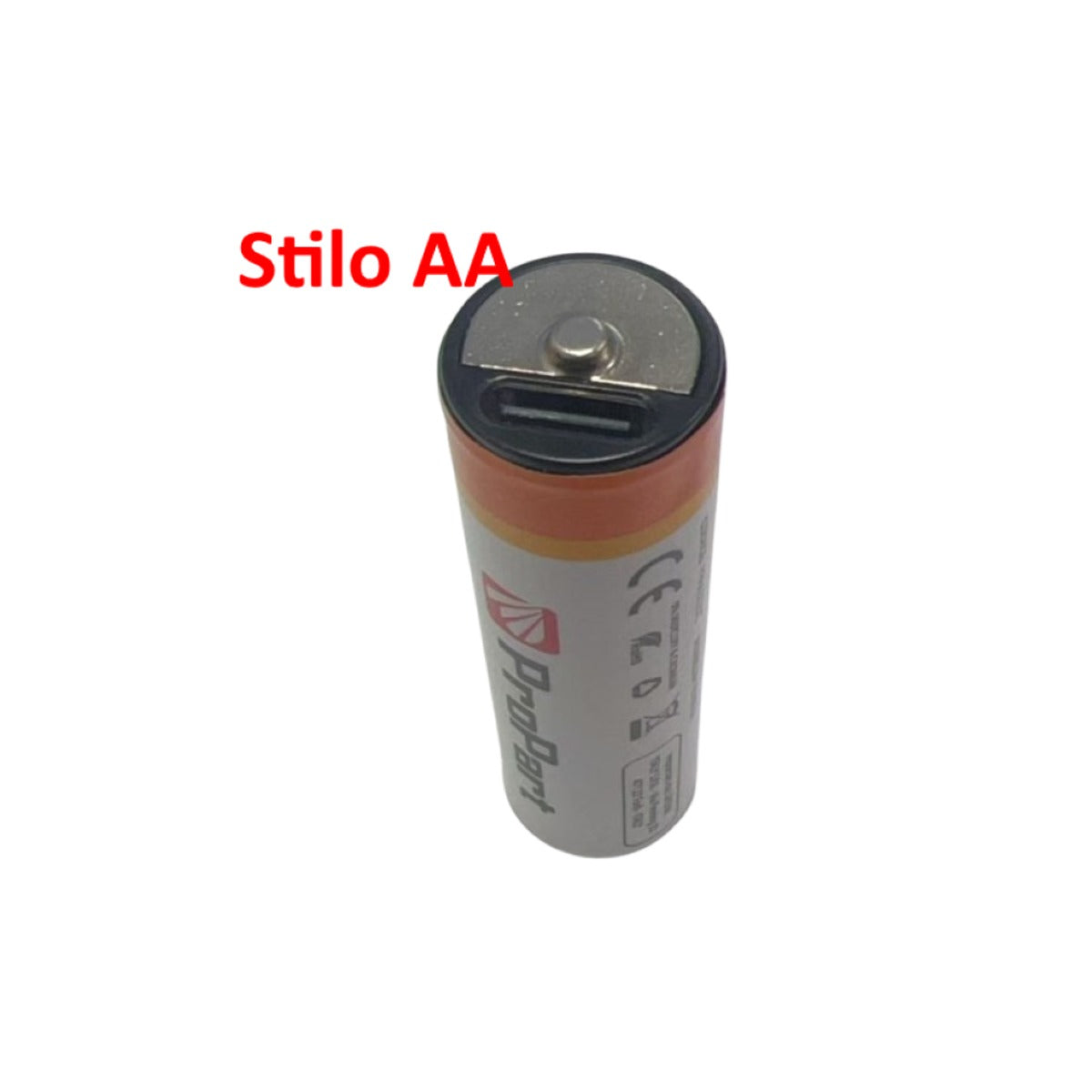
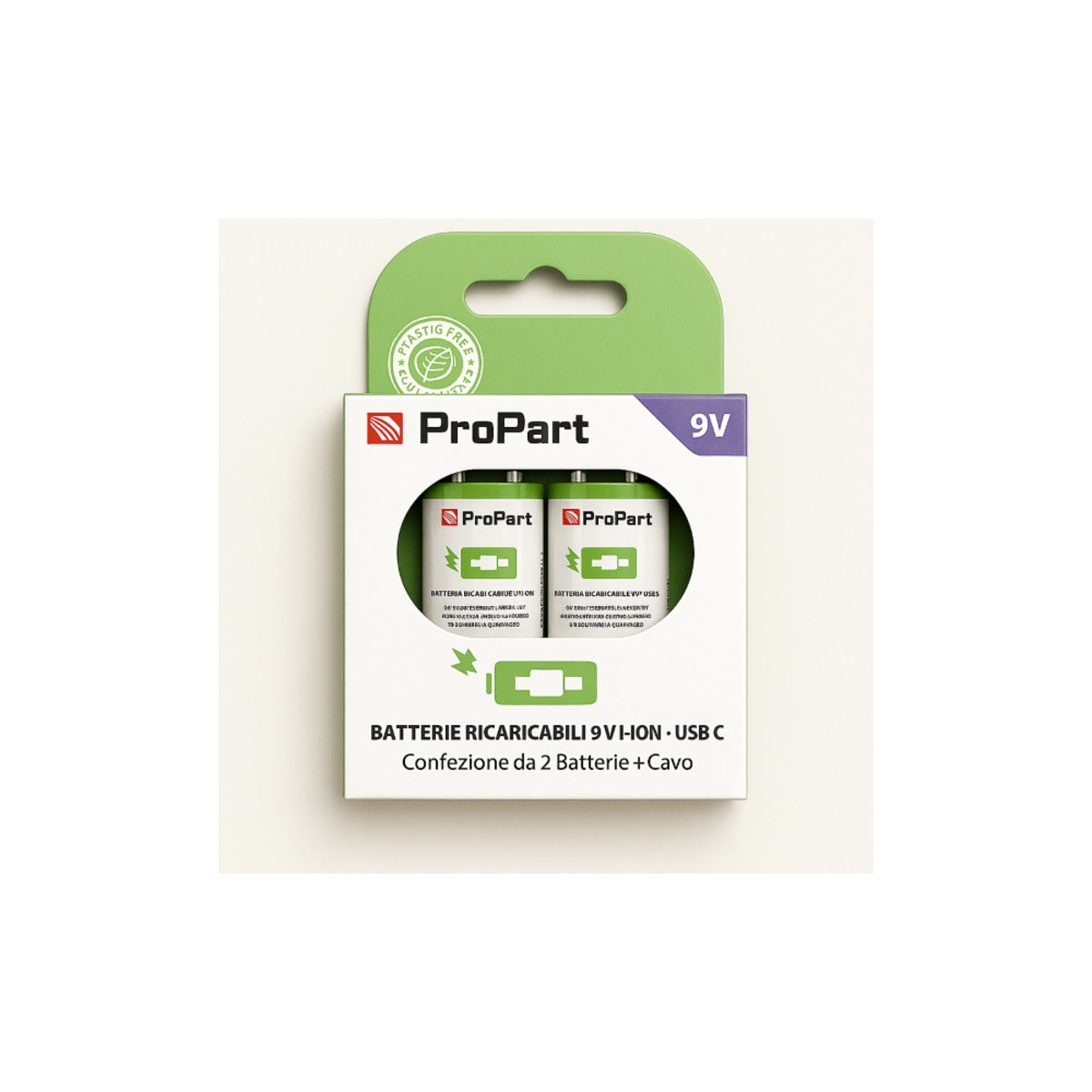
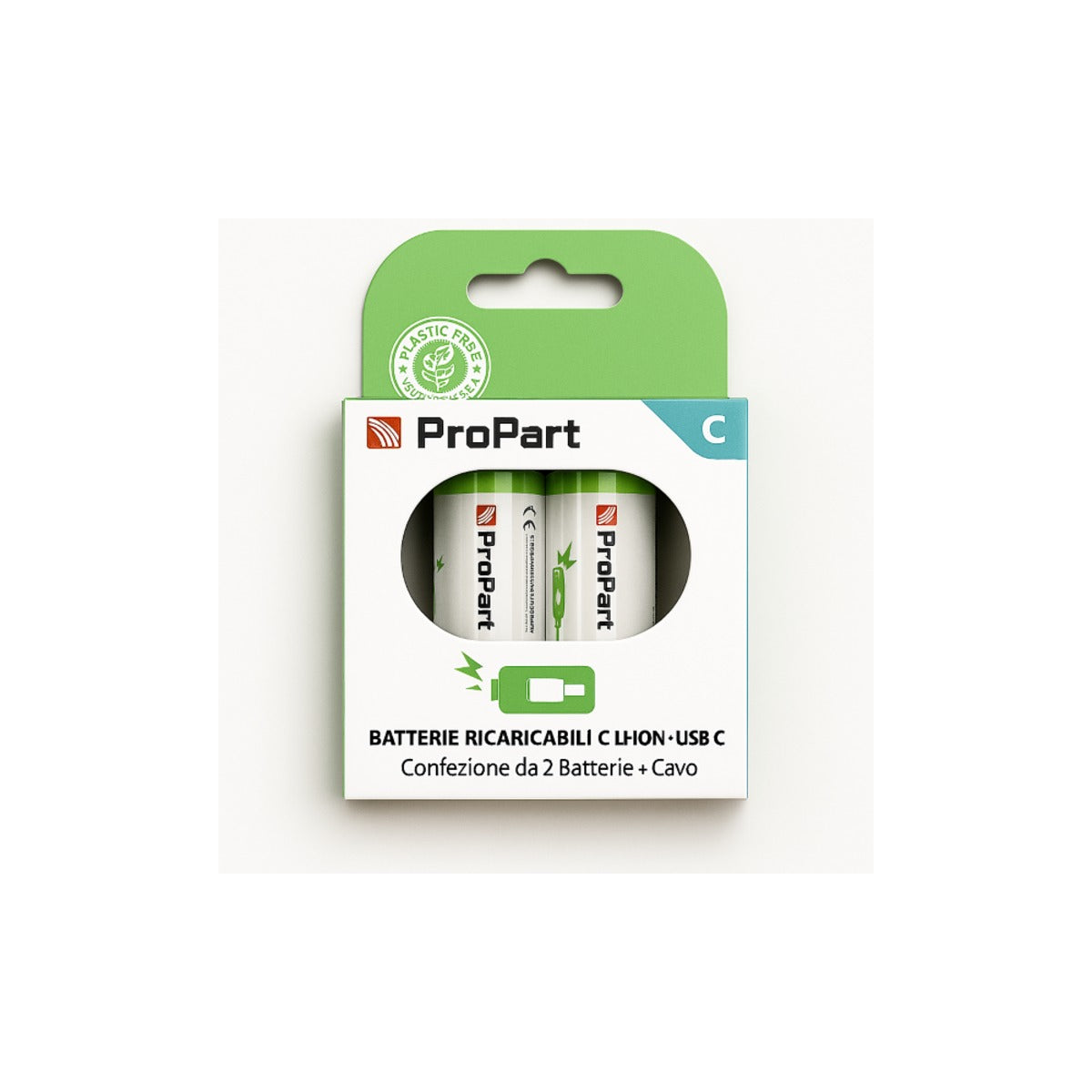
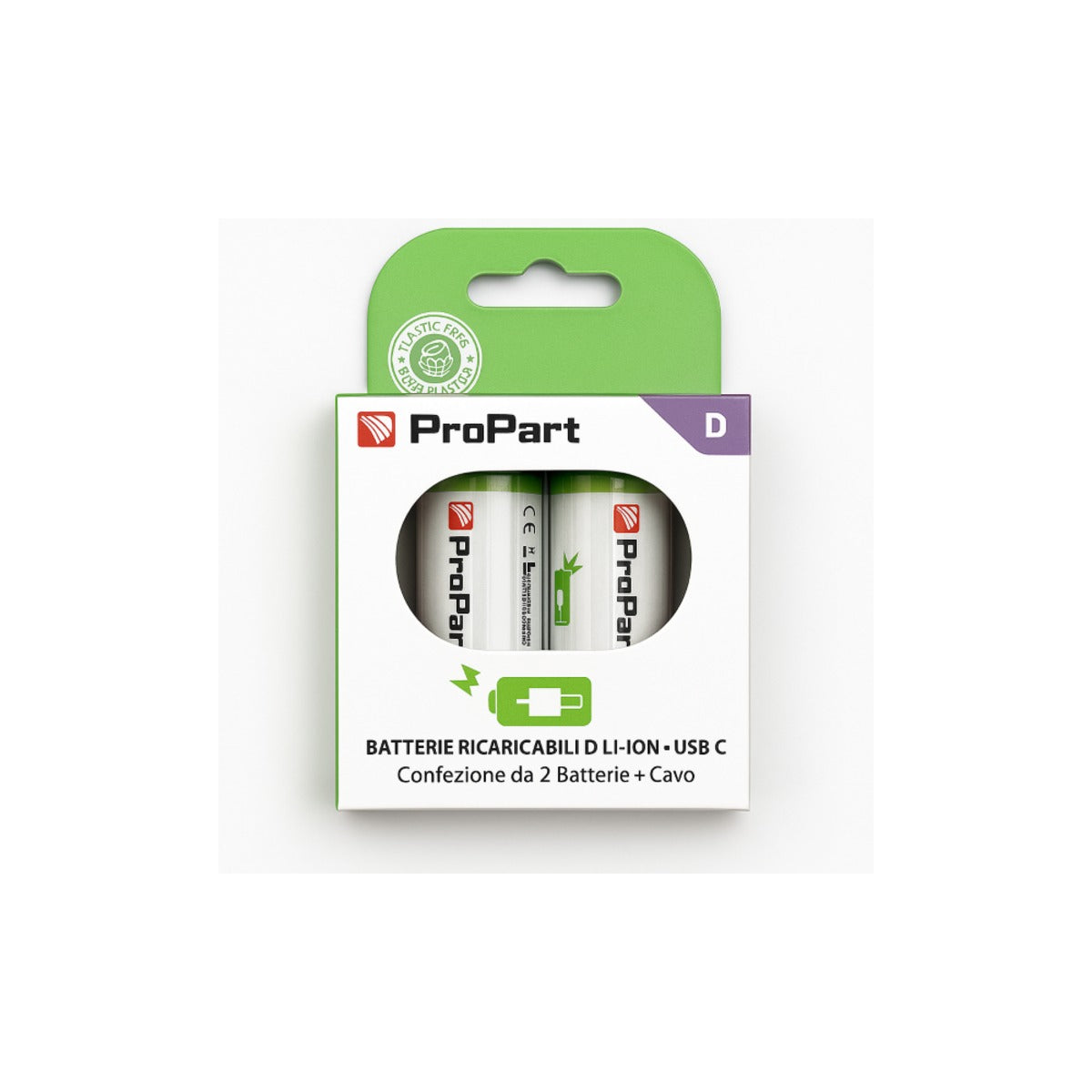
| USB-C rechargeable lithium | AAA, AA, C, D, 9V | 1.5V (9V for the clip format) | Direct replacement for alkaline batteries in frequently used devices |
CR button cells: how to avoid mistakes in size
The four digits after the code are the physical dimensions: the first two indicate the diameter in millimeters, the last two the thickness in tenths of a millimeter. A CR2032 is therefore 20 mm in diameter and 3.2 mm thick; a CR2025 has the same diameter but is thinner. This is the most common error: both fit into the compartment, but the thinner one causes poor contact.
The codes BR, DL, ECR, KCR, and LM are alternative nomenclatures from different manufacturers for the exact same battery: CR2032, DL2032, and ECR2032 are interchangeable. Only the four digits matter.
3.6V thionyl chloride cells: look at the terminals
These are cells with very high energy density and very low self-discharge, designed to remain in service for years inside a sensor or meter. In our catalog, you will find the EEMB ER series and the Saft LS series, in 1/2AA, 2/3AA, and AA formats.
The critical point is not the code but the terminal: the same cell exists in standard, solder tab, and axial lead versions. If your old battery was soldered onto the board, you need the version with tabs or leads, not the standard one.
Pro tip. For burglar alarms and meters, it is advisable to replace all cells at the same time, even those that appear to be still good. Li-SOCl₂ batteries maintain an almost flat voltage for their entire useful life and drop suddenly at the end: an older cell will not give any warning. If you cannot read the code on the old one, send us a photo and we will identify it for you.
Lithium rechargeable batteries with USB-C charging
These are the most useful innovation of recent years in traditional formats. Unlike NiMH batteries, which provide 1.2V, these maintain a constant 1.5V until they are depleted: they replace alkaline batteries without the drop in performance noticeable in mice, keyboards, toys, and electronic locks. They are recharged by connecting a USB-C cable directly to the battery, without a dedicated charger. Available in AAA, AA, C, D, and 9V formats. If you prefer classic NiMH technology, check out our rechargeable batteries.
Frequently asked questions about lithium batteries
Can I use a 3.6V battery instead of a 3V?
No. Even if the format is compatible, the 0.6V difference is out of tolerance for most consumer electronics and can damage the device. 3.6V thionyl chloride batteries should only be used where specified by the manufacturer.
Do ER and LS indicate the same thing?
They are the codes from two different manufacturers for equivalent lithium thionyl chloride cells: ER is the EEMB nomenclature, LS is the Saft one. An ER14250 and an LS14250 have the same 1/2AA format, the same 3.6V voltage, and matching nominal capacity. Always check the terminal before ordering.
Can lithium batteries be recharged?
CR button cells and ER/LS cells are primary, meaning they are not rechargeable: attempting to recharge them is dangerous. Lithium rechargeable batteries are different products, designed with an integrated protection circuit and a dedicated charging port.
How long do they last in storage?
Lithium self-discharge is very low, on the order of 1% per year for thionyl chloride cells. A battery purchased today and used in three years will still be practically full: this is why they are chosen for alarms and meters.
How should they be disposed of?
They must be placed in appropriate collection containers for batteries and accumulators, never in the general waste. Separate collection is mandatory throughout the European Union, and electronics retailers are required to collect them.
If you are looking for other formats or technologies, return to the full overview of batteries.





