
































Recent Italian regulations have introduced a series of obligations for short-term and tourist rentals with the aim of improving the safety of rented properties. Owners are now required to equip their units with safety devices such as portable fire extinguishers and combustible gas and carbon monoxide detectors. These tools are essential for preventing dangerous situations, protecting not only guests but also the property itself. These requirements reflect the importance of ensuring a safe and risk-free stay for everyone.
Legal Obligations for Short-Term Rentals
General Requirements
All property owners intended for short-term or tourist rentals must comply with specific safety regulations. Among the main obligations:
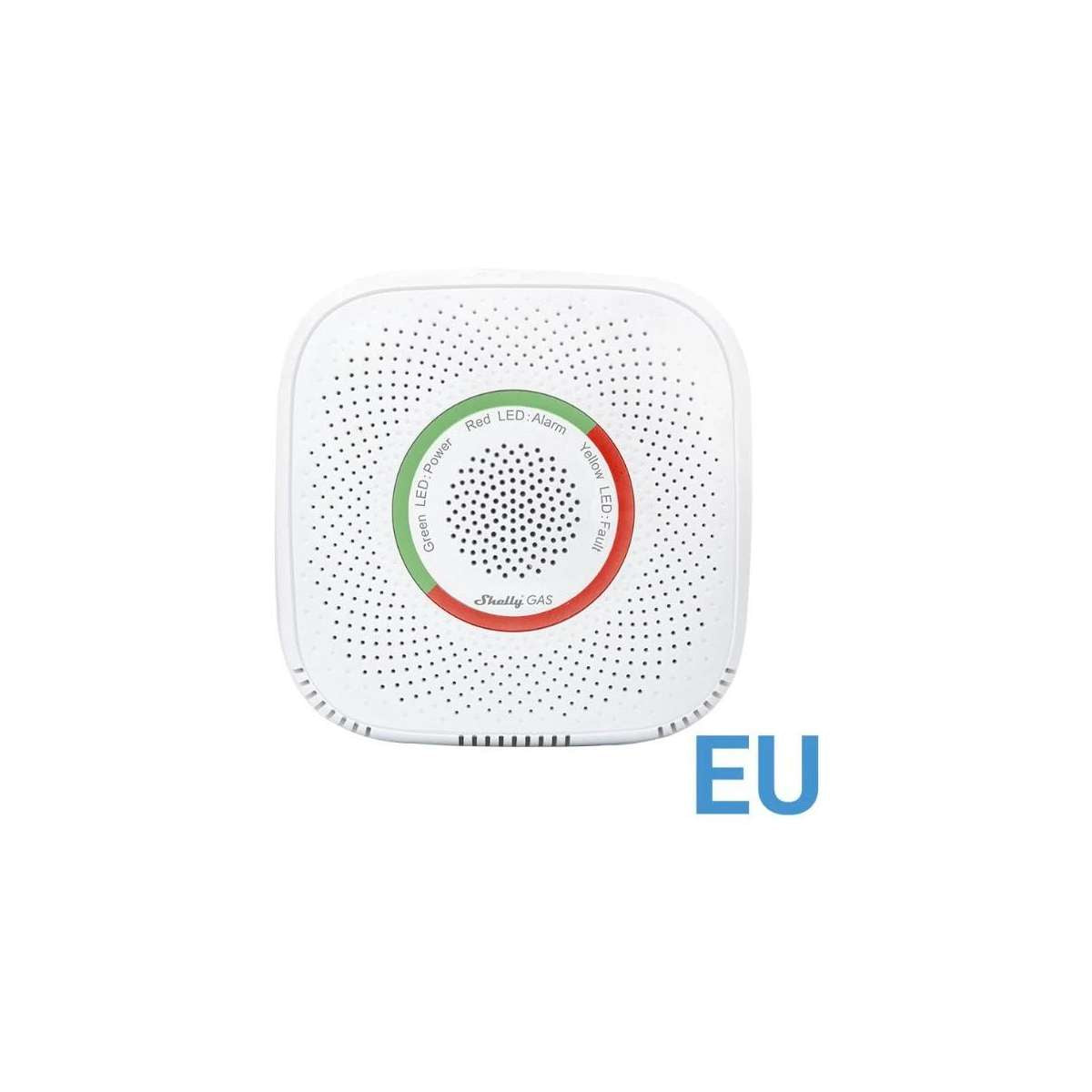
- Combustible gas and carbon monoxide detectors: devices capable of quickly detecting any leaks or dangerous gas accumulations. These detectors emit an audible signal that allows for prompt intervention to avoid serious accidents.
- Portable fire extinguishers: must be placed in strategic points of the house, such as entrances and areas where there is a higher risk of fire (kitchen, heating systems). The regulations require at least one extinguisher per floor and, generally, one every 200 square meters of habitable surface.
Requirements for Business Management
Rentals managed in a business capacity, i.e., those operating as actual economic activities, must comply with additional requirements. In particular:
- System conformity: every system (electrical, gas, or water) must comply with the law and be certified by authorized professionals. This ensures the safety of both guests and operational staff.
Technical Characteristics of Devices
Fire Extinguishers
Fire extinguishers are fundamental tools for fire safety and must comply with certain precise technical characteristics:
- Extinguishing capacity: fire extinguishers must be able to extinguish at least 13A, a standard classification that measures the effectiveness of the extinguisher against fires of solid materials such as wood, paper, and textiles.
- Minimum charge: a portable fire extinguisher must have a charge of at least 6 kg or 6 liters, thus ensuring adequate operational capacity.
- Placement: they must be placed in easily accessible areas and not obstructed by furniture or other objects. The maximum distance between an extinguisher and the user must not exceed 30 meters, allowing for rapid intervention in case of emergency.
Gas Detectors
Gas detectors are devices designed to identify the presence of combustible gases or carbon monoxide in the environment and warn when safety levels are exceeded. Key features include:
- Compliance standards: detectors must comply with European and Italian standards, such as EN 50291-1:2010 for carbon monoxide.
- Installation: they must be positioned carefully following the manufacturer's instructions. For example, combustible gas detectors should be installed near the ceiling, while carbon monoxide detectors can be placed at medium height.
- Alarms: these devices must emit clear audible and visual signals to ensure that anyone in the property can be promptly alerted.

Exemptions
Not all owners are obliged to install gas and carbon monoxide detectors. Exemptions apply in the following cases:
- Absence of gas systems: if the property does not have appliances that use combustible gases, the risk of leaks or carbon monoxide formation is practically nil, making the installation obligation unnecessary.
- Alternative energy: properties that use completely electric energy sources, such as heat pumps or induction heating, are generally exempt from this requirement.
Penalties for Non-Compliance
Failure to comply with regulations entails heavy administrative penalties that can significantly impact owners' finances:
- Amount of fines: fines range from a minimum of 600 euros to a maximum of 6,000 euros for each confirmed violation. This makes it essential to comply with the requirements.
- Checks: checks are carried out by the local police, and any collected penalties are used to finance local projects, such as tourism and environmental improvements.
Conclusion
Complying with safety regulations for short-term rentals is not only a legal obligation but an important step towards protecting guests. Equipping properties with portable fire extinguishers and gas detectors means preventing accidents and ensuring a safe and peaceful stay. To ensure compliance, it is advisable to contact professionals specialized in the selection, installation, and maintenance of these devices. An investment in safety today can make a difference for the future of your business.
SOURCES
Decree of the Minister of Economic Development 22 January 2008, n. 37