






























When we talk about a short circuit, we are referring to an electrical system malfunction. One minute the light works correctly, as do all the household appliances, and the next minute you are completely in the dark.
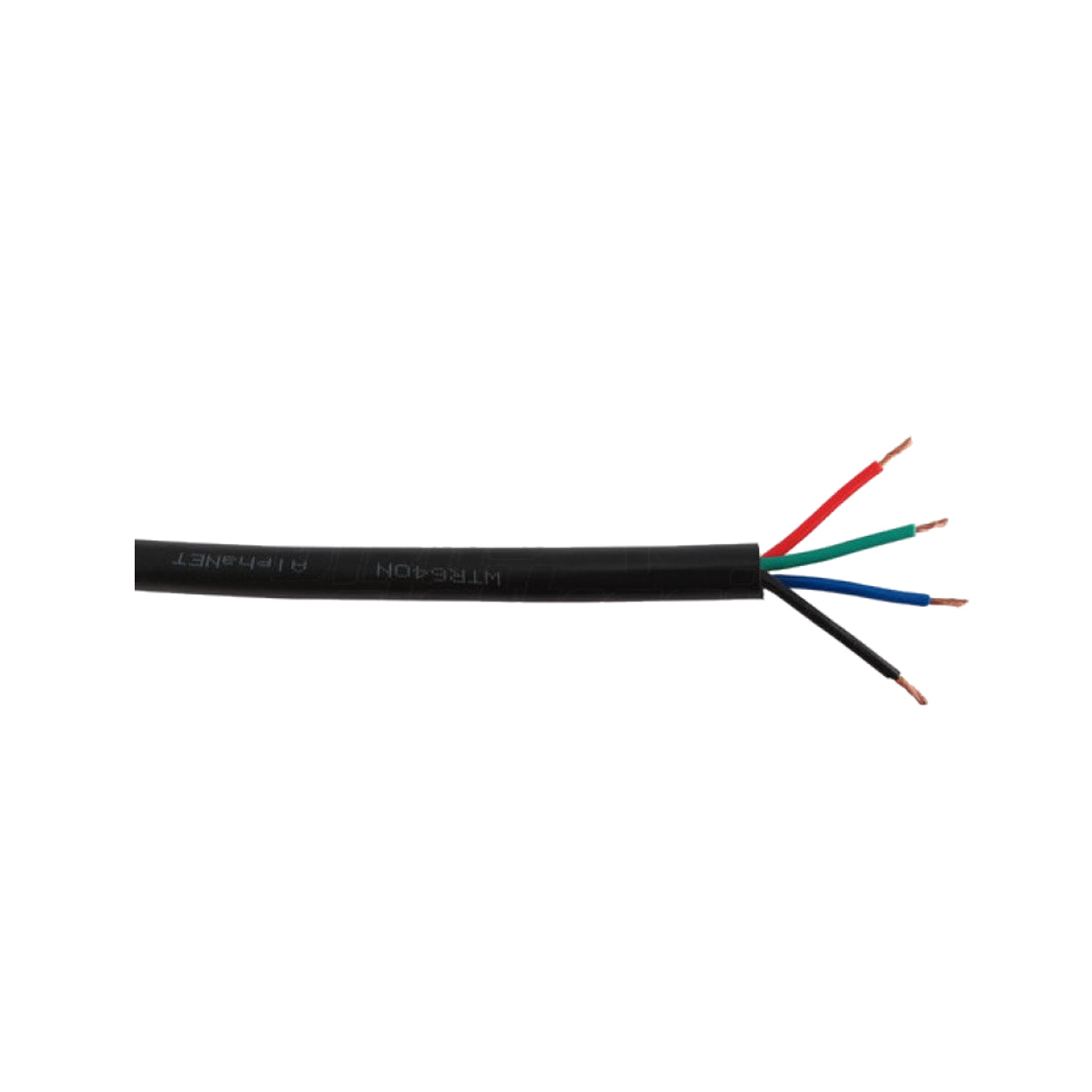
What causes a short circuit? Electrical cables have two polarities, phase and neutral. When these come into contact, that's the anomaly that causes the electrical system to go haywire. In an instant, the flow of electric current increases in intensity and the damaged circuit does the rest. Usually, those systems defined as "safety switches" intervene in time, and we just need to reactivate the electrical system without major damage. However, in some cases, especially with old systems, the safety of the home can be put at risk.

The fundamental thing, before reactivating a system deactivated by a safety switch, is to find the point where the short circuit started. Often, the smell of burnt plastic will lead you to the outlet that caused the problem. At that point, you will need to unplug it to prevent the system from going haywire again. If your sense of smell hasn't failed you, you will find the "culprit" in a few minutes and you can reactivate the light in the house. If the problem is not an outlet or a light bulb, then you will have to call an electrician to check the entire system.
There are, of course, precautions you can take to prevent short circuits, and we list them below:
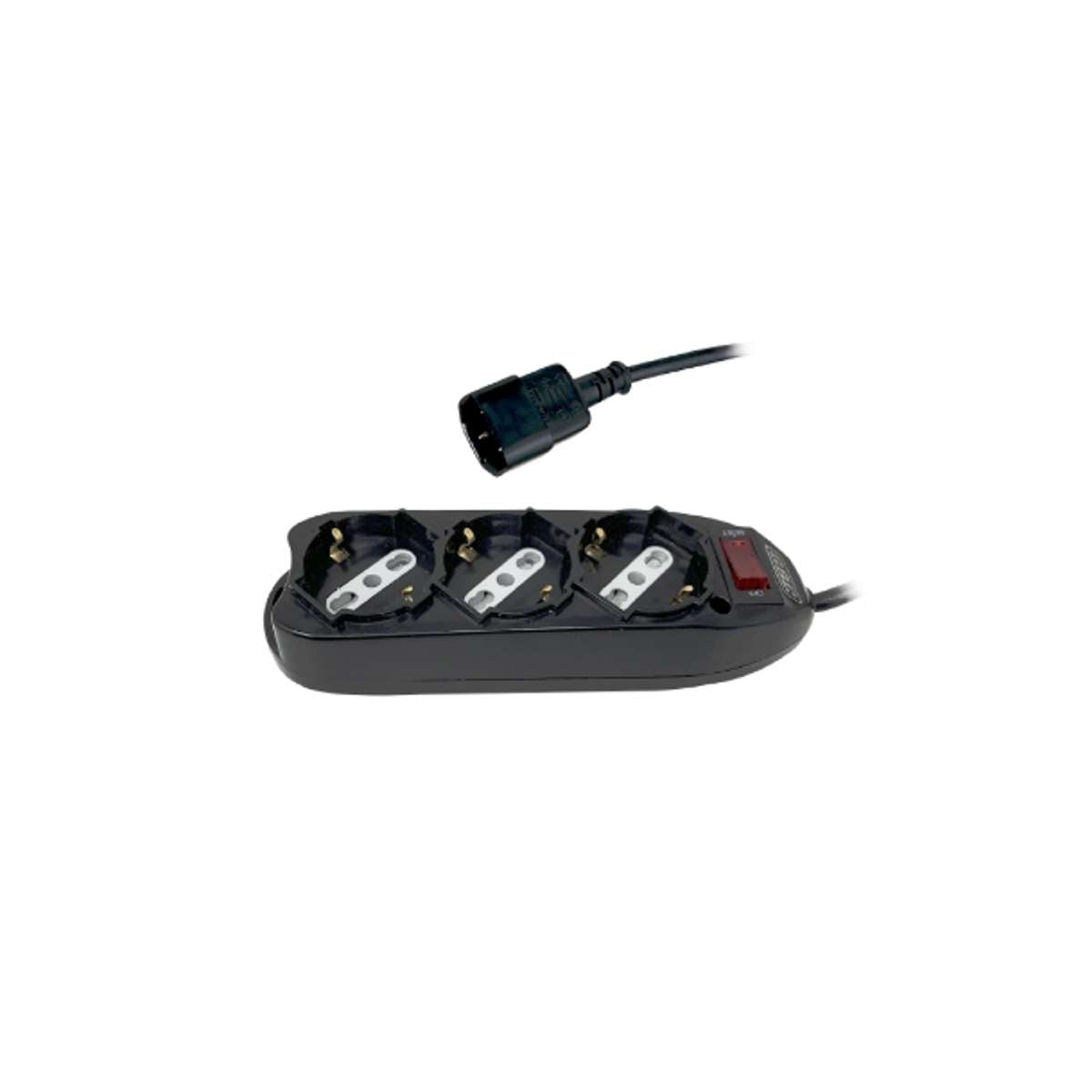
- do not overload electrical outlets, and prefer power strips over multiple adapters
- choose modern energy-efficient appliances and try not to keep too many plugged in simultaneously
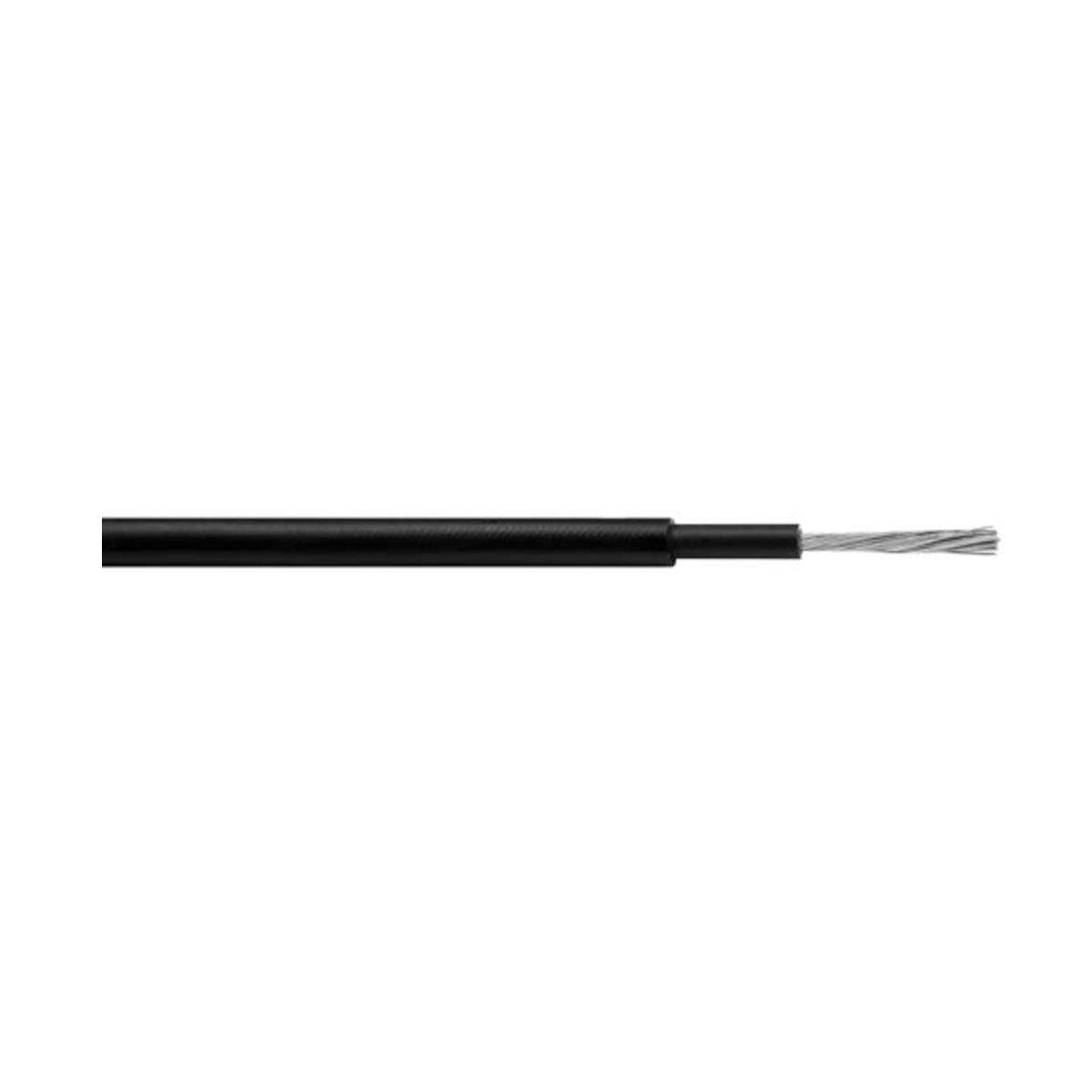
- replace deteriorated cables
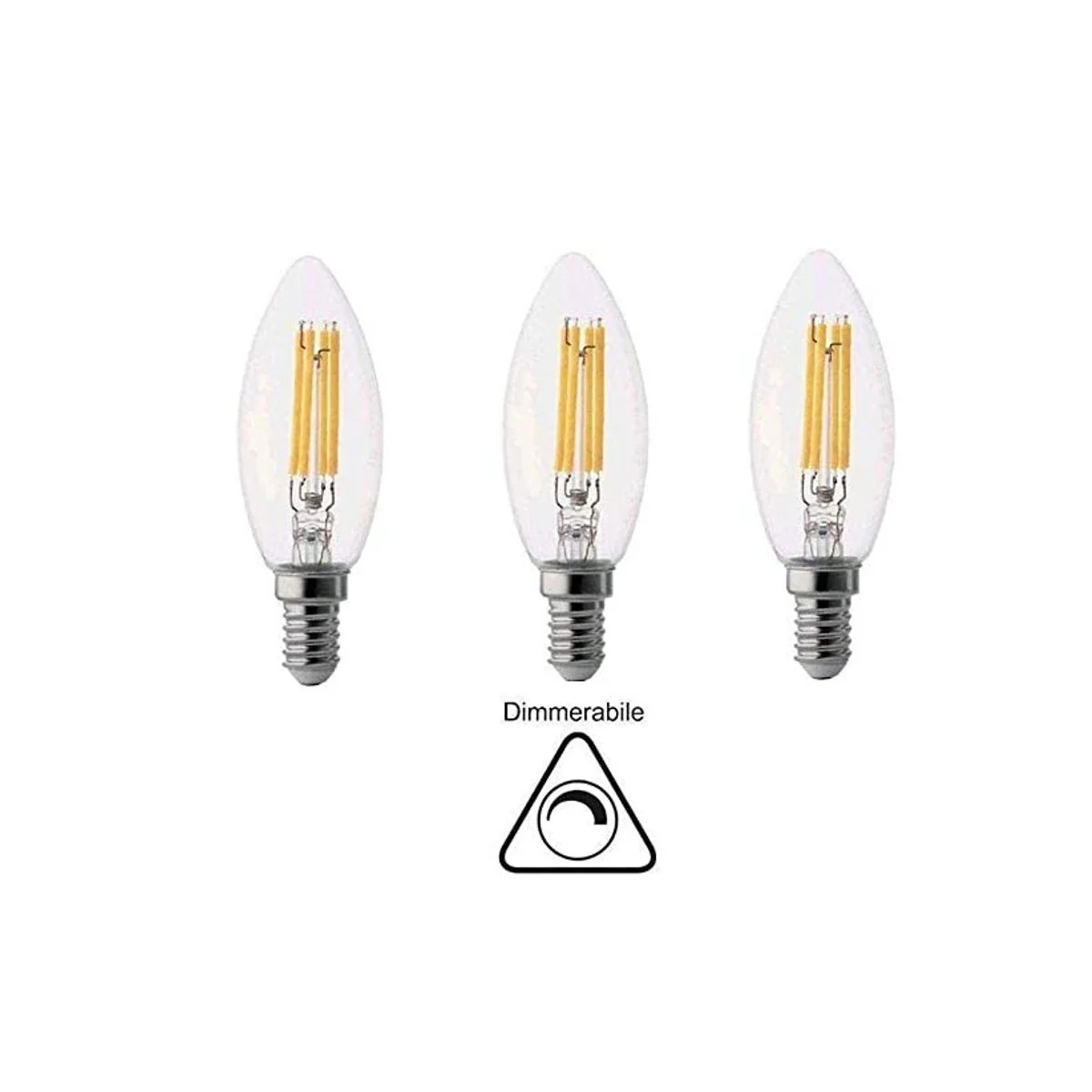
- replace old light bulbs with LED ones
- if you don't have a safety switch yet, hurry up and get one installed