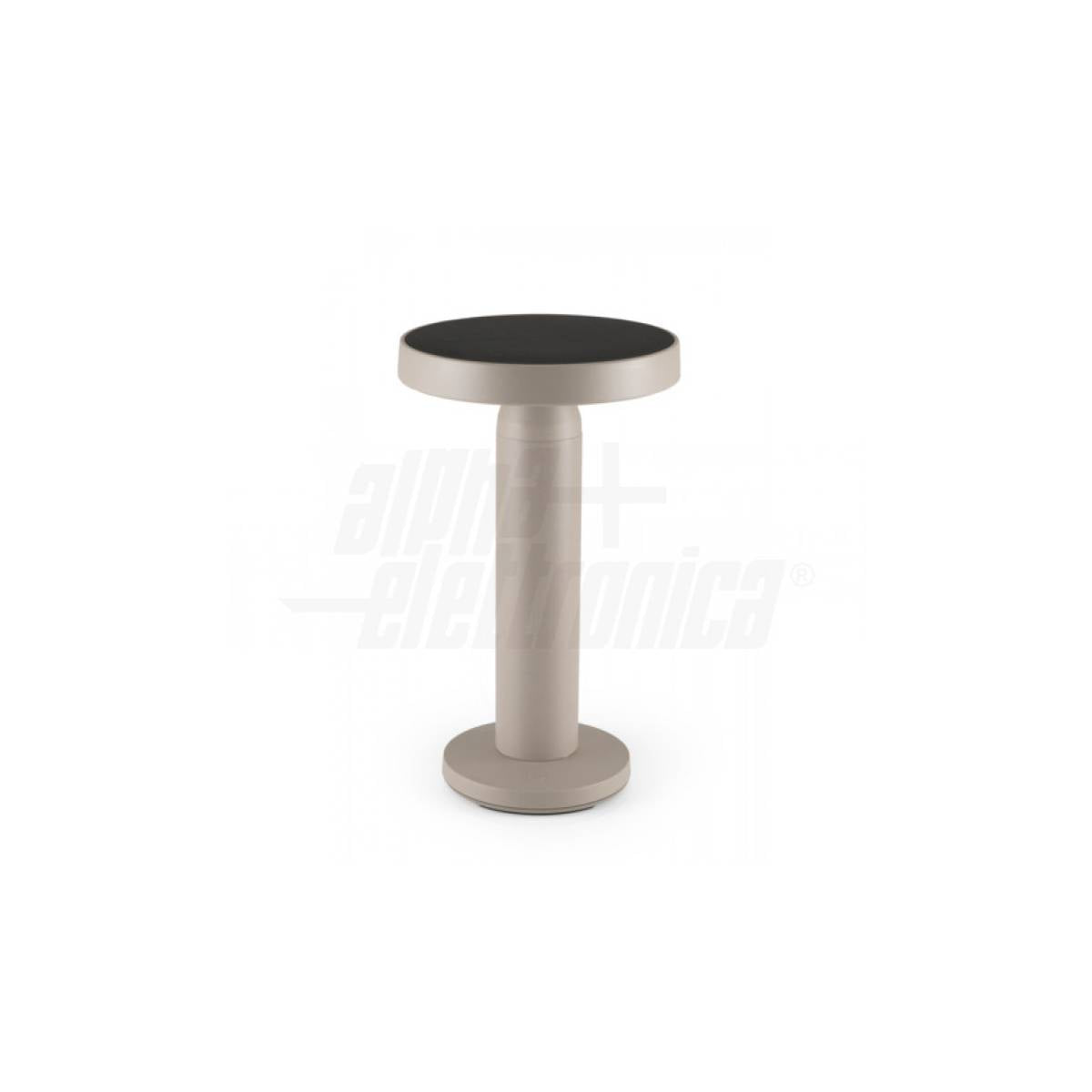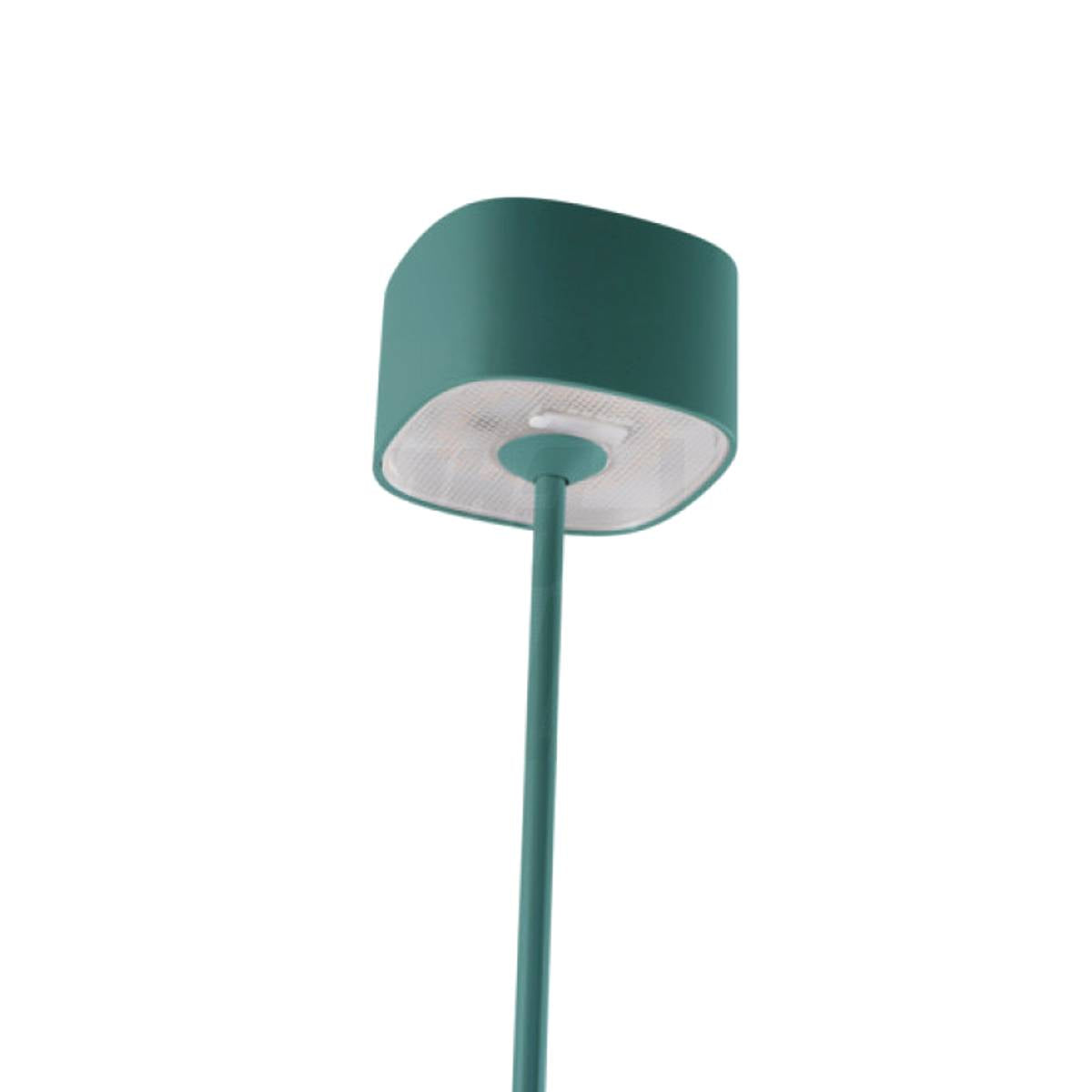
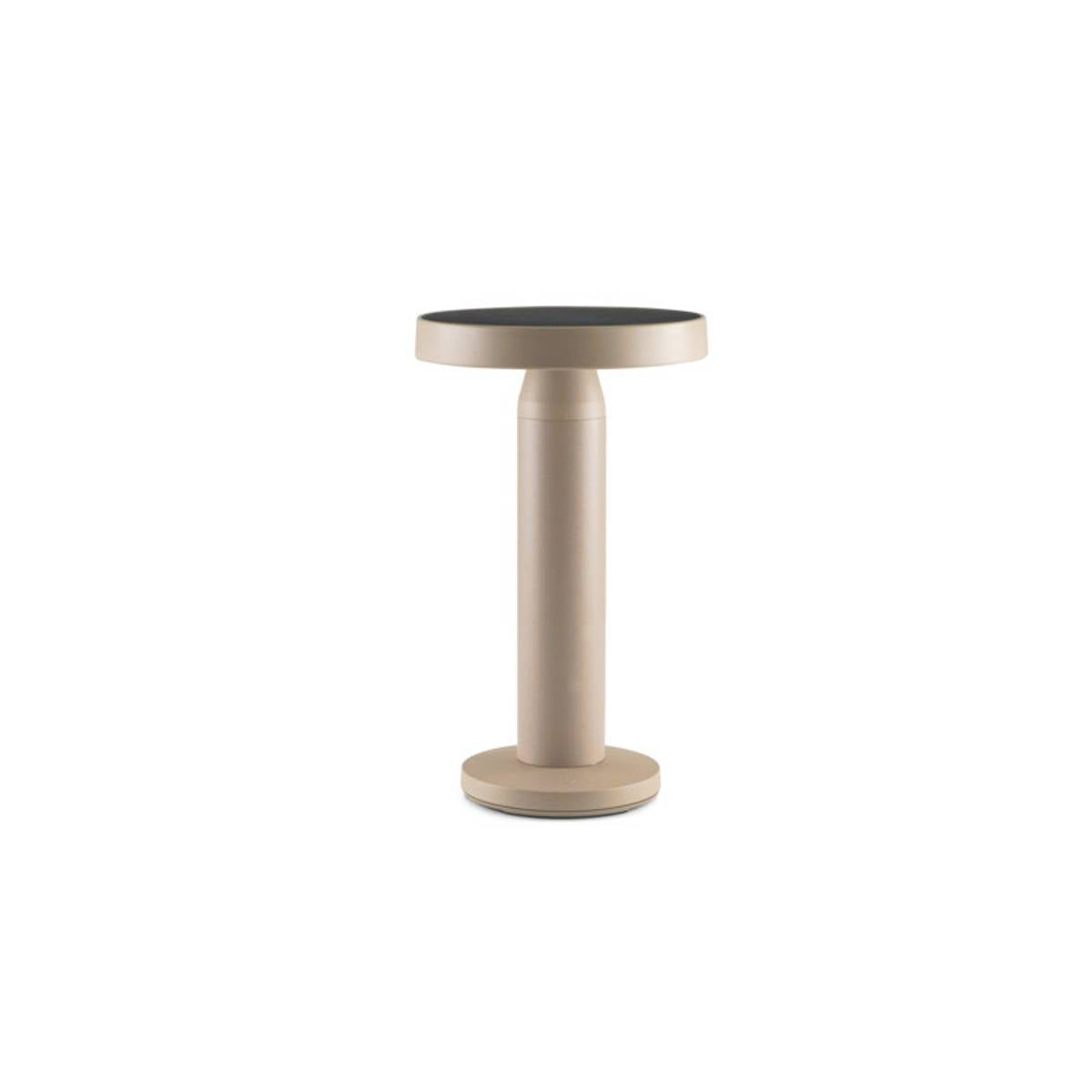






















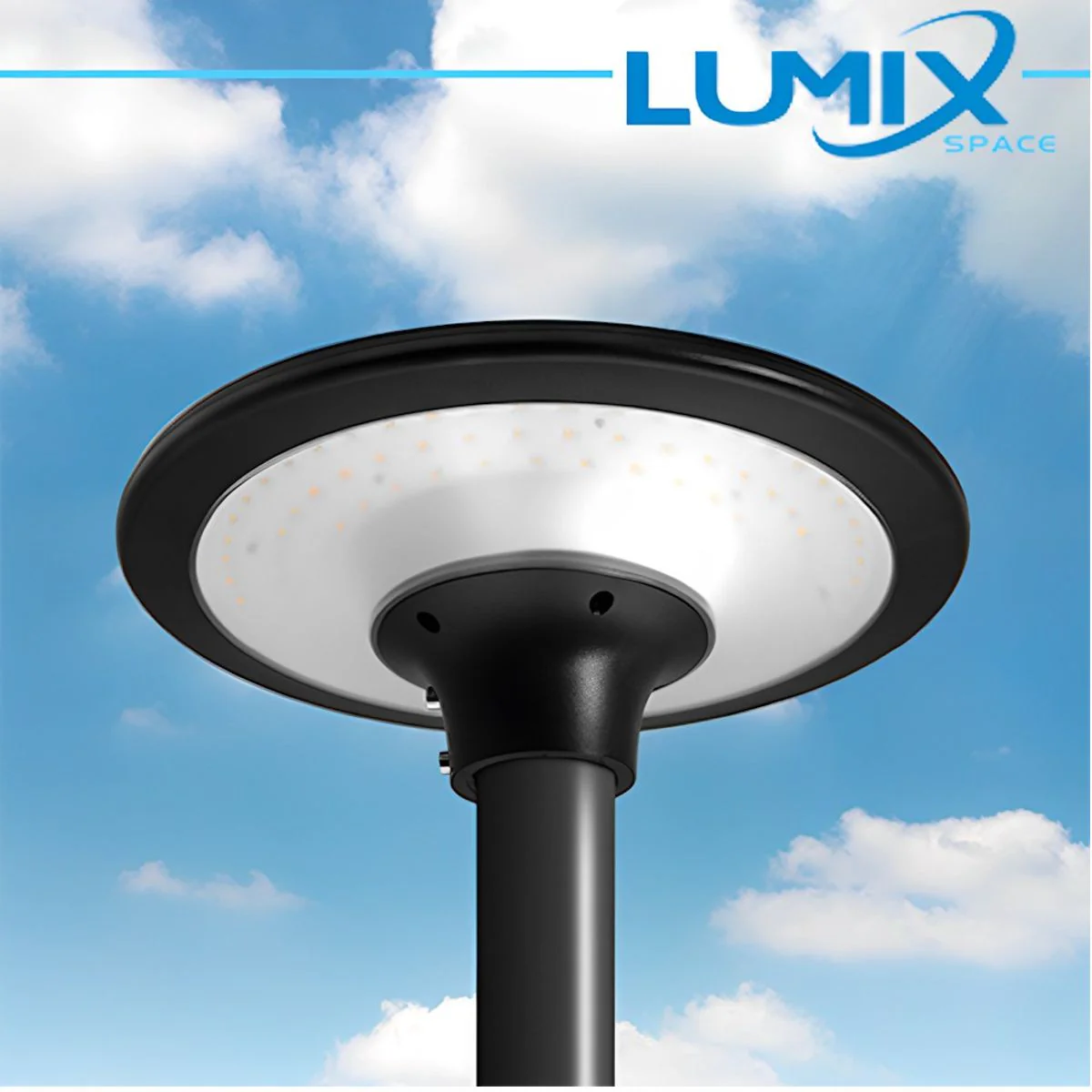





Emergency lights are safety lighting devices that should be in every home or office, to avoid being left in the dark in the event of sudden blackouts. When the power goes out, either due to an overload within the apartment or due to problems affecting the city's power grid, the emergency light activates, preventing us from being left in the dark and avoiding accidents. In addition, the activation of the emergency light allows us to move around our homes and, in the event of a power overload, turn the lights back on and resume our activities.
Emergency lights have been present in homes and offices for many years, albeit in different forms, and today they are equipped with LED lights, which allows these devices not only to provide us with more intense light, but also to have a longer duration in case the problem is not immediately resolved.

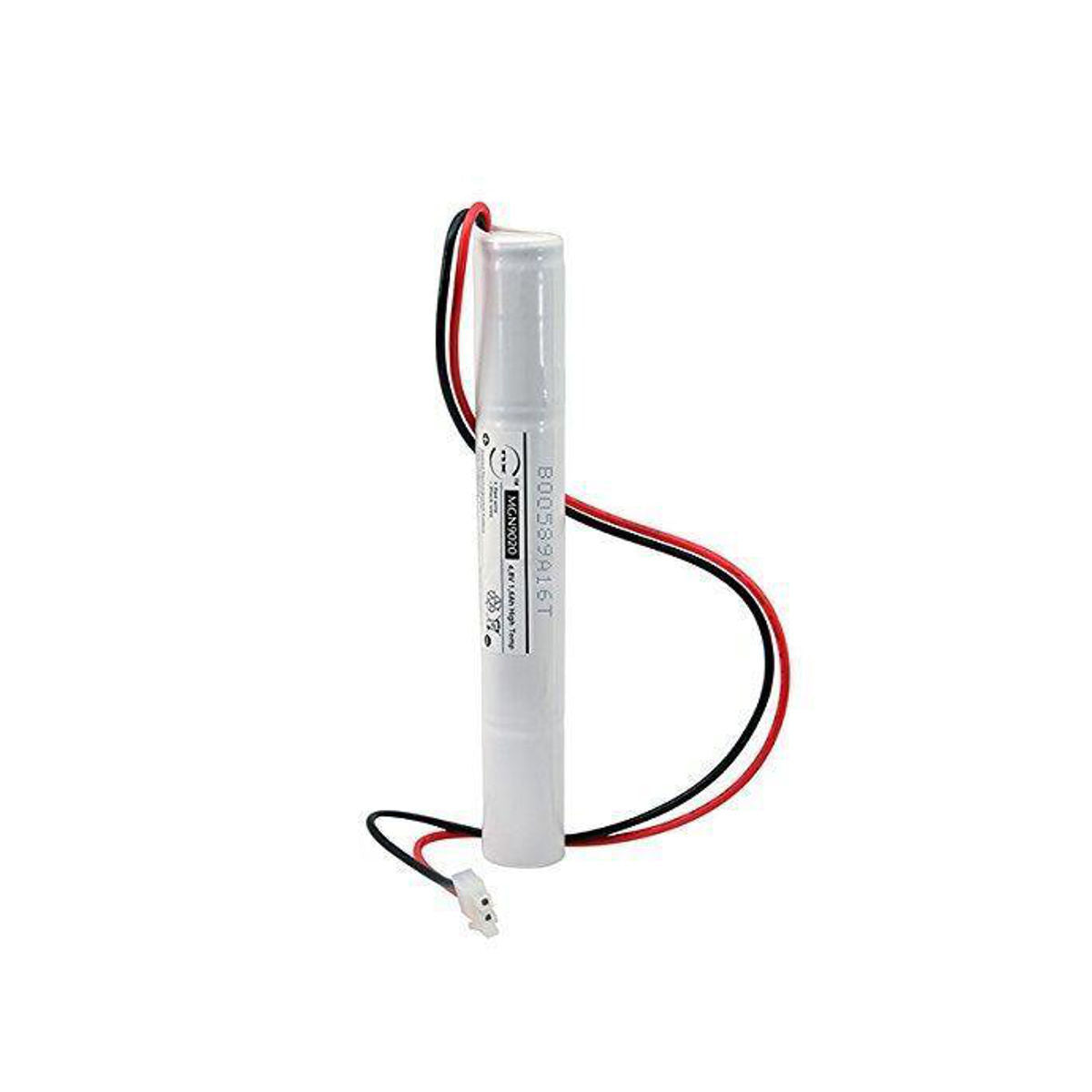
Their operation is very simple. When the electrical network is working correctly, they recharge their internal battery, which activates as soon as the power goes out. Obviously, the duration of the safety light depends on the battery capacity.
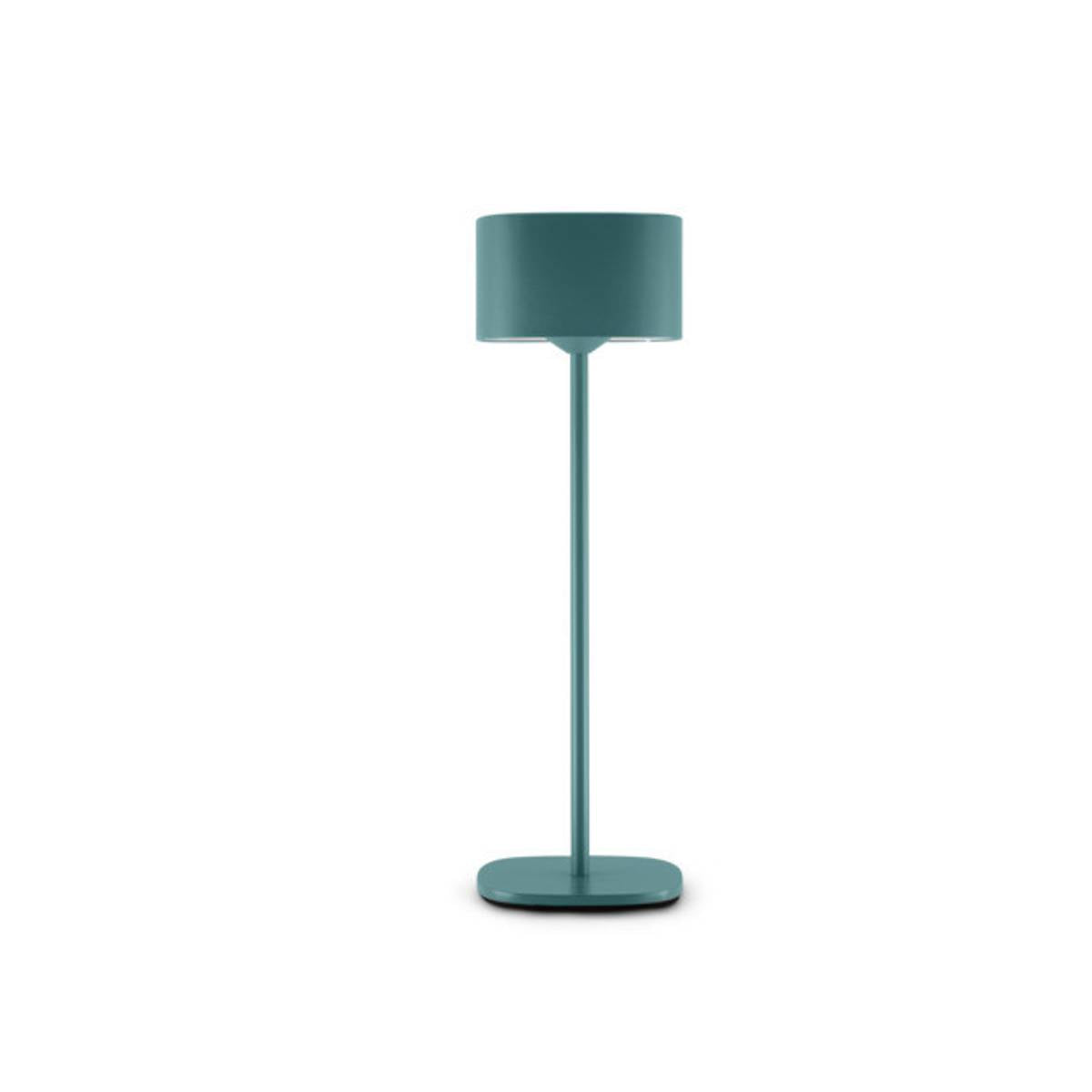
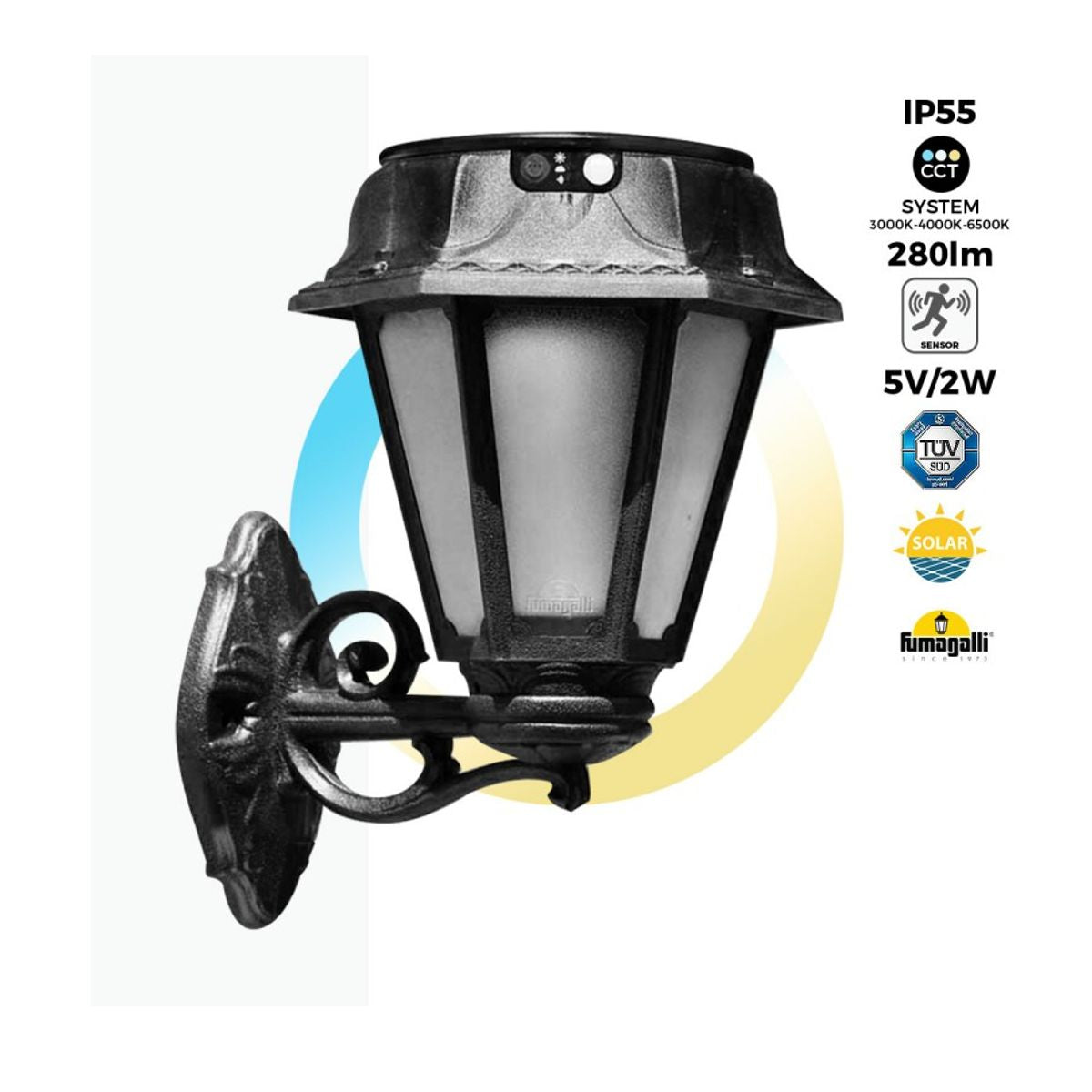
As for the types, just take a look at our homes to realize that there are different kinds. There are those installed on our walls and therefore fixed, and there are those that we keep plugged into a socket and are therefore portable. If the former are true emergency lights often found near doors or exits, the latter can also be activated for a specific use and can be used to move around the house in the dark.
Portable ones, specifically, are equipped with rechargeable batteries and can also be left in the car, with the awareness of always having a small supply at hand.
The good habit of having spare batteries also applies to wall lamps, on which we suggest you perform bi-monthly, if not monthly, tests to always be sure not to be left in the dark.