




























Speaker and Soundbar Mounts
Filter
Sort by:


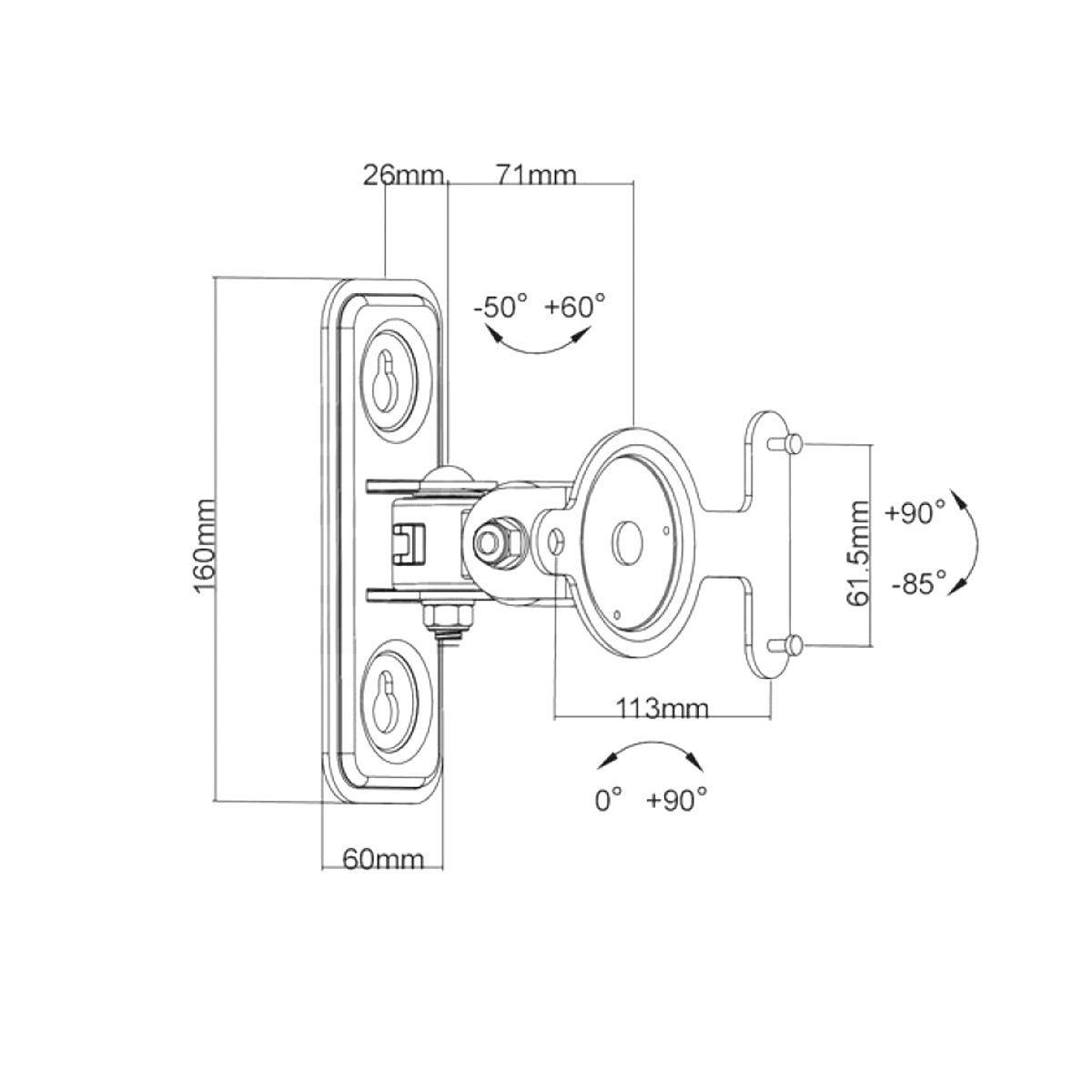
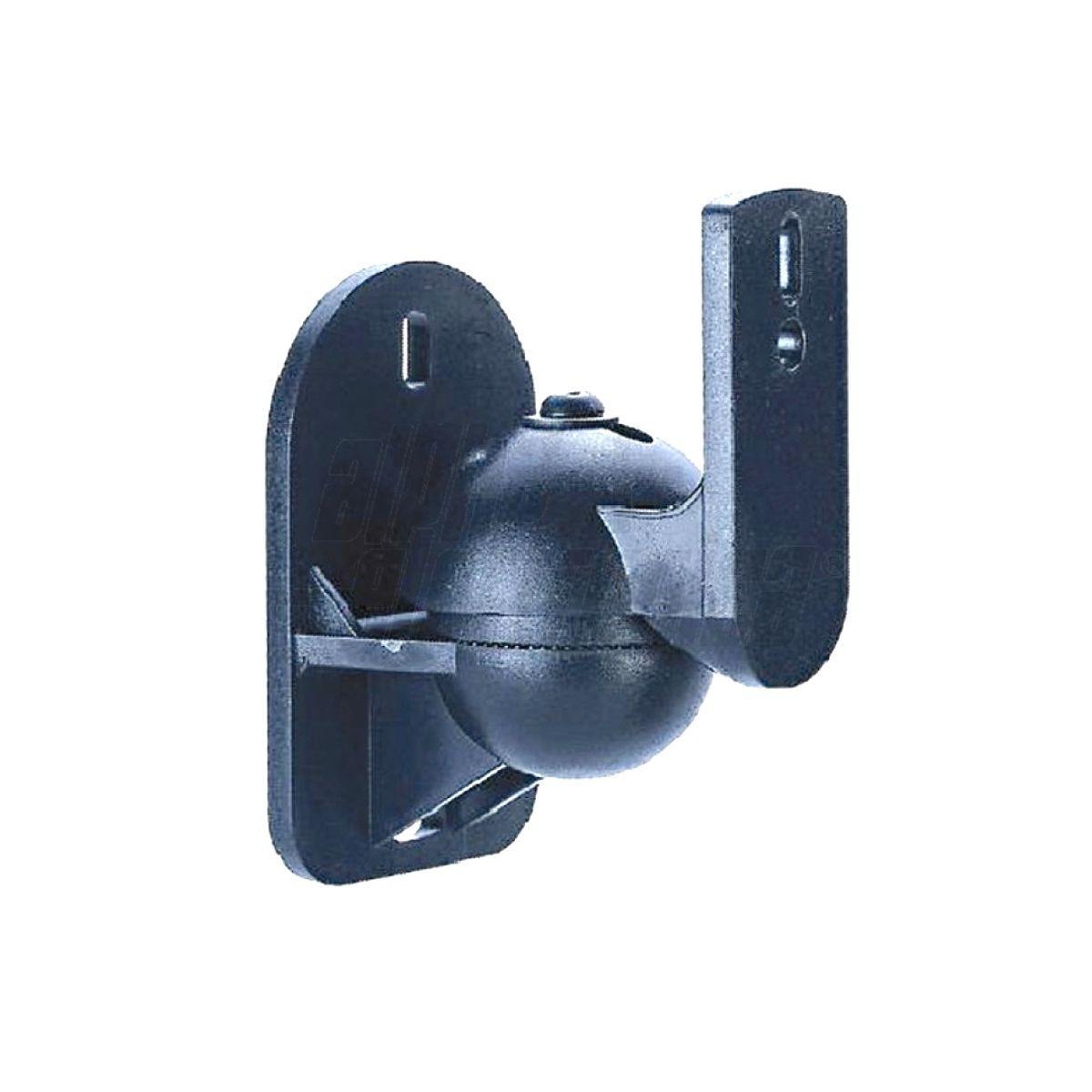
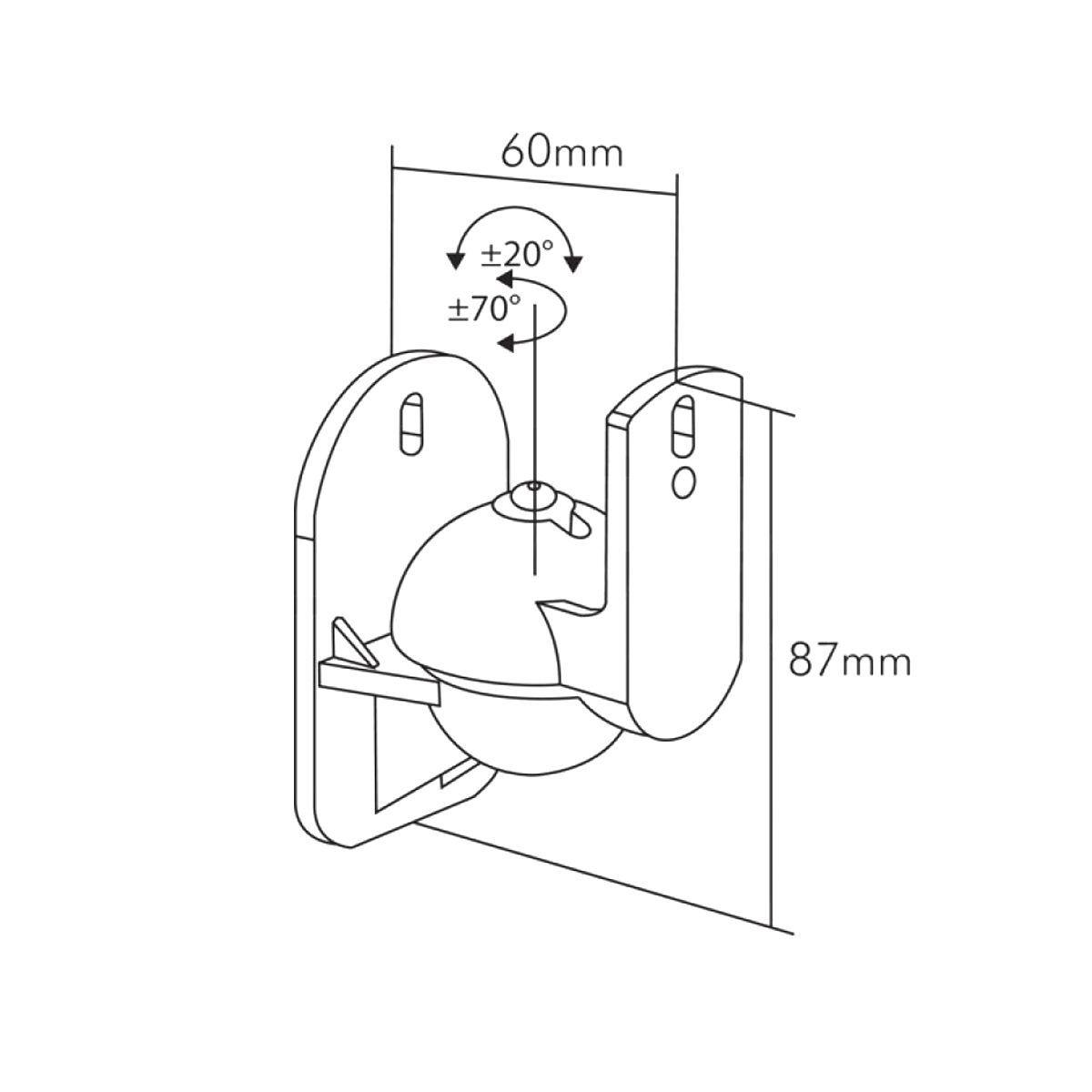
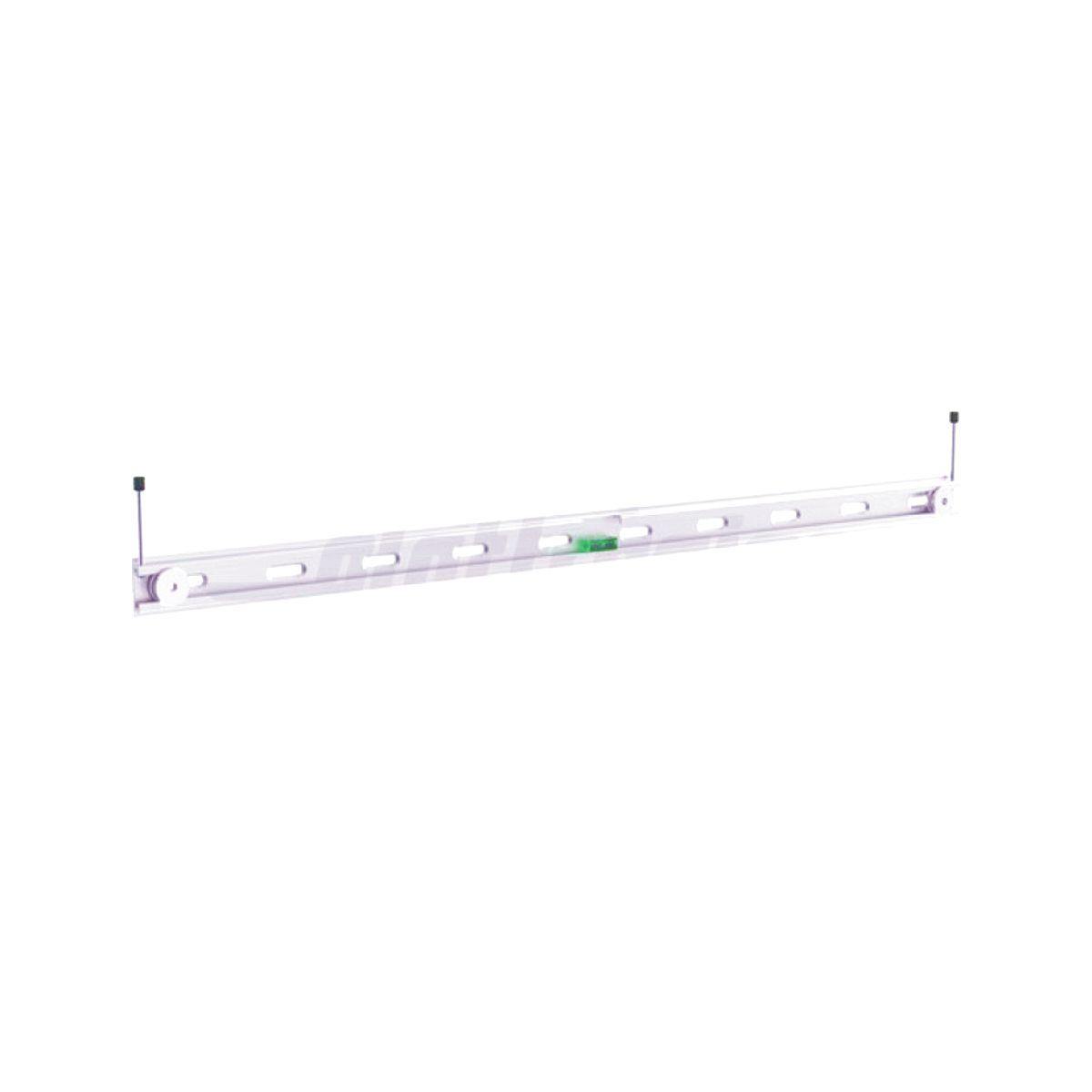
Speaker and soundbar mounts: sound depends on where you place them
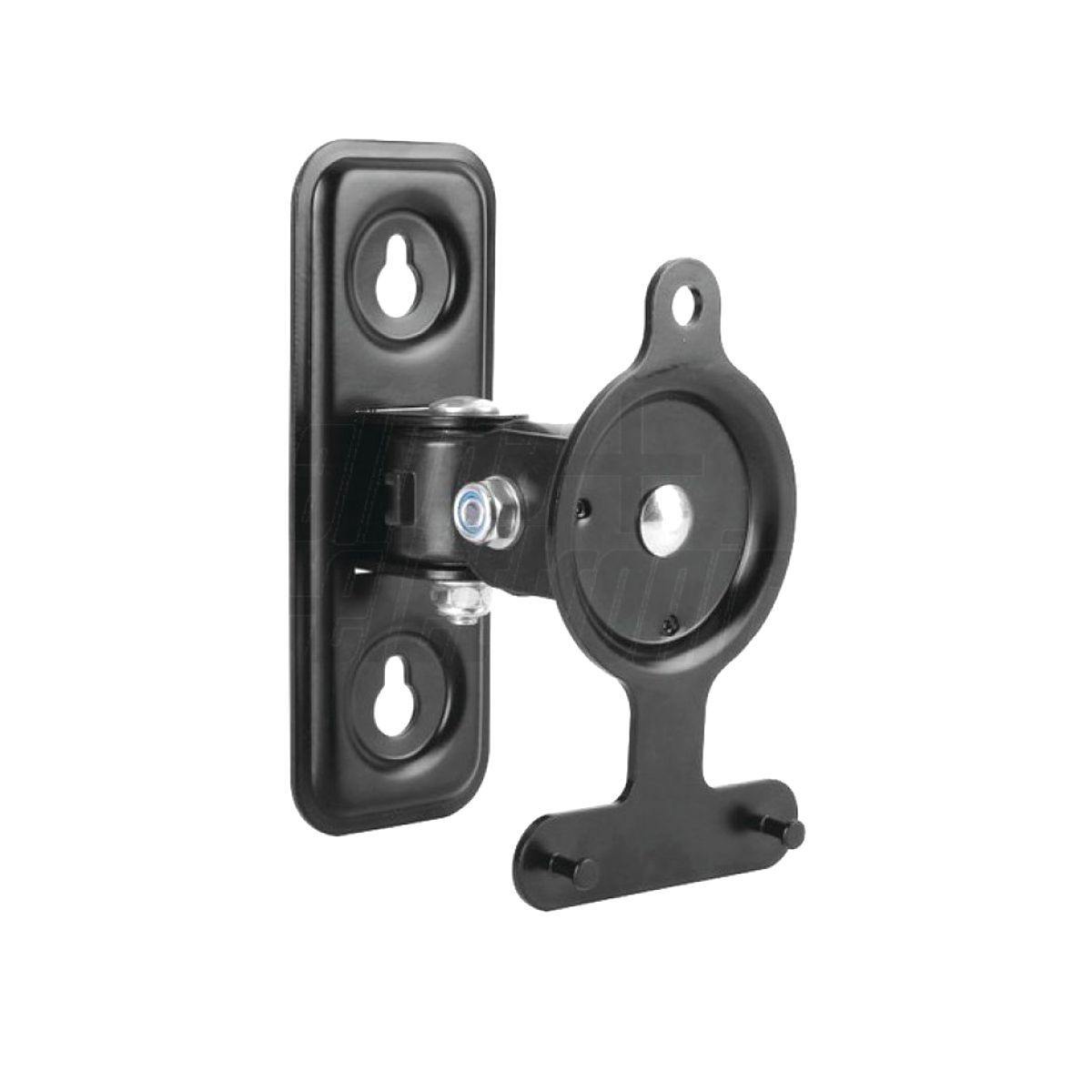
A speaker placed on a shelf or tucked inside a cabinet sounds worse than it could, and it's not its fault: nearby surfaces reflect sound, the cabinet resonates, and it's angled incorrectly toward the listener. Wall brackets for speakers solve all three problems at once—they decouple the speaker from surfaces, bring it to the right height, and allow you to aim it toward the listening position. For soundbars, it's a different story: there, you need to align it with the television, either above or below, without taking up space on your furniture.
Selection table
| What you need to mount | Mount |
|---|---|
| Rear surround speakers, home theatre | Kit of 2 wall brackets with 360° rotation |
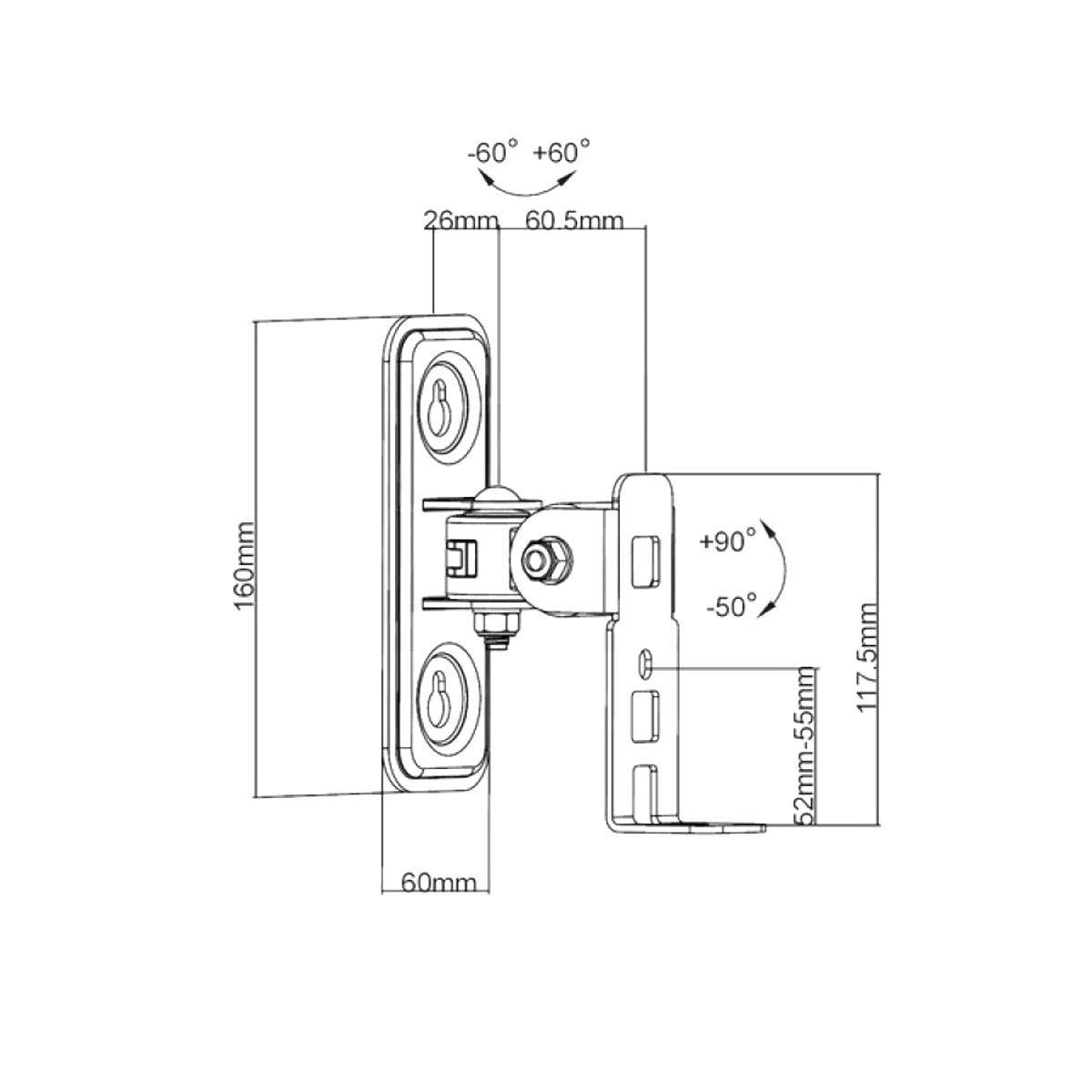
| Speakers to be aimed precisely toward the sofa | Dual-joint brackets, adjustable and tiltable |
| Speakers in a public space, up high and out of reach | Set of adjustable and tiltable brackets, wall or ceiling mount |
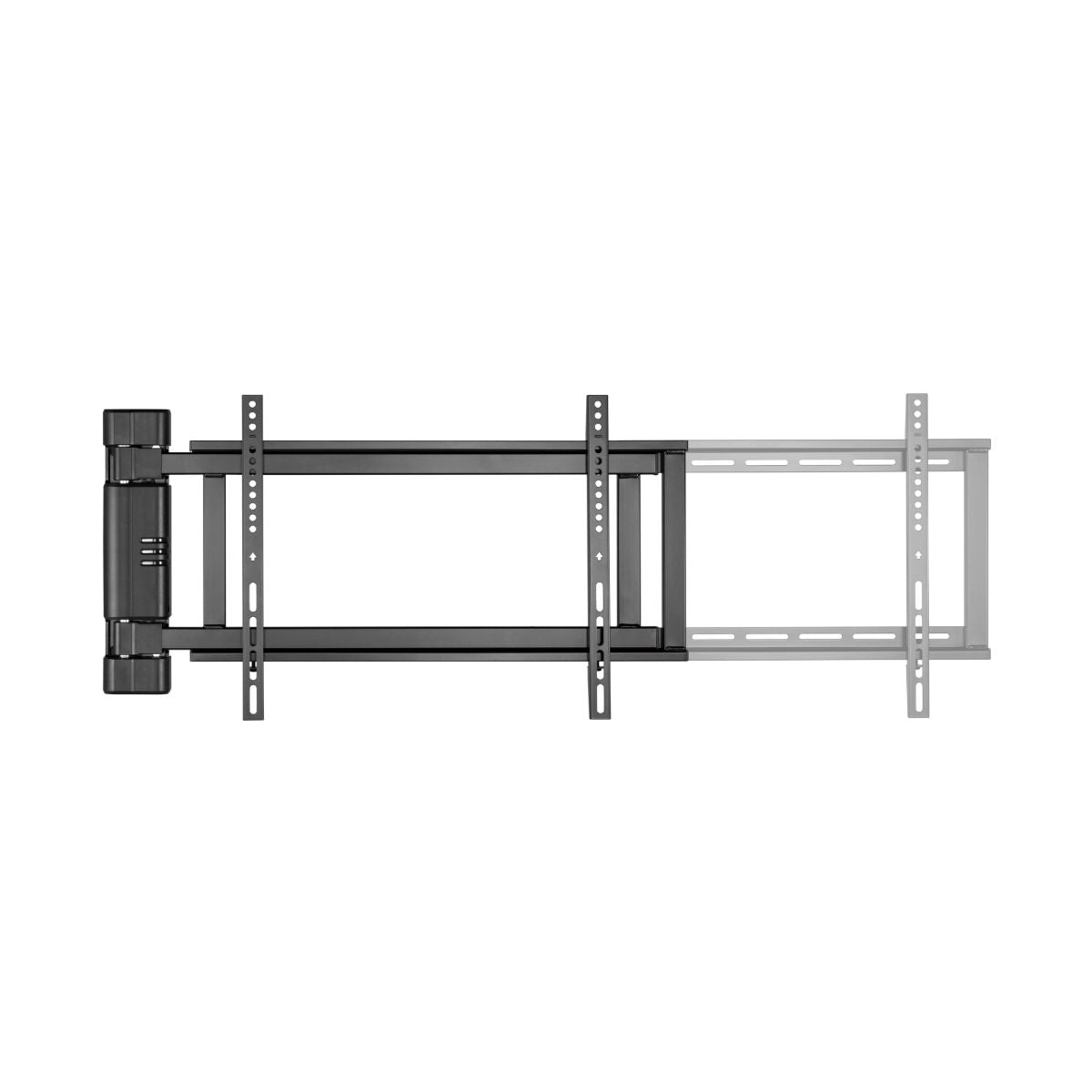
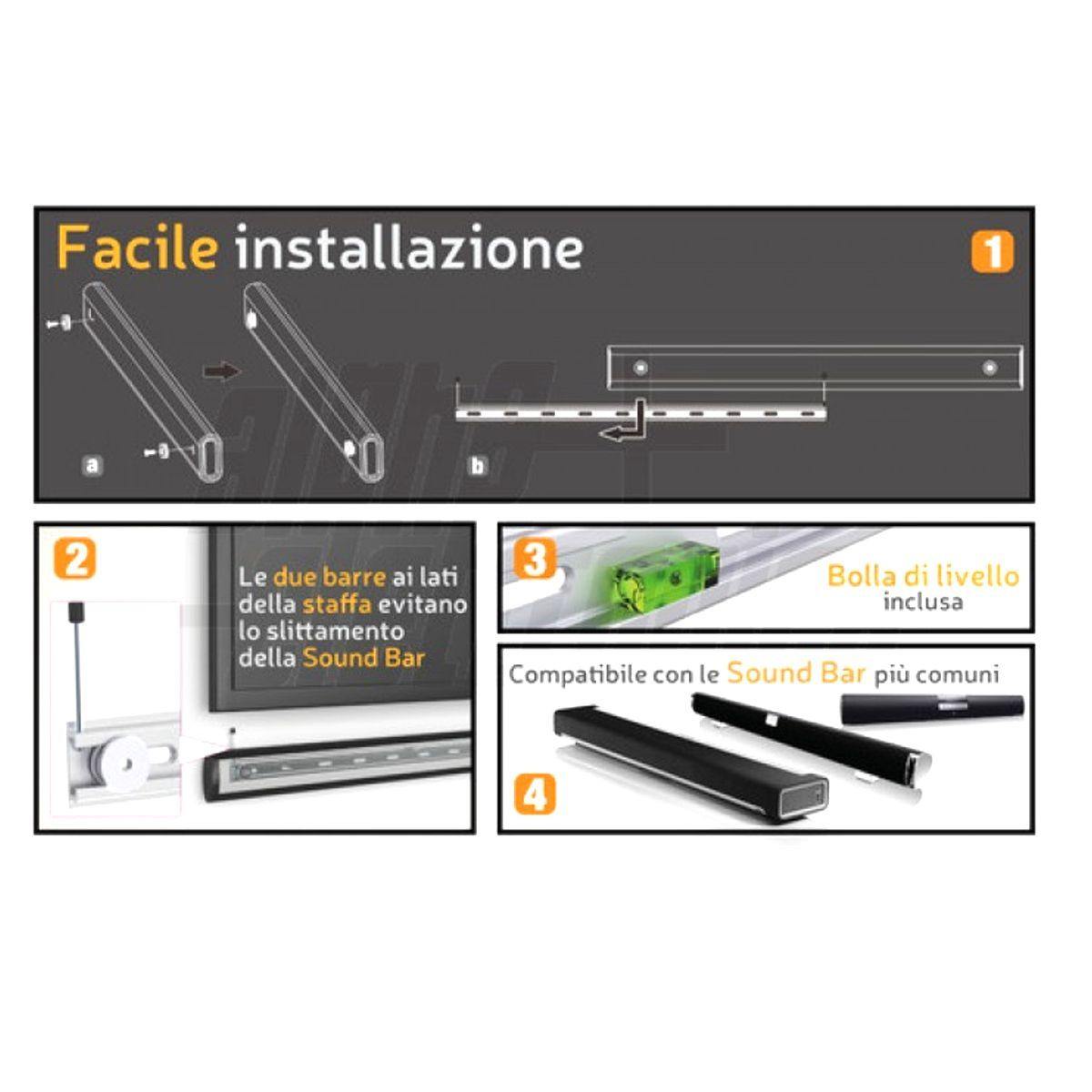
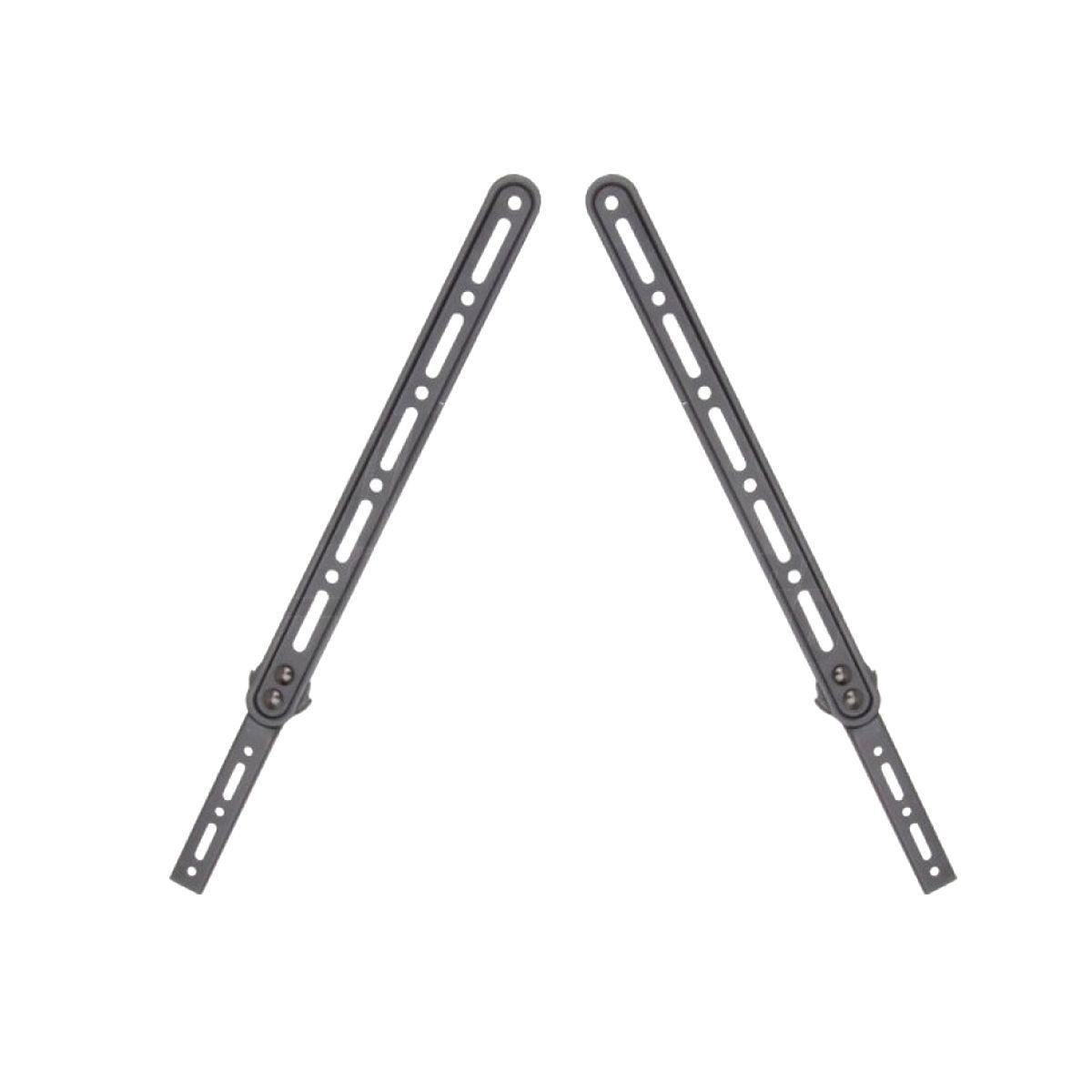
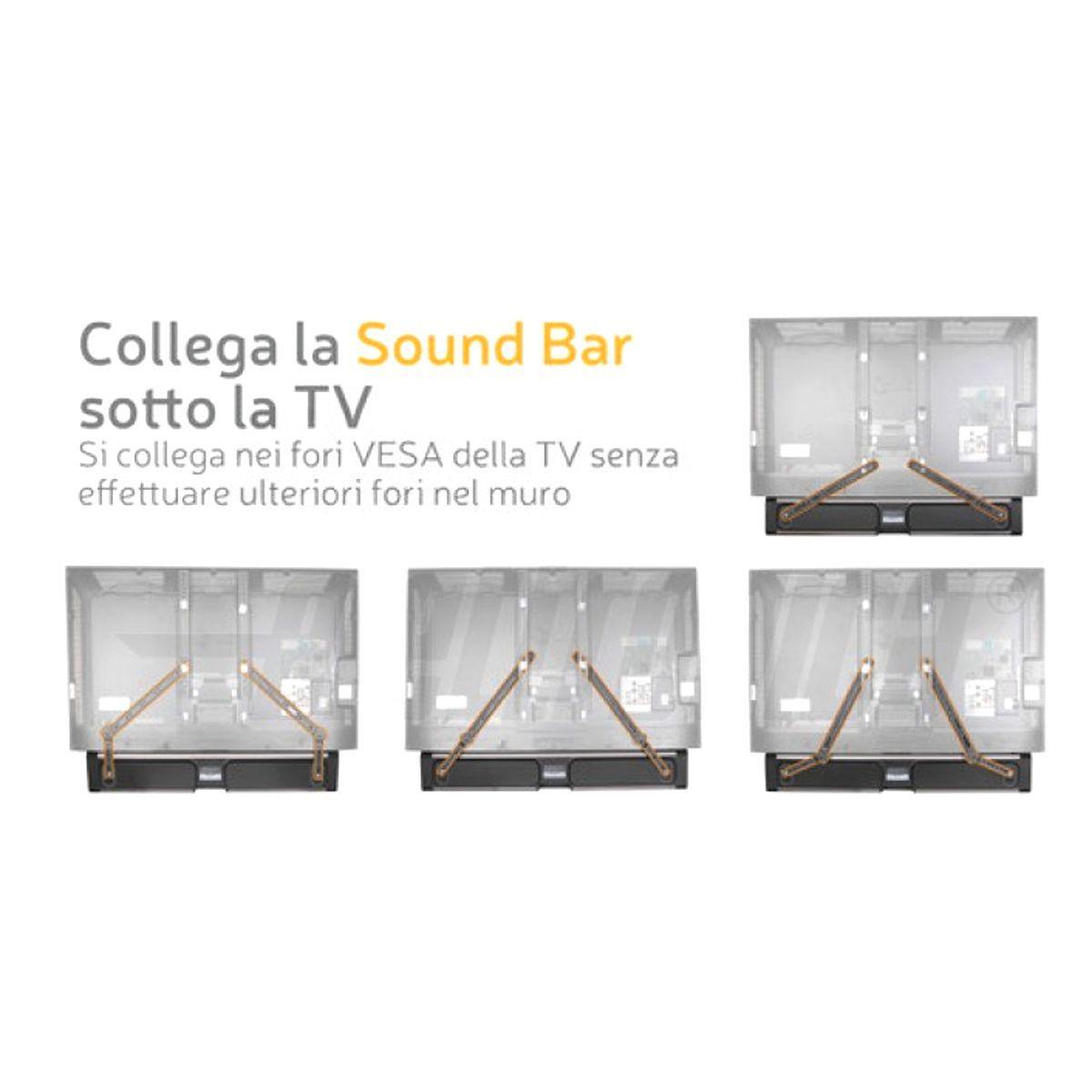
| Soundbar under a TV already mounted on the wall | Brackets that attach to the TV's VESA holes |
| Soundbar with TV sitting on furniture | Universal wall brackets, width-adjustable |
Height and orientation: the two rules that matter
Front speakers need their tweeters at ear level when seated, which in a standard living room means about 110-120 cm from the floor. If furniture placement forces you to mount them higher, tilting them downwards recovers most of what you lose: this is exactly why dual-joint brackets exist.
Rear surround speakers, on the other hand, should be placed above head level, roughly 60-90 cm higher than the ear, slightly set back and aimed toward the center of the room. The 360° rotation is useful specifically so you don't have to hit the exact spot perfectly when drilling.
Pro tip. Before drilling, test the position by holding the speaker in place and listening: two people and ten minutes of effort will save you from having four holes to fill later. For soundbars, the check that is most often skipped is whether the bar, once mounted, covers the television's infrared sensor or its status LED: you usually discover this only after finishing the installation, when the remote control stops responding. Finally, always leave a few centimeters of air behind the speaker: a rear bass-reflex port pressed against a wall will muddy the bass.
Frequently asked questions
Are these brackets suitable for any speaker?
You need to check two things: the weight of the speaker relative to the bracket's load capacity, and the type of mounting point on the back. Many compact speakers have a threaded hole or a dedicated plate; others must be secured with a strap or cradle. The dimensions are listed on each individual product page.
Can I mount the soundbar without drilling into the wall?
Yes, if your television is already wall-mounted: VESA-compatible brackets attach to the rear holes of the TV and hold the bar above or below the screen, without touching the wall. If the television is sitting on a piece of furniture, a wall-mount bracket is required.
Can they be mounted on drywall?
A compact speaker is light and can be mounted on drywall, provided you use toggle bolts or expansion anchors appropriate for the thickness of the board. A soundbar, which protrudes from the wall and creates leverage, is a less straightforward case: if the wall is drywall, it is best to secure it to the internal metal studs.
Do I need to buy cables too?
Almost always, yes: the length of the included cable is designed for a speaker placed on a surface, not one mounted on a wall across the room. Measure the actual path, including conduit, and add a few meters for margin.
See also wall TV mounts, audio-video distribution, and bulk audio cable.