
























Patron brand products
Filter
Sort by:


Patron: the brand for spare parts no longer made
Patron is the brand we turn to when we need a bulb that the market has stopped considering interesting. Not the latest generation of LEDs, but halogens, compact fluorescents, and special incandescents: the bases and formats that keep perfectly functional appliances alive. A floor lamp with a bayonet base, an oven, a hood, a sewing machine, a swimming pool, an AR111 spotlight: appliances that no one throws away, and for which you need the exact part.
It is the type of product that makes a shop with twenty years of history behind it useful: we know what fits what, because we sold those lamps when they were the standard.
Base reference table
| Base | Where found | To verify |
|---|---|---|
| R7s linear | Halogen floodlights, floor lamps, construction site projectors | The length: 78, 117, or 118 mm. They are not interchangeable |
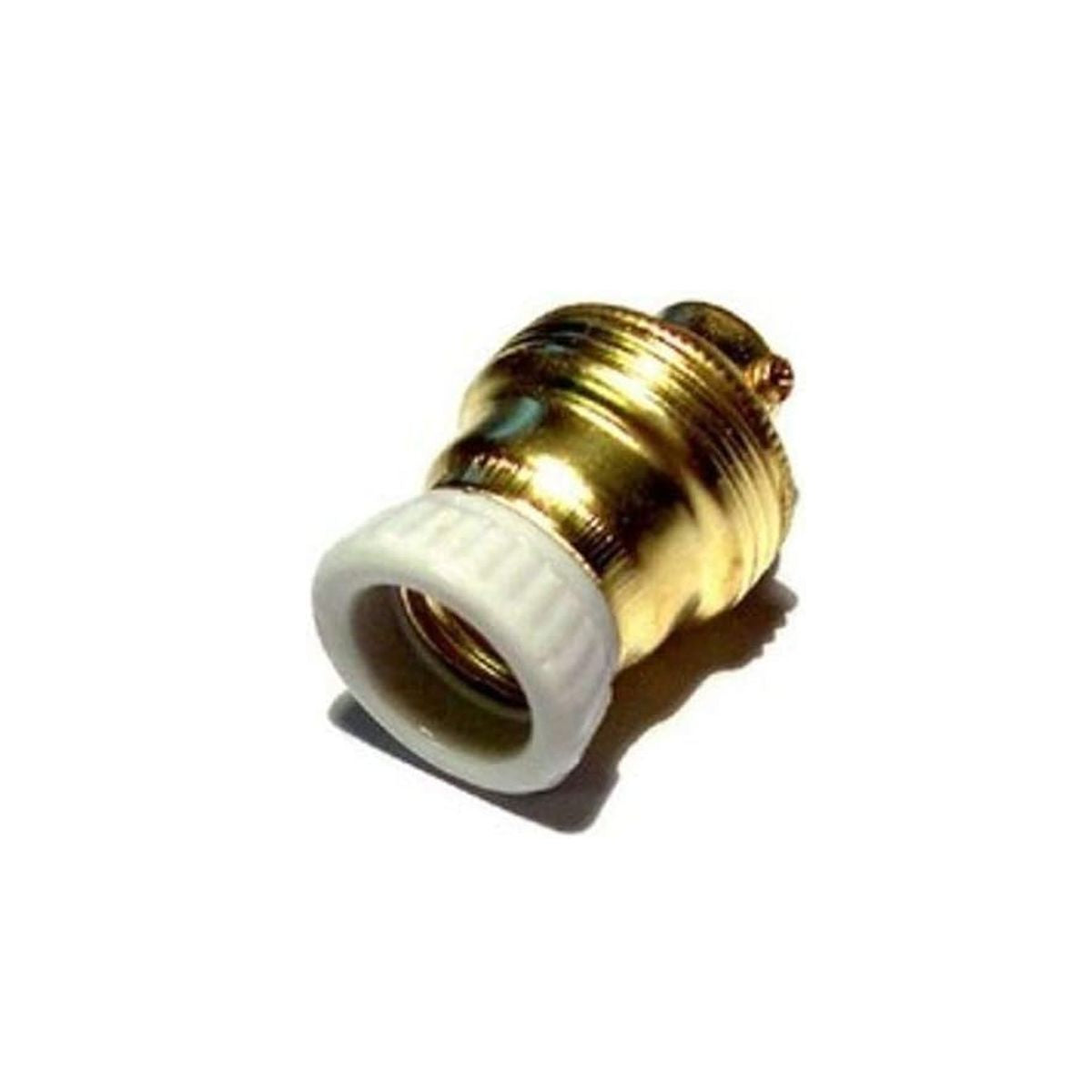
| BA15D bayonet | Floor lamps, Singer, Necchi, Pfaff sewing machines | Two side pins, pushes in and twists |
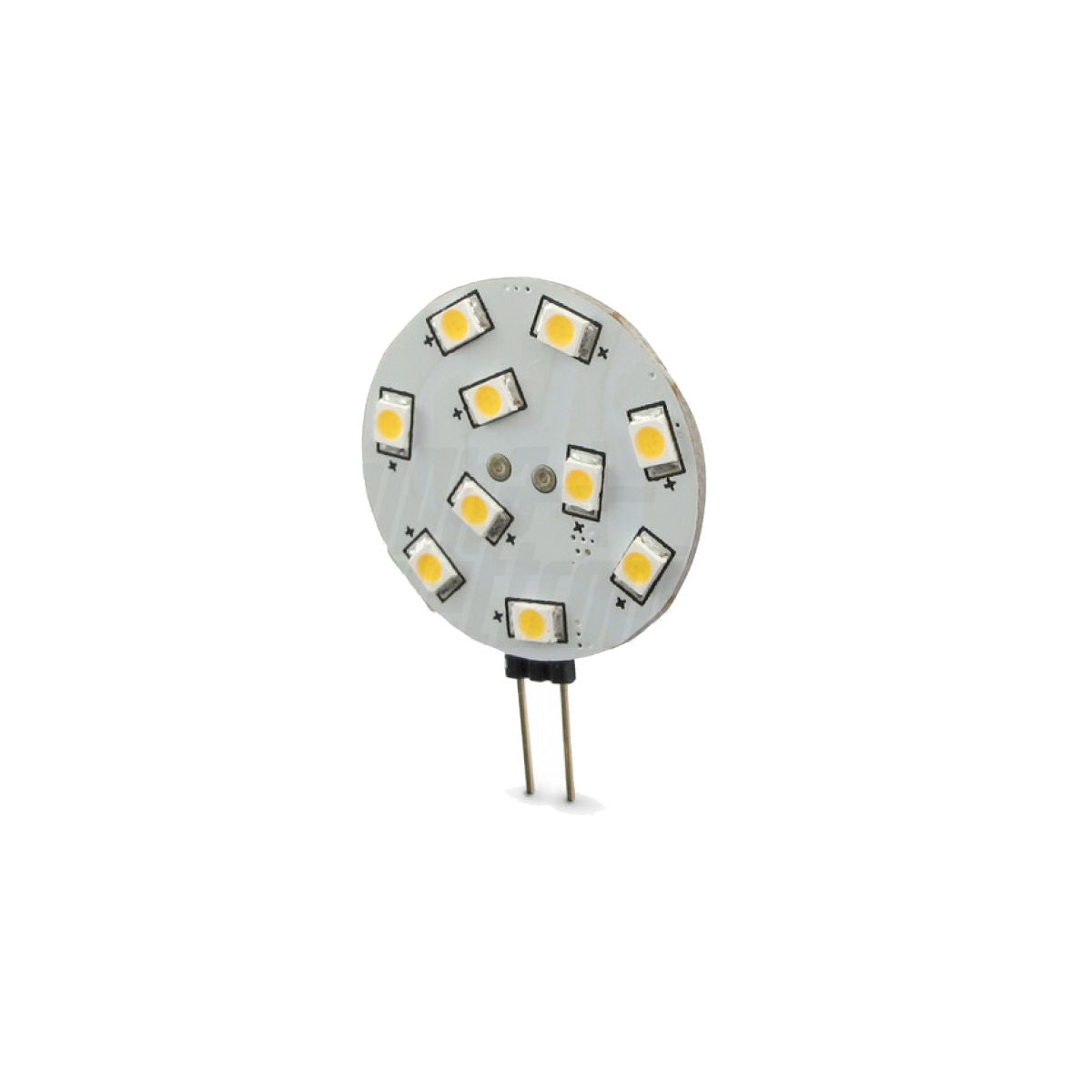
| G4 and GY6.35 bi-pin | 12V and 24V low-voltage spotlights, table lamps | Distance between pins and power supply voltage |
| G53 AR111 | Recessed spotlights and tracks in shops and showrooms | The beam angle: 24°, 40°, or 45° completely change the effect |
| PAR56 | Swimming pool projectors | 12V voltage and projector power |
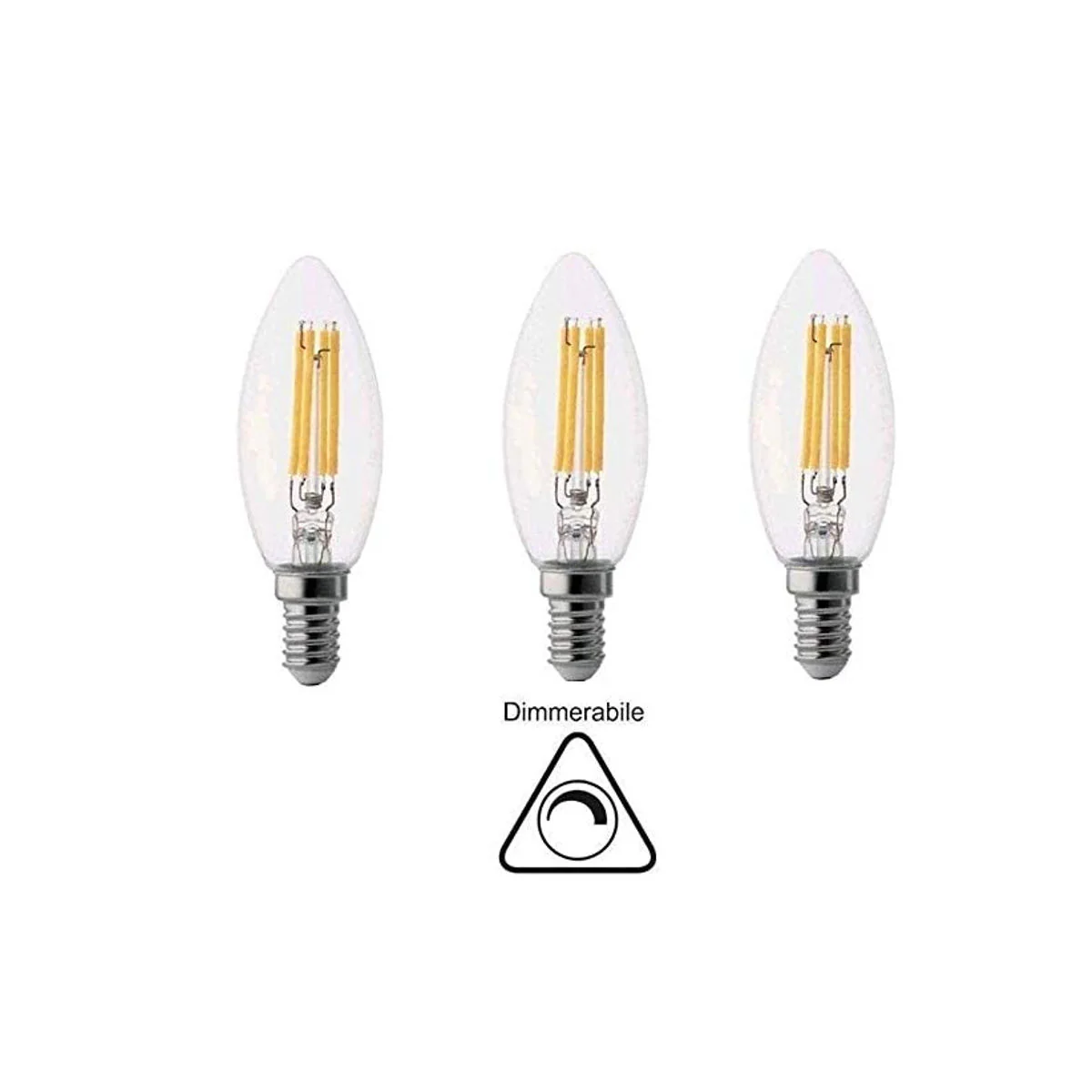
| E27 and E14 | Chandeliers, wall lamps, oven and hood bulbs | Shape (candle, olive, sphere, tubular) and dimensions in the socket |
| G23, G24, 2G11, GR10q, GX24 | Compact fluorescents for ceiling lights and office fixtures | Number of pins (2 or 4) and color temperature |
Lamps for special uses
These are lamps that do not exist in an LED version, or would not work as LEDs. An oven lamp withstands 300 degrees, a condition that would destroy LED electronics. A range hood lamp operates in heat and greasy vapors. A lava lamp bulb is needed precisely because it gets hot: it is the heat that moves the wax. A sewing machine lamp has a bayonet base and dimensions that no generic replacement meets. Here, old is not obsolete: it is the only thing that works.
Pro tip. With R7s bulbs, the error is always the same: you order by looking at the wattage and forget about the length. 78, 117, and 118 mm are three different parts and will not fit in place of one another. Measure the old lamp from contact to contact before ordering, or measure the inside of the socket. And if one day you want to switch to LED in the same fixture, check first that the light does not have an incompatible transformer or dimmer: this often happens with old projectors.
Frequently asked questions
Can halogen and fluorescent bulbs still be bought?
Yes, as discontinued lines and while supplies last. The European Union's Ecodesign framework has progressively withdrawn various types of lamps from the market, but the sale of existing stock remains permitted. These are spare parts for appliances that still work, and replacing them entirely would have a greater environmental and economic cost.
Can I use an LED in place of a halogen?
It depends on the appliance. For direct mains bases like E27 and E14, generally yes. For low-voltage spotlights with electronic transformers and dimmable fixtures, often no, or not without flickering: the transformer has a minimum load that an LED does not reach. In those cases, the halogen replacement remains the solution that works.
What does "92W output" mean on a 70W halogen?
It means that the lamp consumes 70W but produces the luminous flux of an old 92W incandescent, thanks to the more efficient halogen cycle. It is the equivalence needed to replace it without changing the lighting feel of the room.
How do I choose the angle of an AR111?
Narrow beams (24°) to illuminate a precise object, a painting, a display. Wide beams (40–45°) to illuminate an area, a table, a room. In the same room, they are mixed on purpose, depending on what needs to be highlighted.
How should fluorescent lamps be disposed of?
They contain small amounts of mercury and must be taken to the appropriate collection containers for waste lamps, never in general waste or glass recycling. Halogens and incandescents, which do not contain mercury, follow the collection rules provided by your local council.
See also halogen lamps, compact fluorescent lamps, incandescent lamps, and all light bulbs.