






















































Rechargeable Batteries
Filter
Sort by:
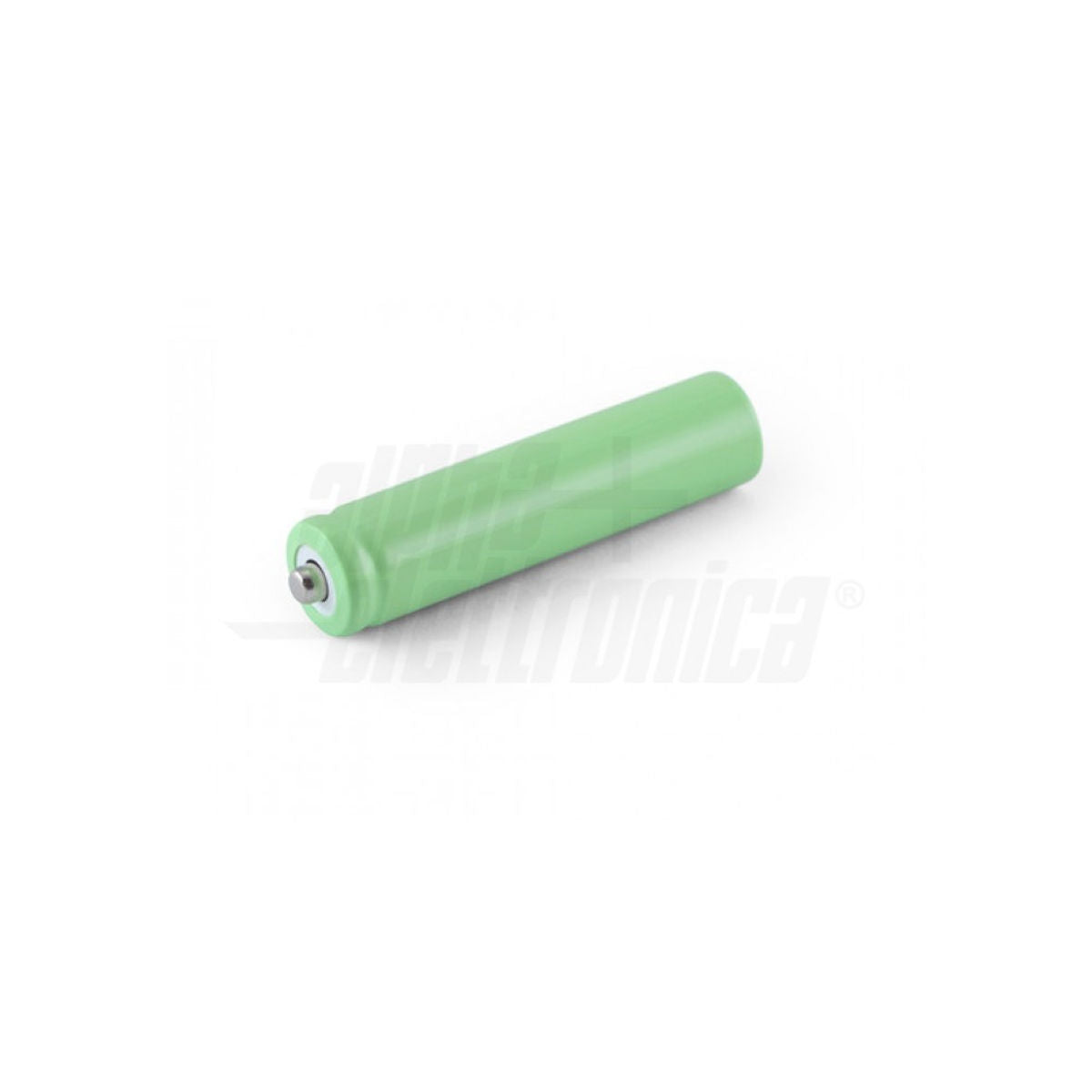
Rechargeable batteries: what counts is the pack, not the individual cell
Rechargeable batteries are almost always purchased as replacements: the emergency light that stays off after a blackout, the cordless phone that lasts ten minutes, the electric grater that no longer works, the burglar alarm siren that goes off on its own. In all these cases, you aren't choosing a technology; you are looking for a part identical to the one you removed. Three pieces of information are needed: voltage, cell size, and terminal type.
How to read a battery pack
A 3.6V pack is made of three 1.2V cells soldered in series; a 4.8V one has four, a 6V one has five. The code that follows (2SC, 3SC, 4SC, 3AA, 5AA) indicates how many cells there are and their format: SC is the sub-C, the stubby cylinder typical of emergency lamps; AA is the classic stylus. Therefore, "3.6V 1600mA 3SC Molex" is read as: three sub-C cells in series, 1600 mAh, with a pre-wired Molex connector.
Selection table
| Device | Typical voltage and format | Terminal |
|---|---|---|
| Beghelli, Relco, and similar emergency lamps | 2.4V – 6V, from 2SC to 5SC or 2AA/3AA | Plug-in Molex or solder tabs |
| Cordless phone | Individual 1.2V AAA or 2.4V pack | Standard or dedicated connector |
| Electric grater and small appliances | 2.4V – 3.6V, 2SC or 3SC | Solder tabs |
| Electronic boards and backup memory | 3.6V, 80 – 160 mAh | Leads for printed circuit board |
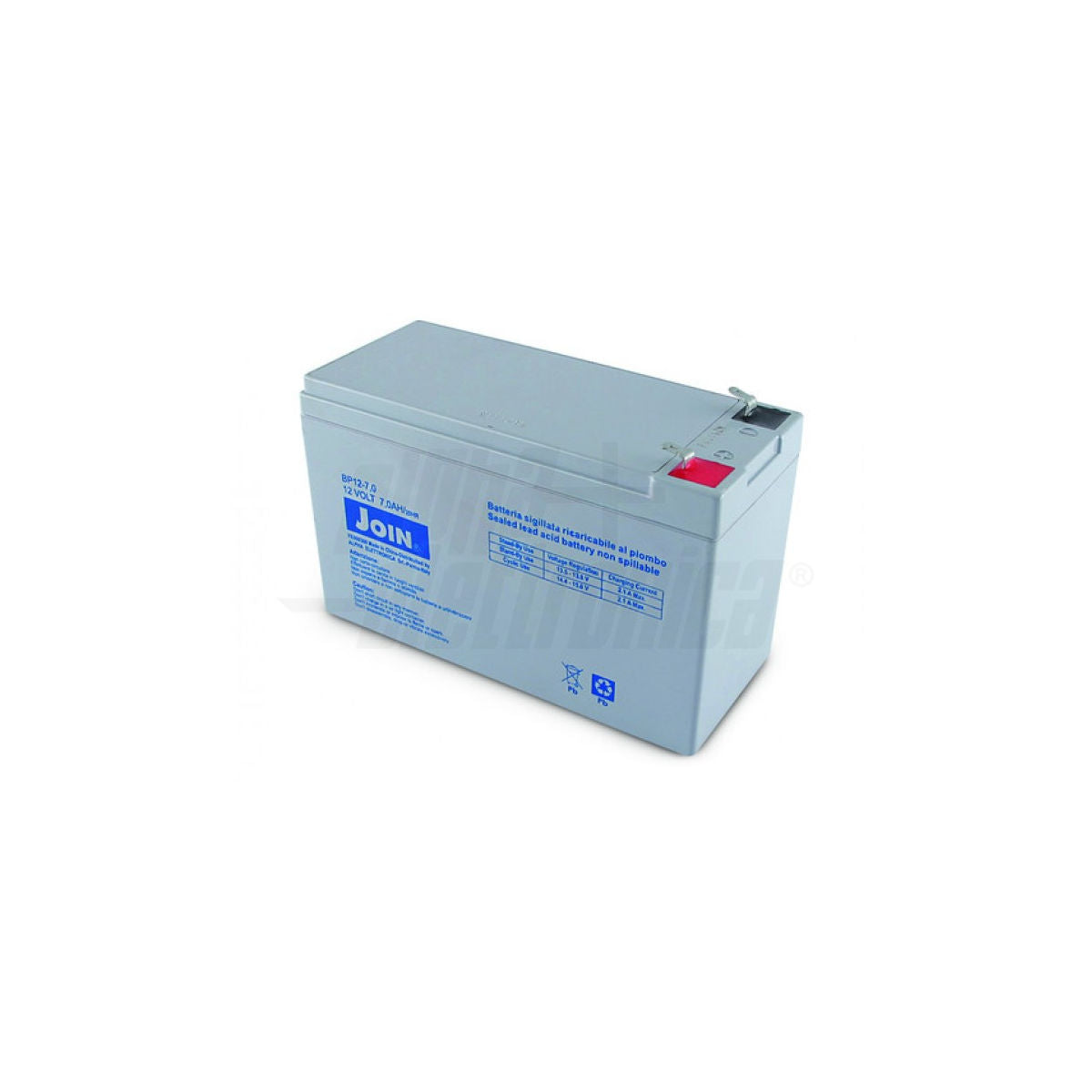
| Alarm siren, UPS, scooter | 6V or 12V AGM lead-acid, 2.2 to 12 Ah | Faston contacts |
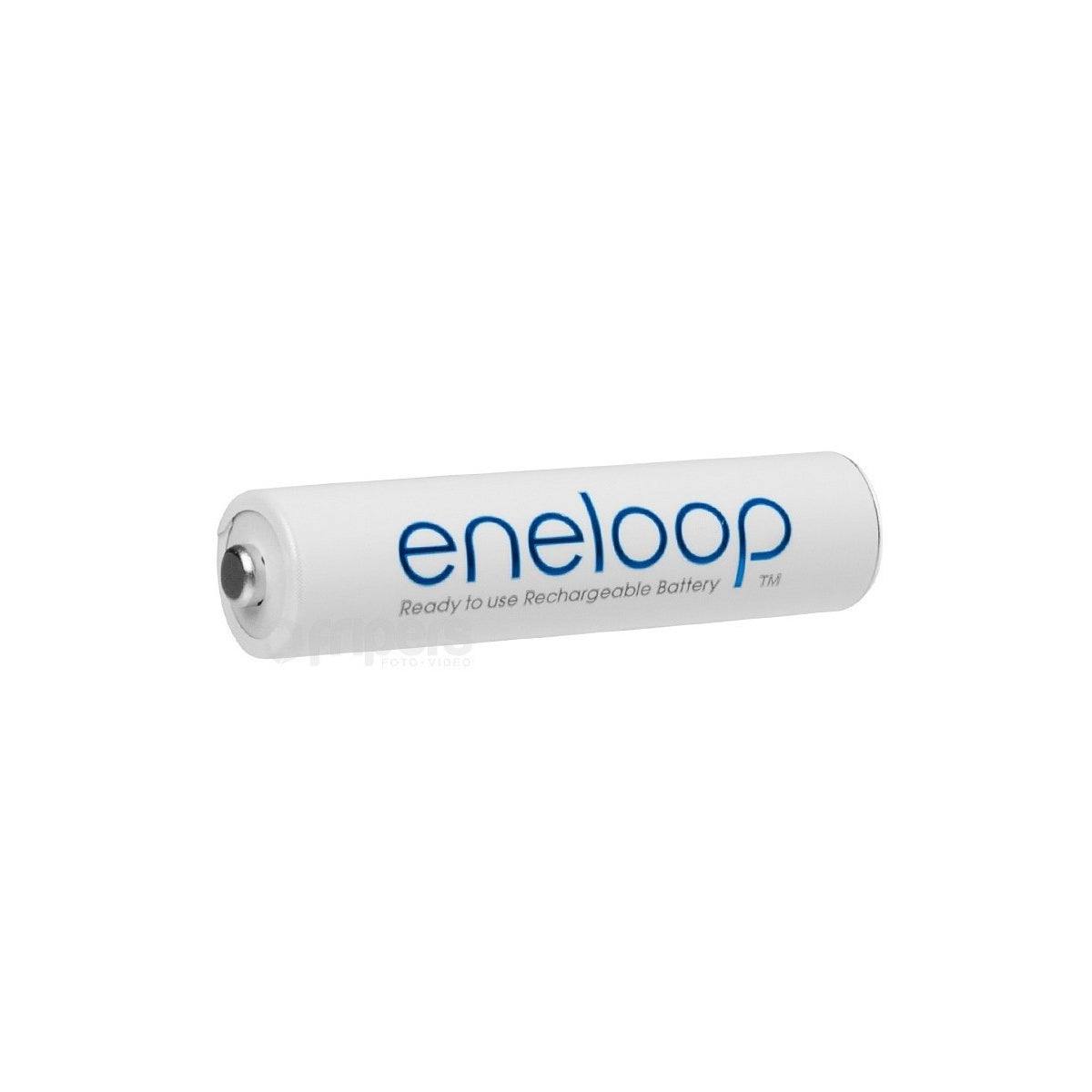
| General use (mouse, flashlights, toys) | 1.2V NiMH AA or AAA, 700 – 2500 mAh | Standard |
NiCd or NiMH: which one to choose
The voltage per cell is identical (1.2V), so in most emergency lamps, the two technologies are interchangeable. Their characteristics differ: NiMH offers more capacity for the same size and is the best choice for cordless phones and frequent use; NiCd handles deep discharges, continuous charging, and high temperatures better, which is why it remains the standard in emergency ceiling lights that are always being charged.
AGM lead-acid for alarms and uninterruptible power supplies
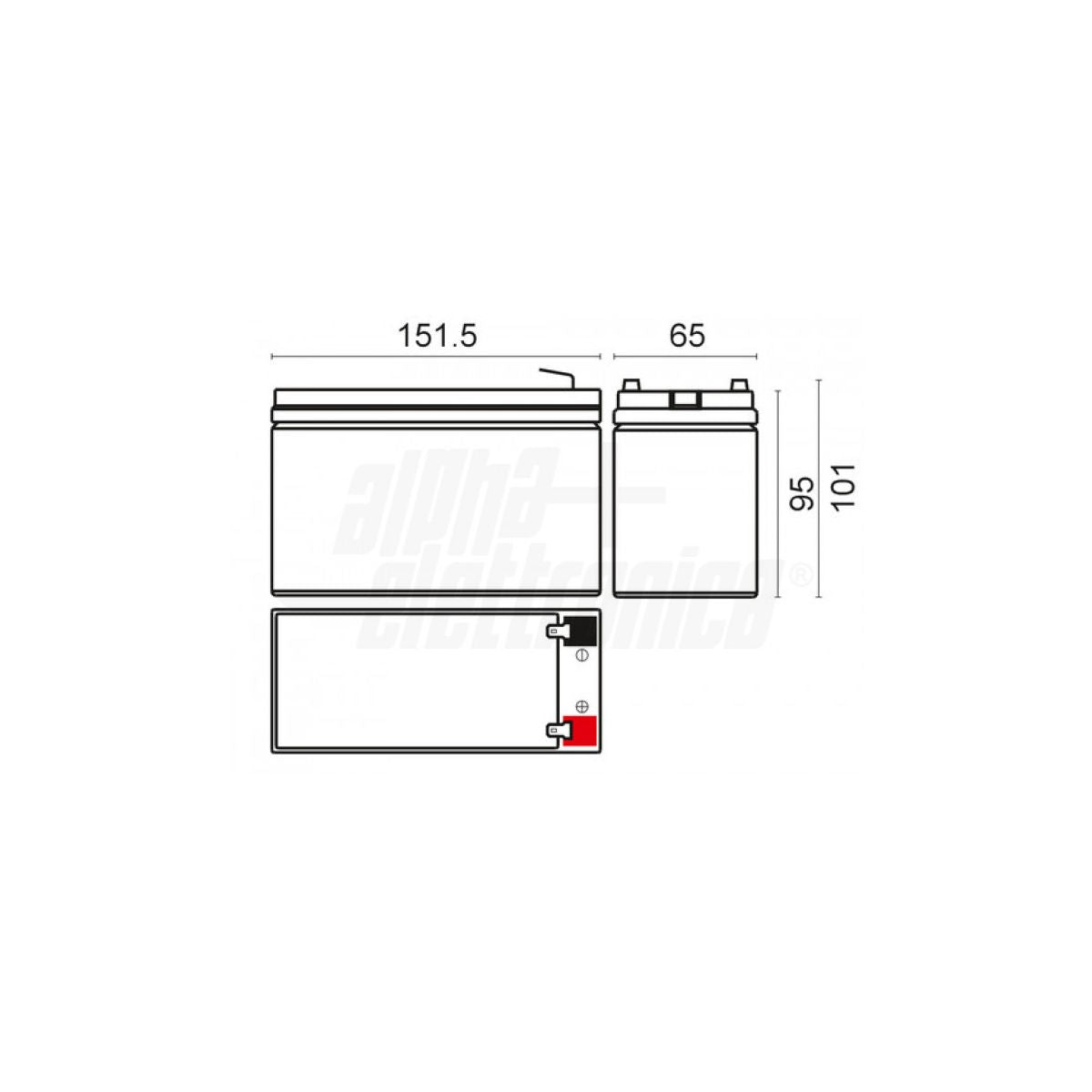
AGM batteries are sealed, maintenance-free batteries with 4.8 or 6.3 mm Faston contacts. They should be replaced by adhering to the voltage (6V or 12V) and capacity in ampere-hours: a higher capacity is allowed if there is space in the compartment, while a lower one reduces runtime during a power outage. For uninterruptible power supplies (UPS), always check the dimensions before ordering.
Pro tip. In emergency lamps, voltage and capacity often match across different models: what changes is the connector. Before ordering, open the device and take a photo of the terminal. If it is a Molex, count the pins; if they are tabs, check if they come out of the same side or opposite sides. With that photo, we can tell you in a minute what the right replacement is.
Frequently asked questions about rechargeable batteries
Can I use a higher capacity than the original?
Yes, provided that the voltage, format, and terminal remain identical. More mAh means more runtime and slower charging. Voltage, however, must not be changed: it must match exactly what is indicated on the device.
The new battery arrives discharged: is this normal?
Yes. NiMH and NiCd batteries self-discharge naturally during storage. They must be fully charged before first use; for emergency lamps, the first full charge cycle typically requires 24 hours connected to the mains.
How often should the battery of an emergency lamp be changed?
Under normal conditions, after 3–5 years, or less if the device is installed in a warm environment. The alarm signal is runtime: if during testing the lamp does not hold for the declared time, the pack is at the end of its life even if the charge indicator light remains on.
Are USB-C lithium or NiMH rechargeables better?
Lithium rechargeable batteries with USB-C charging deliver a constant 1.5V and recharge without a dedicated battery charger: excellent where alkaline batteries drained too quickly. 1.2V NiMH batteries remain preferable where the device was designed for rechargeables, such as cordless phones. You can find them on the lithium batteries page.
Can the cells be soldered directly?
Only with pre-fitted tabs and rapid soldering. Soldering directly onto the cell body overheats it and compromises its integrity: this is why you will find versions already equipped with tabs or leads in our catalog.
For an overview of all technologies, go to the batteries page; if you are looking for the complete device, see the emergency lamps.





