


























Power supplies
Filter
Sort by:

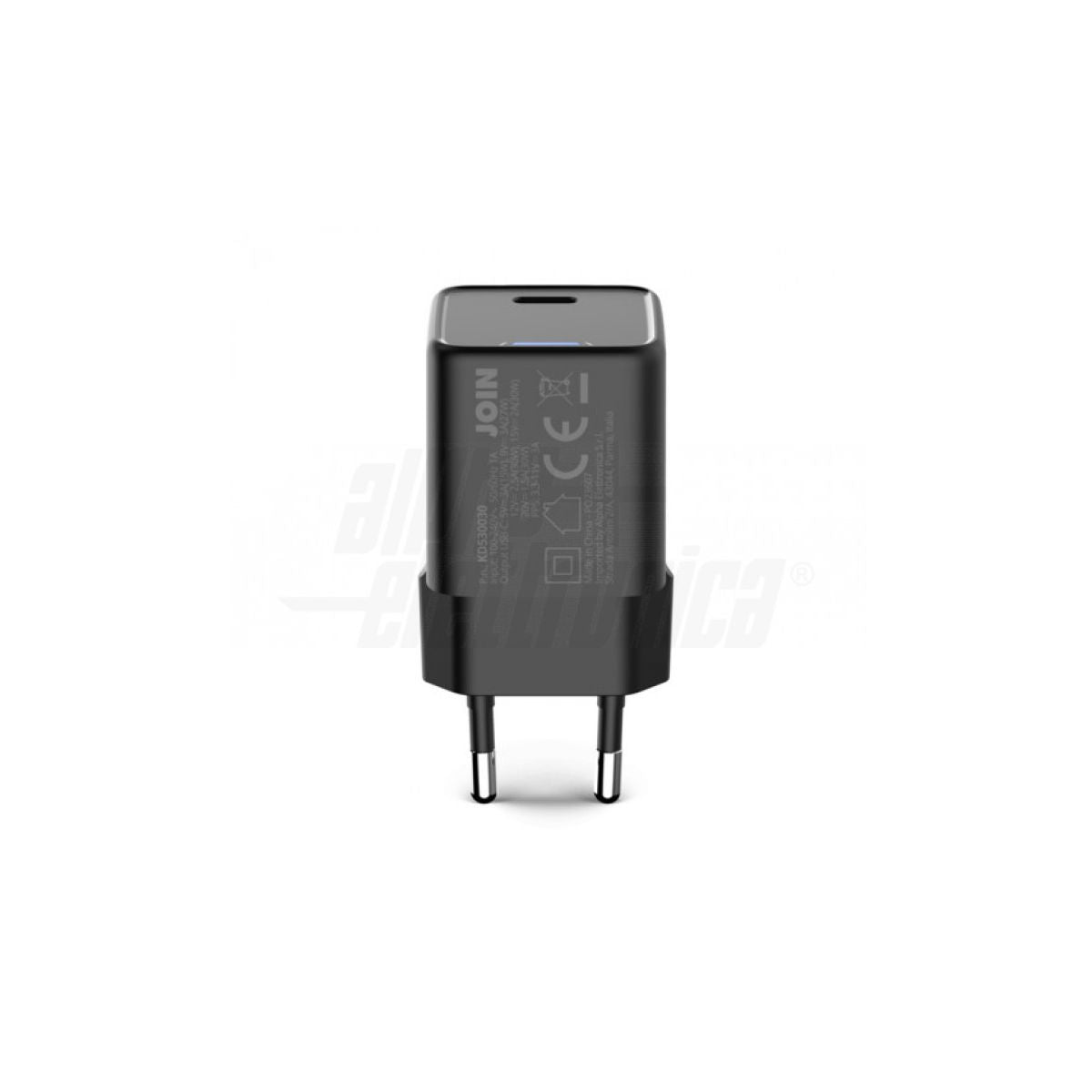
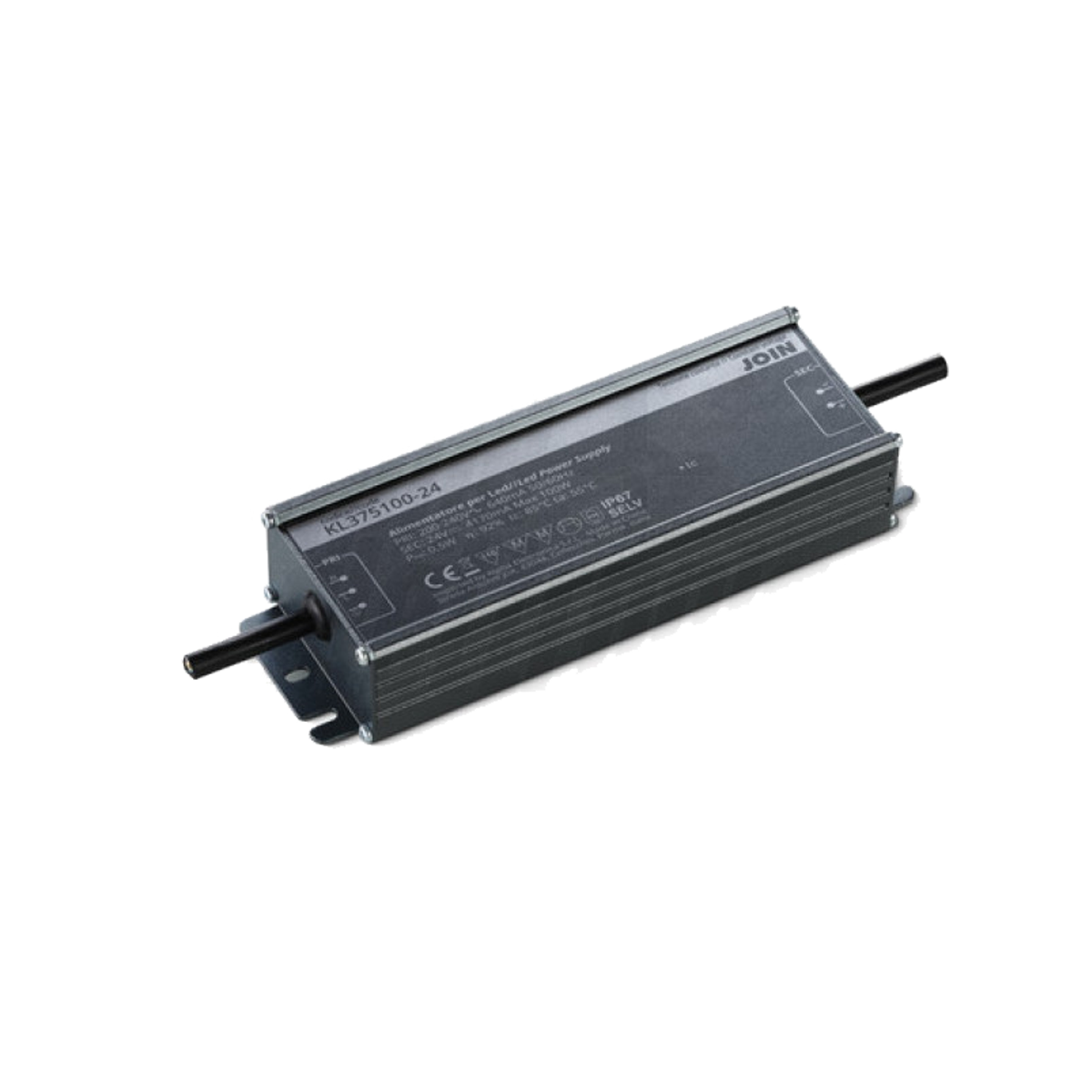
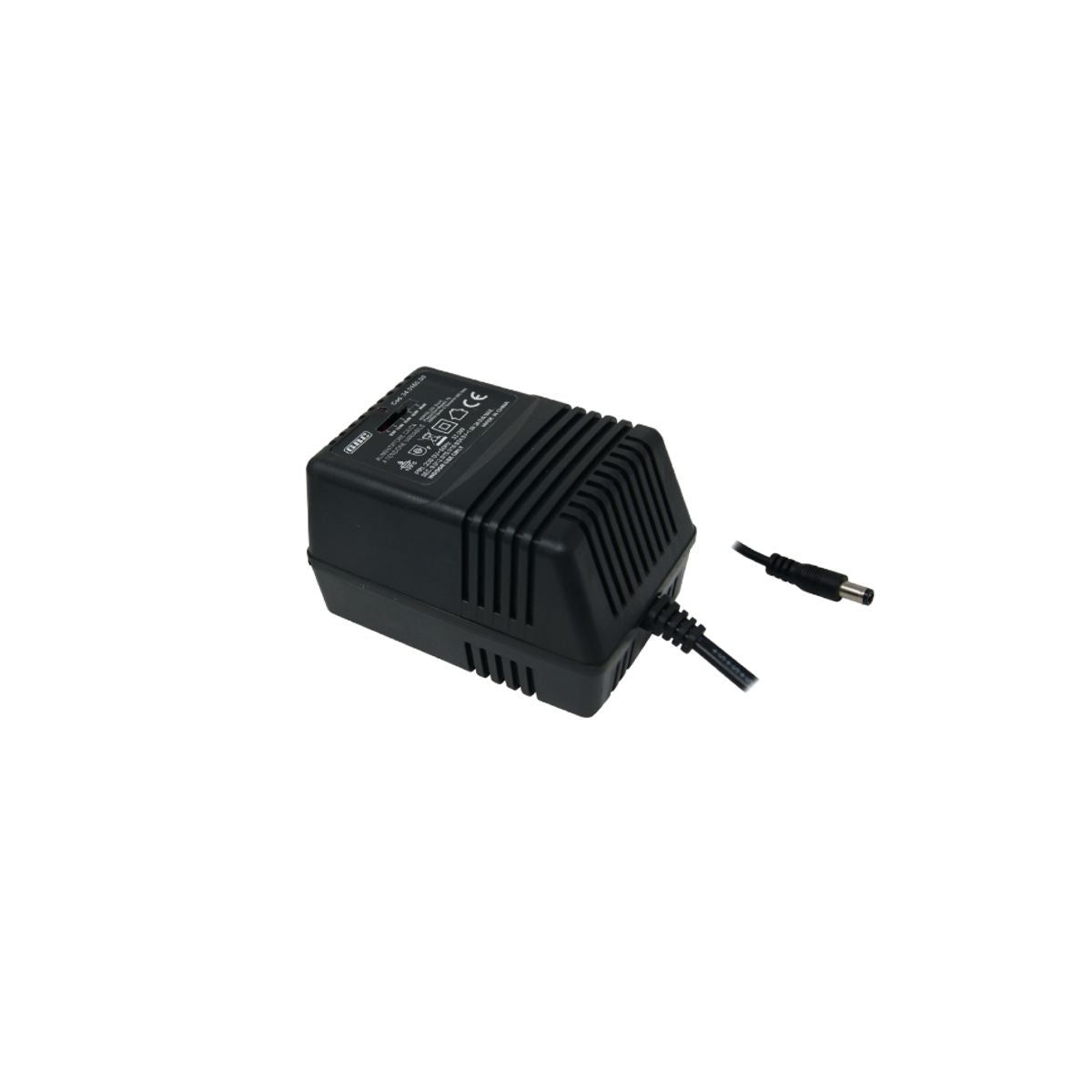
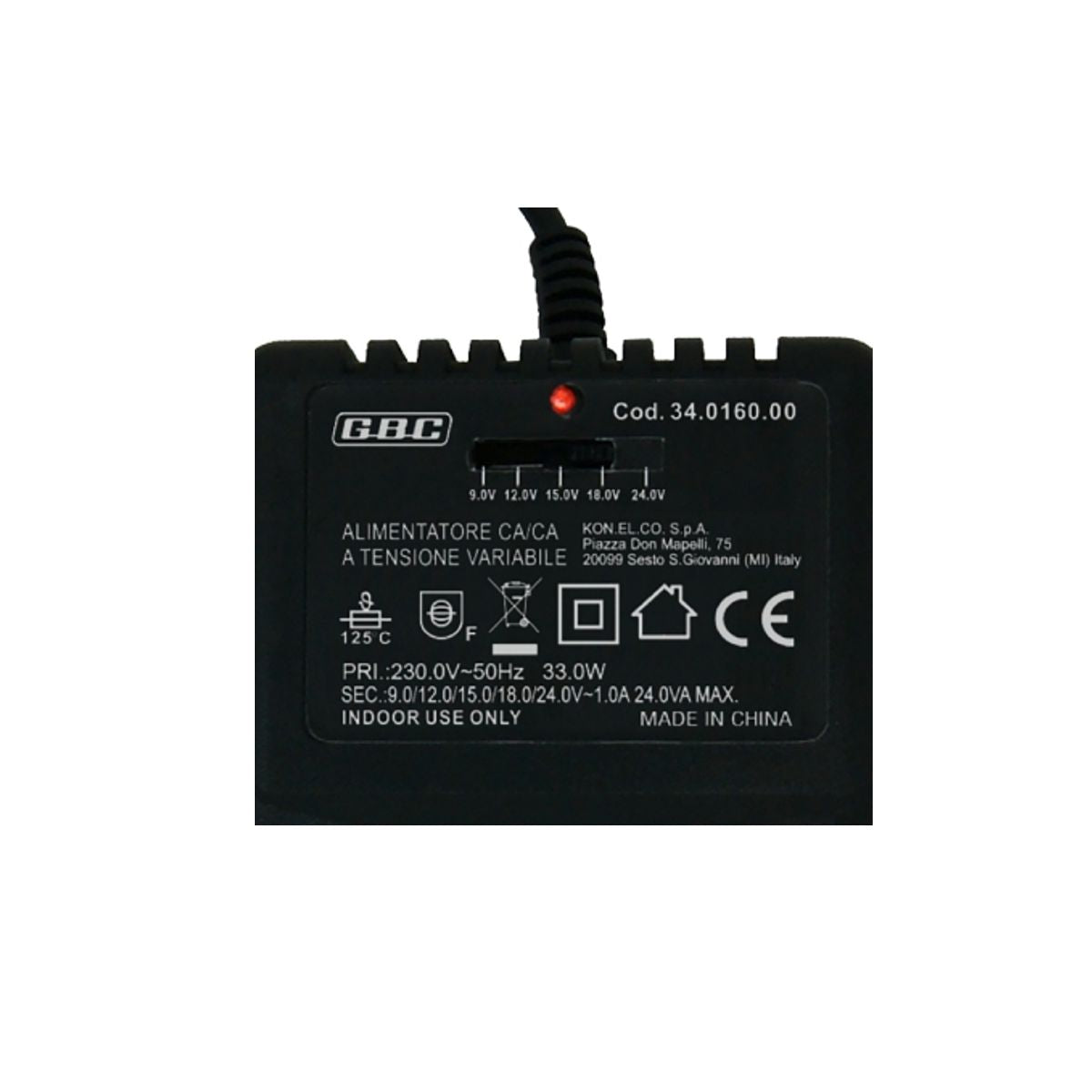
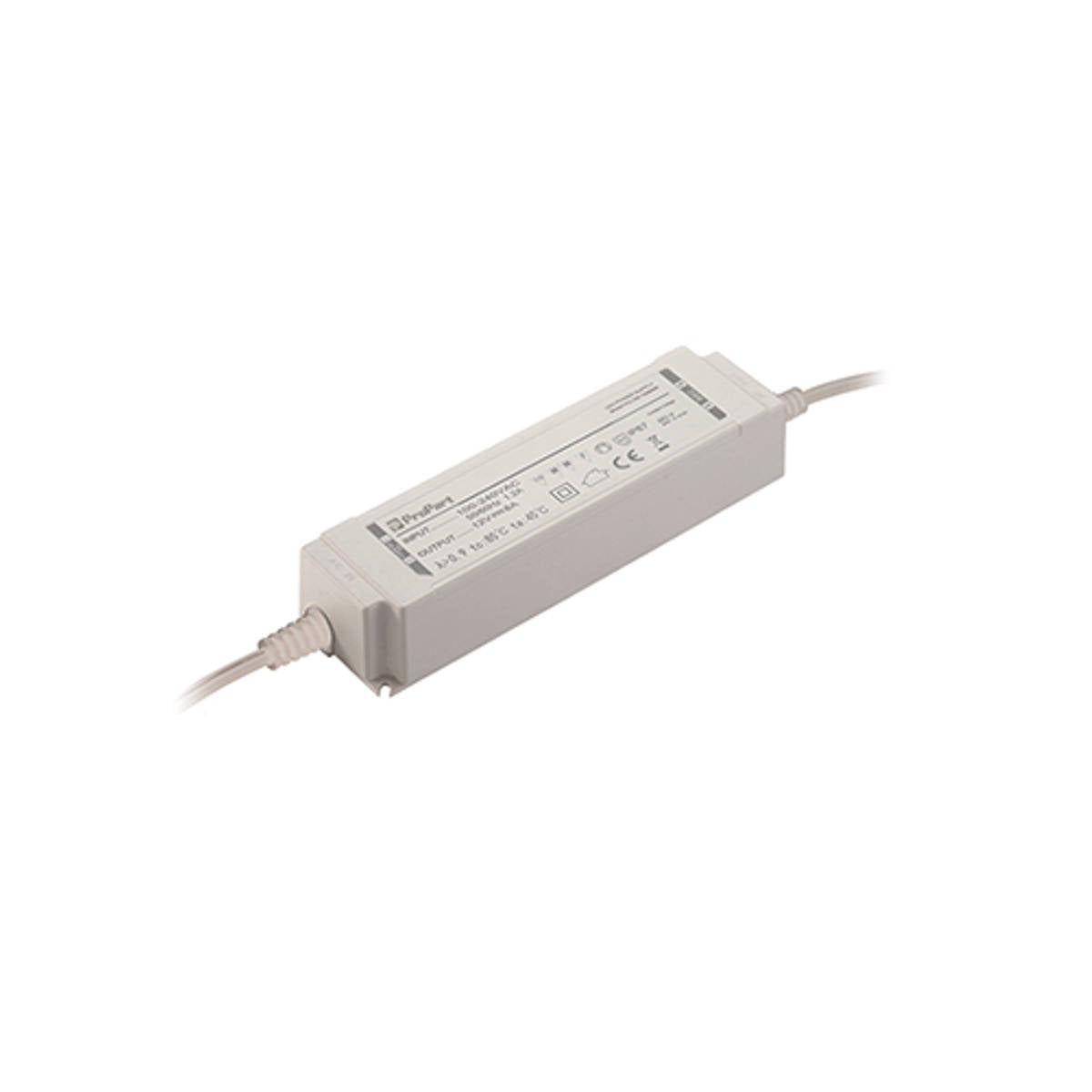
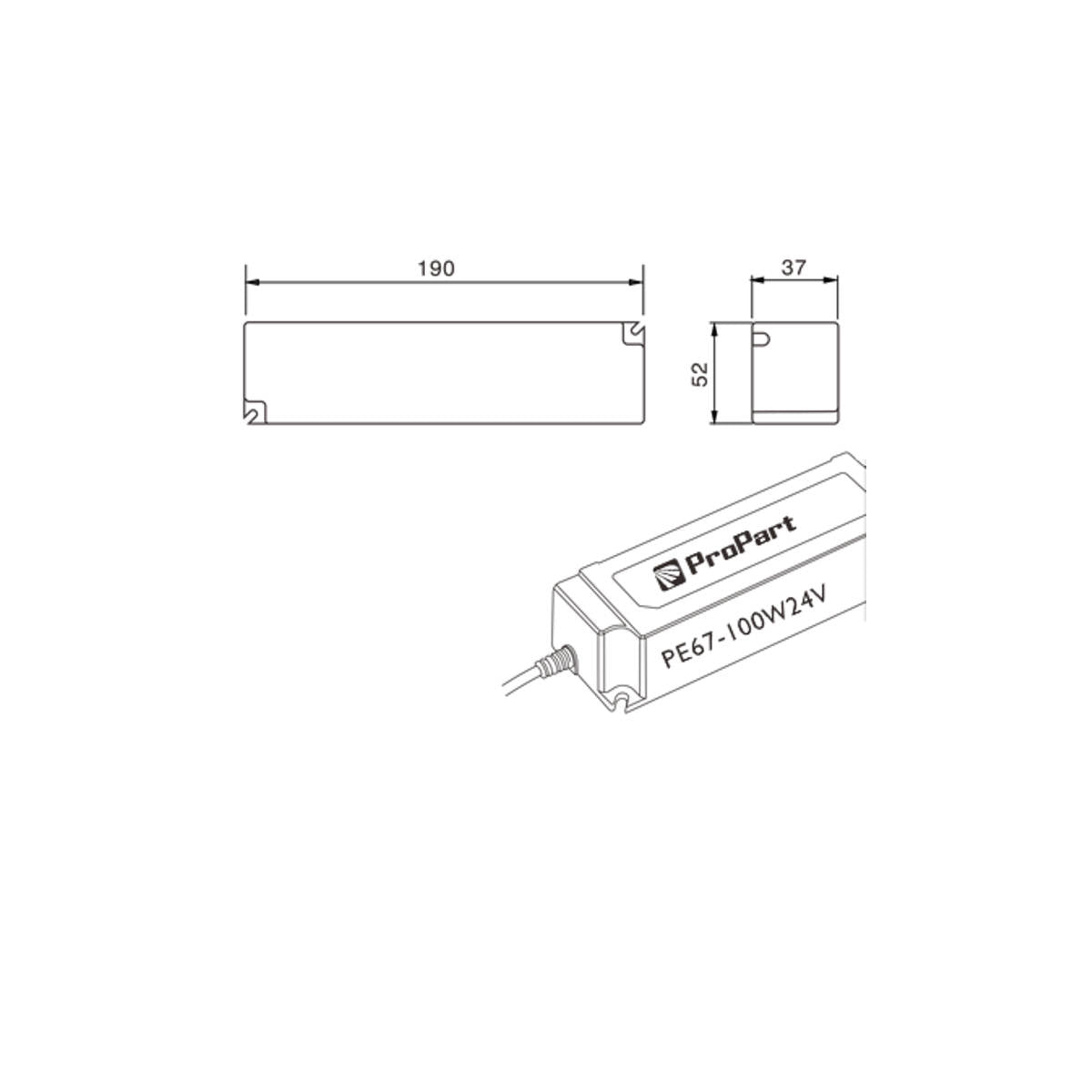
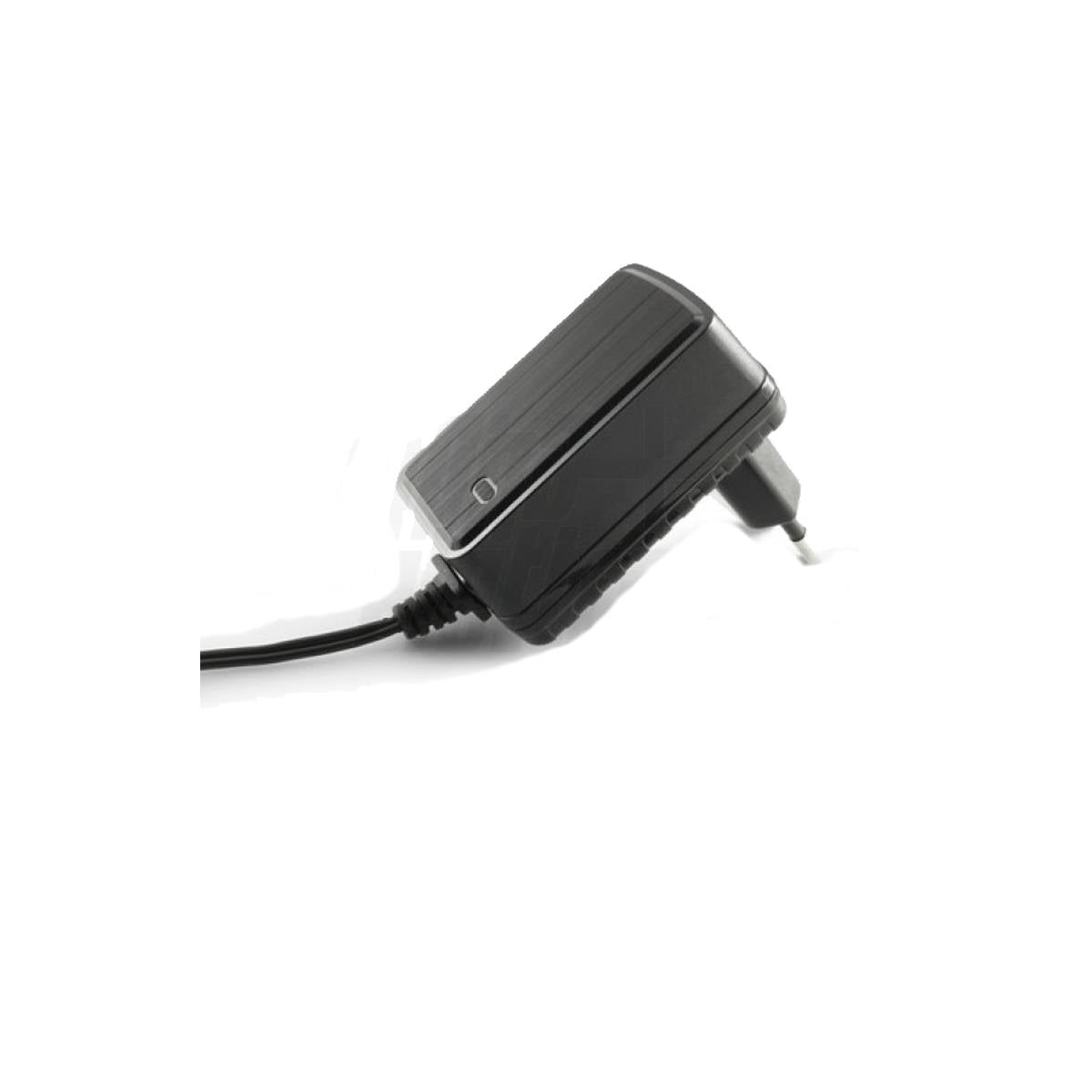
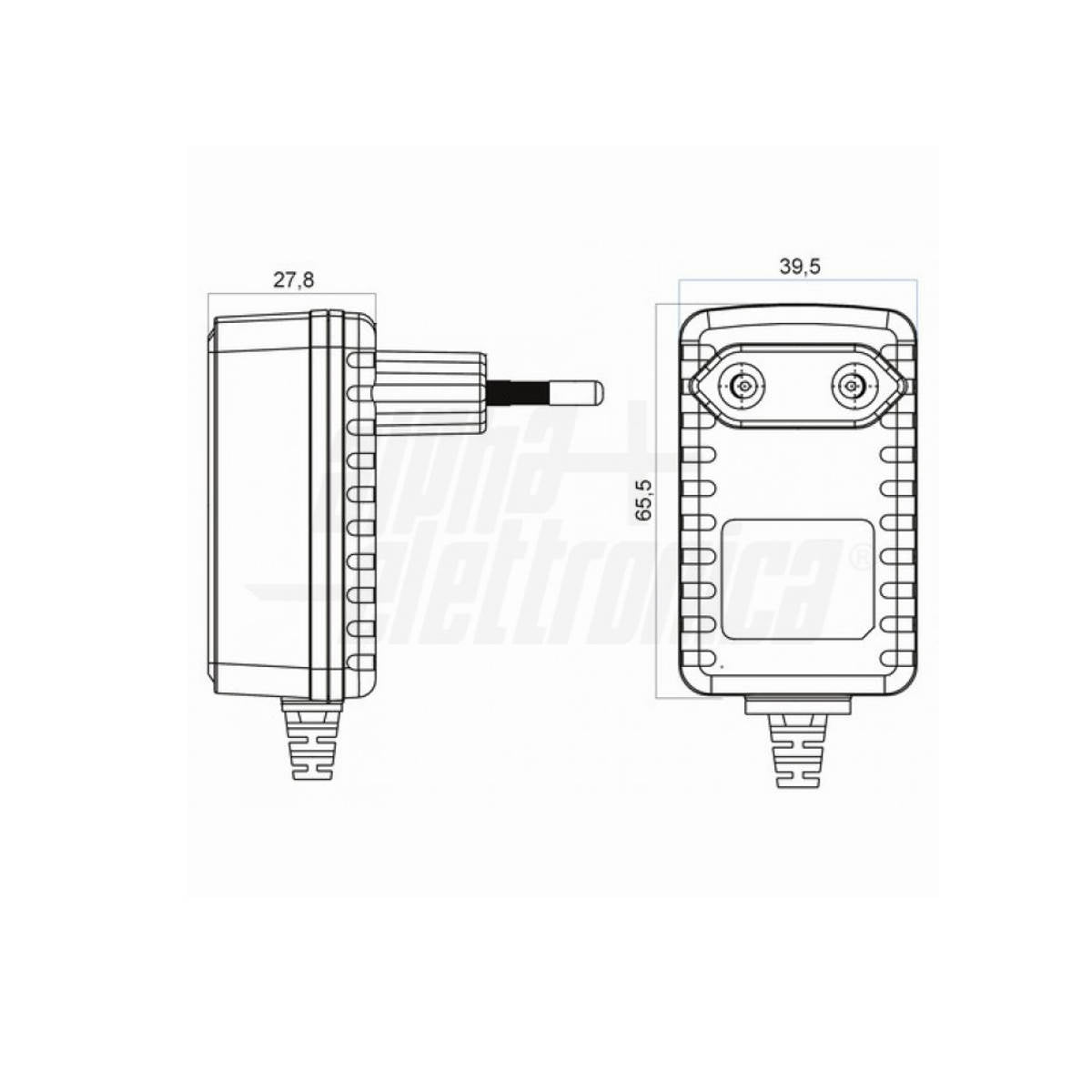
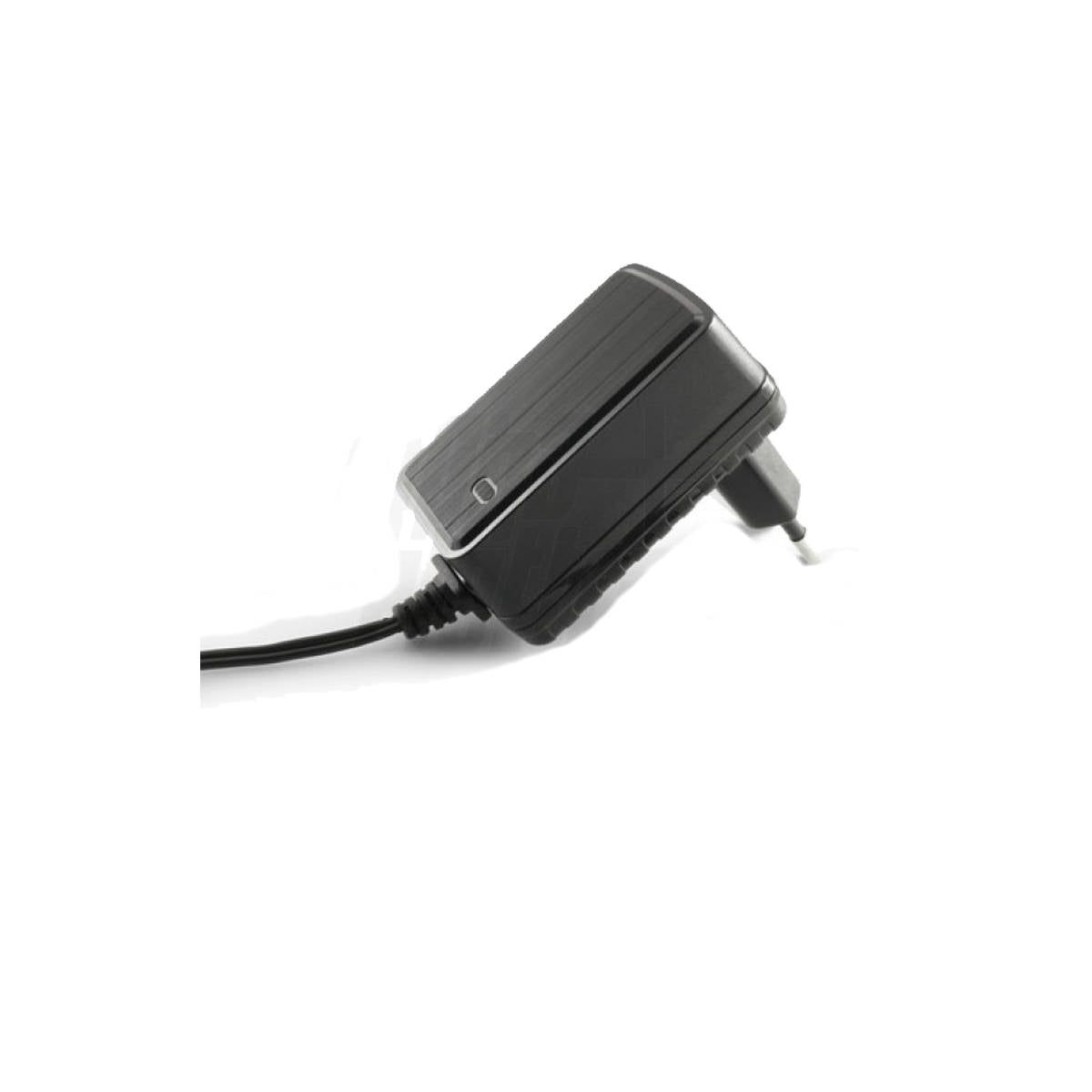
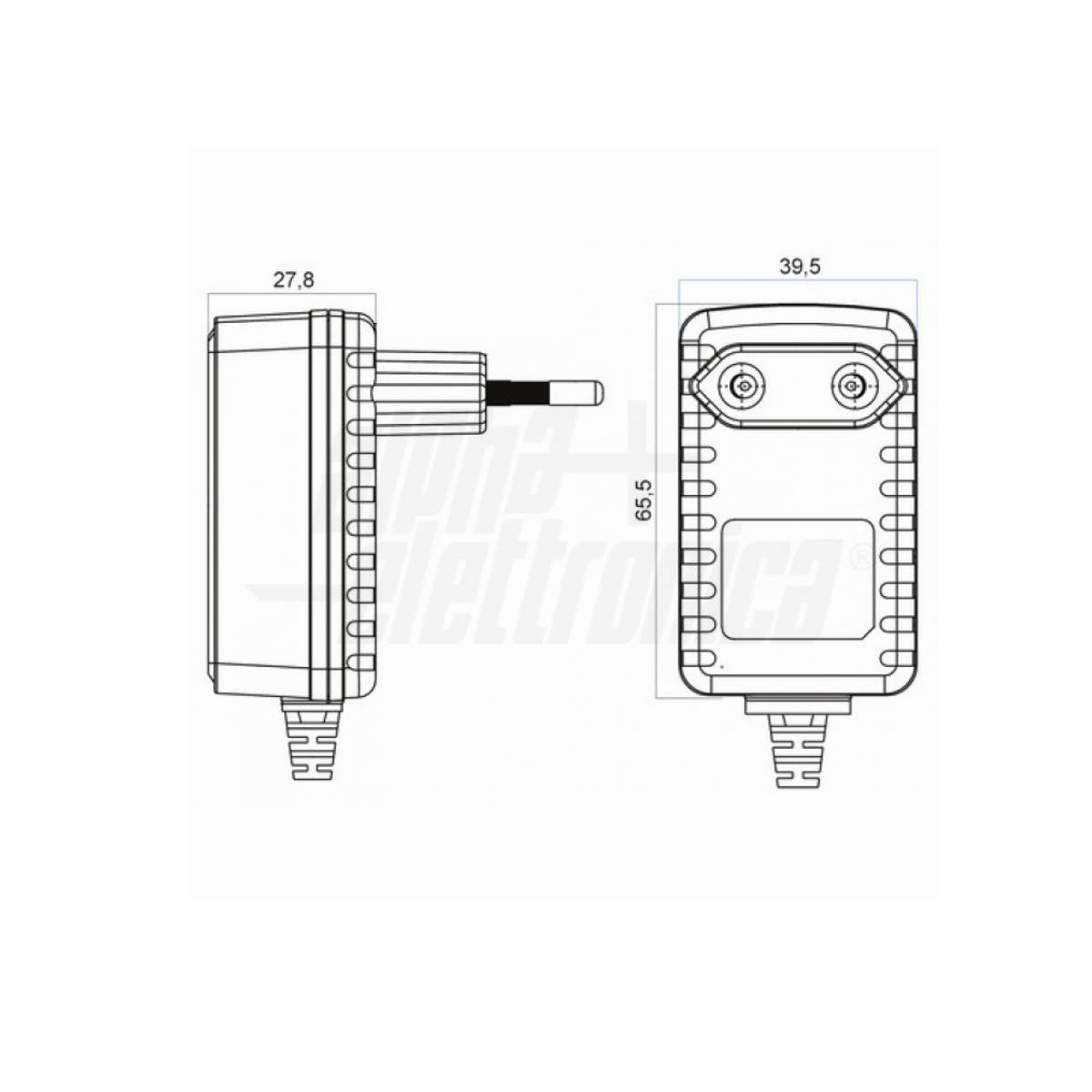
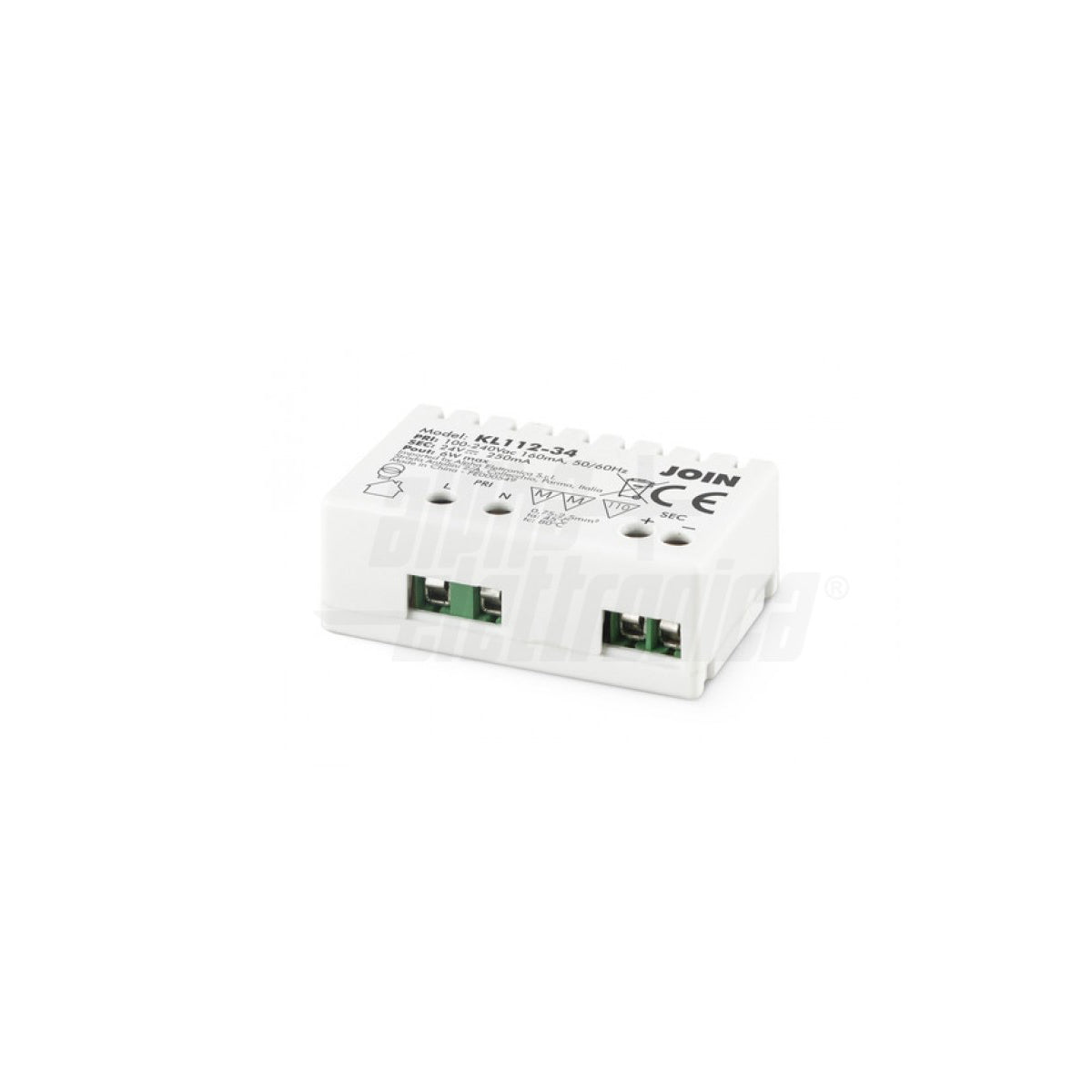
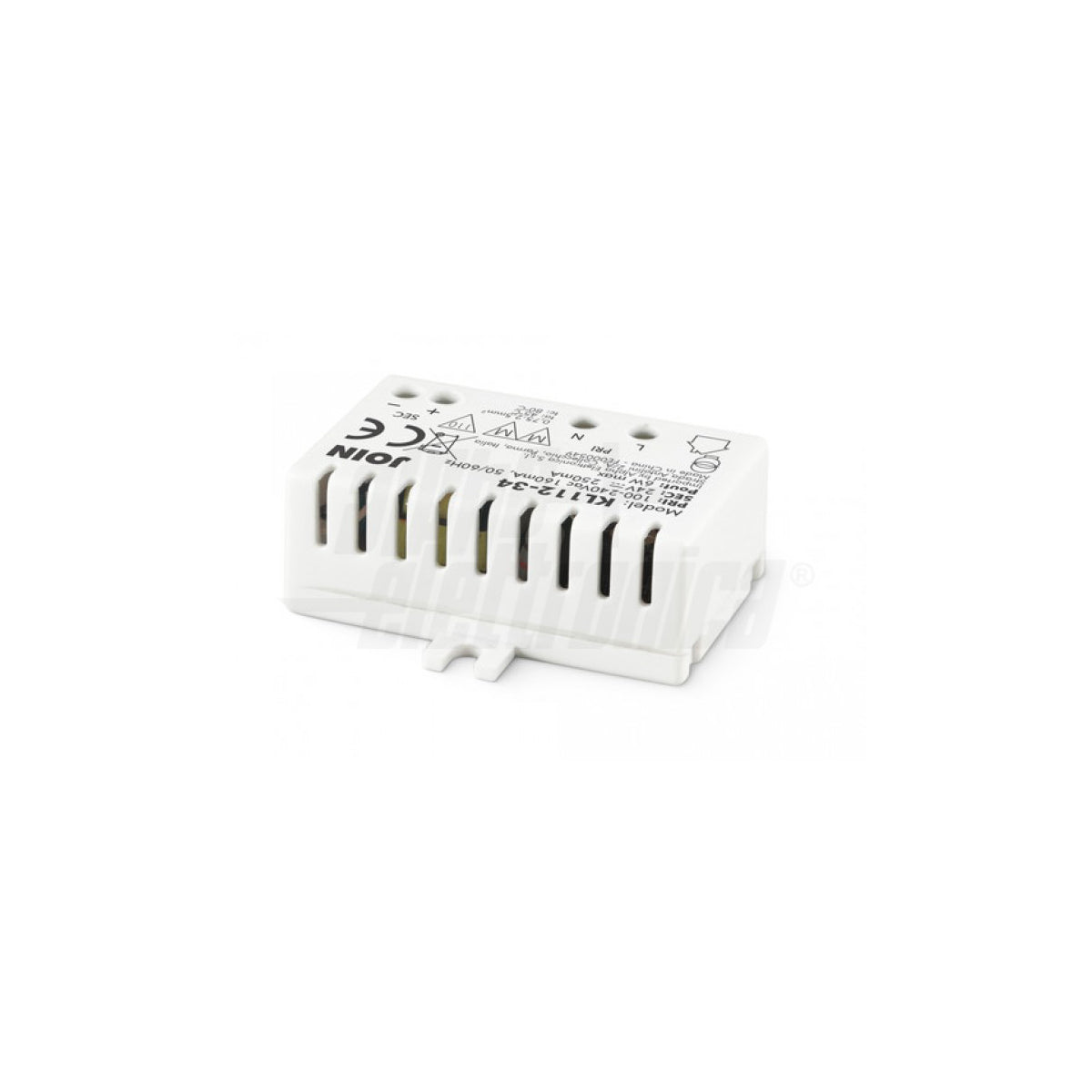


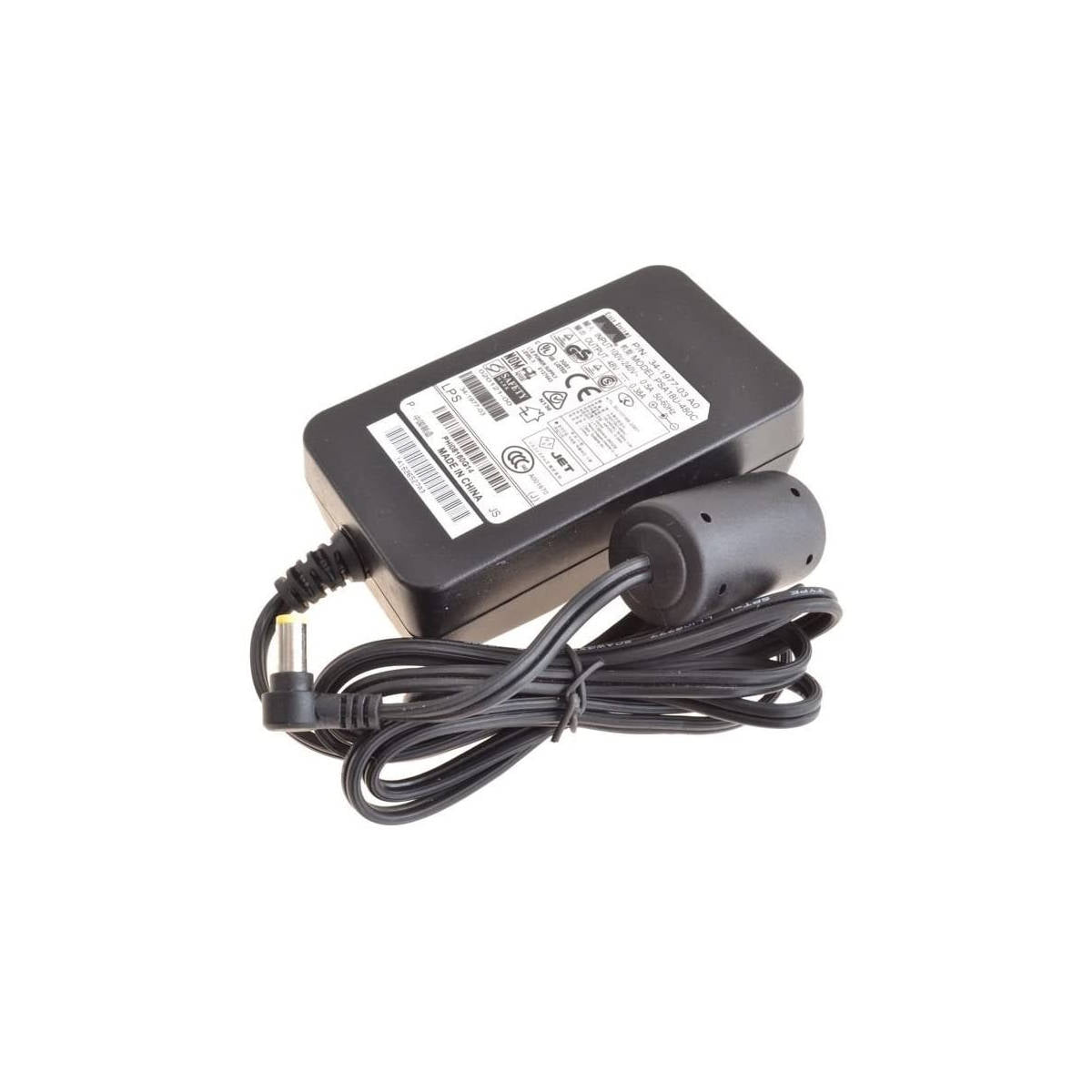
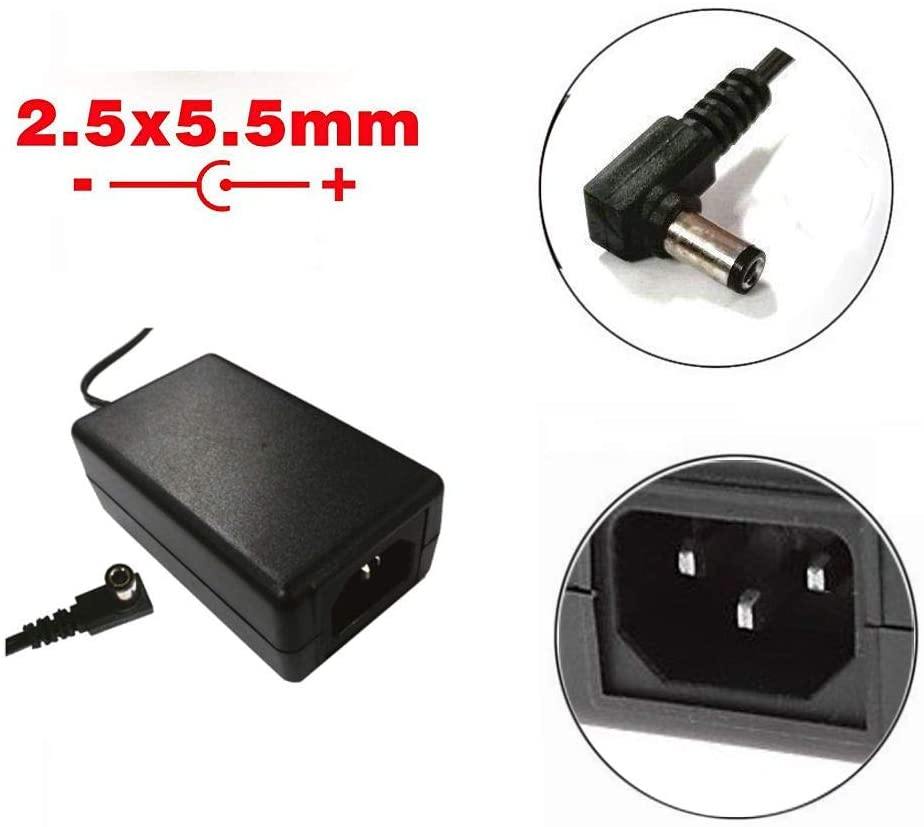
LED Power Supplies and Electronics: Stable Power, Zero Flicker
Forget about voltage drops and burned-out LED strips after just a few months. Oniroview power supplies guarantee surgical power delivery and complete thermal protection for every project. Professional-grade hardware, components tested for short circuits, and form factors suitable for any space: the true backbone for systems that never need to shut down.
Technical Buying Guide: How to Size Your Power Supply
The main cause of a faulty LED system isn't the strip itself, but a poor-quality driver. Choosing the right power supply means protecting your installation from overloads, overheating, and that annoying coil whine typical of cheap components. Here are the critical parameters to evaluate before putting your products in the shopping cart, to avoid having to redo the job twice.
Constant Voltage or Constant Current?
Ninety percent of domestic and commercial installations (such as classic strips or kitchen lighting modules) require constant voltage switching power supplies, typically 12V or 24V . Sending the wrong voltage to the load is lethal for diodes in a matter of moments. Constant current drivers, on the other hand, are highly specialized modules reserved for Power LEDs that require a fixed amperage to avoid thermal drift. When in doubt, constant voltage is almost always the answer.
The 20% Golden Rule on Wattage (De-rating)
Never run a transformer at 100% of its rated capacity. To ensure optimal heat dissipation and avoid frying the internal capacitors, calculate the total power consumption of your system and add a 20% margin . If your lights draw 100W, you'll need a power supply of at least 120W. Ignoring this rule leads to sudden thermal shutdowns and premature wear of the device.
Form Factor: Maneuvering Spaces and Dissipation
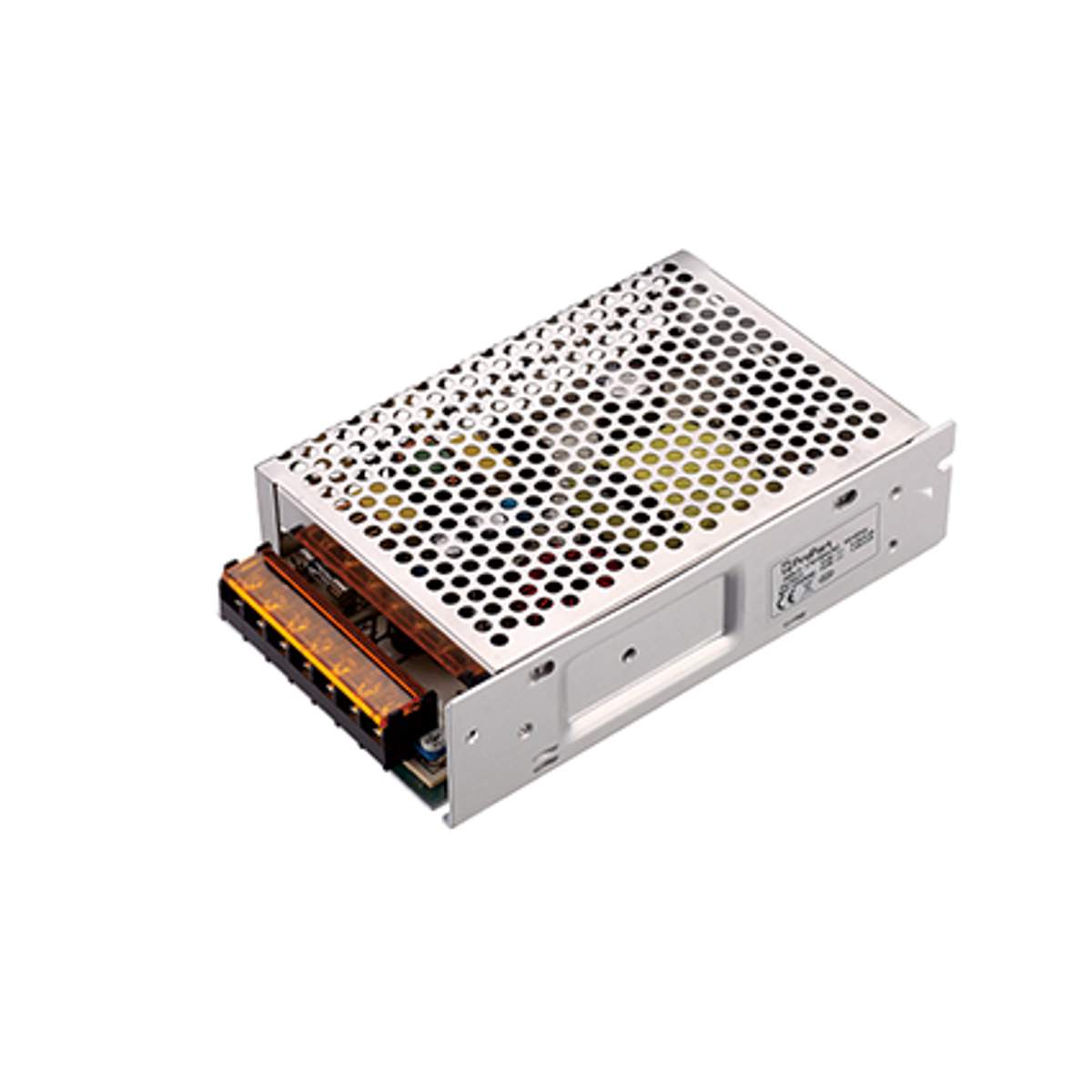
Physical space is crucial. For large plasterboard ceilings or electrical panels, classic perforated boxed models offer maximum power at a highly competitive cost, ensuring excellent passive ventilation. If you need to hide wiring inside an aluminum profile or behind a bathroom mirror, opt for our Ultra Slim models, engineered to fit into tiny spaces without thermal blockage.
FAQ - Technical Troubleshooting
Can I connect multiple LED strips to a single power supply?
Absolutely yes, by connecting them in parallel on the output terminals, as long as the sum of the Watts of all the segments (increased by 20% for safety) does not exceed the maximum wattage that can be supplied by the power supply.
What is the difference between IP20 and IP67 for my system?
IP20 is the standard for dry interiors: it's perforated, breathes better, and costs less. IP67 (or IP68) is fully resin-sealed and waterproof: it's mandatory for gardens, shower stalls, or outdoor spaces exposed to humidity and direct rain, but dissipates heat more slowly.
My old transformer hums, do yours?
Hum is caused by the vibration of inductors in very low-end products. Oniroview power supplies use resin-coated and shielded internal components to reduce audible frequencies, ensuring absolute silence even in environments like bedrooms or recording studios.