



















































On brand products
Filter
Sort by:

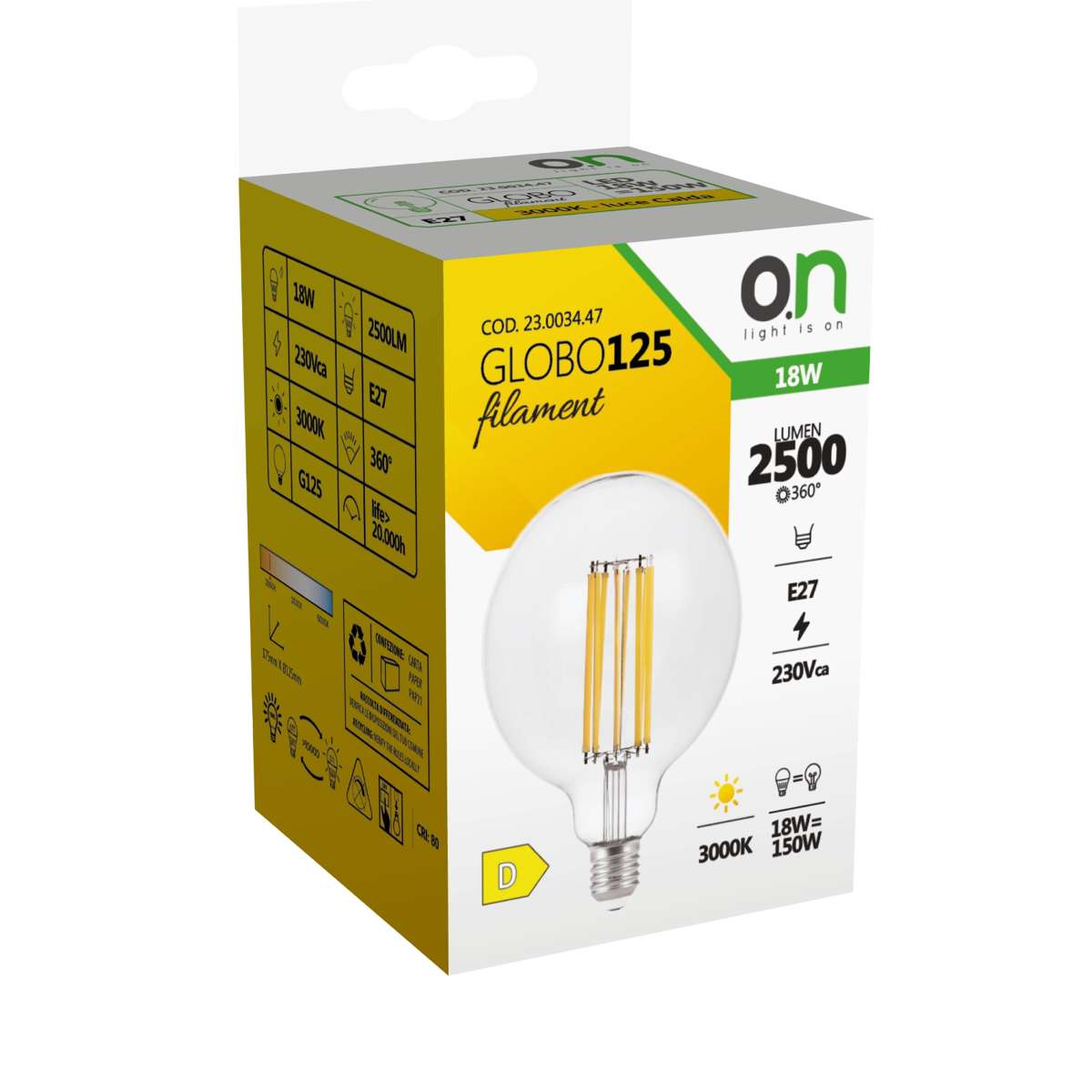
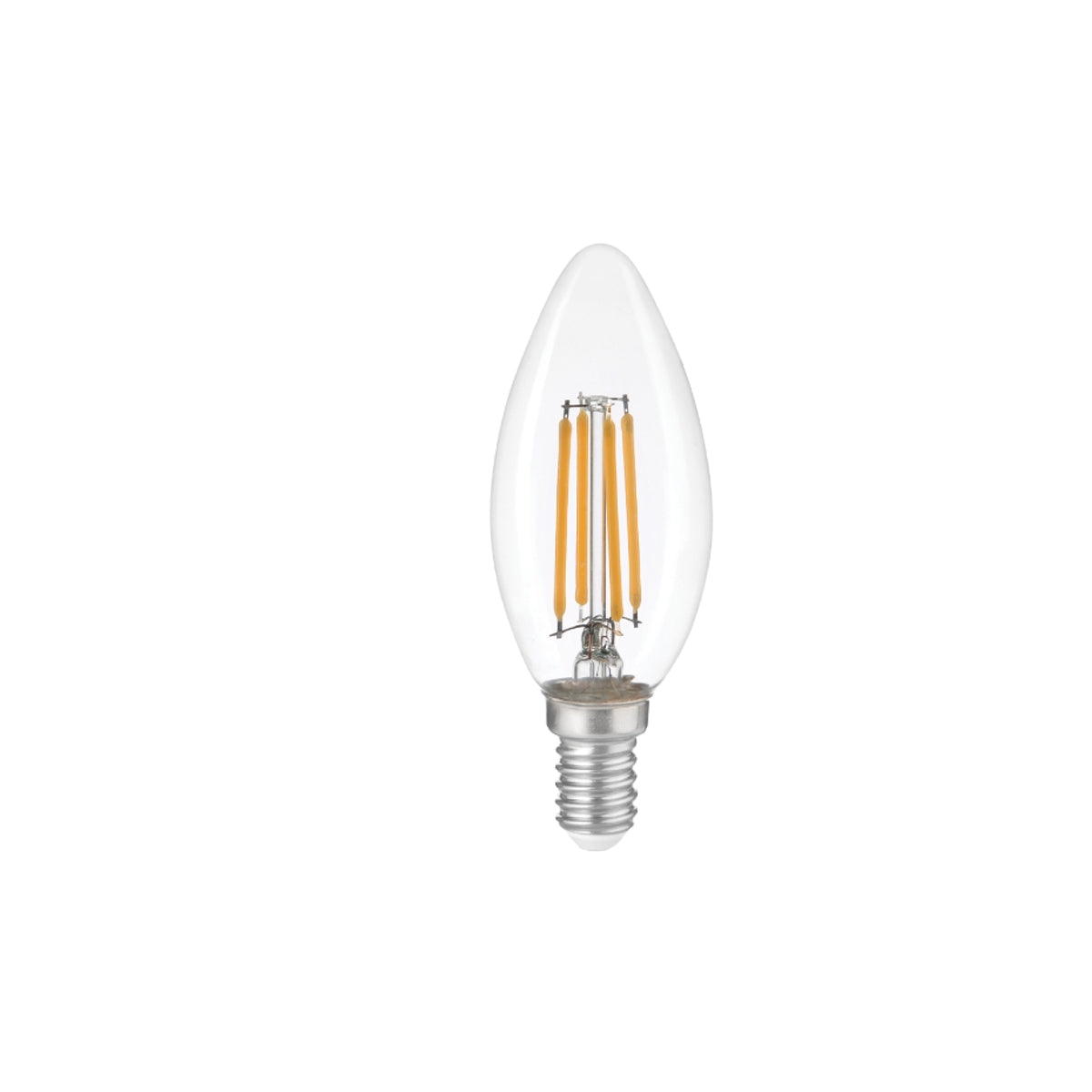
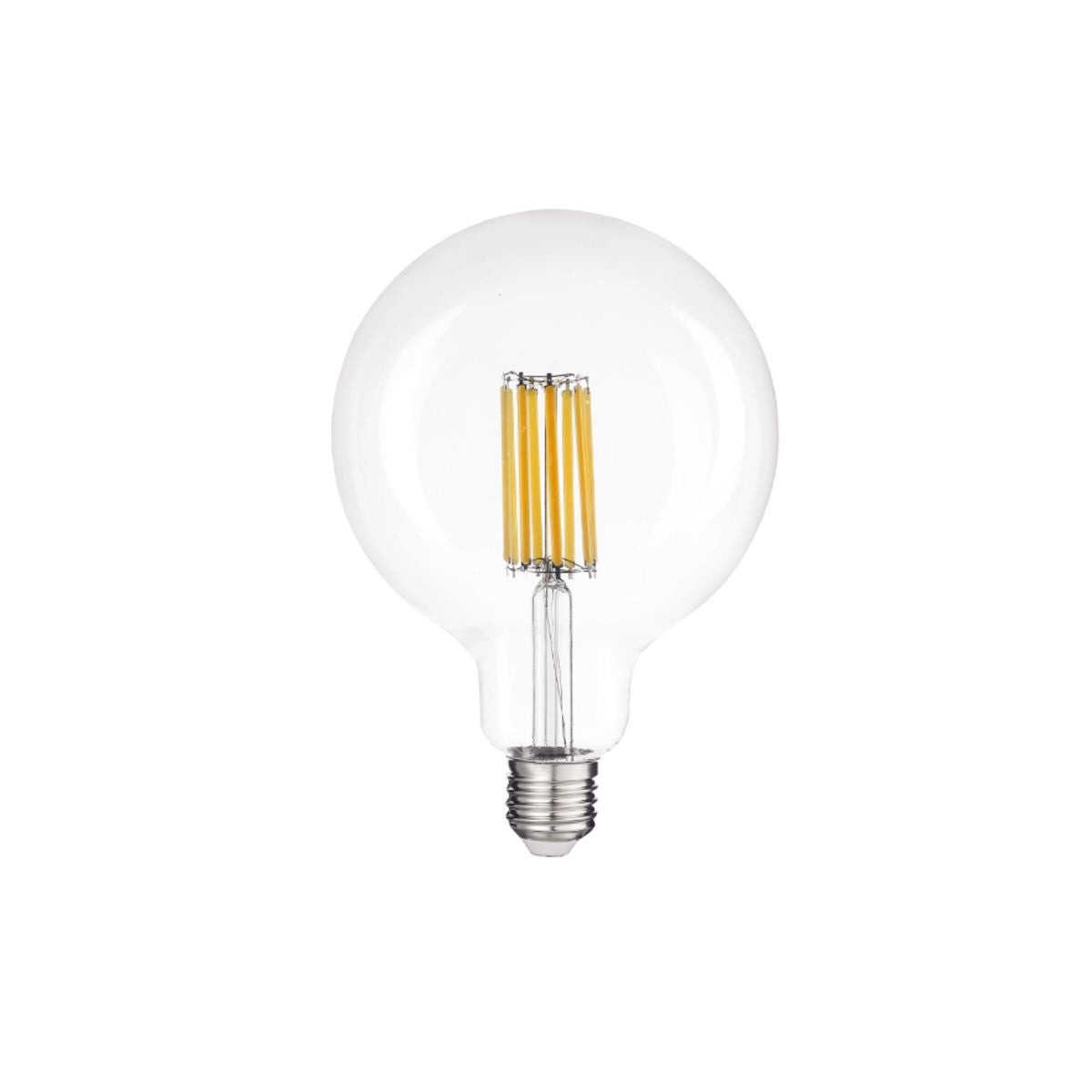
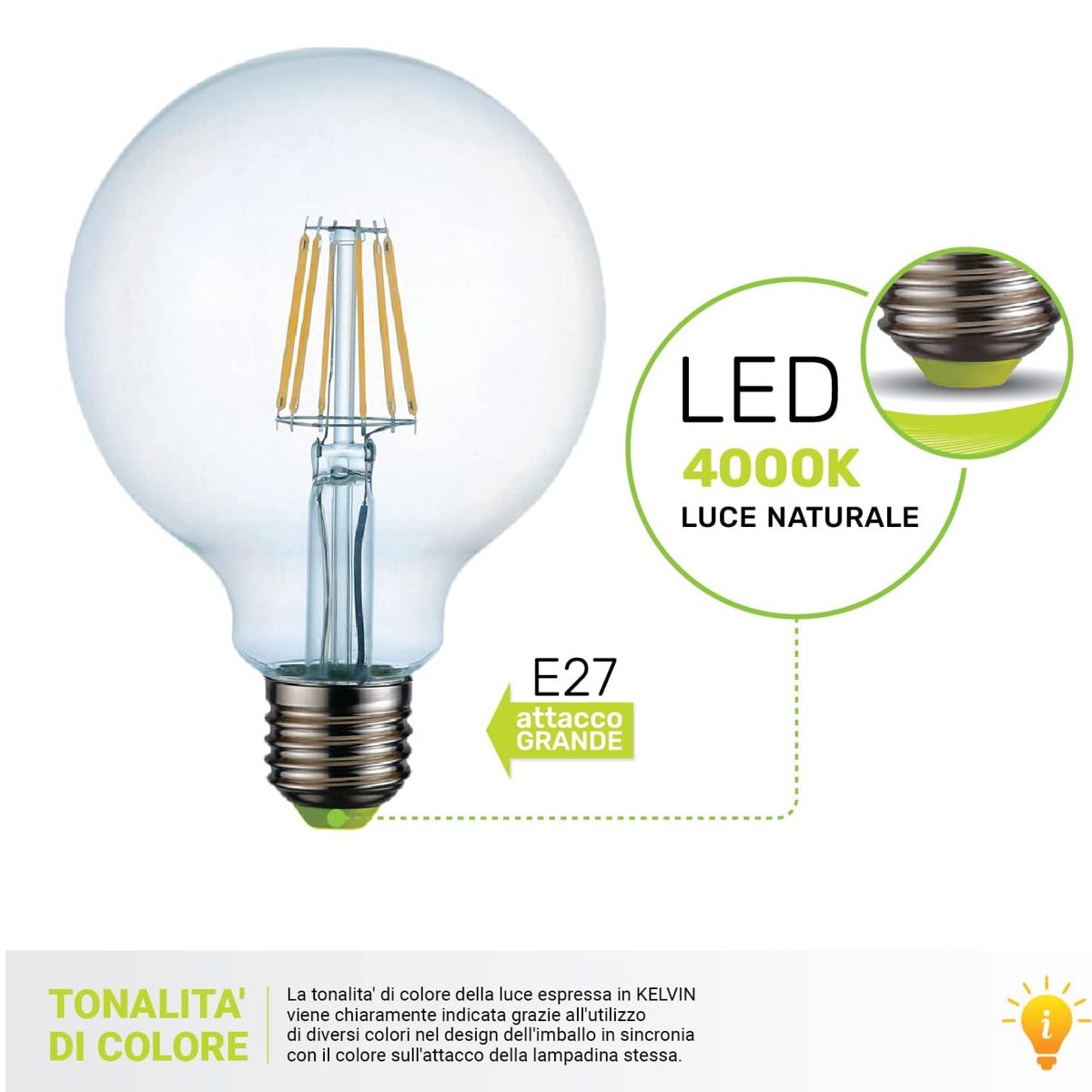




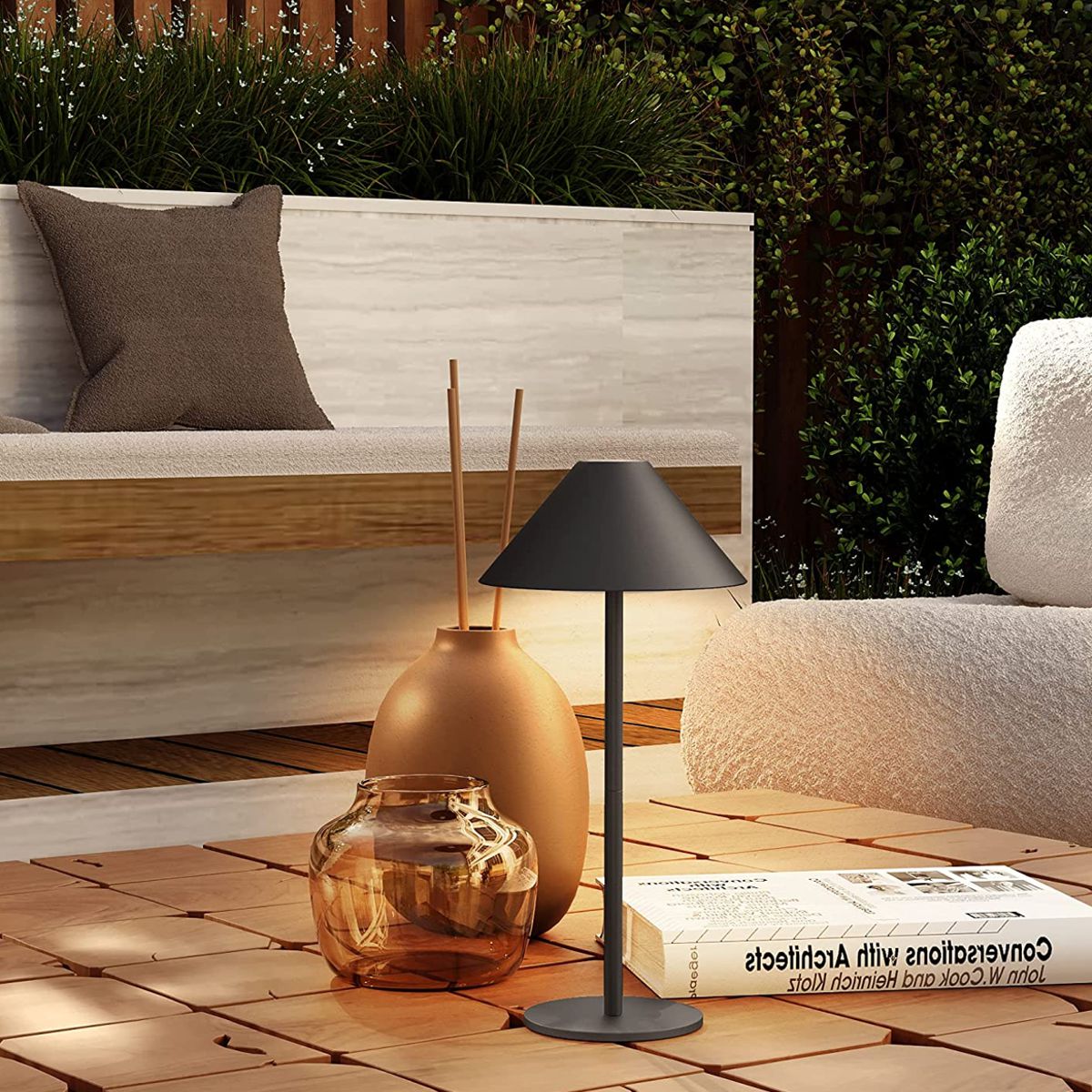
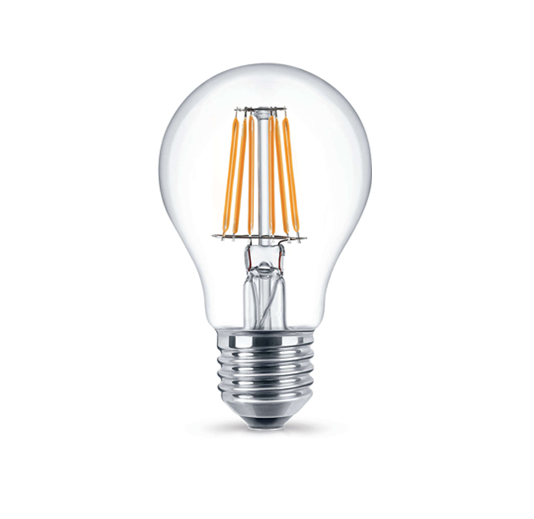
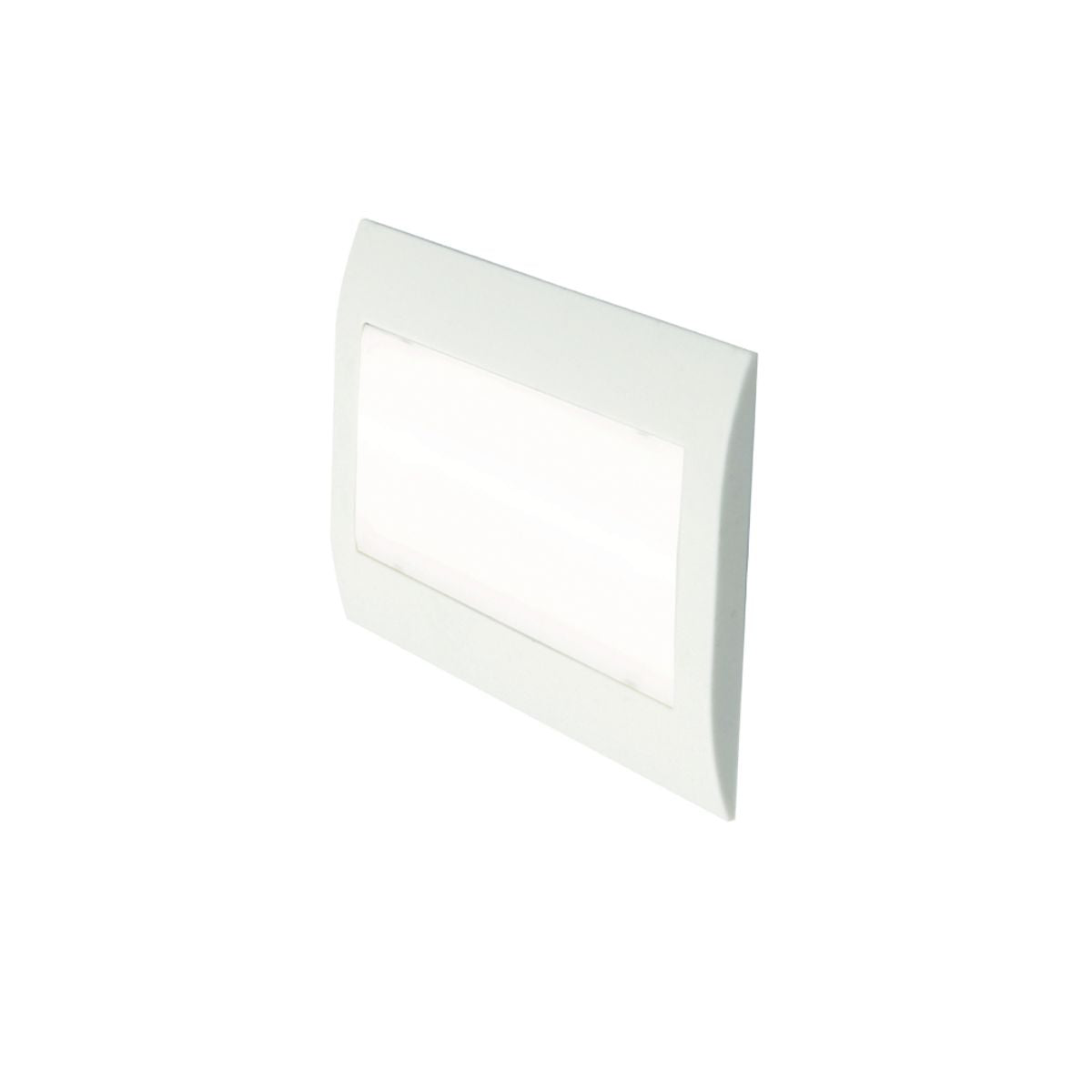
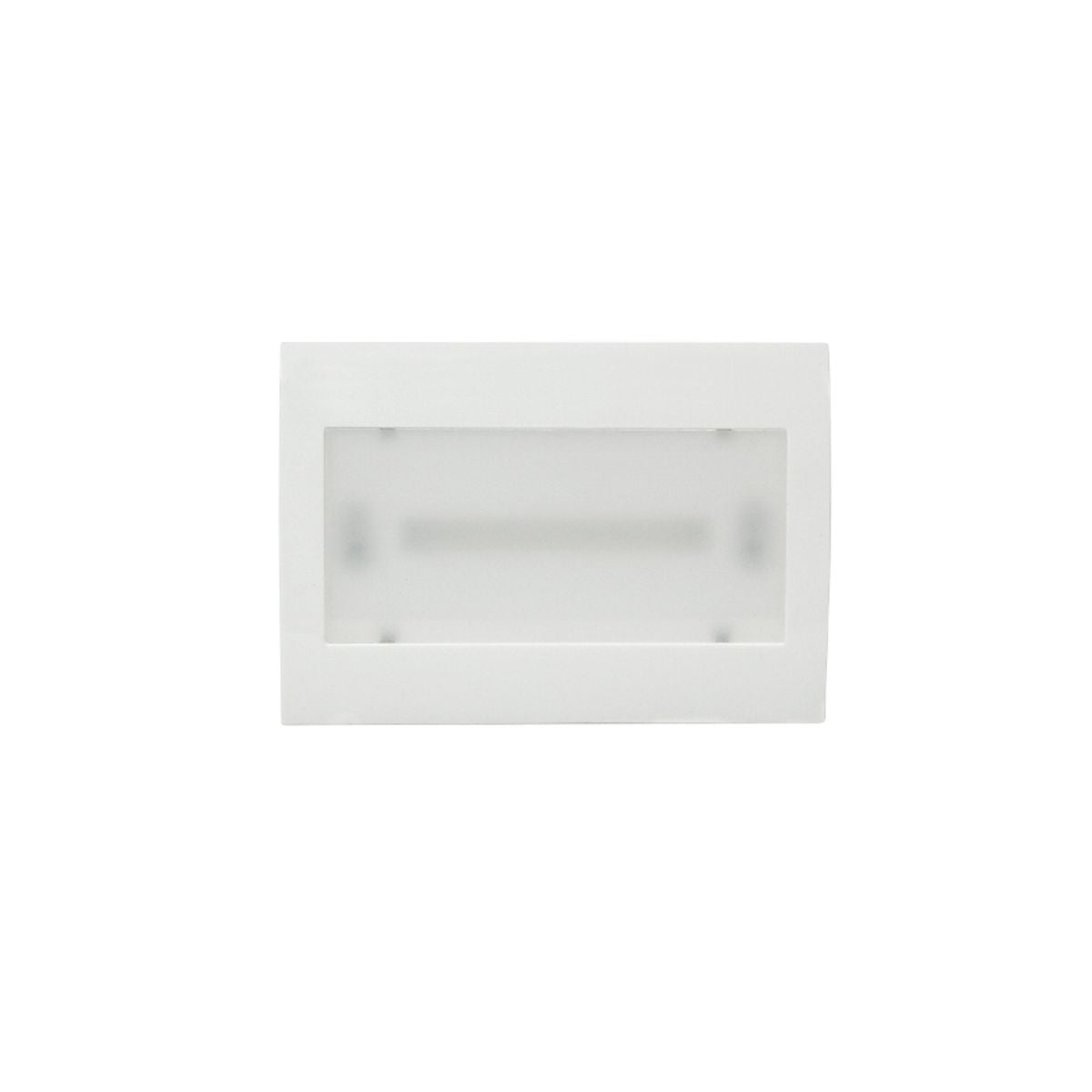

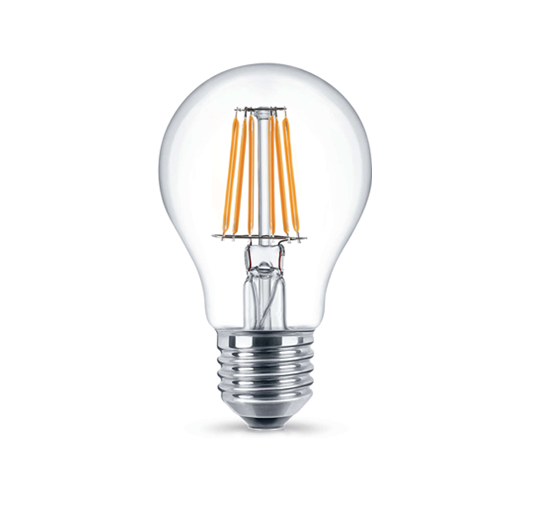
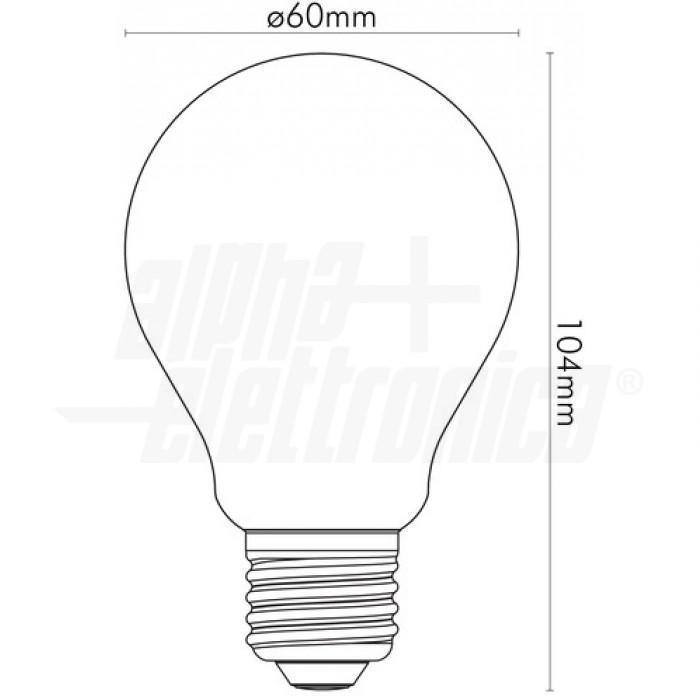
On: LED bulbs for exposed fixtures
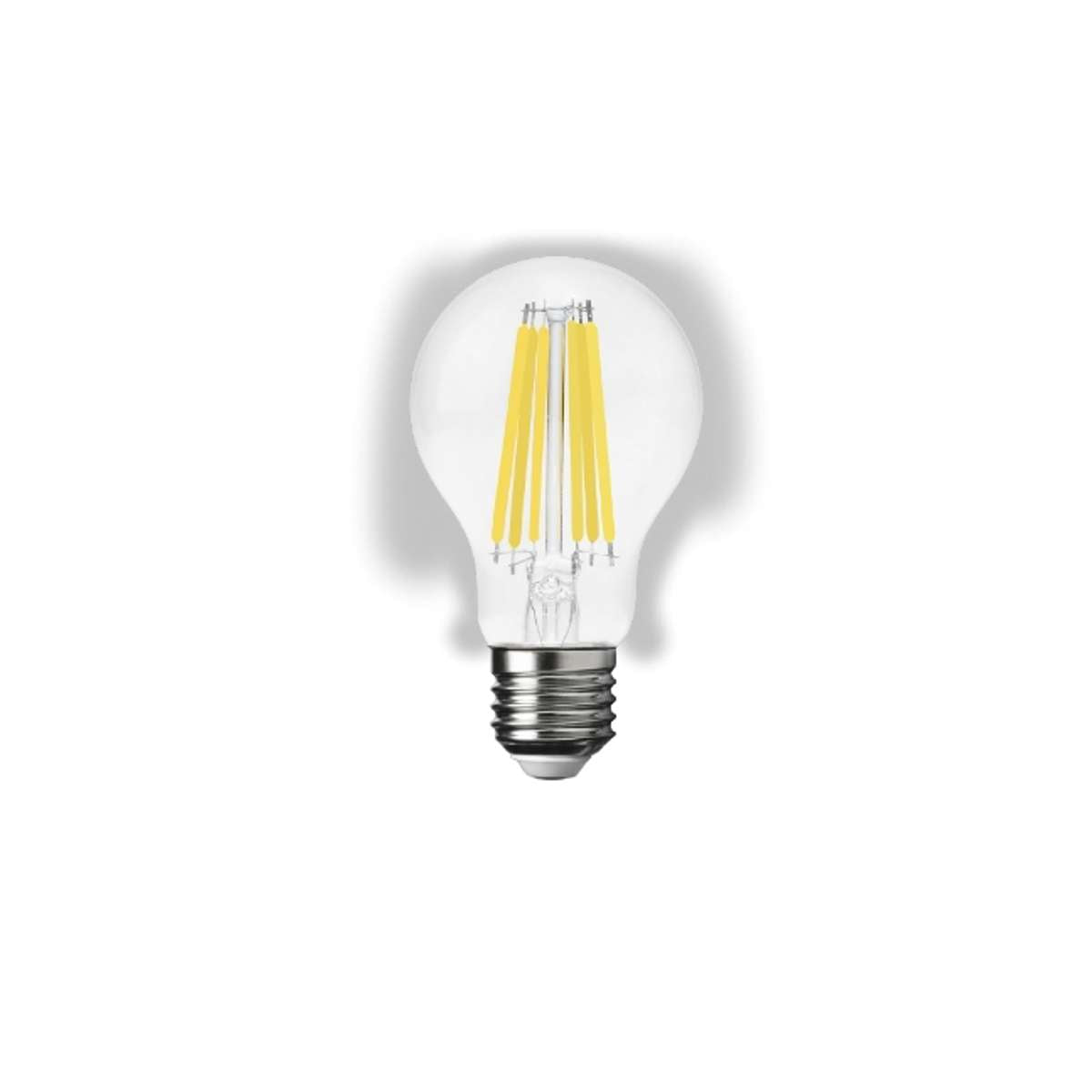
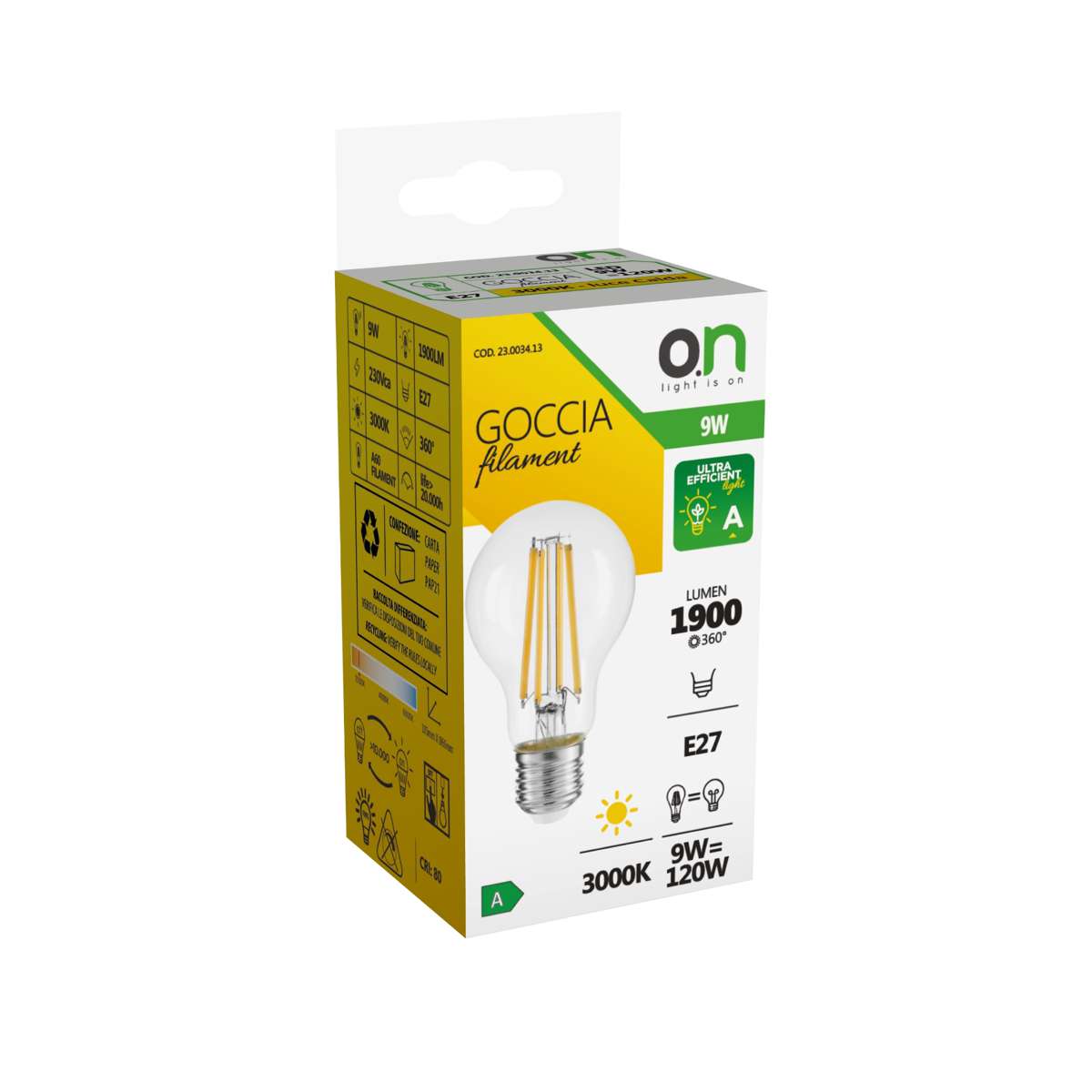
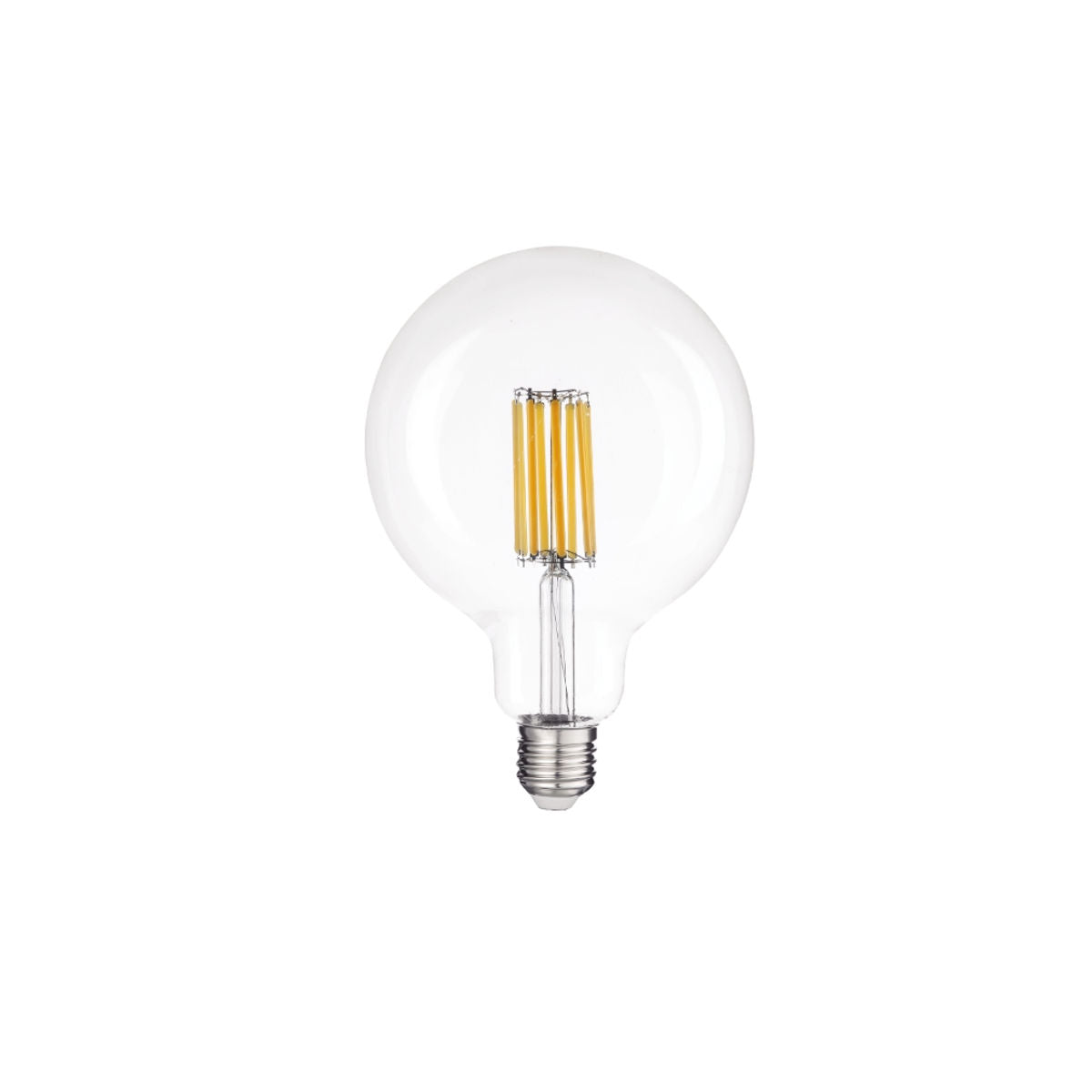
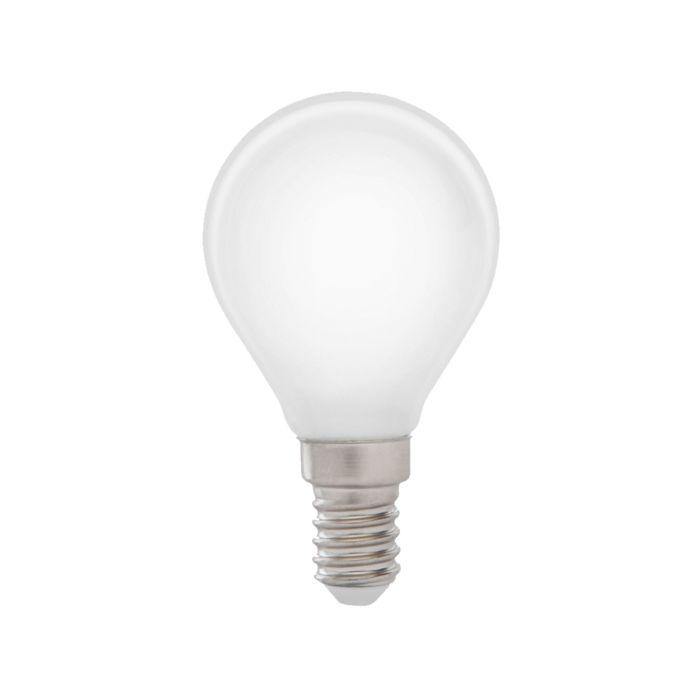
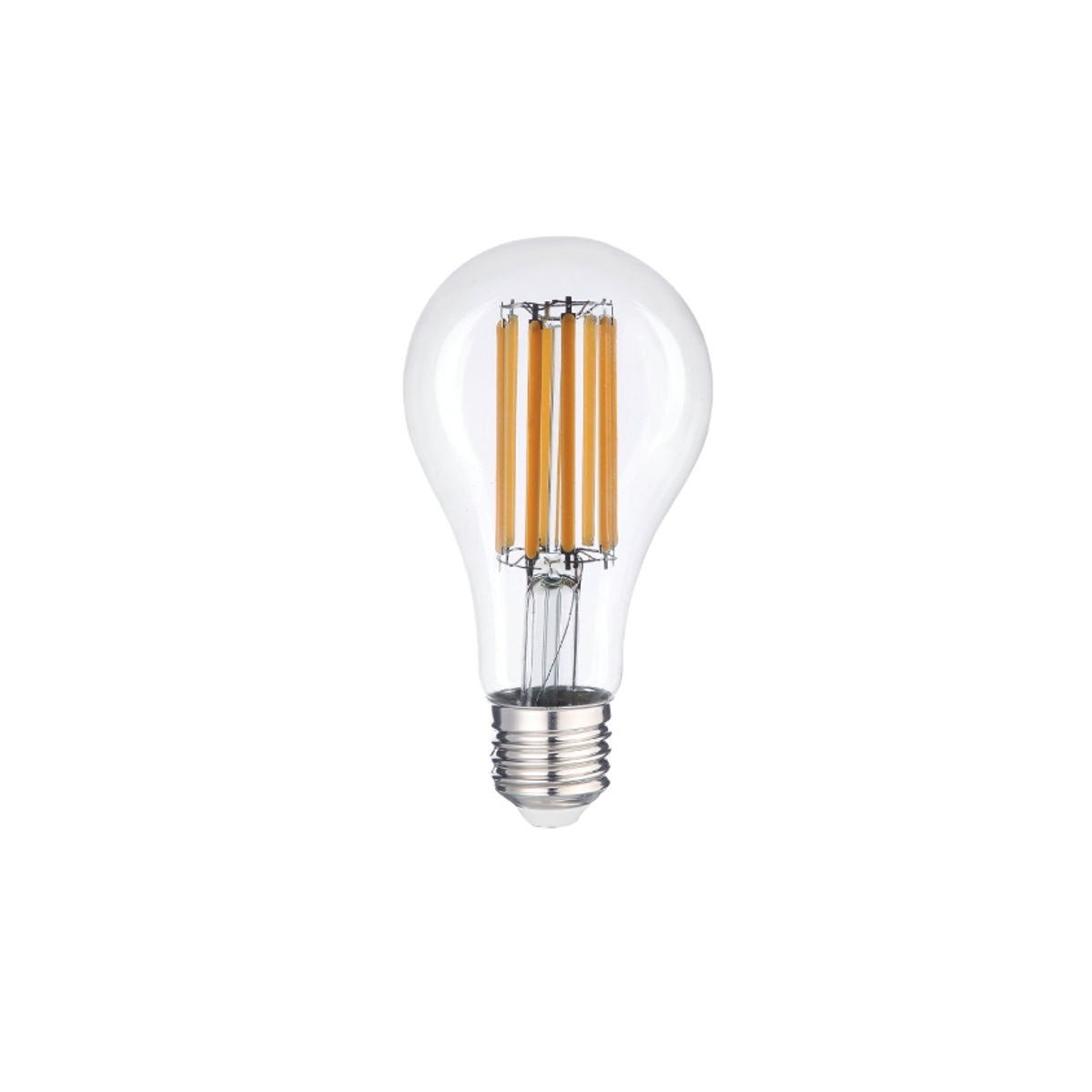
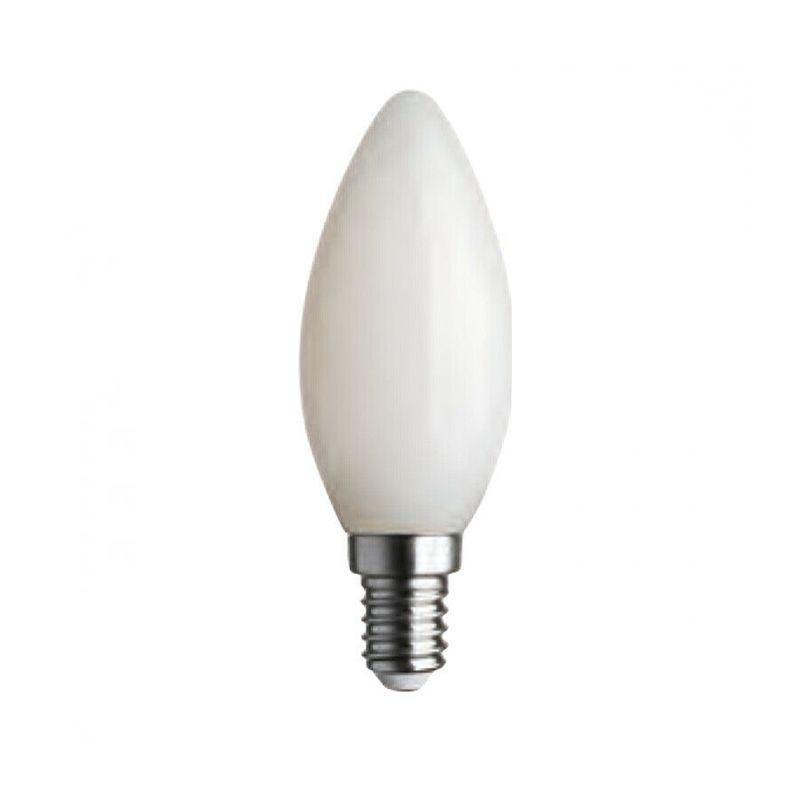
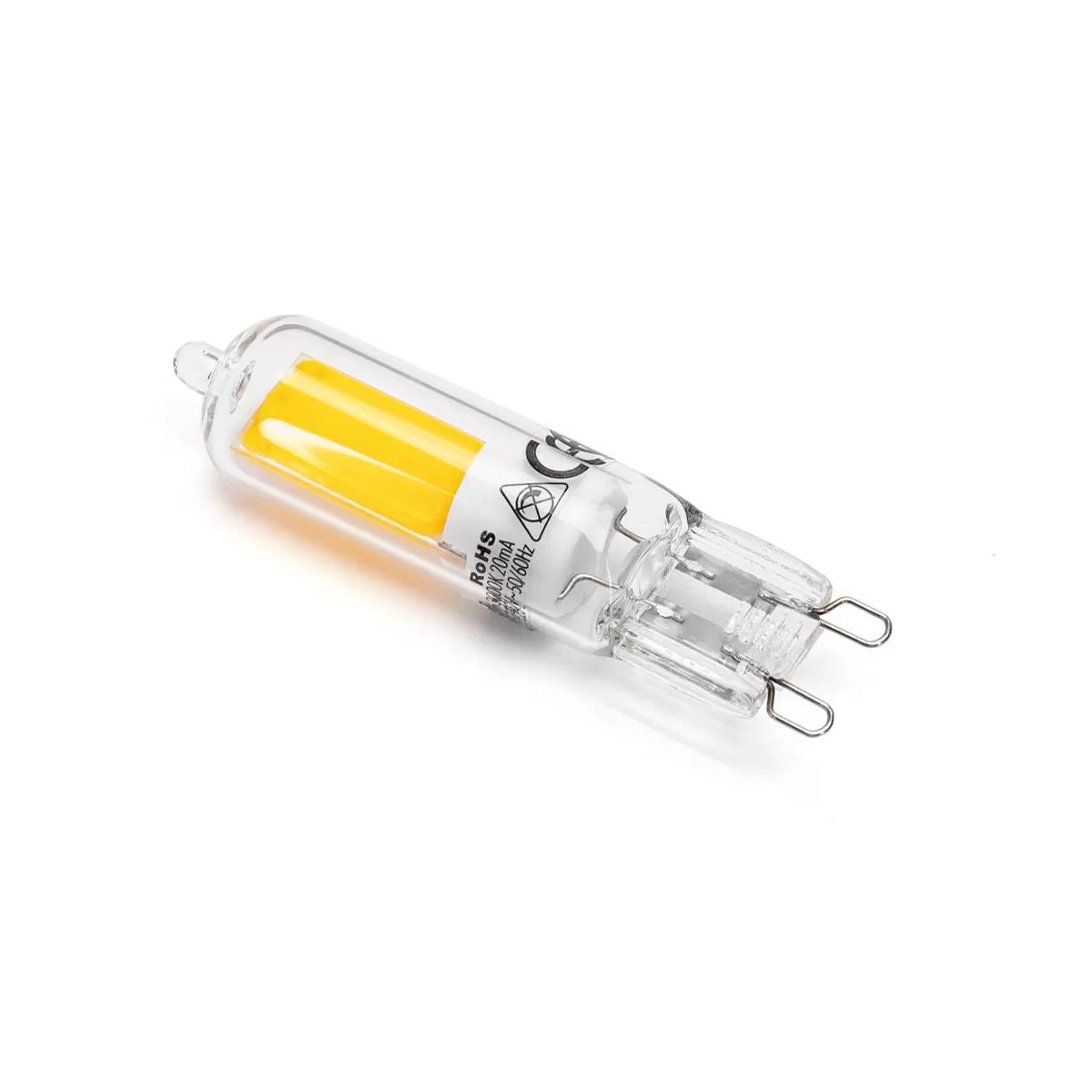
On is the brand we choose when the bulb is visible. Chandelier arms, glass wall sconces, floor lamps, designer table lamps: in these cases, the light source is not hidden behind a shade and its aesthetic counts as much as the light it produces. Hence the emphasis of the range on glass filament LEDs — teardrop, globe, sphere, candle, transparent, and opal white — and the systematic presence of dimmable versions.
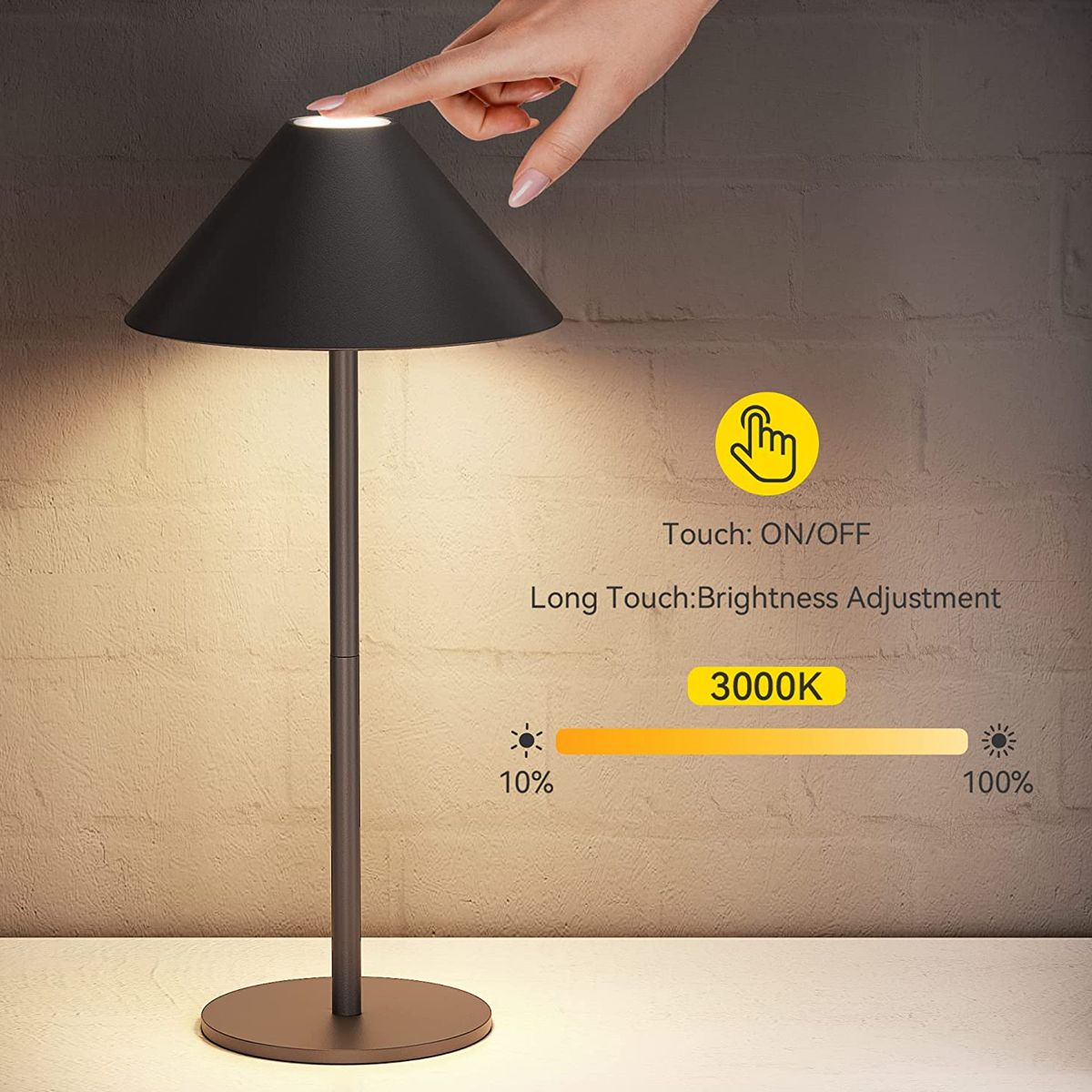
In addition to bulbs, the range covers aluminum outdoor wall lights, solar floodlights, and cordless rechargeable lamps.
Base type table
| Base | Usage | In range |
|---|---|---|
| E27 | Chandeliers, pendants, floor lamps | Filament from 4 to 16W, 125mm globe up to 24W and 2800 lumens, 2700K, 3000K and 4000K |
| E14 | Wall sconces, chandeliers, designer table lamps | Sphere and candle from 5W, transparent and opal white, dimmable |
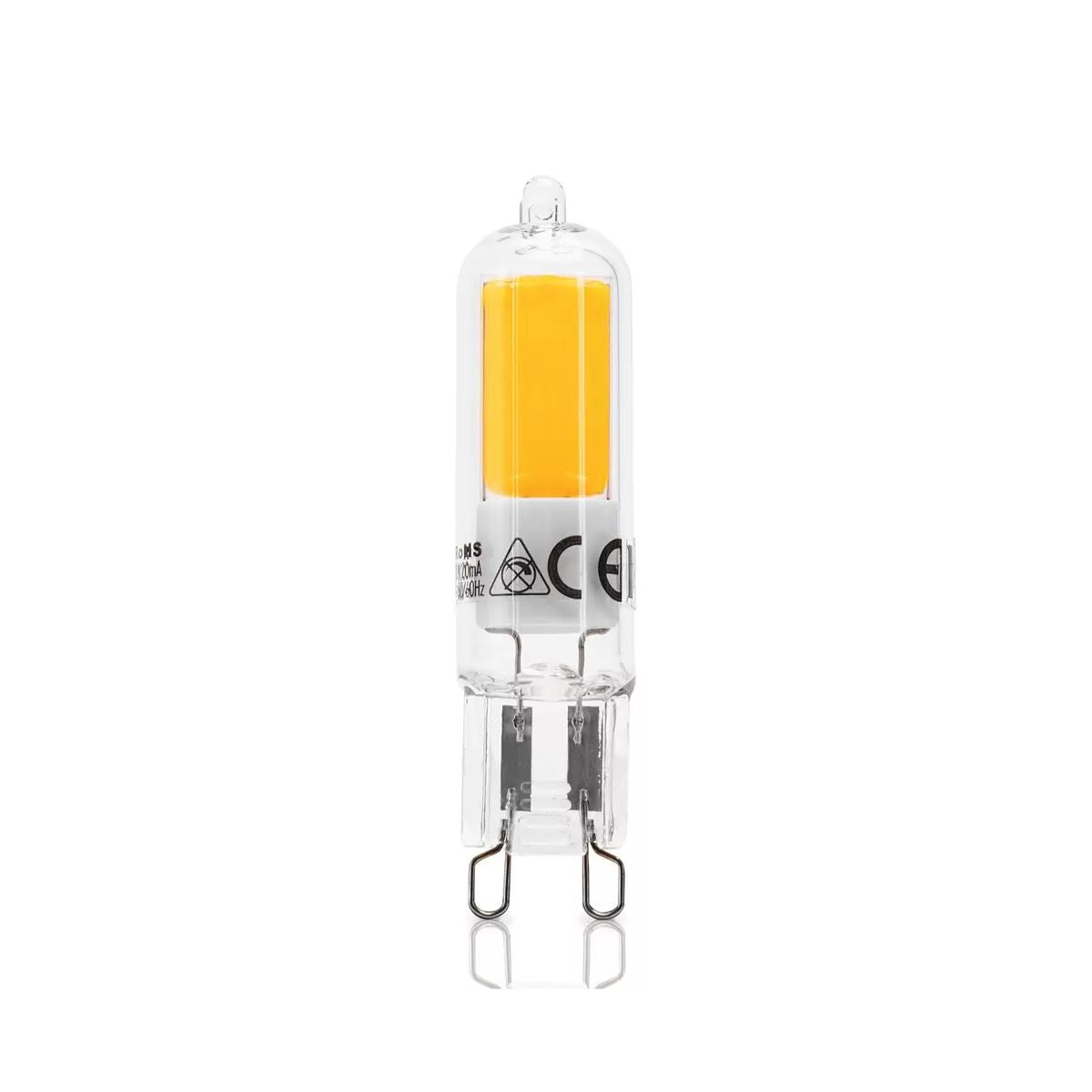
| G9 | Compact wall sconces, ceiling lights, decorative spotlights | 4.8W and 7W, from 600 to 820 lumens, 3000K, 4000K and 6000K |
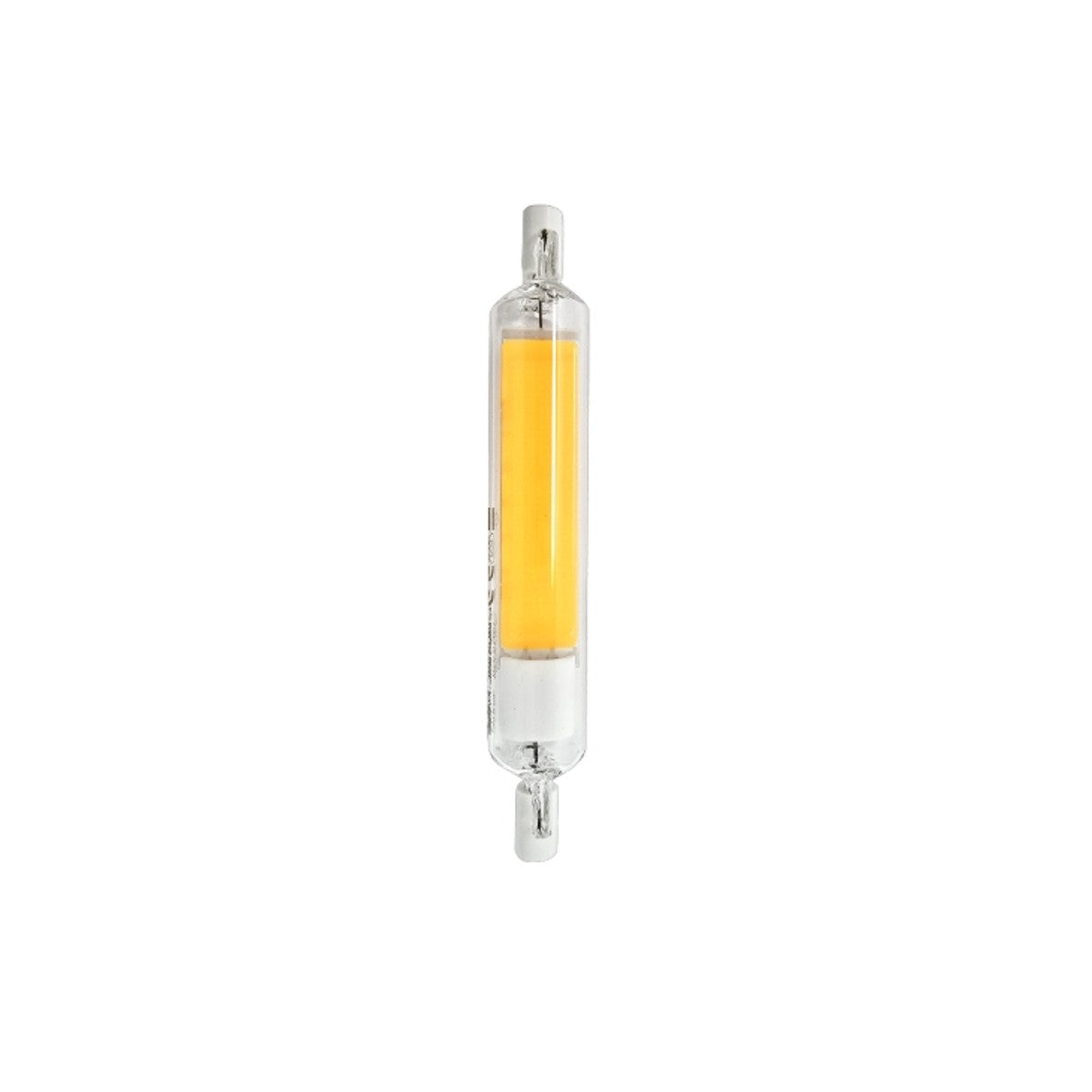
| R7s 78 and 118 mm | Floor lamps, floodlights, projectors: replacement for old linear halogens | Glass COB from 5 to 19W, up to 2200 lumens |
Bulbs for designer lamps
This is the most useful specialty of this range. Some very popular decorative lamps — the Kartell Bourgie and the Kartell IBA above all — require bulbs with specific dimensions and aesthetics: a completely transparent glass body, the correct shape, and dimmability, because on those lamps, adjusting the light is part of the design. A generic LED with a white plastic heat sink is immediately visible on such a fixture and ruins the effect.
Expert advice. Two things that solve most problems with these fixtures. First, it is not enough for the bulb to be dimmable: you also need a dimmer compatible with LED loads. Old phase-cut dimmers designed for incandescent bulbs cause LEDs to flicker or hum and often cannot go below a certain threshold. Second, for R7s, measure the length before ordering, 78 or 118 mm: it is the most frequent purchasing error in this category, because people look at the wattage and forget the size.
Frequently Asked Questions
What is the difference between transparent and opal white?
The transparent bulb reveals the filament and produces a more dramatic light with some reflections: it is the choice for fixtures where the bulb is part of the aesthetic. Opal white diffuses the light more uniformly and reduces glare; it is preferable where the light source is in the direct line of sight.
Is a special dimmer required for dimmable LEDs?
Yes, a dimmer declared compatible with LED loads. The absorbed load is much lower than with old incandescent bulbs, and traditional dimmers often cannot handle it: the typical symptom is flickering at low intensities or the inability to dim below a certain threshold.
Can I replace a halogen bulb with an R7s LED in my floor lamp?
In most cases yes, by checking the length (78 or 118 mm) and the space in the housing. On some older fixtures with dimmers or transformers, compatibility must be tested: the minimum load required by the circuit may not be reached by an LED.
What is the difference between 2700K, 3000K, and 4000K?
The light color temperature. 2700K is the warm, amber light closest to the old incandescent bulb, ideal for living rooms and bedrooms; 3000K remains warm but more neutral; 4000K is a natural light, suitable for kitchens, bathrooms, and work surfaces.
What does "100W equivalent" mean on a 15W bulb?
It means it produces a luminous flux comparable to that of an old 100W incandescent bulb while consuming about one-seventh of the energy. This is the equivalence needed to replace it without changing the feeling of light in the room.
See also light bulbs, LED filament bulbs, LED dimmers and solar lighting.





