

















































Aluminum Led Profiles
Filter
Sort by:




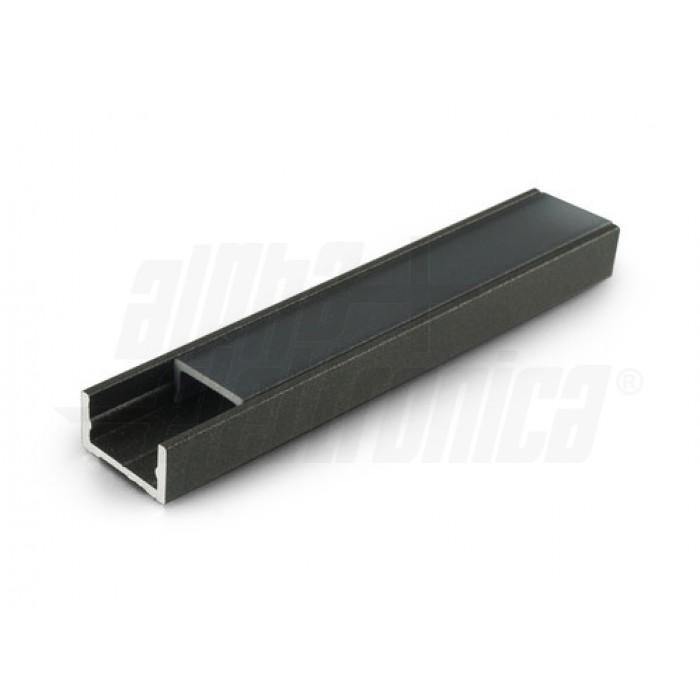
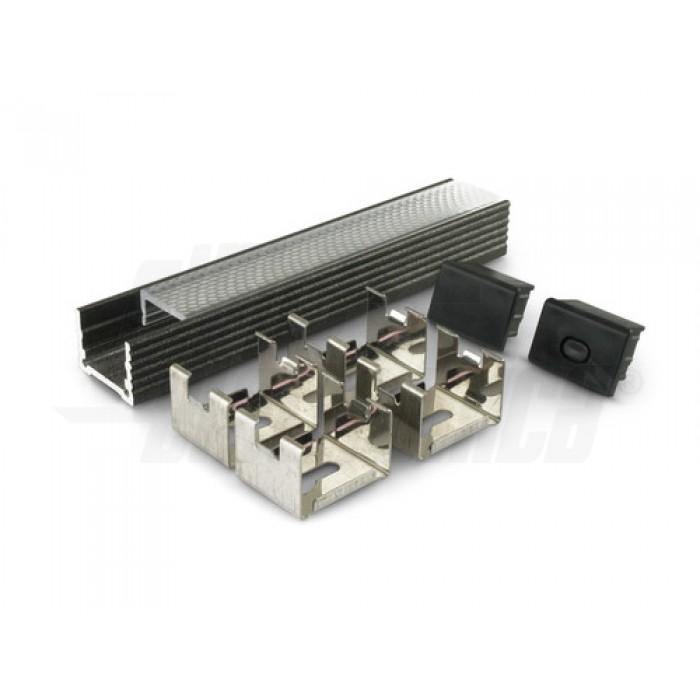
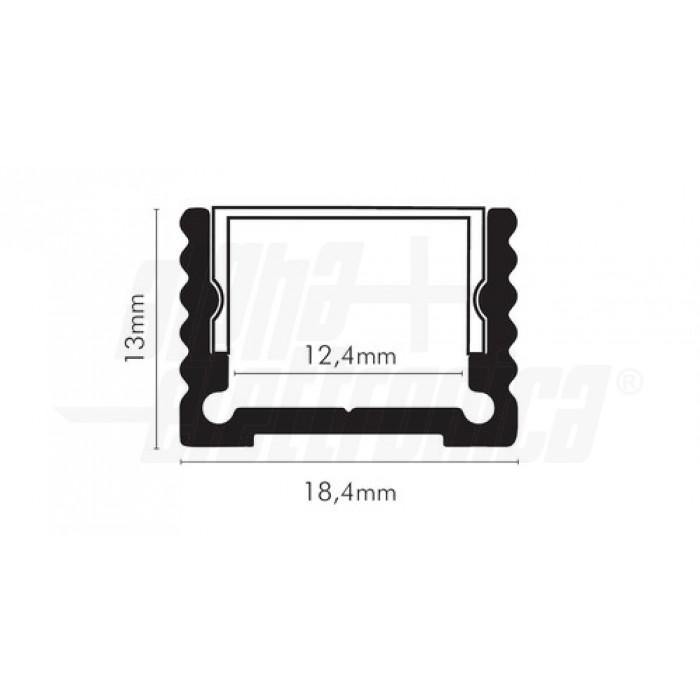
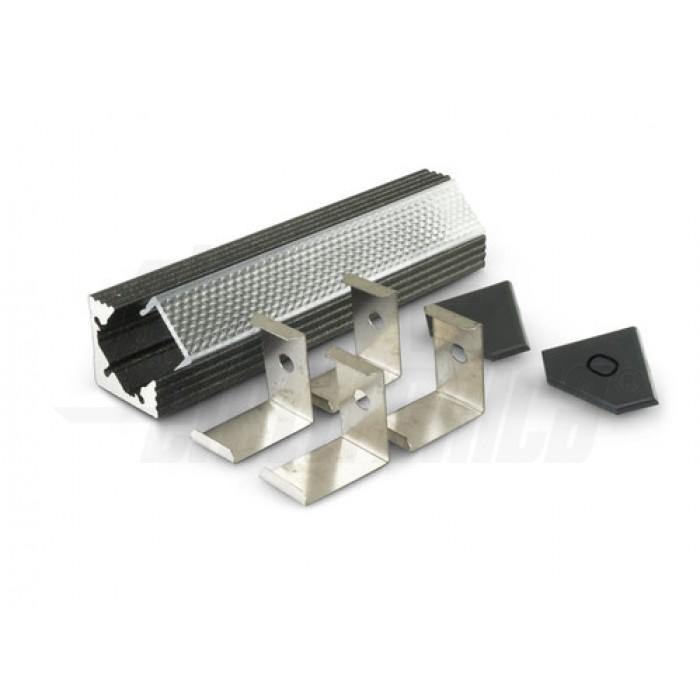
Aluminum profiles for LED strips: it's not just about aesthetics
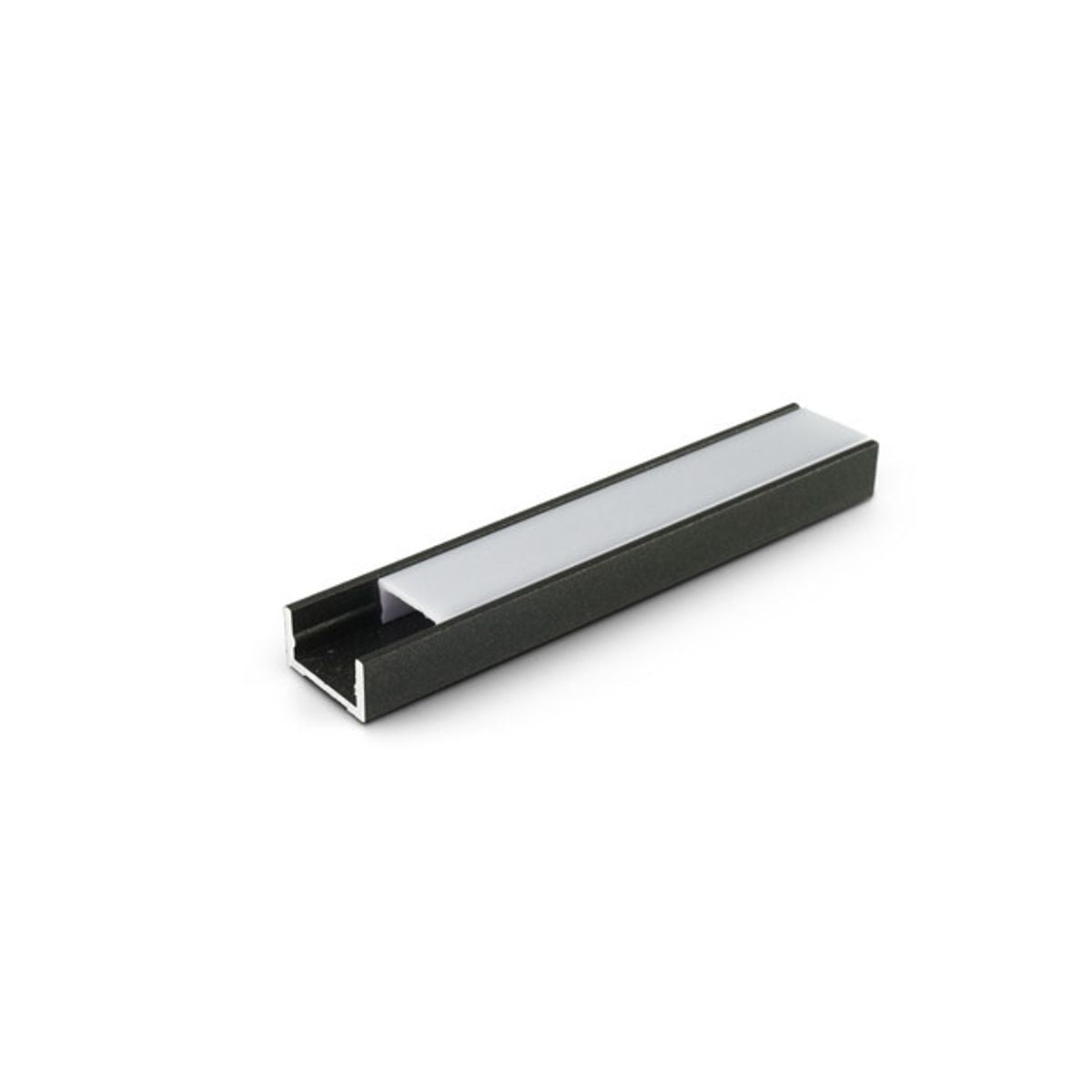
The profile does three jobs at once, and the first one isn't visible. It dissipates heat: a strip glued to plasterboard or wood cooks in its own heat and loses brightness year after year, while aluminum draws it away and significantly extends the life of the LEDs. It diffuses the light through the cover, eliminating glare and hotspots. And it protects the tape from dust, impacts, and the adhesive peeling off. On an exposed installation, it's not an accessory: it's part of the design.
Which shape do you need
| Profile | Where it's used |
|---|---|
| Flat | Surface-mounted application: under cabinets, on shelves, on ceilings, or inside a cove |
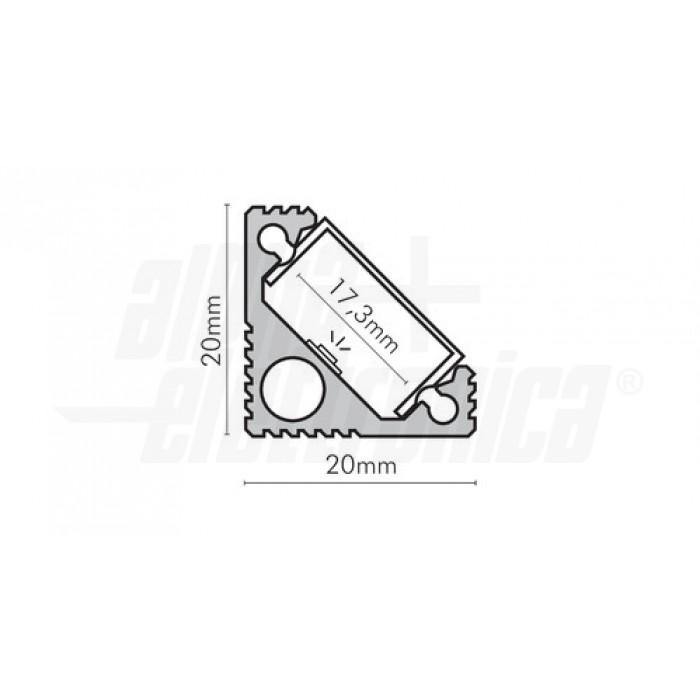
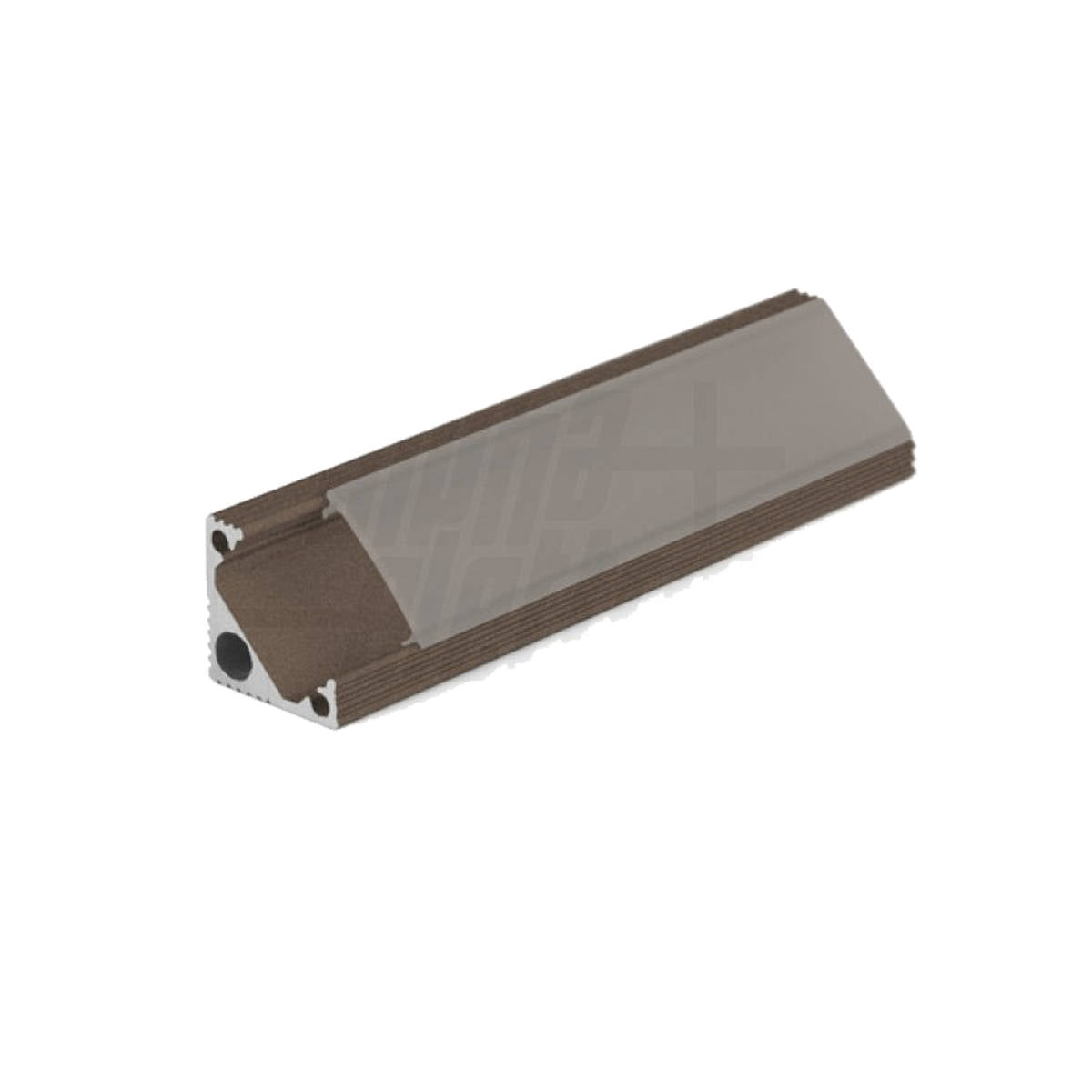
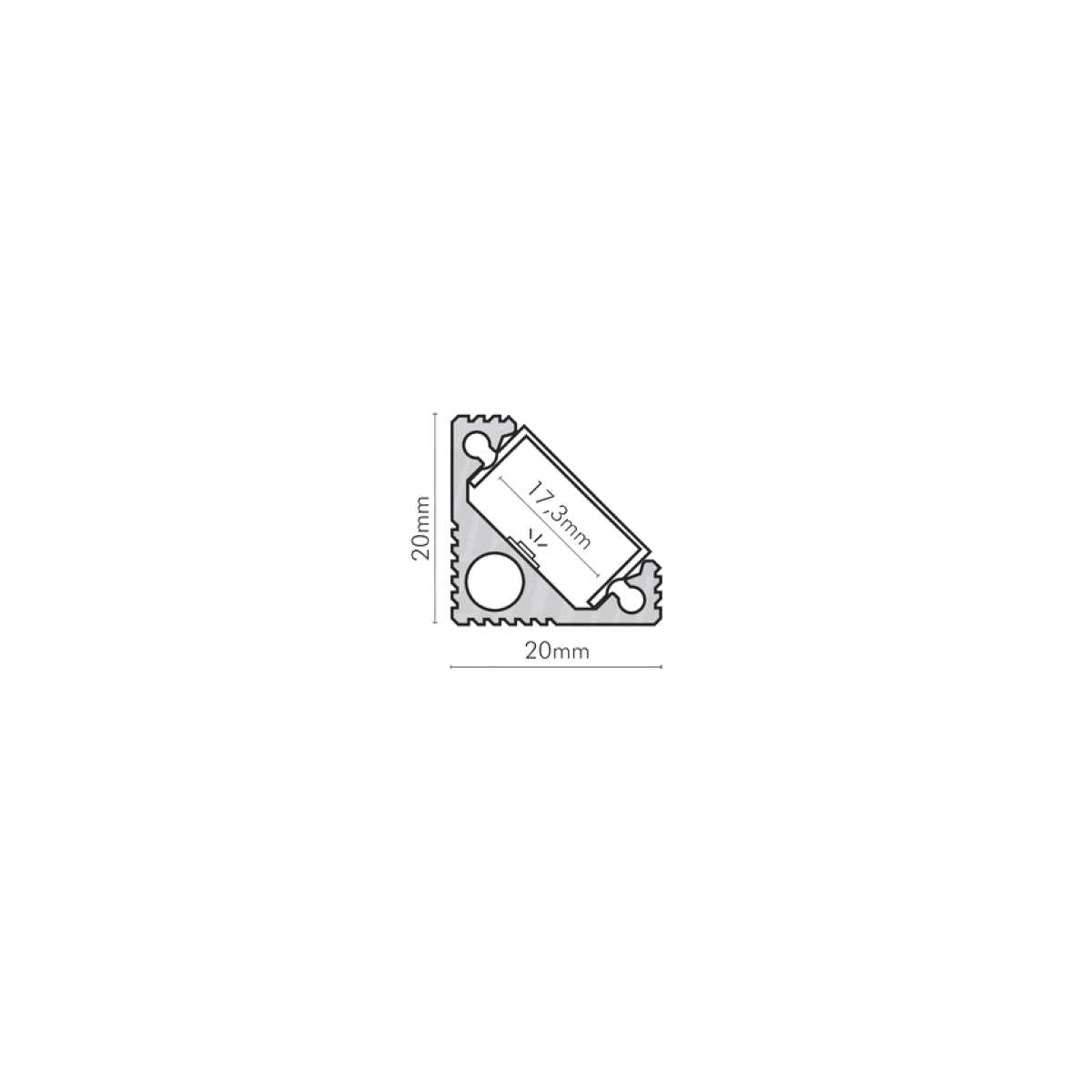
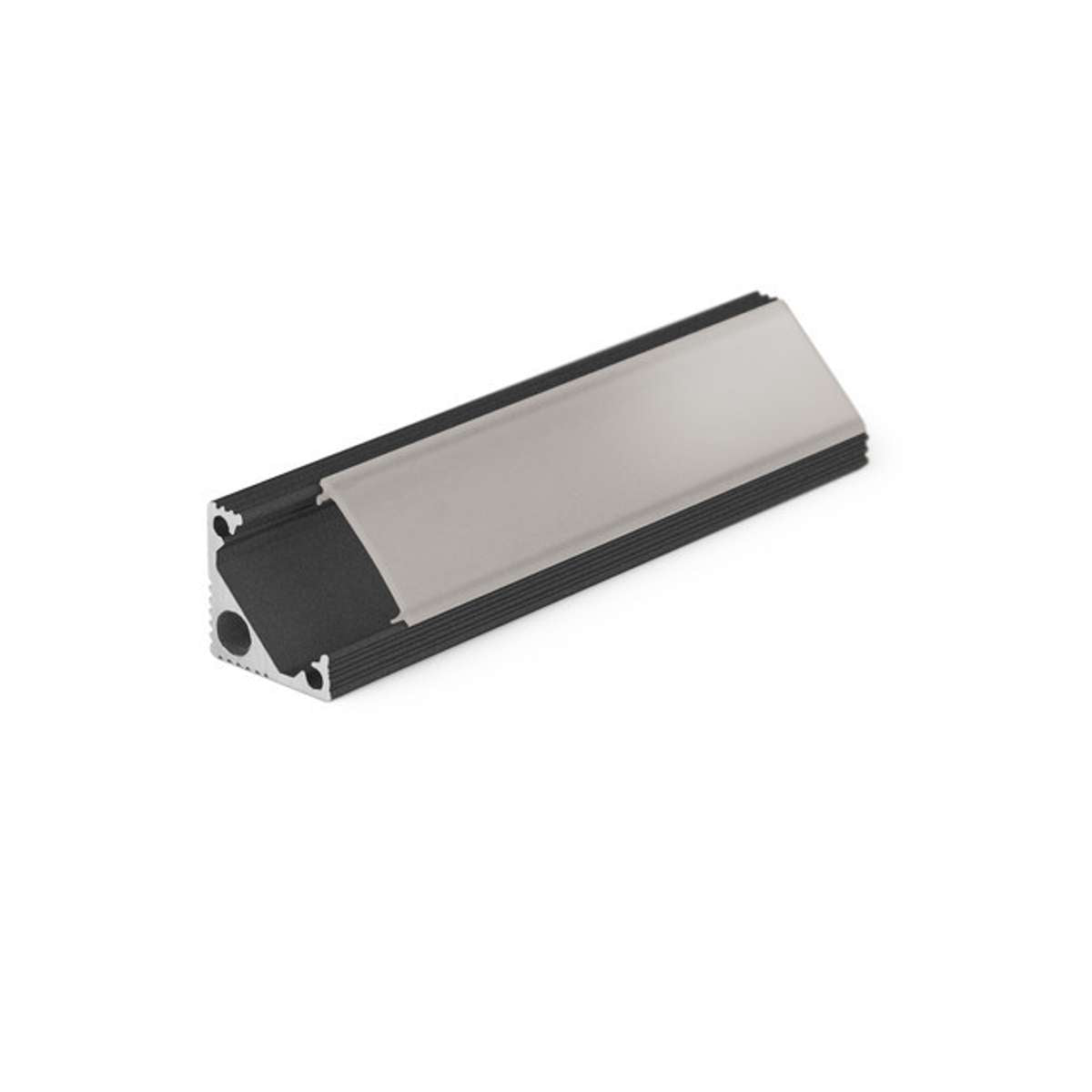
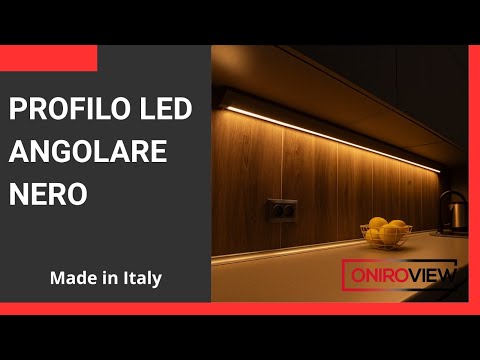
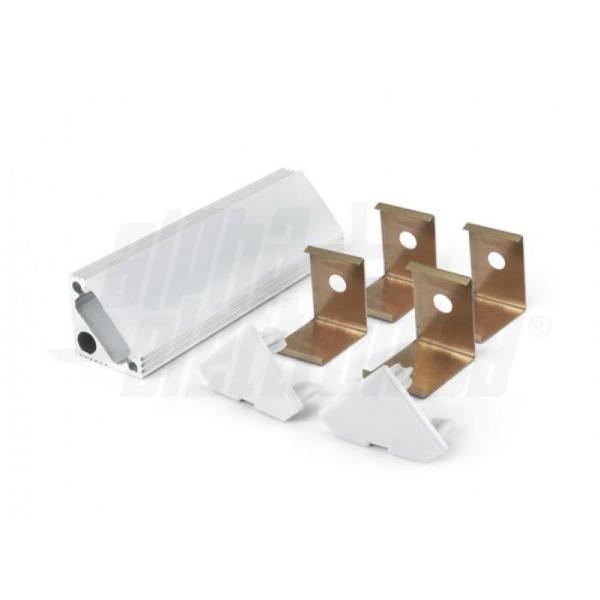
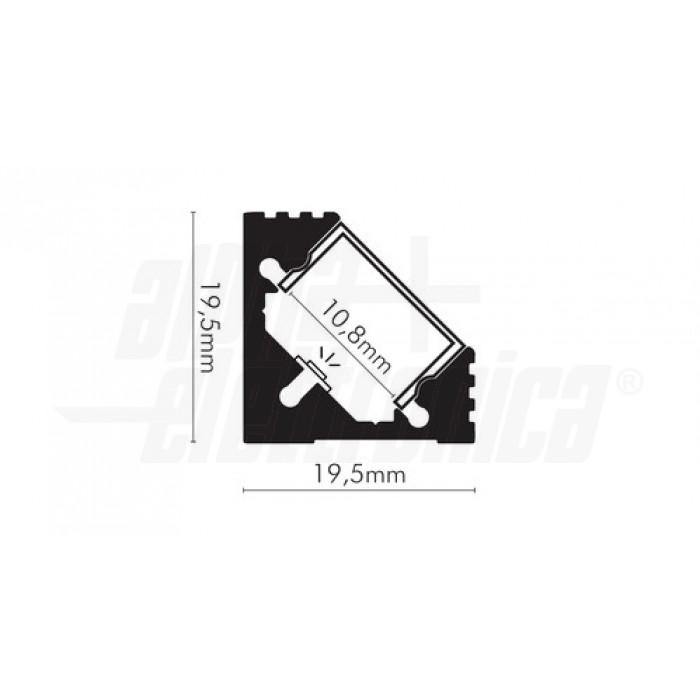
| Corner | In the corner between two planes, with light angled at 45°: under kitchen cabinets, backsplashes, shelving |
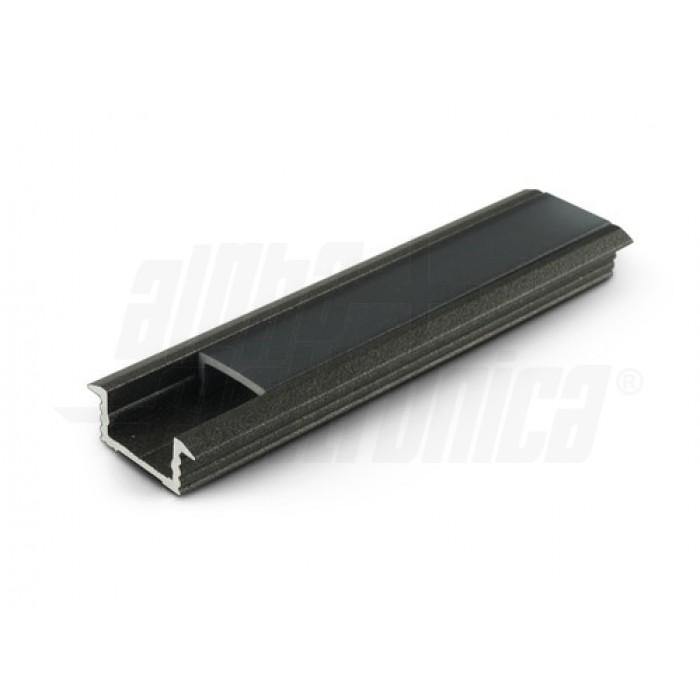
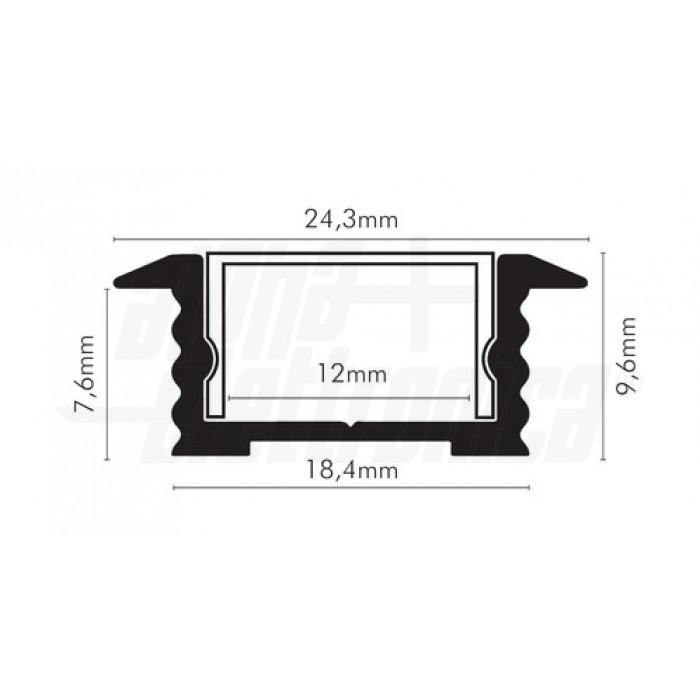
| Recessed | Embedded in plasterboard or wood, for a light line flush with the surface |
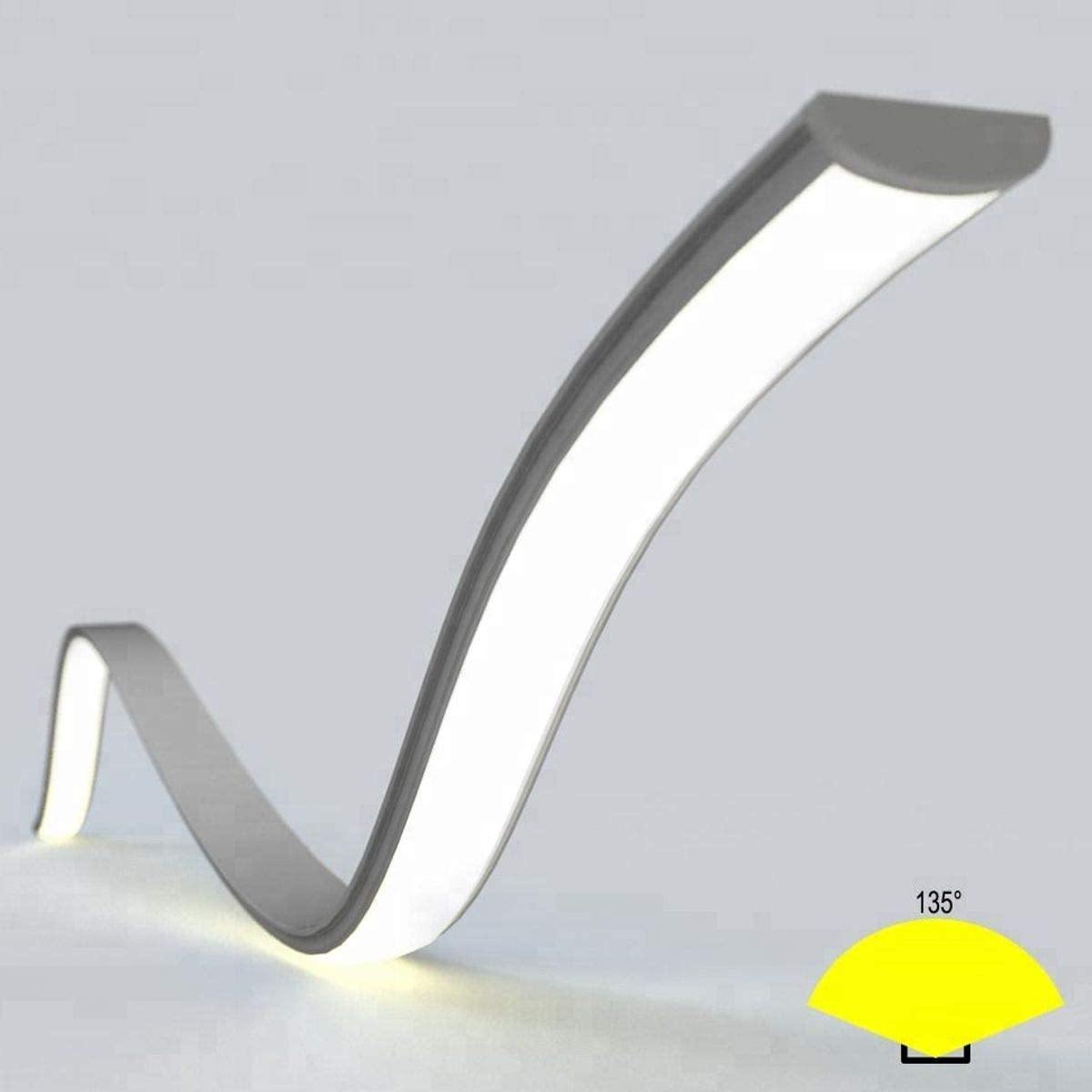
| Flexible/bendable | Curves, arches, sinuous shapes, lettering, and outlines |
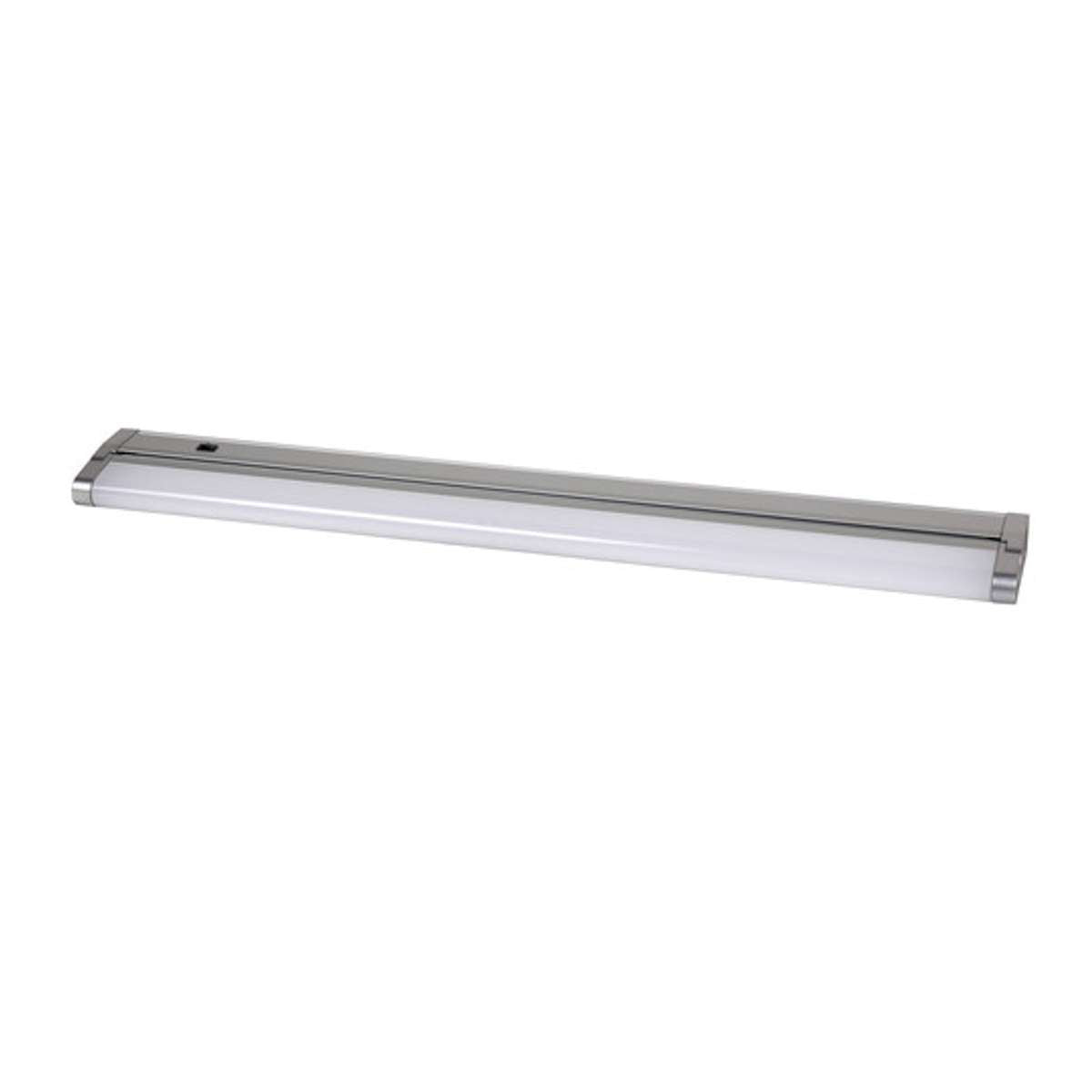
| Ready-to-use under-cabinet bar | A complete, tiltable solution that comes ready to use, without needing to assemble the strip or power supply |
The cover changes the final output
Opal or matte: provides maximum diffusion, completely hides the LEDs, and produces a homogeneous line of light. This is the right choice for SMD strips and anywhere the profile is viewed directly.
Transparent: lets more light through but hides nothing. It makes sense with COB strips, which are already uniform by nature, or where the profile is not in plain view.
Frosted: a middle ground, good diffusion with minimal light loss.
Prismatic: manipulates the direction of the beam and is used where you need to focus the light onto a surface.
Regarding finishes, in addition to silver and black, the catalog also includes corten, which matches furnishings and facades with that finish without needing to paint anything.
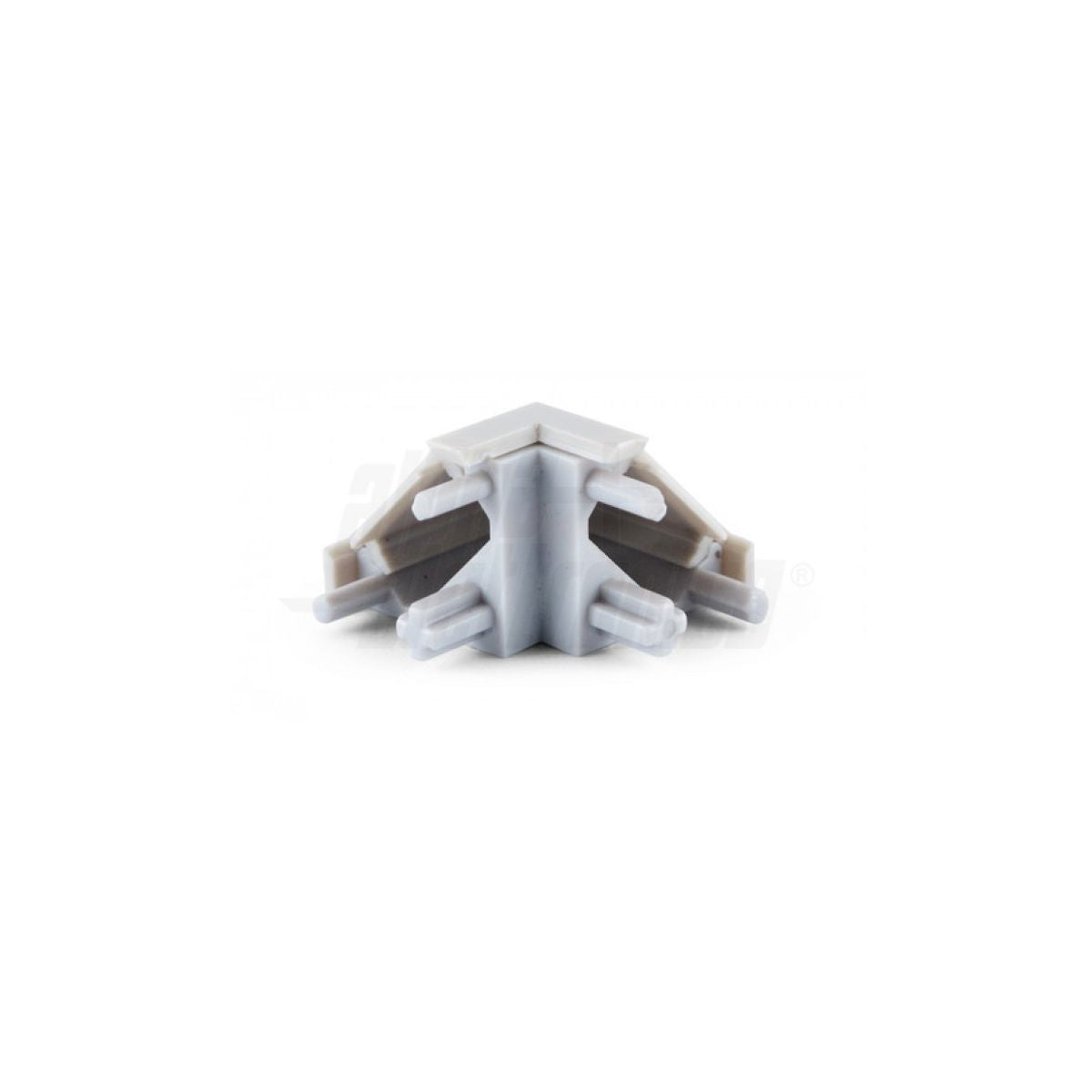
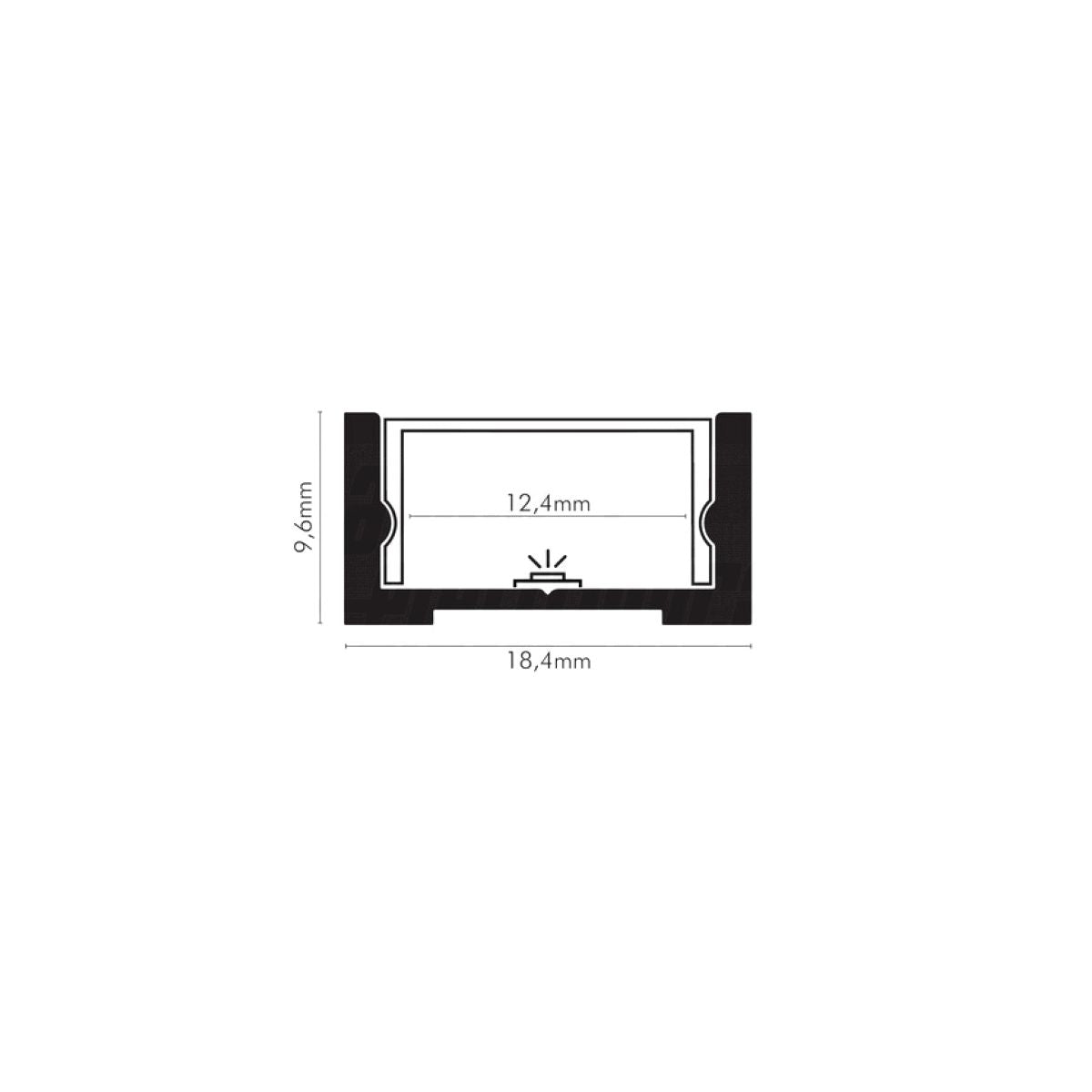
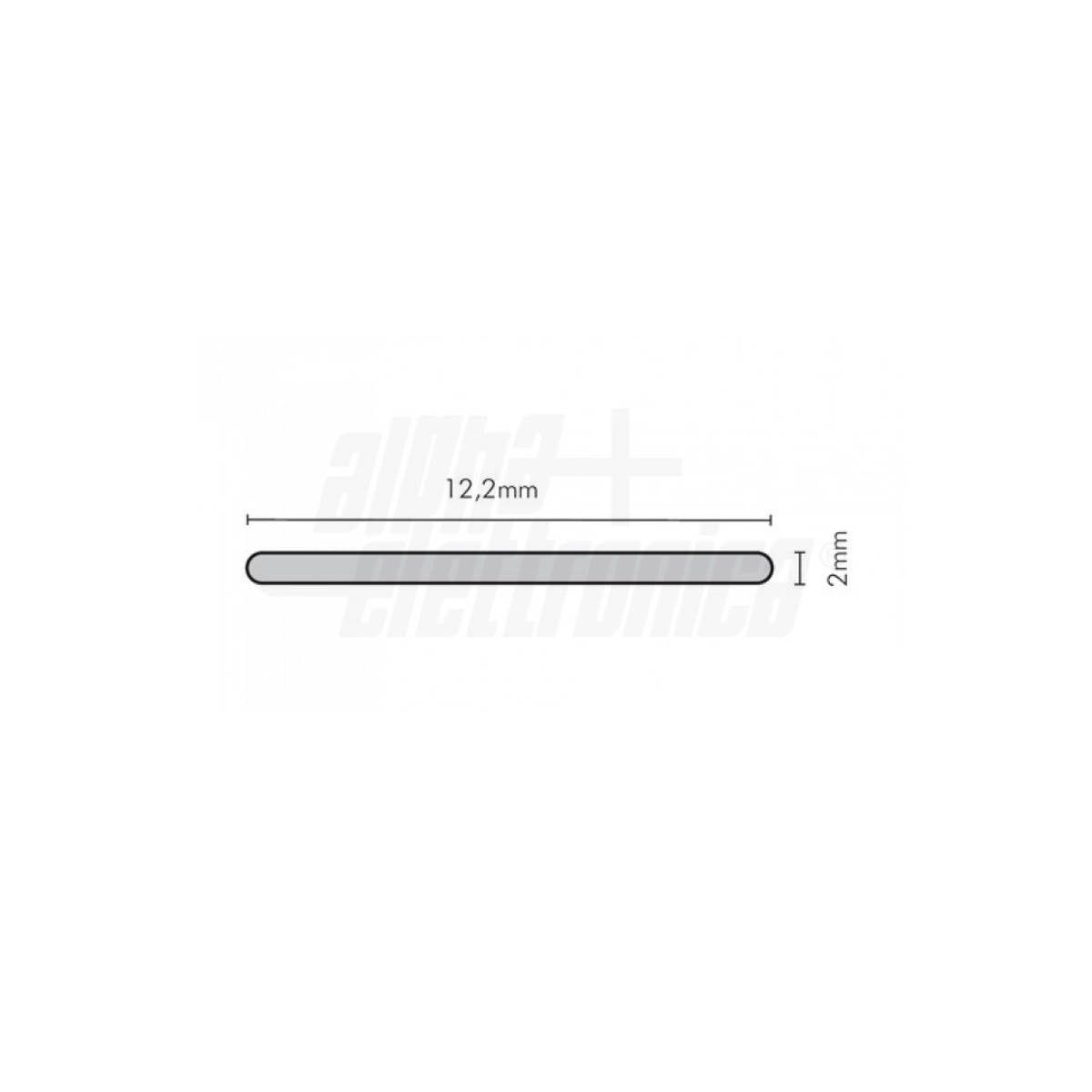
Expert advice. The number one ordering mistake is the PCB width. LED strips have tapes that are 8, 10, or 12 mm wide, and the profile channel has a precise measurement: a 12 mm strip won't fit into a profile designed for 10 mm, and one that is too narrow will wobble and detach. Measure the tape with calipers, or tell us the strip model and we'll tell you which profile will fit it. Second point: profiles come in 2-meter lengths, so for long runs you need joining connectors, and for corners you need 90° connectors — which come in concave and convex versions depending on which way the corner turns. They are not the same part.
Accessories: don't forget the end caps
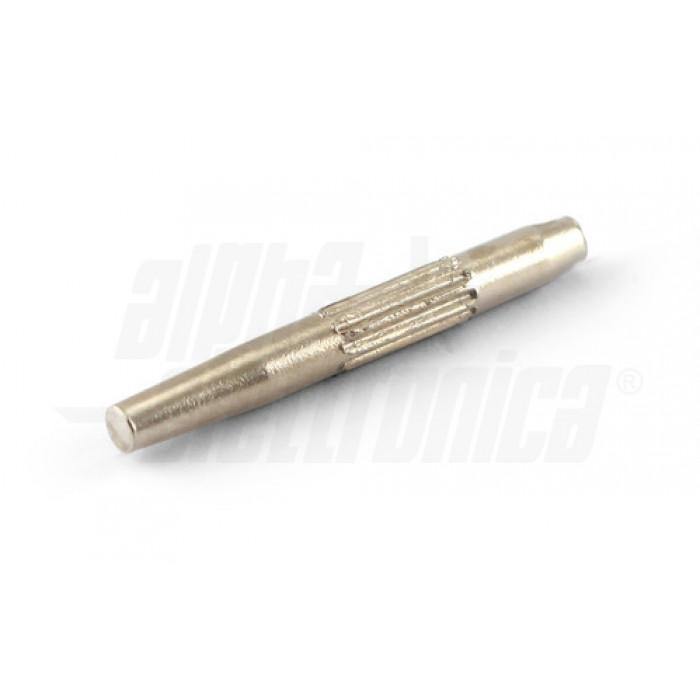
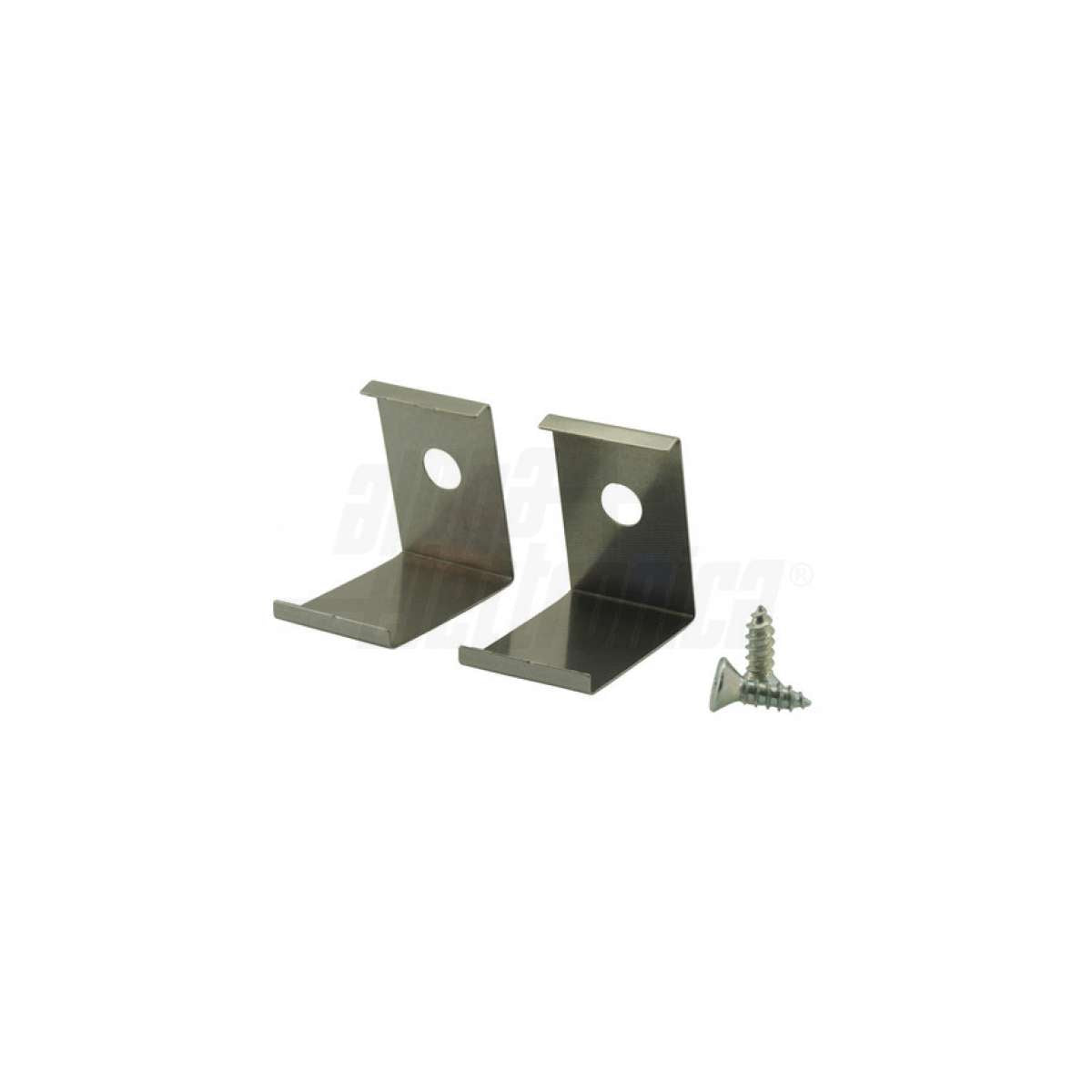
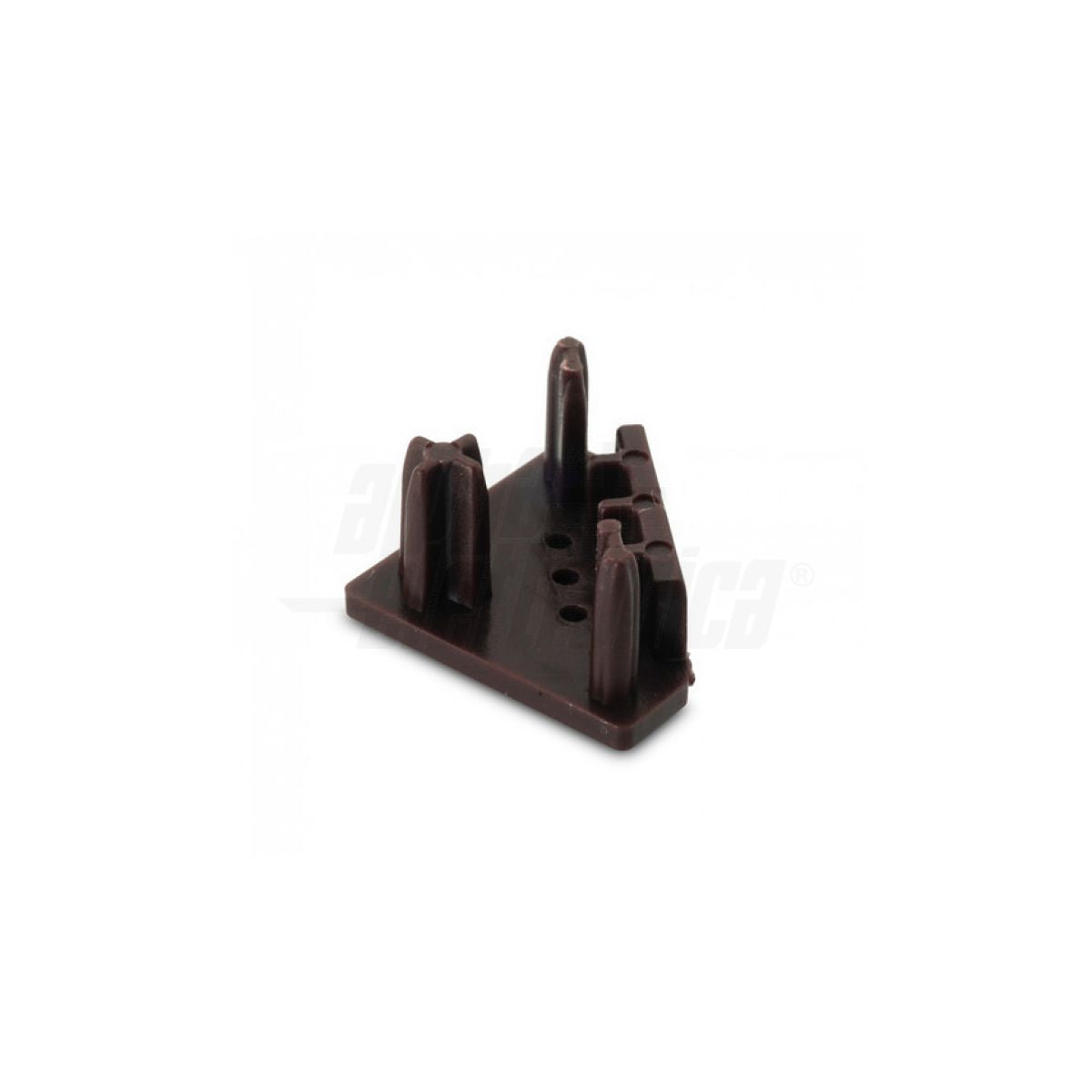
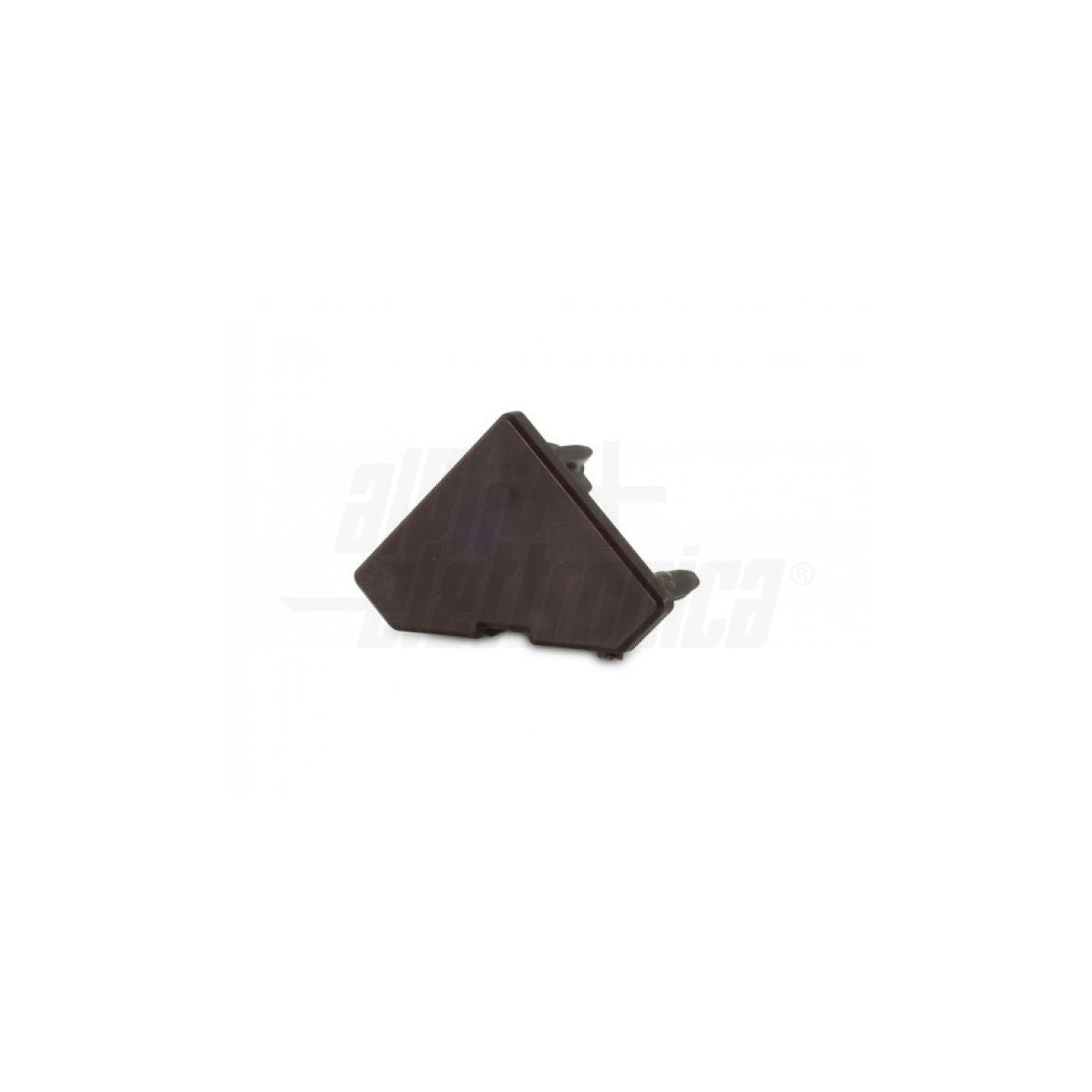
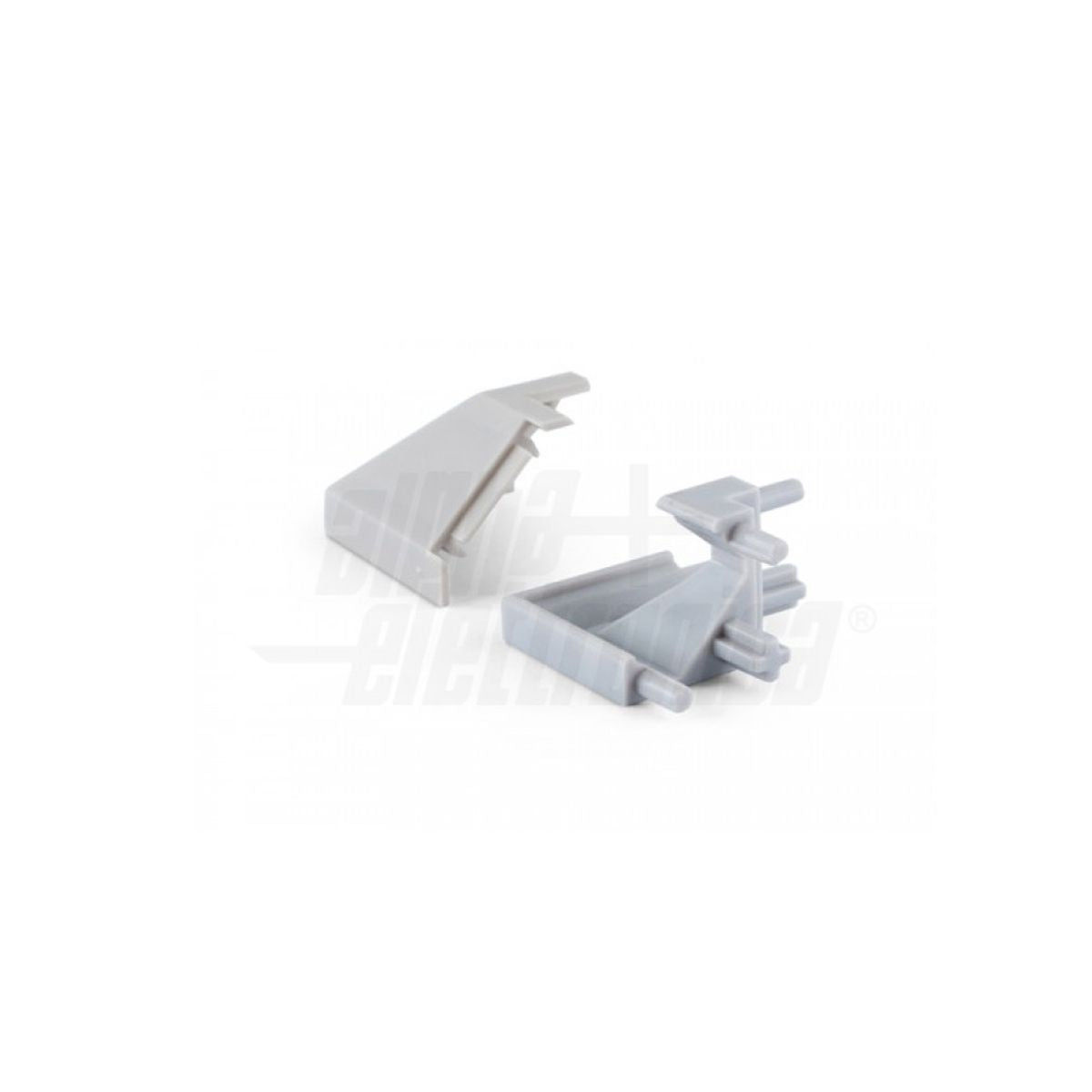
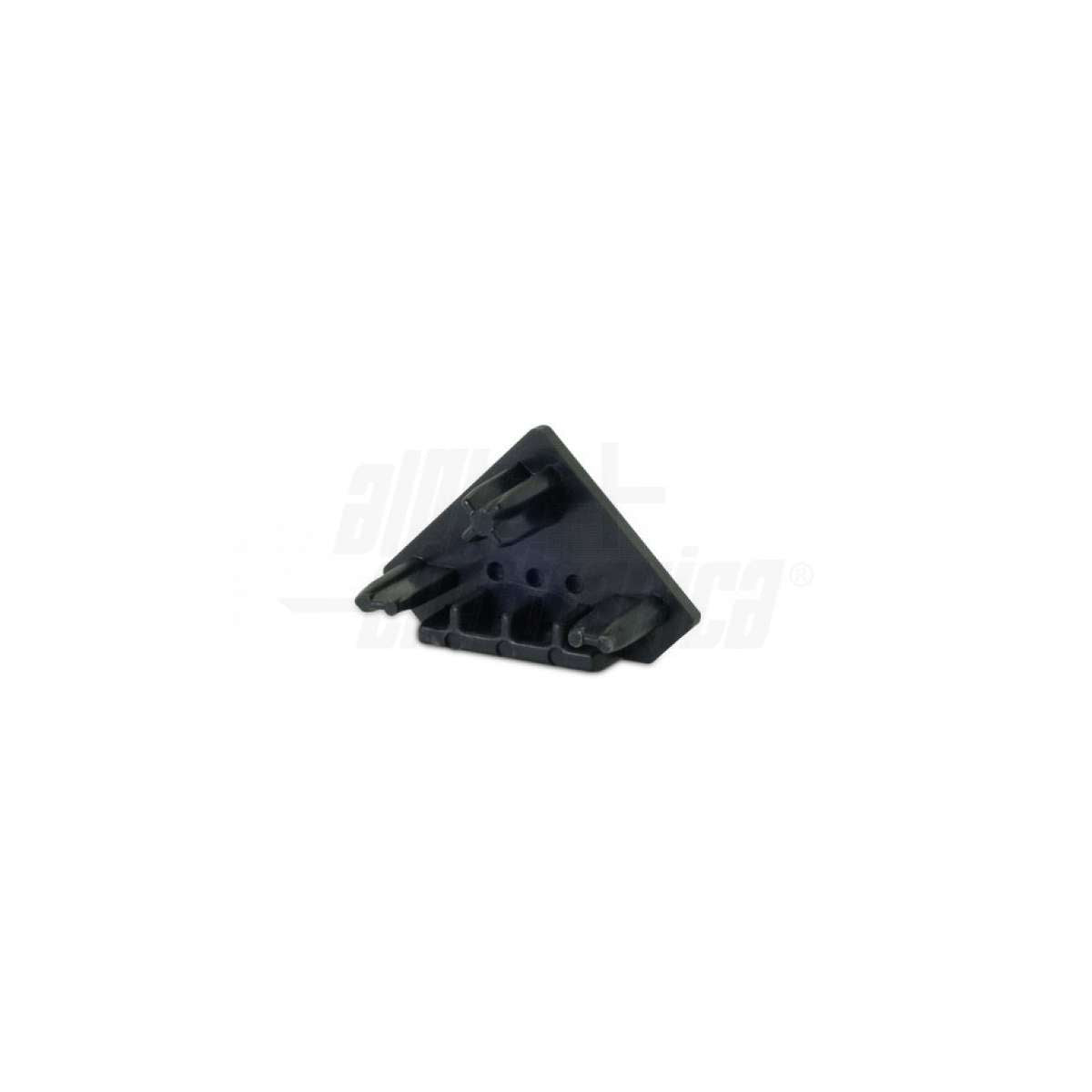
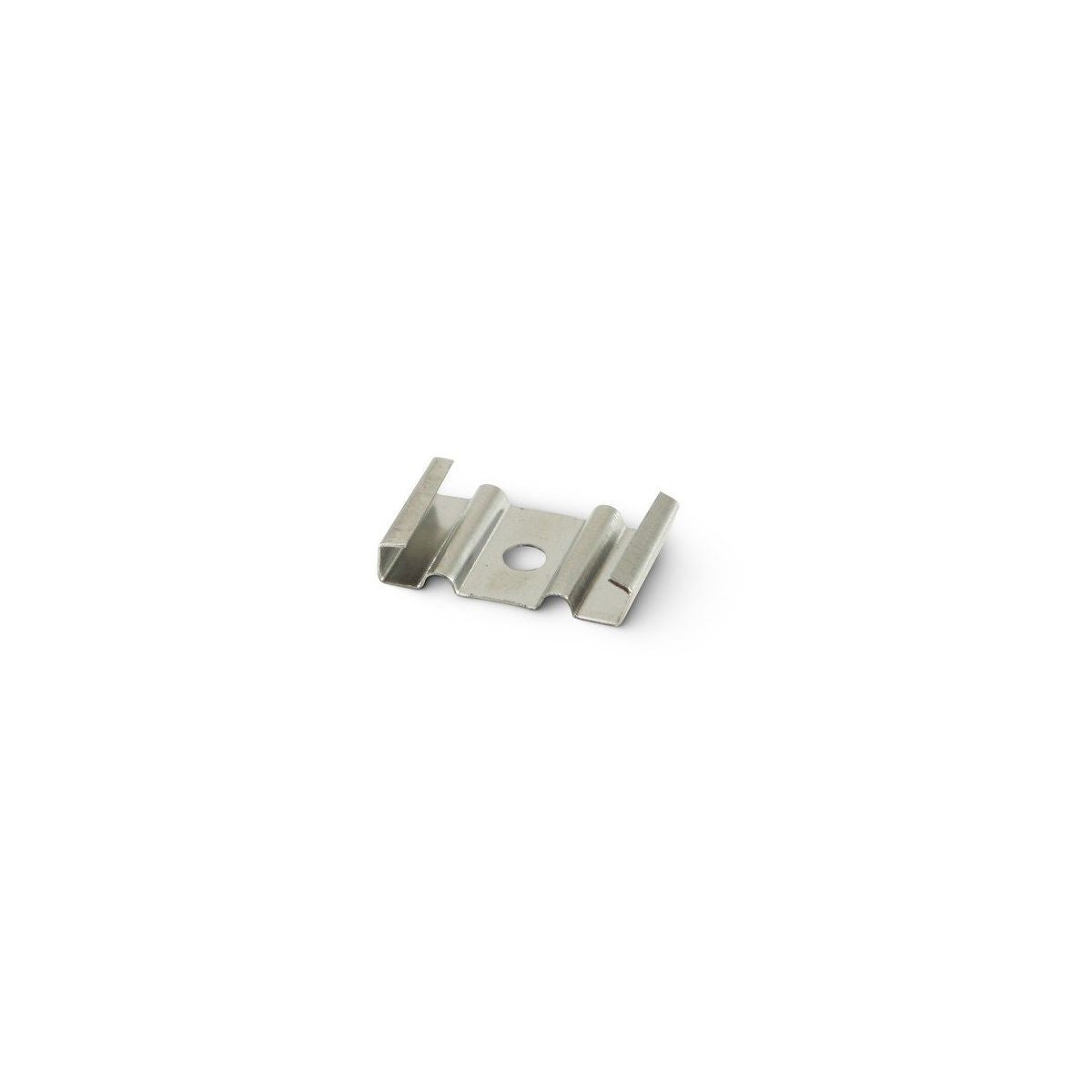
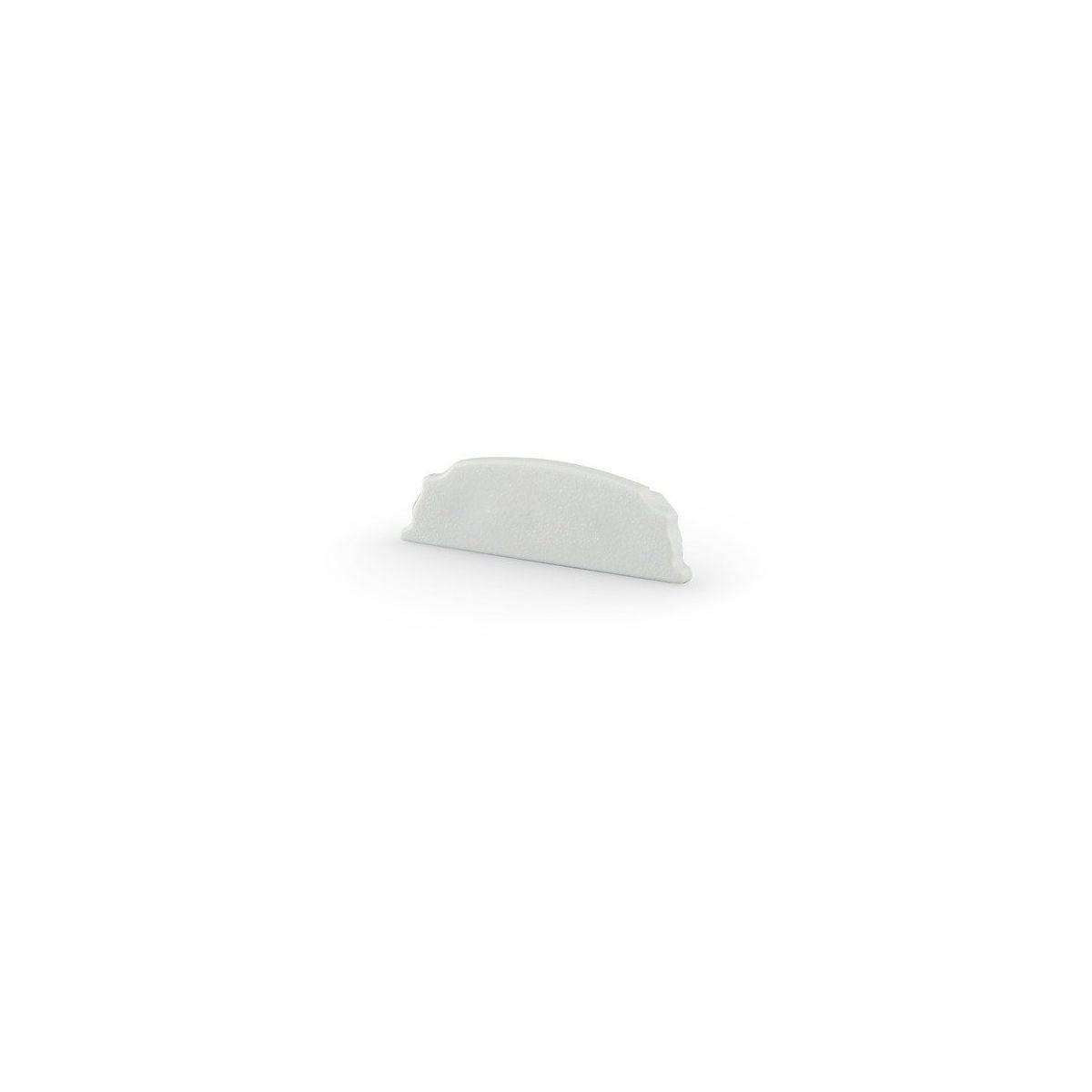
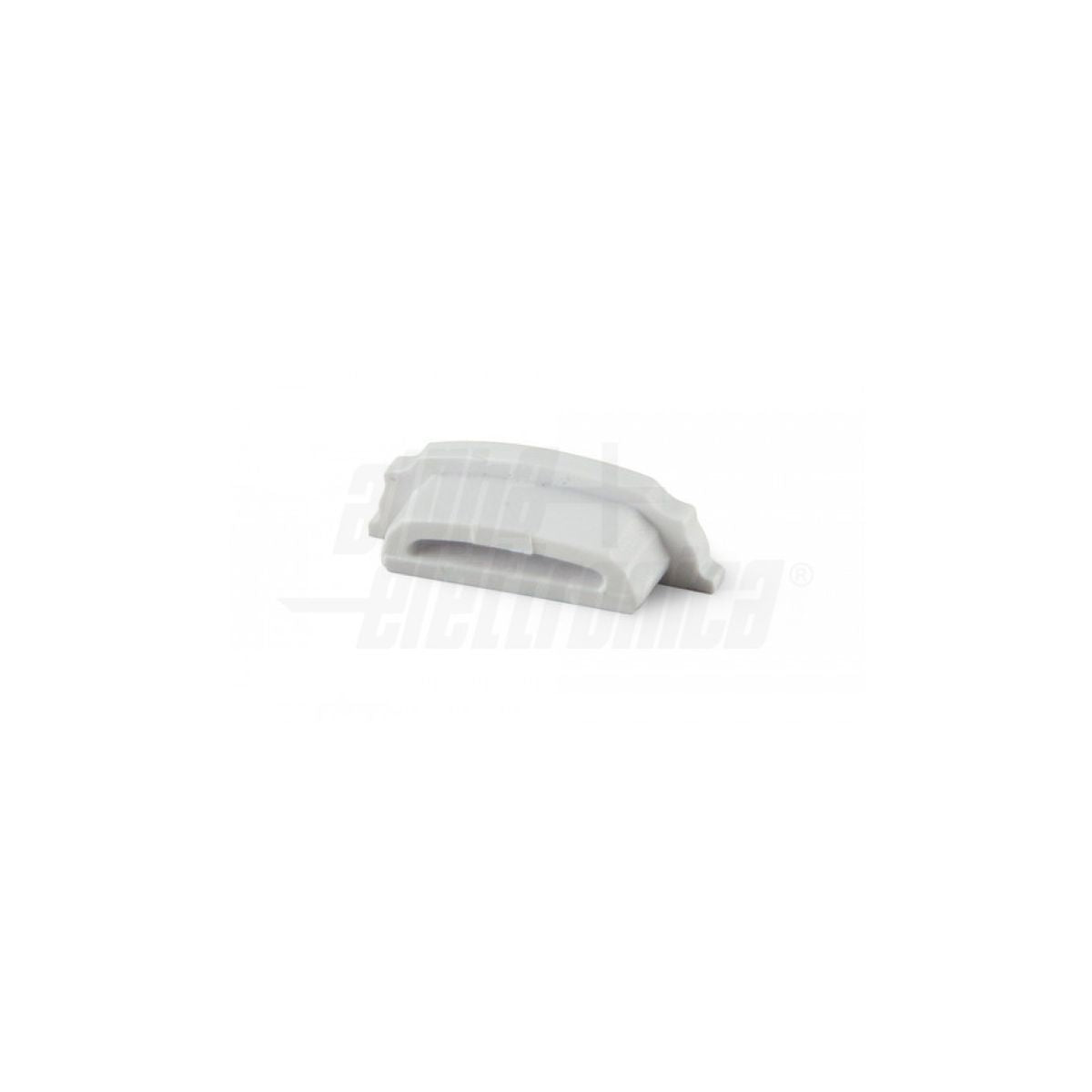
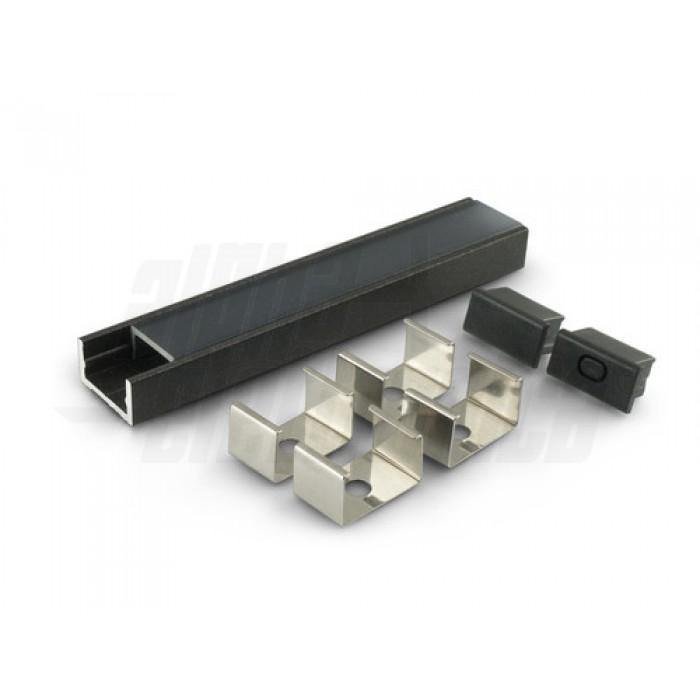
Every profile must be closed at the ends with end caps, which come in finishes matching the profile (black, corten, gray). You also need mounting clips to anchor the profile to the surface, joining connectors to link two bars in a line, and 90° corner connectors, concave or convex, to navigate corners while maintaining continuous light. These are parts you should put in your cart along with the profile: buying them later means stopping your work.
Frequently asked questions about LED strip profiles
Can I cut the profile to size?
Yes, aluminum can be cut with a fine-toothed hacksaw or a miter saw with an aluminum blade. Always deburr the cut before inserting the strip and remember to finish the cover in the same way.
How do I know if my strip will fit?
Measure the width of the PCB, not the strip including the silicone coating if it is IP65: these are two different measurements. The profile channel must be equal to or slightly larger than the PCB.
Is a profile needed even with COB strips?
Yes, and for the most important reason: thermal dissipation. COB eliminates dots but not heat. What might change is the cover, because with light that is already uniform, a transparent cover becomes a possible choice.
Can the flexible profile be bent infinitely?
It has a minimum bending radius beyond which it deforms and cannot return to its original shape. It must be curved gradually and while cold, using a template: sharp folds crush the channel and the strip will no longer fit.
Are they compatible with Philips Hue strips?
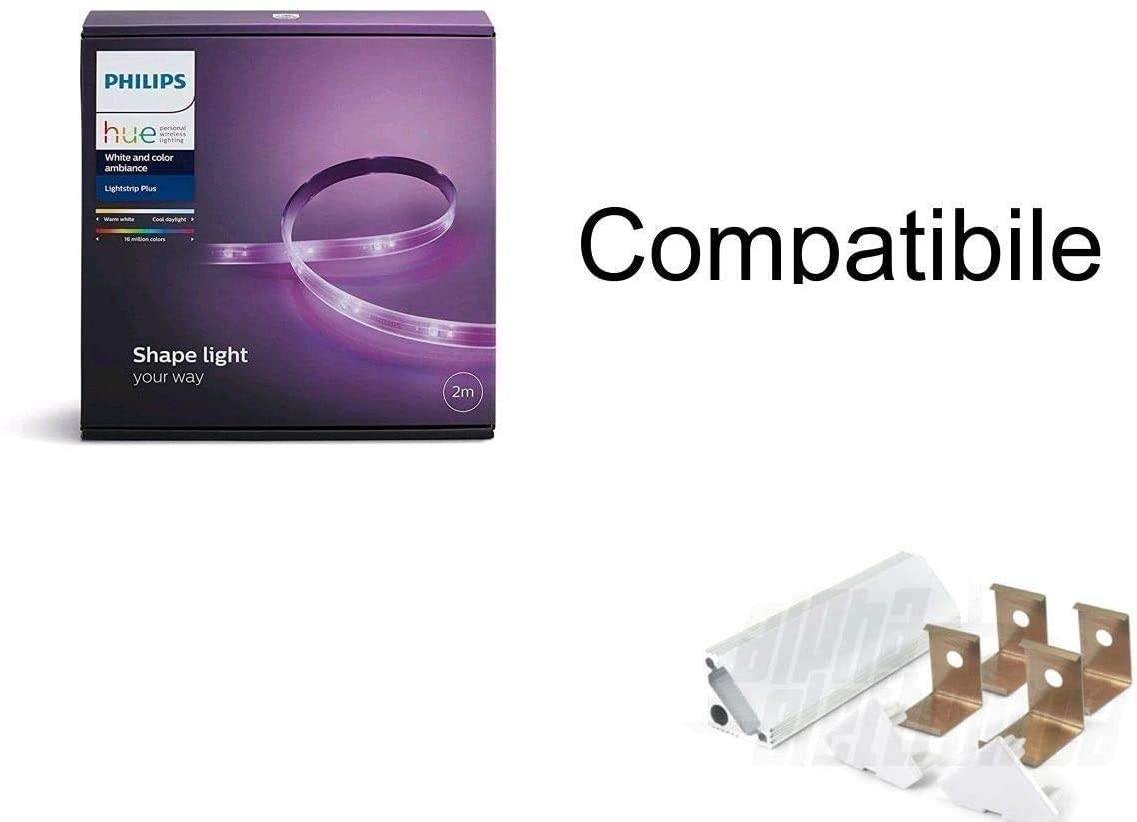
Some profiles in the catalog are explicitly stated as compatible with Philips Hue strips and include this information on the product page. For the others, the general rule applies: the PCB width is what counts.
See also LED strips, power supplies, and LED dimmers.





